
Introduction to Photoinitiator 819
Photoinitiator 819 (also known as Bis(2,4,6-trimethylbenzoyl)phenylphosphine oxide, or BAPO) is a high-performance photoinitiator which is a free-radical photoinitiator that the industry extensively uses in UV-curing systems.Formulators know this product to be of superior deep-curing potential, high rate of photopolymerization and low-yellowing properties, making it the compound of choice in coatings, inks, adhesives and 3D printing resins.
Chemical Information:
- CAS Number: 162881-26-7
- Molecular Formula: C34H33O4P
- Molecular Weight: 546.57 g/mol
What is Photoinitiator 819 Used For?
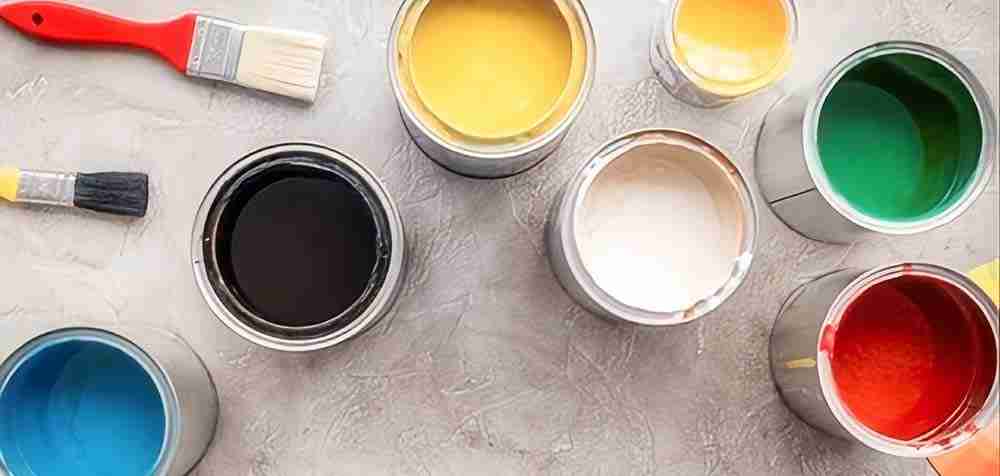
Photoinitiator 819 is a highly adaptable product with an outstanding performance in the various UV-curing activities. Formulators commonly use it in the coatings and inks sector, in the preparation of printing inks, surface coatings and varnishes, where it provides rapid curing in the presence of UV irradiation, even in thick-film applications. The product applies in electronics, automotive, and industrial industries, where formulators use it in bonding of products due to its effectiveness in increasing the bonding strength and durability.
Photoinitiator 819 has been used in 3D printing to provide high resolution curing with Stereolithography (SLA) and Digital Light Processing (DLP) techniques. With a great depth of penetration, it allows curing the deep 3D-printed parts without losing transparency. Moreover, this product is extensively used in the area of high performance optical materials such as transparent coatings and lenses where it has an extremely low propensity to yellowing and where it exhibits an exemplary level of clarity after the curing process.
The Benefits of Photoinitiator 819
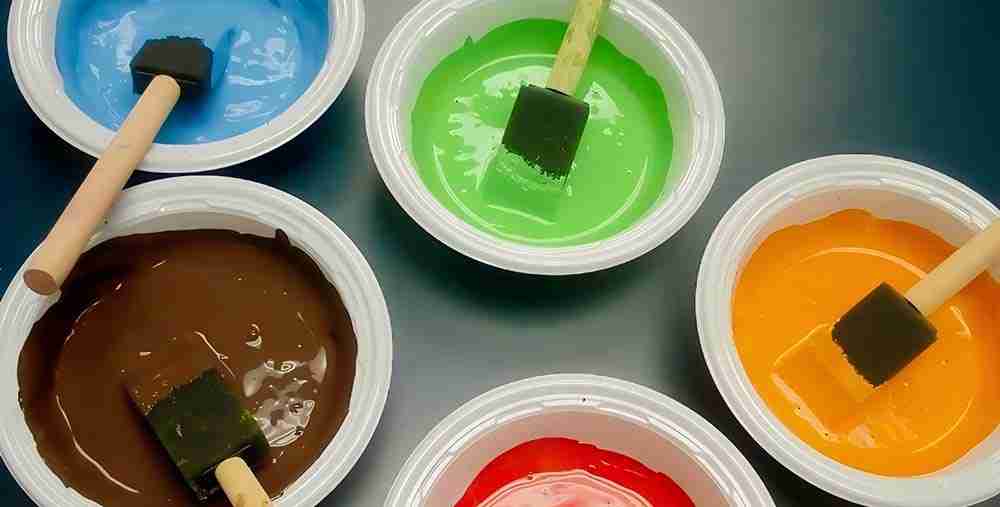
Photoinitiator 819 has several strengths that it has over a large population of photoinitiators. Its rapid curing speed shortens the processing time and enhances the production efficiency. It is also very good in penetrating deep. This enables efficient curing of thick films and complex geometries.
Moreover, this compound has a very low tendency to yellow. It retains transparency and color in transparent materials.
It is also very soluble. This guarantees good compatibility with various monomers and oligomers in the UV-curable formulations.
Technical Specifications and Usage Guidelines
- UV Absorption Spectrum: 365-420 nm.
- Common Dosage: 0.55-5% of total formulation weight.
- Solubility: Is soluble in typical monomers like acrylates and epoxies.
Formulator Hint: Thorough mixing is necessary to obtain consistent curing, in thick-film or pigmented systems.
Industry Applications
Formulators apply Photoinitiator 819 in surface coatings in the plastics industry to ensure quick curing, smooth surface finish and long-term protection. Formulators use it in the field of wood coating in UV-curable furniture varnishes, and it results in a clear and transparent coating finish, with little yellowing.
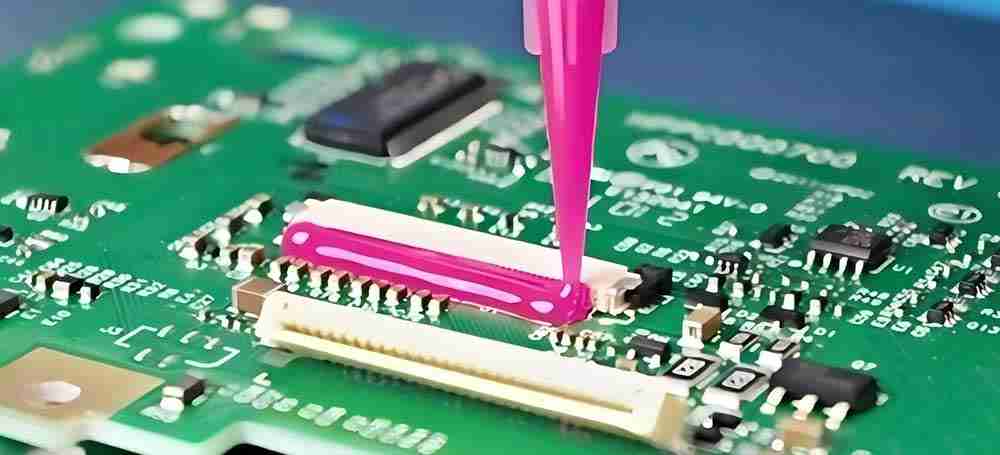
It is also a significant component in adhesives that formulators apply in printed circuit boards (PCBs) and electronic parts in electronics. It has great bonding qualities and can cure fast.
The industry has widely used it in the 3D printing sector in SLA and DLP resin recipes.Manufacturers have widely used it in the 3D printing sector in SLA and DLP resin recipes.
Lastly, Photoinitiator 819 is an ideal product in the optical materials industry. The content is very clear and not much change in color. Thus, it is most appropriate in the production of lenses and transparent coatings.
How to Use Photoinitiator 819 in UV-Curing Systems
In order to perform optimally, you should include Photoinitiator 819 properly in your composition. Correct use enhances the effectiveness of curing, minimizes flaws and produces uniform outcomes.
Initially, identify the right dosage. In most UV-curable systems, formulators use Photoinitiator 819 at 0.5% to 5% by weight. Formulators can do thin films with lower concentrations. Higher concentrations better suit thick or pigmented systems.
Then, be sure to mix it. Formulators should thoroughly dissolve Photoinitiator 819 in the resin system.The homogeneous spread assists in attaining uniformity in the curing of the entire surface.
Next, choose the appropriate source of light. Photoinitiator 819 absorbs UV light in 365 to 420 nm. Thus it is most effective using medium- and long-wave UV lamps or LED UV systems.
Moreover, take into account the type of formulation. Photoinitiator 819 is compatible with acrylates, epoxies and hybrid systems. However, you should always test compatibility in advance.
Lastly, maximize the conditions of curing. Variate light intensity, exposure time and film thickness to complete curing. This is particularly critical with thick coating or 3D printer.
FAQ: Frequently Asked Questions
Q1: What is Photoinitiator 819?
Photoinitiator 819 is a BAPO-based free-radical photoinitiator that formulators commonly employ in UV-curable coatings, inks, adhesives, and 3D printing resins. Formulators also know it to have the quick curing rate, very good deep-curing and low-yellowing properties.
Q2: How is Photoinitiator 819 used?
A2: Formulators mainly use it in UV-curable coating, printing inks, adhesives, sealants, 3D printing resins, and optical materials
Q3: What is the average usage concentration?
A3: The typical dosage of Photoinitiator 819 is 0.5% to 5% of the formulation weight, depending on the coating thickness and the type of resin.
Q4: What are the benefits of Photoinitiator 819 over other photoinitiators?
A4: It has a high penetration rate into thick films, high solubility, and low yellowing, and a high light-transmissivity in clear materials.
Q5: Is it applicable to all kinds of resins?
A5: Photoinitiator 819 is compatible with most acrylates, epoxy resin and other UV-curable monomers, but formulators must still determine the solubility and reactivity of the product in their specific formulation system.