
What are antioxidants?
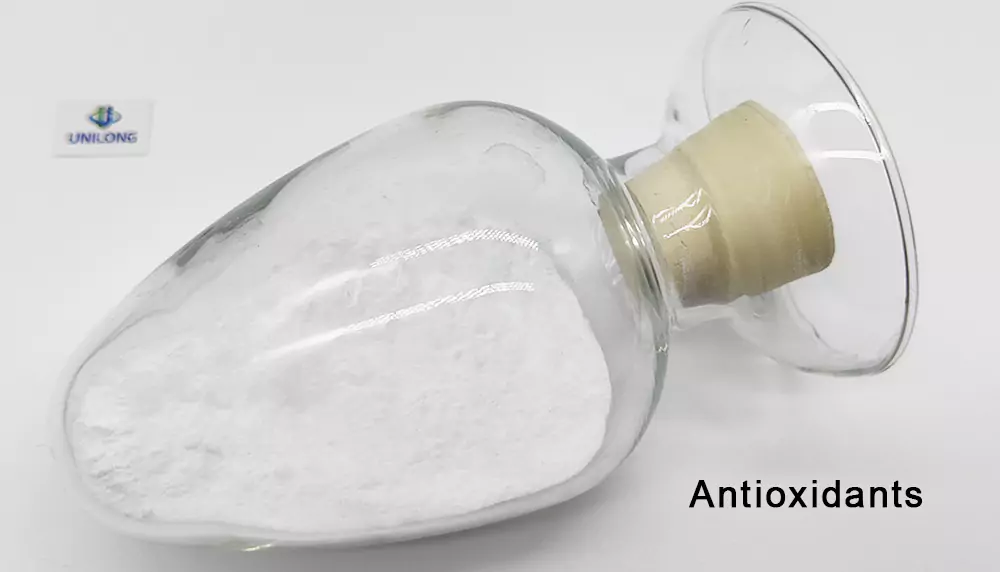
Antioxidant, also known as antiager, is a chemical substance that can delay the oxidation and aging of polymers. When only a small amount of it exists in the polymer system, it can delay or inhibit the oxidation process of the polymer, thereby preventing the aging of the polymer and extending its service life, so it is widely used in rubber, plastics, chemical fiber polymer materials and chemical and food processing.
Why you should use antioxidants?
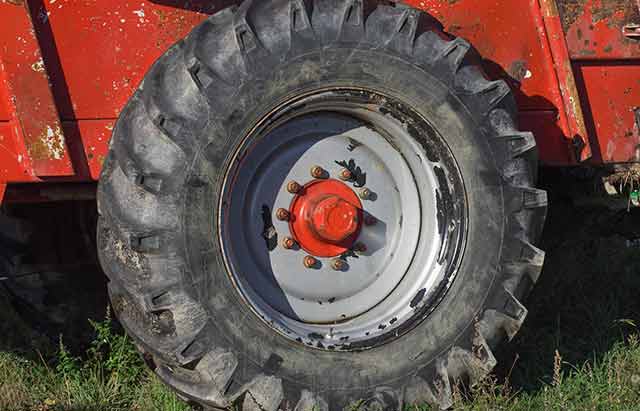
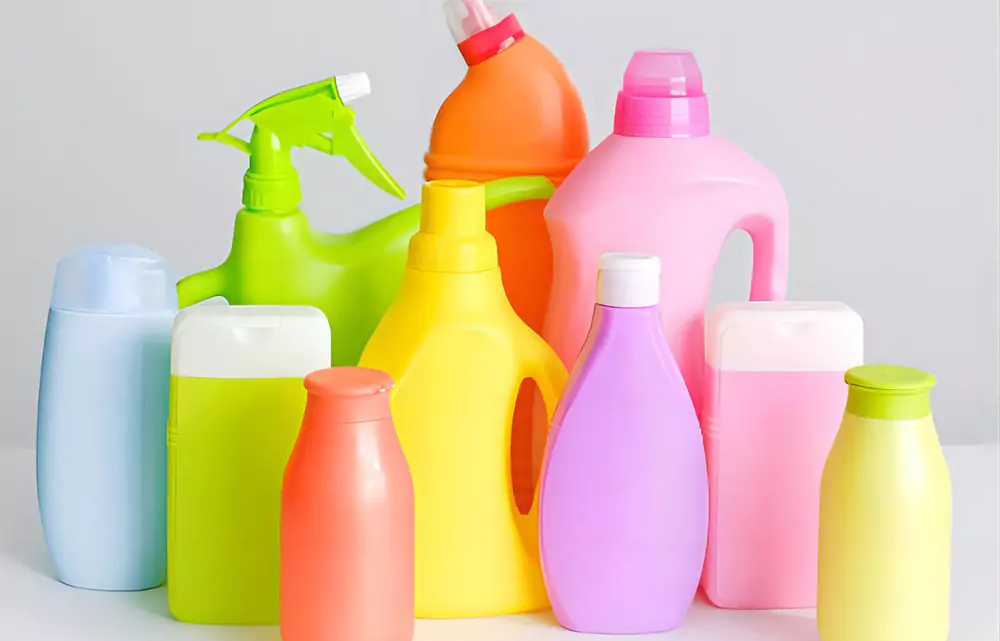
Plastic has become a necessity in virtually every aspect of modern life. Recent advances in the production and processing of plastics have further broadened the range of applications of plastics, and in some applications, plastics have even replaced other materials such as glass, metal, paper and wood.
Plastic usually under the action of light, oxygen and heat will rapidly decay, resulting in:
- Decline in strength, stiffness and toughness;
- Discoloration;
- Scratches appear and the surface luster decreases.
Antioxidants, light stabilizers and fluorescent whitening agents can effectively overcome these effects.
How do antioxidants work?
The principle of antioxidant action is mainly by trapping and neutralizing free radicals, thereby removing the damage of free radicals to the human body or substances. Free radicals are the main culprits behind oxidation reactions, attacking healthy cells and causing oxidative damage. Antioxidants oxidize themselves to protect other substances from oxidative damage by preferentially reacting with oxygen, a reaction known as Redox reaction. For example, when antioxidants are used as stabilizers in rubber, they can inhibit copper damage and prevent the damage of various climatic factors to vulcanized rubber, thereby protecting rubber products from the effects of thermal oxygen aging.
The smell of antioxidants is related to the specific type, for example, when antioxidants are used as food additives, they can delay the rancidity of food, but the specific smell may vary depending on the type of food and antioxidant.

Common types of antioxidants
Antioxidant 1010 is an important variety of hindered phenolic antioxidants,CAS: 6683-19-8, it has low volatility, good compatibility with resins, can be applied to polyolefin, ABS, polyamide, etc., it is especially good for the stability of aging resins such as polypropylene.
Antioxidant DLTDP
Antioxidant DLTDP, chemical name is dilauryl thiodipropionate, DLTDP is an auxiliary antioxidant, and often used in combination with hindered phenol main antioxidant. However, it releases acidic components during stabilization, and produces antagonistic effect when used with hindered amine light stabilizer, reducing the light stabilization effect, but has synergistic stability with ultraviolet absorber.
Antioxidant DSTDP
Antioxidant DSTDP, chemical name is thiodipropionic acid = stearyl ester, as an auxiliary antioxidant, more effective than DLTDP, but poor resin compatibility, should not be used with hindered amine light stabilizer.
Principles of antioxidant selection
When choosing antioxidants, the varieties of antioxidants should be determined mainly according to the types and models of plastic materials, processing equipment and technological conditions, varieties and amounts of other chemical additives, and the use environment and duration of products. The selection of antioxidants for industrial use should be based on the following principles.
1. Compatibility
The polymers of plastic polymers are generally non-polar, and the molecules of antioxidants have different degrees of polarity, and the compatibility of the two is poor, usually at high temperatures to combine the antioxidant and polymer melt, the polymer solidifies the antioxidant molecules between the polymer molecules.
2. Mobility
The oxidation reaction of plastic products mainly occurs on the surface of the product, which requires the antioxidant to continuously migrate from the inside of the plastic product to the surface of the product. However, if the migration speed to the surface of the product is too fast, the amount of migration is too large, the antioxidant will volatilize to the environment on the surface of the product, or diffuse to other media in contact with the surface of the product and the loss, this loss is in fact inevitable, and should be considered when designing the formula.
3. Stability
The antioxidant should be stable in the plastic material, less volatile loss in the use environment and high temperature processing, no discoloration or color, no decomposition, no adverse chemical reaction with other additives, no corrosion of mechanical equipment, and not easy to be extracted by other substances on the surface of the product.
4. Processability
If there is a large difference between the melting point of the antioxidant and the melting range of the resin, the antioxidant bias or screw holding phenomenon will occur. When the melting point of the antioxidant is lower than the processing temperature of more than 100 ° C, the antioxidant should first be formed into a certain concentration of masterbatch, and then mixed with the resin to process the product, in order to avoid the uneven distribution of the antioxidant in the product and the decrease in processing yield due to bias.
5. Environment and hygiene
Antioxidants should be non-toxic or low toxicity, no dust or low dust, no harmful effect on the human body in the processing, manufacturing and use of plastic products, no harm to animals and plants, no pollution to air, soil and water.
We are a professional antioxidant manufacturer, engaged in the chemical industry for more than 10 years, we can provide the following types of antioxidants, if necessary, please feel free to contact us.
| Antioxidant | Antioxidant 1010 | 6683-19-8 |
| Antioxidant 168 | 31570-04-4 | |
| Antioxidant 3114 | 27676-62-6 | |
| Antioxidant 626 | 26741-53-7 | |
| Antioxidant 1076 | 2082-79-3 | |
| Antioxidant 2246 | 119-47-1 | |
| Antioxidant 245 | 36443-68-2 | |
| Antioxidant 264(BHT) | 128-37-0 | |
| Antioxidant 300 | 96-69-5 | |
| Antioxidant 330 | 1709-70-2 | |
| Antioxidant 616 | 68610-51-5 | |
| Antioxidant 618 | 3806-34-6 | |
| Antioxidant 1024 | 32687-78-8 | |
| Antioxidant 1035 | 125643-61-0 | |
| Antioxidant 1076 | 2082-79-3 | |
| Antioxidant 1098 | 23128-74-7 | |
| Antioxidant 2246 | 119-47-1 | |
| Antioxidant 3114 | 27676-62-6 | |
| Antioxidant 5057 | 68411-46-1 | |
| Antioxidant DLTDP(PS800) | 123-28-4 | |
| Antioxidant DMTDP | 16545-54-3 | |
| Antioxidant DSTDP(PS802) | 693-36-7 | |
| Antioxidant HA-652 | 61167-58-6 | |
| Antioxidant HA-691 | 42774-15-2 | |
| Antioxidant P-EPQ | 119345-01-6 |