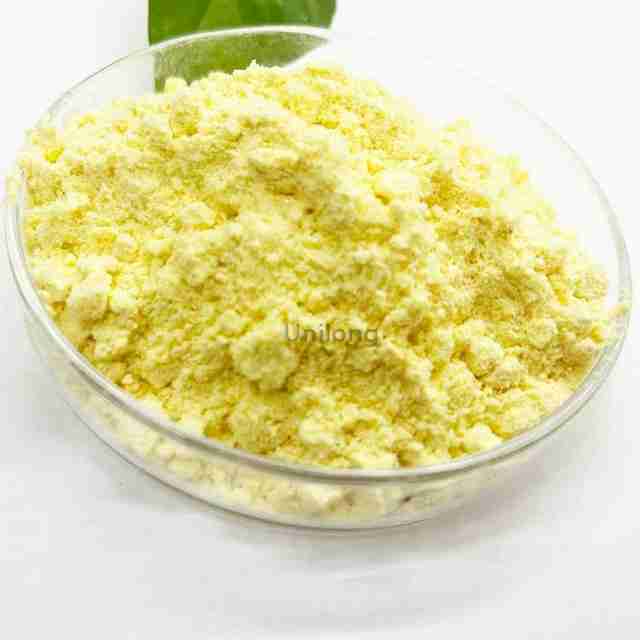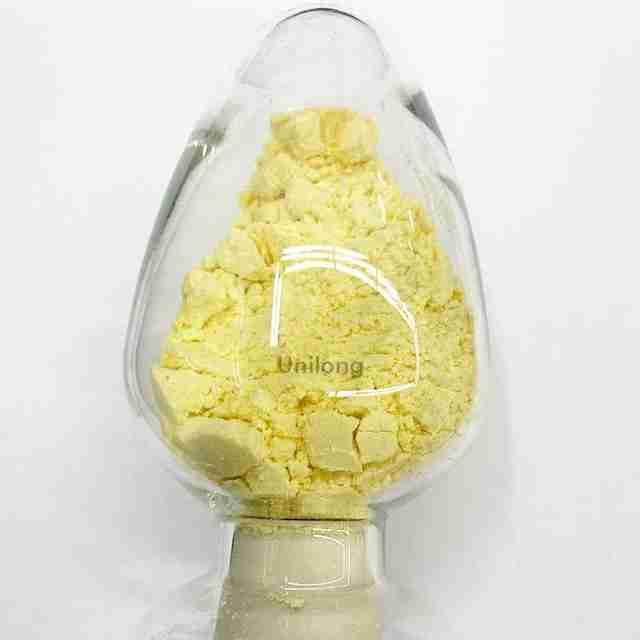



Quick Procurement Information
| Product Name | UV Absorber BP-8 |
|---|---|
| Chemical Name | 2,2′-Dihydroxy-4-methoxybenzophenone |
| Common Names | Benzophenone-8, Dioxybenzone, UV-24 |
| CAS Number | 131-53-3 |
| EC Number | 205-026-8 |
| Molecular Formula | C14H12O4 |
| Molecular Weight | 244.24 g/mol |
| Product Type | Benzophenone-type UV absorber |
| Application Scope | Plastics, resins and coating systems |
| Reference Use Level | 0.25–3%, depending on the formulation |
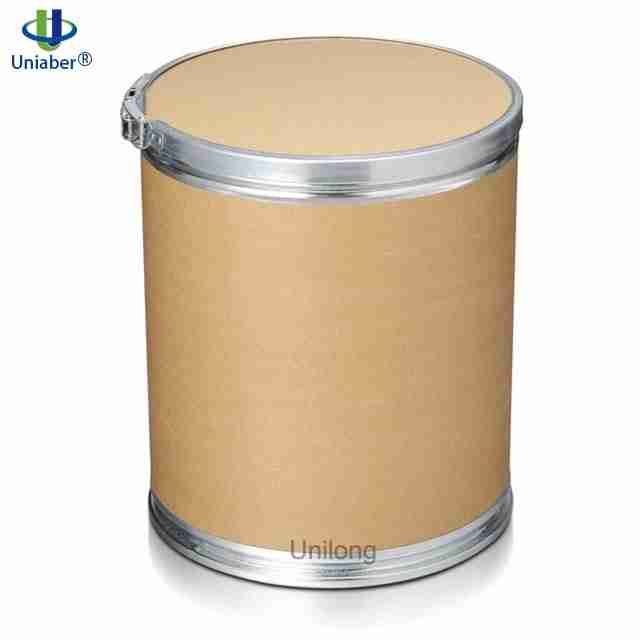
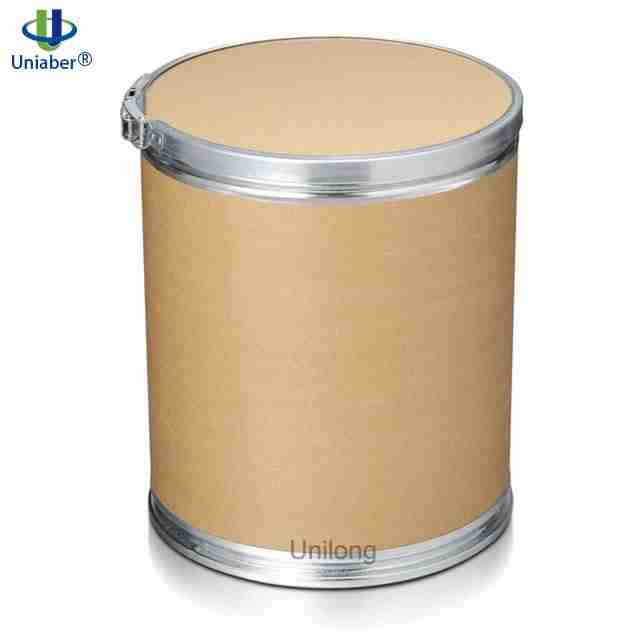
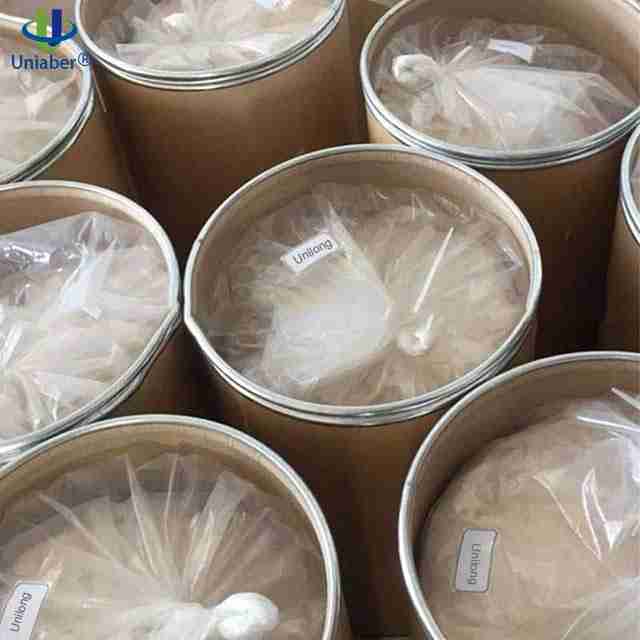
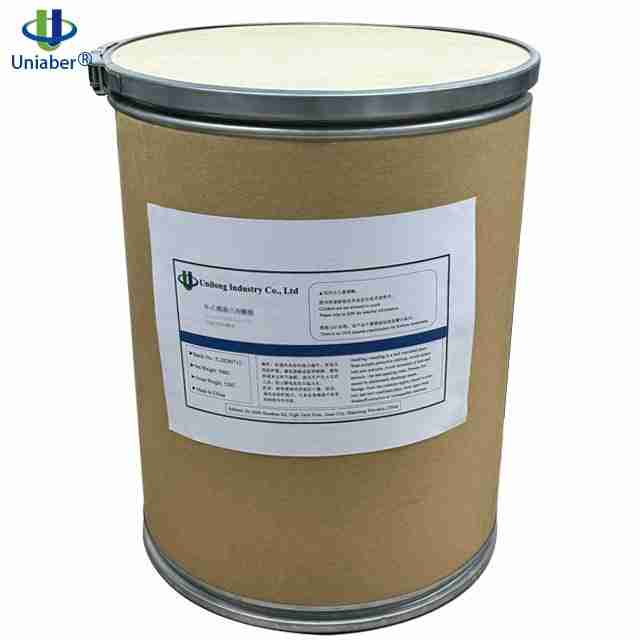
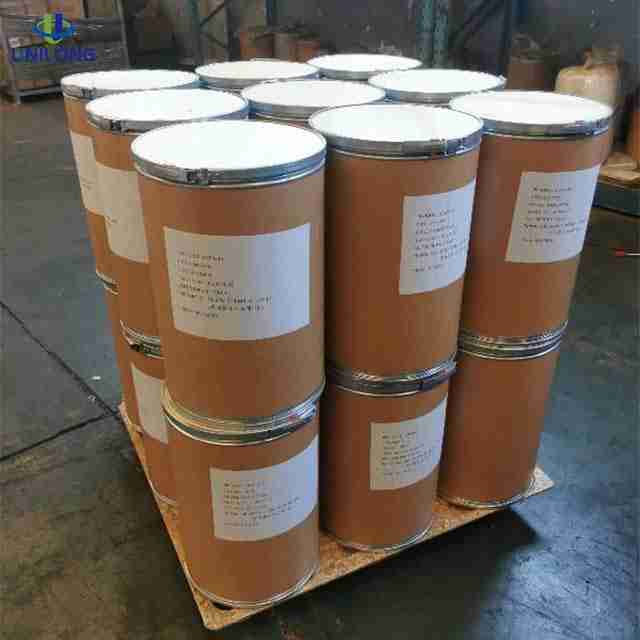
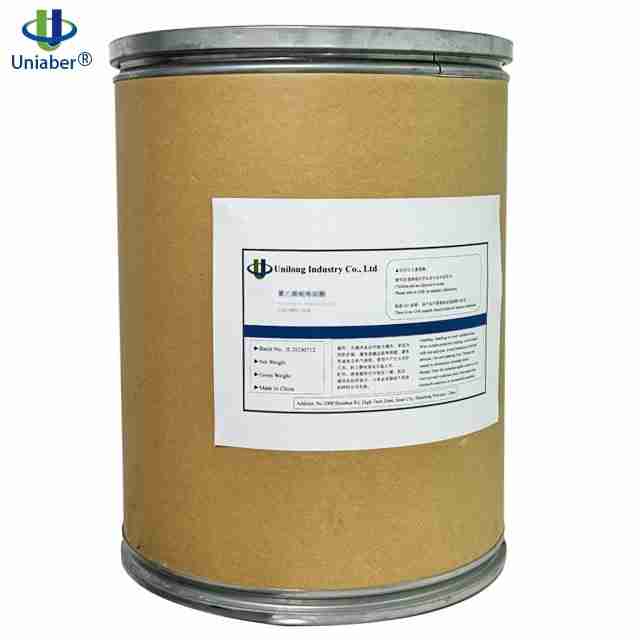
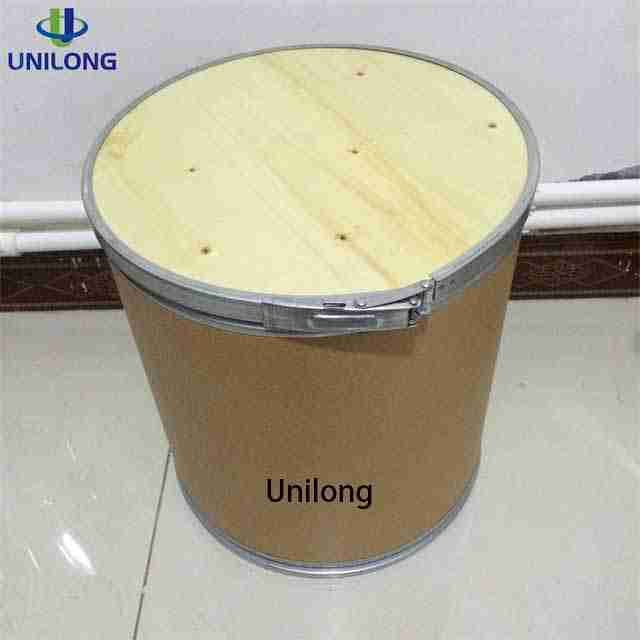
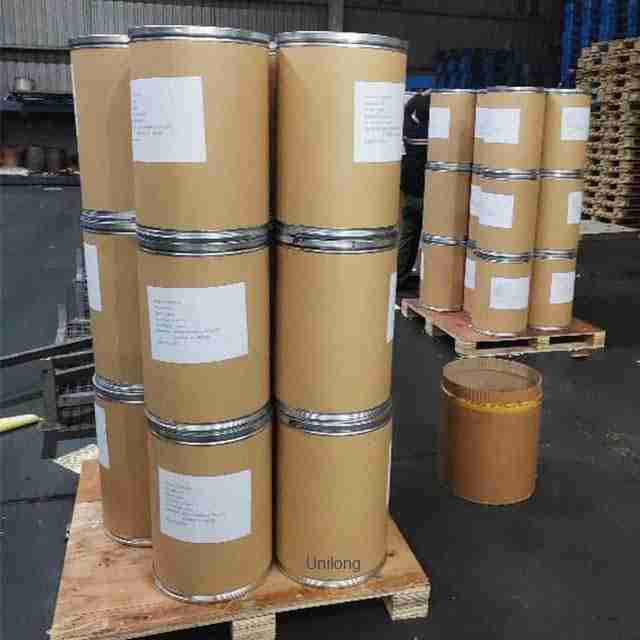
| Standard Packaging | 25 kg/drum |
| Current Document | Product TDS available for technical review |
| MOQ and Lead Time | Confirmed with the current quotation |
Product Overview
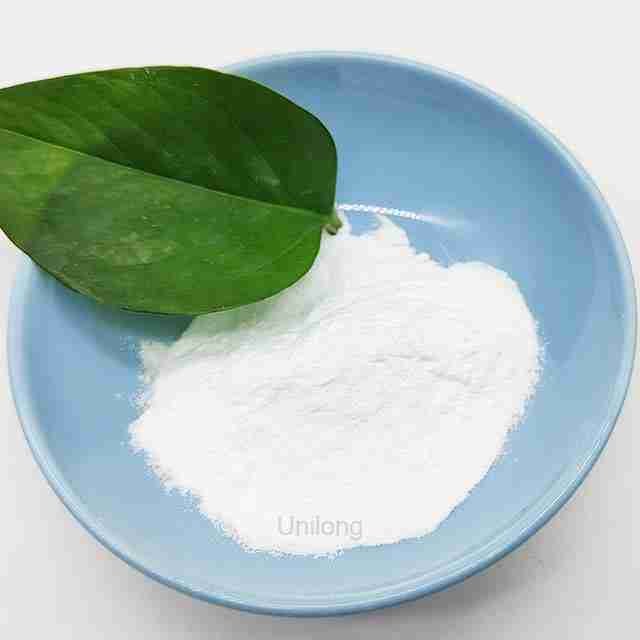
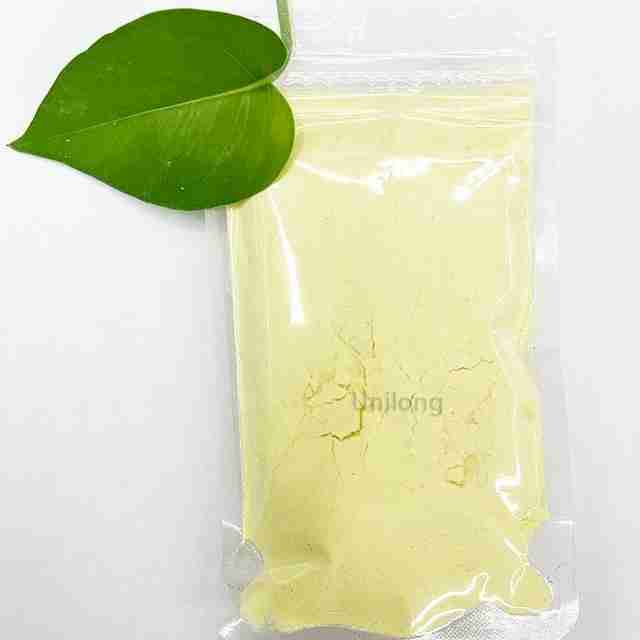
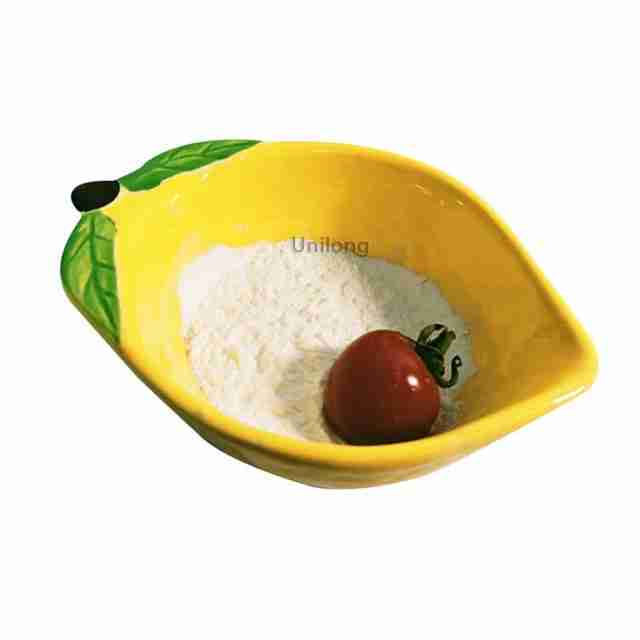
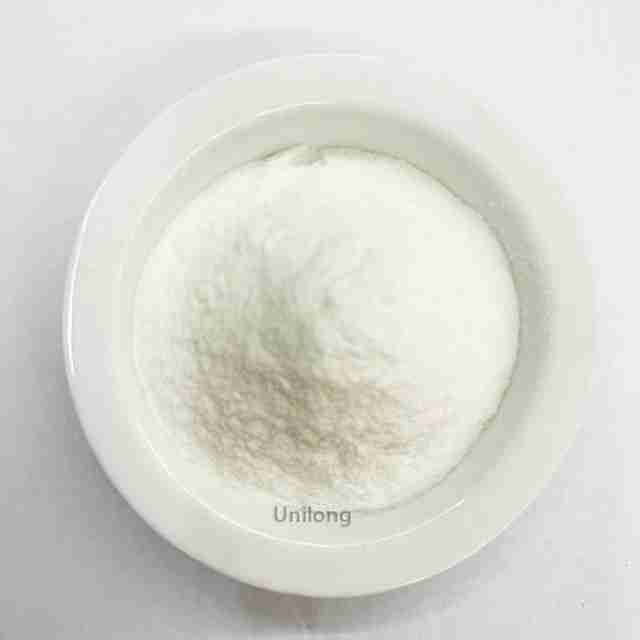
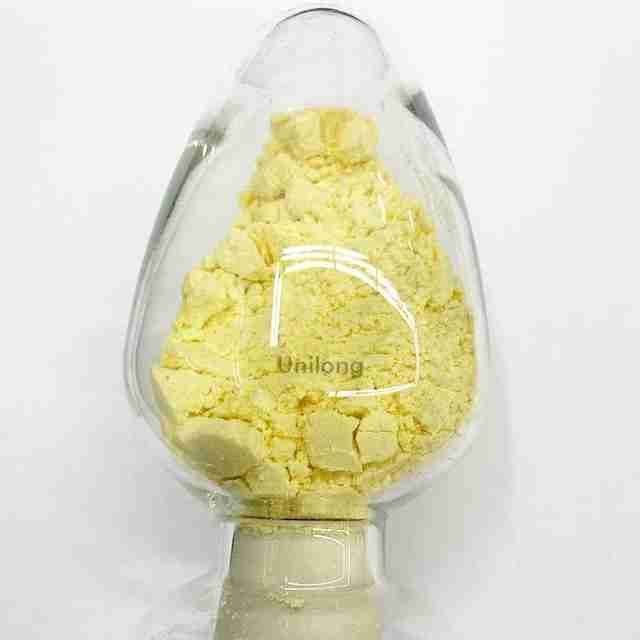
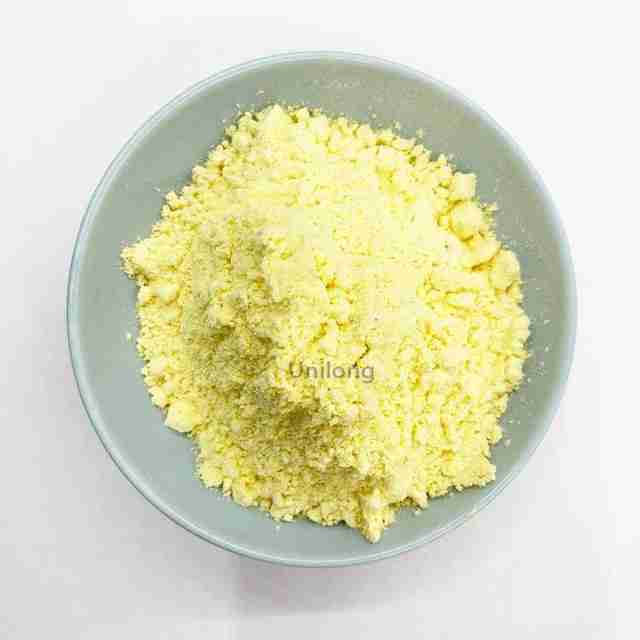
UV Absorber BP-8 is an organic UV-absorbing compound used in industrial material systems. It is also known as Benzophenone-8, Dioxybenzone and UV-24. These names refer to 2,2′-Dihydroxy-4-methoxybenzophenone, CAS 131-53-3.
Its benzophenone structure allows it to absorb part of the incident ultraviolet energy before that energy reaches light-sensitive components in a polymer or coating. BP-8 can be considered in PVC, ABS, acrylic resin, polyurethane, melamine resin and cellulose resin systems. It is also used in selected coatings and paints where UV exposure may affect color, gloss or surface appearance.
BP-8 is not a complete stabilization system by itself. Its contribution depends on the resin, concentration, pigment loading, film thickness, processing conditions and exposure environment. Compatibility, color contribution and finished-material performance should therefore be established in the intended formulation.
Reference Physical and Chemical Properties
| Property | Reference Value | Data Type |
|---|---|---|
| Melting Point | 73–75°C | Literature value |
| Boiling Point | 170–175°C at 1 mm Hg | Literature value |
| Density | 1.2379 | Rough estimate |
| Refractive Index | 1.5389 | Estimated value |
| pKa | 7.11 ± 0.35 | Predicted value |
| LogP | 2.33 at 23.5°C | Reference value |
These values support initial technical identification. They are not lot-specific test results or complete batch acceptance criteria. If a project requires a defined assay, appearance, color, volatile limit, identification test or other acceptance item, include the required value and method with the enquiry.
How BP-8 Works in UV Protection Systems
BP-8 absorbs part of the ultraviolet energy entering a material. The absorbed energy is dissipated through molecular relaxation rather than continuing directly to vulnerable polymer chains, pigments or other light-sensitive components.
This mechanism can help reduce UV-related changes in appearance and material performance. The result is influenced by the complete formulation. Resin chemistry, absorber concentration, dispersion, stabilizer package, sample thickness and exposure conditions all affect the final outcome.
Laboratory testing should reproduce the intended processing method and end-use environment. For outdoor products, accelerated weathering can support initial screening, but final approval should reflect the actual substrate, color, thickness and exposure conditions.
Applications of UV Absorber BP-8
PVC and ABS Materials
BP-8 can be evaluated in PVC and ABS systems where UV exposure may contribute to discoloration, gloss loss or surface deterioration. It may be considered for molded components, sheets, profiles and other polymer articles requiring improved light stability.
Assess dispersion, resin compatibility, processing temperature and color contribution. Pigments, fillers, plasticizers and other additives may change both UV transmission and final appearance.
Acrylic Resin Systems
Acrylic materials are often selected for appearance, clarity or outdoor exposure. BP-8 can be considered where the formulation requires additional control of UV-related color or surface change.
Check solution or melt compatibility, transparency, haze, color and weathering performance. The final level should reflect the resin type, product thickness and optical requirements.
Polyurethane Formulations
BP-8 can be assessed in selected polyurethane resin and coating systems. Suitability depends on the polyol, isocyanate, catalyst, pigment and other stabilizers used in the formulation.
Review solubility or dispersion, color, cure response, surface appearance and mechanical properties after UV exposure before scale-up.
Melamine and Cellulose Resins
The current application scope includes melamine and cellulose resin systems. BP-8 may be considered when ultraviolet exposure can affect the color or appearance of the finished article.
Check compatibility where solvents, plasticizers, crosslinkers or colorants are present. Review clarity, precipitation, color contribution and finished-material stability.
Coatings and Industrial Paints
BP-8 can be evaluated in industrial coatings, wood finishes and other paint systems exposed to ultraviolet light. It may help reduce the UV energy reaching binders, pigments and other light-sensitive components.
Test solution clarity, pigment interaction, film color, gloss, adhesion and weathering performance. Film thickness and substrate color can substantially change the result.
UV-Curable Coatings
Using a UV absorber in a UV-curable formulation requires careful spectral balance. The absorber and photoinitiator may compete for incident light, so increasing the absorber level can change surface cure, through-cure or production speed.
Test the actual lamp spectrum, photoinitiator package, coating thickness, line speed and required weathering performance before production.
Dosage and Formulation Considerations
The current product TDS provides a general BP-8 reference range of 0.25–3%. This is a formulation starting range rather than a universal use level.
Select the Starting Level by Application
A transparent, thin polymer article may require a different concentration from a pigmented coating or thick molded component. Consider the resin, thickness, exposure level, color target and expected service environment when establishing a trial concentration.
Achieve Uniform Distribution
Uneven distribution can reduce UV-screening consistency and create localized color or surface defects. Select a mixing or pre-dispersion method suitable for the resin and process. Check the finished material for visible particles, haze, streaks and color variation.
Evaluate Processing Conditions
Melting-point data should not be treated as a processing-temperature limit. Examine BP-8 under the actual heat history, residence time and shear conditions used during production. Review appearance and performance after processing rather than relying only on raw-material data.
Check Optical and Color Requirements
Benzophenone-type UV absorbers may influence the color or optical properties of some formulations. For transparent, white or lightly colored products, compare treated and untreated samples under consistent conditions.
Review the Complete Stabilizer Package
BP-8 may be assessed together with other stabilizers, antioxidants or additives, but the combination should be selected for the specific resin and exposure conditions. Check additive compatibility, migration, blooming, color and final weathering performance.
Technical Selection Points
| Selection Factor | Why It Matters |
|---|---|
| Resin Compatibility | Determines whether BP-8 can remain uniformly distributed. |
| Product Color | Helps identify unacceptable yellowing or color contribution. |
| Optical Clarity | Important for transparent and light-colored materials. |
| Processing Conditions | Heat history and shear may affect appearance and performance. |
| Film or Article Thickness | Changes the amount of UV energy reaching the material. |
| Pigments and Fillers | Can alter UV transmission and additive behavior. |
| Exposure Environment | Indoor, outdoor and accelerated tests may produce different results. |
| UV-Curing Conditions | Absorber and photoinitiator balance can affect cure response. |
Quality and Product Documentation
The current BP-8 TDS is available for technical review. It identifies the product, CAS number, molecular weight, reference physicochemical data, industrial application scope and standard packaging.
Reference physicochemical values should not be treated as a substitute for an agreed commercial specification. State any required test item, limit and method with the enquiry so the applicable product and document scope can be reviewed.
| Document | Availability |
|---|---|
| Product TDS | Available for technical review. |
| Lot-Specific COA | Include the requirement in the enquiry; current availability is confirmed before order. |
| SDS | State the destination and required language so the current version can be confirmed. |
| Destination-Market Documents | Availability depends on the country, product scope and requested document. |
| Additional Test Requirements | Submit the test item, limit and method for technical review. |
Packaging and Order Information
Standard Packaging
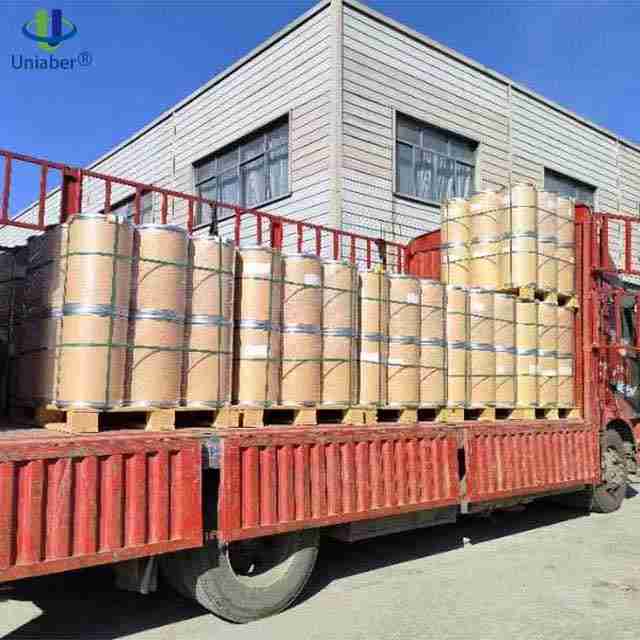
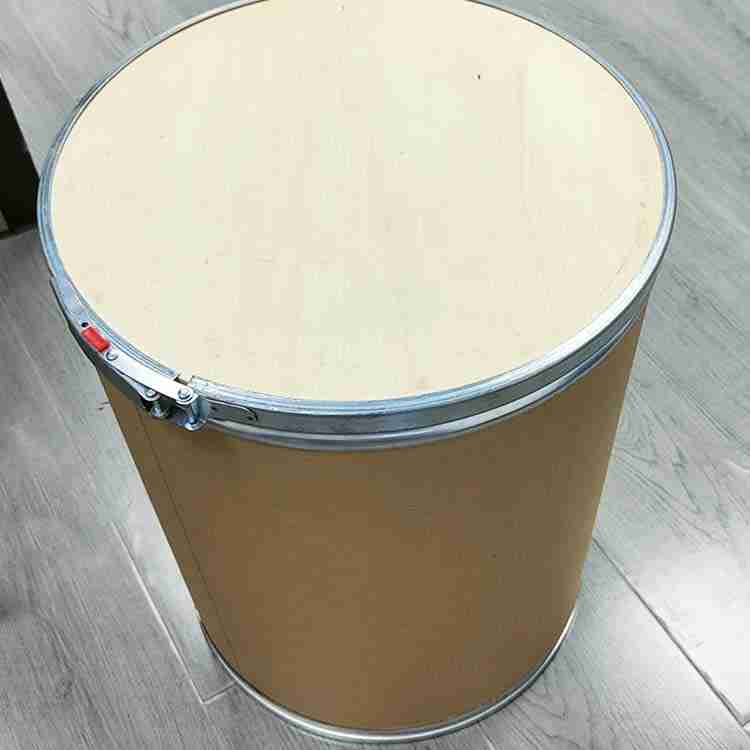
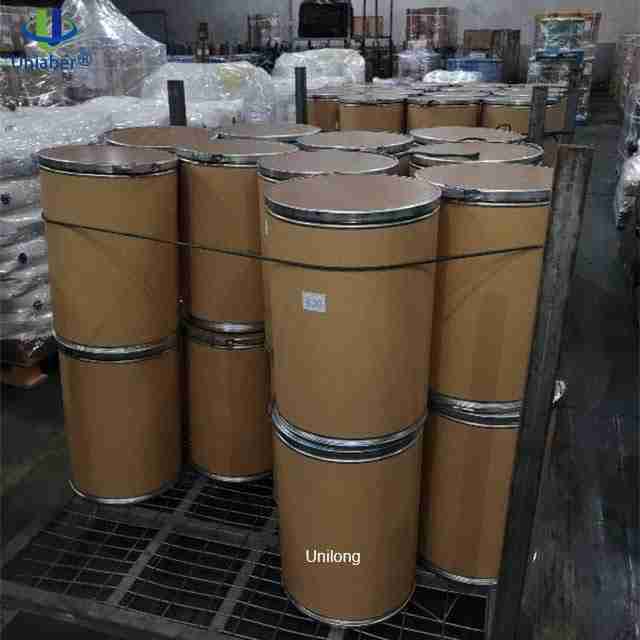
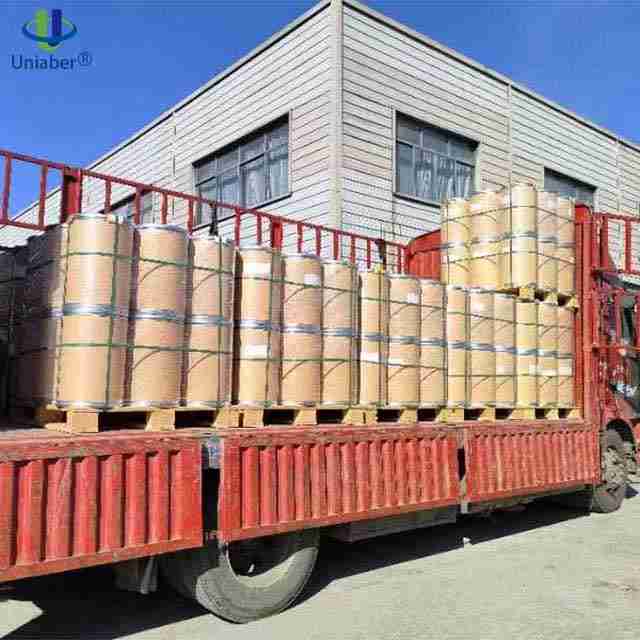
UV Absorber BP-8 is supplied in 25 kg drums. Alternative packaging can be discussed according to the order quantity, labeling requirements and shipping conditions.
Commercial Terms
MOQ, sample availability, lead time and shipping terms are confirmed with the current quotation. Storage and handling should follow the current product and safety documentation supplied for the applicable order.
Information Required for an Accurate Quotation
- Required specification or target test items
- Estimated order quantity
- Intended resin or coating system
- Destination country and preferred delivery terms
- Packaging and labeling requirements
- Required technical or destination-market documents
BP-8 Procurement Support
Unilong supports BP-8 enquiries from initial document review through quotation and order coordination. State the product name, CAS number and application clearly to avoid confusion with BP-1, BP-2, BP-6 and other benzophenone UV absorbers.
For application evaluation, provide the resin type, processing method, product color, exposure environment and performance target. This information helps identify the relevant product documents and technical questions before sampling or purchasing.
Packaging, labeling, shipping terms and document requirements are reviewed before the order is confirmed. Commercial conditions remain subject to the current quantity, destination and availability.
Frequently Asked Questions
Request BP-8 Product Information
Send your required specification, application, estimated quantity, destination and document requirements. Unilong will confirm the current BP-8 product information, packaging and quotation applicable to the enquiry.