


Quick Procurement Information
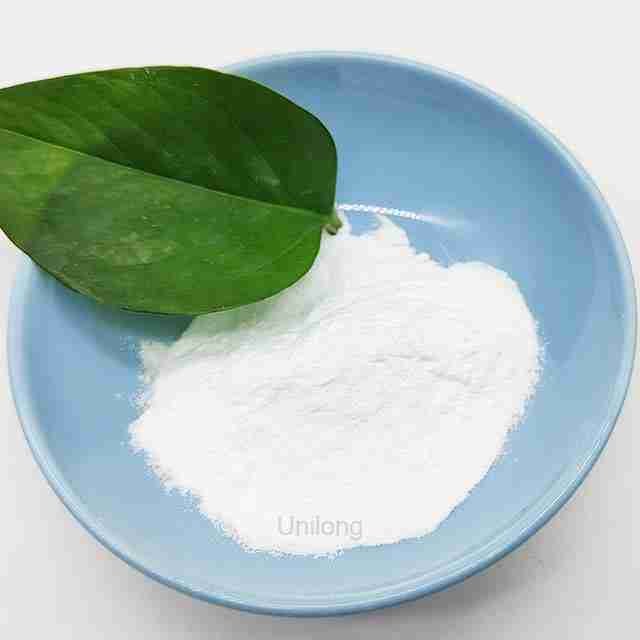
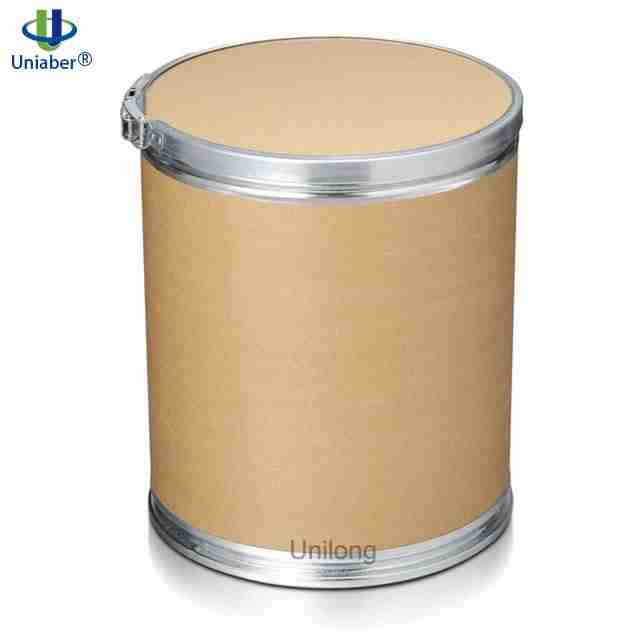
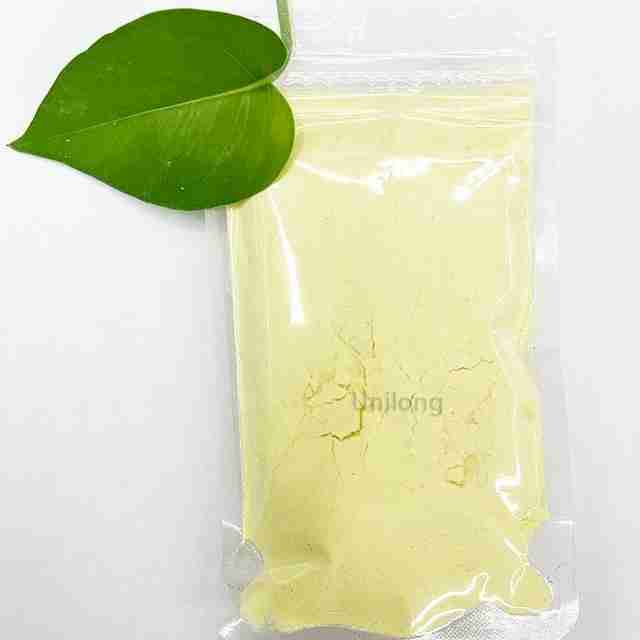
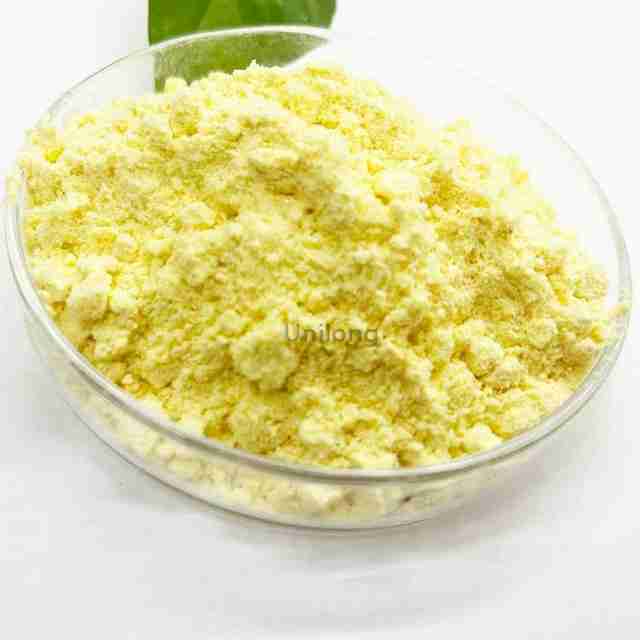
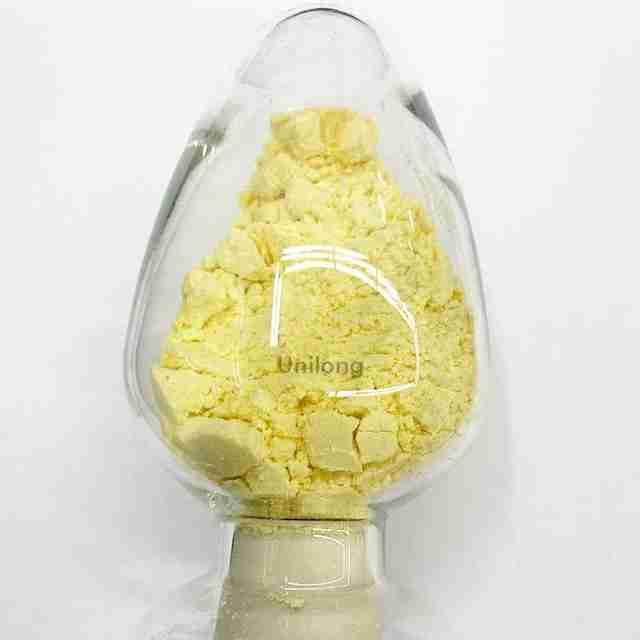
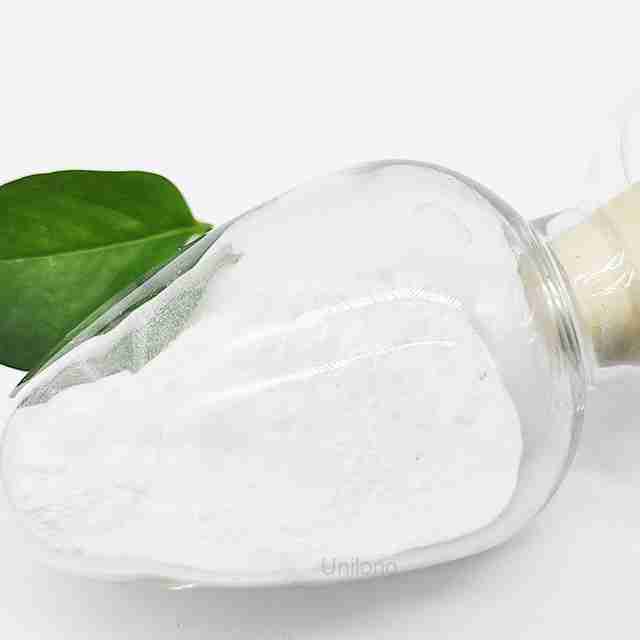
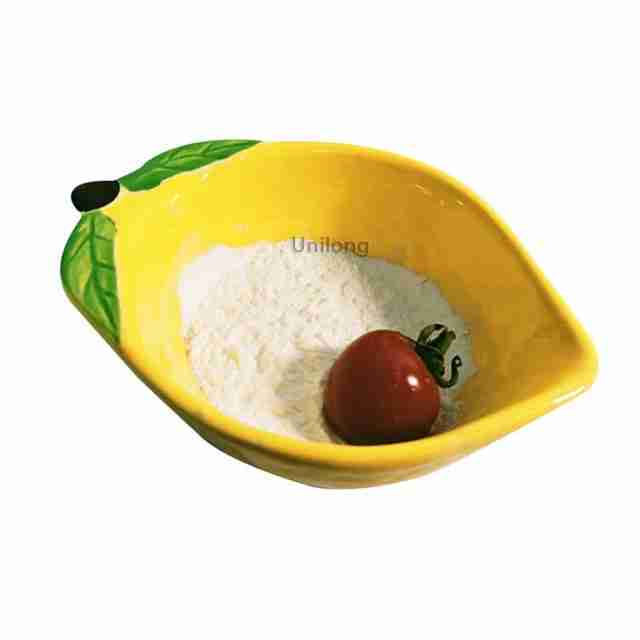
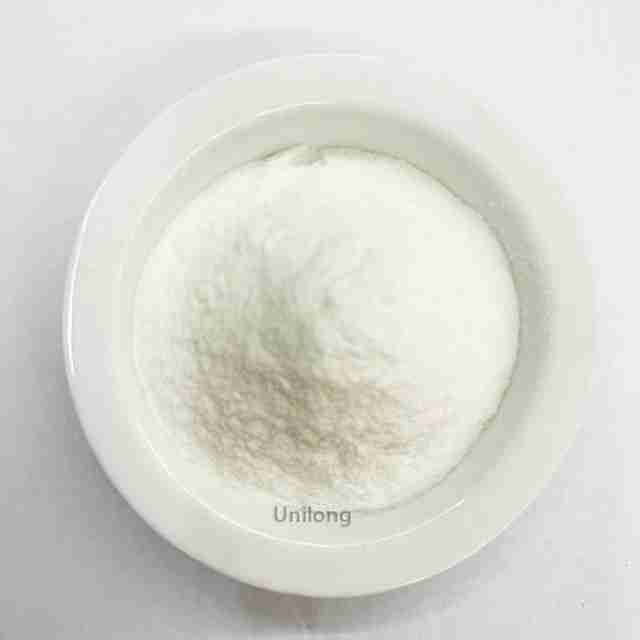
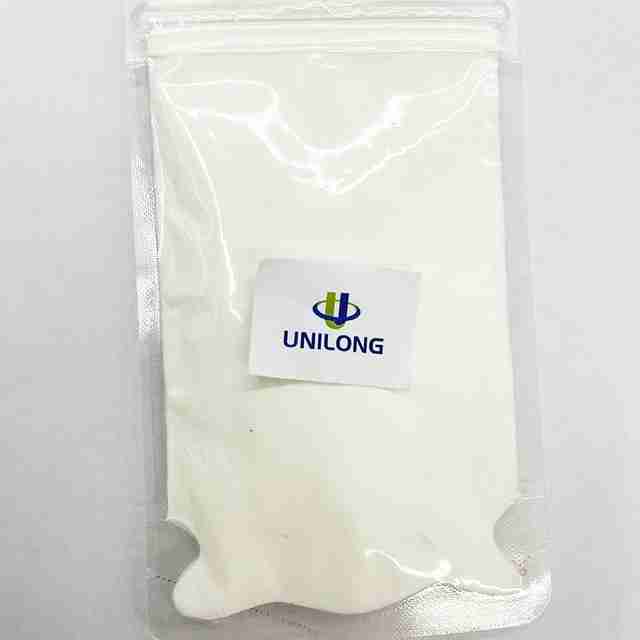
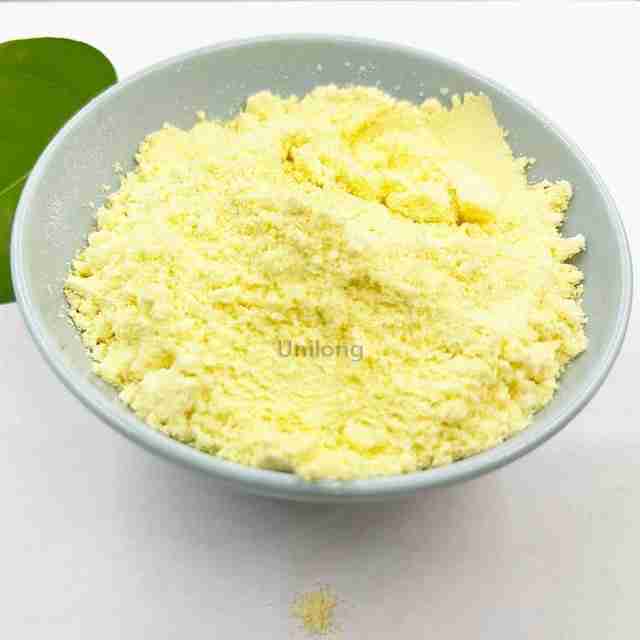
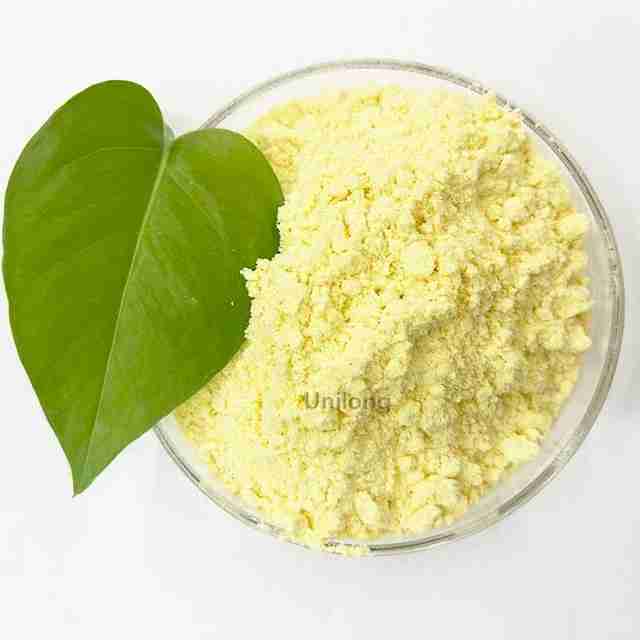
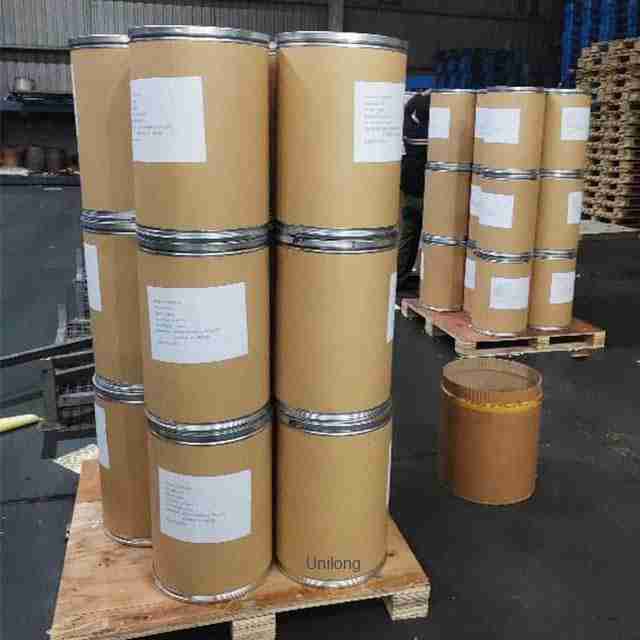
Product Name UV Absorber BP-1 Chemical Name 2,4-Dihydroxybenzophenone Common Names Benzophenone-1, BP-1, UV-0 CAS Number 131-56-6 EC Number 205-029-4 Molecular Formula C13H10O3 Molecular Weight 214.22 g/mol Product Type Benzophenone-type UV absorber Reference Appearance Colorless to yellowish crystalline material Application Scope Polyester, chlorinated polyester, acetate materials, PVC, polystyrene, PMMA and polyacrylonitrile Water Solubility Very low; compatibility should be checked in the intended carrier or resin Standard Packaging 25 kg/drum Current Document Product TDS available for technical review MOQ and Lead Time Confirmed with the current quotation
Product Overview
UV Absorber BP-1 is a benzophenone-type UV absorber used in polymer systems where ultraviolet exposure may cause discoloration or changes in material appearance. Chemically, it is 2,4-Dihydroxybenzophenone, CAS 131-56-6.
BP-1 absorbs part of the ultraviolet energy entering a material before that energy reaches light-sensitive polymer chains, colorants and other formulation components. Its contribution depends on resin compatibility, concentration, product thickness, processing conditions and the complete additive system.
The current product scope focuses on industrial resin applications. Finished-material testing is required to confirm compatibility, optical properties and stabilization performance in the intended formulation.
Reference Physical and Chemical Properties
Property Reference Value Data Type Melting Point 144.5–147°C Literature value in the current TDS Boiling Point 194°C at 1 mmHg Reference value Density 1.32 g/cm³ Reference value Vapor Pressure 0 Pa at 25°C Reference value Refractive Index 1.5090 Estimated value Flash Point 125°C Reference value LogP 2.964 at 25°C Reference value pKa 7.72 ± 0.35 Predicted value
These values support product identification and initial technical review. They are not complete batch specifications or lot-specific test results. If a project requires a defined assay, appearance, color, volatile content, identification test or other acceptance limit, include the required value and test method with the enquiry.Applications of UV Absorber BP-1
Polyester and Chlorinated Polyester
BP-1 can be evaluated in polyester and chlorinated polyester systems where UV exposure may contribute to discoloration or deterioration in surface appearance.
Check resin compatibility, processing temperature, initial color and appearance after the required UV or weathering exposure.
PVC and Polystyrene
UV Absorber BP-1 can be considered in PVC and polystyrene formulations requiring additional control of UV-related color or surface changes.
Plasticizers, pigments and fillers may affect BP-1 dispersion and final performance. Evaluate additive distribution, color contribution and finished-product stability under the intended processing conditions.
PMMA and Transparent Acrylic Materials
The current product scope includes plexiglass and related PMMA materials. These applications often have strict requirements for transparency, haze and initial color.
Compare treated and untreated samples for clarity, visible particles, yellowing and appearance after UV exposure. Product thickness should be included in the evaluation.
Acetate Materials and Polyacrylonitrile
BP-1 may also be assessed in acetate materials and polyacrylonitrile systems.
Confirm compatibility with the intended carrier and processing method. Review uniform distribution, color and finished-material appearance before production approval.
Formulation Considerations
Solubility and Incorporation
BP-1 has very low water solubility. It is more suited to compatible organic or resin phases than direct addition to an aqueous system.
Test the actual resin, solvent or carrier before scale-up. Check for incomplete dissolution, precipitation, visible particles, haze and color change.
Establishing the Use Level
There is no single BP-1 addition level suitable for every formulation. The appropriate starting level depends on the resin, product thickness, UV exposure, color requirements and expected service conditions.
Establish the final concentration through formulation and performance testing. Confirm the current technical information before setting a production level.
Optical and Processing Checks
The current TDS describes BP-1 as showing better stabilization performance in transparent products than in colored products. Test transparent and colored formulations separately.
Laboratory trials should reproduce the intended heat history, mixing method and residence time. Final approval should be based on the processed material.
Quality and Product Documentation
The current BP-1 TDS identifies the product, CAS number, molecular weight, reference physicochemical properties, application scope and standard packaging.
A shared CAS number confirms chemical identity, but it does not define assay, appearance, color, impurities or test methods. Buyers with specific acceptance requirements should state the required test item, limit and method before quotation.
Document or Requirement Availability and Review Product TDS Available for technical review Lot-Specific COA Include the requirement in the enquiry; current availability is confirmed before order SDS State the destination and required language so the applicable version can be confirmed Additional Test Requirements Submit the required item, limit and test method for technical review
Packaging and Order Information
Standard Packaging
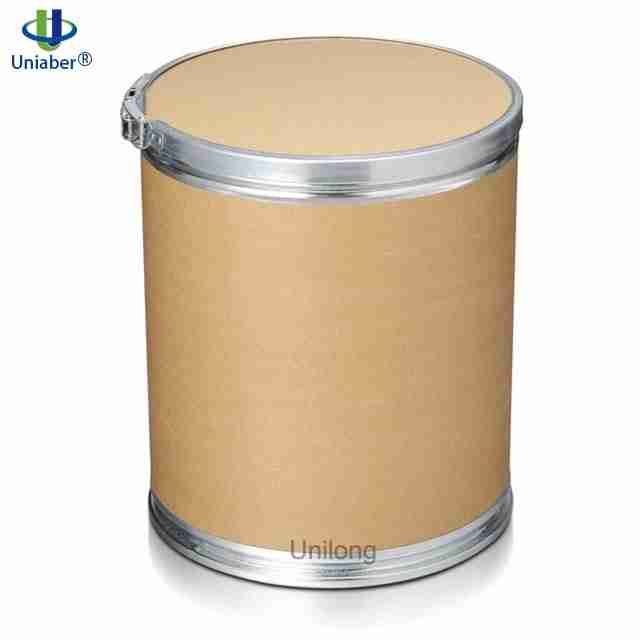
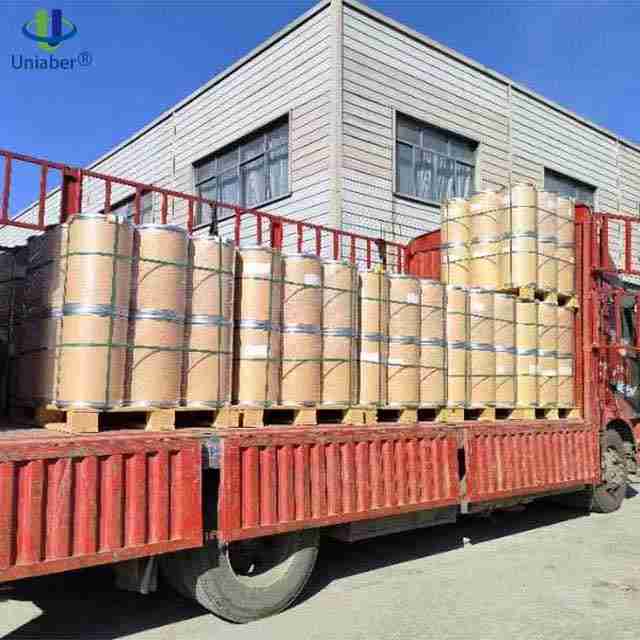
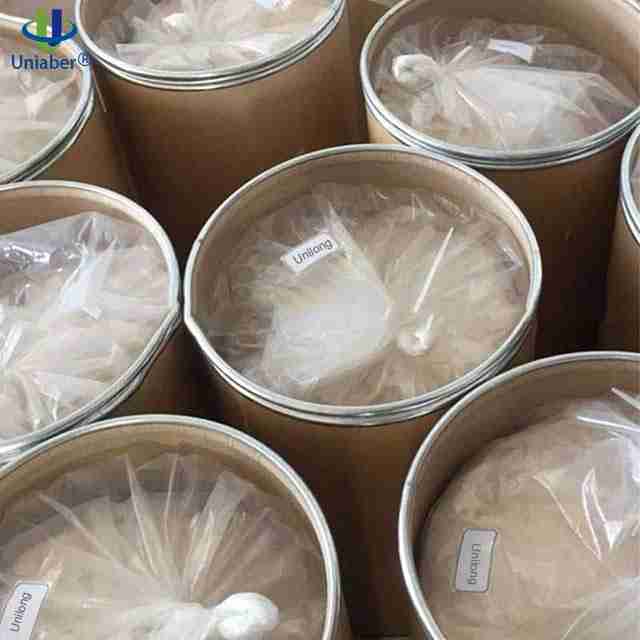
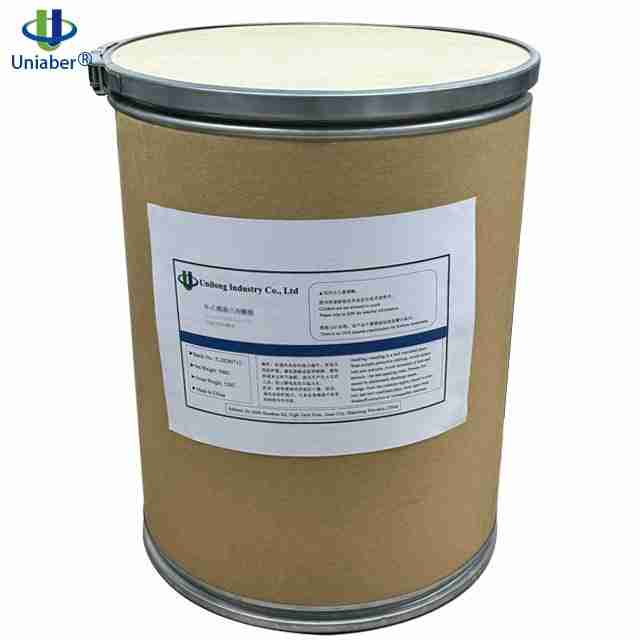
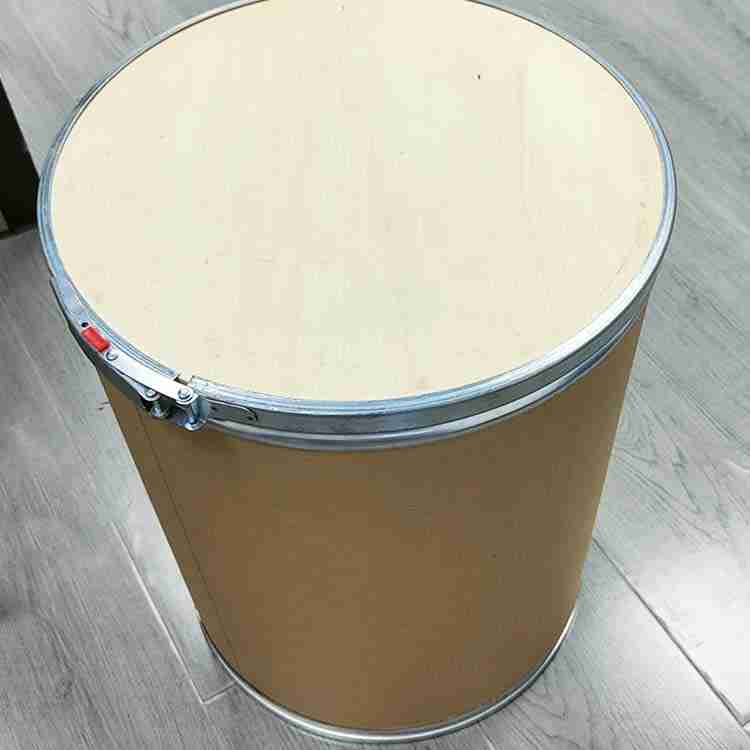
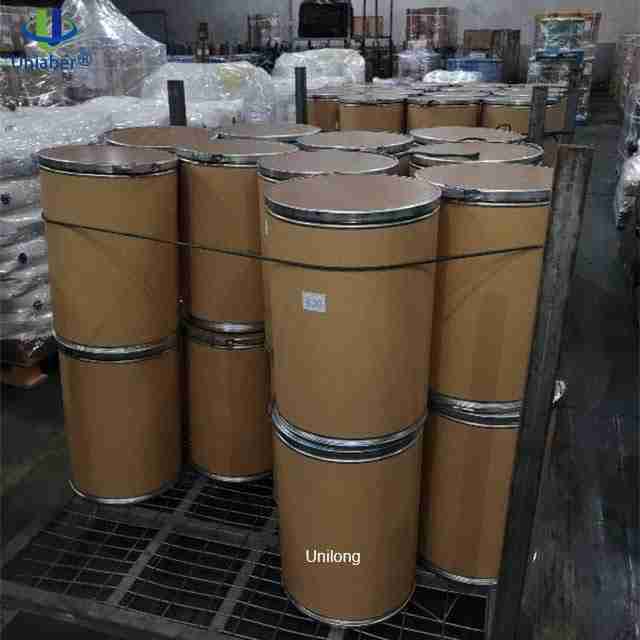
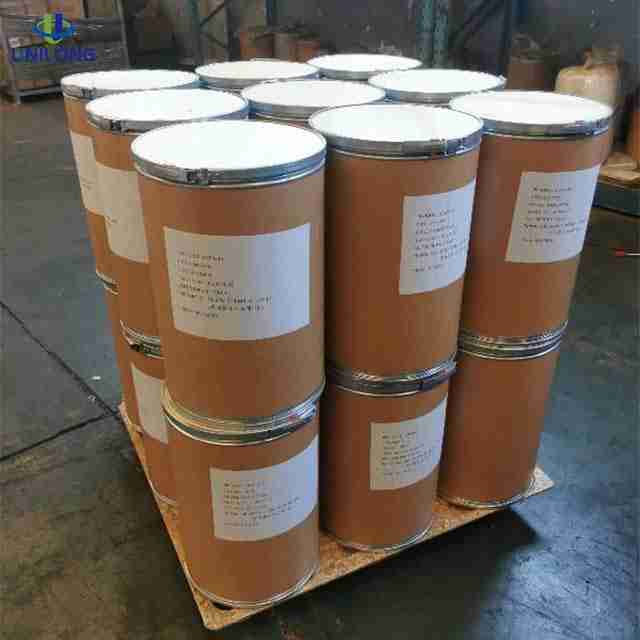
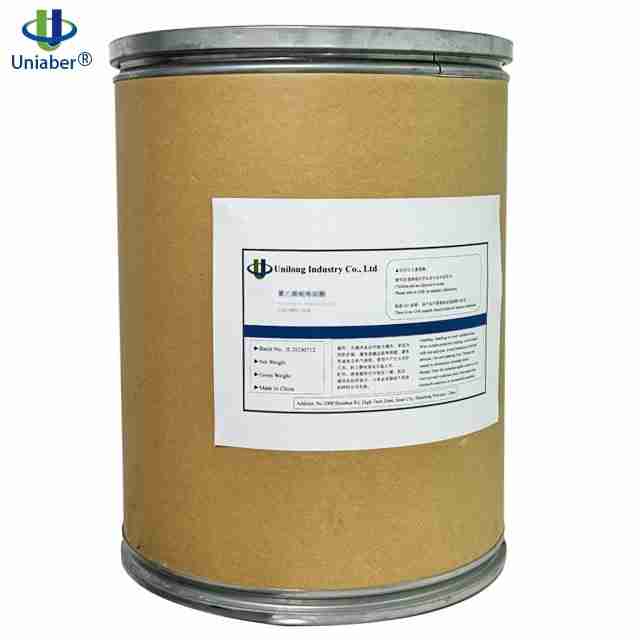
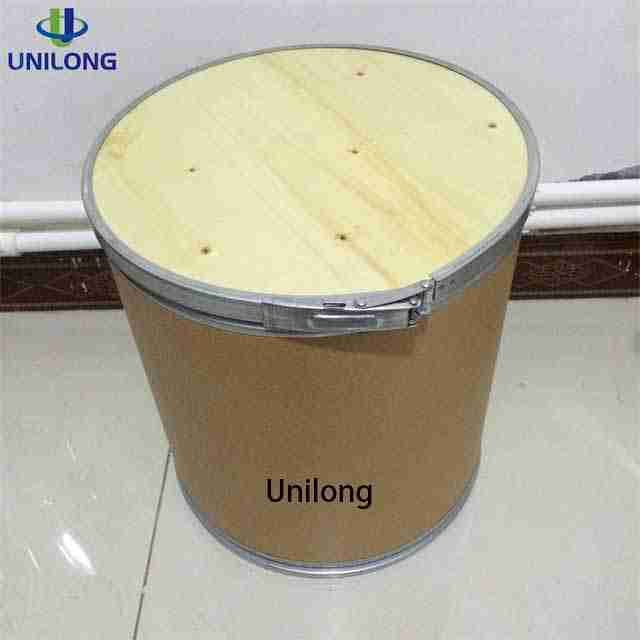
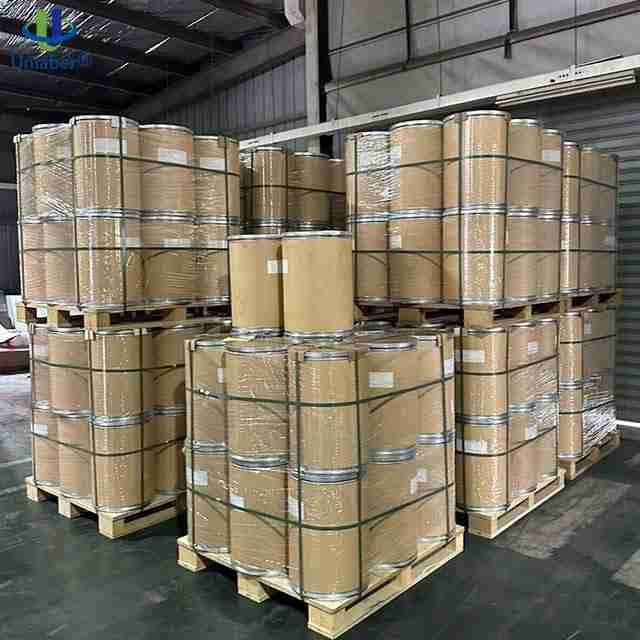
UV Absorber BP-1 is supplied in 25 kg drums. Alternative packaging can be discussed according to the order quantity, labeling requirements and shipping conditions.
Commercial Terms
MOQ, lead time, sample availability and shipping terms are confirmed with the current quotation. Storage and handling should follow the applicable product and safety documentation.
Information Required for a BP-1 Quotation
- Required specification or target test items
- Estimated order quantity
- Intended resin and application
- Destination country and preferred delivery terms
- Packaging and labeling requirements
- Required TDS, SDS or lot-specific COA
Frequently Asked Questions
Request BP-1 Product Information
Send your required specification, resin system, estimated quantity, destination and document requirements. Our team will confirm the current BP-1 product information, packaging and quotation applicable to your enquiry.
Quick Procurement Information
| Product Name | UV Absorber BP-1 |
|---|---|
| Chemical Name | 2,4-Dihydroxybenzophenone |
| Common Names | Benzophenone-1, BP-1, UV-0 |
| CAS Number | 131-56-6 |
| EC Number | 205-029-4 |
| Molecular Formula | C13H10O3 |
| Molecular Weight | 214.22 g/mol |
| Product Type | Benzophenone-type UV absorber |
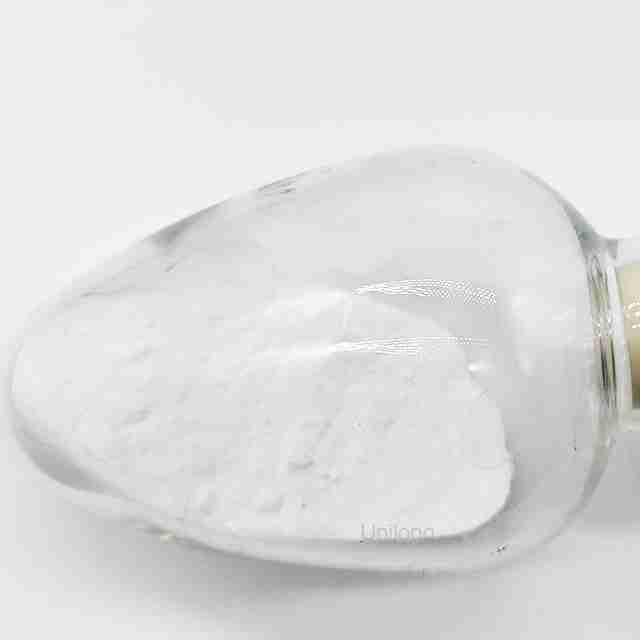
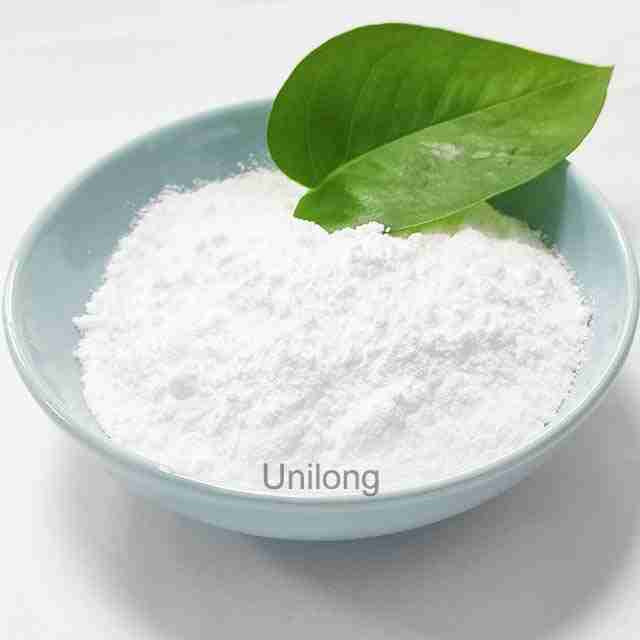
| Reference Appearance | Colorless to yellowish crystalline material |
| Application Scope | Polyester, chlorinated polyester, acetate materials, PVC, polystyrene, PMMA and polyacrylonitrile |
| Water Solubility | Very low; compatibility should be checked in the intended carrier or resin |
| Standard Packaging | 25 kg/drum |
| Current Document | Product TDS available for technical review |
| MOQ and Lead Time | Confirmed with the current quotation |
Product Overview
UV Absorber BP-1 is a benzophenone-type UV absorber used in polymer systems where ultraviolet exposure may cause discoloration or changes in material appearance. Chemically, it is 2,4-Dihydroxybenzophenone, CAS 131-56-6.
BP-1 absorbs part of the ultraviolet energy entering a material before that energy reaches light-sensitive polymer chains, colorants and other formulation components. Its contribution depends on resin compatibility, concentration, product thickness, processing conditions and the complete additive system.
The current product scope focuses on industrial resin applications. Finished-material testing is required to confirm compatibility, optical properties and stabilization performance in the intended formulation.
Reference Physical and Chemical Properties
| Property | Reference Value | Data Type |
|---|---|---|
| Melting Point | 144.5–147°C | Literature value in the current TDS |
| Boiling Point | 194°C at 1 mmHg | Reference value |
| Density | 1.32 g/cm³ | Reference value |
| Vapor Pressure | 0 Pa at 25°C | Reference value |
| Refractive Index | 1.5090 | Estimated value |
| Flash Point | 125°C | Reference value |
| LogP | 2.964 at 25°C | Reference value |
| pKa | 7.72 ± 0.35 | Predicted value |
Applications of UV Absorber BP-1
Polyester and Chlorinated Polyester
BP-1 can be evaluated in polyester and chlorinated polyester systems where UV exposure may contribute to discoloration or deterioration in surface appearance.
Check resin compatibility, processing temperature, initial color and appearance after the required UV or weathering exposure.
PVC and Polystyrene
UV Absorber BP-1 can be considered in PVC and polystyrene formulations requiring additional control of UV-related color or surface changes.
Plasticizers, pigments and fillers may affect BP-1 dispersion and final performance. Evaluate additive distribution, color contribution and finished-product stability under the intended processing conditions.
PMMA and Transparent Acrylic Materials
The current product scope includes plexiglass and related PMMA materials. These applications often have strict requirements for transparency, haze and initial color.
Compare treated and untreated samples for clarity, visible particles, yellowing and appearance after UV exposure. Product thickness should be included in the evaluation.
Acetate Materials and Polyacrylonitrile
BP-1 may also be assessed in acetate materials and polyacrylonitrile systems.
Confirm compatibility with the intended carrier and processing method. Review uniform distribution, color and finished-material appearance before production approval.
Formulation Considerations
Solubility and Incorporation
BP-1 has very low water solubility. It is more suited to compatible organic or resin phases than direct addition to an aqueous system.
Test the actual resin, solvent or carrier before scale-up. Check for incomplete dissolution, precipitation, visible particles, haze and color change.
Establishing the Use Level
There is no single BP-1 addition level suitable for every formulation. The appropriate starting level depends on the resin, product thickness, UV exposure, color requirements and expected service conditions.
Establish the final concentration through formulation and performance testing. Confirm the current technical information before setting a production level.
Optical and Processing Checks
The current TDS describes BP-1 as showing better stabilization performance in transparent products than in colored products. Test transparent and colored formulations separately.
Laboratory trials should reproduce the intended heat history, mixing method and residence time. Final approval should be based on the processed material.
Quality and Product Documentation
The current BP-1 TDS identifies the product, CAS number, molecular weight, reference physicochemical properties, application scope and standard packaging.
A shared CAS number confirms chemical identity, but it does not define assay, appearance, color, impurities or test methods. Buyers with specific acceptance requirements should state the required test item, limit and method before quotation.
| Document or Requirement | Availability and Review |
|---|---|
| Product TDS | Available for technical review |
| Lot-Specific COA | Include the requirement in the enquiry; current availability is confirmed before order |
| SDS | State the destination and required language so the applicable version can be confirmed |
| Additional Test Requirements | Submit the required item, limit and test method for technical review |
Packaging and Order Information
Standard Packaging
UV Absorber BP-1 is supplied in 25 kg drums. Alternative packaging can be discussed according to the order quantity, labeling requirements and shipping conditions.
Commercial Terms
MOQ, lead time, sample availability and shipping terms are confirmed with the current quotation. Storage and handling should follow the applicable product and safety documentation.
Information Required for a BP-1 Quotation
- Required specification or target test items
- Estimated order quantity
- Intended resin and application
- Destination country and preferred delivery terms
- Packaging and labeling requirements
- Required TDS, SDS or lot-specific COA
Frequently Asked Questions
Request BP-1 Product Information
Send your required specification, resin system, estimated quantity, destination and document requirements. Our team will confirm the current BP-1 product information, packaging and quotation applicable to your enquiry.