

2,2,4-Trimethyl-1,3-pentanediol (TMPD Glycol) CAS 144-19-4
2,2,4-Trimethyl-1,3-pentanediol, abbreviated as TMPD, CAS 144-19-4, is a specialty aliphatic asymmetrical diol with sterically hindered hydroxyl groups. Compared with conventional diols like NPG, its unique branched molecular structure brings superior film-forming ability, moderate hydroxyl activity, low volatility and outstanding resin compatibility.
It is widely used globally as coalescing agent, resin monomer, plasticizer and additive in waterborne coatings, printing inks, polyester polymers, synthetic lubricants and adhesives industry.
- Chemical Name: 2,2,4-Trimethyl-1,3-pentanediol
- CAS No.: 144-19-4
- Molecular Formula: C₈H₁₈O₂
- Molecular Weight: 146.23
- Look:White crystalline solid / off-white crystal
Key Features and Benefits
- Excellent coalescing performance: Perfect film-forming auxiliary for latex paint, reduce minimum film forming temperature (MFFT) effectively
- Steric hindrance structure: Slow esterification reaction rate, stable synthesis process, less yellowing for cured resin
- Low volatility & low odor: Less VOC emission, compliant with environmental paint standards
- Great compatibility: Miscible with most alkyd resin, PU resin, acrylic emulsion systems
- Stable batch quality: Low impurity content, consistent film texture for downstream production
Applications
- Water-Based Coatings (Core Application)
Waterborne architectural latex paint, industrial water-based anti-corrosion coating, wood water paint, metal water baking paint; used as coalescing solvent to optimize film flatness and toughness
- Polyester & Polyurethane Resins
Synthesize saturated polyester resin, alkyd resin, polyester polyol for PU adhesives & sealants; adjust resin hardness, flexibility and hydrolysis resistance
- Printing Inks & Coatings Additives
Solvent for offset printing ink, gravure ink, improve ink leveling, anti-blocking property
- Synthetic Lubricants & Fine Chemicals
Raw material for high-temperature resistant synthetic ester lubricants, plasticizer, insect repellent intermediates
- Other Areas
Household cleaning formulations, cosmetic solvent auxiliary, food contact compliant additives (FDA approved)
Packaging and Storage
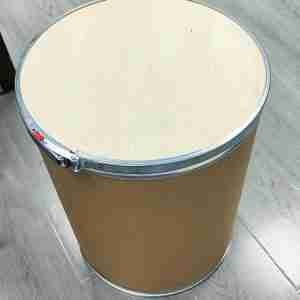
- Standard Packing: 25kg woven bag with inner PE plastic liner
- Bulk Option: 500kg / 1000kg IBC tote tank
- Storage: Sealed store in cool, dry & ventilated warehouse, avoid high temperature and damp environment to prevent caking
- Hazard Classification: Low irritant chemical, non-flammable, safe ocean & land transportation
FAQ: 2,2,4-Trimethyl-1,3-pentanediol CAS 144-19-4
Q1: What is the CAS number of TMPD glycol?
A1: The official CAS number is 144-19-4, full chemical name: 2,2,4-Trimethyl-1,3-pentanediol, short name TMPD.
Q2: Is TMPD soluble in water?
A2: Slightly soluble in water; freely soluble in ethanol, acetone, benzene, ether and all aromatic organic solvents.
Q3: Will TMPD turn yellow during resin synthesis?
A3: Its sterically hindered hydroxyl structure greatly inhibits yellowing, better anti-yellowing performance than ordinary straight-chain diols.
Q4: What is the main usage of TMPD CAS 144-19-4?
A4: Mostly used as coalescing agent for water-based latex paint; also monomer for polyester resin, printing ink solvent, synthetic lubricant raw material.
Q5: Delivery cycle?
A5: Spot goods deliver within 7-10 working days; mass customized orders 15-20 working days
2,2,4-Trimethyl-1,3-pentanediol, abbreviated as TMPD, CAS 144-19-4, is a specialty aliphatic asymmetrical diol with sterically hindered hydroxyl groups. Compared with conventional diols like NPG, its unique branched molecular structure brings superior film-forming ability, moderate hydroxyl activity, low volatility and outstanding resin compatibility.
It is widely used globally as coalescing agent, resin monomer, plasticizer and additive in waterborne coatings, printing inks, polyester polymers, synthetic lubricants and adhesives industry.
| Item | Standard Parameter |
|---|---|
| CAS No. | 144-19-4 |
| IUPAC Name | 2,2,4-Trimethyl-1,3-pentanediol |
| Common Alias | TMPD, TMPD Glycol, 1,3-Dihydroxy-2,2,4-trimethylpentane |
| Molecular Formula | C₈H₁₈O₂ |
| Molecular Weight | 146.23 |
| EINECS / EC No. | 205-619-1 |
| Purity (GC) | ≥97% / ≥98% |
| Characteristic | Asymmetrical diol structure, sterically hindered hydroxyl groups, low volatility, good compatibility with resins |
- Standard Packing: 25kg woven bag with inner PE plastic liner
- Bulk Option: 500kg / 1000kg IBC tote tank
- Storage: Sealed store in cool, dry & ventilated warehouse, avoid high temperature and damp environment to prevent caking
- Hazard Classification: Low irritant chemical, non-flammable, safe ocean & land transportatio
Neopentyl Glycol/NPG CAS 126-30-7
Neopentyl Glycol/NPG CAS 126-30-7
CAS:126-30-7
Purity:≥99.0%
Molecular Formula:C₅H₁₂O₂
MW:104.15
EINECS:204-781-0
Synonyms:
2,2-Dimethyl-1,3-dihydroxypropane;NEOPENTYLGLYCO;2,2-DIMETHYL-1,3-PROPANEDIOL(NPG);2,2-Dimethyl-1,3propandiol;2,2-dimChemicalbookethyl-1,3-propanediol(NeopentylGlycol);NEOPENTYLGLYCOLpure;Neopentylglycol,NPGGlycol;2,2-Dimethyl-1,3-propanediol
What is Antioxidant 626 CAS 26741-53-7?
Specification
| Item | Industrial Grade Standard |
|---|---|
| Appearance | White crystalline flake/solid |
| Purity (GC) | ≥99.0% |
| Moisture | ≤0.3% |
| Acid Value | ≤0.1 mgKOH/g |
| APHA Color | ≤15 |
| Melting Point | 126~128℃ |
| Boiling Point | 208℃ |
| Flash Point | 107℃ |
| Density | 1.06 g/cm³ |
| Solubility | Soluble in water, ethanol, ketones, ethers, aromatic solvents |
| Characteristic | Hygroscopic, high thermal & hydrolytic stability |
Application
1. Coatings Industry (Largest Application)
Powder coatings, oil-free alkyd resin, unsaturated polyester resin, outdoor architectural paint, metal furniture coating, marine gelcoat
2. Polyurethane Materials
PU adhesives, sealants, polyester polyol, PU foam & elastomer plasticizer
3. Lubricants & Fine Chemicals
Synthetic aviation lubricant ester additives, plasticizers, polymerization inhibitors, stabilizers
4. Others
Printing ink raw material, selective solvent for aromatic hydrocarbon separation
Explore more Adhesive Agent on the Unisunchem Home Page or browse the complete Product Catalog.
Core Performance Advantages
- Outstanding hydrolytic & weather resistance: Coatings made with NPG resist fading, chalking and peeling under long-term outdoor exposure
- Balanced hardness & flexibility: Perfect formula window for powder coating, metal anti-corrosion paint
- Low yellowing property: Excellent gloss retention for amino baking varnish
- Fast esterification reaction: Improve production efficiency for resin manufacturers
- Stable batch quality, low moisture & acid value, no adverse impact on downstream synthesis
Packaging & Transportation
- Package: 25kg woven bag with inner plastic film, 500kg IBC tote tank, bulk tank truck
- Storage: Sealed storage in dry & cool warehouse, avoid moisture absorption
FAQ
Q1: What is CAS number of Neopentyl Glycol?
A1: CAS 126-30-7, chemical name 2,2-Dimethyl-1,3-propanediol
Q2: What is the molecular formula and molecular weight of CAS 126-30-7?
A2: Molecular formula: C₅H₁₂O₂; Molecular weight: 104.15 g/mol. Accurate molecular data complies with international chemical database standards.
Q3: What is NPG mainly used for?
A3: Raw material for powder coating, alkyd resin, polyurethane, synthetic lubricants
Q4: What is the difference between 98% and 99% Neopentyl Glycol CAS 126-30-7?
A4: 99% high-purity NPG has lower moisture, fewer impurities and lower yellowing rate, suitable for high-end powder coating, outdoor weather-resistant resin and PU materials; 98% grade is suitable for ordinary resin and lubricant raw materials.
Q5: Do you support long-term stable supply of CAS 126-30-7 NPG?
A5: Absolutely. We have sufficient annual production capacity and stable raw material supply, supporting long-term contract order supply for global customers.
Neopentyl Glycol (abbreviated NPG, CAS 126-30-7), chemical name 2,2-Dimethyl-1,3-propanediol, is a saturated aliphatic diol with stable neo-pentyl structure. Its unique molecular structure brings excellent thermal stability, hydrolysis resistance and UV weatherability, widely applied as core raw material for high-performance resins, coatings, adhesives and synthetic lubricants globally.
| Item | Industrial Grade Standard(外贸主流) |
|---|---|
| Appearance | White crystalline flake/solid |
| Purity (GC) | ≥99.0% |
| Moisture | ≤0.3% |
| Acid Value | ≤0.1 mgKOH/g |
| APHA Color | ≤15 |
| Melting Point | 126~128℃ |
| Boiling Point | 208℃ |
| Flash Point | 107℃ |
| Density | 1.06 g/cm³ |
| Solubility | Soluble in water, ethanol, ketones, ethers, aromatic solvents |
| Characteristic | Hygroscopic, high thermal & hydrolytic stability |
- Package: 25kg woven bag with inner plastic film, 500kg IBC tote tank, bulk tank truck
- Storage: Sealed storage in dry & cool warehouse, avoid moisture absorption

Brightener CBS-X CAS 27344-41-8
CAS Number: 27344-41-8
Chemical Name: Disodium 4,4′-bis(2-sulfostyryl)biphenyl
Molecular Formula: C28H23NaO6S2
Molecular Weight: 562.56
Appearance: Bright yellow-green powder/ particles, soluble in water
Maximum Absorption Wavelength: 348–350 nm, fluorescence is slightly blue-green
25 kilograms per barrel: Hardwood barrel / Fiber barrel, lined with PE plastic bag.
Temperature: ≤ 30℃, store at room temperature, keep away from heat sources and open flames.
Humidity: Relative humidity ≤ 60%, strictly moisture-proof (will easily form lumps upon contact with water, affecting dispersion).
Lighting: Store in a cool and sealed environment, avoid direct sunlight (UV rays will reduce fluorescence efficiency).
Environment: Well-ventilated warehouse; away from strong oxidants, acids and alkalis; not to be mixed with food or medicine.
Shelf life: 24 months (2 years) (under sealed, cool, dry conditions).
I. Cleaning Products (Main Uses)
Detergent: Concentrated type, ordinary liquid detergent, color-bleaching agent. Suitable for oxygen bleaching / chlorine bleaching formulas. Stable at low temperatures without precipitation.
Detergent powder: Ordinary detergent powder, phosphorus-free detergent powder, concentrated detergent powder. Enhances the whiteness of powder particles and the whiteness of the fabric after washing.
Soap products: Laundry soap, transparent soap, soap. Improves the yellowing of the soap and enhances the whiteness and brightness of the washed clothes.
Industrial cleaning agents: Brightener CBS-X, a fabric-specific industrial detergent for textiles, and hotel linen cleaning agent.
II. Textile Printing / Post-Treatment
Brightener CBS-X is suitable for cellulose fibers, synthetic fibers, and animal fibers for temperature-increased whitening:
Pre-treatment and post-dyeing whitening of cotton, linen, viscose fiber fabrics.
Whitening of blended fabrics such as polyester-cotton, cotton-jin.
Whitening of protein/polyamide fibers such as nylon, wool, and silk, without damaging the fibers.
Whitening of daily-use fabrics such as knitted fabrics, towels, bedding, underwear, and socks through water washing.
III. Paper Industry
Internal whitening of cultural paper, household paper (sanitary paper, face towel paper), and white board pulp.
Whitening of paper surface by applying sizing and color-mixing, with long-lasting whiteness and not prone to turning yellow.
IV. Other Special Applications
Cosmetics auxiliary materials: Some cleaning products, wash and care auxiliary systems for whitening.
Building materials / cosmetics powder: White powder raw materials, water-based paints, water-based adhesives (water-based systems) for whitening and brightening.
Fluorescent whitening agent 351 (CBS-X, CAS 27344-41-8) is an anionic, bis-styrene-biphenyl type optical whitening agent. It is mainly used in detergents and textiles to make white colors whiter, yellowish colors whiter, and to make them brighter and more transparent.
| Item | Specification |
| CAS | 27344-41-8 |
| Chemical Name | Disodium 4,4′-bis(2-sulfostyryl)biphenyl |
| MF | C28H23NaO6S2 |
| Application | Detergents (liquid laundry detergent / powder laundry detergent / soap), textiles, paper whitening |
25 kilograms per barrel: Hardwood barrel / Fiber barrel, lined with PE plastic bag.
Temperature: ≤ 30℃, store at room temperature, keep away from heat sources and open flames.
Humidity: Relative humidity ≤ 60%, strictly moisture-proof (will easily form lumps upon contact with water, affecting dispersion).
Lighting: Store in a cool and sealed environment, avoid direct sunlight (UV rays will reduce fluorescence efficiency).
Environment: Well-ventilated warehouse; away from strong oxidants, acids and alkalis; not to be mixed with food or medicine.
Shelf life: 24 months (2 years) (under sealed, cool, dry conditions).
Antioxidant 703 (CAS 88-27-7) | Phenolic Antioxidant
Antioxidant 703 (CAS 88-27-7) is a highly effective hindered phenolic antioxidant widely used in lubricants, polymers, and rubber. Furthermore, it demonstrates excellent resistance to thermal oxidation, thereby preventing degradation during processing and long-term use.
This product is 2,6-di-tert-butyl-4-(dimethylaminomethyl)phenol, a potent free radical scavenger with long-term stability. Developed by an experienced antioxidant manufacturer, this product is part of our extensive portfolio of industrial applications.
- Chemical Name: 2,6-Di-tert-butyl-4-(dimethylaminomethyl)phenol
- CAS No.: 88-27-7
- Molecular Formula: C₁₇H₂₉NO
- Molecular Weight: 263.42
- Look: White or light yellow powder.
- Type: Phenolic antioxidant which inhibits.
Key Features and Benefits
Excellent thermal stability
Antioxidant 703 is very resistant to thermal oxidation, and can be utilized in high temperature applications.
Non-Discoloring and Non-Polluting
In addition, it is a non-discoloring antioxidant, making it ideal for applications that require appearance stability.
Good Oil Solubility
It has a high solubility in lubricating oils and organic systems, and it disperses in a uniform manner.
Low Volatility
It is able to sustain its performance over the long run with little loss because of its molecular structure.
Applications
The compound can be used in various industries:
Lubricating Oils and Oils
- Engine Oil
- Hydraulic Oil
- Turbine Oil
Polymers and Plastics
- Polyolefins
- Polyesters
- Cellulose Plastics
Rubber and Latex
- Natural rubber
- Synthetic rubber
Recommended Dosage
Normal dosage: 0.1 per cent- 0.3 per cent according to requirements of the formulation.
Packaging and Storage
- Packaging: either 25 kg bags or a special packaging.
- Storage: Store in an area that is cool, dry and well-ventilated.
FAQ: Antioxidant 703 (CAS 88-27-7)
Q1:What is the Antioxidant 703?
The compound finds its application mostly in the lubricants, and rubber and plastics to inhibit oxidation and enhance service life of materials.
Q2:Is antioxidant 703 to work under high temperature?
Thou hast good thermal stability, and finds much application in high temperature lubricants and polymers.
Q3:How is the difference between antioxidant 703 and other antioxidants?
As a hindered phenolic compound with non-fading properties, it offers excellent free radical scavenging performance; therefore, it is a reliable choice for sensitive applications.
Q4:Is it possible to use antioxidant 703 with other stabilizers?
Yes, it is usually combined with other antioxidants, or stabilizers to provide longer protection.
Q5:Which markets do most need antioxidant 703?
- Rubber manufacturing
- Plastic processing
Product Overview
Antioxidant 703 (CAS 88-27-7) is a highly effective hindered phenolic antioxidant widely used in lubricants, polymers, and rubber. Furthermore, it demonstrates excellent resistance to thermal oxidation, thereby preventing degradation during processing and long-term use.
This product is 2,6-di-tert-butyl-4-(dimethylaminomethyl)phenol, a potent free radical scavenger with long-term stability. Developed by an experienced antioxidant manufacturer, this product is part of our extensive portfolio of industrial applications.
Recommended Dosage
Normal dosage: 0.1 per cent- 0.3 per cent according to requirements of the formulation.
- Packaging: either 25 kg bags or a special packaging.
- Storage: Store in an area that is cool, dry and well-ventilated.
Applications
The compound can be used in various industries:
Lubricating Oils and Oils
- Engine Oil
- Hydraulic Oil
- Turbine Oil
Polymers and Plastics
- Polyolefins
- Polyesters
- Cellulose Plastics
Rubber and Latex
- Natural rubber
- Synthetic rubber
Antioxidant 702 (CAS 118-82-1) | Phenolic Antioxidant Supplier
Antioxidant 702 (CAS 118-82-1)
Product Introduction
Antioxidant 702 is part of our antioxidants product range used in plastics and lubricants.The compound is 4,4′-Methylenebis(2,6-di-tert-butylphenol). It is a high performance phenolic antioxidant. It is widely used in the industry to improve thermal and oxidative stability. This is true of polymers, lubricants and industrial materials.
Having an outstanding free radical scavenging capacity, the compound serves well in prevention of oxidative degradation of materials, which increases the service life of materials and preserves physical characteristics of materials including color, flexibility, and strength.
Antioxidant 702 (CAS 118-82-1) serves a particular purpose. Manufacturers use it where long-term stability is necessary. This applies to high-temperature and oxidative conditions.
Antioxidant 702 Chemical Information
| Item | Specification |
|---|---|
| Chemical Name | 4,4′-Methylenebis(2,6-di-tert-butylphenol) |
| CAS No. | 118-82-1 |
| Molecular Formula | C29H44O2 |
| Molecular Weight | 424.66 |
| EINECS No. | 204-279-1 |
| Appearance | White solid |
Physical Properties
- Melting Point: 155–159°C
- Density: ~1.0 g/cm³
- Solubility: Not soluble in water.
- Stability: Stable under normal storage conditions
Applications of Antioxidant 702
The compound has a diverse range of application in various industries as it is a high-performance antioxidant:
Plastics & Polymers
- Polyethylene (PE)
- Polypropylene (PP)
- Engineering plastics
Lubricants & Fuels
- Industrial lubricants
- Engine oils
- Fuel additives
Adhesives & Resins
- Synthetic resins
- Adhesives
- Rubber materials
Stabilizer Systems
- Used in combination with phosphites and UV absorbers
Key Advantages
- Very high thermal and oxidative stability.
- Good free radical scavenger.
- Enhances color retention and mechanical qualities.
- Can be used with different polymer systems.
- Prolonged work in severe conditions.
Packaging & Storage
- Packaging: 25kg fiber drum or tailor-made packaging.
- Storage: Store in a cool and dry, well ventilated place.
- Shelf Life: 2 years in the correct storage conditions.
FAQ
1. What is the use of Antioxidant 702?
The compound serves primarily as a phenolic antioxidant in the prevention of oxidative degradation in plastics, lubricants, fuels, and resins to enhance the product life.
2. Does CAS 118-82-1 work in high temperature?
Yes, it has good thermal stability and is commonly utilized in high temperature applications like lubricants and polymer processing.
3. How does the Antioxidant 702 work?
The mechanism behind the compound is that it scavenges free radicals and breaks the reaction chain during oxidation, thereby preventing the degradation of materials.
4. What about using this phenolic antioxidant with UV stabilizers?
Yes, it is usually used together with UV absorbers and phosphite antioxidants to boost the total stabilization functionality.
5. Where to buy Antioxidant 702 (CAS 118-82-1)?
In case you are interested in a reliable supplier of Antioxidant 702, please contact us to get technical support, samples and competitive pricing.
Product Introduction
Antioxidant 702 is part of our antioxidants product range used in plastics and lubricants.Antioxidant 702 is 4,4′-Methylenebis(2,6-di-tert-butylphenol). It is a high performance phenolic antioxidant. It is widely used in the industry to improve thermal and oxidative stability. This is true of polymers, lubricants and industrial materials.
Having an outstanding free radical scavenging capacity, the compound serves well in prevention of oxidative degradation of materials, which increases the service life of materials and preserves physical characteristics of materials including color, flexibility, and strength.
Antioxidant 702 (CAS 118-82-1) serves a particular purpose. Manufacturers use it where long-term stability is necessary. This applies to high-temperature and oxidative.
Physical Properties
- Melting Point: 155–159°C
- Density: ~1.0 g/cm³
- Solubility: Not soluble in water.
- Stability: Stable under normal storage conditions
Packaging & Storage
- Packaging: 25kg fiber drum or tailor-made packaging.
- Storage: Store in a cool and dry, well ventilated place.
- Shelf Life: 2 years in the correct storage conditions.
Applications of Antioxidant 702
Antioxidant 702 has a diverse range of application in various industries as it is a high-performance antioxidant:
Plastics & Polymers
- Polyethylene (PE)
- Polypropylene (PP)
- Engineering plastics
Lubricants & Fuels
- Industrial lubricants
- Engine oils
- Fuel additives
Adhesives & Resins
- Synthetic resins
- Adhesives
- Rubber materials
Stabilizer Systems
- Used in combination with phosphites and UV absorbers
Triallyl Isocyanurate(TAIC) CAS 1025-15-6
CAS:1025-15-6
Purity:99%
Molecular Formula:C12H15N3O3
Molecular Weight:249.27
EINECS:213-834-7
Storace Perod:Normal temperature storage
Synonyms: Triallyl-s-triazine-2,4,6(1H,3H,5H)-trione,Stabilized,98%500GR;1,3,5-TRIALLYL-1,3,5-TRIAZINE-2,4,6(1H,3;TriallylIsocyanurate(TAIC);Peroxidecrosslinkingagent;1,3,5-Triallyl-1,3,5-triazine-2,4,6(1H,3H,5H)-trione,stabilizedwithMEHQ;1,3,5-Triallyl-1,3,5-triazine-2,4,6(1H,3H,5H)-trione98%;TriallylIsocyanurate(stabilizedwithBHT),96.0%(GC);1,3,5-Tri-2-propenyl-1,3,5-triazine-2,4,6(1H,3H,5H)-trione(TAIC)
What is Triallyl Isocyanurate?
TAIC has a wide range of applications. The main uses of TAIC products include serving as a vulcanizing aid for various special rubbers, a crosslinking agent and modifier for thermoplastic plastics, an ion exchange material, a photopolymer coating and adhesive, as well as an intermediate for flame retardants and photo-sensitive anti-corrosion agents.
TAIC products are non-flammable, non-explosive, and do not harm the environment. People transport and store them as non-hazardous goods. The chemical properties of TAIC are relatively stable and people can store it for a long time in a cool and dark place.
Specification
| ITEM | JL-a | JL-b |
| Appearance | Pale yellow liquid | Colorless liquid |
| Content (%) | ≥ 98.5 | ≥ 99 |
| Acid value(mgKOH/g) | ≤ 0.3 | ≤ 0.3 |
| Melting point(℃) | 23-27 | 23-27 |
| Moisture(%) | ≤ 0.1 | ≤ 0.1 |
| Chroma(APHA) | ≤ 30 | ≤ 30 |
| Proportion(23℃, g/cm3 ) | 1.14-1.17 | 1.14-1.17 |
Application
1. Triallyl Isocyanurate(TAIC) can be used as a crosslinking agent for rubber and plastic, and as a supplementary crosslinking agent. It is highly effective in increasing the degree of crosslinking and reducing the irradiation dose.
2. When used as a sulfurizing agent for ethylene-propylene rubber, chlorinated polyethylene, and polyolefins, TAIC is a good crosslinking agent.
3. It has a certain sensitizing effect on the irradiation crosslinking of PVC and can be used as a light radiation crosslinking agent or photosensitizer.
4. It is a coupling agent for the coupling reaction of peroxides.
5. Due to the high crosslinking density of TAIC homopolymer, it is widely used in industrial production of adhesives, cables, paper, and plexiglass to enhance the strength of other substrates during the polymerization process.
6. It is a coupling agent for the coupling reaction of peroxides.
7. Due to the high crosslinking density of TAIC homopolymer, it is widely used as a crosslinking agent in the crosslinking of adhesives, cables, paper, and plexiglass.
Packaging
25kg/drum or 200kg/drum
TAIC has a wide range of applications. It is mainly used as a vulcanizing aid for various special rubber, a crosslinking agent and modifier for thermoplastic plastics, an ion exchange material, a photopolymer coating and adhesive, as well as an intermediate for flame retardants and photo-sensitive anti-corrosion agents. TAIC products are non-flammable, non-explosive, and do not harm the environment. They are transported and stored as non-hazardous goods. The chemical properties of TAIC are relatively stable and it can be stored for a long time in a cool and dark place.
| ITEM | JL-a | JL-b |
| Appearance | Pale yellow liquid | Colorless liquid |
| Content (%) | ≥ 98.5 | ≥ 99 |
| Acid value(mgKOH/g) | ≤ 0.3 | ≤ 0.3 |
| Melting point(℃) | 23-27 | 23-27 |
| Moisture(%) | ≤ 0.1 | ≤ 0.1 |
| Chroma(APHA) | ≤ 30 | ≤ 30 |
| Proportion(23℃, g/cm3 ) | 1.14-1.17 | 1.14-1.17 |
25kg/drum or 200kg/drum
1. Triallyl Isocyanurate(TAIC) can be used as a crosslinking agent for rubber and plastic, and as a supplementary crosslinking agent. It is highly effective in increasing the degree of crosslinking and reducing the irradiation dose.
2. When used as a sulfurizing agent for ethylene-propylene rubber, chlorinated polyethylene, and polyolefins, TAIC is a good crosslinking agent.
3. It has a certain sensitizing effect on the irradiation crosslinking of PVC and can be used as a light radiation crosslinking agent or photosensitizer.
4. It is a coupling agent for the coupling reaction of peroxides.
5. Due to the high crosslinking density of TAIC homopolymer, it is widely used in industrial production of adhesives, cables, paper, and plexiglass to enhance the strength of other substrates during the polymerization process.
6. It is a coupling agent for the coupling reaction of peroxides.
7. Due to the high crosslinking density of TAIC homopolymer, it is widely used as a crosslinking agent in the crosslinking of adhesives, cables, paper, and plexiglass.
Triallyl cyanaurate TAC CAS 101-37-1
CAS: 101-37-1
Purity:99%
Molecular Formula:C12H15N3O3
Molecular Weight:249.27
EINECS:202-936-7
Storace Perod:Normal temperature storage
Synonyms:
1,3,5-Triazine,2,4,6-tris(2-propenyloxy)-;1,3,5-Triazine,2,4,6-tris(2-propenyloxy)-;2,4,6-Tri(allyloxy)-s-triazine;2,4,6-triprop-2-ynyloxy-s-triazine;2,4,6-tris(allyloxy)-s-triazin;3,5-Triazine,2,4,6-tris(2-propenyloxy)-1;5-triazine,2,4,6-tris(2-propenyloxy)-3;activatoroc
What is Triallyl cyanaurate TAC?
Cross-linked TAC (triallylcyanurate) is a trifunctional cross-linking agent that significantly enhances the strength, rigidity and heat resistance of plastic products, allowing the products to be used for a long time at temperatures around 250℃. Therefore, it is a new type of cross-linking agent for preparing high-performance unsaturated polyester and acrylic series resin products. It is particularly suitable for the production of glass fiber reinforced plastic products with high temperature resistance and strength; it can also be used in the rubber and cable industries as a sulfurization accelerator for highly saturated rubber to improve the sulfurization effect; it can also be used as a photosensitive agent for polyolefin irradiation cross-linking to reduce the irradiation dose.
Specification
| ITEM | TA-G |
| Appearance | Pale yellow liquid |
| Content (%) | ≥ 98.0 |
| Acid value(mgKOH/g) | ≤ 0.3 |
| Melting point(℃) | 25-27 |
| Moisture(%) | ≤ 0.1 |
| Chroma(APHA) | ≤30 |
| Proportion(23℃, g/cm3 ) | 1.100-1.115 |
Application
1,3,5-Trimellitic acid triacrylate can be used as a crosslinking agent and auxiliary crosslinking agent for rubber and plastics. It is highly effective in increasing the crosslinking degree and reducing the irradiation dose. When used as a sulfurizing agent for ethylene-propylene rubber, chlorinated polyethylene, and polyolefins with peroxides as the vulcanizing agent, TAC is a good crosslinking agent. It has a certain sensitizing effect on the irradiation crosslinking of PVC and can be used as a light radiation crosslinking agent or photosensitizer. It is a coupling agent for peroxide curing reactions. Due to the high crosslinking density of the TAC homopolymer, it is widely used in industrial production of adhesives, cables, paper, and plexiglass.
Packaging
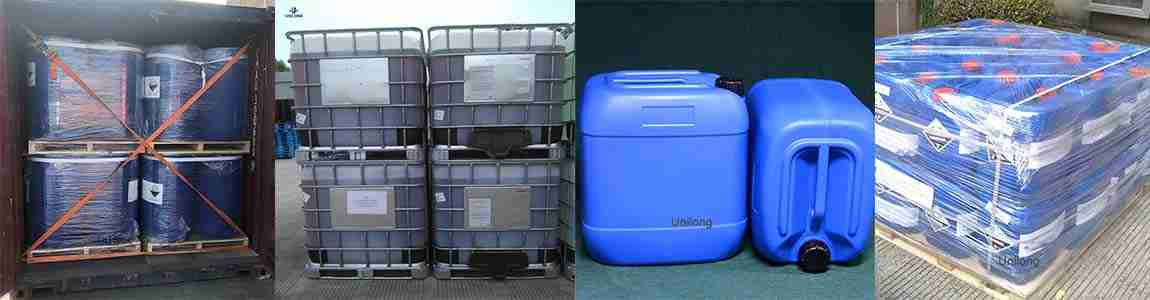
200kg/drum
Cross-linked TAC (triallylcyanurate) is a trifunctional cross-linking agent that significantly enhances the strength, rigidity and heat resistance of plastic products, allowing the products to be used for a long time at temperatures around 250℃. Therefore, it is a new type of cross-linking agent for preparing high-performance unsaturated polyester and acrylic series resin products. It is particularly suitable for the production of glass fiber reinforced plastic products with high temperature resistance and strength; it can also be used in the rubber and cable industries as a sulfurization accelerator for highly saturated rubber to improve the sulfurization effect; it can also be used as a photosensitive agent for polyolefin irradiation cross-linking to reduce the irradiation dose.
| ITEM | TA-G |
| Appearance | Pale yellow liquid |
| Content (%) | ≥ 98.0 |
| Acid value(mgKOH/g) | ≤ 0.3 |
| Melting point(℃) | 25-27 |
| Moisture(%) | ≤ 0.1 |
| Chroma(APHA) | ≤30 |
| Proportion(23℃, g/cm3 ) | 1.100-1.115 |
200kg/drum
1,3,5-Trimellitic acid triacrylate can be used as a crosslinking agent and auxiliary crosslinking agent for rubber and plastics. It is highly effective in increasing the crosslinking degree and reducing the irradiation dose. When used as a sulfurizing agent for ethylene-propylene rubber, chlorinated polyethylene, and polyolefins with peroxides as the vulcanizing agent, TAC is a good crosslinking agent. It has a certain sensitizing effect on the irradiation crosslinking of PVC and can be used as a light radiation crosslinking agent or photosensitizer. It is a coupling agent for peroxide curing reactions. Due to the high crosslinking density of the TAC homopolymer, it is widely used in industrial production of adhesives, cables, paper, and plexiglass.
CAS:125304-04-3
Molecular Formula:C25H35N3O
Molecular Weight:393.57
Appearance:Colorless liquid
EINECS:401-680-5
Synonyms:2-(2H-Benzothiazol-2-yl)-6-(dodecyl)-4-methylphenol ;Ultraviolet Absorber UV-571;Light stabilizer UV-571;UV-571;Absorber UV-571;
What is UV-571 CAS 125304-04-3?
UV-571 CAS 125304-04-3 is a yellow transparent viscous liquid benzotriazole ultraviolet absorber, which can give a variety of polymers with good light stability. Soluble in many solvents, monomers, or intermediates, and easily emulsified in water-based adhesives. UV absorber UV-571 has the characteristics of high compatibility to a variety of substrates, low volatility even at high temperatures, and high absorption and protection efficiency.
Specification
| Appearance | Light yellow oily liquid |
| Assay | ≥95%(HPLC) |
| Ash | ≤0.1% |
| Volatile matter | ≤2.0% |
| Light transmittance | 460 nm≥95% 500 nm≥97% |
Application
UV absorber UV-571 is widely used in thermoplastic PUR coatings and integral foams, hard plasticized polyvinyl chloride, PVB, PMMA, PVD, EVOH, EVA high temperature curing unsaturated polyester and spinning AIDS for PA, PET, PUR and PP fibers. The UV absorber UV-571 is also suitable for use in latex, wax, adhesives, styrene homopolymers – and copolymers, elastomers and polyolefins.
Package
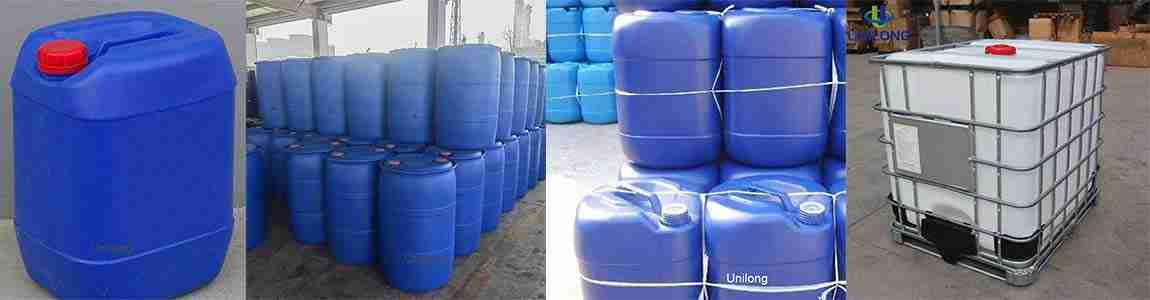
25kg/drum or 200kg/drum

UV-571 is a yellow transparent viscous liquid benzotriazole ultraviolet absorber, which can give a variety of polymers with good light stability. Soluble in many solvents, monomers, or intermediates, and easily emulsified in water-based adhesives. UV absorber UV-571 has the characteristics of high compatibility to a variety of substrates, low volatility even at high temperatures, and high absorption and protection efficiency.
| Appearance | Light yellow oily liquid |
| Assay | ≥95%(HPLC) |
| Ash | ≤0.1% |
| Volatile matter | ≤2.0% |
| Light transmittance | 460 nm≥95% 500 nm≥97% |
25kg/drum or 200kg/drum
UV absorber UV-571 is widely used in thermoplastic PUR coatings and integral foams, hard plasticized polyvinyl chloride, PVB, PMMA, PVD, EVOH, EVA high temperature curing unsaturated polyester and spinning AIDS for PA, PET, PUR and PP fibers. The UV absorber UV-571 is also suitable for use in latex, wax, adhesives, styrene homopolymers – and copolymers, elastomers and polyolefins.
2-Phenylbenzimidazole-5-sulfonic acid CAS 27503-81-7
CAS: 27503-81-7
Purity: 99%
Molecular Formula: C13H10N2O3S
Molecular Weight: 274.3
EINECS: 248-502-0
Storage Period: 2 years
Synonyms: Ensulizole/PhenylBenzimidazoleSulphonicAcid; 2-Phenyl-1H-benimidazole,sulfonicacid; 2-phenyl-1h-benzimidazole-5-sulfonicaci; Novantisol; UltravioletChemicalbookabsorbentUV-T; 2-phenyl-1H-benzimidazole-5-sulphonicacid; 2-Phenylbenzimidazole-5-SulfonicAcid(UV-T); 2-Phenyl-1H-benzo[d]imidazole-5-sulphonicacid
What is 2-Phenylbenzimidazole-5-sulfonic acid CAS 27503-81-7?
Ensulizole(PBSA) 2-Phenylbenzimidazole-5-sulfonic acid CAS 27503-81-7 is a water-soluble sunscreen ingredient, a sulfonated UV absorber characterized by strong absorption of UVB and partial absorption of UVA. ChemicalbookEnsulizole can damage DNA through the production of reactiveoxygenspecies(ROS) under ultraviolet light or sunlight.
Specification
| ITEM | STANDARD |
| Appearance | white crystalline powder |
| Fusing point | >300 °C (lit.) |
| Density | 1.3592 (rough estimate) |
| Storage condition | 2-8°C |
| Refractive index | 1.6360 (estimate) |
Application
1.Cosmetics
Sunscreen function: 2-Phenylbenzimidazole-5-sulfonic acid CAS 27503-81-7 is a highly efficient ultraviolet absorber, which can absorb 260-340 nanometers of ultraviolet light, especially the UVB band, but also absorb part of the UVA band, which can effectively block the damage of ultraviolet light to the skin, prevent skin sunburn, tanning, light aging, etc., often added to sunscreen, moisturizing sunscreen water and other products.
Improve the stability of the formula: with good water solubility, durability, dispersion, low migration, good thermal stability, can keep the texture of sunscreen and other products fresh, but also inhibit the decomposition of other UVB isolation agents, help to improve the stability of the cosmetics formula and the durability of the sunscreen effect.
2.Paint field:2-Phenylbenzimidazole-5-sulfonic acidCAS 27503-81-7 can be used as an ultraviolet absorber of water-based paint, which can absorb ultraviolet light, reduce the damage of ultraviolet light to the paint, improve the weatherability and service life of the paint, prevent the paint from fading, chalking, cracking and other problems, so that the paint can better maintain its performance and appearance in the outdoor environment.
3.Chemical materials:2-Phenylbenzimidazole-5-sulfonic acidCAS 27503-81-7 is used to manufacture outdoor overhead cable materials with weather resistance and oxidation resistance, which can absorb ultraviolet rays, reduce the aging effect of ultraviolet rays on cable materials, and improve the service life and performance of cables.
4.Bionic sensor field:2-Phenylbenzimidazole-5-sulfonic acidCAS 27503-81-7 is can be used to manufacture bionic sensors for the determination of 4-methylbenzyl camphor (4-MBC).
5.Grease field:2-Phenylbenzimidazole-5-sulfonic acidCAS 27503-81-7 can be nucleophilic substituted with liquid bromine to prepare brominated 2-phenylbenzimidazole-5-sulfonic acid, and then react with the amino group of 3,4,4′ -triamino-diphenyl ether to produce intermediate products, and then further react with isocyanate to synthesize polyurea thickener for preparing polyurea grease.
6.Other fields:It can be used as an analytical reagent for scientific research experiments, and can also be used in the preparation of supramolecular intercalation structural materials. The products after intercalation can be used as an excellent ultraviolet absorber to improve the anti-ultraviolet aging ability of composite materials.
Packaging
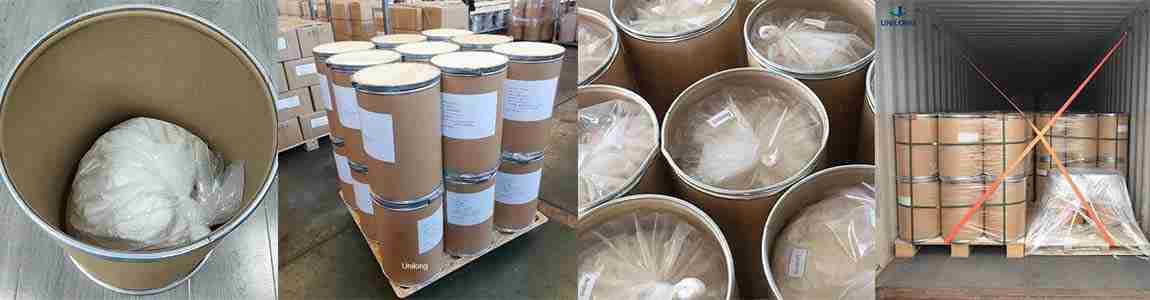
25kgs/drum,9tons/20’container,25kgs/bag,20tons/20’container.
Ensulizole(PBSA) 2-Phenylbenzimidazole-5-sulfonic acid CAS 27503-81-7 is a water-soluble sunscreen ingredient, a sulfonated UV absorber characterized by strong absorption of UVB and partial absorption of UVA. ChemicalbookEnsulizole can damage DNA through the production of reactiveoxygenspecies(ROS) under ultraviolet light or sunlight.
| ITEM | STANDARD |
| Appearance | white crystalline powder |
| Fusing point | >300 °C (lit.) |
| Density | 1.3592 (rough estimate) |
| Storage condition | 2-8°C |
| Refractive index | 1.6360 (estimate) |
25kgs/drum,9tons/20’container,25kgs/bag,20tons/20’container.
1.Cosmetics
Sunscreen function: 2-Phenylbenzimidazole-5-sulfonic acid CAS 27503-81-7 is a highly efficient ultraviolet absorber, which can absorb 260-340 nanometers of ultraviolet light, especially the UVB band, but also absorb part of the UVA band, which can effectively block the damage of ultraviolet light to the skin, prevent skin sunburn, tanning, light aging, etc., often added to sunscreen, moisturizing sunscreen water and other products.
Improve the stability of the formula: with good water solubility, durability, dispersion, low migration, good thermal stability, can keep the texture of sunscreen and other products fresh, but also inhibit the decomposition of other UVB isolation agents, help to improve the stability of the cosmetics formula and the durability of the sunscreen effect.
2.Paint field:2-Phenylbenzimidazole-5-sulfonic acidCAS 27503-81-7 can be used as an ultraviolet absorber of water-based paint, which can absorb ultraviolet light, reduce the damage of ultraviolet light to the paint, improve the weatherability and service life of the paint, prevent the paint from fading, chalking, cracking and other problems, so that the paint can better maintain its performance and appearance in the outdoor environment.
3.Chemical materials:2-Phenylbenzimidazole-5-sulfonic acidCAS 27503-81-7 is used to manufacture outdoor overhead cable materials with weather resistance and oxidation resistance, which can absorb ultraviolet rays, reduce the aging effect of ultraviolet rays on cable materials, and improve the service life and performance of cables.
4.Bionic sensor field:2-Phenylbenzimidazole-5-sulfonic acidCAS 27503-81-7 is can be used to manufacture bionic sensors for the determination of 4-methylbenzyl camphor (4-MBC).
5.Grease field:2-Phenylbenzimidazole-5-sulfonic acidCAS 27503-81-7 can be nucleophilic substituted with liquid bromine to prepare brominated 2-phenylbenzimidazole-5-sulfonic acid, and then react with the amino group of 3,4,4′ -triamino-diphenyl ether to produce intermediate products, and then further react with isocyanate to synthesize polyurea thickener for preparing polyurea grease.
6.Other fields:It can be used as an analytical reagent for scientific research experiments, and can also be used in the preparation of supramolecular intercalation structural materials. The products after intercalation can be used as an excellent ultraviolet absorber to improve the anti-ultraviolet aging ability of composite materials.
2-(2′-Hydroxy-3′,5′-di-tert-pentylphenyl)-benzotriazole CAS 21615-49-6
CAS:21615-49-6
Purity:/
Molecular Formula:C22H29N3O
Molecular Weight:351.49
EINECS:247-384-8
Storage Period:Sealed storage
Synonyms: ULTRAVIOLETABSORBERUV-328;TINUVIN328;2-(2′-HYDROXY-3′,5′-DI-TERTAMYLPHENYL)BENZOTRIALE;2-(2-HYDROXY-3,5-DI-TERT-AMYLPHENYL)BENZOTRIAZOLE;2(2′-HYDROXY-3′,5′-DI-TERT-AMYLPHENYL)BENZOTRIAZOLE;4,6-Di-tert-amyl-2-(5-chloro-2H-benzotriazol-2-yl)-phenol;2-(2-Hydroxy-3,5-diamylphenyl)benzotriazole
What is UV-328?
UV-328 is an ultraviolet light absorber (UVA) of the hydroxyphenylbenzotriazole class, which imparts outstanding light stability to plastics and other organic substrates.
Application:
UV-328 is a highly effective light stabilizer for a variety of plastics and other organic substrates. Its use is recommended for the stabilization of styrene homo- and copolymers, acrylic polymers, unsaturated polyesters, polyvinylchloride, polyolefins, polyurethanes, polyacetals, polyvinyl butyral, elastomers, and adhesives.
Specification:
| ITEM | STANDARD | |
| Appearance | light yellowish powder or pellet | |
| Melting Point (°C) | 81 min | |
| Ash (%) | 0.05 max | |
| Volatile matter (%) | 0.5 max | |
| Transmittance | 440 nm (%) | 97 min |
| 500 nm (%) | 98 min | |
| Assay (%) | 99.0 min | |
Features:
UV-328 features strong UV absorption, low initial color, excellent compatibility in a wide variety of substrates, good solubility in plasticizers and monomers, and moderately low volatility. It protects polymers as well as organic pigments from UV radiation, helping to preserve the original appearance and physical integrity of molded articles, films, sheets, and fibers during
Packaging:
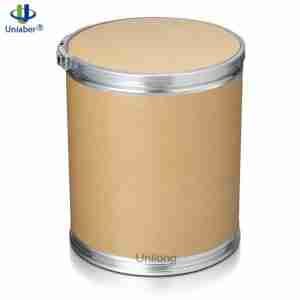
In 15/20/25/500kg bags/cartons on pallet or fiber drum

UV-328 CAS 21615-49-6 is an ultraviolet light absorber (UVA) of the hydroxyphenylbenzotriazole class, which imparts outstanding light stability to plastics and other organic substrates.
| ITEM | STANDARD | |
| Appearance | light yellowish powder or pellet | |
| Melting Point (°C) | 81 min | |
| Ash (%) | 0.05 max | |
| Volatile matter (%) | 0.5 max | |
| Transmittance | 440 nm (%) | 97 min |
| 500 nm (%) | 98 min | |
| Assay (%) | 99.0 min | |
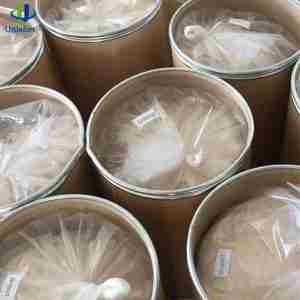
In 15/20/25/500kg bags/cartons on pallet or fiber drum
UV-328 is a highly effective light stabilizer for a variety of plastics and other organic substrates. Its use is recommended for the stabilization of styrene homo- and copolymers, acrylic polymers, unsaturated polyesters, polyvinylchloride, polyolefins, polyurethanes, polyacetals, polyvinyl butyral, elastomers, and adhesives.
CAS: 826-36-8
Molecular Formula: C9H17NO
Molecular Weight: 155.24
EINECS: 212-554-2
Synonyms:
TAA;2,2,6,6-TETRAMETHYLTETRAHYDRO-4(1H)-PYRIDINONE; 2,2,6,6-TETRAMETHYL-PIPERIDIN-4-ONE; 2,2,6,6-TETRAMETHYL-4-PIPERIDINONE;2,2,6, 6-tetramethylpiperidone
What is Triacetonamine CAS 826-36-8?
Triacetonamine (CAS 826-36-8), abbreviated as TAA, with the chemical name 2,2,6, 6-tetramethylpiperidone, is an important organic intermediate widely used in the synthesis of hindered amine light stabilizers (HALS), pharmaceuticals, and specialty chemicals.
Triacetonamine is a white or pale yellow powder with a melting point of 43 ℃ and a boiling point of 205 ℃. It is soluble in acetone, alcohols, ethers, and water. Triacetonamine is an artificial product derived from plant and fungal extracts, using acetone and ammonium hydroxide, or naturally occurring ammonium salts in different steps of the separation process. Triacetonamine is the main component of pyrolysis oil.
With high purity, good thermal stability, and excellent reactivity, Triacetonamine TAA is a critical raw material in polymer additive manufacturing.
We are a professional Triacetonamine (CAS 826-36-8) manufacturer and supplier, offering high-purity products and consistent quality assurance. Our production process follows strict quality management standards to ensure batch stability and reliability.
Essential Raw Material for HALS and Anti-Aging Additives
Triacetonamine (CAS 826-36-8) is the core intermediate for producing hindered amine light stabilizers (HALS) — the key anti-aging additives used in plastics, coatings, and elastomers. As a fundamental building block, triacetonamine TAA ensures excellent UV protection performance and long-term material durability. It is also an important pharmaceutical intermediate, offering significant industrial value across multiple sectors.
Broad Industrial Applications and Versatile Downstream Uses
The downstream derivatives of 2,2,6,6-tetramethyl-4-piperidone extend to a wide range of chemical products, including polymer stabilizers, oxidation inhibitors, and light stabilizers. These materials are widely applied in plastics, rubber, synthetic fibers, and other polymer systems, providing enhanced weather resistance and long-lasting performance in diverse industrial applications.
High Purity and Excellent Color Stability
Our triacetonamine offers superior purity, high chemical stability, and excellent resistance to discoloration during storage and processing. These properties make it a preferred raw material for producing high-performance polymer additives, ensuring consistent quality and reliability in end-use products.
Specification
| Item | Specification |
| Boiling point | 105-105°C/18mm |
| Density | 0.9796 (rough estimate) |
| Melting point | 59-61 °C |
| flash point | 73°C |
| resistivity | 1.4680 (estimate) |
| Storage conditions | 2-8°C |
Application
Triacetonamine CAS 826-36-8, also known as 2,2,6,6-Tetramethyl-4-piperidone, is an important organic synthesis intermediate mainly used in the production of hindered amine light stabilizers (HALS), pharmaceutical intermediates, and specialty chemicals.
Main applications include:
- Synthesis of HALS light stabilizers such as Light Stabilizer 770 and Light Stabilizer 944
- UV-resistant plastics and polymer materials
- Industrial coatings and automotive coatings
- Rubber and polyurethane anti-aging systems
- Pharmaceutical and pesticide intermediates
- Specialty formulations used with Light Stabilizer products
Triacetonamine is widely used in the preparation of advanced UV stabilization solutions for polyethylene, polypropylene, coatings, and engineering plastics.
Key Advantages
- Important intermediate for HALS light stabilizers
- Excellent chemical stability and synthesis performance
- Widely used in polymer anti-aging applications
- Improves UV resistance and weatherability of materials
- Good compatibility with plastics, coatings, and rubber systems
- Suitable for pharmaceutical and fine chemical synthesis
- Widely applied in advanced polymer additive solutions
As a professional UV additives manufacturer, Unisunchem supplies stable-quality Triacetonamine for global industrial applications.
Packaging
Usually packed in 25kg/drum,and also can be do customized package
FAQ
Q1:What is Triacetonamine used for?
Triacetonamine is mainly used as an intermediate for hindered amine light stabilizers (HALS), pharmaceuticals, pesticides, and specialty chemicals.
Q2:Is Triacetonamine used in light stabilizers?
Yes. Triacetonamine is one of the key raw materials used to synthesize HALS products such as “Light Stabilizer 770” and “Light Stabilizer 944”.
Q3:What industries use Triacetonamine?
Triacetonamine is widely used in plastics, coatings, rubber, pharmaceutical intermediates, and polymer additive industries.
Q4:Can Triacetonamine improve polymer durability?
Yes. HALS products synthesized from Triacetonamine help improve UV resistance, weatherability, and anti-aging performance of polymer materials.
Q5:Why choose Unisunchem as your supplier?
Unisunchem is a professional light stabilizer manufacturer and supplier of UV absorbers, photoinitiators, and polymer additives for industrial applications worldwide.
Triacetonamine (CAS 826-36-8), abbreviated as TAA, with the chemical name 2,2,6, 6-tetramethylpiperidone, is an important organic intermediate widely used in the synthesis of hindered amine light stabilizers (HALS), pharmaceuticals, and specialty chemicals.
Triacetonamine is a white or pale yellow powder with a melting point of 43 ℃ and a boiling point of 205 ℃. It is soluble in acetone, alcohols, ethers, and water. Triacetonamine is an artificial product derived from plant and fungal extracts, using acetone and ammonium hydroxide, or naturally occurring ammonium salts in different steps of the separation process. Triacetonamine is the main component of pyrolysis oil.
With high purity, good thermal stability, and excellent reactivity, Triacetonamine TAA is a critical raw material in polymer additive manufacturing.
Essential Raw Material for HALS and Anti-Aging Additives
Triacetonamine (CAS 826-36-8) is the core intermediate for producing hindered amine light stabilizers (HALS) — the key anti-aging additives used in plastics, coatings, and elastomers. As a fundamental building block, triacetonamine TAA ensures excellent UV protection performance and long-term material durability. It is also an important pharmaceutical intermediate, offering significant industrial value across multiple sectors.
Broad Industrial Applications and Versatile Downstream Uses
The downstream derivatives of 2,2,6,6-tetramethyl-4-piperidone extend to a wide range of chemical products, including polymer stabilizers, oxidation inhibitors, and light stabilizers. These materials are widely applied in plastics, rubber, synthetic fibers, and other polymer systems, providing enhanced weather resistance and long-lasting performance in diverse industrial applications.
High Purity and Excellent Color Stability
Our triacetonamine offers superior purity, high chemical stability, and excellent resistance to discoloration during storage and processing. These properties make it a preferred raw material for producing high-performance polymer additives, ensuring consistent quality and reliability in end-use products.
We are a professional Triacetonamine (CAS 826-36-8) manufacturer and supplier, offering high-purity products and consistent quality assurance. Our production process follows strict quality management standards to ensure batch stability and reliability.
| Item | Specification |
| Boiling point | 105-105°C/18mm |
| Density | 0.9796 (rough estimate) |
| Melting point | 59-61 °C |
| flash point | 73°C |
| resistivity | 1.4680 (estimate) |
| Storage conditions | 2-8°C |
Usually packed in 25kg/drum,and also can be do customized package
Triacetonamine Uses:
1. Hindered Amine Light Stabilizer (HALS) Intermediate
Triacetonamine is primarily used as a precursor for HALS products such as Chimassorb 944, Tinuvin 770, and UV-622, which effectively prevent polymer degradation caused by sunlight and oxidation.
2. Pharmaceuticals
Used as an intermediate in the synthesis of certain pharmaceutical compounds, including active pharmaceutical ingredients and protective agents.
3. Agrochemicals
Plays a role in the synthesis of pesticide intermediates and other agricultural chemical agents, contributing to enhanced stability and performance.
4. Coatings and Polymers
As a functional additive precursor, it helps improve weather resistance, gloss retention, and long-term color stability in paints, coatings, and plastic materials.
Cellulose Acetate Butyrate CAB CAS 9004-36-8
Cellulose Acetate Butyrate CAB CAS 9004-36-8
CAS:9004-36-8
Purity:99%
Molecular Formula:N/A
Molecular Weight:0
EINECS:618-381-2
Storage Period:2 years
Synonyms:Cellulose,acetatebutanoate; CELLULOSEACETATEBUTYRATE; CELLULOSEACETATEBUTYRATEPOLYMER; CELLULOSEACETOBUTYRATE; CELLULOSEACETATEBUTYRATE,38WT.%BUTYRYLCONTENT,AVERAGEMNCA.30,000; CELLULOSEACETATEBUTYRATE,52WT.%BUTYRYLCONTENT,AVERAGEMNCA.30,000; CELLULOSEACETATEBUTYRATE,31WT.%BUTYRYLCONTENT,AVERAGEMNCA.12,000; CELLULOSEACETATEBUTYRATE,17WT.%BUTYRYLCONTENT,AVERAGEMNCA.65,
What is Cellulose Acetate Butyrate CAB CAS 9004-36-8?
Cellulose acetate butyrate is a material with many excellent properties and is widely used in many fields. Cellulose acetate butyrate has excellent moisture resistance, UV resistance, cold resistance, flexibility, transparency and electrical insulation. Its melting point is 195-205℃, density is between 1.15 and 1.22g/cm³, and it has high transparency and good weather resistance.
Specification
| Enterprise product standards | CAB-381-0.1 | CAB-381-0.5 | CAB-381-2 | CAB-381-20 | CAB-551-0.01 | CAB-551-0.2 |
| Butyryl Content | 35.50% ~41.50% | 35.50% ~41.50% | 35%-41% | 36%-40% | 45%-58% | 44%-58% |
| Acetyl Content | 10%-18% | 10%-18% | 10%-18% | 11%-18% | 1%-5% | 1%-4% |
| Hydroxyl Content | 0.0-3.0% | 0.0-3.0% | 0.0-3.0% | 0.0-3.0% | 0.0-3.0% | 0.0-3.0% |
| Viscosity | 0.05-0.35 | 0.35-0.8 | 0.85-1.25 | 1.3-1.8 | 0.01-0.15 | 0.2-0.55 |
| Color | ≦100unit | ≦100unit | ≦100unit | ≦100unit | ≦100unit | ≦100unit |
| Haze | ≦50NTU | ≦50NTU | ≦50NTU | ≦50NTU | ≦50NTU | ≦50NTU |
| Acidity as Acetic Acid | 0.00~300 | 0.00~300 | 0.00~300 | 0.00~300 | 0.00~300 | 0.00~300 |
| Ash Content | ≦1.5% | ≦1.5% | ≦1.5% | ≦1.5% | ≦1.5% | ≦1.5% |
| Melting point | Measured | Measured | Measured | Measured | Measured | Measured |
| Glass Transition Temperature (Tg) | Measured | Measured | Measured | Measured | Measured | Measured |
Application
Cellulose Acetate Butyrate (CAB) is a high-performance cellulose ester with excellent transparency, weather resistance, flexibility, and UV resistance. It is widely used in coatings, inks, plastics, films, and specialty industrial materials. As part of the Unisunchem Product Portfolio, CAB is suitable for high-end coating and polymer applications.
1. Coatings & Paints
CAB is widely applied in automotive coatings, wood coatings, plastic coatings, and metal varnishes due to its excellent film-forming properties, fast drying performance, and anti-yellowing characteristics. It improves leveling, gloss, scratch resistance, and pigment dispersion in coating systems.
For UV-curable formulations, CAB can also work together with reactive diluents such as Triethyleneglycol Divinyl Ether to improve coating flexibility and curing performance.
2. Printing Inks & Packaging
CAB is commonly used in gravure inks, printing inks, and packaging coatings because of its excellent adhesion, transparency, and solvent release properties. It enhances print quality and improves coating durability.
3. Plastics & Engineering Materials
CAB is suitable for engineering plastics, tool handles, transparent sheets, cables, and outdoor signs. Its outstanding weather resistance and toughness make it ideal for durable plastic applications.
4. Films & Optical Applications
Due to its high transparency and dimensional stability, CAB is used in film bases, photographic materials, and optical-grade films requiring excellent clarity and UV resistance.
5. Adhesives & Specialty Resins
CAB can be incorporated into adhesive and resin systems to improve flexibility, toughness, and coating appearance. It is also compatible with various epoxy and crosslinking systems, including products like 1,4-Butanediol Diglycidyl Ether.
Key Advantages of Cellulose Acetate Butyrate CAB
- Excellent transparency and optical clarity
- Outstanding weather resistance and UV stability
- Good flexibility and cold resistance
- Fast drying and excellent film-forming performance
- Improves coating leveling, gloss, and scratch resistance
- Compatible with multiple resin and coating systems
- Suitable for coatings, inks, plastics, films, and adhesives
- Available in different viscosity grades for industrial applications
- Reliable global supply and technical support from Unisunchem
Package
20kg/carton
FAQ
Q1: What is Cellulose Acetate Butyrate CAB used for?
Cellulose Acetate Butyrate CAB is widely used in coatings, inks, plastics, films, packaging materials, and automotive coatings due to its excellent transparency, flexibility, and weather resistance.
Q2: What are the advantages of CAB in coatings?
CAB improves gloss, leveling, pigment dispersion, anti-yellowing performance, and scratch resistance while accelerating drying speed in coating systems.
Q3: Is Cellulose Acetate Butyrate suitable for outdoor applications?
Yes. CAB has excellent UV resistance, weather resistance, and durability, making it suitable for outdoor signs, automotive coatings, and exterior plastic materials.
Q4: Can CAB be used with UV-curable systems?
Yes. CAB is compatible with many UV-curable coatings and can be combined with products such as Triethyleneglycol Divinyl Ether for enhanced curing performance.
Q5: Where can I find more coating and polymer additives?
You can browse the full Product Catalog or visit the Unisunchem Home Page for more specialty chemicals and additives.
Cellulose acetate butyrate is a material with many excellent properties and is widely used in many fields. Cellulose acetate butyrate has excellent moisture resistance, UV resistance, cold resistance, flexibility, transparency and electrical insulation. Its melting point is 195-205℃, density is between 1.15 and 1.22g/cm³, and it has high transparency and good weather resistance.
| Enterprise product standards | CAB-381-0.1 | CAB-381-0.5 | CAB-381-2 | CAB-381-20 | CAB-551-0.01 | CAB-551-0.2 |
| Butyryl Content | 35.50% ~41.50% | 35.50% ~41.50% | 35%-41% | 36%-40% | 45%-58% | 44%-58% |
| Acetyl Content | 10%-18% | 10%-18% | 10%-18% | 11%-18% | 1%-5% | 1%-4% |
| Hydroxyl Content | 0.0-3.0% | 0.0-3.0% | 0.0-3.0% | 0.0-3.0% | 0.0-3.0% | 0.0-3.0% |
| Viscosity | 0.05-0.35 | 0.35-0.8 | 0.85-1.25 | 1.3-1.8 | 0.01-0.15 | 0.2-0.55 |
| Color | ≦100unit | ≦100unit | ≦100unit | ≦100unit | ≦100unit | ≦100unit |
| Haze | ≦50NTU | ≦50NTU | ≦50NTU | ≦50NTU | ≦50NTU | ≦50NTU |
| Acidity as Acetic Acid | 0.00~300 | 0.00~300 | 0.00~300 | 0.00~300 | 0.00~300 | 0.00~300 |
| Ash Content | ≦1.5% | ≦1.5% | ≦1.5% | ≦1.5% | ≦1.5% | ≦1.5% |
| Melting point | Measured | Measured | Measured | Measured | Measured | Measured |
| Glass Transition Temperature (Tg) | Measured | Measured | Measured | Measured | Measured | Measured |
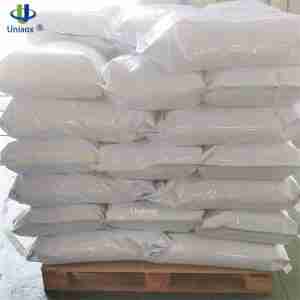
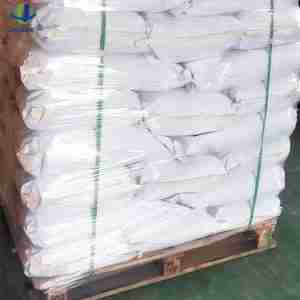
20kg/carton
The specific uses of cellulose acetate butyrate are very wide, mainly including:
1. Coatings: Due to its good film-forming flexibility and high transparency, cellulose acetate butyrate is widely used in various wood coatings, glass coatings, plastic coatings and transparent metal varnishes.
2.Film and photographic bases: Due to its stability and transparency, cellulose acetate butyrate is also used to make film bases and aerial photography bases.
3. Packaging materials: Used to make oil-resistant and gasoline-resistant packaging films.
Tool handles, cables, outdoor signs, tool boxes: used as raw materials for conveying pipes, tool handles, cables, outdoor signs, tool boxes, etc.
4. Insulation materials: used to produce strippable paint, insulating paint, weather-resistant high-grade paint and artificial fibers
5. Auto parts: used to manufacture auto steering wheels and other parts, cable and wire coatings, road signs, lamps, transparent drawing boards, etc.
Methyltrimethoxysilane CAS 1185-55-3
Methyltrimethoxysilane CAS 1185-55-3
CAS:1185-55-3
Molecular Formula:C4H12O3Si
Molecular Weight:136.22
Appearance:Colorless transparent liquid
EINECS:214-685-0
Synonyms:methyltrimethoxy-silan;Methyl-trithoxysilicane;Silane,methyltrimethoxy-;silanea-163;trimethoxymethyl-silan;unioncarbidea-163; Methyl-trithoxysilicane; Silane, methyltrimethoxy-; silanea-163; trimethoxymethyl-silan; Union carbide a-163; unioncarbidea-163; Z 6070; METHYLTRIMETHOXYSILANE; CM9100; Dynasylan MTMS; TRIMETHOXYMETHYLSILANE, 98+%, DEPOSITIO&; Trimethoxymethylsilane=MTMS; Methyltrimethoxysilane,min.95%; dow corning product z-6070; METHYLTRIMETHOXYLSILANE; Metyltrimethoxysilane
What is Methyltrimethoxysilane ?
Methyltrimethoxysilane is an organic compound with the formula CH3Si(CH3O)3, which is mainly used as a crosslinking agent for RTP silicone rubber, as well as a surface treatment agent for glass fibers and a finishing agent for reinforced plastic laminates.
Specification
| Item | Standard |
| Appearance | Colorless transparent liquid |
| Effective active value | ≥ 98% |
| PH | 3.8-7.0 |
Application
Methyltrimethoxysilane(MTMS) in combination with iron nitrate altered the pore structure dramatically. As the Crosslinking agent of RTV silicone rubber and glass fiber surface treatment agent and talk to agents outside of reinforced plastic laminated products in order to improve the mechanical strength, heat resistance, moisture resistance. Methyltrimethoxysilane is used as an acid scavenger.
Package
25kg/drum
Methyltrimethoxysilane is an organic compound with the formula CH3Si(CH3O)3, which is mainly used as a crosslinking agent for RTP silicone rubber, as well as a surface treatment agent for glass fibers and a finishing agent for reinforced plastic laminates.
| Item | Standard |
| Appearance | Colorless transparent liquid |
| Effective active value | ≥ 98% |
| PH | 3.8-7.0 |
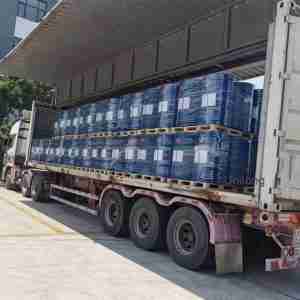
25kg/drum
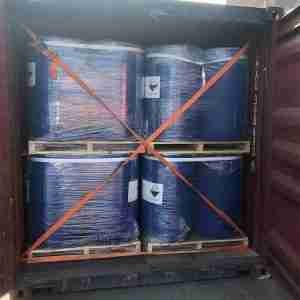
Methyltrimethoxysilane(MTMS) in combination with iron nitrate altered the pore structure dramatically. As the Crosslinking agent of RTV silicone rubber and glass fiber surface treatment agent and talk to agents outside of reinforced plastic laminated products in order to improve the mechanical strength, heat resistance, moisture resistance. Methyltrimethoxysilane is used as an acid scavenger.
Antioxidant 626 CAS 26741-53-7
Antioxidant 626 CAS 26741-53-7
CAS:26741-53-7
Purity:98%
Molecular Formula:C33H50O6P2
MW:604.69
EINECS:247-952-5
Synonyms:
antioxidant24;Ultranox626;3,9-bis(2,4-di-tert-butylphenoxy)-2,4,8,10-tetraoxa-3,9-diphosphaspiro[5.5]undecane;2,4,8,10-Tetraoxa-3,9-diphosphaspiro5.5undecane,3,9-bis2,4-bis(1,1-dimethylethyl)phenoxy-;3,9-Bis(2,4-di-tert-butylphenoxy)-2,4,8,10-tetraoxa-3,9-diphosphaspiro(5.5)undecan;4,8,10-Tetraoxa-3,9-diphosphaspiro[5.5]undecane,3,9-bis[2,4-bis(1,1-dimethylethyl)phenoxy]-2;phosphorousacid,cyclicneopentanetetraylbis(2,4-di-tert-butylphenyl)ester
What is Antioxidant 626 CAS 26741-53-7?
Antioxidant 626 CAS 26741-53-7 is a white crystalline powder with a melting point of 160-175°C, a flash point of 168°C, and a burning point of 421°C. It is easily soluble in organic solvents such as toluene, methyl chloride, and chloroform, slightly soluble in alcohol, and insoluble in water. Antioxidant 626 is a white to off-white powder with low volatility and higher efficiency. It is often used in combination with hindered phenol antioxidants.
Specification
| ITEM | STANDARD |
| Appearance | White pellets or powder |
| Melting range ℃ | 170.0-180.0 |
| Volatile content % | ≤1.0 |
| Acid Value mgKOH/g | ≤1.0 |
| Free 2,4-DTBP % | ≤1.0 |
| Purity % | ≥96.0 |
| Assay % | ≥98.0 |
Application
Antioxidant 626 is a high-efficiency phosphite antioxidant widely used as a processing stabilizer in polymers and engineering plastics. It provides excellent protection against thermal degradation during high-temperature manufacturing processes and is commonly used together with phenolic antioxidants in advanced polymer systems.
1. Plastics & Engineering Polymers
Antioxidant 626 is suitable for PE, PP, ABS, PVC, polycarbonate, polyester, and engineering plastics. It effectively reduces polymer degradation, discoloration, and viscosity loss during extrusion, injection molding, and recycling processes.
For enhanced long-term thermal stability, it is often combined with Antioxidant 1010 and other Phenolic Antioxidants.
2. Rubber & Elastomers
In rubber processing, Antioxidant 626 helps improve heat resistance and oxidative stability in synthetic rubber, EPDM, elastomers, and thermoplastic elastomer formulations.
3. Adhesives & Coatings
Antioxidant 626 is used in hot melt adhesives, coatings, and sealants to improve processing stability and maintain product performance during long-term storage and thermal exposure.
4. Polymer Recycling
Due to its excellent hydrolysis resistance and processing stabilization performance, Antioxidant 626 is widely used in recycled polymer systems to minimize degradation during repeated thermal processing.
5. Lubricants & Industrial Applications
Antioxidant 626 can also be applied in specialty lubricant formulations together with liquid stabilizers such as Antioxidant 5057 to improve oxidation resistance under high-temperature operating conditions.
Explore more polymer additives on the Unisunchem Home Page or browse the complete Product Catalog.
Key Advantages of Antioxidant 626
- Excellent processing stabilization performance
- Reduces polymer degradation during high-temperature processing
- Improves color stability and reduces yellowing
- Excellent compatibility with engineering plastics and polymers
- High hydrolysis resistance and low volatility
- Works synergistically with Antioxidant 1010 and other phenolic antioxidants for long-term stabilization
- Suitable for plastics, rubber, coatings, adhesives, and recycled polymers
- Reliable global supply from Unisunchem
Packing
25kg/bag or Customized according to customer needs
FAQ
Q1: What is Antioxidant 626 used for?
Antioxidant 626 is mainly used as a phosphite processing stabilizer in plastics, engineering polymers, rubber, coatings, and adhesives to prevent thermal degradation during manufacturing.
Q2: Can Antioxidant 626 be used with phenolic antioxidants?
Yes. Antioxidant 626 is commonly used together with Antioxidant 1010 and other hindered phenolic antioxidants to improve long-term thermal and oxidative stability.
Q3: Is Antioxidant 626 suitable for recycled plastics?
Yes. Antioxidant 626 is widely used in recycled polymer applications because it helps reduce viscosity loss and polymer degradation during repeated thermal processing.
Q4: Which polymers are compatible with Antioxidant 626?
It is suitable for PE, PP, ABS, PVC, polycarbonate, polyester, engineering plastics, elastomers, and other polymer systems.
Q5: Where can I find more antioxidant products?
You can visit the Uniaox® Antioxidant Category or browse all products on the Products Page.
Antioxidant 626 CAS 26741-53-7 is a white crystalline powder with a melting point of 160-175°C, a flash point of 168°C, and a burning point of 421°C. It is easily soluble in organic solvents such as toluene, methyl chloride, and chloroform, slightly soluble in alcohol, and insoluble in water. Antioxidant 626 is a white to off-white powder with low volatility and higher efficiency. It is often used in combination with hindered phenol antioxidants.
| ITEM | STANDARD |
| Appearance | White pellets or powder |
| Melting range ℃ | 170.0-180.0 |
| Volatile content % | ≤1.0 |
| Acid Value mgKOH/g | ≤1.0 |
| Free 2,4-DTBP % | ≤1.0 |
| Purity % | ≥96.0 |
| Assay % | ≥98.0 |
25kg/bag or Customized according to customer needs
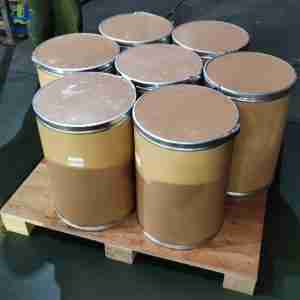
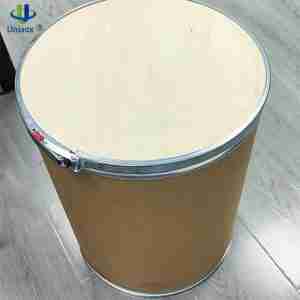
1. Antioxidant 626 CAS 26741-53-7 is mainly used in the synthesis and processing of various plastics such as polypropylene, polyethylene, ABS, polycarbonate fiber and polyester resin.
2.Antioxidant 626 CAS 26741-53-7 is a phosphite auxiliary antioxidant with low volatility, which can effectively prevent polymer discoloration, reduce polymer degradation rate, and improve the resin’s resistance to gas fading. It is particularly suitable for polyolefins and olefin copolymers, polycarbonate, polyamide and other engineering plastics, as well as rubber, coatings and adhesives. The addition of antioxidant 626 can significantly improve the processing stability of the material, and is widely used in the processing of polyethylene, polypropylene, ethylene-vinyl acetate copolymer, polystyrene, polyvinyl chloride and other thermoplastics and elastomers. middle. In addition, antioxidant 626 also has excellent prevention of discoloration caused by light and heat, as well as a certain light stabilization effect, which can improve the light, thermal stability, mechanical strength and color stability of the product, thereby extending the life of the product.
3.Antioxidant 626 CAS 26741-53-7 has stable chemical properties and good compatibility with most polymers. It is an efficient phosphite auxiliary antioxidant. Its use can not only improve the processing stability of materials, but also improve the light, thermal stability, mechanical strength and color stability of products. It is an important additive widely used in the plastics industry
UV Absorber 5050H CAS 152261-33-1
UV Absorber 5050H CAS 152261-33-1
CAS:152261-33-1
Molecular Formula:NA
Molecular Weight:0
EINECS:NA
Synonyms:
Uvinul 5050 H; Light Stabilizer 5050H; UV Absorber 5050H; JADEWIN UV 5050H; Ultraviolet Absorbent UV-5050H; UV STABILIZER TRUELICHT UV 5050H; Light Stabilizer UV-5050; UV Absorber 5050
What is UV Absorber 5050H CAS 152261-33-1?
UV Absorber 5050H CAS 152261-33-1 is a yellow or light yellow solid, hindered amine light stabilizer, low water content, and low reactivity with acidic environments. It can be used as a packaging material in contact with food.
UV Absorber 5050H is a high-performance, polymeric ultraviolet absorber designed to protect plastics and coatings from UV-induced degradation. As a hydroxyphenyl benzotriazole-based stabilizer, UV 5050H offers excellent migration resistance, low volatility, and long-lasting UV screening performance.
Its polymeric structure makes it ideal for demanding outdoor applications and products requiring superior durability, color retention, and weatherability.
Specification
| Item | Specification |
| Mw | 0 |
| keyword | UV Absorber 5050H |
| CAS | 152261-33-1 |
| purity | 98% |
Application
UV Absorber 5050H CAS 152261-33-1 is widely used in polymer materials, coatings, and engineering plastics to improve long-term weather resistance and prevent UV degradation. It provides excellent protection against yellowing, cracking, gloss loss, and aging caused by ultraviolet exposure.
Main applications include:
- Polypropylene (PP) and polyethylene (PE) materials
- Engineering plastics and modified plastics
- Automotive coatings and industrial coatings
- Adhesives and sealants
- Outdoor plastic products and films
- High-performance formulations used with UV absorber products
People often use UV Absorber 5050H together with “Light Stabilizer 944”, “UV-571”, and antioxidant systems to improve polymer durability and outdoor performance.
Key Advantages
- Excellent long-term UV protection performance
- Improves weather resistance and thermal stability
- Reduces yellowing, cracking, and surface degradation
- Good compatibility with polyolefins and engineering plastics
- Suitable for coatings, films, fibers, and plastic products
- Excellent synergistic effect with antioxidants and HALS stabilizers
- Widely used in advanced polymer additive solutions
As a professional UV additives manufacturer, Unisunchem supplies stable-quality UV absorbers and light stabilizers for global industrial applications.
FAQ
Q1:What is UV Absorber 5050H used for?
UV Absorber 5050H is mainly used to improve UV resistance and weatherability in plastics, coatings, adhesives, and polymer materials.
Q2:Can UV Absorber 5050H prevent polymer aging?
Yes. It helps reduce yellowing, cracking, gloss loss, and mechanical degradation caused by long-term UV exposure.
Q3:Is UV Absorber 5050H suitable for outdoor applications?
Yes. UV Absorber 5050H is widely used in outdoor plastic products, automotive materials, coatings, and engineering plastics because of its excellent long-term stabilization performance.
Q4:Can UV Absorber 5050H be used with light stabilizers?
Yes. It is commonly combined with “Light Stabilizer 944” and antioxidant systems to achieve enhanced UV protection and thermal stability.
Q5:Why choose Unisunchem as your supplier?
Unisunchem is a professional light stabilizer manufacturer and supplier of UV absorbers, photoinitiators, and polymer additives for industrial applications worldwide.
Packaging
Usually packed in 25kg/drum,and also can be do customized package.
UV Absorber 5050H CAS 152261-33-1 is a yellow or light yellow solid, hindered amine light stabilizer, low water content, and low reactivity with acidic environments. UV Absorber 5050H can be used as a packaging material in contact with food.
UV Absorber 5050H is a high-performance, polymeric ultraviolet absorber designed to protect plastics and coatings from UV-induced degradation. As a hydroxyphenyl benzotriazole-based stabilizer, UV 5050H offers excellent migration resistance, low volatility, and long-lasting UV screening performance.
Its polymeric structure makes it ideal for demanding outdoor applications and products requiring superior durability, color retention, and weatherability.
| Item | Specification |
| Mw | 0 |
| keyword | UV Absorber 5050H |
| CAS | 152261-33-1 |
| purity | 98% |
Recommended Dosage
0.1% – 1.0% depending on polymer type and end-use requirements
Usually packed in 25kg/drum,and also can be do customized package.
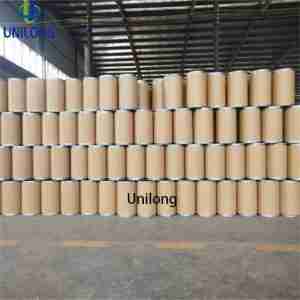
UV Absorber 5050H (CAS 152261-33-1) is widely used across plastics, coatings, adhesives, and specialty materials that require long-term protection against ultraviolet radiation. Thanks to its polymeric structure, low volatility, and excellent migration resistance, UV 5050H delivers durable UV stabilization, making it ideal for both indoor and outdoor applications where color retention, gloss stability, and mechanical strength are critical.
1. Plastics
UV Absorber 5050H is highly compatible with a wide range of engineering plastics and commodity polymers, providing outstanding resistance against photo-oxidation and yellowing. It is commonly used in:
Polycarbonate (PC) – improves transparency and long-term clarity
Polyurethane (PU) – enhances weatherability of flexible and rigid PU systems
Polyamide (PA / Nylon) – prevents embrittlement and discoloration
PET, PBT & engineering polyester resins – maintains gloss and toughness
ABS, SAN – reduces color fading in outdoor components
PMMA (acrylic) – protects optical-grade materials from UV damage
Outdoor plastic sheets and films requiring long-lasting UV protection
2. Coatings
Due to its broad UV absorption range and excellent thermal stability, UV 5050H is widely used in high-performance industrial and decorative coatings, including:
Automotive coatings for long-term gloss and color stability
Industrial metal coatings
Wood coatings to prevent yellowing and surface degradation
Plastic coatings used on outdoor consumer goods
Powder coatings where high processing temperatures require a low-volatility UV absorber
UV-curable coating systems to prevent photodegradation
3. Inks
In printing inks, UV Absorber 5050H helps maintain color intensity and prevents fading caused by sunlight exposure. It is suitable for:
UV-curable inks
Packaging inks
Outdoor signage and label printing
4. Adhesives & Sealants
Its polymeric, non-migrating nature makes UV 5050H especially suitable for adhesives exposed to sunlight:
PU sealants
MS polymer adhesives
Acrylic adhesives
Hot melt EVA adhesives used in packaging and assembly applications
5. Specialty Applications
UV Absorber 5050H is also applied in several advanced sectors due to its high molecular weight and excellent permanence:
Optical-grade plastics (lenses, LED covers, light diffusers)
Agricultural films requiring long-term UV stability
Electronics housings and outdoor equipment
Sporting goods & personal safety equipment
3D printing materials needing improved UV durability
2,2′-Thiobis(4-tert-octylphenolato)-n-butylamine nickel(II) CAS 14516-71-3
2,2′-Thiobis(4-tert-octylphenolato)-n-butylamine nickel(II) CAS 14516-71-3
CAS:14516-71-3
Molecular Formula:C32H51NNiO2S
Molecular Weight:572.52
EINECS:238-523-3
Synonyms:
UV Absorber 1084; Light Stablizer UV-1084; (Butylamine)[2,2′-thiobis(4-tert-octylphenolato)]nickel(II); 2,2′-Thiobis(4-tert-octylphenolato)-n-butylamine nickel(II) ISO 9001:2015 REACH; TRUELICHT UV 1084; NICKEL QUENCHER 1084;LITESTAB1084
What is 2,2′-Thiobis(4-tert-octylphenolato)-n-butylamine nickel(II) CAS 14516-71-3?
2,2 ‘- Thiobis (4-tert-octylphenolato) – n-butylamine nickel (II) appears as a light green powder and can be used in conjunction with other light stabilizers. It works better when used in combination with UV absorbers
Specification
| Item | Specification |
| Boiling point | 220℃[at 101 325 Pa] |
| Density | 1.106[at 20℃] |
| Vapor pressure | 0Pa at 20℃ |
| SOLUBLE | 204.8μg/L at 20℃ |
| MF | C32H51NNiO2S |
| purity | 99% |
Application
2,2 ‘- Thiobis (4-tert-octylphenolato) – n-butylamine nickel (II) has extremely high stability when used in PE agricultural films and PP turf products; Has good UV protection, can resist pesticides and acid erosion. Recommended for PE and PP agricultural films and tapes.
Packaging
Usually packed in 25kg/drum,and also can be do customized package.
2,2 ‘- Thiobis (4-tert-octylphenolato) – n-butylamine nickel (II) appears as a light green powder and can be used in conjunction with other light stabilizers. It works better when used in combination with UV absorbers
| Item | Specification |
| Boiling point | 220℃[at 101 325 Pa] |
| Density | 1.106[at 20℃] |
| Vapor pressure | 0Pa at 20℃ |
| SOLUBLE | 204.8μg/L at 20℃ |
| MF | C32H51NNiO2S |
| purity | 99% |
Usually packed in 25kg/drum,and also can be do customized package.
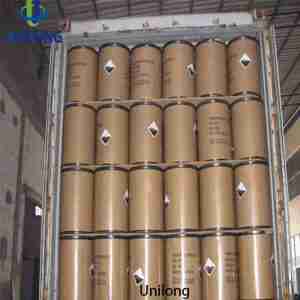
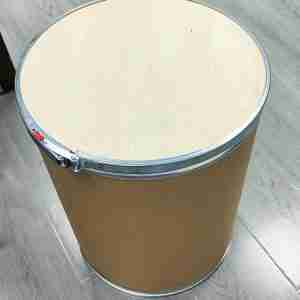
2,2 ‘- Thiobis (4-tert-octylphenolato) – n-butylamine nickel (II) has extremely high stability when used in PE agricultural films and PP turf products; Has good UV protection, can resist pesticides and acid erosion. Recommended for PE and PP agricultural films and tapes.
tetraethyl 2,2′-(1,4-phenylenedimethylidyne)bismalonate CAS 6337-43-5
tetraethyl 2,2′-(1,4-phenylenedimethylidyne)bismalonate CAS 6337-43-5
CAS:6337-43-5
Molecular Formula:C22H26O8
Molecular Weight:418.44
EINECS:228-726-5
Synonyms:
B-CAP; Hostavin B-CAP; NSC 38065; p-Phenylenebis(methylenemalonic acid) tetraethyl ester;UV ABSORBER B-CAP; tetraethyl-2,2′-[1,4-phenylenebis(methanylylidene)]dimalonate; WSP UV-2000/p-Phenylenebis(methylenemalonic acid) tetraethyl ester; WSP UV-2000
What is tetraethyl 2,2′-(1,4-phenylenedimethylidyne)bismalonate CAS 6337-43-5?
Tetraethyl 2,2 ‘- (1,4-phenylenedimethylene) bismalenate is a UV absorber with a white powder appearance, which provides good protection for various organic pigments, especially bright colored products.
Specification
| Item | Specification |
| Boiling point | 484.4±45.0 °C(Predicted) |
| Density | 1.195 |
| Vapor pressure | 0Pa at 25℃ |
| SOLUBLE | 1mg/L at 22℃ |
| MF | C22H26O8 |
| purity | 99% |
Application
Tetraethyl 2,2 ‘- (1,4-phenyldimethylidyne) bismalonate is suitable for use in various transparent plastics; Tetraethyl 2,2 ‘- (1,4-phenyldimethylidyne) bismalonate has a good protective effect on various organic color powders, especially bright colored products.
Packing
Usually packed in 25kg/drum,and also can be do customized package.
Tetraethyl 2,2 ‘- (1,4-phenylenedimethylene) bismalenate is a UV absorber with a white powder appearance, which provides good protection for various organic pigments, especially bright colored products.
| Item | Specification |
| Boiling point | 484.4±45.0 °C(Predicted) |
| Density | 1.195 |
| Vapor pressure | 0Pa at 25℃ |
| SOLUBLE | 1mg/L at 22℃ |
| MF | C22H26O8 |
| purity | 99% |
Usually packed in 25kg/drum,and also can be do customized package.
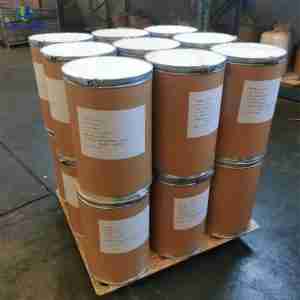
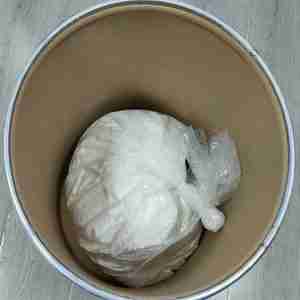
Tetraethyl 2,2 ‘- (1,4-phenyldimethylidyne) bismalonate is suitable for use in various transparent plastics; Tetraethyl 2,2 ‘- (1,4-phenyldimethylidyne) bismalonate has a good protective effect on various organic color powders, especially bright colored products.
dimethyl (p-methoxybenzylidene)malonate CAS 7443-25-6
dimethyl (p-methoxybenzylidene)malonate CAS 7443-25-6
CAS:7443-25-6
Molecular Formula:C13H14O5
Molecular Weight:250.25
EINECS:231-185-8
Synonyms:
Cyasorb UV 1988; Dimethyl 4-methoxybenzylidenemalonate; Hostavin BRE 25; NSC 306435;PR 25; Sanduvor PR 25; 4-MethoxybenzylideneMalonate; UV-1988; dimethyl (p-methoxybenzylidene)malonate
What is dimethyl (p-methoxybenzylidene)malonate CAS 7443-25-6?
Dimethyl (p-methoxybenzaldehyde) malate appears as white to almost white powder crystals, soluble in methanol
Specification
| Item | Specification |
| Boiling point | 144-145 °C(Press: 0.17 Torr) |
| Density | 1.187 |
| Vapor pressure | 0Pa at 20℃ |
| SOLUBLE | 91mg/L at 20℃ |
| MF | C13H14O5 |
| purity | 99% |
Application
Dimethyl (p-methoxybenzaldehyde) malate is generally used for solvent based coatings with low requirements, general industrial coatings, and can also be used for UV cured coatings and varnishes with high color requirements; In the plastic system, it is recommended to use PVC, polyester, PC, polyamide, styrene, EVA copolymer, and cellulose products.
Packaging
Usually packed in 25kg/drum,and also can be do customized package.
Dimethyl (p-methoxybenzaldehyde) malate appears as white to almost white powder crystals, soluble in methanol
| Item | Specification |
| Boiling point | 144-145 °C(Press: 0.17 Torr) |
| Density | 1.187 |
| Vapor pressure | 0Pa at 20℃ |
| SOLUBLE | 91mg/L at 20℃ |
| MF | C13H14O5 |
| purity | 99% |
Usually packed in 25kg/drum,and also can be do customized package.
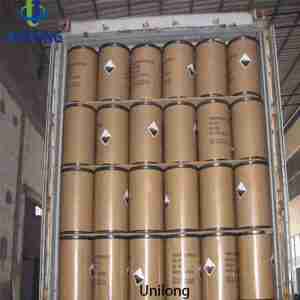
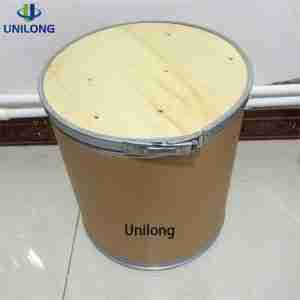
Dimethyl (p-methoxybenzaldehyde) malate is generally used for solvent based coatings with low requirements, general industrial coatings, and can also be used for UV cured coatings and varnishes with high color requirements; In the plastic system, it is recommended to use PVC, polyester, PC, polyamide, styrene, EVA copolymer, and cellulose products.
UV Absorber 3030 CAS 178671-58-4
UV Absorber 3030 CAS 178671-58-4
CAS:178671-58-4
Molecular Formula:C69H48N4O8
Molecular Weight:1061.14
EINECS:924-350-7
Synonyms:
1,3-Bis-[(2′-cyano-3′,3′-diphenylacryloyl)oxy]-2,2-bis-[[(2′-cyano-3′,3′-diphenylacryloyl)oxy]methyl]propane; Uvinul 3030; UV3030; UV3030; 2,2-Bis(((2-cyano-3,3-diphenylacryloyl)oxy)methyl)-propane-1,3-diyl bis(2-cyano-3,3-diphenylacryl UV Absorber 3030; HRstab-3030
What is UV Absorber 3030 CAS 178671-58-4?
UV Absorber 3030 is a heat stabilizer and a high molecular weight UV absorber with extremely low volatile matter. It is used to protect plastics and coating products from UV radiation in sunlight.
Specification
| Item | Specification |
| Boiling point | 1077.4±65.0 °C(Predicted) |
| Density | 1.267±0.06 g/cm3(Predicted) |
| Storage conditions | Sealed in dry,Room Temperature |
| EINECS | 924-350-7 |
| MW | 1061.14 |
| purity | 99% |
Application
UV Absorber 3030 is used to protect plastic and coating products from UV radiation in sunlight. UV-3030 is particularly suitable for processing polymers with high processing temperatures, such as polycarbonate (PC), polyethylene terephthalate (PET), polyether sulfone, etc.
Packaging
Usually packed in 25kg/drum,and also can be do customized package.
UV Absorber 3030 is a heat stabilizer and a high molecular weight UV absorber with extremely low volatile matter. It is used to protect plastics and coating products from UV radiation in sunlight.
| Item | Specification |
| Boiling point | 1077.4±65.0 °C(Predicted) |
| Density | 1.267±0.06 g/cm3(Predicted) |
| Storage conditions | Sealed in dry,Room Temperature |
| EINECS | 924-350-7 |
| MW | 1061.14 |
| purity | 99% |
Usually packed in 25kg/drum,and also can be do customized package.
UV Absorber 3030 is used to protect plastic and coating products from UV radiation in sunlight. UV-3030 is particularly suitable for processing polymers with high processing temperatures, such as polycarbonate (PC), polyethylene terephthalate (PET), polyether sulfone, etc.
UV absorber-928 CAS 73936-91-1
UV absorber-928 CAS 73936-91-1
CAS:73936-91-1
Molecular Formula:C29H35N3O
Molecular Weight:441.61
EINECS:422-600-5
Synonyms:
TINUVIN 928; UV ABSORBER TRUELICHT UV 928; Light Stabilizer UV-Absorber RIASORB UV928/928FF; Sinosorb UV-928; UV Absorbers YD UV-928; Uv Stabilizer 928; 2-(2H-BENZOTRIAZOL-2-YL)-6-(1-METHYL-1-PHENYLETHYL)-4-(1,1,3,3-TETRAMETHYLBUTYL)PHENOL; UV ABSORBER-928
What is UV absorber-928 CAS 73936-91-1?
UV absorbers 928 have a wide range of absorption characteristics and can effectively protect coatings and other photosensitive materials; High solubility, high temperature resistance, and good environmental durability; Suitable for high-performance coatings, especially for powder coatings and continuous coil coatings
Specification
| Item | Specification |
| Boiling point | 555.5±60.0 °C(Predicted) |
| Density | 1.07 |
| Melting point | 112 °C |
| pKa | 8.05±0.50(Predicted) |
| MW | 441.61 |
| purity | 98% |
Application
UV absorbers 928 are suitable for high-performance coatings, particularly for powder coatings and continuous coil coatings, as well as for automotive coatings and conventional coatings. Generally, it works better when used together with light stabilizers UV-292 or UV-123
Packing
Usually packed in 25kg/drum,and also can be do customized package.
UV absorbers 928 have a wide range of absorption characteristics and can effectively protect coatings and other photosensitive materials; High solubility, high temperature resistance, and good environmental durability; Suitable for high-performance coatings, especially for powder coatings and continuous coil coatings
| Item | Specification |
| Boiling point | 555.5±60.0 °C(Predicted) |
| Density | 1.07 |
| Melting point | 112 °C |
| pKa | 8.05±0.50(Predicted) |
| MW | 441.61 |
| purity | 98% |
Usually packed in 25kg/drum,and also can be do customized package.
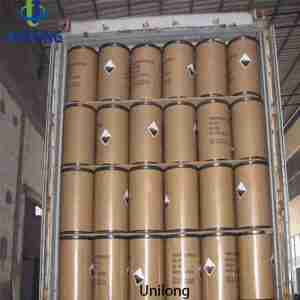
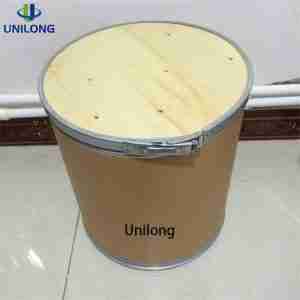
UV absorbers 928 are suitable for high-performance coatings, particularly for powder coatings and continuous coil coatings, as well as for automotive coatings and conventional coatings. Generally, it works better when used together with light stabilizers UV-292 or UV-123
N-(2-Ethoxyphenyl)-N’-(4-ethylphenyl)-ethlyene diamide CAS 23949-66-8
N-(2-Ethoxyphenyl)-N’-(4-ethylphenyl)-ethlyene diamide CAS 23949-66-8
CAS:23949-66-8
Molecular Formula:C18H20N2O3
Molecular Weight:312.36
EINECS:245-950-9
Synonyms:
LOTSORB UV 312; N1-(2-Ethoxyphenyl)-N2-(2-ethylphenyl)ethanediamide; UV-312; VSU; EthanediaMide,N1-(2-ethoxyphenyl)-N2-(2-ethylphenyl)-UV Absorber 312; n-(2-ethoxyphenyl)-n’-(2-ethylphenyl)oxamide; N-(2-Ethoxyphenyl)-N’-(4-ethylphenyl)-ethlyene diamide
What is N-(2-Ethoxyphenyl)-N’-(4-ethylphenyl)-ethlyene diamide CAS 23949-66-8?
N – (2-Ethoxyphenyl) – N ‘- (4-ethylphenyl) – ethene diamine white powder, melting point 124-127 ℃. Content ≥ 99%. Insoluble in water, soluble in toluene, styrene, acetone, and methyl methacrylate. Insoluble in water, soluble in toluene, styrene, acetone, and methyl methacrylate.
Specification
| Item | Specification |
| Boiling point | >400 °C |
| Density | 1.216±0.06 g/cm3(Predicted) |
| Vapor pressure | 0Pa at 25℃ |
| pKa | 10.81±0.70(Predicted) |
| MW | 312.36 |
| purity | 99% |
Application
N – (2-Ethoxyphenyl) – N ‘- (4-ethylphenyl) – ethene diamine is a polar substance with low volatility and good thermal stability. It will not discolor when in contact with metal ions and is particularly effective for short wavelength ultraviolet light. Therefore, it is often used as a whitening agent and stabilizer for UV curing systems.
Packaging
Usually packed in 25kg/drum,and also can be do customized package.
N – (2-Ethoxyphenyl) – N ‘- (4-ethylphenyl) – ethene diamine white powder, melting point 124-127 ℃. Content ≥ 99%. Insoluble in water, soluble in toluene, styrene, acetone, and methyl methacrylate. Insoluble in water, soluble in toluene, styrene, acetone, and methyl methacrylate.
| Item | Specification |
| Boiling point | >400 °C |
| Density | 1.216±0.06 g/cm3(Predicted) |
| Vapor pressure | 0Pa at 25℃ |
| pKa | 10.81±0.70(Predicted) |
| MW | 312.36 |
| purity | 99% |
Usually packed in 25kg/drum,and also can be do customized package.


N – (2-Ethoxyphenyl) – N ‘- (4-ethylphenyl) – ethene diamine is a polar substance with low volatility and good thermal stability. It will not discolor when in contact with metal ions and is particularly effective for short wavelength ultraviolet light. Therefore, it is often used as a whitening agent and stabilizer for UV curing systems.
N,N’-Bis(4-ethoxycarbonylphenyl)-N-benzylformamidine CAS 586400-06-8
N,N’-Bis(4-ethoxycarbonylphenyl)-N-benzylformamidine CAS 586400-06-8
CAS:586400-06-8
Molecular Formula:C26H26N2O4
Molecular Weight:430.5
EINECS:214-243-7
Synonyms:
N,N’-bis(4-ethoxycarboxylphenyl)-N-benzylformamidine; ethyl 4-[(N-benzyl-4-ethoxycarbonylanilino)methylideneamino]benzoate; N,N’-Bis(4-ethoxycarbonylphenyl)-N-benzylformamidine; Ethyl 4-(((benzyl(4-(ethoxycarbonyl)phenyl)-amino)methylene)amino)benzoate; UV absorber NP3; UV-3 N,N’-Bis(4-ethoxycarbonylphenyl)-N-benzylformamidine; UV-3 / NP3
What is N,N’-Bis(4-ethoxycarbonylphenyl)-N-benzylformamidine CAS 586400-06-8?
N,N’-Bis(4-ethoxycarbonylphenyl)-N-benzylformamidine typically appears as a white crystalline solid. N. N ‘- Bis (4-ethoxycarbonylphenyl) – N-benzylformamide is soluble in some organic solvents such as ethanol, dimethylformamide, and dichloromethane.
Specification
| Item | Specification |
| Boiling point | 581.8±60.0 °C(Predicted) |
| Density | 1.11 |
| Storage conditions | 2-8°C |
| pKa | 5+-.0.50(Predicted) |
| MW | 430.5 |
| purity | 99% |
Application
N,N’-Bis(4-ethoxycarbonylphenyl)-N-benzylformamidine can serve as an important reagent in organic synthesis and act as a catalyst in some reactions. N. N ‘- Bis (4-ethoxycarbonylphenyl) – N-benzylformamide can also be used for oxidation reactions in certain catalyst systems.
Packaging
Usually packed in 25kg/drum,and also can be do customized package.
N,N’-Bis(4-ethoxycarbonylphenyl)-N-benzylformamidine typically appears as a white crystalline solid. N. N ‘- Bis (4-ethoxycarbonylphenyl) – N-benzylformamide is soluble in some organic solvents such as ethanol, dimethylformamide, and dichloromethane.
| Item | Specification |
| Boiling point | 581.8±60.0 °C(Predicted) |
| Density | 1.11 |
| Storage conditions | 2-8°C |
| pKa | 5+-.0.50(Predicted) |
| MW | 430.5 |
| purity | 99% |
Usually packed in 25kg/drum,and also can be do customized package.
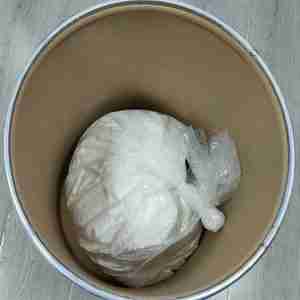
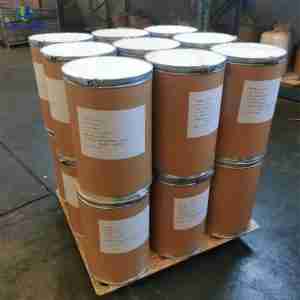
N,N’-Bis(4-ethoxycarbonylphenyl)-N-benzylformamidine can serve as an important reagent in organic synthesis and act as a catalyst in some reactions. N. N ‘- Bis (4-ethoxycarbonylphenyl) – N-benzylformamide can also be used for oxidation reactions in certain catalyst systems.
Homosalate CAS 118-56-9
CAS:118-56-9
Molecular Formula:C16H22O3
Molecular Weight:262.34
EINECS:204-260-8
Synonyms:
Benzoic acid, 2-hydroxy-, 3,3,5-trimethylcyclohexyl ester; Benzoicacid,2-hydroxy-,3,3,5-trimethylcyclohexylester; component of Coppertone; Coppertone; Filtrosol A; Heliopan; Homosalat; Kemester HMS; m-Homomenthyl salicylate
What is Homosalate CAS 118-56-9?
Homosalate is a typical salicylic acid based UV absorber, chemically named 3,3,5-trimethylcyclohexyl salicylate, which can absorb UV rays in the 195-31 wavelength range. It has been approved by the US FDA, Europe, Japan, and Australia for use in sunscreen and daily chemical products, protecting the skin from UVB radiation damage. It is widely used in cosmetics such as sunscreen, toner, and clothing fabrics.
Specification
| Item | Specification |
| Boiling point | 161-165°C (12 torr) |
| Density | 1.05 |
| refractivity | n20 1.516 to 1.518 |
| pKa | 8.10±0.30(Predicted) |
| Vapor pressure | 0.015Pa at 25℃ |
| puity | 98% |
Application
Homosalate is used in sunscreen and daily chemical products to protect the skin from UVB radiation damage. Homosalate is widely used in cosmetics such as sunscreen, toner, and clothing fabrics.
Packaging
Usually packed in 25kg/drum,and also can be do customized package.
Homosalate is a typical salicylic acid based UV absorber, chemically named 3,3,5-trimethylcyclohexyl salicylate, which can absorb UV rays in the 195-31 wavelength range. It has been approved by the US FDA, Europe, Japan, and Australia for use in sunscreen and daily chemical products, protecting the skin from UVB radiation damage. It is widely used in cosmetics such as sunscreen, toner, and clothing fabrics.
| Item | Specification |
| Boiling point | 161-165°C (12 torr) |
| Density | 1.05 |
| refractivity | n20 1.516 to 1.518 |
| pKa | 8.10±0.30(Predicted) |
| Vapor pressure | 0.015Pa at 25℃ |
| purity | 98% |
Usually packed in 25kg/drum,and also can be do customized package.
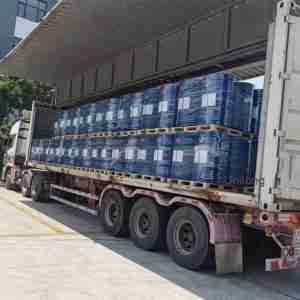
Homosalate is used in sunscreen and daily chemical products to protect the skin from UVB radiation damage. Homosalate is widely used in cosmetics such as sunscreen, toner, and clothing fabrics.
2-Ethylhexyl salicylate CAS 118-60-5
2-Ethylhexyl salicylate CAS 118-60-5
CAS:118-60-5
Molecular Formula:C15H22O3
Molecular Weight:250.33
EINECS:204-263-4
Synonyms:
SALICYLIC ACID OCTYL ESTER; SALICYLIC ACID-2-ETHYL-1-HEXYL ESTER; SALICYLIC ACID 2-ETHYLHEXYL ESTER; OCTISALATE; TIMTEC-BB SBB008473; 2-ETHYLHEXYL SALICYLATE 99+%; SALICYLIC ACID 2-ETHYLHEXYL ESTER 98+%; OCTISALATE,USP
What is 2-Ethylhexyl salicylate CAS 118-60-5?
2-Ethylhexyl salicylate is an important chemical product. It is a colorless to pale yellow transparent liquid with slightly aromatic smell. It has absorption to UVB and is widely used in perfume, soap, sunscreen cosmetics and pharmaceutical industries. It can also be used as an organic solvent and organic synthesis intermediate. At present, China mainly imports it.
Specification
| Item | Specification |
| Boiling point | 189-190 °C/21 mmHg (lit.) |
| Density | 1.014 g/mL at 25 °C (lit.) |
| refractivity | n20/D 1.502(lit.) |
| pKa | 8.13±0.30(Predicted) |
| Vapor pressure | 0.018Pa at 20℃ |
| purity | 99% |
Application
2-Ethylhexyl salicylate is widely used in perfume, soap, sunscreen cosmetics and pharmaceutical industries. 2-Ethylhexyl salicylate can also be used as organic solvent and organic synthesis intermediate
Packaging
Usually packed in 25kg/drum,and also can be do customized package.
2-Ethylhexyl salicylate is an important chemical product. It is a colorless to pale yellow transparent liquid with slightly aromatic smell. It has absorption to UVB and is widely used in perfume, soap, sunscreen cosmetics and pharmaceutical industries. It can also be used as an organic solvent and organic synthesis intermediate. At present, China mainly imports it.
| Item | Specification |
| Boiling point | 189-190 °C/21 mmHg (lit.) |
| Density | 1.014 g/mL at 25 °C (lit.) |
| refractivity | n20/D 1.502(lit.) |
| pKa | 8.13±0.30(Predicted) |
| Vapor pressure | 0.018Pa at 20℃ |
| purity | 99% |
Usually packed in 25kg/drum,and also can be do customized package.
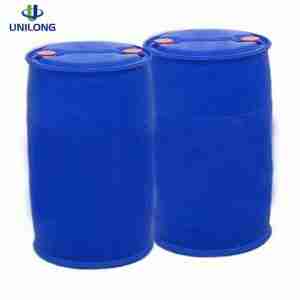
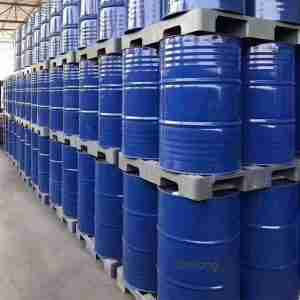
2-Ethylhexyl salicylate is widely used in perfume, soap, sunscreen cosmetics and pharmaceutical industries. 2-Ethylhexyl salicylate can also be used as organic solvent and organic synthesis intermediate
LOTSORB AN 136 CAS 164391-52-0
LOTSORB AN 136 CAS 164391-52-0
CAS:164391-52-0
Purity:98%
Molecular formula:C24H30O2
MW:350.49
EINECS:NA
Synonyms:AntioxidantHP136,2(3H)-Benzofuranone,5,7-bis(1,1-dimethylethyl)-3-(3,4-dimethylphenyl); 5,7-Di-tert-butyl-3-(3,4-dimethylphenyl)benzofuran-2(3H)-one; LOTSORBAN136;2(3H)-Benzofuranone,5,7-bis(1,1-dimethylethyl)-3-(3,4-dimethylphenyl)-; ANTIOXIDANTTRUELICHTAO136; JADEWINAO136; 164391-52-0AntioxidantHP136; 5,7-ditert-butyl-3-(3,4-dimethylphenyl)-3H-1-benzofuran-2-one
What is LOTSORB AN 136 CAS 164391-52-0?
LOTSORB AN 136 CAS 164391-52-0 is a good benzofuranone carbon free radical and alkyl free radical scavenger, which can effectively inhibit the thermal oxidation reaction of polymers during processing and has a good anti-thermal oxidation effect.
Specification
| ITEM | STANDARD |
| Appearance
| White crystalline powder |
| Content% | ≥98.00 |
| Volatile | ≤0.50 |
| Melting point ℃ | 130.00-135.00 |
Application
LOTSORB AN 136 is a high-performance benzofuranone antioxidant specially designed for polymer stabilization during high-temperature processing. It is widely used in polypropylene, engineering plastics, elastomers, and recycling applications due to its excellent free-radical scavenging ability and processing stability.
1. Polypropylene (PP) Processing
LOTSORB AN 136 is particularly effective in polypropylene processing, where it helps reduce molecular degradation, discoloration, and viscosity loss during extrusion, injection molding, and fiber production. It is commonly used together with Antioxidant 1010 and Antioxidant 168 for synergistic stabilization effects.
2. Engineering Plastics & Polymer Compounds
Suitable for engineering resins such as PE, ABS, polyolefins, and thermoplastic elastomers, LOTSORB AN 136 improves long-term thermal stability and processing durability in demanding industrial environments.
3. Recycled Plastics
LOTSORB AN 136 is widely used in recycled polymer systems to reduce degradation caused by repeated thermal processing. It helps maintain polymer mechanical properties and improves color stability during recycling operations.
4. Rubber & Elastomers
Used in synthetic rubber and elastomer formulations to improve oxidation resistance and extend service life under heat exposure.
5. Industrial Compounding & Masterbatch
The product is suitable for polymer masterbatch production and industrial compounding applications requiring excellent processing stabilization and low volatility.
Explore more products in the Uniaox® Antioxidant Category or visit the Unisunchem Home Page
Key Advantages of LOTSORB AN 136
- Excellent free-radical scavenging performance
- Outstanding processing stabilization for polypropylene and polyolefins
- Reduces polymer degradation and viscosity loss during high-temperature processing
- Improves color stability and minimizes yellowing
- Low volatility and excellent thermal stability
- Highly effective in recycled polymer applications
- Compatible with Phenolic Antioxidants and phosphite stabilizers for enhanced long-term protection
- Suitable for PP fibers, engineering plastics, elastomers, and masterbatch production
- Reliable global supply and technical support from Unisunchem
FAQ
Q1: What is LOTSORB AN 136 mainly used for?
LOTSORB AN 136 is mainly used as a high-performance processing antioxidant for polypropylene, polyolefins, engineering plastics, and recycled polymers to prevent thermal degradation during manufacturing.
Q2: Why is LOTSORB AN 136 suitable for polypropylene processing?
LOTSORB AN 136 has excellent carbon free-radical scavenging ability, helping improve processing stability, reduce degradation, and maintain polymer performance during high-temperature PP processing.
Q3: Can LOTSORB AN 136 be used with other antioxidants?
Yes. It is commonly formulated with Antioxidant 1010 and Antioxidant 168 to achieve better long-term thermal and oxidative stability.
Q4: Is LOTSORB AN 136 suitable for recycled plastics?
Yes. LOTSORB AN 136 is highly effective in recycled polymer systems because it minimizes degradation and helps maintain polymer mechanical properties during repeated processing cycles.
Q5: Where can I find more polymer antioxidants?
You can browse the Uniaox® Antioxidant Category or explore the full Products Page.
Packing
25kg/drum or Customized according to customer needs
Antioxidant HP136,2(3H)-Benzofuranone,5,7-bis(1,1-dimethylethyl)-3-(3,4-dimethylphenyl) is a good benzofuranone carbon free radical and alkyl free radical scavenger, which can effectively inhibit the thermal oxidation reaction of polymers during processing and has a good anti-thermal oxidation effect.
| ITEM | STANDARD |
| Appearance | White crystalline powder |
| Content% | ≥98.00 |
| Volatile | ≤0.50 |
| Melting point ℃ | 130.00-135.00 |
25kg/drum or Customized according to customer needs
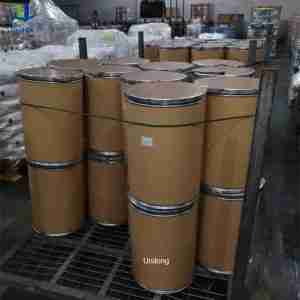
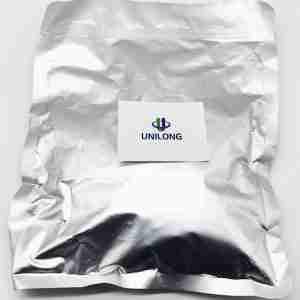
1. Antioxidant HP136 is a good benzofuranone carbon free radical and alkyl free radical scavenger, which can effectively inhibit the thermal oxidation reaction of polymers during processing and has a good anti-thermal oxidation effect.
2. Compared with traditional hindered phenol antioxidants and phosphite antioxidants, Antioxidant HP136 has the advantages of low addition amount and high antioxidant property.
3. Antioxidant HP136 has a good synergistic effect with hindered phenol antioxidant JADEWIN AN1010 and phosphite antioxidant JADEWIN AN168
4. Antioxidant HP136 can be applied to polypropylene (PP), and can be used in large-scale extrusion equipment processing under high temperature conditions, and can effectively inhibit the yellowing of polymers.
Antioxidant 1035 CAS 41484-35-9
Antioxidant 1035 CAS 41484-35-9
CAS:41484-35-9
Purity:99%
Molecular formula:C38H58O6S
MW:642.94
EINECS:255-392-8
Synonyms:[2,2′-Thiobis(ethanol)]bis[3-(4-hydroxy-3,5-di-tert-butylphenyl)propionate]; 2,2′-Thiodiethanolbis(3,5-di-tert-butyl-4-hydroxybenzenepropanoate); 4,4′-[Thiobis(ethyleneoxycarbonylethylene)]bis(2,6-di-tert-butylphenol); Bis(3,5-di-tert-butyl-4-hydroxybenzenepropanoicacid)thiobis(2,1-ethanediyl)ester; Antioxidants1035; 2,2′-ThiodiethyleneBis[3-(3,5-di-tert-butyl-4-hydroxyphenyl)propionate]; Benzenepropanoicacid,3,5-bis(1,1-dimethylethyl)-4-hydroxy-,1,1′-(thiodi-2,1-ethanediyl)ester; 3,5-Bis-(1,1-dimethylethyl)-4-hydroxybenzenepropanoicacidthiodiethyleneglycolester
What is Antioxidant 1035 CAS 41484-35-9?
Antioxidant 1035 CAS 41484-35-9 is a White crystalline powder, odorless, insoluble in water, easily soluble in methanol, ethanol, toluene, acetone and other organic solvents, specific gravity 1.19, apparent specific gravity 0.5-0.6. This product is a thioether type hindered phenol antioxidant, widely used in various plastics, rubbers, paints, and can also be used in ABS, PS, PU, PA, etc., with antioxidant effect
Specification
| ITEM | STANDARD |
| Appearance
| White crystalline powder |
| Transmittance
| 425nm ≥95% 500nm ≥97% |
| Ash content | ≤0.2% |
| Melting point ℃ | 63℃ – 68℃ |
| Content | ≥99% |
Application
Antioxidant 1035 is a sulfur-containing hindered phenolic antioxidant designed for high-temperature polymer stabilization. It provides excellent long-term thermal protection and processing stability in polymer systems requiring low volatility and strong anti-aging performance.
1. Wire & Cable Compounds
Antioxidant 1035 is extensively used in LDPE wire and cable compounds, XLPE cable materials, and carbon-black-filled polymer systems. It improves thermal aging resistance and reduces degradation during extrusion and long-term service exposure.
For advanced cable stabilization systems, it can be formulated together with Antioxidant 626 to enhance processing stability and hydrolysis resistance.
2. Polyurethane & Flexible Foam
In polyurethane soft foam applications, Antioxidant 1035 helps prevent thermal oxidation and foam scorching problems. It is often used together with liquid antioxidants such as Antioxidant 1135 for improved oxidative protection in PU systems.
3. Engineering Plastics & Elastomers
Suitable for ABS, PS, PA, elastomers, and thermoplastic compounds, Antioxidant 1035 minimizes polymer chain degradation and helps maintain material strength and appearance during high-temperature processing.
4. Hot Melt Adhesives
Due to its excellent migration resistance and low volatility, Antioxidant 1035 is widely used in hot melt adhesive formulations and industrial compounding systems requiring long-term thermal stability.
5. Lubricants & Industrial Oils
The product can also function as an antioxidant additive in specialty lubricants and industrial oils to inhibit oxidative degradation under elevated operating temperatures.
More polymer additives and stabilization materials are available on the Unisunchem Home Page and the Uniaox® Antioxidant Category.
Key Advantages of Antioxidant 1035
- Sulfur-containing phenolic structure with excellent thermal stabilization performance
- Outstanding resistance to polymer oxidation and thermal degradation
- Excellent migration resistance in wire and cable applications
- Low volatility and good compatibility with polymer matrices
- Helps reduce discoloration and viscosity loss during processing
- Effective for polyurethane, elastomers, hot melt adhesives, and engineering plastics
- Suitable replacement option for traditional antioxidants such as BHT in some systems
- Performs synergistically with Antioxidant 626 and Antioxidant 1135
- Stable global supply from Unisunchem
FAQ
Q1: What is Antioxidant 1035 mainly used for?
Antioxidant 1035 is mainly used in wire & cable materials, polyurethane foam, engineering plastics, elastomers, and hot melt adhesives to improve thermal oxidation resistance.
Q2: Why is Antioxidant 1035 suitable for cable materials?
Its low volatility and excellent migration resistance make it highly suitable for LDPE, XLPE, and carbon-black-filled wire and cable compounds requiring long-term thermal stability.
Q3: Can Antioxidant 1035 be used in polyurethane foam?
Yes. Antioxidant 1035 is commonly used in polyurethane soft foam formulations and can help reduce core scorching issues when combined with Antioxidant 1135.
Q4: Which polymers are compatible with Antioxidant 1035?
It is compatible with ABS, PS, PU, PA, elastomers, polyolefins, adhesives, and other thermoplastic systems.
Q5: Where can I find more polymer antioxidants and stabilizers?
You can browse the Products Page or explore the Uniaox® Antioxidant Series for more stabilization solutions.
Packing
25kg/drum or Customized according to customer needs
Antioxidant 1035 CAS 41484-35-9 is a White crystalline powder, odorless, insoluble in water, easily soluble in methanol, ethanol, toluene, acetone and other organic solvents, specific gravity 1.19, apparent specific gravity 0.5-0.6. This product is a thioether type hindered phenol antioxidant, widely used in various plastics, rubbers, paints, and can also be used in ABS, PS, PU, PA, etc., with antioxidant effect
| ITEM | STANDARD |
| Appearance
| White crystalline powder |
| Transmittance
| 425nm ≥95% 500nm ≥97% |
| Ash content | ≤0.2% |
| Melting point ℃ | 63℃ – 68℃ |
| Content | ≥99% |
25kg/drum or Customized according to customer needs
1. Synthetic plastics and synthetic rubber: As an anti-aging agent, it delays the oxidation aging of polymers such as synthetic plastics and synthetic rubber.
2. Oil products: As an antioxidant for oil products, it protects oil products from oxidation.
3. Wire and cable materials: As a processing stabilizer, it provides good thermal stability and migration resistance, especially suitable for wire and cable materials containing carbon black, LDPE wire and cable, PVA, polypropylene, elastomer high-impact polystyrene, hot melt adhesive, XLPE wire and cable, polyol/polyurethane, ABS and other materials.In addition, antioxidant 1035 can also be used together with ammonia antioxidants such as IRGANOX5057 to effectively prevent the core burning problem of soft foam polyurethane, and can also replace BHT. Its general dosage is 0.1-0.5%, and the specific dosage can be adjusted according to actual needs.
Octyl 4-methoxycinnamate with CAS 5466-77-3
Octyl 4-methoxycinnamate with CAS 5466-77-3
CAS:5466-77-3
Synonyms:2-ETHYLHEXYLTRANS-4-METHOXYCINNAMATE; 2-ETHYLHEXYLP-METHOXYCINNAMATE; 2-ETHYLHEXYL4-METHOXYCINNAMATE; 4-METHOXYCINNAMICACIDOCTYLESTER; 4-METHOXYCINNAMICACID2-ETHYLHEXYLESTER; (5-METHYLHEPTYL)3-(4-METHOXYPHENYL)-2-PROPENOATE; 2-Ethylhex-1-yl3-(4-methoxyphenyl)prop-2-enoate,2-Ethylhex-1-yl3-(4-methoxyphenyl)acrylate; 2-Ethylhex-1-yl4-methoxycinnamate; omc
4-METHOXYCINNAMIC ACID OCTYL ESTER; (5-METHYLHEPTYL) 3-(4-METHOXYPHENYL)-2-PROPENOATE; 2-Ethylhexyl 4-methoxycinnamate ; 2-Ethylhexyl 4-methoxyciamate; 4-Methoxycinnamic Acid 2-Ethylhexyl Ester 4-Methoxycinnamic Acid Octyl Ester Octyl 4-Methoxycinnamate; OCLyl 4-MethoxycinnaMate; Octyl 4-MethoxycinnaMate ; Isooctyl-4-methoxycinnamate; 3-(4-Methoxy-phenyl)-acrylicacid2-ethyl-hexylester; 2-ethylhexy 4-methoxycinnamate; OCTINOXATE USP; OCTYL4-METHOXYCINNAMATE(OCTYLMETHOXYCINNAMATE); Octyl; methoxycinnamate (OMC); PARA-METHOXYCINNAMICACID,2-ETHYLHEXYLESTER; ETHYLHEXYL-PARA-METHOXYCINNAMATE; 2-Ethylhexyl-4-methoxycinnamate; OCTYLDIMETHOXYCINNAMATE; OCTYL 4-METHOXYCINNAMATE 98%, STABILIZED WITH 0.05-0.1% BHT; Octyl 4-methoxycinnamate, stabilized, 98%; Isooctyl p-methoxycinnamate; Octyl 4-methoxycinnamate, 98%, stabilized; (E)-3-(4-Methoxyphenyl)propenoic acid octyl ester; p-Methoxycinnamic acid octyl ester; 3-(4-Methoxyphenyl)propenoic acid 2-ethylhexyl ester; 4-Methoxybenzeneacrylic acid 2-ethylhexyl ester; Octinoxate (500 mg) (Octyl Methoxycinnamate); OCTYL 4-METHOXYCINNAMATE; 2-ethvlhexvlmethoxvcinnamate; 2-Ethylhexyl-p-methoxycinnamate,2-Ethylhexyl4-methoxycinnamate; 3-(4-methoxyphenyl)-2-propenoicaci2-ethylhexylester; Octyl methoxylate; 2-Ethylhexyl p-methoxycinnamate (Parsol MCX ); Isooctyl parmethoxy cinnamate; uv absorber MC80; Octinoxate/Ethyl Hexyl Methoxy Cinnamate; Octyl P-methoxycinnamate(OMC); LGB-OMC; 2-methoxy-3-phenyl-2-propenoic acid octyl ester; 2-Ethylhexyl4-Methoxycinnamate>; Octinoxate (Octyl 4-Methoxycinnamate); ethylhexyl methoxycinnamate fandachem; 2-Ethylhexyl 4-methoxycinnamate Solution in Methanol/THF/Water, 100μg/mL; Octinoxate (500 mg); Octyl 4-methoxycinnamate USP/EP/BP; OCTYL 4-METHOXYCINNAMATE OMC; UV ABSORBER TRUELICHT MC80; Octinoxate (Octyl Methoxycinnamate) (1477900); 2-ETHYLHEXYL 4-METHOXYCINNAMATE; 4-METHOXYCINNAMIC ACID 2-ETHYLHEXYL ESTER; Octinoxat
Molecular Formula:C18H26O3
Molecular Weight:290.4
EINECS:226-775-7
Product Categories:UV Absorber
What is Octyl 4-methoxycinnamate with CAS 5466-77-3?
Octyl 4-methoxycinnamate with CAS 5466-77-3 is a commonly used sunscreen, anti-aging agent and UV absorber. Orange transparent liquid. The boiling point is 216°C (0.133-0.267kpa), and the refractive index is 1.535 (26°C). Soluble in ethanol, insoluble in water. Octyl 4-methoxycinnamate is an organic compound used in some sunscreen products, lip balms and other beauty products to absorb UVB in the sun and protect the skin from its damage. It is the most commonly used UVB sunscreen agent. It is a transparent liquid insoluble in water at room temperature.
Specification
| ITEM | STANDARD | |
| Appearance | Pale yellow liquid | |
| Hazen | 70 max | |
| Odour | Slight characteristic | |
| Identity(IR)USP<197F> | Matches reference spectrum | |
| Identity(Retention time)USP<621> | Matches reference retention time | |
| UV Specific extinction (E1%1cm,310nm,ethanol)USP<197U> | 850 min | |
| Specific gravity(25℃)USP<841> | 1.005-1.013 | |
| Refractive index (20℃)USP<831> | 1.542-1.548 | |
| Peroxide value(%) | 1.0 max | |
| Acidity (0.1N NaOH)(USP) | 0.8 max | |
| Chromatographic purity GC USP<621> | Purity(%) | 99.0 min |
| Each impurity(%) | 0.5 max | |
| Total impurities(%) | 2.0 max | |
| Assay(%)USP<621> | 95.0-105.0 | |
Application
1.Octyl 4-methoxycinnamate with CAS 5466-77-3 is used to prepare skin care cosmetics such as sunscreen (cream, lotion, liquid), which can effectively absorb ultraviolet rays in the sun, prevent human skin from redness, sunburn, and ink, and is also a therapeutic drug for photosensitive dermatitis. It can be used as an anti-aging agent and ultraviolet absorber for plastics and inks in industry.
2. Oil-soluble liquid UV-B absorber, which can be compounded with various sunscreens
3. Mainly used for UV absorption of cosmetics
Packing
200kgs/drum, 16tons/20’container
Octyl 4-methoxycinnamate is a commonly used sunscreen, anti-aging agent and UV absorber. Orange transparent liquid. The boiling point is 216°C (0.133-0.267kpa), and the refractive index is 1.535 (26°C). Soluble in ethanol, insoluble in water. Octyl 4-methoxycinnamate is an organic compound used in some sunscreen products, lip balms and other beauty products to absorb UVB in the sun and protect the skin from its damage. It is the most commonly used UVB sunscreen agent. It is a transparent liquid insoluble in water at room temperature.
| ITEM | STANDARD | |
| Appearance | Pale yellow liquid | |
| Hazen | 70 max | |
| Odour | Slight characteristic | |
| Identity(IR)USP<197F> | Matches reference spectrum | |
| Identity(Retention time)USP<621> | Matches reference retention time | |
| UV Specific extinction (E1%1cm,310nm,ethanol)USP<197U> | 850 min | |
| Specific gravity(25℃)USP<841> | 1.005-1.013 | |
| Refractive index (20℃)USP<831> | 1.542-1.548 | |
| Peroxide value(%) | 1.0 max | |
| Acidity (0.1N NaOH)(USP) | 0.8 max | |
| Chromatographic purity GC USP<621> | Purity(%) | 99.0 min |
| Each impurity(%) | 0.5 max | |
| Total impurities(%) | 2.0 max | |
| Assay(%)USP<621> | 95.0-105.0 | |
200kgs/drum, 16tons/20’container
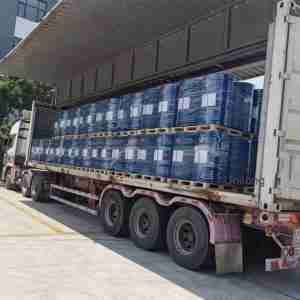
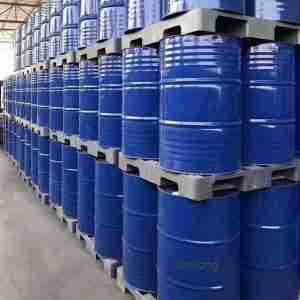
1. It is used to prepare skin care cosmetics such as sunscreen (cream, lotion, liquid), which can effectively absorb ultraviolet rays in the sun, prevent human skin from redness, sunburn, and ink, and is also a therapeutic drug for photosensitive dermatitis. It can be used as an anti-aging agent and ultraviolet absorber for plastics and inks in industry.
2. Oil-soluble liquid UV-B absorber, which can be compounded with various sunscreens
3. Mainly used for UV absorption of cosmetics
N-Vinylcaprolactam CAS 2235-00-9
N-Vinylcaprolactam CAS 2235-00-9
CAS 2235-00-9
Molecular Formula:C8H13NO
Molecular Weight:139.19
Appearance:powder to lump to clear liquid
EINECS:218-787-6
Synonyms:N-VINYL-E-CAPROLACTAM; 1-Ethenyl-2,3,4,5,6,7-hexahydro-1H-azepin-2-one; 1-Vinyl-4,5,6,7-tetrahydro-1H-azepine-2(3H)-one; 1-Vinylhexahydro-1H-azepine-2-one; N-Vinyl Caprolactam (V-CAP); NVCL; VCAP; N-Vinyl-2-Caprolactam; 1-vinylazepan-2-one; N- VINYL CAPROLACTAM ( NVC ); N-VinylcaprolaCLaM; N-Vinyl-epsilon-caprolactam (stabilized with HO-TEMPO); N-Vinyl-ε-caprolactam (stabilized with HO-TEMPO); N-Vinylcaprolactam cas no.2235-00-9 CAS NO.2235-00-9; 1-vinylhexahydro-2h-azepin-2-one; 1-ethenylazepan-2-one; 1-Ethenylhexahydro-2H-azepin-2-one; VINYLCAPROLACTAM; N-VINYL-EPSILON-CAPROLACTAM; N-VINYLCAPROLACTAM; 1-ethenylhexahydro-2h-azepin-2-on; NVC; N-Vinylcaprolactam, stabilized
What Is N-Vinylcaprolactam CAS 2235-00-9?
N-Vinylcaprolactam (NVC), also known as N-Vinyl-e-caprolactam or n-vinyl caprolactam, is a highly reactive vinyl lactam monomer with the CAS number 2235-00-9. It is a colorless to pale yellow liquid that readily undergoes free-radical polymerization to form water-soluble or thermosensitive polymers.
Due to its balanced hydrophilic and hydrophobic structure, N-Vinylcaprolactam is an important intermediate in the production of copolymers and homopolymers used across a wide range of industries including coatings, adhesives, personal care, and pharmaceuticals.
Specification
| ITEM | STANDARD |
| Appearance | slight yellow Liquid |
| Purity(GC) | ≥98% |
| Color | 50-60 |
| Caprolactam(CPL) | ≤1.5% |
| Water ((kf) moisture) | <0. 1% |
| viscosity | ≤4.5.0 |
Key Properties:
Readily polymerizable monomer
Excellent film-forming ability
Compatible with both hydrophilic and hydrophobic monomers
Low toxicity and good stability
Provides thermoresponsive behavior in aqueous systems
Application
1. Polymeric Additives and Coatings
N-Vinylcaprolactam (CAS 2235-00-9) is widely used in UV-curable coatings and polymer additives to improve adhesion, flexibility, and moisture resistance. It serves as a comonomer with acrylates, methacrylates, and vinylpyrrolidone, enhancing coating performance and durability under harsh environmental conditions.
2. Adhesives and Sealants
In adhesive formulations, N-Vinyl-e-caprolactam functions as a reactive diluent and adhesion promoter. It improves crosslinking density and flexibility while maintaining low viscosity, making it suitable for high-performance UV adhesives, pressure-sensitive adhesives (PSA), and sealants.
3. Personal Care and Cosmetic Applications
n-vinyl caprolactam is a key raw material in the production of poly(N-vinylcaprolactam), a non-ionic, water-soluble polymer used in hair styling products, conditioners, and skin care formulations. It provides excellent film-forming, conditioning, and thermal stability without irritation, making it ideal for personal care and cosmetic industries.
4. Pharmaceutical and Biomedical Polymers
In the pharmaceutical field, N-Vinylcaprolactam is utilized to synthesize thermoresponsive hydrogels and drug delivery systems. Its polymers show reversible solubility in response to temperature changes, allowing controlled release of active ingredients and biocompatible formulations.
5. Textile and Paper Treatment
NVC-based copolymers are used in textile finishing and paper coating applications to enhance surface smoothness, gloss, and water resistance. Its polymer structure improves flexibility and imparts excellent adhesion on fiber surfaces.
6. Water Treatment and Dispersants
In water treatment formulations, n-vinyl caprolactam polymers act as stabilizers and dispersants. They improve particle suspension, reduce scale formation, and maintain clarity in various industrial and municipal systems.
Package And Storage
25kg/drum or requirement of clients. Keep it in cool space.
FAQ
N-Vinylcaprolactam (NVC), also known as N-Vinyl-e-caprolactam or n-vinyl caprolactam, is a highly reactive vinyl lactam monomer with the CAS number 2235-00-9. It is a colorless to pale yellow liquid that readily undergoes free-radical polymerization to form water-soluble or thermosensitive polymers.
Due to its balanced hydrophilic and hydrophobic structure, N-Vinylcaprolactam is an important intermediate in the production of copolymers and homopolymers used across a wide range of industries including coatings, adhesives, personal care, and pharmaceuticals.
| ITEM | STANDARD
|
| Appearance | slight yellow Liquid |
| Purity(GC) | ≥98% |
| Color | 50-60 |
| Caprolactam(CPL) | ≤1.5% |
| Water ((kf) moisture) | <0. 1% |
| viscosity | ≤4.5.0 |
Key Properties:
Readily polymerizable monomer
Excellent film-forming ability
Compatible with both hydrophilic and hydrophobic monomers
Low toxicity and good stability
Provides thermoresponsive behavior in aqueous systems
25kg/drum or requirement of clients. Keep it in cool space.
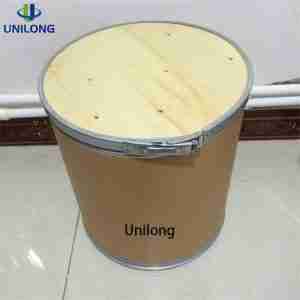
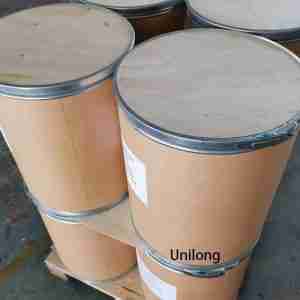
1. Polymeric Additives and Coatings
N-Vinylcaprolactam (CAS 2235-00-9) is widely used in UV-curable coatings and polymer additives to improve adhesion, flexibility, and moisture resistance. It serves as a comonomer with acrylates, methacrylates, and vinylpyrrolidone, enhancing coating performance and durability under harsh environmental conditions.
2. Adhesives and Sealants
In adhesive formulations, N-Vinyl-e-caprolactam functions as a reactive diluent and adhesion promoter. It improves crosslinking density and flexibility while maintaining low viscosity, making it suitable for high-performance UV adhesives, pressure-sensitive adhesives (PSA), and sealants.
3. Personal Care and Cosmetic Applications
n-vinyl caprolactam is a key raw material in the production of poly(N-vinylcaprolactam), a non-ionic, water-soluble polymer used in hair styling products, conditioners, and skin care formulations. It provides excellent film-forming, conditioning, and thermal stability without irritation, making it ideal for personal care and cosmetic industries.
4. Pharmaceutical and Biomedical Polymers
In the pharmaceutical field, N-Vinylcaprolactam is utilized to synthesize thermoresponsive hydrogels and drug delivery systems. Its polymers show reversible solubility in response to temperature changes, allowing controlled release of active ingredients and biocompatible formulations.
5. Textile and Paper Treatment
NVC-based copolymers are used in textile finishing and paper coating applications to enhance surface smoothness, gloss, and water resistance. Its polymer structure improves flexibility and imparts excellent adhesion on fiber surfaces.
6. Water Treatment and Dispersants
In water treatment formulations, n-vinyl caprolactam polymers act as stabilizers and dispersants. They improve particle suspension, reduce scale formation, and maintain clarity in various industrial and municipal systems.
4-Methoxyphenol CAS 150-76-5
CAS:150-76-5
Molecular Formula:C7H8O2
Molecular Weight:124.14
EINECS:205-769-8
Synonyms:Eastman HQMME; ethermonomethyliqued’hydroquinone; Hqmme; Hydroquinone methyl ether; hydroquinonemethylether; Leucobasal; Leucodine b; leucodineb
Hydroquinonemethylether,Leucobasal,Leucodine b,Leucodineb,Mechinolum
What is 4-Methoxyphenol CAS 150-76-5?
4-Methoxyphenol CAS 150-76-5 in the form of white flake or waxy crystal, it is mainly used in vinyl-based plastic monomer polymerization inhibitor, UV inhibitor, dye intermediate and used in the synthesis of edible oils and cosmetics antioxidant BHA. The biggest advantage of 4-Methoxyphenol is that the monomer added with MEHQ does not need to be removed when it is copolymerized with other monomers. It can be directly copolymerized with three elements, and can also be used as antioxidant and antioxidant.
Specification
| Item | Specification |
| Appearance | White crystalline flake |
| Hydroquinone(123-31-9)% | ≤0.05 |
| Hurning Residue% | ≤0.01 |
| Loss on Drying% | ≤0.3 |
| Melting Point℃ | 54-56.5 |
| Heavy Metal% | ≤0.001 |
| APHA | ≤10 |
Application
4-Methoxyphenol (MEHQ) CAS 150-76-5 is widely used as a polymerization inhibitor and stabilizer in acrylic acid, methacrylic acid, acrylate esters, and vinyl monomer systems. It effectively prevents premature polymerization during storage and transportation.
Main applications include:
- Acrylic acid and acrylate monomer stabilization
- UV coatings, inks, and adhesive systems
- Unsaturated polyester resin production
- Cosmetic antioxidants and BHA synthesis
- Dye intermediates and pharmaceutical intermediates
- Formulations used with UV curing monomers and polymerization inhibitor products
4-Methoxyphenol is commonly used in monomer systems such as “4-Acryloylmorpholine”to improve storage stability and transportation safety.
Key Advantages
- Excellent polymerization inhibition efficiency
- Improves storage stability of acrylic monomers
- Good compatibility with acrylate and vinyl systems
- Effective at low dosage levels
- Widely used in coatings, adhesives, and resin industries
- Stable chemical properties and reliable industrial performance
- Important component in advanced polymer additive solutions
As a professional UV additives manufacturer, Unisunchem supplies stable-quality MEHQ and polymer stabilization solutions for global industrial customers.
FAQ
Q1:What is 4-Methoxyphenol used for?
4-Methoxyphenol is mainly used as a polymerization inhibitor for acrylic monomers, methacrylate monomers, unsaturated resins, coatings, and adhesives.
Q2:Is 4-Methoxyphenol used in UV-curing systems?
Yes. MEHQ is widely used to stabilize UV monomers and acrylate systems during storage and transportation to prevent premature polymerization.
Q3:Can MEHQ improve monomer storage stability?
Yes. 4-Methoxyphenol effectively inhibits free radical polymerization and helps extend the shelf life of acrylic monomers and resin systems.
Q4:Which products are commonly stabilized with MEHQ?
MEHQ is commonly used in products such as “4-Acryloylmorpholine”, HDDA, and “Pentaerythritol Triacrylate (PETA)”.
Q5:Why choose Unisunchem as your supplier?
Unisunchem is a professional polymer additives manufacturer specializing in UV monomers, photoinitiators, UV absorbers, and polymerization inhibitors for industrial applications worldwide.
Packaging
25kg/drum or according to customer requirements.
4-Methoxyphenol CAS 150-76-5 in the form of white flake or waxy crystal, it is mainly used in vinyl-based plastic monomer polymerization inhibitor, UV inhibitor, dye intermediate and used in the synthesis of edible oils and cosmetics antioxidant BHA. The biggest advantage of 4-Methoxyphenol is that the monomer added with MEHQ does not need to be removed when it is copolymerized with other monomers. It can be directly copolymerized with three elements, and can also be used as antioxidant and antioxidant.
| Item | Specification |
| Appearance | White crystalline flake |
| Hydroquinone(123-31-9)% | ≤0.05 |
| Hurning Residue% | ≤0.01 |
| Loss on Drying% | ≤0.3 |
| Melting Point℃ | 54-56.5 |
| Heavy Metal% | ≤0.001 |
| APHA | ≤10 |
25kg/drum or according to customer requirements.
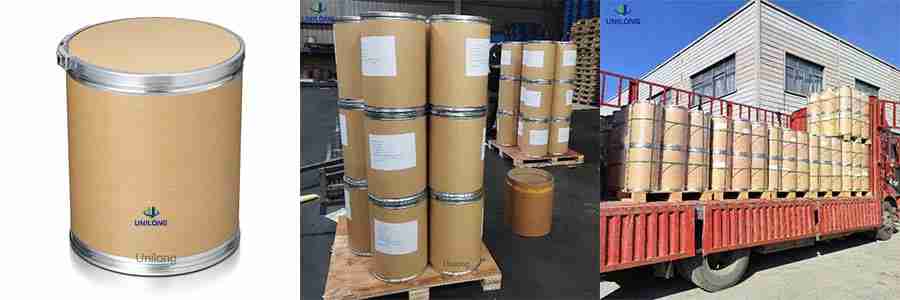
4-Methoxyphenol CAS 150-76-5 is primarily used as a polymerization inhibitor, UV inhibitor, vinyl monomer dye intermediate, and as an antioxidant BHA for the synthesis of food fats and cosmetics. 4-Methoxyphenol is an important intermediate in fine chemical products such as medicine, perfume and pesticides. It can also be used as polymer corrosion inhibitor, anti-aging agent, plasticizer and so on. It is mainly used to produce allyl monomer polymerization inhibitors such as acrylonitrile, acrylic acid and its ester, methacrylic acid and its ester. It is also used in the synthesis of anti-aging agents, plasticizers and food additives (BHA). 4-Methoxyphenol is used as a solvent. Acrylic and acrylonitrile monomer polymerization inhibitors. Uv inhibitors. Make antioxidants. Dye preparation. 4-Methoxyphenol is used as a solvent. As a polymerization inhibitor of vinyl monomers; Uv inhibitor; Dye intermediate and antioxidant BHA(3-tert-butyl-4-hydroxyphenyl ether), used in synthetic cooking oils and cosmetics.
POLYPROPYLENE, CHLORINATED CAS 68442-33-1
POLYPROPYLENE, CHLORINATED CAS 68442-33-1
CAS:68442-33-1
Molecular Formula:C8H15Cl
Molecular Weight:146.6577
EINECS:226-159-8
Synonyms:PROPYLENE RESIN, CHLORINATED; POLYPROPYLENE, CHLORINATED; POLYPROPYLENE, ISOTACTIC, CHLORINATED; CHLORINATED POLYPROPYLENE III; POLYPROPYLENE, CHLORINATED, AVERAGE MW C A. 100,000; POLYPROPYLENE, CHLORINATED, AVERAGE MW C A. 150,000; CHLORINATEDPOLYPROPYLENES; CHLORINATEDPOLYPROPYLENE(CPP); PROPYLENE, CHLORINATED RESIN; POLYPROPYLENE, CHLOR; 1-propene,homopolymer,chlorinated;
Chlorinatedpolypropylene; chlorinated1-propenehomopolymer; TIANFU-CHEM – POLYPROPYLENE, CHLORINATED
CHLORINATED POLYPROPYLENE III,chlorinated1-propenehomopolymer,Chlorinatedpolypropylene,CHLORINATEDPOLYPROPYLENE(CPP),CAS 68442-33-1
What is POLYPROPYLENE, CHLORINATED CAS 68442-33-1?
POLYPROPYLENE, CHLORINATED CAS 68442-33-1 is an excellent adhesive for bi-directional polypropylene film and plastic ink. POLYPROPYLENE, CHLORINATED can be dissolved in polypropylene, but it is soluble in toluene, dichloromethane and tetrahydrofuran. POLYPROPYLENE, CHLORINATED is a chemical whose molecular formula is C8H15Cl and molecular weight is 146.6577.
Specification
| Item | Specification |
| Density | 0.93 g/mL at 25 °C |
| Chlorine content% | 31 |
| Viscosity, mpa.s | 320 |
| pH | 6.2 |
| Conclusion | Accords with the enterprise standard |
Application
POLYPROPYLENE, CHLORINATED CAS 68442-33-1 is the main raw material in the production of B0PP film compound ink. POLYPROPYLENE, CHLORINATED can be used as the binder of BOPP film and paper, and it can also be used as the main raw material of other binders. POLYPROPYLENE, CHLORINATED has good gel property and luster, and it is used as the coating of polypropylene injection molding. Since chlorinated polypropylene has a chlorine atom in its molecular chain, it is also partially used as a flame retardant.
Packaging
25kg/drum or according to customer requirements.
POLYPROPYLENE, CHLORINATED CAS 68442-33-1 is an excellent adhesive for bi-directional polypropylene film and plastic ink. POLYPROPYLENE, CHLORINATED can be dissolved in polypropylene, but it is soluble in toluene, dichloromethane and tetrahydrofuran. POLYPROPYLENE, CHLORINATED is a chemical whose molecular formula is C8H15Cl and molecular weight is 146.6577.
| Item | Specification |
| Density | 0.93 g/mL at 25 °C |
| Chlorine content% | 31 |
| Viscosity, mpa.s | 320 |
| pH | 6.2 |
| Conclusion | Accords with the enterprise standard |
25kg/drum or according to customer requirements.

POLYPROPYLENE, CHLORINATED CAS 68442-33-1 is the main raw material in the production of B0PP film compound ink. POLYPROPYLENE, CHLORINATED can be used as the binder of BOPP film and paper, and it can also be used as the main raw material of other binders. POLYPROPYLENE, CHLORINATED has good gel property and luster, and it is used as the coating of polypropylene injection molding. Since chlorinated polypropylene has a chlorine atom in its molecular chain, it is also partially used as a flame retardant.
Antioxidant 168 CAS 31570-04-4
Antioxidant 168 CAS 31570-04-4
CAS:31570-04-4
Molecular Formula:C42H63O3P
Molecular Weight:646.94
EINECS:250-709-6
Synonyms:Phenol,2,4-bis(1,1-dimethylethyl,phosphite(3:1); tri(2,4-Ditertrabutylphenyl)phosphiteester; Tris(2,4-di-tert-butylphenyl)phoshit
Doverphos-S-480; Phosphorous acid tri(2,4-di-tert-butylphenyl) ester; Phosphorous acid tris[2,4-bis(tert-butyl)phenyl] ester; Tris(2,4-di-tert-butylphenyloxy)phosphine; 4-di-tert-butylphenyl)phosphite; ANTIOXIDANTS AO-168; Antioxidant 168 (Tri(2,4-di-tert-butylphenyl) phosphite); Tns-(2.4-di-tert-butyl)-phosphite; Tris(2,4-tert-butylphenyl) Phosphite; Antioxidant 168 Tris(2,4-ditert-butylphenyl) phosphite; Plastic additive 5; Tris(2,4-di-tert-butylphenyl) Phosphite; PHOSPHOROUS ACID TRIS(2,4-DI-TERT-BUTYLPHENYL) ESTER; PHOSPHORIC ACID-TRIS(2,4-DI-TERT-BUTYLPHENYLESTER); TRIS-2,4-DI-TERT-BUTYL PHENYLPHOSPHITE (DOVERPHOS 480); Tris(2,4-ditert-butylphenyl)phosphate; Trisditbutylphenylphosphite; Tris(2,4-di-tert.-butylphenyl)phosphit; 2,4-bis(1,1-dimethylethyl)-pheno phosphite; Phenol, 2,4-bis(1,1-dimethylethyl, phosphite; Phenol,2,4-bis(1,1-dimethylethyl,phosphite; ANTIOXIDANT 168IRGANOX 168; 1,7-OCTADIENE HYDROLYZED; RIANOX16
Chinox 168,GSPNOS 168,HRao-168,
Antioxidant 168 (irgafos 168),
Antioxidant Joyce
What is Antioxidant 168 CAS 31570-04-4?
Antioxidant 168 CAS 31570-04-4 is an excellent phosphite ester antioxidant, the appearance of white powder, easily soluble in benzene, chloroform, cyclohexane and other organic solvents, slightly soluble in ethanol, acetone, insoluble in water, alcohol and other polar solvents, slightly soluble in esters. Low toxicity, low volatility, high thermal stability, excellent hydrolysis resistance, can effectively decompose the hydroperoxide produced in the process of hot processing polymeric materials. It has good synergistic effect when combined with hindered amine antioxidants 1010 and 1076, and can improve the stability of during hot processing of polymeric materials. More than a dozen kinds of preparations have been mixed with phenolic antioxidants, which are widely used in polyolefin (such as polyethylene, polypropylene) and olefin copolymers, polyamides, polycarbonate, PS resin, PVC, engineering plastics, rubber and petroleum products, ABS resin and other polymer materials.
Specification
| Item | Specification |
| Appearance | White powder |
| Light transmittance | 425nm ≥98%; 450nm ≥98% |
| Volatile matter | ≤0.3% |
| Ash content | ≤0.1% |
| Melting point | 183-187 ℃ |
Application
Antioxidant 168 is a phosphite ester antioxidant mainly used as a processing stabilizer in polymer manufacturing. It efficiently decomposes hydroperoxides generated during high-temperature processing and helps maintain polymer performance, color, and molecular stability.
1. Polyolefin Manufacturing
Antioxidant 168 is extensively applied in polyethylene (PE), polypropylene (PP), and olefin copolymer production. During extrusion and injection molding, it helps reduce thermal oxidation, melt degradation, and yellowing.
For improved long-term thermal protection, Antioxidant 168 is frequently blended with Antioxidant 1010 in polyolefin stabilization systems.
2. Engineering Plastics
The product is suitable for ABS, polycarbonate, nylon, PS resin, and engineering plastic compounds requiring high thermal processing stability and low volatility.
3. PVC & Rubber Processing
In PVC and rubber formulations, Antioxidant 168 improves heat resistance during compounding and processing while helping maintain physical properties under long-term heat exposure.
It can also be used with sulfur-containing auxiliary antioxidants such as Dilauryl Thiodipropionate (DLTDP) for enhanced oxidation resistance in polymer systems.
4. Recycled Polymer Applications
Antioxidant 168 is widely used in recycled plastics and reprocessing systems because it minimizes polymer chain degradation caused by repeated thermal cycles.
5. Masterbatch & Compound Production
The product is also suitable for color masterbatch, filler masterbatch, and industrial compounding applications requiring stable processing performance and excellent compatibility with polymer matrices.
More polymer additives are available on the Unisunchem Home Page and the Uniaox® Antioxidant Category.
Key Advantages of Antioxidant 168
- Excellent hydroperoxide decomposition capability during polymer processing
- Outstanding thermal processing stabilization performance
- Low volatility and excellent hydrolysis resistance
- Helps minimize discoloration and polymer degradation
- Suitable for PE, PP, ABS, PVC, polycarbonate, and engineering plastics
- Effective synergistic performance with hindered phenolic antioxidants such as Antioxidant 1010
- Excellent compatibility in recycling and compounding applications
- Stable supply and technical support from Unisunchem
FAQ
Q1: What is Antioxidant 168 mainly used for?
Antioxidant 168 is mainly used as a phosphite processing stabilizer in polyolefins, engineering plastics, PVC, rubber, and recycled polymer systems.
Q2: Why is Antioxidant 168 important in polypropylene processing?
It helps decompose hydroperoxides generated during high-temperature processing, reducing polymer degradation, viscosity loss, and yellowing in PP production.
Q3: Can Antioxidant 168 be combined with phenolic antioxidants?
Yes. Antioxidant 168 is commonly formulated with Antioxidant 1010 and antioxidant 1076 for improved long-term thermal stabilization.
Q4: Is Antioxidant 168 suitable for recycled plastics?
Yes. It is widely used in recycled polymer processing because it improves melt stability and reduces thermal degradation during repeated extrusion cycles.
Q5: Where can I find more antioxidant additives for plastics?
You can browse the Products Page or explore the Uniaox® Antioxidant Series for additional polymer stabilization solutions.
Packaging
25kg/drum or according to customer requirements.The product is stable and has no special storage requirements, but should be protected from moisture and heat.
Antioxidant 168 is an excellent phosphite ester antioxidant, the appearance of white powder, easily soluble in benzene, chloroform, cyclohexane and other organic solvents, slightly soluble in ethanol, acetone, insoluble in water, alcohol and other polar solvents, slightly soluble in esters. Low toxicity, low volatility, high thermal stability, excellent hydrolysis resistance, can effectively decompose the hydroperoxide produced in the process of hot processing polymeric materials. It has good synergistic effect when combined with hindered amine antioxidants 1010 and 1076, and can improve the stability of during hot processing of polymeric materials. More than a dozen kinds of preparations have been mixed with phenolic antioxidants, which are widely used in polyolefin (such as polyethylene, polypropylene) and olefin copolymers, polyamides, polycarbonate, PS resin, PVC, engineering plastics, rubber and petroleum products, ABS resin and other polymer materials.
| Item | Specification |
| Appearance | White powder |
| Light transmittance | 425nm ≥98%; 450nm ≥98% |
| Volatile matter | ≤0.3% |
| Ash content | ≤0.1% |
| Melting point | 183-187 ℃ |
25kg/drum or according to customer requirements.The product is stable and has no special storage requirements, but should be protected from moisture and heat.
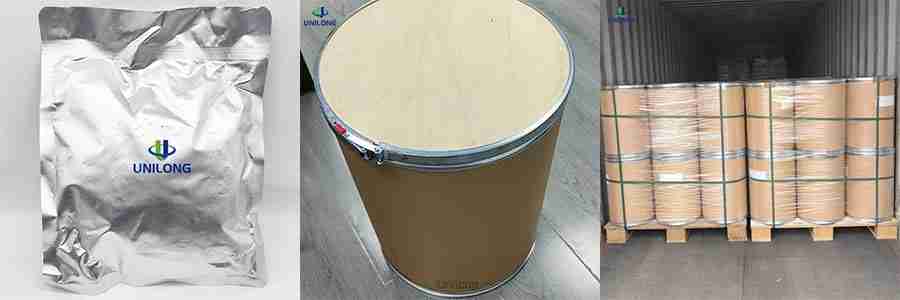
Antioxidant 168 is a phosphite antioxidant with excellent synergies with main antioxidants such as 1010 and 1076. Its complex is widely used in polyethylene, polypropylene, polycarbonate and so on.
Antioxidant 1010 CAS 6683-19-8
Antioxidant 1010 CAS 6683-19-8
CAS:6683-19-8
Molecular Formula:C73H108O12
Molecular Weight:1177.66
EINECS:229-722-6
Synonyms:Carbyltetramethylene tetrakis(3,5-di-tert-butyl-4-hydroxyhydrocinnamate); GSTIOX 1010; Antioxidant Irganox 1010; antioxidant 1010 price; ANTIOXIDANT 1010 IRGANOX 1010; 3,5-Di-tert-butyl-4-hydroxyhydrocinnamic acid neopentanetetrayl ester; BHPM;
Methanetetetrayltetramethanol tetrakis[3-(3,5-di-tert-butyl-4-hydroxyphenyl)propionate]
What is Antioxidant 1010 CAS 6683-19-8?
Antioxidant 1010 CAS 6683-19-8 is a macromolecular multifunctional hindered phenolic antioxidant, soluble in benzene, acetone, chloroform, insoluble in water. No pollution, no coloring, small volatility, good extraction resistance. When used in polypropylene resin with auxiliary antioxidant DLTDP and antioxidant 168, its thermal stability can be significantly improved, and it is one of the best phenolic antioxidant varieties at present. Antioxidant 1010 non-toxic, non-flammable, non-explosive, non-corrosive, good storage stability.
Specification
| Item | Specification |
| Melting point | 115-118 °C (dec.) |
| Boiling point | 779.1°C |
| Density | 0.9594 |
| Refractive index | 1.6390 |
| LogP | 18.832 (est) |
| Acidity coefficient (pKa) | 11.71±0.40 |
Application
Antioxidant 1010 is one of the most widely used high-molecular-weight hindered phenolic antioxidants in the polymer industry. Due to its excellent extraction resistance, low volatility, and long-term thermal stabilization performance, it is suitable for a broad range of thermoplastics and elastomer systems.
1. Polypropylene & Polyethylene Stabilization
Antioxidant 1010 is extensively used in polypropylene (PP), polyethylene (PE), and polyolefin copolymers to prevent thermal oxidation during extrusion, pelletizing, injection molding, and long-term service life. It helps maintain melt flow stability, tensile strength, and color consistency.
For higher processing efficiency, many manufacturers combine it with Antioxidant 168 to create a synergistic primary-secondary antioxidant system.
2. Engineering Plastics
The product is suitable for ABS, polyamide, polycarbonate, PBT, polyester, and PS resin applications requiring long-term heat aging resistance and low migration performance.
3. Synthetic Rubber & Elastomers
In rubber compounds and thermoplastic elastomers, Antioxidant 1010 helps inhibit oxidative chain degradation caused by heat and oxygen exposure. It is commonly used in automotive rubber parts, sealing materials, and industrial elastomer formulations.
4. Adhesives & Hot Melt Systems
Antioxidant 1010 improves thermal stability in hot melt adhesives and pressure-sensitive adhesive formulations, especially in EVA and polyolefin-based systems requiring high-temperature processing.
5. Polymer Recycling
Because of its strong long-term antioxidant performance, Antioxidant 1010 is widely used in recycled plastic applications to minimize polymer degradation during repeated extrusion cycles.
Explore more polymer stabilization additives on the Unisunchem Home Page or browse the Uniaox® Antioxidant Category.
Key Advantages of Antioxidant 1010
- High-molecular-weight hindered phenolic antioxidant with excellent permanence
- Outstanding long-term thermal oxidation resistance
- Low volatility and excellent extraction resistance
- Non-staining and non-discoloring performance in polymer systems
- Suitable for food-contact compliant polymer formulations in many applications
- Excellent compatibility with polyolefins, engineering plastics, elastomers, and adhesives
- Strong synergistic effect with phosphite antioxidants such as Antioxidant 168 and sulfur antioxidants
- Effective stabilization for virgin and recycled plastics
- Stable global supply from Unisunchem
Packaging
25kg/drum or according to customer requirements.
FAQ
Q1: Why is Antioxidant 1010 so widely used in polypropylene and polyethylene?
Antioxidant 1010 provides excellent long-term thermal stability while maintaining low volatility and minimal discoloration. In PP and PE processing, it helps prevent chain scission and oxidation during high-temperature extrusion and molding.
Q2: What is the difference between Antioxidant 1010 and Antioxidant 168?
Antioxidant 1010 is a primary hindered phenolic antioxidant mainly responsible for long-term oxidation resistance, while Antioxidant 168 is a phosphite processing stabilizer that decomposes hydroperoxides during high-temperature processing. They are frequently used together for better overall polymer protection.
Q3: Is Antioxidant 1010 suitable for recycled plastics?
Yes. Antioxidant 1010 is commonly added to recycled polyolefins and engineering plastics because it helps restore thermal stability and reduce degradation caused by repeated processing cycles.
Q4: Does Antioxidant 1010 cause yellowing in plastics?
No. Antioxidant 1010 is known for its non-discoloring properties and is widely used in white, transparent, and light-colored plastic products where appearance stability is important.
Q5: Which polymers are compatible with Antioxidant 1010?
Antioxidant 1010 is compatible with PP, PE, ABS, PS, PVC, polyurethane, PBT, polyester, polyamide, synthetic rubber, adhesives, and many engineering plastics.
Antioxidant 1010 CAS 6683-19-8 is a macromolecular multifunctional hindered phenolic antioxidant, soluble in benzene, acetone, chloroform, insoluble in water. No pollution, no coloring, small volatility, good extraction resistance. When used in polypropylene resin with auxiliary antioxidant DLTDP and antioxidant 168, its thermal stability can be significantly improved, and it is one of the best phenolic antioxidant varieties at present. Antioxidant 1010 non-toxic, non-flammable, non-explosive, non-corrosive, good storage stability.
| Item | Specification |
| Melting point | 115-118 °C (dec.) |
| Boiling point | 779.1°C |
| Density | 0.9594 |
| Refractive index | 1.6390 |
| LogP | 18.832 (est) |
| Acidity coefficient (pKa) | 11.71±0.40 |
Antioxidant 1010 CAS 6683-19-8 is an excellent antioxidant for PP resin, and can also be used in PE, PS, ABS resin, polyurethane, PBT resin, PVC, polyester, polyformaldehyde, polyamide and a variety of synthetic rubber and other polymer materials, and is also a variety of natural and synthetic oils and fats advanced antioxidant.
2,2-Dimethoxy-2-phenylacetophenone CAS 24650-42-8
2,2-Dimethoxy-2-phenylacetophenone CAS 24650-42-8
CAS:24650-42-8
Molecular Formula:C16H16O3
Molecular Weight:256.3
EINECS:246-386-6
Synonyms:PHOTOCURE 51; ALPHA,ALPHA-DIMETHOXY-ALPHA-PHENYLACETOPHENONE; DIMETHYL BENZIL KETAL; BDK; BENZIL DIMETHYL KETAL; BENZIL ALPHA,ALPHA-DIMETHYL ACETAL; 2,2-DIMETHOXY-2-PHENYLACETOPHENONE; Benzoin dimethyl ether
α,α-Dimethoxy-α-phenylacetophenone; DMPA; 2,2-DIMETHOXY-2-PHENYLACETOPHENONE(BENZILDIMETHYLKETAL); 2,2-DIMETHOXY-1,2-DIPHENYLETHANE-1-ONE; 2,2-diethoxy-2-phenylacetophenone; 2,2-dimethoxy-1,2-diphenylethan-1-one; Benzil dimethyl ketone,BDK
DIMETHYL BENZIL KETAL,BDK,BENZIL DIMETHYL KETAL, CAS 24650-42-8
What is 2,2-Dimethoxy-2-phenylacetophenone CAS 24650-42-8?
Benzoin dimethyl ether is white crystal, melting point 64.0-67.0℃, soluble in acetone, ethyl acetate, hot methanol, isopropyl alcohol, insoluble in water, easy to decompose in acid, stable in alkaline, sensitive to light. Benzoin dimethyl ether is stored in closed packaging, away from light and heat.
Specification
| Item | Specification |
| Melting point | 67-70 °C |
| Boiling point | 169°C 7mm |
| Density | 1.1320 |
| Vapor pressure | 0.002Pa at 25℃ |
| Refractive index | 1.5590 |
| Flash point | 190 °C |
| LogP | 2.95 at 25℃ |
Application
UV-Curable Inks
2,2-Dimethoxy-2-phenylacetophenone is widely used in offset printing ink, flexographic ink, and screen printing ink due to its excellent free radical initiation efficiency. It enables rapid curing under UV light and improves printing productivity.
In high-speed printing systems, it is often formulated together with Photoinitiator TPO to optimize surface curing and low-yellowing performance.
UV Adhesives
As a classic Type I photoinitiator, this product is suitable for photocuring adhesives requiring fast polymerization and strong curing response. It can effectively initiate acrylate monomers and oligomers in UV adhesive systems.
It is commonly used with 2PO-NPGDA and other reactive monomers to improve crosslink density and adhesion performance.
UV Coatings & Varnishes
The product is suitable for UV wood coatings, plastic coatings, paper varnishes, and metal coatings. It provides excellent curing speed and high gloss in radiation-curing formulations.
As part of the photocuring product portfolio supplied by Unisunchem, it is widely applied in industrial UV-curing systems.
Photosensitive Resin & Electronics
2,2-Dimethoxy-2-phenylacetophenone is also used in photoresists, electronic materials, and photosensitive resin applications requiring rapid UV response and reliable curing efficiency.
Key Advantages
High Photoinitiation Efficiency
The product quickly generates free radicals under UV irradiation, enabling rapid polymerization and efficient curing performance.
Fast UV Curing Speed
2,2-Dimethoxy-2-phenylacetophenone delivers fast curing response in inks, coatings, and adhesives, helping improve production efficiency in industrial UV systems.
Excellent Compatibility
It has good compatibility with acrylate monomers, unsaturated polyester resins, and UV oligomers commonly used in photocuring formulations.
Suitable for Multiple UV Systems
The product performs well in UV coatings, UV inks, varnishes, adhesives, and photosensitive materials.
Reliable Industrial Performance
Due to its stable curing efficiency and broad application compatibility, this photoinitiator is widely used in modern radiation-curing industries.
Packaging
25kg/drum or according to customer requirements.
FAQ
Q1:What is 2,2-Dimethoxy-2-phenylacetophenone used for?
It is mainly used as a UV photoinitiator in UV inks, UV coatings, UV adhesives, varnishes, and photosensitive resin systems.
Q2:Is 2,2-Dimethoxy-2-phenylacetophenone suitable for UV inks?
Yes. The product provides rapid curing speed and excellent polymerization performance, making it highly suitable for offset, flexographic, and screen printing inks.
Q3:Can this photoinitiator be used with other photoinitiators?
Yes. It is commonly combined with Photoinitiator TPO and Photoinitiator 184 to optimize curing depth, surface curing, and yellowing resistance.
Q4:What are the advantages of this photoinitiator?
The product offers fast curing speed, strong initiation ability, excellent compatibility, and broad application in UV-curing formulations.
Q5:Why choose Unisun Chem photoinitiators?
Unisunchem supplies high-quality photoinitiators with stable quality, technical support, and customized UV-curing solutions for coatings, inks, adhesives, and electronics industries.
Benzoin dimethyl ether is white crystal, melting point 64.0-67.0℃, soluble in acetone, ethyl acetate, hot methanol, isopropyl alcohol, insoluble in water, easy to decompose in acid, stable in alkaline, sensitive to light. Benzoin dimethyl ether is stored in closed packaging, away from light and heat.
| Item | Specification |
| Melting point | 67-70 °C |
| Boiling point | 169°C 7mm |
| Density | 1.1320 |
| Vapor pressure | 0.002Pa at 25℃ |
| Refractive index | 1.5590 |
| Flash point | 190 °C |
| LogP | 2.95 at 25℃ |
25kg/drum or according to customer requirements.
2, 2-dimethoxy-2-phenylacetophenone is widely used in the polymerization of acrylates and monomers and in the polymerization and crosslinking of unsaturated polyesters. It is used in coatings and adhesives. 2, 2-dimethoxy-2-phenylacetophenone is mainly used as a photocuring agent in UV curing systems, used in ink, paper and metal paints. 2, 2-dimethoxy-2-phenylacetophenone is a highly effective UV-curable initiator, which is mainly used as an initiator of UV-curable reaction.
4-Methylbenzophenone CAS 134-84-9
4-Methylbenzophenone CAS 134-84-9
CAS:134-84-9
Molecular Formula:C14H12O
Molecular Weight:196.24
EINECS:205-159-1
Synonyms:P-TOLYL PHENYL KETONE; P-METHYLBENZOPHENONE; PHENYL P-TOLYL KETONE; PHENYL 4-TOLYL KETONE; P-BENZOYL TOLUENE;
(4-methylphenyl)phenyl-methanon; 4-METHYLBENZOPHENONE; (4-METHYLPHENYL)PHENYLMETHANONE; 4-methyl-benzophenon; 4-Benzoyltoluene; 4-Methylphenyl(phenyl) ketone; 4-Methylphenyl(phenyl)ketone; (Phenyl)(4-Methylphenyl)Methanone; NSC 4898; Phenyl(4-tolyl)Methanone; 4-Methylphenyl-Benzophenone; 4-Methylbenzopheone; Photoinitiator-MBP; YF-PI MBP
What is 4-Methylbenzophenone CAS 134-84-9?
4-Methylbenzophenone CAS 134-84-9 is a white flake solid with a density of 1.068g/cm³, refractive index of 1.534 and absorption wavelength of 260nm. 4-methylbenzopenone is a common photoinitiator.4-methylbenzopenone Mainly used for ultraviolet absorbers, pharmaceutical intermediates, UV curing coatings and inks.
Specification
| Item | Specification |
| Appearance | White crystals powder |
| Purity | 99.0%min |
| Melting Point | 53-57℃ |
| Boiling point | 326 °C(lit.) |
| Flash point | 143 °C |
| Loss on drying | ≤0.5% |
Application
UV Printing Ink Systems
4-Methylbenzophenone is widely used in UV-curable offset inks, flexographic inks, and screen printing inks due to its excellent UV absorption capability and photosensitizing performance. It helps improve curing efficiency and surface drying speed in printing applications.
In UV printing formulations, it is often combined with Photoinitiator ITX and amine synergists to optimize curing performance.
UV Coatings & Varnishes
The product is suitable for UV wood coatings, plastic coatings, paper varnishes, and overprint varnishes requiring fast photocuring response and stable performance.
As part of the UV-curing chemical portfolio offered by Unisunchem, 4-Methylbenzophenone is widely used in industrial photocuring systems.
UV Adhesives
4-Methylbenzophenone can be used in photocurable adhesive systems to improve UV response and curing efficiency. It performs well in acrylate-based formulations together with Ethyl 4-dimethylaminobenzoate as a photosensitizer combination.
Photosensitive Materials
The product is also used in photoresists, photosensitive plates, and electronic materials requiring strong ultraviolet absorption and photocuring activity.
It can be formulated with Photoinitiator EMK to enhance light sensitivity in UV-curing systems.
Key Advantages
Excellent UV Absorption Performance
4-Methylbenzophenone has strong ultraviolet absorption capability, which helps accelerate photocuring reactions in UV systems.
Good Photosensitizing Ability
The product functions effectively as a photosensitizer and can significantly improve photopolymerization efficiency when combined with amine synergists.
Broad Compatibility
It has good compatibility with UV inks, coatings, varnishes, adhesives, and various acrylate systems used in photocuring industries.
Suitable for High-Speed Printing
4-Methylbenzophenone is especially suitable for high-speed UV printing applications requiring rapid curing and excellent surface performance.
Wide Industrial Applications
The product is widely used in printing, coatings, adhesives, electronics, and photosensitive material industries. You can explore more related materials in our Photoinitiator Products collection.
25kg/drum or according to customer requirements.
USAF DO-54,usafdo-54,4-Methylbenzophenone95%,p-Phenyl tolyl ketone
4-Methylbenzophenone CAS 134-84-9 is a white flake solid with a density of 1.068g/cm³, refractive index of 1.534 and absorption wavelength of 260nm. 4-methylbenzopenone is a common photoinitiator.4-methylbenzopenone Mainly used for ultraviolet absorbers, pharmaceutical intermediates, UV curing coatings and inks.
| Item | Specification |
| Appearance | White crystals powder |
| Purity | 99.0%min |
| Melting Point | 53-57℃ |
| Boiling point | 326 °C(lit.) |
| Flash point | 143 °C |
| Loss on drying | ≤0.5% |
25kg/drum or according to customer requirements.
4-methylbenzophenone is a highly effective free radical type II photoinitiator, which is mainly used for UV polymerization of corresponding resins with tertiary amine complexes. Varnish, plastic coatings, wood coatings, adhesives, lithographic printing inks, screen printing inks, flexographic inks, electronic products.
Ethyl 4-dimethylaminobenzoate CAS 10287-53-3
Ethyl 4-dimethylaminobenzoate CAS 10287-53-3
CAS:10287-53-3
Molecular Formula:C11H15NO2
Molecular Weight:193.24
EINECS:233-634-3
Synonyms:parbenate; p-Dimethylaminobenzoic acid ethyl ester; 4-dimehthylaminobenzoic acid ethyl ester; IHT-PI EDB; Ethyl 4-dimethylamin; PI ED8; Speedcure EDB (Ethyl 4-dimethylaminobenzoate); 4-(dimethylamino)-2-ethylbenzoate Kayacure EPA; PI-EDB; ethyldimethylaminobenzoate; Photoinitiator-EDB; YF-PI EDB; ETHYL 4-DIMETHYLAMINOBENZO; EDB; 4-dimethylaminobenzoate; OMNIRAD EDB; HRcure-EDB; parbenate; 4-DIMETHYLAMINOBENZOIC ACID ETHYL ESTER; ETHYL P-(N,N-DIMETHYLAMINO) BENZOATE; ETHYL P-DIMETHYLAMINOBENZOATE;ETHYL 4-(N,N-DIMETHYLAMINO)BENZOATE; ETHYL 4-DIMETHYLAMINOBENZOAT
What is Ethyl 4-dimethylaminobenzoate CAS 10287-53-3?
Ethyl 4-dimethylaminobenzoate CAS 10287-53-3 is a highly efficient amine accelerator, generally used with free radical photoinitiators, mainly used in paper, wood, metal and plastic surface varnish coating system UV curing, can also be used for a single or multiple monomer UV radiation polymerization reaction. 4-dimethylaminobenzoate (EDB) is an excellent sensitizer. When combined with thioxanthrone and acetophenone, it can not only promote photoactivation, but also effectively eliminate the interference of oxygen on photoinduced polymerization.
Specification
| Item | Specification |
| Melting point | 63-66 °C(lit.) |
| Boiling point | 190-191°C 14mm |
| Density | 1.06 |
| Vapor pressure | 0.593Pa at 25℃ |
| Refractive index | 1.5080 |
| Flash point | 190-191°C/14mm |
| LogP | 3.2 at 25℃ |
| Acidity coefficient (pKa) | 2.56±0.12 |
Application
UV-Curable Inks
2,2-Dimethoxy-2-phenylacetophenone is widely used in offset printing ink, flexographic ink, and screen printing ink due to its excellent free radical initiation efficiency. It enables rapid curing under UV light and improves printing productivity.
In high-speed printing systems, it is often formulated together with Photoinitiator TPO to optimize surface curing and low-yellowing performance.
UV Adhesives
As a classic Type I photoinitiator, this product is suitable for photocuring adhesives requiring fast polymerization and strong curing response. It can effectively initiate acrylate monomers and oligomers in UV adhesive systems.
It is commonly used with 2PO-NPGDA and other reactive monomers to improve crosslink density and adhesion performance.
UV Coatings & Varnishes
The product is suitable for UV wood coatings, plastic coatings, paper varnishes, and metal coatings. It provides excellent curing speed and high gloss in radiation-curing formulations.
As part of the photocuring product portfolio supplied by Unisunchem, it is widely applied in industrial UV-curing systems.
Photosensitive Resin & Electronics
2,2-Dimethoxy-2-phenylacetophenone is also used in photoresists, electronic materials, and photosensitive resin applications requiring rapid UV response and reliable curing efficiency.
Packaging
25kg/drum or according to customer requirements.
Key Advantages
High Photoinitiation Efficiency
The product quickly generates free radicals under UV irradiation, enabling rapid polymerization and efficient curing performance.
Fast UV Curing Speed
2,2-Dimethoxy-2-phenylacetophenone delivers fast curing response in inks, coatings, and adhesives, helping improve production efficiency in industrial UV systems.
Excellent Compatibility
It has good compatibility with acrylate monomers, unsaturated polyester resins, and UV oligomers commonly used in photocuring formulations.
Suitable for Multiple UV Systems
The product performs well in UV coatings, UV inks, varnishes, adhesives, and photosensitive materials. It can also be used together with Photoinitiator 184 for balanced curing performance.
Reliable Industrial Performance
Due to its stable curing efficiency and broad application compatibility, this photoinitiator is widely used in modern radiation-curing industries. More related materials can be found on the All Products page.
FAQ
Q1:What is 4-Methylbenzophenone used for?
4-Methylbenzophenone is mainly used as a UV photoinitiator intermediate and photosensitizer in UV inks, UV coatings, UV adhesives, and photosensitive materials.
Q2:Is 4-Methylbenzophenone suitable for UV printing inks?
Yes. It is widely used in offset printing inks, screen printing inks, and flexographic inks because of its excellent UV absorption and curing performance.
Q3:Can 4-Methylbenzophenone be used with other photoinitiators?
Yes. It is commonly formulated with Photoinitiator ITX, Photoinitiator EMK, and amine synergists to improve curing efficiency and photosensitivity.
Q4:What are the advantages of 4-Methylbenzophenone?
The product offers excellent UV absorption, fast photocuring response, broad formulation compatibility, and stable industrial performance.
Q5:Why choose Unisun Chem photoinitiator materials?
Unisunchem supplies high-quality photoinitiators and UV-curing raw materials with stable quality, professional technical support, and customized formulation solutions.
Ethyl 4-dimethylaminobenzoate CAS 10287-53-3 is a highly efficient amine accelerator, generally used with free radical photoinitiators, mainly used in paper, wood, metal and plastic surface varnish coating system UV curing, can also be used for a single or multiple monomer UV radiation polymerization reaction. 4-dimethylaminobenzoate (EDB) is an excellent sensitizer. When combined with thioxanthrone and acetophenone, it can not only promote photoactivation, but also effectively eliminate the interference of oxygen on photoinduced polymerization.
| Item | Specification |
| Melting point | 63-66 °C(lit.) |
| Boiling point | 190-191°C 14mm |
| Density | 1.06 |
| Vapor pressure | 0.593Pa at 25℃ |
| Refractive index | 1.5080 |
| Flash point | 190-191°C/14mm |
| LogP | 3.2 at 25℃ |
| Acidity coefficient (pKa) | 2.56±0.12 |
25kg/drum or according to customer requirements.
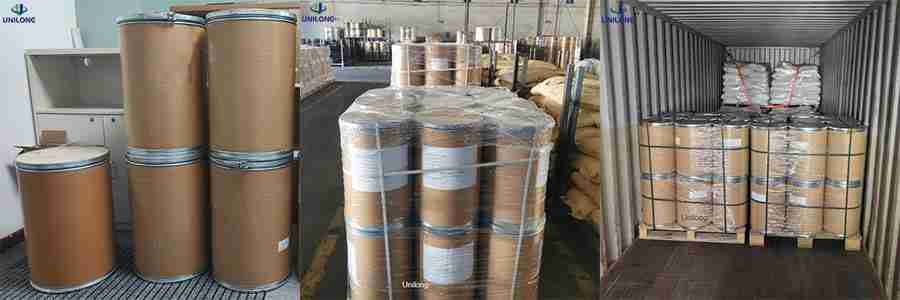
4-dimethylaminobenzoate ethyl ester is an ester organic matter, can be used as an organic synthesis intermediate, used in household chemicals, engineering plastics, coatings and other fields. 4-dimethylaminobenzoate is used as an organic synthesis intermediate, used in household chemicals, engineering plastics, coatings and so on. UV curing coatings and inks.
4-Benzoylbiphenyl CAS 2128-93-0
4-Benzoylbiphenyl CAS 2128-93-0
CAS:2128-93-0
Molecular Formula:C19H14O
Molecular Weight:258.31
EINECS:218-345-2
Synonyms:LABOTEST-BB LT00159468; 4-PHENYLBENZOPHENONE; P-PHENYLBENZOPHENONE; (1,1’-biphenyl)-4-ylphenyl-methanon; [1,1’-biphenyl]-4-ylphenyl-methanon; 4-Biphenylyl phenyl ketone; 4-biphenylylphenylketone; 4-Diphenyl phenyl ketone; 4-diphenylphenylketone trigonal12; 4-BENZOYLBIPHENYL; 4-BENZOYLDIPHENYL; AKOS 215-32; ((1,1′-BIPHENYL)-4-YL)PHENYLMETHANONE; SPEEDCURE PBZ
What is 4-Benzoylbiphenyl CAS 2128-93-0?
4-Benzoylbiphenyl ketone, 4-Benzoylbiphenyl, white or grayish solid at ambient temperature and pressure, soluble in common organic solvents but insoluble in water, phenyl. 4-phenylbenzophenone is a derivative of benzophenone, which has a variety of chemical transformation properties and applications, such as the synthesis of bibenzazole drug molecules and photosensitizers of photosensitive resins, and has a wide range of applications in fine chemical production.
Specification
| Item | Specification |
| Melting point | 99-101 °C |
| Boiling point | 419-420 °C |
| Density | 1.0651 |
| Vapor pressure | 0Pa at 20℃ |
| Refractive index | 1.5500 |
| LogP | 4.7 at 35℃ |
Application
UV Printing Ink Formulations
4-Benzoylbiphenyl (PBZ) is widely used in UV offset inks, flexographic inks, and screen printing inks because of its excellent photosensitizing capability and stable curing performance. It helps improve UV absorption efficiency and accelerates photocuring reactions in printing systems.
In practical formulations, PBZ is often combined with Photoinitiator EDB and Photoinitiator ITX to enhance surface curing and improve print quality.
UV-Curable Coatings
The product is suitable for UV wood coatings, plastic coatings, paper coatings, and overprint varnishes requiring efficient light absorption and rapid curing performance.
As part of the UV-curing material portfolio provided by Unisunchem, 4-Benzoylbiphenyl is widely used in industrial photocuring systems.
UV Adhesives & Sealants
4-Benzoylbiphenyl can be used in photocurable adhesive systems to improve polymerization efficiency and curing speed. It works effectively together with amine synergists and acrylate monomers in free radical UV systems.
It can also be formulated with 4-Acryloylmorpholine for UV adhesives requiring excellent adhesion and flexibility.
Photosensitive & Electronic Materials
PBZ is also suitable for photoresists, photosensitive resins, and electronic materials that require stable photosensitivity and reliable UV response.
It is commonly used with Photoinitiator EMK in advanced UV-curing formulations to improve energy transfer efficiency.
Packaging
25kg/drum or according to customer requirements.
Key Advantages
Excellent Photosensitizing Performance
4-Benzoylbiphenyl provides strong ultraviolet absorption capability and improves photopolymerization efficiency in UV-curing systems.
Fast UV Curing Response
The product enhances curing speed in inks, coatings, and adhesives, helping improve productivity in industrial UV applications.
Good Compatibility with UV Systems
PBZ has excellent compatibility with benzophenone photoinitiators, amine synergists, acrylate monomers, and UV oligomers.
Suitable for Industrial Printing
Due to its stable curing efficiency, the product is especially suitable for high-speed UV printing and photocuring systems.
Broad Application Range
4-Benzoylbiphenyl is widely used in printing inks, coatings, adhesives, photoresists, and electronic materials. You can explore more related products in our Photoinitiator Products collection.
FAQ
Q1:What is 4-Benzoylbiphenyl used for?
4-Benzoylbiphenyl is mainly used as a UV photoinitiator intermediate and photosensitizer in UV inks, UV coatings, UV adhesives, and photosensitive materials.
Q2:Is 4-Benzoylbiphenyl suitable for UV printing inks?
Yes. PBZ is widely used in UV offset inks, flexographic inks, and screen printing inks because of its strong photosensitivity and fast curing response.
Q3:Can 4-Benzoylbiphenyl be used with other photoinitiators?
Yes. It is commonly formulated with Photoinitiator EDB, Photoinitiator ITX, and Photoinitiator EMK to improve curing efficiency and photosensitivity.
Q4:What are the advantages of 4-Benzoylbiphenyl?
The product offers excellent UV absorption, strong photosensitizing performance, broad compatibility, and reliable curing efficiency in industrial UV systems.
Q5:Why choose Unisun Chem UV photoinitiator materials?
Unisunchem supplies high-quality photoinitiators and UV-curing raw materials with stable quality, professional technical support, and customized formulation solutions for global customers.
4-Benzoylbiphenyl CAS 2128-93-0 is a derivative of benzophenone, which has a variety of chemical transformation properties and applications, such as the synthesis of bibenzazole drug molecules and photosensitizers of photosensitive resins, and has a wide range of applications in fine chemical production. 4-Benzoylbiphenyl ketone, 4-Benzoylbiphenyl, white or grayish solid at ambient temperature and pressure, soluble in common organic solvents but insoluble in water, phenyl.
| Item | Specification |
| Melting point | 99-101 °C |
| Boiling point | 419-420 °C |
| Density | 1.0651 |
| Vapor pressure | 0Pa at 20℃ |
| Refractive index | 1.5500 |
| LogP | 4.7 at 35℃ |
25kg/drum or according to customer requirements.
4-Benzoylbiphenyl can be used as UV curing coatings and inks, photosensitizers for the synthesis of photosensitive resins. 4-Benzoylbiphenyl Intermediate for the antifungal bibenzazole. 4-Benzoylbiphenyl as a pharmaceutical intermediate and photocuring initiator.
Ethyl (2,4,6-trimethylbenzoyl) phenylphosphinate CAS 84434-11-7
Ethyl (2,4,6-trimethylbenzoyl) phenylphosphinate CAS 84434-11-7
CAS:84434-11-7
Molecular Formula:C18H21O3P
Molecular Weight:316.33
EINECS:282-810-6
Synonyms:4-BENZORESORCINOL; 4-BENZOYLRESORCINOL; JRcure TPO-L; PI-TPO-L; photo sensitizer TPO-L; Phenyl(2,4,6-trimethylbenzoyl)phosphinic acid ethyl ester; SYNSORB; ethyl phenyl(2,4,6-trimethylbenzoyl)phosphinate;SPEEDCURE TPO-L; 2,4,6-trimethylbenzoylethoxyphenylphosphine oxide;2,4,6-TRIMETHYLBENZOYLPHENYLPHOSPHINIC ACID ETHYL ESTER;DIHYDROXYBENZOPHENONE(2,4-); ethyl (2,4,6-trimethylbenzoyl) phenylphosphinate; BENZOPHENONE-1; SYNSORBBP-1,2,4-DIHYDROXYBENZOPHENONE; IHT-PI TPO-L; Ethoxyphenyl(2,4,6-trimethylbenzoyl)phosphine oxide
4-BENZORESORCINOL,4-BENZOYLRESORCINOL,JRcure TPO-L,PI-TPO-L,photo sensitizer TPO-L
What is Ethyl (2,4,6-trimethylbenzoyl) phenylphosphinate CAS 84434-11-7?
2,4, 6-trimethylbenzoylphenylphosphonate ethyl ester, yellow oily to heavy oily liquid at room temperature and pressure, slightly soluble in water but easily soluble in organic solvents such as dimethyl sulfoxide. 2,4, 6-trimethylbenzoylphenylphosphonate ethyl ester is a phosphonate compound and a common UV initiator, which is suitable for low yellowing and low odor ink formulation systems. In addition, because the substance has a relatively wide absorption range, it can also be used in the industrial production of UV white coatings.
Specification
| Item | Specification |
| Melting point | 144.5-147 °C |
| Boiling point | 456.0±55.0 °C |
| Density | 1.14 |
| Vapor pressure | 0Pa at 20℃ |
| LogP | 2.91 at 25℃ |
Application
Low Yellowing UV Inks
Ethyl (2,4,6-trimethylbenzoyl) phenylphosphinate, also known as TPO-L photoinitiator, is widely used in screen printing inks, flexographic inks, and lithographic inks due to its excellent low-yellowing properties and deep curing ability. It performs especially well in white and pigmented UV systems.
The product can also be formulated with Photoinitiator 819 to improve curing depth and curing efficiency in high-speed printing applications.
UV Coatings & White Paints
TPO-L is suitable for UV wood coatings, plastic coatings, paper varnishes, and white UV coatings requiring excellent color stability and reduced yellowing after curing.
As one of the advanced UV-curing materials supplied by Unisunchem, this product is widely used in industrial photocuring formulations.
UV Adhesives & Optical Materials
Due to its strong absorption in the long-wave UV region, the product is suitable for UV adhesives, optical bonding materials, and electronic encapsulation systems requiring deep curing and low odor.
It is commonly used together with Photoinitiator TPO in optical and transparent UV formulations.
3D Printing & Electronics
Ethyl (2,4,6-trimethylbenzoyl) phenylphosphinate is also suitable for 3D printing resin, photoresists, and electronic materials because of its excellent curing depth and low volatility characteristics.
Key Advantages
Excellent Low Yellowing Performance
TPO-L provides outstanding low-yellowing properties, making it highly suitable for white coatings, clear coatings, and light-colored UV systems.
Deep Curing Ability
The product absorbs efficiently in the 350–420 nm wavelength range, enabling excellent through-cure performance even in thick film systems.
Liquid Photoinitiator with Low Odor
Compared with powder photoinitiators, TPO-L has lower volatility and lower odor, helping improve formulation processing and application comfort.
Fast UV Curing Speed
The product exhibits high photoinitiation efficiency and can rapidly initiate polymerization reactions in UV inks, coatings, and adhesives.
It can also be combined with Photoinitiator 819 for enhanced curing performance in pigmented systems.
Suitable for Advanced UV Applications
TPO-L is widely used in printing inks, UV coatings, adhesives, electronics, and 3D printing industries. You can explore more related products in our Photoinitiator Products collection.
FAQ
Q1:What is Ethyl (2,4,6-trimethylbenzoyl) phenylphosphinate used for?
It is mainly used as a liquid photoinitiator in UV inks, UV coatings, UV adhesives, white coatings, and 3D printing resin systems.
Q2:Why is TPO-L suitable for white UV coatings?
Because it has excellent low-yellowing properties and deep curing capability, making it highly suitable for pigmented and white coating systems.
Q3:Can TPO-L be used with other photoinitiators?
Yes. It is commonly formulated with Photoinitiator TPO and Photoinitiator 819 to optimize surface curing, deep curing, and curing speed.
Q4:What are the advantages of liquid photoinitiators?
Liquid photoinitiators generally provide easier formulation processing, lower dust generation, lower volatility, and improved compatibility in UV-curing systems.
Q5:Why choose Unisun Chem photoinitiators?
Unisunchem supplies high-quality UV photoinitiators with stable quality, professional technical support, and customized solutions for coatings, inks, adhesives, and electronics industries.
Packaging
Usually packed in 200kg/drum, and also can be do customized package.
2,4, 6-trimethylbenzoylphenylphosphonate ethyl ester, yellow oily to heavy oily liquid at room temperature and pressure, slightly soluble in water but easily soluble in organic solvents such as dimethyl sulfoxide. 2,4, 6-trimethylbenzoylphenylphosphonate ethyl ester is a phosphonate compound and a common UV initiator, which is suitable for low yellowing and low odor ink formulation systems. In addition, because the substance has a relatively wide absorption range, it can also be used in the industrial production of UV white coatings.
| Item | Specification |
| Melting point | 144.5-147 °C |
| Boiling point | 456.0±55.0 °C |
| Density | 1.14 |
| Vapor pressure | 0Pa at 20℃ |
| LogP | 2.91 at 25℃ |
Usually packed in 200kg/drum, and also can be do customized package.
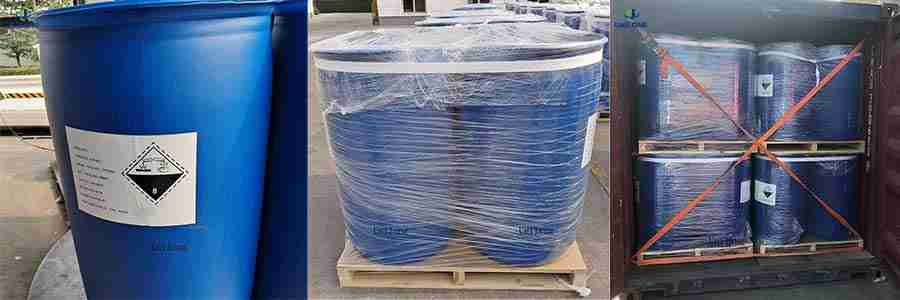
Ethyl (2,4,6-trimethylbenzoyl) phenylphosphinate CAS 84434-11-7 is a liquid photoinitiator used in a low yellows, low odor formulation system. Commonly used in screen printing ink, lithographic printing ink, flexographic ink, light resist, gloss paint, printing plate material and other fields.
Neopentyl glycol diglycidyl ether CAS 17557-23-2
Neopentyl glycol diglycidyl ether CAS 17557-23-2
CAS:17557-23-2
Molecular Formula:C11H20O4
Molecular Weight:216.27
EINECS:241-536-7
Synonyms:1,3-bis(2,3-epoxypropoxy)-2,2-dimethyl-propan; 2,2’-((2,2-dimethyl-1,3-propanediyl)bis(oxymethylene))bis-oxiran; 2,2’-((2,2-dimethyl-1,3-propanediyl)bis(oxymethylene))bisoxirane; 2,2’-[(2,2-Dimethyl-1,3-propanediyl)bis(oxymethylene)]bis[oxirane]; 2,2’-[(2,2-dimethyl-1,3-propanediyl)bis(oxymethylene)]bis-oxiran; 2,2’-[(2,2-dimethyl-1,3-propanediyl)bis(oxymethylene)]bis-Oxirane; 2,2-Bis(glycidyloxymethyl)propane; 2-[[2,2-Dimethyl-3-(oxiran-2-ylmethoxy)propoxy]methyl]oxirane; 2,2′-[(2,2-Dimethylpropane-1,3-diyl)bisoxybismethylene]bisoxirane; 2,2′-[2,2-Dimethylpropane-1,3-diylbis(oxymethylene)]bisoxirane; neopentyl glycol diglycidyl; Neopentyl glycol diglycidyl ether technical grade; 2,2′-[(2,2-Dimethyl-1,3-propanediyl)bis(oxymethylene)]dioxirane; Neopentane glycol Diglycidyl ether 2-[[2,2-dimethyl-3-(2-oxiranylmethoxy)propoxy]methyl]oxirane; DIGLYCIDYLOXYNEOPENTANE; DIGLYCIDYL ETHER OF NEO-PENTYL GLYCOL
What is Neopentyl glycol diglycidyl ether CAS 17557-23-2?
Neopentyl glycol diglycidyl ether is a yellowish transparent liquid. diglycidyl ether is soluble in organic solvents such as ketone and benzene, and has good miscibility with bisphenol A type epoxy resin.
Neopentyl Glycol Diglycidyl Ether (CAS 17557-23-2) is a low-viscosity, colorless liquid commonly used as a reactive diluent for epoxy resins. It helps reduce the viscosity of high-molecular-weight epoxy systems, improving processing, coating flow, and adhesion while maintaining the excellent chemical, thermal, and mechanical properties of the cured epoxy system. Its unique structure provides superior flexibility and durability in end-use applications.
Specification
| Item | Specification |
| Boiling point | 103-107 °C/1 mmHg |
| Density | 1.04 g/mL at 25 °C (lit.) |
| Refractive index | n20/D 1.457(lit.) |
| Flash point | >230 °F |
| LogP | 0.646 |
Application
1. Epoxy Coatings
Neopentyl Glycol Diglycidyl Ether is widely used in industrial and protective epoxy coatings. By reducing the viscosity of epoxy formulations, it improves leveling, wetting, and surface finish. It is suitable for metal, concrete, and composite substrates, offering enhanced chemical resistance and weatherability.
2. Adhesives and Sealants
As a reactive diluent, this compound is incorporated into adhesives and sealants to improve flow, workability, and penetration into substrates. It is commonly used in high-performance bonding applications in automotive, aerospace, and construction industries, ensuring strong adhesion and long-term durability.
3. Composites and Laminates
In the production of composite materials, Neopentyl Glycol Diglycidyl Ether helps epoxy resins impregnate fibers effectively. It contributes to flexibility, impact resistance, and thermal stability of laminates used in aerospace, wind energy, and structural applications.
4. Electrical and Electronics Applications
This compound is used in potting compounds, encapsulants, and insulation resins due to its excellent dielectric properties and thermal stability. It ensures reliable protection of sensitive electronic components against moisture, chemicals, and mechanical stress.
5. Specialty Formulations
Neopentyl Glycol Diglycidyl Ether can be used in printing inks, UV-resistant coatings, and tooling resins, where viscosity reduction and enhanced flexibility are required. Its incorporation improves processing efficiency without compromising final performance.
Packaging
Usually packed in 200kg/drum, and also can be do customized package.
DIGLYCIDYL ETHER OF NEO-PENTYL GLYCOL,Diglycidyletherofneopentylgylcol,heloxywc68,neopentyl
Neopentyl glycol diglycidyl ether is a yellowish transparent liquid. diglycidyl ether is soluble in organic solvents such as ketone and benzene, and has good miscibility with bisphenol A type epoxy resin.
Neopentyl Glycol Diglycidyl Ether (CAS 17557-23-2) is a low-viscosity, colorless liquid commonly used as a reactive diluent for epoxy resins. It helps reduce the viscosity of high-molecular-weight epoxy systems, improving processing, coating flow, and adhesion while maintaining the excellent chemical, thermal, and mechanical properties of the cured epoxy system. Its unique structure provides superior flexibility and durability in end-use applications.
| Item | Specification |
| Boiling point | 103-107 °C/1 mmHg |
| Density | 1.04 g/mL at 25 °C (lit.) |
| Refractive index | n20/D 1.457(lit.) |
| Flash point | >230 °F |
| LogP | 0.646 |
Usually packed in 200kg/drum, and also can be do customized package.
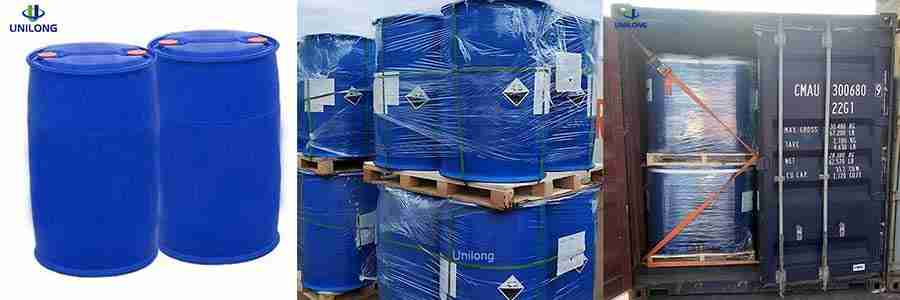
1. Epoxy Coatings
Neopentyl Glycol Diglycidyl Ether is widely used in industrial and protective epoxy coatings. By reducing the viscosity of epoxy formulations, it improves leveling, wetting, and surface finish. It is suitable for metal, concrete, and composite substrates, offering enhanced chemical resistance and weatherability.
2. Adhesives and Sealants
As a reactive diluent, this compound is incorporated into adhesives and sealants to improve flow, workability, and penetration into substrates. It is commonly used in high-performance bonding applications in automotive, aerospace, and construction industries, ensuring strong adhesion and long-term durability.
3. Composites and Laminates
In the production of composite materials, Neopentyl Glycol Diglycidyl Ether helps epoxy resins impregnate fibers effectively. It contributes to flexibility, impact resistance, and thermal stability of laminates used in aerospace, wind energy, and structural applications.
4. Electrical and Electronics Applications
This compound is used in potting compounds, encapsulants, and insulation resins due to its excellent dielectric properties and thermal stability. It ensures reliable protection of sensitive electronic components against moisture, chemicals, and mechanical stress.
5. Specialty Formulations
Neopentyl Glycol Diglycidyl Ether can be used in printing inks, UV-resistant coatings, and tooling resins, where viscosity reduction and enhanced flexibility are required. Its incorporation improves processing efficiency without compromising final performance.
Bis(2,3-epoxypropyl) cyclohex-4-ene-1,2-dicarboxylate CAS 21544-03-6
Bis(2,3-epoxypropyl) cyclohex-4-ene-1,2-dicarboxylate CAS 21544-03-6
CAS:21544-03-6
Molecular Formula:C14H18O6
Molecular Weight:282.29
EINECS:244-435-6
Synonyms:bis(2,3-epoxypropyl) cyclohex-4-ene-1,2-dicarboxylate; tetrahydrophthalic acid diglycidylester; 1,2,3,6-Tetrahydrophthalic acid diglycidyl ester; 4-Cyclohexene-1,2-dicarboxylic acid bis(oxiran-2-ylmethyl) ester; 4-Cyclohexene-1,2-dicarboxylic acid diglycidyl ester; 4-Cyclohexene-1,2-dicarboxylic acid bis(oxiranylmethyl) ester; Einecs 244-435-6; Bis(2,3-epoxypropyl) cyclohex-4-ene-1,2-dicarboxylate(S-182)(CY183); Diglycidyl 4-Cyclohexene-1,2-dicarboxylate; Bis((2.3-epoxypropyl)cyclohex-4-ene-1.2-dicarboxtlate; Bis(2,3-epoxypropyl); 4-Cyclohexene-1,2-dicarboxylic acid, 1,2-bis(2-oxiranylmethyl) ester; Bis(2,3-epoxypropyl)cyclohex-4-en-1,2-dicarboxylat; Syna Epoxy 182; BIS(2,3-EPOXYPROPYL) CYCLOHEX-4-ENE-1,2-DICARBOXYLATE 21544-03-6; 4-Cyclohexene-1,2-dicarboxylicacidbis(oxiran-2-ylmethyl)esChemicalbookter
What is Bis(2,3-epoxypropyl) cyclohex-4-ene-1,2-dicarboxylate CAS 21544-03-6 ?
Bis(2,3-epoxypropyl) cyclohex-4-ene-1,2-dicarboxylate (CAS 21544-03-6) is a high-performance cycloaliphatic epoxy resin known for its excellent chemical resistance, mechanical strength, and dielectric properties. It is a colorless to light-yellow liquid that exhibits low viscosity, making it suitable for a variety of industrial and high-tech applications. Its unique structure offers superior UV and heat stability compared with conventional epoxy resins.
Specification
| Item | Specification |
| Boiling point | 200-202 °C |
| Density | 1.1545 g/cm3 |
| Vapor pressure | 0Pa at 25℃ |
| Refractive index | 1.50 |
| Water solubility | 12.9g/L at 20℃ |
| LogP | 1.46 |
Application
1. Coatings
This epoxy resin is widely used in protective and decorative coatings for metals, machinery, and electronic devices. Its strong adhesion, chemical resistance, and excellent durability make it ideal for industrial coatings, marine coatings, and anti-corrosion applications. Its low yellowing tendency under sunlight enhances long-term appearance stability.
2. Adhesives and Sealants
The compound is used in high-performance adhesives and sealants, particularly where thermal and chemical resistance are required. It improves bonding strength on metals, composites, and plastics, making it suitable for aerospace, automotive, and electronics applications.
3. Electronics and Electrical Insulation
Due to its excellent dielectric properties, Bis(2,3-epoxypropyl) cyclohex-4-ene-1,2-dicarboxylate is widely applied in electronic encapsulation, potting compounds, and insulating materials. Its thermal stability ensures reliable performance in high-voltage and high-temperature environments.
4. Composites and Laminates
This epoxy resin is used in high-performance composite materials and laminates. Its low viscosity allows for easy impregnation of fibers, and it enhances mechanical strength, thermal resistance, and dimensional stability, making it suitable for aerospace, wind turbine blades, and high-performance structural components.
5. Specialty Applications
Additional applications include printing inks, UV-stable coatings, and tooling resins, where high chemical and weathering resistance are critical. Its cycloaliphatic structure ensures minimal yellowing and long-lasting protection in outdoor environments.
Packaging
Usually packed in 200kg/drum, and also can be do customized package.
Syna Epoxy 182,Einecs 244-435-6,tetrahydrophthalic acid diglycidylester,CAS 21544-03-6
Bis(2,3-epoxypropyl) cyclohex-4-ene-1,2-dicarboxylate (CAS 21544-03-6) is a high-performance cycloaliphatic epoxy resin known for its excellent chemical resistance, mechanical strength, and dielectric properties. It is a colorless to light-yellow liquid that exhibits low viscosity, making it suitable for a variety of industrial and high-tech applications. Its unique structure offers superior UV and heat stability compared with conventional epoxy resins.
| Item | Specification |
| Boiling point | 200-202 °C |
| Density | 1.1545 g/cm3 |
| Vapor pressure | 0Pa at 25℃ |
| Refractive index | 1.50 |
| Water solubility | 12.9g/L at 20℃ |
| LogP | 1.46 |
Usually packed in 200kg/drum, and also can be do customized package.
1. Coatings
This epoxy resin is widely used in protective and decorative coatings for metals, machinery, and electronic devices. Its strong adhesion, chemical resistance, and excellent durability make it ideal for industrial coatings, marine coatings, and anti-corrosion applications. Its low yellowing tendency under sunlight enhances long-term appearance stability.
2. Adhesives and Sealants
The compound is used in high-performance adhesives and sealants, particularly where thermal and chemical resistance are required. It improves bonding strength on metals, composites, and plastics, making it suitable for aerospace, automotive, and electronics applications.
3. Electronics and Electrical Insulation
Due to its excellent dielectric properties, Bis(2,3-epoxypropyl) cyclohex-4-ene-1,2-dicarboxylate is widely applied in electronic encapsulation, potting compounds, and insulating materials. Its thermal stability ensures reliable performance in high-voltage and high-temperature environments.
4. Composites and Laminates
This epoxy resin is used in high-performance composite materials and laminates. Its low viscosity allows for easy impregnation of fibers, and it enhances mechanical strength, thermal resistance, and dimensional stability, making it suitable for aerospace, wind turbine blades, and high-performance structural components.
5. Specialty Applications
Additional applications include printing inks, UV-stable coatings, and tooling resins, where high chemical and weathering resistance are critical. Its cycloaliphatic structure ensures minimal yellowing and long-lasting protection in outdoor environments.
Diglycidyl 1,2-cyclohexanedicarboxylate CAS 5493-45-8
Diglycidyl 1,2-cyclohexanedicarboxylate CAS 5493-45-8
CAS:5493-45-8
Molecular Formula:C14H20O6
Molecular Weight:284.3
EINECS:226-826-3
Synonyms:1,2-cyclohexanedicarboxylicacid,bis(2,3-epoxypropyl)ester; 1,2-Cyclohexanedicarboxylicacid,bis(oxiranylmethyl)ester; cyclohexane-1,2-dicarboxylicacidbis(oxiranylmethyl)ester;diglycidylesterkyselinyhexahydroftalove; diglycidylesterofhexahydrophthalicacid; hexahydro-phthalicacidiglycidylester; lekutherm2159; Diglycidyl 1,2-Cyclohexanedicarboxylate; Diglycidyl 1,2-cyclohexanedicarboxylate (S-184)(CY184); 1,2-Cyclohexanedicarboxylicacid,1,2-bis(2-oxiranylMethyl) ester lekuthermx100; phthalicacid,hexahydro-,bis(2,3-epoxypropyl)ester; 1,2-CYCLOHEXANEDICARBOXYLIC ACID DIGLYCIDYL ESTER
What is Diglycidyl 1,2-cyclohexanedicarboxylate CAS 5493-45-8?
Diglycidyl ester 1, 2-cyclohexane dicarboxylate has a saturated structure, produces carbon dioxide and water during electric decomposition, has low viscosity and good fluidity, and can be processed with little or no organic solvent and low chlorine content. Diglycidyl ester 1, 2-cyclohexane dicarboxylate is especially suitable for insulating materials with high electrical properties, good high-temperature insulation properties, arc resistance and leakage resistance.
Specification
| Item | Specification |
| Boiling point | 200-205 °C2 mm Hg |
| Density | 1.22 g/mL at 25 °C |
| Refractive index | n20/D 1.487 |
| Flash point | >230 °F |
Application
Diglycidyl ester 1, 2-cyclohexane dicarboxylate is a low viscosity cycloaliphatic epoxy resin, processed and cured with carboxylic acid anhydride and a small amount of accelerator, can be made into an elastic thermosetting polymer with excellent arc resistance and trajectory resistance, and has excellent mechanical and electrical properties. Diglycidyl 1, 2-cyclohexane dicarboxylate low viscosity epoxy resins are recommended for long-term use in corrosive environments as well as closed or indoor environments.
Packaging
Usually packed in 200kg/drum, and also can be do customized package.
Diglycidylesterofhexahydrophthalicacid,hexahydro-phthalicacidiglycidylester,lekutherm2159,lekuthermx100,CAS 5493-45-8
Diglycidyl ester 1, 2-cyclohexane dicarboxylate has a saturated structure, produces carbon dioxide and water during electric decomposition, has low viscosity and good fluidity, and can be processed with little or no organic solvent and low chlorine content. Diglycidyl ester 1, 2-cyclohexane dicarboxylate is especially suitable for insulating materials with high electrical properties, good high-temperature insulation properties, arc resistance and leakage resistance.
| Item | Specification |
| Boiling point | 200-205 °C2 mm Hg |
| Density | 1.22 g/mL at 25 °C |
| Refractive index | n20/D 1.487 |
| Flash point | >230 °F |
Usually packed in 200kg/drum, and also can be do customized package.
Diglycidyl ester 1, 2-cyclohexane dicarboxylate is a low viscosity cycloaliphatic epoxy resin, processed and cured with carboxylic acid anhydride and a small amount of accelerator, can be made into an elastic thermosetting polymer with excellent arc resistance and trajectory resistance, and has excellent mechanical and electrical properties. Diglycidyl 1, 2-cyclohexane dicarboxylate low viscosity epoxy resins are recommended for long-term use in corrosive environments as well as closed or indoor environments.
Daicel Celloxide 2021 CAS 2386-87-0
Daicel Celloxide 2021 CAS 2386-87-0
CAS:2386-87-0
Molecular Formula:C14H20O4
Molecular Weight:252.31
EINECS:219-207-4
Synonyms:3,4-epoxycyclohexanecarboxylicacid(3,4-epoxycyclohexylmethyl)ester; 3,4-epoxycyclohexanemethyl3,4-epoxycyclohexanecarboxylate; 3,4-epoxycyclohexylmethyl3,4-epoxycyclo-hexaneca; 7-oxabicyclo(4.1.0)heptane-3-carboxylicacid,7-oxabicyclo(4.1.0)hept-3-ylmethy; 7-Oxabicyclo[4,1,0]heptane-3-carboxylicacid,7-oxabicyclo[4,1,0]hept-3-ylmethylester; 3,4-Epoxycyclohexylmethyl-3,4-epoxycy-clohexaneCarboxylate(JR-HS-21); 7-Oxabicyclo[4.1.0]heptan-3-ylmethyl7-oxabicyclo[4.1.0]heptane-3-carboxylate; 1,2-Epoxycyclohexane-4-carboxylicacid1,2-epoxycyclohexane-4-ylmethylester
What is Daicel Celloxide 2021 CAS 2386-87-0?
Alicyclic epoxy resin 3, 4-epoxy-cyclohexyl methyl 3, 4-epoxy-cyclohexyl formate overcomes the disadvantages of traditional bisphenol A epoxy resin, such as poor weather resistance, high temperature resistance and poor impact resistance, and has been paid high attention to in all walks of life. At present, due to raw materials and process restrictions, only small batch production, there is no large-scale production of industrial equipment.
Specification
| Item | Specification |
| Melting point | −37 °C |
| Boiling point | 355.49°C |
| Density | 1.17 g/mL at 25 °C |
| Vapor pressure | 0.002Pa at 25℃ |
| Refractive index | n20/D 1.498 |
| Flash point | 245 °F |
| LogP | 1.34 at 20℃ |
| Acidity coefficient (pKa) | 4.61±0.20 |
Application
Daicel Celloxide 2021 Intermediates for epoxy resins, coatings for food packaging materials. Daicel Celloxide 2021 can be used in light modeling, making medical models, electronic material intermediates, automotive primers, high voltage cables, etc.
Packaging
Usually packed in 200kg/drum, and also can be do customized package.
Alicyclic epoxy resin 3, 4-epoxy-cyclohexyl methyl 3, 4-epoxy-cyclohexyl formate overcomes the disadvantages of traditional bisphenol A epoxy resin, such as poor weather resistance, high temperature resistance and poor impact resistance, and has been paid high attention to in all walks of life. At present, due to raw materials and process restrictions, only small batch production, there is no large-scale production of industrial equipment.
| Item | Specification |
| Melting point | −37 °C |
| Boiling point | 355.49°C |
| Density | 1.17 g/mL at 25 °C |
| Vapor pressure | 0.002Pa at 25℃ |
| Refractive index | n20/D 1.498 |
| Flash point | 245 °F |
| LogP | 1.34 at 20℃ |
| Acidity coefficient (pKa) | 4.61±0.20 |
Usually packed in 200kg/drum, and also can be do customized package.
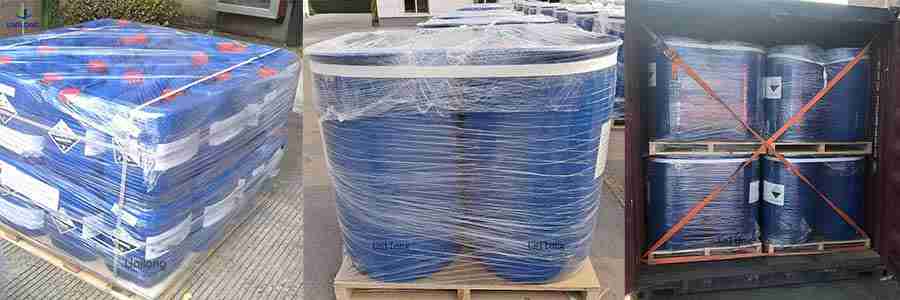
Daicel Celloxide 2021 Intermediates for epoxy resins, coatings for food packaging materials. Daicel Celloxide 2021 can be used in light modeling, making medical models, electronic material intermediates, automotive primers, high voltage cables, etc.
Nucleating Agent 3988 CAS 135861-56-2
Nucleating Agent 3988 CAS 135861-56-2
CAS:135861-56-2
Molecular Formula:C24H30O6
Molecular Weight:414.49
EINECS:413-110-2
Synonyms:Bis(3,4-dimethylbenzylidene)sorbitol; DIMETHYLDIBENZYLIDENE ; SORBITOL; 1,3:24-BIS (3,4-DIMETHYLOBENZYLIDENO) SORBITOL;
DMDBS; Nucleating Agent 3988; 1,3:24- BIS (3,4-DIMETHYLOBENZYLIDENO)SORBITOL (DMDBS); Di-(3,4-dimethylbenzylidene)sorbitol; 1,3:2,4-Bis-O-(3,4-dimethylbenzylidene)-D- glucitol; DIMETHYLBENZYLIDENE SORBITOL; 1,3:2,4-Bis-O-(3,4-dimethylbenzylidene)-D-sorbitol; Nucleating Transparent Agent ZC-3; 3:2,4-bis-O-(3,4-diMethylbenzylidene)-D-sorbitol(DMDBS)
What is Nucleating Agent 3988 CAS 135861-56-2?
Nucleating Agent 3988 CAS 135861-56-2 is white powder. Nucleating Agent 3988 is a chemical with a molecular formula of C24H30O6 and a molecular weight of 414.49 with a melting point of 275°C. Nucleating Agent 3988 is one of the nucleating agents.
Specification
| Item | Specification |
| Melting point | 275°C |
| Boiling point | 611.6±50.0 °C |
| Density | 1.195 |
| Vapor pressure | 0-0Pa at 25℃ |
| LogP | 2.78-3.4 at 22-30℃ |
| Acidity coefficient (pKa) | 13.26±0.20 |
Application
Nucleating Agent 3988 is the third generation of sorbierite type of polyolefin Nucleating agent , dosage in polyolefin is about 0.25%. Nucleating Agent 3988 also can be used in rubber, chemical fiber, textile, printing, coating, and pigment, etc.
Packaging
25kg/drum or according to customer requirements.
Transparent nucleating agent 3988,HRnta-3988,Millad 3988I,Millad 8C41-10,The third generation of clarifying nucleator
Nucleating Agent 3988 is white powder. Nucleating Agent 3988 is a chemical with a molecular formula of C24H30O6 and a molecular weight of 414.49 with a melting point of 275°C. Nucleating Agent 3988 is one of the nucleating agents.
| Item | Specification |
| Melting point | 275°C |
| Boiling point | 611.6±50.0 °C |
| Density | 1.195 |
| Vapor pressure | 0-0Pa at 25℃ |
| LogP | 2.78-3.4 at 22-30℃ |
| Acidity coefficient (pKa) | 13.26±0.20 |
25kg/drum or according to customer requirements.
Nucleating Agent 3988 is the third generation of sorbierite type of polyolefin Nucleating agent , dosage in polyolefin is about 0.25%. Nucleating Agent 3988 also can be used in rubber, chemical fiber, textile, printing, coating, and pigment, etc.
3-Hydroxyphenylphosphinyl-propanoic acid CAS 14657-64-8
3-Hydroxyphenylphosphinyl-propanoic acid CAS 14657-64-8
CAS:14657-64-8
Molecular Formula:C9H11O4P
Molecular Weight:214.15
EINECS:411-200-6
Synonyms:3-hydroxyphenylphosphinyl-propanoic acid; 2-CARBOXYETHYL(PHENYL)PHOSPHINIC ACID; ceppa; 3-HPP; 3-Hydroxyphenylphosphinyl-Prop; 3-hydroxy phenyl phosphinyl propanoic acid(CEPPA); 3-(Hydroxyphenylphosphinyl)propionsure; 2-carboxyl ethyl(phenyl)phosphinic Acid(CEPPA); 3-Hydroxyphenylphosphinyl-propanoic acid 14657-64-8 CEPPA; 2-Carboxyethyl(phenyl)phosphinic acid 14657-64-8 CEPPA; Flame retardant CEPPA; PET Flame Retardant; Flame retardant CPPA; 3-(Hydroxy(phenyl)phosphoryl)propanoic acid
What is 3-Hydroxyphenylphosphinyl-propanoic acid CAS 14657-64-8?
3-hydroxyphenylphosphopropionic acid, white to almost white solid powder at room temperature and pressure, with significant acidity, insoluble in water but soluble in alcohol organic solvents. 3-hydroxyphenylphosphopropionic acid has the general physicochemical properties of general alkyl carboxylic acids, and is mainly used as chemical raw materials in pharmaceutical chemical intermediates and polymer industrial production. It has been reported that the substance can be used for structural modification of various industrial resins.
Specification
| Item | Specification |
| Melting point | 158.0 to 162.0 °C |
| Boiling point | 526.6±42.0 °C |
| Density | 1.35±0.1 g/cm3 |
| Vapor pressure | 0Pa at 20℃ |
| LogP | -4.2 at 20℃ |
| Acidity coefficient (pKa) | 2.21±0.50 |
Application
3-Hydroxyphenylphosphinyl-propanoic acid can be used in laboratory research and chemical pharmaceutical synthesis. 3-Hydroxyphenylphosphinyl-propanoic acid is used in organic synthesis, pesticide and pharmaceutical intermediates.
Packaging
25kg/drum or according to customer requirements.
Flame retardant CEPPA,PET Flame Retardant,Flame retardant CPPA,3-(Hydroxy(phenyl)phosphoryl)propanoic acid,2-Carboxy1 Ethy1 (phenyl) phosphoric Acid
3-hydroxyphenylphosphopropionic acid, white to almost white solid powder at room temperature and pressure, with significant acidity, insoluble in water but soluble in alcohol organic solvents. 3-hydroxyphenylphosphopropionic acid has the general physicochemical properties of general alkyl carboxylic acids, and is mainly used as chemical raw materials in pharmaceutical chemical intermediates and polymer industrial production. It has been reported that the substance can be used for structural modification of various industrial resins.
| Item | Specification |
| Melting point | 158.0 to 162.0 °C |
| Boiling point | 526.6±42.0 °C |
| Density | 1.35±0.1 g/cm3 |
| Vapor pressure | 0Pa at 20℃ |
| LogP | -4.2 at 20℃ |
| Acidity coefficient (pKa) | 2.21±0.50 |
25kg/drum or according to customer requirements.
3-Hydroxyphenylphosphinyl-propanoic acid can be used in laboratory research and chemical pharmaceutical synthesis. 3-Hydroxyphenylphosphinyl-propanoic acid is used in organic synthesis, pesticide and pharmaceutical intermediates.
Optical brightener OB-1 CAS 1533-45-5
Optical brightener OB-1 CAS 1533-45-5
CAS:1533-45-5
Molecular Formula:C28H18N2O2
Molecular Weight:414.45
EINECS:216-245-3
Synonyms:OCAB; Anti-POU2AF1 (C-terminal) antibody produced in goat; OBF1; OBF-1; POU class 2 associating factor 1; 4,4′-Bis(2-benzoxazolyl)stilbene 97%;
Optical Brighter OB-1; optical brightenerOB-1(OBA393); C.I.393; Optical brightener OB-1 (C.I.393); Optical Brightener OB-1 Joyce; fluorescentbrightener393; Fluorescent Brightener OB-1; Optical Brightening Agent OB-1 C. I. 393; 2,2′-(Stilbene-4,4′-diyl)bis(benzoxazole); 2,2′-[1,2-Ethenediylbis(4,1-phenylene)]bisbenzoxazole; 4,4′-Bis(benzoxazol-2-yl)stilbene; 4,4′-Di(benzoxazole-2-yl)stilbene
What is Optical brightener OB-1 CAS 1533-45-5?
Optical Brightener OB-1, also known as Fluorescent Brightener 393 or 4,4′-Bis(2-benzoxazolyl)stilbene, is one of the most widely used fluorescent whitening agents in the plastics and fiber industries. With its excellent thermal resistance, strong whitening intensity, and outstanding lightfastness, OB-1 (CAS 1533-45-5) helps manufacturers achieve brighter, cleaner, and more visually appealing products—especially in applications requiring high-temperature processing.
Designed for engineering plastics, polyester fibers, and recycled materials, OB-1 effectively compensates for yellowing and enhances overall whiteness even in challenging processing environments.
Optical brightener OB-1 is yellow crystal, melting point 359-362℃, insoluble and water, odorless, stable performance, maximum absorption spectral wavelength of 374nm, strong fluorescence, fluorescence emission wavelength of 434nm. Optical brightener OB-1 is a highly efficient fluorescent brightener for polyester fibers.
Specification
| Item | Specification |
| Melting point | >300 °C |
| Boiling point | 533.34°C |
| Density | 1.2151 |
| Vapor pressure | 0Pa at 25℃ |
| Refractive index | 1.5800 |
| LogP | 5.499 at 25℃ |
| Acidity coefficient (pKa) | 1.45±0.10 |
Applications of Optical Brightener OB-1
1. Polyolefin Plastics (PE & PP)
Optical Brightener OB-1 (CAS 1533-45-5) is widely used in polyolefin materials such as polyethylene (PE) and polypropylene (PP). These materials often exhibit a natural yellowish tone, especially after heat processing or exposure to UV light. OB-1 effectively enhances whiteness and brightness even at very low dosages, making it ideal for household goods, packaging products, and injection-molded parts. Its strong thermal stability ensures reliable performance during high-temperature extrusion and molding.
2. ABS, PS, and Other General Plastics
In general-purpose plastics such as ABS, PS, and PVC, Fluorescent Brightener 393 provides excellent color compensation and improves surface appearance. It helps manufacturers achieve a cleaner, brighter visual effect, particularly for products requiring high color consistency like electronics housings, appliance components, and decorative panels. OB-1’s low migration behavior ensures that the whitening effect remains stable over time.
3. Engineering Plastics (PET, PBT, PC, PA)
High-performance engineering plastics require additives that can withstand extreme processing temperatures. Optical Brightener OB-1 is particularly suitable for PET, PBT, PC, and nylon (PA) due to its high melting point of 350–355°C. It maintains fluorescence under repeated heat cycles and provides long-lasting whitening, which is essential in automotive parts, electrical components, and industrial-grade polymer systems. OB-1’s superior heat resistance distinguishes it from other optical brighteners.
4. Polyester & Nylon Fibers
In fiber spinning applications, Optical Brightener OB-1 (CAS 1533-45-5) improves the whiteness and brightness of polyester (PET) and nylon (PA) fibers. It integrates well into the polymer melt and does not degrade during filament or yarn production. Used widely in textiles, carpets, apparel, and industrial fabrics, OB-1 provides a vivid, clean, and uniform brightening effect. Its strong photostability also ensures good lightfastness for outdoor or UV-exposed textiles.
5. Recycled Plastics (rPET, rPP, rPE)
Recycled materials typically suffer from noticeable yellowing due to thermal degradation and impurities. Fluorescent Brightener 393 is a preferred solution for improving the appearance of recycled PET, PP, and PE. It significantly enhances brightness, helping manufacturers elevate the quality of recycled plastics to match or exceed virgin-grade materials. OB-1 enables the production of higher-value recycled products, supporting sustainability initiatives in the plastics industry.
6. Extrusion and Injection Molding Processes
During extrusion, blow molding, and injection molding, Optical Brightener OB-1 demonstrates excellent dispersion and stability within polymer melts. It ensures uniform brightening across films, sheets, molded components, and profiles. OB-1 remains stable under shear and high heat, preventing yellowing caused by thermal oxidation. This makes it a reliable whitening additive for automotive trims, consumer goods, industrial parts, and packaging applications.
Optical Brightener OB-1, also known as Fluorescent Brightener 393 or 4,4′-Bis(2-benzoxazolyl)stilbene, is one of the most widely used fluorescent whitening agents in the plastics and fiber industries. With its excellent thermal resistance, strong whitening intensity, and outstanding lightfastness, OB-1 (CAS 1533-45-5) helps manufacturers achieve brighter, cleaner, and more visually appealing products—especially in applications requiring high-temperature processing.
Designed for engineering plastics, polyester fibers, and recycled materials, OB-1 effectively compensates for yellowing and enhances overall whiteness even in challenging processing environments.
Optical brightener OB-1 is yellow crystal, melting point 359-362℃, insoluble and water, odorless, stable performance, maximum absorption spectral wavelength of 374nm, strong fluorescence, fluorescence emission wavelength of 434nm. Optical brightener OB-1 is a highly efficient fluorescent brightener for polyester fibers.
| Item | Specification |
| Melting point | >300 °C |
| Boiling point | 533.34°C |
| Density | 1.2151 |
| Vapor pressure | 0Pa at 25℃ |
| Refractive index | 1.5800 |
| LogP | 5.499 at 25℃ |
| Acidity coefficient (pKa) | 1.45±0.10 |
25kg/drum or according to customer requirements.
1. Polyolefin Plastics (PE & PP)
Optical Brightener OB-1 (CAS 1533-45-5) is widely used in polyolefin materials such as polyethylene (PE) and polypropylene (PP). These materials often exhibit a natural yellowish tone, especially after heat processing or exposure to UV light. OB-1 effectively enhances whiteness and brightness even at very low dosages, making it ideal for household goods, packaging products, and injection-molded parts. Its strong thermal stability ensures reliable performance during high-temperature extrusion and molding.
2. ABS, PS, and Other General Plastics
In general-purpose plastics such as ABS, PS, and PVC, Fluorescent Brightener 393 provides excellent color compensation and improves surface appearance. It helps manufacturers achieve a cleaner, brighter visual effect, particularly for products requiring high color consistency like electronics housings, appliance components, and decorative panels. OB-1’s low migration behavior ensures that the whitening effect remains stable over time.
3. Engineering Plastics (PET, PBT, PC, PA)
High-performance engineering plastics require additives that can withstand extreme processing temperatures. Optical Brightener OB-1 is particularly suitable for PET, PBT, PC, and nylon (PA) due to its high melting point of 350–355°C. It maintains fluorescence under repeated heat cycles and provides long-lasting whitening, which is essential in automotive parts, electrical components, and industrial-grade polymer systems. OB-1’s superior heat resistance distinguishes it from other optical brighteners.
4. Polyester & Nylon Fibers
In fiber spinning applications, Optical Brightener OB-1 (CAS 1533-45-5) improves the whiteness and brightness of polyester (PET) and nylon (PA) fibers. It integrates well into the polymer melt and does not degrade during filament or yarn production. Used widely in textiles, carpets, apparel, and industrial fabrics, OB-1 provides a vivid, clean, and uniform brightening effect. Its strong photostability also ensures good lightfastness for outdoor or UV-exposed textiles.
5. Recycled Plastics (rPET, rPP, rPE)
Recycled materials typically suffer from noticeable yellowing due to thermal degradation and impurities. Fluorescent Brightener 393 is a preferred solution for improving the appearance of recycled PET, PP, and PE. It significantly enhances brightness, helping manufacturers elevate the quality of recycled plastics to match or exceed virgin-grade materials. OB-1 enables the production of higher-value recycled products, supporting sustainability initiatives in the plastics industry.
6. Extrusion and Injection Molding Processes
During extrusion, blow molding, and injection molding, Optical Brightener OB-1 demonstrates excellent dispersion and stability within polymer melts. It ensures uniform brightening across films, sheets, molded components, and profiles. OB-1 remains stable under shear and high heat, preventing yellowing caused by thermal oxidation. This makes it a reliable whitening additive for automotive trims, consumer goods, industrial parts, and packaging applications.
UV Absorber 234 CAS 70321-86-7
UV Absorber 234 CAS 70321-86-7
CAS:70321-86-7
Molecular Formula:C30H29N3O
Molecular Weight:447.57
EINECS:274-570-6
Synonyms:UV-234 of UV absorbers; UV-234 Ultraviolet absorbent; Benzotriazol-2-yl-4,6-bis(1-methyl-1-phenylethyl)phenols (UV 234); UV Absorber 234 ISO 9001:2015 REACH; UV ABSORBER TRUELICHT UV 234; UV absorber Sunsorb 234; Light Stabilizer UV Absorber RIASORB UV-234/234FF; 2-(2H-benzotriazol-2-yl)-4; Ultraviolet absorbent 234; UV-900; 2-(2H-Benzotriazol-2-yl)-4,6-bis(1-methyl-1-phenylethyl)phenol; UV Absorber UV-234; Absorber UV-234; UV Absorber 234 70321-86-7; 2-(2H-Benzotriazol-2-yl)-4,6-bis(1-methyl-1-phenylethyl)phen; TINUVIN 900; TINUVIN 234; 2-(2H-Benzotriazol-2-yl)-4,6-bis(1-methyl-1-phenylethyl)phenol UV-234; 2-(2H-Benzotriazol-2-yl)-4,6-bis(1-methyl-1-phenylethyl)phenol powder
What is UV Absorber 234 CAS 70321-86-7?
UV-234 is a pale yellow powder with a melting point of 135-145 ° C. UV-234 soluble in chloroform, methylene chloride, benzene, ethyl acetate and other organic solvents, slightly soluble in alcohol, insoluble in water. UV-234 is a benzotriazole ultraviolet absorber.
Specification
| Item | Specification |
| Appearance | Light yellow powder |
| Assay | ≥99% |
| Volatiles | ≤0.5% |
| Light transmittance 460nm | ≥97% |
| Light transmittance 500nm | ≥98% |
| Melting point | 139.5~141℃ |
| Ash | ≤0.05% |
Application
UV-234 is suitable for polycarbonate, polyvinyl chloride, polyformaldehyde, polyamide, etc. UV-234 is an excellent light stabilizer for PE, PP, polyester and coatings. Uv-234 can be used as a low volatile benzotriazole UV absorber and stabilizer.
Packaging
25kg/drum or according to customer requirements.
UV-234 is a pale yellow powder with a melting point of 135-145 ° C. UV-234 soluble in chloroform, methylene chloride, benzene, ethyl acetate and other organic solvents, slightly soluble in alcohol, insoluble in water. UV-234 is a benzotriazole ultraviolet absorber.
| Item | Specification |
| Appearance | Light yellow powder |
| Assay | ≥99% |
| Volatiles | ≤0.5% |
| Light transmittance 460nm | ≥97% |
| Light transmittance 500nm | ≥98% |
| Melting point | 139.5~141℃ |
| Ash | ≤0.05% |
25kg/drum or according to customer requirements.
UV-234 is suitable for polycarbonate, polyvinyl chloride, polyformaldehyde, polyamide, etc. UV-234 is an excellent light stabilizer for PE, PP, polyester and coatings. Uv-234 can be used as a low volatile benzotriazole UV absorber and stabilizer.
Diethylamino hydroxybenzoyl hexyl benzoate CAS 302776-68-7
Diethylamino hydroxybenzoyl hexyl benzoate CAS 302776-68-7
CAS:302776-68-7
Molecular Formula:C24H31NO4
Molecular Weight:397.51
EINECS:443-860-6
Synonyms:BENZOICACID,2-(4-DIETHYLAMINO)-2-HYDROXYBENZOYL)-,HEXYLESTER; uv absorber A PLUS; UVAPlus/DHHB; UVA PLUS; Diethylamino Hydroxybenzoyl Hexyl Benzoat;Hexyl 2-[4-(Diethylamino)-2-hydroxybenzoyl]benzoate (This product is only available in Japan.); 2-(4-Diethylamino-2-hydroxybenzoyl)-Benzoesurehexylester; 2-[4-(Diethylamino)-2-hydroxybenzoyl]benzoic acid hexyl ester; Hexyl 2-[4-(DiethylaMino)-2-hydroxybenzoyl]benzoate; n-Hexyl 2-(4-DiethylaMino-2-hydroxybenzoyl)benzoate; Uvinul A Plus; Hexyl 2-(3-(diethylaMino)-2-hydroxybenzoyl)benzoate; DHHB; Diethyl hydroxybenzoyl benzoate; Diethylamino hydroxybenzoyl hexyl benzoate DHHB; Benzocaine Impurity 1 uv absorber A PLUS,UVAPlus/DHHB,UVA PLUS,Diethylamino Hydroxybenzoyl Hexyl Benzoat,CAS 302776-68-7
What is Diethylamino hydroxybenzoyl hexyl benzoate CAS 302776-68-7?
Diethylamino hydroxybenzoyl hexyl benzoate CAS 302776-68-7 is an organic peroxide, which has a strong oxidation effect, and is easy to produce highly active free groups during thermal decomposition, and has thermal instability, and may decompose at relatively low temperatures. Diethylaminohydroxybenzoyl hexyl benzoate decomposition process releases a lot of heat and gas, so that the temperature rises, accelerate the decomposition, these gas substances can be formed in the sealed packaging enough to destroy the packaging pressure, followed by explosion and fire phenomenon.
Specification
| Item | Specification |
| Melting point | 524.8±40.0 °C |
| Boiling point | 1.112±0.06 g/cm3 |
| Water solubility | 16μg/L at 20℃ |
| Vapor pressure | 0Pa at 20℃ |
| LogP | 6.2 at 24℃ |
| Acidity coefficient (pKa) | 7.57±0.35 |
Application
DHHB has a higher absorption effect on UVA. DHHB has a strong protective effect against free radicals produced by ultraviolet light and can increase the SPF value of UVB sunscreen. DHHB replaces Avobenzo and becomes a typical UVA sunscreen, which has better light stability than Avobenzo, does not need to add Sunsafe-MBC, Sunsafe-OMC complex, lower cost and better effect.
Packaging
25kg/drum or according to customer requirements.
Diethylaminohydroxybenzoyl hexyl benzoate is an organic peroxide, which has a strong oxidation effect, and is easy to produce highly active free groups during thermal decomposition, and has thermal instability, and may decompose at relatively low temperatures. Diethylaminohydroxybenzoyl hexyl benzoate decomposition process releases a lot of heat and gas, so that the temperature rises, accelerate the decomposition, these gas substances can be formed in the sealed packaging enough to destroy the packaging pressure, followed by explosion and fire phenomenon.
| Item | Specification |
| Melting point | 524.8±40.0 °C |
| Boiling point | 1.112±0.06 g/cm3 |
| Water solubility | 16μg/L at 20℃ |
| Vapor pressure | 0Pa at 20℃ |
| LogP | 6.2 at 24℃ |
| Acidity coefficient (pKa) | 7.57±0.35 |
25kg/drum or according to customer requirements.
DHHB has a higher absorption effect on UVA. DHHB has a strong protective effect against free radicals produced by ultraviolet light and can increase the SPF value of UVB sunscreen. DHHB replaces Avobenzo and becomes a typical UVA sunscreen, which has better light stability than Avobenzo, does not need to add Sunsafe-MBC, Sunsafe-OMC complex, lower cost and better effect.
Tinuvin-1130 CAS 104810-47-1
CAS:104810-47-1
Molecular Formula:C20H23N3O3
Molecular Weight:353.42
EINECS:600-602-9
Synonyms:UV Absorber 1130; HRsorb-1130; Tinuvin-1130/A; uv absorber uv-1130; UV-1300; ULTRAVIOLET ABSORBENT UV-1130; Tinuvin-1130; TINUVIN 213; Ucon HB 2000; Bulk Supply Tinuvin-1130 in hot sale; Fine quality Indometacin; UV ABSORBER TRUELICHT UV 1130; Tinuvin-1130 25322-68-3; cas 104810-48-2
What is Tinuvin-1130 CAS 104810-47-1?
UV absorber UV-1130 is a hydroxyl phenyl benzotriazole ultraviolet light absorber, the appearance of light yellow to light amber viscous liquid, soluble in polar and non-polar solvents, insoluble in water, can effectively protect the coating luster, avoid cracking and spots. UV absorber UV-1130 has good resistance to high temperature and extraction.
Tinuvin 1130 is a liquid benzotriazole-type UV absorber designed for coatings, adhesives, and plastics that require long-term protection against UV-induced degradation. It provides excellent UV absorption over a broad wavelength range, offering superior stabilization for transparent and pigmented systems.
As a leading Tinuvin-1130 manufacturer, we supply high-quality products with consistent performance and technical support tailored to your coating formulations.
Specification
| Item | Specification |
| Appearance | Yellow liquid |
| Ash | ≤ 0.3% |
| Volatile | ≤ 1.0% |
| Transmittance | 460 nm ≥95%;500 nm ≥97% |
| TGA(5%) | 247℃ |
Applications
Tinuvin 1130 is widely used in industries that require durable UV protection and color retention:
1. Coatings
Used in automotive, industrial, and wood coatings to prevent discoloration, cracking, and loss of gloss caused by sunlight exposure.
2. Plastics
Effective in transparent plastics such as polycarbonate (PC), PMMA, PET, and PVC, ensuring long-term clarity and mechanical integrity.
3. Adhesives & Sealants
Improves weathering resistance and color stability of adhesives and sealant systems under prolonged UV exposure.
4. Printing Inks
Enhances lightfastness and prevents fading of ink colors in outdoor applications.
Packaging
Usually packed in 200kg/drum, and also can be do customized package.
UV absorber UV-1130 has good resistance to high temperature and extraction. UV absorber UV-1130 is a hydroxyl phenyl benzotriazole ultraviolet light absorber, the appearance of light yellow to light amber viscous liquid, soluble in polar and non-polar solvents, insoluble in water, can effectively protect the coating luster, avoid cracking and spots.
Tinuvin 1130 is a liquid benzotriazole-type UV absorber designed for coatings, adhesives, and plastics that require long-term protection against UV-induced degradation. It provides excellent UV absorption over a broad wavelength range, offering superior stabilization for transparent and pigmented systems.
As a leading Tinuvin-1130 manufacturer, we supply high-quality products with consistent performance and technical support tailored to your coating formulations.
| Item | Specification |
| Appearance | Yellow liquid |
| Ash | ≤ 0.3% |
| Volatile | ≤ 1.0% |
| Transmittance | 460 nm ≥95%;500 nm ≥97% |
| TGA(5%) | 247℃ |
Recommended Dosage
Typical dosage levels range from 0.2% to 1.0% depending on the substrate and performance requirements. It is often used in combination with hindered amine light stabilizers (HALS) such as Tinuvin 292 or Chimassorb 944 for synergistic effects.
Usually packed in 200kg/drum, and also can be do customized package.
Tinuvin 1130 is widely used in industries that require durable UV protection and color retention:
1. Coatings
Used in automotive, industrial, and wood coatings to prevent discoloration, cracking, and loss of gloss caused by sunlight exposure.
2. Plastics
Effective in transparent plastics such as polycarbonate (PC), PMMA, PET, and PVC, ensuring long-term clarity and mechanical integrity.
3. Adhesives & Sealants
Improves weathering resistance and color stability of adhesives and sealant systems under prolonged UV exposure.
4. Printing Inks
Enhances lightfastness and prevents fading of ink colors in outdoor applications.
Drometrizole CAS 2440-22-4
CAS:2440-22-4
Molecular Formula:C13H11N3O
Molecular Weight:225.25
EINECS:219-470-5
Synonyms:(2′-Hydroxy-5mg-methylphenyl) benzotriazole; 2-(2H-Benzotriazol-2-yl)-p-cresol(UV-P); TinuvinP/2-(2H-Benzotriazol-2-yl)-p-cresol; LOTSORB UV P;
2-(2H-1,2,3-Benzotriazol-2-yl)-4-methylphenol; 2-(2h-benzotriazol-2-yl)-4-methyl-pheno; 2-(2h-benzotriazol-2-yl)-p-creso; 2-(2-hydroxy-5-methyl-phenyl)-2H-benzotriazole; 2-(2-Hydroxy-5-methylphenyl)-2H-benzotriazole; 2-Benzotriazolyl-4-methylphenol; Porex P; porexp; Tin P; Topanex 100BT; UltravioletabsorbentUV-P; Uvazol P; 2-(2’-hydroxy-5-methyl; UVSTABILISERS
What is Drometrizole CAS 2440-22-4?
Drometrizole, chemically known as (2′-Hydroxy-5-methylphenyl) benzotriazole, is a high-performance benzotriazole-based UV absorber with strong protection in the 280–340 nm range. As a classical UV-P grade stabilizer, it is widely used in plastics, coatings, adhesives, cosmetics, and other materials that require efficient UV shielding. Drometrizole effectively prevents yellowing, surface cracking, loss of gloss, and degradation caused by ultraviolet radiation, providing long-lasting photo-stability even under harsh outdoor conditions. Its excellent thermal stability and low volatility make it highly suitable for polymer processing at high temperatures.
Drometrizole is colorless or pale yellow crystal. Drometrizole is soluble in many organic solvents such as gasoline, benzene, acetone, etc., but its solubility in water is very small. Drometrizole dissolves in alkali to form a yellow salt.
Specification
| Item | Specification |
| Melting point | 125.5-129.5 °C(lit.) |
| Boiling point | bp10 225° |
| Density | 1.38 |
| Vapor pressure | 0Pa at 20℃ |
| Refractive index | 1.5600 |
| Flash point | 54°C |
| LogP | 4.2 at 25℃ |
| Acidity coefficient (pKa) | 8.15±0.43 |
Application
Drometrizole, also known as (2′-Hydroxy-5-methylphenyl) benzotriazole or UV-P, is a high-performance benzotriazole-type UV absorber widely used in industries that require long-term protection against UV-induced degradation. Because of its excellent light-stability, broad UV absorption range, and compatibility with various organic materials, UV absorber UV-P is an essential additive in plastics, coatings, adhesives, and cosmetics. Below are the major application fields explained in detail:
1. Plastics and Polymers
Drometrizole (CAS 2440-22-4) is extensively used in polyolefins, PVC, ABS, PMMA, and engineering plastics to prevent photo-oxidation, yellowing, and surface cracking. As a highly efficient UV-P stabilizer, it protects polymer chains from breaking under UV exposure, helping manufacturers extend product durability—especially for outdoor products such as automotive parts, garden tools, electrical housings, and packaging films.
2. Paints, Coatings, and Varnishes
In coatings formulations, Drometrizole acts as a strong UV shield to maintain color stability and gloss. It is suitable for automotive coatings, industrial coatings, wood finishes, and clear varnishes where long-term resistance to fading and discoloration is required. Because UV absorber UV-P has low volatility and good thermal stability, it remains effective even during high-temperature curing processes.
3. Adhesives and Sealants
Drometrizole improves weatherability in polyurethane, acrylic, and epoxy adhesives used in construction, automotive, and outdoor equipment manufacturing. Its ability to filter harmful UV radiation helps adhesives retain flexibility and bonding strength, especially in applications exposed to sunlight or high-UV environments.
4. Personal Care and Sunscreen Formulations
Although used in limited concentrations, (2′-Hydroxy-5-methylphenyl) benzotriazole can serve as a UV filter in certain cosmetic and skincare products. It provides additional protection against UVA and UVB radiation, helping prevent color fading in formulations and improving product stability. Its use is mainly seen in sunscreen agents, color cosmetics, and daily-care formulations requiring enhanced photostability.
5. Polyurethane and Rubber Products
UV-P is also incorporated into elastomers, PU foams, synthetic rubber, and TPU applications to prevent brittleness and mechanical degradation caused by prolonged UV exposure. This improves lifespan and surface appearance across footwear materials, outdoor sports gear, and industrial rubber components.
Packaging
25kg/drum or according to customer requirements.
Drometrizole, chemically known as (2′-Hydroxy-5-methylphenyl) benzotriazole, is a high-performance benzotriazole-based UV absorber with strong protection in the 280–340 nm range. As a classical UV-P grade stabilizer, it is widely used in plastics, coatings, adhesives, cosmetics, and other materials that require efficient UV shielding. Drometrizole effectively prevents yellowing, surface cracking, loss of gloss, and degradation caused by ultraviolet radiation, providing long-lasting photo-stability even under harsh outdoor conditions. Its excellent thermal stability and low volatility make it highly suitable for polymer processing at high temperatures.
Drometrizole is soluble in many organic solvents such as gasoline, benzene, acetone, etc., but its solubility in water is very small. Drometrizole dissolves in alkali to form a yellow salt. Drometrizole is colorless or pale yellow crystal.
| Item | Specification |
| Melting point | 125.5-129.5 °C(lit.) |
| Boiling point | bp10 225° |
| Density | 1.38 |
| Vapor pressure | 0Pa at 20℃ |
| Refractive index | 1.5600 |
| Flash point | 54°C |
| LogP | 4.2 at 25℃ |
| Acidity coefficient (pKa) | 8.15±0.43 |
25kg/drum or according to customer requirements.
Drometrizole, also known as (2′-Hydroxy-5-methylphenyl) benzotriazole or UV-P, is a high-performance benzotriazole-type UV absorber widely used in industries that require long-term protection against UV-induced degradation. Because of its excellent light-stability, broad UV absorption range, and compatibility with various organic materials, UV absorber UV-P is an essential additive in plastics, coatings, adhesives, and cosmetics. Below are the major application fields explained in detail:
1. Plastics and Polymers
Drometrizole (CAS 2440-22-4) is extensively used in polyolefins, PVC, ABS, PMMA, and engineering plastics to prevent photo-oxidation, yellowing, and surface cracking. As a highly efficient UV-P stabilizer, it protects polymer chains from breaking under UV exposure, helping manufacturers extend product durability—especially for outdoor products such as automotive parts, garden tools, electrical housings, and packaging films.
2. Paints, Coatings, and Varnishes
In coatings formulations, Drometrizole acts as a strong UV shield to maintain color stability and gloss. It is suitable for automotive coatings, industrial coatings, wood finishes, and clear varnishes where long-term resistance to fading and discoloration is required. Because UV absorber UV-P has low volatility and good thermal stability, it remains effective even during high-temperature curing processes.
3. Adhesives and Sealants
Drometrizole improves weatherability in polyurethane, acrylic, and epoxy adhesives used in construction, automotive, and outdoor equipment manufacturing. Its ability to filter harmful UV radiation helps adhesives retain flexibility and bonding strength, especially in applications exposed to sunlight or high-UV environments.
4. Personal Care and Sunscreen Formulations
Although used in limited concentrations, (2′-Hydroxy-5-methylphenyl) benzotriazole can serve as a UV filter in certain cosmetic and skincare products. It provides additional protection against UVA and UVB radiation, helping prevent color fading in formulations and improving product stability. Its use is mainly seen in sunscreen agents, color cosmetics, and daily-care formulations requiring enhanced photostability.
5. Polyurethane and Rubber Products
UV-P is also incorporated into elastomers, PU foams, synthetic rubber, and TPU applications to prevent brittleness and mechanical degradation caused by prolonged UV exposure. This improves lifespan and surface appearance across footwear materials, outdoor sports gear, and industrial rubber components.
Oxybenzone CAS 131-57-7
CAS:131-57-7
Molecular Formula:C14H12O3
Molecular Weight:228.24
EINECS:205-031-5
Synonyms:BENZOPHENONE-3; 2-Benzoyl-5-methoxyphenol; 2′-HYDROXY-4′-METHOXY BENZOPHENONE; 2-HYDROXY-4-METHOXYBENZOPHENONE; 4-methoxy-2-hydroxybenzophenone; 3-BENZOPHENONE; PROSORB UV 200; NEO HELIOPAN BB; OXYBENZONE; UV-ABSORBER BAYER 325; component of Presun 29; component of Presun 30; Cyasorb uv 9; Cyasorb uv 9 light absorber; cyasorbuv9; Escalol 567; Eusolex 4360; Lankromark LE296
What is Oxybenzone CAS 131-57-7?
Oxybenzone, also known as UV absorber UV-9 or cyasorb uv 9, is a highly efficient benzophenone-based UV absorber widely used to protect materials from UV-induced degradation. It offers strong absorption in the 270–350 nm range, making it one of the most versatile Oxybenzone products for enhancing UV stability in plastics, coatings, cosmetics, and personal care formulations. Due to its good compatibility, low volatility, and excellent photo-stability, absorber UV-9 is an ideal choice for polymers and formulations exposed to prolonged sunlight or artificial UV radiation.
UV absorber UV-9 has the advantages of high absorption rate, non-toxic, teratogenic effect and good stability to light and heat. UV absorber UV-9 is a light yellow or white crystalline powder. Ultraviolet absorber UV-9 almost does not absorb visible light, so it is suitable for light-colored transparent products. This product can also be used in paint and synthetic rubber.
Specification
| Item | Specification |
| Melting point | 62-64 °C(lit.) |
| Boiling point | 150-160 °C5 mm Hg(lit.) |
| Density | 1,3 g/cm3 |
| Vapor pressure | 0.001Pa at 25℃ |
| Refractive index | 1.5805 |
| Flash point | 216°C |
| LogP | 3.45 at 40℃ |
| Acidity coefficient (pKa) | 7.56±0.35(Predicted) |
Application
1. Plastics and Polymers
Oxybenzone is widely used in plastics such as PVC, ABS, PC, PS, and acrylic materials to prevent UV-induced discoloration, brittleness, and surface degradation. Cyasorb uv 9 helps enhance long-term stability and maintains the clarity or transparency of polymer products. It is especially effective in outdoor plastics, transparent sheets, injection-molded parts, and consumer goods that require durable UV resistance.
2. Coatings and Paints
In industrial and wood coatings, UV absorber UV-9 helps prevent photo-degradation, loss of gloss, and yellowing caused by UV light. It enhances the weathering resistance of automotive coatings, metal coatings, and clear varnishes by stabilizing both the coating film and the substrate beneath. Because of its strong absorption capabilities, absorber UV-9 is often used together with HALS for synergistic UV protection.
3. Adhesives, Sealants, and Inks
Oxybenzone improves UV stability in adhesives, sealants, and printing inks, reducing premature degradation during outdoor exposure. Oxybenzone products protect polymer chains from UV-induced cracking and fading, ensuring long-term adhesion strength and durable color retention. It is widely used in packaging inks, PU adhesives, and architectural sealants.
4. Sunscreen and Personal Care Formulations
Oxybenzone serves as a key organic sunscreen ingredient in cosmetics due to its strong UV-B absorption. In skincare applications, UV absorber UV-9 prevents sunburn and provides broad-spectrum protection when combined with other UV filters. It is used in lotions, sprays, daily sunscreens, and lip protection products to enhance UV defense and formulation stability.
5. Optical and Electronic Materials
In optical films, LCD components, and electronic coatings, cyasorb uv 9 prevents yellowing and degradation caused by UV radiation, ensuring material clarity and device longevity. Its excellent solubility in resin systems allows manufacturers to maintain optical transparency while improving UV resistance in sensitive electronic applications.
Packaging
25kg/drum or according to customer requirements.
Oxybenzone, also known as UV absorber UV-9 or cyasorb uv 9, is a highly efficient benzophenone-based UV absorber widely used to protect materials from UV-induced degradation. It offers strong absorption in the 270–350 nm range, making it one of the most versatile Oxybenzone products for enhancing UV stability in plastics, coatings, cosmetics, and personal care formulations. Due to its good compatibility, low volatility, and excellent photo-stability, absorber UV-9 is an ideal choice for polymers and formulations exposed to prolonged sunlight or artificial UV radiation.
UV absorber UV-9 is a light yellow or white crystalline powder. Ultraviolet absorber UV-9 almost does not absorb visible light, so it is suitable for light-colored transparent products. This product can also be used in paint and synthetic rubber. UV absorber UV-9 has the advantages of high absorption rate, non-toxic, teratogenic effect and good stability to light and heat.
| Item | Specification |
| Melting point | 62-64 °C(lit.) |
| Boiling point | 150-160 °C5 mm Hg(lit.) |
| Density | 1,3 g/cm3 |
| Vapor pressure | 0.001Pa at 25℃ |
| Refractive index | 1.5805 |
| Flash point | 216°C |
| LogP | 3.45 at 40℃ |
| Acidity coefficient (pKa) | 7.56±0.35(Predicted) |
25kg/drum or according to customer requirements.
1. Plastics and Polymers
Oxybenzone is widely used in plastics such as PVC, ABS, PC, PS, and acrylic materials to prevent UV-induced discoloration, brittleness, and surface degradation. Cyasorb uv 9 helps enhance long-term stability and maintains the clarity or transparency of polymer products. It is especially effective in outdoor plastics, transparent sheets, injection-molded parts, and consumer goods that require durable UV resistance.
2. Coatings and Paints
In industrial and wood coatings, UV absorber UV-9 helps prevent photo-degradation, loss of gloss, and yellowing caused by UV light. It enhances the weathering resistance of automotive coatings, metal coatings, and clear varnishes by stabilizing both the coating film and the substrate beneath. Because of its strong absorption capabilities, absorber UV-9 is often used together with HALS for synergistic UV protection.
3. Adhesives, Sealants, and Inks
Oxybenzone improves UV stability in adhesives, sealants, and printing inks, reducing premature degradation during outdoor exposure. Oxybenzone products protect polymer chains from UV-induced cracking and fading, ensuring long-term adhesion strength and durable color retention. It is widely used in packaging inks, PU adhesives, and architectural sealants.
4. Sunscreen and Personal Care Formulations
Oxybenzone serves as a key organic sunscreen ingredient in cosmetics due to its strong UV-B absorption. In skincare applications, UV absorber UV-9 prevents sunburn and provides broad-spectrum protection when combined with other UV filters. It is used in lotions, sprays, daily sunscreens, and lip protection products to enhance UV defense and formulation stability.
5. Optical and Electronic Materials
In optical films, LCD components, and electronic coatings, cyasorb uv 9 prevents yellowing and degradation caused by UV radiation, ensuring material clarity and device longevity. Its excellent solubility in resin systems allows manufacturers to maintain optical transparency while improving UV resistance in sensitive electronic applications.
HRsorb-328 CAS 25973-55-1
CAS:25973-55-1
Molecular Formula:C22H29N3O
Molecular Weight:351.49
EINECS:247-384-8
Synonyms:2-(3,5-Di-tert-amyl-2-hydroxyphenyl)benzotriazole; HRsorb-328; 2-(3′,5′-di-t-aMyl-2′-hydroxyphenyl) benzotriazole; 2-(2H-benzotriazol-2-yl)-4,6-bis(1,1-dimethylpropyl)-Phenol; 2-(2H-Benzotriazol-2-yl)-4,6-di-t; UV-328; 2-(2H-Benzotriazol-2-yl)-4,6-di-tert-amylphenol; UV ABSORBER UV-328; 2-(2H-benzotriaziol-2-yl)-4,6-Di-Tert-Pentylphenol; ThasorbUv328; UV ABSORBER 328; 2-(2-Hydroxy-3,5-di-tert-amylphenyl)-[2H]-benzotriazole; 2-(3,5-Di-tert-pentyl-2-hydroxyphenyl)-[2H]-benzotriazole
What is HRsorb-328 CAS 25973-55-1?
Uv absorber THUV-328 is a highly efficient UV absorber, which can effectively absorb ultraviolet light with a wavelength of 270-340 nanometers. The advantages of UV absorber THUV-328 are stable performance, low toxicity, and strong UV absorption ability, which can be used in plastic packaging materials and children’s plastics in contact with food. HRsorb-328 has good compatibility with a variety of polymers, and has antioxidant properties, and can be used with general antioxidants.
Specification
| Item | Specification |
| Melting point | 80-83°C |
| Boiling point | 469.1±55.0 °C |
| Density | 1.08±0.1 g/cm3 |
| Vapor pressure | 0Pa at 20℃ |
| LogP | 7.3 at 25℃ |
| Acidity coefficient (pKa) | 8.85±0.50 |
Application
Uv absorber THUV-328 as a UV absorber, dissolved in benzene, toluene, styrene, cyclohexane, methyl methacrylate, ethyl acetate, ketone and other organic solvents, UV absorber THUV-328 is mainly suitable for polyolefin, polystyrene, polyvinyl chloride, polyurethane, polyester and other products. Uv absorbent THUV-328 is an excellent variety of benzotriazole UV absorbent.
Packaging
25kg/drum or according to customer requirements.
The advantages of UV absorber THUV-328 are stable performance, low toxicity, and strong UV absorption ability, which can be used in plastic packaging materials and children’s plastics in contact with food. HRsorb-328 has good compatibility with a variety of polymers, and has antioxidant properties, and can be used with general antioxidants. Uv absorber THUV-328 is a highly efficient UV absorber, which can effectively absorb ultraviolet light with a wavelength of 270-340 nanometers.
| Item | Specification |
| Melting point | 80-83°C |
| Boiling point | 469.1±55.0 °C |
| Density | 1.08±0.1 g/cm3 |
| Vapor pressure | 0Pa at 20℃ |
| LogP | 7.3 at 25℃ |
| Acidity coefficient (pKa) | 8.85±0.50 |
25kg/drum or according to customer requirements.
HRsorb-328 is an excellent variety of benzotriazole UV absorbent. The maximum absorption wavelength is 345nm. The usual dosage is about 0.1%. Uv absorber THUV-328 as a UV absorber, dissolved in benzene, toluene, styrene, cyclohexane, methyl methacrylate, ethyl acetate, ketone and other organic solvents, UV absorber THUV-328 is mainly suitable for polyolefin, polystyrene, polyvinyl chloride, polyurethane, polyester and other products.
UV-1164 CAS 2725-22-6
CAS:2725-22-6
Molecular Formula:C33H39N3O2
Molecular Weight:509.68
EINECS:412-440-4
Synonyms:UV-1164; UltravioletAbsorbentUV-1164; UVABSORBER-1164; 2-(4,6-Bis-(2,4-dimethylphenyl)-1,3,5-triazin-2-yl)-5-(octyloxy)-phenol; Phenol,2-4,6-bis(2,4-dimethylphenyl)-1,3,5-triazin-2-yl-5-(octyloxy)-; 2,4-BIS(2,4-DIMETHYLPHENYL)-6-(2-HYDROXY-4-N-OCTYLOXYPHENYL)-1,3,5-TRIAZINE; 2,4-BIS(2,4-DIMETHYLPHNEYL)-6-(2-HYDROXY-4-N-OCTYLOXYPHENYL)-1,3,5-TRIAZINE; 2-(4,6-bis(2,4-dimethyl-phenyl)-1,3,5-triazine-2-yl)-5-Octyloxyphenol
What is UV-1164 CAS 2725-22-6?
UV-1164, also known as cyasorb uv 1164, UV ABSORBER-1164, and Absorber UV-1164, is a highly efficient UV absorber belonging to the hydroxyphenylbenzotriazole class. It provides strong and long-lasting protection against harmful UV radiation in polymers, coatings, adhesives, and engineering plastics.
This UV absorber is widely used in high-performance and long-term outdoor applications due to its outstanding light stability, low volatility, and excellent thermal resistance. UV-1164 is particularly suitable for processing environments requiring high temperatures, such as extrusion, injection molding, and film production.
UV absorber UV-1164 is a triazine UV absorber, light yellow powder at room temperature, with very low volatility and good compatibility with polymers and other additives. UV-1164 is a chemical with the formula C33H39N3O2 and a molecular weight of 509.68.
Specification
| Item | Specification |
| Melting point | 88-91°C |
| Boiling point | 695.2±65.0 °C |
| Density | 1.088±0.06 g/cm3 |
| LogP | 7.792 at 25℃ |
| Acidity coefficient (pKa) | 8.45±0.40 |
Application
1. Engineering Plastics
UV-1164 is widely used in engineering plastics such as PA (nylon), PC (polycarbonate), PBT, PET, and high-performance polymer blends where long-term UV resistance is critical. As cyasorb uv 1164, it enhances the material’s retention of tensile strength, impact resistance, and color stability when exposed to sunlight for extended periods. Its high thermal stability ensures excellent performance during high-temperature processing and end-use in automotive, electrical, and outdoor mechanical parts.
2. Polyolefins and Elastomers
In polyolefins such as PE and PP, Absorber UV-1164 provides durable UV protection against oxidation and chain scission caused by sunlight and weathering. It is especially effective in thick-walled products, pipes, outdoor films, and molded components. When used in elastomers such as TPU and TPE, UV-1164 improves long-term flexibility and prevents early failure due to UV-induced hardening or cracking. It also shows excellent compatibility and low migration in outdoor-grade materials.
3. Automotive Exterior and Interior Components
UV-1164 is a preferred UV absorber for automotive applications that demand superior durability under constant UV exposure. As UV ABSORBER-1164, it is incorporated into dashboards, bumpers, trims, grilles, and under-the-hood plastics to prevent fading, discoloration, gloss reduction, and material embrittlement. The additive helps maintain appearance and structural integrity, even under high temperatures and strong UV radiation typical in automotive environments.
4. Coatings, Adhesives, and Sealants
In coatings and adhesives, UV-1164 improves photostability and prevents yellowing caused by ultraviolet light. Its strong absorption efficiency helps protect underlying substrates in industrial coatings, wood coatings, and automotive refinish coatings. In sealants and adhesives, cyasorb uv 1164 enhances weather resistance, preventing polymer breakdown and maintaining adhesion performance under outdoor conditions.
5. Outdoor Films, Sheets, and Fibers
UV-1164 is ideal for outdoor films, greenhouse covers, geotextiles, and protective sheets that require long-term exposure stability. As Absorber UV-1164, it prevents loss of strength, brittleness, and surface degradation caused by UV radiation. Its low volatility ensures that films retain UV protection even after prolonged processing and outdoor aging. In fibers, it helps maintain color and mechanical performance for outdoor textiles and industrial fabrics.
Packaging
25kg/drum or according to customer requirements.
UV-1164,Ultraviolet Absorbent UV-1164,UV ABSORBER-1164,Cyasorb 1164,PriMesorb 1164,uv absorber uv-1164
UV-1164, also known as cyasorb uv 1164, UV ABSORBER-1164, and Absorber UV-1164, is a highly efficient UV absorber belonging to the hydroxyphenylbenzotriazole class. It provides strong and long-lasting protection against harmful UV radiation in polymers, coatings, adhesives, and engineering plastics.
This UV absorber is widely used in high-performance and long-term outdoor applications due to its outstanding light stability, low volatility, and excellent thermal resistance. UV-1164 is particularly suitable for processing environments requiring high temperatures, such as extrusion, injection molding, and film production.
UV-1164 is a chemical with the formula C33H39N3O2 and a molecular weight of 509.68. UV absorber UV-1164 is a triazine UV absorber, light yellow powder at room temperature, with very low volatility and good compatibility with polymers and other additives.
| Item | Specification |
| Melting point | 88-91°C |
| Boiling point | 695.2±65.0 °C |
| Density | 1.088±0.06 g/cm3 |
| LogP | 7.792 at 25℃ |
| Acidity coefficient (pKa) | 8.45±0.40 |
UV-1164 absorbs UV radiation effectively over a wide range, helping prevent polymer degradation such as discoloration, cracking, loss of gloss, and mechanical property decline. Its molecular design offers high permanence in the polymer matrix, ensuring long-term weatherability and durability.
25kg/drum or according to customer requirements.
1. Engineering Plastics
UV-1164 is widely used in engineering plastics such as PA (nylon), PC (polycarbonate), PBT, PET, and high-performance polymer blends where long-term UV resistance is critical. As cyasorb uv 1164, it enhances the material’s retention of tensile strength, impact resistance, and color stability when exposed to sunlight for extended periods. Its high thermal stability ensures excellent performance during high-temperature processing and end-use in automotive, electrical, and outdoor mechanical parts.
2. Polyolefins and Elastomers
In polyolefins such as PE and PP, Absorber UV-1164 provides durable UV protection against oxidation and chain scission caused by sunlight and weathering. It is especially effective in thick-walled products, pipes, outdoor films, and molded components. When used in elastomers such as TPU and TPE, UV-1164 improves long-term flexibility and prevents early failure due to UV-induced hardening or cracking. It also shows excellent compatibility and low migration in outdoor-grade materials.
3. Automotive Exterior and Interior Components
UV-1164 is a preferred UV absorber for automotive applications that demand superior durability under constant UV exposure. As UV ABSORBER-1164, it is incorporated into dashboards, bumpers, trims, grilles, and under-the-hood plastics to prevent fading, discoloration, gloss reduction, and material embrittlement. The additive helps maintain appearance and structural integrity, even under high temperatures and strong UV radiation typical in automotive environments.
4. Coatings, Adhesives, and Sealants
In coatings and adhesives, UV-1164 improves photostability and prevents yellowing caused by ultraviolet light. Its strong absorption efficiency helps protect underlying substrates in industrial coatings, wood coatings, and automotive refinish coatings. In sealants and adhesives, cyasorb uv 1164 enhances weather resistance, preventing polymer breakdown and maintaining adhesion performance under outdoor conditions.
5. Outdoor Films, Sheets, and Fibers
UV-1164 is ideal for outdoor films, greenhouse covers, geotextiles, and protective sheets that require long-term exposure stability. As Absorber UV-1164, it prevents loss of strength, brittleness, and surface degradation caused by UV radiation. Its low volatility ensures that films retain UV protection even after prolonged processing and outdoor aging. In fibers, it helps maintain color and mechanical performance for outdoor textiles and industrial fabrics.
Bisoctrizole CAS 103597-45-1
CAS:103597-45-1
Molecular Formula:C41H50N6O2
Molecular Weight:658.87
EINECS:403-800-1
Synonyms:Methylenebisbenzotriazolyltertoctylphenol]; UV-360; 2,2-Methylenebis[6-(Benzotriazol-2-yl)-4-Tert-OCLylphenol]; UV-360 Ultraviolet Absorber;
METHYLENE BIS-BENZOTRIAZOLYL TETRAMETHYLBUTYLPHENO;Methylene bis[(3-(2-benzotrizolyl)-2-hydroxy-5-tert-octylphenyl]; 6,6′-Methylenebis(2-(2H-benzo[d][1,2,3]triazol-2-yl)-4-(2-Methylheptan-2-yl)phenol); Samsorb UV-360; 2,2′-Methylenebis[6-(benzotriazol-2-yl)-4-tert-octylphenol]; HRsorb-360; LOTSORB UV 360; UV360/MBBT; Absorber UV-360; 2,2′-Methylenebis[6-(benzotriazol-2-yl)-4-tert-octylphenol]> Milestab-360; UV-360 Solution in THF, 1000μg/mL; MBBT
What is Bisoctrizole CAS 103597-45-1?
Bisoctrizole, also known as Tinosorb M, UV Absorber 360, or UV-360, is a high-efficiency broad-spectrum UV filter widely used in premium sunscreen and daily-care formulations. With excellent UVA and UVB coverage (280–400 nm), superior photo-stability, and ultra-low skin penetration, Bisoctrizole (CAS 103597-45-1) has become one of the safest and most reliable UV filters in modern cosmetic science.
Its hybrid organic–inorganic UV protection mechanism makes it ideal for long-lasting and high-SPF products that require stable, non-irritating, and high-performance UV defense.
Bisoctrizole CAS 103597-45-1 is a kind of benzotriazole ultraviolet absorber with excellent properties. Ultraviolet absorber is a kind of organic compounds which can selectively and strongly absorb the ultraviolet rays of sunlight which are harmful to the polymer and have high light resistance. UV absorbent UV-360 has the characteristics of oil resistance, color resistance, low volatilization and good compatibility with polymers.
Specification
| Item | Specification |
| Melting point | 197-199 °C(lit.) |
| Boiling point | 771.6±70.0 °C |
| Density | d20 1.2 |
| Vapor pressure | 0Pa at 25℃ |
| Flash point | >200°C |
| LogP | 4.2 at 20℃ |
| Acidity coefficient (pKa) | 7.62±0.50(Predicted) |
Application
Bisoctrizole CAS 103597-45-1 is a highly effective UV absorber capable of absorbing 300-400nm UV rays and is compatible with a wide range of resins. With very low volatility, it can be used with other light stabilizers or antioxidants. It is suitable for acrylates, polyesters, polycarbonates, polyformaldehyde, polyamides, polyolefin, styrene polymers, elastomers, adhesives, etc. It can be extruded in powder, solution or melt to prevent crystallization and sublimation. UV-360 can be used for casting, thin layer construction of fibers, paper and wallpaper.
LOTSORB UV 360,UV360/MBBT,Absorber UV-360,Bisoctrizole (1075677),Absorbent UV-360
Bisoctrizole, also known as Tinosorb M, UV Absorber 360, or UV-360, is a high-efficiency broad-spectrum UV filter widely used in premium sunscreen and daily-care formulations. With excellent UVA and UVB coverage (280–400 nm), superior photo-stability, and ultra-low skin penetration, Bisoctrizole (CAS 103597-45-1) has become one of the safest and most reliable UV filters in modern cosmetic science.
Its hybrid organic–inorganic UV protection mechanism makes it ideal for long-lasting and high-SPF products that require stable, non-irritating, and high-performance UV defense.
UV absorbent UV-360 has the characteristics of oil resistance, color resistance, low volatilization and good compatibility with polymers. UV absorber UV-360 is a kind of benzotriazole ultraviolet absorber with excellent properties. Ultraviolet absorber is a kind of organic compounds which can selectively and strongly absorb the ultraviolet rays of sunlight which are harmful to the polymer and have high light resistance.
| Item | Specification |
| Melting point | 197-199 °C(lit.) |
| Boiling point | 771.6±70.0 °C |
| Density | d20 1.2 |
| Vapor pressure | 0Pa at 25℃ |
| Flash point | >200°C |
| LogP | 4.2 at 20℃ |
| Acidity coefficient (pKa) | 7.62±0.50(Predicted) |
25kg/drum or according to customer requirements.
UV-360 can be used for casting, thin layer construction of fibers, paper and wallpaper. Uv-360 is a highly effective UV absorber capable of absorbing 300-400nm UV rays and is compatible with a wide range of resins. With very low volatility, it can be used with other light stabilizers or antioxidants. It is suitable for acrylates, polyesters, polycarbonates, polyformaldehyde, polyamides, polyolefin, styrene polymers, elastomers, adhesives, etc. It can be extruded in powder, solution or melt to prevent crystallization and sublimation.
uvabsorber-2 CAS 5232-99-5
CAS:5232-99-5
Molecular Formula:C18H15NO2
Molecular Weight:277.32
EINECS:226-029-0
Synonyms:2-cyano-3,3-diphenyl-2-propenoicaciethylester; 2-cyano-3,3-diphenyl-acrylicaciethylester; 2-Propenoicacid,2-cyano-3,3-diphenyl-,ethylesteruvabsorber-2; uvinuln35; ETHYL DIPHENYLMETHYLENECYANOACETATE;ETHYL 2-CYANO-3,3-DIPHENYLACRYLATE; ETHYL-2-CYANO-3,3-DIPHENYLPROPENOATE; ETOCRILENE; LABOTEST-BB LT00159302; 2-CYANO-3,3-DIPHENYLACRYLIC ACID ETHYL ESTER; 2-CYANO-3,3-DIPHENYL-2-PROPENOIC ACID ETHYL ESTER; ETOCRYLENE; Viosorb 910; Etocrilene=2-Cyano-3,3-diphenylacrylicacidethylester
UV Absorber 3035,UV-3035,Etocrilene 5232-99-5,UV Absorber Etocrylene
What is uvabsorber-2 CAS 5232-99-5?
UV Absorber-2, also known as Ethyl 2-cyano-3,3-diphenylacrylate, is a high-efficiency ultraviolet absorber widely used in polymers, coatings, plastics, and cosmetics. It offers excellent UV absorption in the 280–340 nm range, helping to prevent photo-degradation, discoloration, loss of mechanical strength, and surface cracking caused by long-term UV exposure.
As a stable, oil-soluble UV absorber, UV Absorber-2 (CAS 5232-99-5) provides outstanding compatibility with most organic materials, making it suitable for a wide range of industrial applications.
Uvabsorber-2 CAS 5232-99-5 is a white powder crystal that is soluble in methanol. uvabsorber-2 is a chemical with the molecular formula C18H15NO2 and molecular weight 277.32, which is a UV absorber.
Key Features & Benefits
1. Strong UV Absorption and Long-Lasting Protection
UV Absorber-2 provides high absorption efficiency within the UV-B range. It protects polymers from photo-oxidation, yellowing, and brittleness, significantly extending product lifespan under sunlight exposure.
2. Excellent Compatibility with Organic Polymers
Ethyl 2-cyano-3,3-diphenylacrylate mixes well with resins, oils, and plasticizers without affecting transparency or color, making it ideal for clear or light-colored formulations.
3. High Thermal Stability & Migration Resistance
UV Absorber-2 remains stable under processing temperatures and shows minimal migration, making it suitable for long-term outdoor applications like automotive coatings and plastic films.
4. Improves Weatherability
Enhances anti-aging performance when used alone or synergistically with HALS (hindered amine light stabilizers), providing comprehensive UV protection.
Specification
| Item | Specification |
| Melting point | 97-99 °C(lit.) |
| Boiling point | 174 °C0.2 mm Hg(lit.) |
| Density | 1,05 g/cm3 |
| Refractive index | 1.5100 |
| LogP | 4.520 |
Applications of UV Absorber-2 (CAS 5232-99-5)
1. Plastics and Polymers
UV Absorber-2 is commonly used in PE, PP, PVC, PS, PC, PMMA, and engineering plastics. It prevents embrittlement, chalking, and loss of mechanical strength caused by UV exposure — especially important for outdoor products, automotive parts, and household goods.
2. Coatings and Paints
Widely applied in automotive coatings, industrial coatings, wood coatings, and UV-curable coatings. It helps maintain gloss, color stability, and durability under sunlight.
3. Adhesives and Sealants
Enhances UV aging resistance, improving bonding durability and preventing yellowing in transparent and high-performance adhesive systems.
4. Cosmetics and Personal Care
Ethyl 2-cyano-3,3-diphenylacrylate can be used in sunscreen products, skincare lotions, foundation, and other formulations to absorb harmful UV radiation and protect skin from premature aging.
5. Optical Films & Packaging Materials
Helps maintain clarity, reduces haze, and protects sensitive materials from UV-induced degradation. Commonly used in solar films, agricultural films, and packaging applications.
Packaging
25kg/drum or according to customer requirements.
UV Absorber-2, also known as Ethyl 2-cyano-3,3-diphenylacrylate, is a high-efficiency ultraviolet absorber widely used in polymers, coatings, plastics, and cosmetics. It offers excellent UV absorption in the 280–340 nm range, helping to prevent photo-degradation, discoloration, loss of mechanical strength, and surface cracking caused by long-term UV exposure.
As a stable, oil-soluble UV absorber, UV Absorber-2 (CAS 5232-99-5) provides outstanding compatibility with most organic materials, making it suitable for a wide range of industrial applications.
uvabsorber-2 is a white powder crystal that is soluble in methanol. uvabsorber-2 is a chemical with the molecular formula C18H15NO2 and molecular weight 277.32, which is a UV absorber.
Key Features & Benefits
1. Strong UV Absorption and Long-Lasting Protection
UV Absorber-2 provides high absorption efficiency within the UV-B range. It protects polymers from photo-oxidation, yellowing, and brittleness, significantly extending product lifespan under sunlight exposure.
2. Excellent Compatibility with Organic Polymers
Ethyl 2-cyano-3,3-diphenylacrylate mixes well with resins, oils, and plasticizers without affecting transparency or color, making it ideal for clear or light-colored formulations.
3. High Thermal Stability & Migration Resistance
UV Absorber-2 remains stable under processing temperatures and shows minimal migration, making it suitable for long-term outdoor applications like automotive coatings and plastic films.
4. Improves Weatherability
Enhances anti-aging performance when used alone or synergistically with HALS (hindered amine light stabilizers), providing comprehensive UV protection.
| Item | Specification |
| Melting point | 97-99 °C(lit.) |
| Boiling point | 174 °C0.2 mm Hg(lit.) |
| Density | 1,05 g/cm3 |
| Refractive index | 1.5100 |
| LogP | 4.520 |
25kg/drum or according to customer requirements.
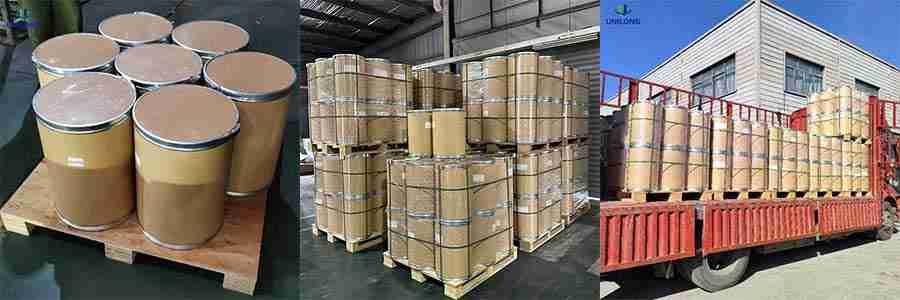
1. Plastics and Polymers
UV Absorber-2 is commonly used in PE, PP, PVC, PS, PC, PMMA, and engineering plastics. It prevents embrittlement, chalking, and loss of mechanical strength caused by UV exposure — especially important for outdoor products, automotive parts, and household goods.
2. Coatings and Paints
Widely applied in automotive coatings, industrial coatings, wood coatings, and UV-curable coatings. It helps maintain gloss, color stability, and durability under sunlight.
3. Adhesives and Sealants
Enhances UV aging resistance, improving bonding durability and preventing yellowing in transparent and high-performance adhesive systems.
4. Cosmetics and Personal Care
Ethyl 2-cyano-3,3-diphenylacrylate can be used in sunscreen products, skincare lotions, foundation, and other formulations to absorb harmful UV radiation and protect skin from premature aging.
5. Optical Films & Packaging Materials
Helps maintain clarity, reduces haze, and protects sensitive materials from UV-induced degradation. Commonly used in solar films, agricultural films, and packaging applications.
Avobenzone CAS 70356-09-1
CAS:70356-09-1
Molecular Formula:C20H22O3
Molecular Weight:310.39
EINECS:274-581-6
Synonyms:AVOBENZONE; EUSOLEX(R) 9020; 4-tert-butyl-4′-methoxy-dibenzoylmethane; 4-T-BUTYL-4′-METHOXY-DIBENZOYLMETHANE; 1-(4-(1,1-Dimethylethyl)phenyl)-3-(4-methoxyphenyl)-1,3-propanedione;1-(4-TERT-BUTYLPHENYL)-3-(4-METHOXYPHENYL) 1,3-PROPANEDIOL;1-(P-T-BUTYLPHENYL)-3-(P-METHOXYPHENYL)-1,3-PROPANEDIONE;
PARSOL 1789; 1-[4-(1,1-dimethylethyl)phenyl]-3-(4-methoxyphenyl)-3-propanedione; 1-[4-(1,2-Dimethylethyl)phenyl]-3-(4-methoxyphenyl-1,3-propanedione; Butylmethoxydibenzoylmethane; BF2AVB; 1-(4-tert-Butylphenyl)-3-(4-methoxyphenyl)-1,3-propanedione; Butyl methoxydibenzoylmethane Solution, 100ppm; LGB-AVB; UV Avobenzone
Avobenzone CAS 70356-09-1 belongs to benzenone ultraviolet absorber and is also a very important intermediate in organic synthesis. There are many kinds of ultraviolet absorbers, among which phenylketone ultraviolet absorbers are widely used, and this kind of absorbers has great practical research value.
Avobenzone CAS 70356-09-1 is a highly effective broad-spectrum oil-soluble UVA filter that, in combination with other UVB sunscreens, provides full UVA and UVB protection against photogenic skin cancer. Avobezone is A synthetic UV absorber that is a good UV-A(> 320nm) type UV absorber that blocks UVA in the full band (320 ~ 400nm).
Avobenzone belongs to benzenone ultraviolet absorber and is also a very important intermediate in organic synthesis. There are many kinds of ultraviolet absorbers, among which phenylketone ultraviolet absorbers are widely used, and this kind of absorbers has great practical research value.
| Item | Specification |
| Melting point | 81-84 °C |
| Boiling point | 463.6±35.0 °C(Predicted) |
| Density | 1.079 |
| Vapor pressure | 0Pa at 25℃ |
| LogP | 6.1 at 20℃ |
| Acidity coefficient (pKa) | 9.74±0.13(Predicted) |
25kg/drum or according to customer requirements.
Avobenzone is a highly effective broad-spectrum oil-soluble UVA filter that, in combination with other UVB sunscreens, provides full UVA and UVB protection against photogenic skin cancer. Avobezone is A synthetic UV absorber that is a good UV-A(> 320nm) type UV absorber that blocks UVA in the full band (320 ~ 400nm).
DOP CAS 35948-25-5
CAS:35948-25-5
Molecular Formula:C12H9O2P
Molecular Weight:216.17
EINECS:252-813-7
Synonyms:DOP; 10H-9-Oxa-10-phosphaphenanthrene 10-oxide; 9H,10H-9-Oxa-10-phosphaphenanthrene-10-oxide; 9-Oxa-10-phospha-9,10-dihydrophenanthrene 10-oxide; PD-3710; 9,10-DIHYDRO-9-OXA-10-PHOSPAPHENANTHRENE-10-OXIDE(DOPO); 9,10-Dihydro-9-oxa-10-phosphaphenanthrene;9,10-Dihydro-9-Oxa-10-Phospaphenanthrene-10-Oxide; 9,10-dihydro-9-oxa-10-phosphaphenanthrene-10-oxide(DOPO); FR-DOPO; DOPO Flame Retardant; Flame Retardant DOPO
What is DOP CAS 35948-25-5?
9, 10-dihydro-9-oxaze-10-phosphame-10-oxide, also known as 9,10 ‑ dihydro-9 ‑ oxaze-10 ‑ phosphame-10 ‑ oxide (DOPO), is an important new reactive phosphorous flame retardant. The flame retardants synthesized from DOPO and its derivatives have the characteristics of high efficiency, halogen-free, smokeless, non-toxic, non-migration and long-lasting flame retardancy.
Specification
| Item | Specification |
| Melting point | 119°C |
| Boiling point | 399.7±25.0 °C(Predicted) |
| Water solubility | 3.574g/L at 25℃ |
| Vapor pressure | 0.004Pa at 25℃ |
| LogP | 1.87 |
Application
DOP CAS 35948-25-5 can be used as a flame retardant of a variety of polymer materials, such as linear polyester, epoxy resin, bismaleimide, etc., and is widely used as a flame retardant of electronics, synthetic fibers, semiconductor packaging materials, etc. DOPO and its derivatives can also be used for chemical modification of polymer materials due to their special functions. In addition, DOPO can also be used as insecticide, fungicide, curing agent, antioxidant, stabilizer, photoinitiator, binder, blocking agent of harmful metal ions, pale agent of organic matter, UV absorber.
Packaging
25kg/drum or according to customer requirements.
FR-DOPO
DOPO Flame Retardant
Flame Retardant DOPO
The flame retardants synthesized from DOPO and its derivatives have the characteristics of high efficiency, halogen-free, smokeless, non-toxic, non-migration and long-lasting flame retardancy. 9, 10-dihydro-9-oxaze-10-phosphame-10-oxide, also known as 9,10 ‑ dihydro-9 ‑ oxaze-10 ‑ phosphame-10 ‑ oxide (DOPO), is an important new reactive type of phosphorous flame retardant.
| Item | Specification |
| Melting point | 119°C |
| Boiling point | 399.7±25.0 °C(Predicted) |
| Water solubility | 3.574g/L at 25℃ |
| Vapor pressure | 0.004Pa at 25℃ |
| LogP | 1.87 |
25kg/drum or according to customer requirements.
DOPO and its derivatives can be used for chemical modification of polymer materials due to their special functions. DOPO can be used as a flame retardant of a variety of polymer materials, such as linear polyester, epoxy resin, bismaleimide, etc., and is widely used as a flame retardant of electronics, synthetic fibers, semiconductor packaging materials, etc. In addition, DOPO can also be used as insecticide, fungicide, curing agent, antioxidant, stabilizer, photoinitiator, binder, blocking agent of harmful metal ions, pale agent of organic matter, UV absorber.
JADEWIN BDDP CAS 21850-44-2
CAS:21850-44-2
Molecular Formula:C21H20Br8O2
Molecular Weight:943.61
EINECS:244-617-5
Synonyms:BDDP; Octabromoether; Octabromoether(Bddp); tetrabromo-bisphenol-a-bis(2,3-dibromopropaneether); JADEWIN BDDP; 5,5′-(propane-2,2-diyl)bis(1,3-dibroMo-2-(2,3-dibroMopropoxy)benzene); Bis(2,3-dibromopropoxy)tetrabromobisphenol A; Octa ether; Tetrabromobisphenol A bis (2, 3-dibromopropyl ether) (BDDP); 2,2-BIS[4-(2,3-DIBROMOPROPOXY)- 3,5-DIBROMOPHENYL]PROPANE; 2,2-BIS[3,5-DIBROMO-4-(2,3-DIBROMOPROPOXY)PHENYL]PROPANE; TBBPA-DBPE
BDDP,Octabromoether,Octabromoether(Bddp),TBBPA-DBPE
What is JADEWIN BDDP CAS 21850-44-2?
JADEWIN BDDP CAS 21850-44-2, molecular formula C21H20O2Br8, molecular weight 934.26, melting point about 105℃, soluble in benzene, acetone, chloroform, insoluble in water alcohol, decomposition temperature 270℃, is the main product of tetrabromobisphenol A deep processing, flame retardants better. In the polymer flame retardant, octabromo ether belongs to the additive flame retardant, which is often used for the flame retardant of polypropylene, polyethylene, polybutene and many polyolefin copolymers.
Specification
| Item | Specification |
| Melting point | 117°C |
| Boiling point | 676.5±55.0 °C(Predicted) |
| Density | 2.169±0.06 g/cm3(Predicted) |
| Vapor pressure | 0.029Pa at 20℃ |
| Water solubility | 144ng/L at 20℃ |
| LogP | 7.2 |
Application
JADEWIN BDDP CAS 21850-44-2 is used as additive flame retardant for polypropylene, polyethylene, polybutene and many polyolefin copolymers, ABS resins, rubber, fibers and other polymer materials. Octabromo ether is a good flame retardant of olefin resin, mainly used in various grades of polypropylene fiber, styrene butadiene rubber, butadiene rubber and so on, flame retardant effect is remarkable.
Packaging
25kg/drum or according to customer requirements.
In the polymer flame retardant, octabromo ether belongs to the additive flame retardant, which is often used for the flame retardant of polypropylene, polyethylene, polybutene and many polyolefin copolymers. Octabromo ether, molecular formula C21H20O2Br8, molecular weight 934.26, melting point about 105℃, soluble in benzene, acetone, chloroform, insoluble in water alcohol, decomposition temperature 270℃, is the main product of tetrabromobisphenol A deep processing, flame retardants better.
| Item | Specification |
| Melting point | 117°C |
| Boiling point | 676.5±55.0 °C(Predicted) |
| Density | 2.169±0.06 g/cm3(Predicted) |
| Vapor pressure | 0.029Pa at 20℃ |
| Water solubility | 144ng/L at 20℃ |
| LogP | 7.2 |
25kg/drum or according to customer requirements.
Octabromo ether is a good flame retardant of olefin resin, mainly used in various grades of polypropylene fiber, styrene butadiene rubber, butadiene rubber and so on, flame retardant effect is remarkable. Octabromo ether is used as additive flame retardant for polypropylene, polyethylene, polybutene and many polyolefin copolymers, ABS resins, rubber, fibers and other polymer materials.
Melamine cyanurate CAS 37640-57-6
Melamine cyanurate CAS 37640-57-6
CAS:37640-57-6
Molecular Formula:C6H9N9O3
Molecular Weight:255.2
EINECS:253-575-7
Synonyms:MELAMINE CYANURATE; 1,3,5-triazine-2,4,6(1h,3h,5h)-trione,compd.with1,3,5-triazine-2,4,6-triam; 1,3,5-triazine-2,4,6(1h,3h,5h)-trione,compd.with1,3,5-triazine-2,4,6-triamin; 1,3,5-Triazine-2,4,6(1H,3H,5H)-trione,compd.with1,3,5-triazine-2,4,6-triamine(1:1); FR-MC; Melamine cyanurate (1:1); Melamine Cyanurate (MC); 2,4,6-triamino-s-triazincompd.withs-triazine-triol; d022; melamine-cyanuricacidcompd; melamineisocyanurate; melaminkyanurat; mitecmx601
What is Melamine cyanurate CAS 37640-57-6?
Melamine cyanurate CAS 37640-57-6 acid is a halogen-free flame retardant, also known as melamine cyanuric acid ester, the appearance of white crystalline powder, insoluble in water, soluble in ethanol, formaldehyde and other organic solvents; It is weakly acidic, can be well dispersed in oil medium, non-toxic, environmental protection, tasteless, stable at 300℃, 350℃ endothermic decomposition, sublimation. Melamine cyanuric acid is non-flammable, chemical properties are very stable, widely used in nylon, acrylic emulsion, polytetrafluoroethylene resin and other olefin resins as halogen-free flame retardant components.
Specification
| Item | Specification |
| Melting point | 350°C |
| Water solubility | insoluble |
| Density | 1.70 |
| LogP | -2.28 at 25℃ |
Application
Melamine cyanurate CAS 37640-57-6 can be widely used in rubber, nylon, phenolic resin, epoxy resin, acrylic emulsion, polyolefin flame retardant, with low smoke flame retardant effect, and excellent electrical properties. MCA is particularly suitable for unfilled polyamides 6 and 66, allowing them to easily achieve the flame retardant effect of UL94V-0 class.
Packaging
25kg/drum or according to customer requirements.
d022,melamine-cyanuricacidcompd,Melamineisocyanurate,Melaminkyanurat,mitecmx601
Melamine cyanurate CAS 37640-57-6 is non-flammable, chemical properties are very stable, widely used in nylon, acrylic emulsion, polytetrafluoroethylene resin and other olefin resins as halogen-free flame retardant components. Melamine cyanuric acid is a halogen-free flame retardant, also known as melamine cyanuric acid ester, the appearance of white crystalline powder, insoluble in water, soluble in ethanol, formaldehyde and other organic solvents; It is weakly acidic, can be well dispersed in oil medium, non-toxic, environmental protection, tasteless, stable at 300℃, 350℃ endothermic decomposition, sublimation.
| Item | Specification |
| Melting point | 350°C |
| Water solubility | insoluble |
| Density | 1.70 |
| LogP | -2.28 at 25℃ |
25kg/drum or according to customer requirements.
Melamine cyanuric acid is particularly suitable for unfilled polyamides 6 and 66, allowing them to easily achieve the flame retardant effect of UL94V-0 class. Melamine cyanuric acid can be widely used in rubber, nylon, phenolic resin, epoxy resin, acrylic emulsion, polyolefin flame retardant, with low smoke flame retardant effect, and excellent electrical properties.
Flame retardant DDP CAS 63562-33-4
Flame retardant DDP CAS 63562-33-4
CAS:63562-33-4
Molecular Formula:C17H15O6P
Molecular Weight:346.27
EINECS:426-480-5
Synonyms:2-[[(6H-Dibenzo[c,e][1,2]oxaphosphorin6-oxide)-6-yl]methyl]butanedioicacid; 6-(2,3-Dicarboxypropyl)-6H-dibenz[c,e][1,2]oxaphosphorin6-oxide; 6-(2,3-Dicarboxypropyl)6H-dibenzo[c,e][1,2]oxaphosphorin6-oxide; 9,10-Dihydro-10-(2,3-dicarboxypropyl)-9-oxa-10-phosphaphenanthrene10-oxide; [(6-Oxido-6H-dibenz[c,e][1,2]oxaphosphorin-6-yl)methyl]butanedioicacid; (2-[(6-oxobenzo[c][2,1]benzoxaphosphinin-6-yl)methyl]butanedioicacid); DOBA; FlameretardantDDP
DOPO-DDP,Fire retardant DDP,DOBA,Flame retardant DDP
Flame retardant DDP CAS 63562-33-4
What is Flame retardant DDP CAS 63562-33-4?
Flame retardant DDP CAS 63562-33-4 is a white powder with low solubility in hydrocarbon and ketone solvents and is easily soluble in DMF, DMSO and other organic solvents. Flame retardant DDP has high melting point, good thermal stability and non-volatile type. The synthetic flame retardant slice can be drawn film, spun filament, strong dyeability, after multiple washing or dry cleaning, flame retardant performance does not migrate, does not decay. It has a long time flame retardant performance, and has the characteristics of low smoke density, good anti-droplet effect, and non-toxic smoke.
Specification
| Item | Specification |
| Melting point | 191-192 °C |
| Boiling point | 578.3±60.0 °C(Predicted) |
| Density | 1.48±0.1 g/cm3(Predicted) |
| Vapor pressure | 0.03-0.26Pa at 20-37.75℃ |
| LogP | 1.8 at 20℃ |
| Acidity coefficient (pKa) | 4.13±0.23(Predicted) |
Application
Flame retardant DDP CAS 63562-33-4 is an organophosphorus heterocyclic compound containing two hydroxyl groups. It is a halogen-free reactive flame retardant. Flame retardant DDP is mainly applied to the flame retardant treatment of high-end PET, nylon, epoxy resin, polyurethane, unsaturated polyester resin and other polymer materials, so as to achieve excellent flame retardant effect of the product.
Packaging
25kg/drum or according to customer requirements.
Flame retardant DDP CAS 63562-33-4 has high melting point, good thermal stability and non-volatile type. The synthetic flame retardant slice can be drawn film, spun filament, strong dyeability, after multiple washing or dry cleaning, flame retardant performance does not migrate, does not decay. It has a long time flame retardant performance, and has the characteristics of low smoke density, good anti-droplet effect, and non-toxic smoke. Flame retardant DDP is a white powder with low solubility in hydrocarbon and ketone solvents and is easily soluble in DMF, DMSO and other organic solvents.
| Item | Specification |
| Melting point | 191-192 °C |
| Boiling point | 578.3±60.0 °C(Predicted) |
| Density | 1.48±0.1 g/cm3(Predicted) |
| Vapor pressure | 0.03-0.26Pa at 20-37.75℃ |
| LogP | 1.8 at 20℃ |
| Acidity coefficient (pKa) | 4.13±0.23(Predicted) |
25kg/drum or according to customer requirements.
Flame retardant DDP CAS 63562-33-4 is mainly used for flame retardant treatment of high-end PET, nylon, epoxy resin, polyurethane, unsaturated polyester resin and other polymer materials, so that the product has excellent flame retardant effect. Flame retardant DDP is an organophosphorus heterocyclic compound containing two hydroxyl groups and is a halogen-free reactive flame retardant.
ODOPB CAS 99208-50-1
CAS:99208-50-1
Molecular Formula:C18H13O4P
Molecular Weight:324.27
EINECS:619-409-6
Synonyms:10-(2,5-Dihydroxyphenyl)-10H-9-oxa-10-phosphaphenantbrene-10-oxide; 9,10-dihydroxy-9-oxa-10-[2,3-di(2-hydroxyethoxycarbonyl)propyl]-phosphaphenanthrene-10-oxide; 10-(2,5-Dihydroxyphenyl)-10H-9-0xa-10-Phospha-phenanthrene-10-Oxide; 2-(10H-9-Oxa-10-phospha-1-phenanthryl)hydroquinonephosphorusoxide; HCA-HQ; ODOPB; 10-(2,5-Dihydroxyphenyl)-10H-9-oxa-10-phosphaphenanthrene10-oxide; 10-(2,5-Dihydroxyphenyl)-9,10-dihydro-9-oxa-10-phosphaphenanthrene10-oxide
What is ODOPB CAS 99208-50-1?
ODOPB CAS 99208-50-1 appearance is white or slightly yellow, can be partially dissolved in hot methanol, ethanol, toluene and other organic solvents, almost insoluble in water. ODOPB molecular formula C18H13O4P, molecular weight 324, melting point 247 ~ 253℃, with high thermal stability, for products that must meet the requirements of ROHS, synthesis of reactive flame retardant intermediates and so on.
Specification
| Item | Specification |
| Melting point | 245-255 °C |
| Boiling point | 592.9±60.0 °C(Predicted) |
| Density | 1.49±0.1 g/cm3(Predicted) |
| Water solubility | 1.15mg/L at 20℃ |
| LogP | 1.2 at 25℃ |
| Acidity coefficient (pKa) | 9.29±0.48(Predicted) |
Application
Flame retardants are halogen-type flame retardants for the production of halogen-free flame retardant epoxy resins, flame retardants that can be used for packaging semiconductor materials, printed circuit boards, led light tubes, etc., for products that must meet rohs requirements, intermediates for synthesizing reactive flame retardants, etc.
Packaging
25kg/drum or according to customer requirements.
FR-DOPO-HQ,HCA-HQ,ODOPB,ODOBP
ODOPB molecular formula C18H13O4P, molecular weight 324, melting point 247 ~ 253℃, with high thermal stability, for products that must meet the requirements of ROHS, synthesis of reactive flame retardant intermediates and so on. ODOPB appearance is white or slightly yellow, can be partially dissolved in hot methanol, ethanol, toluene and other organic solvents, almost insoluble in water.
| Item | Specification |
| Melting point | 245-255 °C |
| Boiling point | 592.9±60.0 °C(Predicted) |
| Density | 1.49±0.1 g/cm3(Predicted) |
| Water solubility | 1.15mg/L at 20℃ |
| LogP | 1.2 at 25℃ |
| Acidity coefficient (pKa) | 9.29±0.48(Predicted) |
25kg/drum or according to customer requirements.
Flame retardants are used as intermediates for synthesizing reactive flame retardants. Flame retardants are halogen type flame retardants for the production of halogen-free flame retardant epoxy resins, which can be used as flame retardants for packaging semiconductor materials, printed circuit boards, led light tubes, etc., for products that must comply with rohs requirements.
Inhibitor 510 CAS 15305-07-4 Polymerization Inhibitor for UV Coatings & Acrylate Monomers
Inhibitor 510 CAS 15305-07-4
CAS:15305-07-4
Molecular Formula:C18H15AlN6O6
Molecular Weight:438.34
EINECS:239-341-7
Synonyms:UV510; N-NITROSO-N-PHENYLHYDROXYLAMINE ALUMINIUM SALT; n-nitroso-n-phenylhydroxylamine aluminum salt; aluminium N-nitrosophenylhydroxyamine; 8% ST + 92% 2-Phenoxyethyl Acrylate; N-nitroso-N-phenylhydroxyaMine; Tris(N-Nitroso-N-phenylhydroxylamine)luminiumsalt; N-Nitroso-N-phenylhydroxyamine Aluminum Salt(Q-1301); chemicalbook123; Syna-IN 510; N-Nitroso-N-phenylhydroxylamine aluminum salt ISO 9001:2015 REACH; Aluminium-N-nitroso-N-phenylhydroxyamine; INHIBITOR NPAL; JADEWIN 510; NPAL INHIBITOR
Inhibitor 510 CAS 15305-07-4
Aluminium-N-nitroso-N-phenylhydroxyamine,INHIBITOR NPAL,JADEWIN 510,NPAL INHIBITOR
What is Inhibitor 510 CAS 15305-07-4?
Inhibitor 510 CAS 15305-07-4 is an important analytical reagent, which can form water-insoluble precipitates with copper, iron, aluminum, titanium, etc., and can be extracted by chloroform, ethyl acetate and other organic solvents.
Specification
| Item | Specification |
| Melting point | 167-170°C |
| Boiling point | 168-170°C |
| Density | 1.389[at 20℃] |
| Vapor pressure | 0Pa at 20℃ |
| Water solubility | 280μg/L at 20℃ |
Application
Inhibitor 510 CAS 15305-07-4, also known as N-Nitroso-N-phenylhydroxylamine aluminum salt, is a highly effective polymerization inhibitor widely used in UV-curing systems. It prevents premature polymerization during storage and transportation, helping improve formulation stability and extend shelf life.
Main applications include:
- UV inks and UV-curable coatings
- UV adhesives and photoresist materials
- Unsaturated polyester resins
- Vinyl monomers and acrylate oligomers
- Acrylic acid and reactive monomer stabilization
- Formulations used with UV Monomer products and Polymerization Inhibitor products
Inhibitor 510 is commonly used in systems containing “4-Acryloylmorpholine” to improve storage safety and reduce unwanted self-polymerization in UV formulations.
Key Advantages
- Excellent inhibition efficiency for UV-curing systems
- Effectively prevents premature polymerization during storage
- Superior performance compared with hydroquinone and MEHQ inhibitors
- Good compatibility with acrylate monomers and oligomers
- Improves storage stability of UV inks, coatings, and adhesives
- Suitable for photoresists and unsaturated polyester systems
- Widely used in advanced polymer additive solutions for UV-curing industries
As a professional UV additives manufacturer, Unisunchem supplies stable-quality polymerization inhibitors and UV raw materials for industrial applications worldwide.
Packaging
25kg/drum or according to customer requirements.
FAQ
Q1:What is Inhibitor 510 used for?
Inhibitor 510 is mainly used as a polymerization inhibitor in UV inks, UV coatings, UV adhesives, photoresists, vinyl monomers, and unsaturated polyester resin systems.
Q2:How does Inhibitor 510 work in UV formulations?
It prevents premature free-radical polymerization during storage, helping improve formulation stability and extend shelf life of UV-curing products.
Q3:Is Inhibitor 510 better than traditional inhibitors?
Yes. Inhibitor 510 often provides better stabilization performance than traditional inhibitors such as hydroquinone and 4-Methoxyphenol (MEHQ).
Q4:Which products are commonly used together with Inhibitor 510?
It is commonly used with “4-Acryloylmorpholine”, HDDA, PETA, and other UV monomers and acrylate oligomers in UV-curing systems.
Q5:Why choose Unisunchem as your supplier?
Unisunchem is a professional polymer additives manufacturer specializing in UV monomers, photoinitiators, UV absorbers, and polymerization inhibitors for industrial applications worldwide.
N-nitroso-n-phenylhydroxylamine ammonium salt can form water-insoluble precipitates with copper, iron, aluminum, titanium, etc., and can be extracted by trichloromethane, ethyl acetate and other organic solvents. N-nitroso-n-phenylhydroxylamine ammonium salt is an important analytical reagent.
| Item | Specification |
| Melting point | 167-170°C |
| Boiling point | 168-170°C |
| Density | 1.389[at 20℃] |
| Vapor pressure | 0Pa at 20℃ |
| Water solubility | 280μg/L at 20℃ |
25kg/drum or according to customer requirements.
N-nitroso-n-phenylhydroxylamine ammonium salt can be used as inhibitor and inhibitor of UV formula products, and the effect of polymerization inhibitor is better than that of traditional common polymerization inhibitor hydroquinone, p-methoxyphenol and other products, and can be used to extend the storage time of olefin resin. It is widely used in UV inks, UV coatings, UV adhesives, photoresists, unsaturated polyester resins, vinyl monomers and acrylate oligomers.
optical brightenerKSB(FBA369) CAS 1087737-53-8
optical brightenerKSB(FBA369) CAS 1087737-53-8
CAS:1087737-53-8
Molecular Formula:C26H18N2O2
Molecular Weight:390.43
EINECS:
Synonyms:1-[(2-phenoxy-1-naphthyl)diazenyl]-2-naphthol; optical brightenerKSB(FBA369); 2-Naphthalenol, 1-[(1E)-2-(2-phenoxy-1-naphthalenyl)diazenyl]-
What is optical brightenerKSB(FBA369) CAS 1087737-53-8?
optical brightenerKSB(FBA369) CAS 1087737-53-8 is a yellow-green powder with a blue-white fluorescent color. Maximum absorption wavelength 370nm. optical brightenerKSB(FBA369) has the characteristics of good compatibility, easy precipitation, small amount of addition, good whitening effect, excellent heat and light resistance, and does not react with blowing agents and crosslinkers. optical brightenerKSB(FBA369) is suitable for brightening and brightening polyester fibers and polyester blended fabrics.
Specification
| Item | Specification |
| Melting point | 200.5-201.5 °C |
| Boiling point | 606.0±40.0 °C(Predicted) |
| Density | 1.21±0.1 g/cm3(Predicted) |
| Acidity coefficient (pKa) | 11.70±0.50(Predicted) |
Application
optical brightenerKSB(FBA369) is suitable for material film, press film molding materials, injection molding materials, etc. Excellent brightening effect on polyolefin, PVC, foamed PVC, TPR, EVA and PU foam, synthetic rubber, etc.optical brightenerKSB(FBA369) can also be used for brightening paint, natural paint, etc. It has special effect on foamed plastics, especially EVA and PE foam.
Packaging
25kg/drum or according to customer requirements.
optical brightenerKSB(FBA369) has the characteristics of good compatibility, easy precipitation, small amount of addition, good whitening effect, excellent heat and light resistance, and does not react with blowing agents and crosslinkers. optical brightenerKSB(FBA369) is a yellow-green powder with a blue-white fluorescent color. Maximum absorption wavelength 370nm. optical brightenerKSB(FBA369) is suitable for brightening and brightening polyester fibers and polyester blended fabrics.
| Item | Specification |
| Melting point | 200.5-201.5 °C |
| Boiling point | 606.0±40.0 °C(Predicted) |
| Density | 1.21±0.1 g/cm3(Predicted) |
| Acidity coefficient (pKa) | 11.70±0.50(Predicted) |
25kg/drum or according to customer requirements.
optical brightenerKSB(FBA369) can also be used for brightening coatings, natural paints, etc., and has special effects on foam plastics, especially EVA and PE foam. optical brightenerKSB(FBA369) is suitable for material film, press film molding materials, injection molding materials, etc. It has excellent whitening effect on polyolefin, PVC, foamed PVC, TPR, EVA and PU foam, synthetic rubber, etc.
Fluorescent Brightener ER CAS 13001-39-3
Fluorescent Brightener ER CAS 13001-39-3
CAS:13001-39-3
Molecular Formula:C24H16N2
Molecular Weight:332.4
EINECS:235-835-1
Synonyms:Fluorescent Brightener ER; 1,4-BIS(2-CYANO STYRYL)BENZENE; 2,2’-(1,4-phenylenedi-2,1-ethenediyl)bis-benzonitril; 2-[(E)-2-[4-[(E)-2-(2-cyanophenyl)ethenyl]phenyl]ethenyl]benzonitrile; ER-1; 2,2’-(1,4-phenylenedi-2,1-ethenediyl)bis-Benzonitrile; Fluorescent Brightener ER-I;
2,2′-(p-phenylenediethene-2,1-diyl)bisbenzonitrile; FLUORESCENT ; BLEACHES ER; 2,2′-(p-Phenylendiethen-2,1-diyl)bisbenzonitril; 4,4-BIS[(2-CYANO-PHENYL)ETHENYL]BENENE; 2,2′-[1,4-Phenylenebis(2,1-ethenediyl)]bisbenzonitrile; 2,2′-[1,4-Phenylenebis(ethene-2,1-diyl)]bisbenzonitrile; 4′-(2-Cyanostyryl)-2-stilbenecarbonitrile; B-ER;
Cyanostyryl benzene
Optical Brightener ER-1,B-ER,Cyanostyryl benzene,Fluorescent brightener ER-1
What is Fluorescent Brightener ER CAS 13001-39-3?
Fluorescent whitening agent ER-I is a stilbene fluorescent whitening agent. It is yellowish-green powder in appearance, and its color light is blue-purple fluorescence. It has excellent light and heat resistance, and does not react with reducing agents, oxidants, hypochlorous acid compounds. It has the characteristics of good compatibility, small amount of addition, high fluorescence intensity and good whitening effect. It is suitable for whitening and brightening of polyester and its blended fabrics and acetate fibers.
Specification
| Item | Specification |
| Melting point | 229-231 °C |
| Boiling point | 575.7±50.0 °C |
| Density | 1.18±0.1 g/cm3 |
| Vapor pressure | 0Pa at 25℃ |
| Water solubility | 24μg/L at 25℃ |
Application
Fluorescent whitening agent ER-I is suitable for polyester and its blended fabrics, acetate fiber brightening and brightening, with good low temperature coloring ability, suitable for dry dyeing or pad dyeing process, for reducing agents, oxidants, hypochlorous acid compounds are stable, the fluorescence intensity is very high, as long as a small amount of addition can brightening and brightening. General recommended dosage of fluorescent whitening agent ER-I: 0.02-0.05%.
Packaging
25kg/drum or according to customer requirements.
Fluorescent whitening agent ER-I has excellent light and heat resistance, and does not react with reducing agents, oxidants, hypochlorous acid compounds. It has the characteristics of good compatibility, small amount of addition, high fluorescence intensity and good whitening effect. It is suitable for whitening and brightening of polyester and its blended fabrics and acetate fibers. Fluorescent whitening agent ER-I is a stilbene fluorescent whitening agent. It is yellowish-green powder in appearance, and its color light is blue-purple fluorescence.
| Item | Specification |
| Melting point | 229-231 °C |
| Boiling point | 575.7±50.0 °C |
| Density | 1.18±0.1 g/cm3 |
| Vapor pressure | 0Pa at 25℃ |
| Water solubility | 24μg/L at 25℃ |
25kg/drum or according to customer requirements.
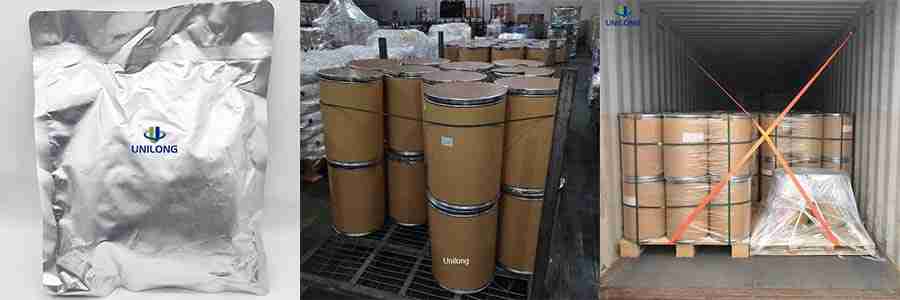
General recommended dosage of fluorescent whitening agent ER-I: 0.02-0.05%. Fluorescent whitening agent ER-I is suitable for polyester and its blended fabrics, acetate fiber brightening and brightening, with good low temperature coloring ability, suitable for dry dyeing or pad dyeing process, for reducing agents, oxidants, hypochlorous acid compounds are stable, the fluorescence intensity is very high, as long as a small amount of addition can brightening and brightening.
1,4-Bis(4-cyanostyryl)benzene CAS 13001-40-6
1,4-Bis(4-cyanostyryl)benzene CAS 13001-40-6
CAS:13001-40-6
Molecular Formula:C24H16N2
Molecular Weight:332.4
EINECS:235-836-7
Synonyms:optical brightener 199; 1,4-BIS(4-CYANOSTYRYL)BENZENE; 4,4′-(p-phenylenediethene-2,1-diyl)bisbenzonitrile; Optical Brightening Agent ER C. I. 199; Benzonitrile, 4,4-(1,4-phenylenedi-2,1-ethenediyl)bis-; 1,4-BIS(2-CYANO STYRYL)BENZENE 99+%; Fluorescent Whitening Agent ER; Brightener ER for dacron; palanib-riliantweiss R, blankophor ER; 4,4′-[1,4-Phenylenebis(ethene-1,2-diyl)]bisbenzonitrile; 4,4′-[1,4-Phenylenebis(ethene-2,1-diyl)]bisbenzonitrile; 4,4′-[p-Phenylenebis(1,2-ethenediyl)]bis(benzonitrile); 4,4′-[p-Phenylenebis(ethene-2,1-diyl)]bis(benzenecarbonitrile); 4,4′-(1,4-phenylenedi-2,1-ethenediyl)bisbenzonitrile
What is 1,4-Bis(4-cyanostyryl)benzene CAS 13001-40-6?
1,4-Bis(4-cyanostyryl)benzene CAS 13001-40-6 is a greenish-yellow crystal. Soluble in most organic solvents. Stable for cationic softeners. It can be used with sodium hypochlorite, hydrogen peroxide and reducing bleach in the same bath. Fast to sunlight and sublimation, strong suitable for various dyeing methods.
Specification
| Item | Specification |
| Melting point | 230-234°C |
| Boiling point | 571.3±50.0 °C |
| Density | 1.18±0.1 g/cm3 |
Application
1,4-Bis(4-cyanostyryl)benzene CAS 13001-40-6 was used to enhance the whiteness of polyester, acetate, polyamide and polyester/cotton blended fabrics. After treatment with it, the fabric has high whiteness and pure color. 1, 4-BIS (4-cyanostyryl) is suitable for whitening and brightening of polyester fiber. It also has good whitening effect on polyethylene, polystyrene and other plastics and products.
Packaging
25kg/drum or according to customer requirements.
1,4-Bis(4-cyanostyryl)benzene CAS 13001-40-6
1, 4-BIS (4-cyanostyryl) is fast and strong on various dyeing methods. 1, 4-bis (4-cyanostyryl)benzene is a greenish-yellow crystal. Soluble in most organic solvents. Stable for cationic softeners. It can be used with sodium hypochlorite, hydrogen peroxide and reducing bleach in the same bath.
| Item | Specification |
| Melting point | 230-234°C |
| Boiling point | 571.3±50.0 °C |
| Density | 1.18±0.1 g/cm3 |
25kg/drum or according to customer requirements.
1, 4-BIS (4-cyanostyryl) is suitable for whitening and brightening of polyester fiber. It also has good whitening effect on polyethylene, polystyrene and other plastics and products. 1, 4-BIS (4-cyanostyryl) was used to enhance the whiteness of polyester, acetate, polyamide and polyester/cotton blended fabrics. After treatment with it, the fabric has high whiteness and pure color.
Fluorescent Brightener KS-N CAS 5242-49-9
Fluorescent Brightener KS-N CAS 5242-49-9
CAS:5242-49-9
Molecular Formula:C29H20N2O2
Molecular Weight:428.48
EINECS:226-044-2
Synonyms:4-(Benzoxazol-2-yl)-4′-(5-methylbenzoxazol-2-yl)stilbene; 2-[4-[2-[4-(Benzoxazol-2-yl)phenyl]vinyl]phenyl]-5-methylbenzoxazol; 2-{4-{2-[4-(2-Benzoxazolyl)-phenyl]-vinyl}-phenyl}-5-methylbenzoxazole; 4-BIS(5-METHYL-2-BENZIAZOLYL)ETHLENE,99.5+%; OPTICAL BRIGHTENER 368; FBA 368; Optical Brightener KSN; KSNFluorescent Brightener; 2-[4-[4-(2-benzoxazolyl)styryl]phenyl]-5-methylbenzoxazole; 5-methyl-2,2′-(vinylenedi-p-phenylene)bis-benzoxazole; 4-(2-BENZOXAZOLYL)-4′-(5-METHYL-2-BENZOXAZOLYL)STILBENE; Fluorescent Brightener KS-N;KSN; 2-[4-[2-[4-(benzoxazol-2-yl)phenyl]vinyl]phenyl]-5-methylbenzoxazole
What is Fluorescent Brightener KS-N CAS 5242-49-9?
Fluorescent Brightener KS-N CAS 5242-49-9 brightens fluorescent brightener very well and enjoys a reputation as the king of brightener in the country, often used in high-end plastics with high whitness requirements. Fluorescent Brightener KS-N appearance yellowish-green crystalline powder melting point; Fluorescent Brightener KS-N is insoluble in water, odorless and stable.
Specification
| Item | Specification |
| Melting point | >273°C (dec.) |
| Boiling point | 578.9±39.0 °C(Predicted) |
| Density | 1.26 |
| Solubility | DMSO |
| Acidity coefficient (pKa) | 2.65±0.10(Predicted) |
Application
Fluorescent Brightener KS-N CAS 5242-49-9 has a similar chemical structure to OB-1, but brightens polyester and plastic products better than OB-1, and has better compatibility with plastics than OB-1, producing very good whitening in small amounts, which is far less fluorescent than OB-1. Fluorescent Brightener KS-N is used for fluorescent brightening in all plastics especially in synthetic fibers, but also for brightening and brightening colors in paints, inks, paints and other industries.
Packaging
25kg/drum or according to customer requirements.
Fluorescent whitening agent KSN is a benzoazole compound, which is an excellent upgrading product among many fluorescent whitening agents at present. It is blue and purple in color and has excellent light resistance, which is suitable for all plastics, especially in synthetic fibers.
| Item | Specification |
| Melting point | >273°C (dec.) |
| Boiling point | 578.9±39.0 °C(Predicted) |
| Density | 1.26 |
| Solubility | DMSO |
| Acidity coefficient (pKa) | 2.65±0.10(Predicted) |
25kg/drum or according to customer requirements.
Fluorescent Brightener KS-N is used for fluorescent brightening in all plastics especially in synthetic fibers, but also for brightening and brightening colors in paints, inks, paints and other industries. Fluorescent Brightener KS-N has a similar chemical structure to OB-1, but brightens polyester and plastic products better than OB-1, and has better compatibility with plastics than OB-1, producing very good whitening in small amounts, which is far less fluorescent than OB-1.
Optical Brightener ER-II CAS 13001-38-2
Optical Brightener ER-II CAS 13001-38-2
CAS:13001-38-2
Molecular Formula:C24H16N2
Molecular Weight:332.4
EINECS:235-834-6
Synonyms:Optical Brightener ER-II; Whitening Agent 199:1/Fluorescent Whitening Agent; OPTICAL BRIGHTENER 199:1 POWDER; OBA FOR PES; 1-(2-Cyanostyryl)-4-(4-cyanostyryl)benzene ISO 9001:2015 REACH; FLUORESCENT BRIGHTENER EB-330 C.I.199:1; OPTICAL BRIGHTENING AGENT 199:1 LIQUID,OPTICAL BRIGHTENER 199:1 LIQUID; FLUORESCENT BRIGHTENER ER-II C.I.199:1; OPTICAL BRIGHTENING AGENT 199:1; OPTICAL WHITENING AGENT 199:1; 1-(o-cyanostyryl)-4-(p-cyanostyryl)benzene; 1-(2-Cyanostyryl)-4-(4-cyanostyryl)benzen; ER-II Optical Brightener
What is Optical Brightener ER-II CAS 13001-38-2?
Optical Brightener ER-II CAS 13001-38-2 is a stilbene fluorescent brightener with a pale yellow powder appearance and blue-purple fluorescence. With good low temperature coloring ability, suitable for immersion dyeing, pad dyeing. It is especially suitable for whitening and brightening of polyester and its blended fabrics and acetate fibers.
Specification
| Item | Specification |
| Melting point | 181-186°C |
| Boiling point | 573.5±50.0 °C |
| Density | 1.18±0.1 g/cm3 |
| Vapor pressure | 0Pa at 25℃ |
| LogP | 1.527 at 20℃ |
Application
Optical Brightener ER-II CAS 13001-38-2 is mainly used for brightening and brightening of polyester, polyester cotton, polyester silk, polyester yarn, polyester wool, polyester linen and other blended textiles. Optical Brightener ER-II is also used for brightening and brightening of artificial leather, coatings and other industries.
Packaging
25kg/drum or according to customer requirements.
Optical Brightener ER-II is especially suitable for brightening and brightening polyester and its blended fabrics and acetate fibers. Optical Brightener ER-II is a stilbene fluorescent brightener with a pale yellow powder appearance and blue-purple fluorescence. With good low temperature coloring ability, suitable for immersion dyeing, pad dyeing.
| Item | Specification |
| Melting point | 181-186°C |
| Boiling point | 573.5±50.0 °C |
| Density | 1.18±0.1 g/cm3 |
| Vapor pressure | 0Pa at 25℃ |
| LogP | 1.527 at 20℃ |
25kg/drum or according to customer requirements.
Optical Brightener ER-II is mainly used for brightening artificial leather, coatings and other industries. Optical Brightener ER-II is also used for brightening and brightening blended fabrics such as polyester, polyester cotton, polyester silk, polyester yarn, polyester wool and polyester linen.
Fluorescent Brightener 378 CAS 40470-68-6
Fluorescent Brightener 378 CAS 40470-68-6
CAS:40470-68-6
Molecular Formula:C30H26O2
Molecular Weight:418.53
EINECS:254-935-6
Synonyms:UVITEX FP; Fluorescent Brightener FP; FP; OPTICAL BRIGHTENER 378;Optical Brightener FP-127; Fluorescent Brightener CBS-127; cbs-127(fluorescentbrightener); fluorescent brightener 378; CBS-127; 4,4′-BIS-[(2-METHOXYPHENYL)ETHENEYL] 1,1′-BIPHENYL; 4,4′-BIS(2-METHOXYSTYRYL)-1,1′-BIPHENYL; 4,4′-BIS(2-METHOXYSTYRYL)BIPHENYL; 1,1′-biphenyl-4,4′-bis[2-(methoxyphenyl)ethenyl]; CSFC 127; Fluorescent Brightener FP-127; PGF receptor; PGF2 alpha receptor; PGF2-alpha receptor; Prostaglandin F receptor (FP); PTGFR; Optical Brighter FP127
What is Fluorescent Brightener 378 CAS 40470-68-6?
Fluorescent Brightener 378 CAS 40470-68-6 has the molecular formula C30H26O2 with a molecular weight of 418.53, promising fluorescent applications. Fluorescent Brightener 378 is light lemon color with fluorescent and smells faintly of lime.
Specification
| Item | Specification |
| Melting point | 216-222°C |
| Boiling point | 590.3±50.0 °C(Predicted) |
| Density | 1.133±0.06 g/cm3(Predicted) |
| Vapor pressure | 10Pa at 25℃ |
| LogP | 7.7 at 25℃ |
Application
Fluorescent Brightener 378 CAS 40470-68-6 is suitable for brightening polyvinyl chloride and polystyrene products and other thermoplastics. Fluorescent Brightener 378 is used for brightening artificial leather, synthetic leather and printing ink coatings.
Packaging
25kg/drum or according to customer requirements.
Fluorescent Brightener 378 is light lemon color with fluorescent and smells faintly of lime. Fluorescent Brightener 378 has the molecular formula C30H26O2 with a molecular weight of 418.53, promising fluorescent applications.
| Item | Specification |
| Melting point | 216-222°C |
| Boiling point | 590.3±50.0 °C(Predicted) |
| Density | 1.133±0.06 g/cm3(Predicted) |
| Vapor pressure | 10Pa at 25℃ |
| LogP | 7.7 at 25℃ |
25kg/drum or according to customer requirements.
Fluorescent Brightener 378 is used for brightening artificial leather, synthetic leather and printing ink coatings. Fluorescent Brightener 378 is suitable for brightening polyvinyl chloride and polystyrene products and other thermoplastics.
Fluorescent Brightener 367 CAS 5089-22-5
Fluorescent Brightener 367 CAS 5089-22-5
CAS:5089-22-5
Molecular Formula:C24H14N2O2
Molecular Weight:362.38
EINECS:225-803-5
Synonyms:2,2’-(1,4-naphthalenediyl)bis-benzoxazol; Fluorescent Brightener 367; Fluorescent Brightener KCB; KCB; Optical Brightening Agent KCB C. I. 367;
DIBENZOXAZOYL NAPHTHALENE; 1,4-BIS(BENZOXAZOLYL-2-YL)NAPHTHALENE; 1,4-BIS-BENZOXAZOLYL-NAPHTHALENE; 1,4-BIS(2-BENZOXAZOLYL)NAPHTHALENE; 1,4-bis(2-benzoxazolyl)napthalene2,2′-(naphthalene-1,4-diyl)bis(benzoxazole); 2,2-(1,4-Naphthalenediyl)bis-benzoxazole; 2,2′-(Naphthalin-1,4-diyl)bis(benzoxazol); 1,4-DI(BENZO[D]OXAZOL-2-YL)NAPHTHALENE; OpticalBrighteningAgentKCBC.I; Benzoxazole, 2,2-(1,4-naphthalenediyl)bis-
B-KCB
What is Fluorescent Brightener 367 CAS 5089-22-5?
Fluorescent Brightener 367 CAS 5089-22-5 appears as a yellow-green powder with blue-white fluorescent color. Fluorescent Brightener 367 soluble in toluene, acetone, mesitylene, polyvinyl chloride, carbon tetrachloride, dimethylformamide, Max absorption wavelength 370nm, Max fluorescence emission wavelength 437nm. Fluorescent Brightener 367 features good compatibility, easy precipitation, low addition, good whitening, excellent heat and light resistance, and does not react with foaming agents and crosslinkers.
Specification
| Item | Specification |
| Melting point | 210-212°C |
| Boiling point | 521.9±33.0 °C(Predicted) |
| Density | 1.320±0.06 g/cm3(Predicted) |
| LogP | 7.57 at 25℃ |
| Acidity coefficient (pKa) | 1.24±0.10(Predicted) |
Application
Fluorescent Brightener 367 is suitable for use in plastics, fibres and also has significant brightening for coloured plastics. Fluorescent Brightener 367 is especially suitable for brightening EVA, TPR, PVC, PU.
Packaging
25kg/drum or according to customer requirements.
Fluorescent Brightener 367 soluble in toluene, acetone, mesitylene, polyvinyl chloride, carbon tetrachloride, dimethylformamide, Max absorption wavelength 370nm, Max fluorescence emission wavelength 437nm. Fluorescent Brightener 367 appears as a yellow-green powder with blue-white fluorescent color. Fluorescent Brightener 367 features good compatibility, easy precipitation, low addition, good whitening, excellent heat and light resistance, and does not react with foaming agents and crosslinkers.
| Item | Specification |
| Melting point | 210-212°C |
| Boiling point | 521.9±33.0 °C(Predicted) |
| Density | 1.320±0.06 g/cm3(Predicted) |
| LogP | 7.57 at 25℃ |
| Acidity coefficient (pKa) | 1.24±0.10(Predicted) |
25kg/drum or according to customer requirements.
Fluorescent Brightener 367 is especially suitable for brightening EVA, TPR, PVC, PU. Fluorescent Brightener 367 is suitable for use in plastics, fibres and also has significant brightening for coloured plastics.
Fluorescent Brightener 220 CAS 16470-24-9
Fluorescent Brightener 220 CAS 16470-24-9
CAS:16470-24-9
Molecular Formula:C40H45N12NaO16S4
Molecular Weight:1101.1
EINECS:240-521-2
Synonyms:Blankophor,PhorwhiteBBU; OPTICAL BRIGHTENER BBU 130%; OPTICAL BRIGHTENER (UREA FREE TETRA CAS 16470-24-9 E11=125); Fluorescent Brightener 220 ISO 9001:2015 REACH; OPTICAL BRIGHTENING AGENT BBU C.I.220; FLUORESCENT BRIGHTENER APC OPTICAL BRIGHTENER 220 LIQUID; OPTICAL BRIGHTENING AGENT 220 LIQUID; TETRA SULPHONIC; Optical Brightener 220; Fluorescent brightener 220(BLANKOPHOR); Fluorescent brightener BBU (C.I.220); Optical Brightener BBU Liquid; FLUORESCENTBRIGHTNER220; FLUORESCENTBRIGHTENNER220; BLANKOPHORP; BRIGHTENER220; 3,5-triazin-2-yl)amino)–6-((4-sulfophenyl)amino)-tetrasodiumsalt; 3,5-triazin-2-yl]amino]–6-[(4-sulfophenyl)amino]-tetrasodiumsalt
What is Fluorescent Brightener 220 CAS 16470-24-9?
The fluorescent whitening agent BBU is a styrene-tetrasulfonic acid type fluorescent whitening agent with good water solubility and stable performance. It is not sensitive to hard water, does not react with reducing agents and oxidants, and Ca2+ and Mg2+ do not affect the whitening effect. It is suitable for brightening cotton fiber and viscose fiber.
Specification
| Item | Specification |
| Water solubility | 10-650g/L at 20-26℃ |
| Density | 0.526-1.56[at 20℃] |
| Vapor pressure | 0-0Pa at 25℃ |
| LogP | -11.8–1 at 25℃ |
Application
The fluorescent whitening agent BBU is suitable for paper coating. The general dosage of fluorescent whitening agent BBU is: liquid whitening agent to dry pulp weight: 0.5-1%; The maximum dosage should not exceed 1.5%.
Packaging
25kg/drum or according to customer requirements.
The fluorescent whitening agent BBU is not sensitive to hard water, does not react with reducing agents and oxidants, and Ca2+ and Mg2+ do not affect the whitening effect. It is suitable for brightening cotton fiber and viscose fiber. The fluorescent whitening agent BBU is a styrene-tetrasulfonic acid type fluorescent whitening agent with good water solubility and stable performance.
| Item | Specification |
| Water solubility | 10-650g/L at 20-26℃ |
| Density | 0.526-1.56[at 20℃] |
| Vapor pressure | 0-0Pa at 25℃ |
| LogP | -11.8–1 at 25℃ |
25kg/drum or according to customer requirements.
The fluorescent whitening agent BBU is used for brightening and brightening cotton, fiber, viscose fiber and paper. The fluorescent whitening agent BBU is suitable for paper coating. The general dosage of fluorescent whitening agent BBU is: liquid whitening agent to dry pulp weight: 0.5-1%; The maximum dosage should not exceed 1.5%.
Fluorescent Brightener 87 CAS 12768-91-1
Fluorescent Brightener 87 CAS 12768-91-1
CAS:12768-91-1
Molecular Formula:C40H40N12O16S4.4Na
Molecular Weight:1165.05
EINECS:
Synonyms:Kayaphor S; fluorescent brightener 87; Fluorescent brightening agent 87; Optical Brightener BA(C I 113); Fluorescent Brightener 87 (Technical Grade); Fluorescent Brightener 87 ISO 9001:2015 REACH; Optical Brightener VBU
What is Fluorescent Brightener 87 CAS 12768-91-1?
Fluorescent whitening agent is a colorless organic compound that can produce fluorescence, which can improve the whiteness and luster of the substance. Mainly used in textile, paper, plastic and synthetic detergent industries.
Specification
| Item | Specification |
| Melting point | >300°C |
| Solubility | Slightly soluble in water |
| Content | ≥99.0% |
| Moisture | ≤5.0% |
| Fluorescence intensity | 100 |
Application
Fluorescent whitening agent 87 belongs to stilbene type fluorescent whitening agent, is the largest variety and quantity of fluorescent whitening agent, mainly used in cotton fiber, paper and detergent industry, such as fluorescent whitening agent DMS has blue fluorescence. With the basic structure of coumarone, it is used for brightening wool, silk and nylon fabrics, and also used in plastics industry.
Packaging
25kg/drum or according to customer requirements.
Fluorescent Brightener 87 CAS 12768-91-1 has the basic structure of coumarone. Fluorescent whitening agent is a colorless organic compound that can produce fluorescence, which can improve the whiteness and luster of the substance. Mainly used in textile, paper, plastic and synthetic detergent industries.
| Item | Specification |
| Melting point | >300°C |
| Solubility | Slightly soluble in water |
| Content | ≥99.0% |
| Moisture | ≤5.0% |
| Fluorescence intensity | 100 |
25kg/drum or according to customer requirements.
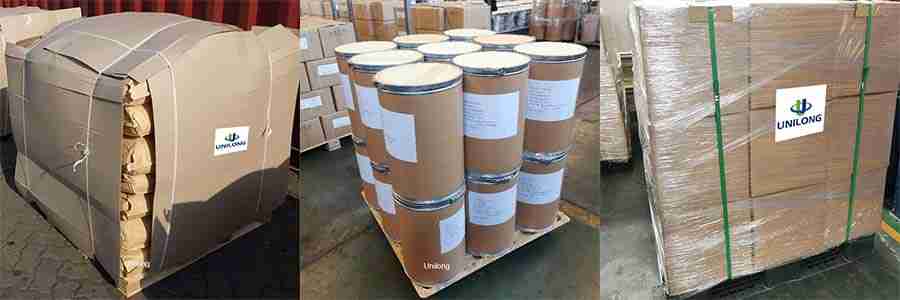
Fluorescent Brightener 87 CAS 12768-91-1 has the basic structure of coumarone and is used for whitening wool, silk and nylon fabrics, and also used in plastics industry. Fluorescent whitening agent 87 belongs to stilbene type fluorescent whitening agent, is the largest variety and quantity of fluorescent whitening agent, mainly used in cotton fiber, paper and detergent industry, such as fluorescent whitening agent DMS has blue fluorescence.
Fluorescent brightener 85 CAS 12224-06-5
Fluorescent brightener 85 CAS 12224-06-5
CAS:12224-06-5
Molecular Formula:C36H34N12Na2O8S2
Molecular Weight:872.8403
EINECS:602-364-1
Synonyms:fluorescent brightener 85; Disodium 4,4′-bis[(4-anilino-6-hydroxyethylamino-1,3,5-triazin-2-yl)amino]stilbene-2,2′-disulphonate; Optical Brightener VBL;
Optical Brightening Agent Vbl; Fluorescent brightening agent 85; Fluorescent brightener VBL (C.I.85); optical brightenerVBL(OBA85); yinguangzhengbuaji;
Fluorescent brightener 85 VBL; Fluorescent brightener 85 ISO 9001:2015 REACH; OPTICAL BRIGHTENING AGENT 85; TIANFU-CHEM CAS:12224-06-5 Fluorescent brightener 85
What is Fluorescent brightener 85 CAS 12224-06-5?
Fluorescent brightener 85 is a pale yellow powder. It is an anionic compound that dissolves in soft water and condenses when it begins to dissolve, diluted with water and fully stirred to obtain a clear liquid. Fluorescent brightener 85 bath dye needs to be neutral or slightly alkaline. It can be mixed with anionic and non-ionic active agents, anionic dyes, and should not be used in the same bath as cationic dyes and cationic surfactant synthetic resin.
Specification
| Item | Specification |
| Appearance | Pale yellow to yellow powder |
| Content | ≥99.0% |
| Fluorescence intensity | 100 |
| Water insoluble matter | ≤0.5% |
| Moisture | ≤5.0% |
Application
Fluorescent brightener 85 CAS 12224-06-5 mainly used for brightening cellulosic fabrics and paper, brightening of light coloured fabrics and whitening of dial-dye prints. Fluorescent brightener 85 Fluorescent Brightener 85 Fluorescent Brightener is similar to dye in that it can be promoted with salt, sodium sulfate and slow dyed with levelling agent. Temperature is closely related to time and degree of fluorescent staining. Fluorescent brightener 85 Fluorescent Brightener 85 has low price, good affinity, high fluorescence intensity and is widely used in industry.
Packaging
25kg/drum or according to customer requirements.
Fluorescent brightener 85 bath dye needs to be neutral or slightly alkaline. It can be mixed with anionic and non-ionic active agents, anionic dyes, and should not be used in the same bath as cationic dyes and cationic surfactant synthetic resin. Fluorescent brightener 85 is a pale yellow powder. It is an anionic compound that dissolves in soft water and condenses when it begins to dissolve, diluted with water and fully stirred to obtain a clear liquid.
| Item | Specification |
| Appearance | Pale yellow to yellow powder |
| Content | ≥99.0% |
| Fluorescence intensity | 100 |
| Water insoluble matter | ≤0.5% |
| Moisture | ≤5.0% |
25kg/drum or according to customer requirements.
Fluorescent brightener 85 has low price, good affinity, high fluorescence intensity and is widely used in industry. Fluorescent brightener 85 mainly used for brightening cellulosic fabrics and paper, brightening of light coloured fabrics and whitening of dial-dye prints. Fluorescent brightener 85 is similar to dye in that it can be promoted with salt, sodium sulfate and slow dyed with levelling agent. Temperature is closely related to time and degree of fluorescent staining.
BBOT150 CAS 7128-64-5
CAS:7128-64-5
Molecular Formula:C26H26N2O2S
Molecular Weight:430.56
EINECS:230-426-4
Synonyms:BBOT; 2,5-DI(5-TERT-BUTYLBENZOXAZOL-2-YL)THIOPHENE; 2,5-BIS-2(5-TERT-BUTYL-BENZOXALYL)THIOPHENE; 2,5-BIS(5-TERT-BUTYLBENZOXAZOYL)-2-THIOPHENE; 2,5-BIS(5-TERT-BUTYL-BENZOXAZOL-2-YL)THIOPHENE; 2,5-BIS(5′-TERT-BUTYL-2′-BENZOXAZOLYL)THIOPHENE; BBOT, scintillation grade; OpticalBrighteningAgentOBC.I.; 2,2-(2,5-two phenylthio)-[5-(1,1- twoMethyl ethyl)]benzoxazoles; 2,5-Bis(5-tert-butyl-2-benzoxazolyl)thiophene,99%;
2,5-Bis(5-tert-butyl-2-benzoxazolyl)thiophene; Optical Brighter OB; ,5-Bis(5-tert-butylbenzooxazol-2-yl)thiophene; Optical Brightener OB; optical brightenerER-1(OBA199); optical brightenerOB(OBA184); TINOPAL CBS-X; UVITEX 2B; UVITEX(R) 2B; UVITEX OB; TOSLAB 644820
What is BBOT150 CAS 7128-64-5?
BBOT150 is a yellow-green powder. The melting point of BBOT150 is 200 ~ 201℃, and the decomposition temperature is greater than 220℃. BBOT150 is insoluble in water and soluble in alkanes, fats, mineral oils, waxes and common organic solvents.
Specification
| Item | Specification |
| Melting point | 199-201 °C(lit.) |
| Boiling point | 531.2±45.0 °C(Predicted) |
| Density | 1.26 |
| Refractive index | 1.6360 (estimate) |
| Flash point | >350°C |
| LogP | 8.6 at 25℃ |
| Acidity coefficient (pKa) | 3.03±0.10(Predicted) |
Application
BBOT150 is used for brightening polyvinyl chloride, polystyrene, ABS resin, polyolefin and polyester, as well as for brightening acetate fiber, polymethyl methacrylate and foam leather. Also used in varnishes, paints, UV-curable coatings, printing inks, fats, oils, packaging materials. It can be used as anti-counterfeiting mark in printing ink. BBOT150 can be used in photography to improve the whiteness of the non-image area of the photo, which can be converted into fluorescence when the photo is irradiated by ultraviolet light, resulting in a brightening effect.
Packaging
25kg/drum or according to customer requirements.
TINOPAL CBS-X,UVITEX 2B,UVITEX(R) 2B,UVITEX OB,TOSLAB 644820
BBOT150 CAS 7128-64-5 is a kind of oxazole fluorescent whitening agent, it has excellent co-fastness, dye resistance, acidity, whitening effect, its melting point exceeds 350°C, has good heat resistance, light resistance, has been widely used in plastics and textile industry, there are more applications in light.
| Item | Specification |
| Melting point | 199-201 °C(lit.) |
| Boiling point | 531.2±45.0 °C(Predicted) |
| Density | 1.26 |
| Refractive index | 1.6360 (estimate) |
| Flash point | >350°C |
| LogP | 8.6 at 25℃ |
| Acidity coefficient (pKa) | 3.03±0.10(Predicted) |
25kg/drum or according to customer requirements.
BBOT150 CAS 7128-64-5 can be used in photography to improve the whiteness of the non-image area of the photo, which can be converted into fluorescence when the photo is irradiated by ultraviolet light, resulting in a brightening effect. BBOT150 is used for brightening polyvinyl chloride, polystyrene, ABS resin, polyolefin and polyester, as well as for brightening acetate fiber, polymethyl methacrylate and foam leather. Also used in varnishes, paints, UV-curable coatings, printing inks, fats, oils, packaging materials. It can be used as anti-counterfeiting mark in printing ink.
Triethyleneglycol divinyl ether CAS 765-12-8
Triethyleneglycol divinyl ether CAS 765-12-8
CAS:765-12-8
Molecular Formula:C10H18O4
Molecular Weight:202.25
EINECS:402-600-1
Synonyms:Tri(ethylene glycol) divinyl ether 98%; Triethylene Glycol Divinyl Ether (stabilized with KOH); Triethylene glycol diethylene glycol ether; TRI(ETHYLENE GLYCOL) DIVINYL ETHER; DIVINYL TRIETHYLENE GLYCOL DIETHER; 3,6,9,12-Tetraoxatetradeca-1,13-diene divinyletheroftriethyleneglycol; rapi-curedve-3; TEGdivinylether; Triethyleneglycoldimethacrylatedivinylether; TREITHYLENEGLYCOLDIVINYLETHER; tri(ethylene glycol) divinyl; 1,2-bis(2-ethenoxyethoxy)ethane; Triethyleneglycol divinyl ether ISO 9001:2015 REACH; DVE-3; Triethyleneglycol divinyl ether 765-12-8; Triethyleneglycol divinyl ether (DVE-3); TRI(ETHYLENEGLYCOL)DIVChemicalbookINYLETHER
What is Triethyleneglycol divinyl ether CAS 765-12-8?
Triethyleneglycol divinyl ether is a colorless transparent liquid in its form. Triethyleneglycol divinyl ether has a molecular formula of C10H18O4 and a molecular weight of 202.25. Triethyleneglycol divinyl ether belongs to the thinner category.
Specification
| Item | Specification |
| Boiling point | 120-126 °C18 mm Hg(lit.) |
| Density | 0.99 g/mL at 25 °C(lit.) |
| Vapor pressure | 20 mm Hg ( 137 °C) |
| Refractive index | n20/D 1.453(lit.) |
| Flash point | >230 °F |
Application
Triethyleneglycol divinyl ether is a reactive diluent suitable for UV and peroxide cured adhesives and sealants. Triethyleneglycol divinyl ether is a component of sulfur-based sealant compounds. It can be used as cross-linking agent in the production of polyacrylate ion exchange resin.
Packaging
Usually packed in 190kg/drum, and also can be do customized package.
Triethyleneglycol divinyl ether belongs to the thinner category. Triethyleneglycol divinyl ether is a colorless transparent liquid in its form. Triethyleneglycol divinyl ether has a molecular formula of C10H18O4 and a molecular weight of 202.25.
| Item | Specification |
| Boiling point | 120-126 °C18 mm Hg(lit.) |
| Density | 0.99 g/mL at 25 °C(lit.) |
| Vapor pressure | 20 mm Hg ( 137 °C) |
| Refractive index | n20/D 1.453(lit.) |
| Flash point | >230 °F |
Usually packed in 190kg/drum, and also can be do customized package.
Triethyleneglycol divinyl ether CAS 765-12-8 is a component of sulfur-based sealant compounds. It can be used as cross-linking agent in the production of polyacrylate ion exchange resin.Triethyleneglycol divinyl ether is a reactive diluent suitable for UV and peroxide cured adhesives and sealants.
Trimethylolpropane triglycidyl ether CAS 30499-70-8
Trimethylolpropane triglycidyl ether CAS 30499-70-8
CAS:30499-70-8
Molecular Formula:C9H19ClO4
Molecular Weight:226.7
EINECS:222-384-0
Synonyms:TRIMETHYLOLPROPANETRIGLYCIDYLETHER; 1,3-Propanediol,2-ethyl-2-(hydroxymethyl)-,polymerwith(chloromethyl)oxirane; Trimethylolpropane,(chloromethyl)oxiranepolymer; 1,1,1-Trimethylolpropanetriglycidyletherhomopolymer; TrihydroxyMethylpropanetriglycidylether; 2,2′-(((2-ethyl-2-((oxiran-2-ylMethoxy)Methyl)propane-1,3-diyl)bis(oxy))bis(Methylene))bis(oxirane); TrimethylolPropaneTriglycidylEther(Tmpeg);3-epoxypropoxy)methyl]butane
What is Trimethylolpropane triglycidyl ether CAS 30499-70-8?
Trimethylolpropane triglycidyl ether is a clear, colorless liquid. Trimethylolpropane triglycidyl ether has the formula C9H19ClO4 and the molecular weight 226.7. Trimethylolpropane triglycidyl ether is a diluent.
Specification
| Item | Specification |
| Density | 1.157 g/mL at 25 °C (lit.) |
| Refractive index | n20/D 1.477(lit.) |
| Flash point | >230 °F |
Application
Trimethylol propane triglycidyl ether is used to prepare pharmaceutical filler complexes.
Packaging
200kg/drum or according to customer requirements.
Trimethylolpropane triglycidyl ether is a diluent. Trimethylolpropane triglycidyl ether is a clear, colorless liquid. Trimethylolpropane triglycidyl ether has the formula C9H19ClO4 and the molecular weight 226.7.
| Item | Specification |
| Density | 1.157 g/mL at 25 °C (lit.) |
| Refractive index | n20/D 1.477(lit.) |
| Flash point | >230 °F |
200kg/drum or according to customer requirements.
Trimethylol propane triglycidyl ether is used to prepare pharmaceutical filler complexes.
Pentaerythritol glycidyl ether CAS 3126-63-4
Pentaerythritol glycidyl ether CAS 3126-63-4
CAS:3126-63-4
Molecular Formula:C17H28O8
Molecular Weight:360.4
EINECS:221-507-5
Synonyms:1,3-bis(2,3-epoxypropoxy)-2,2-bis[(2,3-epoxypropoxy)methyl]propane; PENTAERYTHRITOL,TETRAGLYCIDYLETHER; Pentaerythritolglycidylether; 1,3-Bis(glycidyloxy)-2,2-bis(glycidyloxymethyl)propane; 1,3-Bis(oxiranylmethoxy)-2,2-bis(oxiranylmethoxymethyl)propane; 2,2′-[[2,2-Bis(oxiran-2-ylmethoxymethyl)-1,3-propanediyl]bis(oxymethylene)]bisoxirane; Tetrakis(glycidyloxymethyl)methane; 2-[[3-(oxiran-2-ylmethoxy)-2,2-bis(oxiran-2-ylmethoxymethyl)propoxy]methyl]oxirane
PENTAERYTHRITOL,TETRAGLYCIDYLETHER,
Pentaerythritol glycidyl ether,Tetrakis(glycidyloxymethyl)methane,TIANFU CHEM 3126-63-4 Pentaerythritol glycidyl ether
What is Pentaerythritol glycidyl ether CAS 3126-63-4?
Pentaerythritol glycidyl ether CAS 3126-63-4 is a light yellow liquid in its form. The molecular formula of Pentaerythritol glycidyl ether is C17H28O8 with a molecular weight of 360.4. Pentaerythritol glycidyl ether belongs to the category of diluent.
Specification
| Item | Specification |
| Boiling point | 412.43°C |
| Density | 1.2029 |
| Refractive index | 1.4430 |
Application
Pentaerythritol glycidyl ether is mainly used in coatings, composites, adhesives and electronics industries.
Packaging
Usually packed in 200kg/drum, and also can be do customized package.
Pentaerythritol glycidyl ether belongs to the category of diluent. Pentaerythritol glycidyl ether is a light yellow liquid in its form. The molecular formula of Pentaerythritol glycidyl ether is C17H28O8 with a molecular weight of 360.4.
| Item | Specification |
| Boiling point | 412.43°C |
| Density | 1.2029 |
| Refractive index | 1.4430 |
Usually packed in 200kg/drum, and also can be do customized package.
Pentaerythritol glycidyl ether is mainly used in coatings, composites, adhesives and electronics industries.
Diethylene glycol divinyl ether CAS 764-99-8
Diethylene glycol divinyl ether CAS 764-99-8
CAS:764-99-8
Molecular Formula:C8H14O3
Molecular Weight:158.2
EINECS:212-133-3
Synonyms:1-(2-[2-(Vinyloxy)ethoxy]ethoxy)ethylene; 1,1-[oxybis(2,1-ethanediyloxy)bis]ethene; 1,1’-[oxybis(2,1-ethanediyloxy)]bis-ethen; 3,6,9-Trioxaundeca-1,10-diene; Divinyl ether diethylenglykolu; Divinylcarbitol; divinyletherdiethylenglykolu; Dvedeg; Ether, bis[2-(vinyloxy)ethyl]; ether,bis(2-vinyloxyethyl); 1,5-Divinyloxy-3-oxapentane; DEGDiethyleneglycoldivinylether; Bis(2-vinyloxyethyl)ether; DIETHYLENGLYCOLDIVINYLETHER; DIETHYLENE GLYCOL DIVINYL ETHER; DIVINYL DIETHYLENE GLYCOL DIETHER; 1,1′-[oxybis(ethyleneoxy)]diethylene; DIETHYLENE GLYCOL DIVINYL ETHER FOR SYNT; DIETHYLENE GLYCOL DIVINYL ETHER 764-99-8; 1-ethenoxy-2-(2-ethenoxyethoxy)ethane; Diethylene glycol divinyl ether (DVE-2); 1,1’-[oxybis(2,1-ethanediyloxy)]bisChemicalbook-ethen; DEGDVE
What is Diethylene glycol divinyl ether CAS 764-99-8?
Diethylene glycol divinyl ether is a colorless transparent liquid with a molecular formula of C8H14O3 and a molecular weight of 158.2. Diethylene glycol divinyl ether belongs to the class of diluents.
Specification
| Item | Specification |
| Melting point | -21°C |
| Boiling point | 198-199 °C (lit.) |
| Density | 0.968 g/mL at 25 °C (lit.) |
| Vapor pressure | 17Pa at 20℃ |
| Refractive index | n20/D 1.446(lit.) |
| Flash point | 160 °F |
| LogP | 1.8 at 23℃ |
Application
Diethylene glycol divinyl ether is mainly used for the synthesis of intermediate ethers in materials.
Packaging
Usually packed in 200kg/drum, and also can be do customized package.
Diethylene glycol divinyl ether belongs to the class of diluents. Diethylene glycol divinyl ether is a colorless transparent liquid with a molecular formula of C8H14O3 and a molecular weight of 158.2.
| Item | Specification |
| Melting point | -21°C |
| Boiling point | 198-199 °C (lit.) |
| Density | 0.968 g/mL at 25 °C (lit.) |
| Vapor pressure | 17Pa at 20℃ |
| Refractive index | n20/D 1.446(lit.) |
| Flash point | 160 °F |
| LogP | 1.8 at 23℃ |
Usually packed in 200kg/drum, and also can be do customized package.
Diethylene glycol divinyl ether is mainly used for the synthesis of intermediate ethers in materials.
Di(ethylene glycol) vinyl ether CAS 929-37-3
Di(ethylene glycol) vinyl ether CAS 929-37-3
CAS:929-37-3
Molecular Formula:C6H12O3
Molecular Weight:132.16
EINECS:618-888-9
Synonyms:Vinyl Carbitol 2-(2-Vinyloxyethoxy)ethanol; Diethylene Glycol Monovinyl Ether; VINYL CARBITOL; 2-(2-(ethenyloxy)ethoxy)-ethano; 2-(2-(ethenyloxy)ethoxy)ethanol; 2-(2-(vinyloxy)ethoxy)-ethano; 2-[2-(ethenyloxy)ethoxy]-ethano; 2-[2-(ethenyloxy)ethoxy]-Ethanol; Di(ethylene glycol) vinyl ether 98%; diethylen-glycolmonovinylester; DIETHYLENE GLYCOL MONOVINYL ETHER; DI(ETHYLENE GLYCOL) VINYL ETHER;2-(2-VINYLOXYETHOXY)ETHANOL; NLT96+%,stabilizedwithKOH; DIETHYLENE GLYCOL MONOVINYL ETHER (STABILIZED WITH KOH); 2-(2-ethenoxyethoxy)ethanol; 3,6-Dioxa-7-octene-1-ol; 5-(Vinyloxy)-3-oxapentane-1-ol; Vinyl(5-hydroxy-3-oxapentane-1-yl) ether
What is Di(ethylene glycol) vinyl ether CAS 929-37-3?
Di(ethylene glycol) vinyl ether is a colorless transparent liquid with molecular formula C6H12O3 and molecular weight 123.16. Di(ethylene glycol) vinyl ether is a diluent.
Specification
| Item | Specification |
| Melting point | -50.3°C |
| Boiling point | 196 °C(lit.) |
| Density | 0.968 g/mL at 25 °C(lit.) |
| Specific gravity | 1.45 |
| Refractive index | n20/D 1.448(lit.) |
| Flash point | 181 °F |
Application
Di(ethylene glycol) vinyl ether used for mercury-free production of acetaldehyde and synthesis of various polymer materials.
Packaging
Usually packed in 200kg/drum, and also can be do customized package.
Di(ethylene glycol) vinyl ether is a thinner. Di(ethylene glycol) vinyl ether is a colorless transparent liquid with a molecular formula of C6H12O3 and a molecular weight of 123.16.
| Item | Specification |
| Melting point | -50.3°C |
| Boiling point | 196 °C(lit.) |
| Density | 0.968 g/mL at 25 °C(lit.) |
| Specific gravity | 1.45 |
| Refractive index | n20/D 1.448(lit.) |
| Flash point | 181 °F |
Usually packed in 200kg/drum, and also can be do customized package.
Di(ethylene glycol) vinyl ether used for mercury-free production of acetaldehyde and synthesis of various polymer materials.
3-Ethyl-3-oxetanemethanol CAS 3047-32-3
3-Ethyl-3-oxetanemethanol CAS 3047-32-3
CAS:3047-32-3
Molecular Formula:C6H12O2
Molecular Weight:116.16
EINECS:221-254-0
Synonyms:2-HYDROXYMETHYL-2-ETHYL-1,3-EPOXYPROPANE; 3-ETHYL-3-OXETANEMETHANOL; 3-ETHYL-3-HYDROXYMETHYLOXETANE; 3-HYDROXYMETHYL-3-ETHYLOXETANE; Trimethylolpropaneoxetane,TMPO; 3-Ethyl-(hydroxymethyl)oxetane; Trimethylolpropane oxetane; 3-ethyl-3-oxetanemethano; (3-Ethyloxetane-3-yl)methanol; 3-Ethyloxacyclobutane-3-methanol; 3-Ethyl-3-oxethanemethanol; 3-ethyloxetane-3-methanol; EHMO; Monomer-EHMO; YF-FM EHMO; 3-Ethyl-3-(hydroxymethyl)oxacyclobutane; 3-Ethyl-3-methyloloxetane; Aron Oxetane OXT 101; Cyracure UVR 6000; EOXA; Eternacoll EHO; (3-Ethyl-3-oxetanyl)methanol; 3047-32-3 3-ETHYL-3-OXETANEMETHANOL; EOX; 3-ethyl; (3-Ethyl-3-oxetanyl) methonal
What is 3-Ethyl-3-oxetanemethanol CAS 3047-32-3?
3-Ethyl-3-oxetanemethanol is a colorless transparent liquid with a molecular formula of C6H12O2 and a molecular weight of 116.16. 3-Ethyl-3-oxetanemethanol belongs to the category of diluent. 3-Ethyl-3-oxetanemethanol is a UV-curable monomer material.
Specification
| Item | Specification |
| Boiling point | 96 °C/4 mmHg (lit.) |
| Density | 1.019 g/mL at 25 °C (lit.) |
| Vapor pressure | 3.1Pa at 25℃ |
| Refractive index | n20/D 1.453(lit.) |
| Flash point | 227 °F |
| LogP | 0.6 at 25℃ |
| Acidity coefficient (pKa) | 14.58±0.10(Predicted) |
Application
3-Ethyl-3-oxetanemethanol is mainly used in UV polymerization, coatings and resin synthesis. 3-Ethyl-3-oxetanemethanol is a UV-curable monomer material that can be used in UV inks, UV coatings and UV adhesives. 3-Ethyl-3-oxetanemethanol can be used as a raw material for other UV-cured monomers, and its properties and functions are equivalent to OXT-101.
Packaging
Usually packed in 200kg/drum, and also can be do customized package.
3-Ethyl-3-oxetanemethanol belongs to the category of diluent. 3-Ethyl-3-oxetanemethanol is a UV-curable monomer material. 3-Ethyl-3-oxetanemethanol is a colorless transparent liquid with a molecular formula of C6H12O2 and a molecular weight of 116.16.
| Item | Specification |
| Boiling point | 96 °C/4 mmHg (lit.) |
| Density | 1.019 g/mL at 25 °C (lit.) |
| Vapor pressure | 3.1Pa at 25℃ |
| Refractive index | n20/D 1.453(lit.) |
| Flash point | 227 °F |
| LogP | 0.6 at 25℃ |
| Acidity coefficient (pKa) | 14.58±0.10(Predicted) |
Usually packed in 200kg/drum, and also can be do customized package.
3-Ethyl-3-oxetanemethanol is a UV-curable monomer material that can be used in UV inks, UV coatings and UV adhesives. 3-Ethyl-3-oxetanemethanol can be used as a raw material for other UV-cured monomers, and its properties and functions are equivalent to OXT-101. 3-Ethyl-3-oxetanemethanol is mainly used in UV polymerization, coatings and resin synthesis.
Aron Oxetane OXT 221 CAS 18934-00-4
Aron Oxetane OXT 221 CAS 18934-00-4
CAS:18934-00-4
Molecular Formula:C12H22O3
Molecular Weight:214.3
EINECS:620-240-5
Synonyms:3-Ethyl-3[[(3-ethyloxetane-3-yl)methoxy]methyl]oxetane; 3,3′-(oxydiMethanediyl)bis(3-ethyloxetane); 3-Ethyl-3; Aron Oxetane OXT 221;
Di[1-ethyl-(3-oxetanyl)methyl]ether; Oxetane,3,3′-(oxydimethylene)bis[3-ethyl- (8CI); Oxetane,3,3′-[oxybis(methylene)]bis[3-ethyl-; OXT 221; Bis(1-ethyl(3-oxetanil)methyl) ether; 3,3′-oxybis(Methylene)bis(3-ethyloxetane); bis-(1-Ethyl(3-oxetanyl)methyl)ether; Ox Plus; 3-Ethyl-3[[(3-ethyloxetane-3-yl)methoxy]methylloxetane; 3,3- [oxybis methylene] bis [3-ethyl] ; oxocyclobutane; 3,3′-(Oxybis(methylene))bis(3-ethyloxetane)
What is Aron Oxetane OXT 221 CAS 18934-00-4?
Aron Oxetane OXT 221 is a clear, colorless liquid with a molecular formula of C12H22O3 and a molecular weight of 214.3. Aron Oxetane OXT 221 belongs to the thinner category.
Specification
| Item | Specification |
| Boiling point | 275℃ |
| Density | 0.992 |
| Flash point | 91℃ |
Application
Aron Oxetane OXT 221 is mainly used in UV polymerization, synthesis of coatings and resins. Aron Oxetane OXT 221 is a UV-curable monomer material that can be used in UV inks, UV coatings and UV adhesives. Aron Oxetane OXT 221 can be used as a raw material for other UV-curable monomers, and its properties and functions are equivalent to OXT-221.
Packaging
Usually packed in 200kg/drum, and also can be do customized package.
Aron Oxetane OXT 221 belongs to the thinner category. Aron Oxetane OXT 221 is a clear, colorless liquid with a molecular formula of C12H22O3 and a molecular weight of 214.3.
| Item | Specification |
| Boiling point | 275℃ |
| Density | 0.992 |
| Flash point | 91℃ |
Usually packed in 200kg/drum, and also can be do customized package.
Aron Oxetane OXT 221 is a UV-curable monomer material that can be used in UV inks, UV coatings and UV adhesives. Aron Oxetane OXT 221 can be used as a raw material for other UV-curable monomers, and its properties and functions are equivalent to OXT-221. Aron Oxetane OXT 221 is mainly used in UV polymerization, synthesis of coatings and resins.
CelloxideEHPE3150 CAS 244772-00-7
CelloxideEHPE3150 CAS 244772-00-7
CAS:244772-00-7
Molecular Formula:(C8H12O2)n.(C8H12O2)n.(C8H12O2)n.C6H14O3
Molecular Weight:
EINECS:219-207-4
Synonyms:Poly[(2-oxiranyl)-1,2-cyclohexanediol] 2-ethyl-2-(hydroxymethyl)-1,3-propanediol ether (3:1); Cycloaliphatic Epoxy Resin; Mixture of TTA3150 & TTA21 (TTA3150CE); Poly[(2-oxiranyl)-1,2-cyclohexanediol] 2-ethyl-2-(hydroxymethyl)-1,3-propanediol ether; QS3150; Poly[(2-oxiranyl)-1,2-cyclohexanediol] 2-ethyl-2-(hydroxymethyl)-1,3-propanediol ether (3CelloxideEHPE3150; Poly[(2-oxiranyl)-1,2-cyclohexanediol] 2-ethyl-2-(hydroxymet; Poly[(2-oxiranyl)-1,2-cyclohexanediol] 2-ethyl-2-(hydroxymethyl)-1,3-propanediol ethe; Poly[2-oxiranyl)-1,2-cyclohexanediol]-2-ethyl-2-(hydroxymethyl)-1,3-propanediol ether Mixture of TTA3150 &TTA21(TTA3150CE)
What is CelloxideEHPE3150 CAS 244772-00-7?
TTA3150 has excellent transparency and high heat resistance when cured with methyl-hexahydrophthalic anhydride. The Tg of methyl tetrahydrophthalic anhydride curing is slightly lower and the color is yellowish. It should be noted that the color after curing is brown and translucent. It should be noted that the TGA data show that the thermal decomposition temperature of TTA3150 and MHHPA curing products is the highest, while the Tg of TTA3150 and MNA curing products is the highest, but the thermal decomposition temperature is the lowest.
Specification
| Item | Specification |
| Content(%) | 95.0 min |
| Epoxy equivalent (g / eq) | 170~200 |
| Chroma | 50 APHA max |
| Softening Point (℃) | 70~90 |
Application
CelloxideEHPE3150 is widely used in composite materials, electrical insulation materials, electronic adhesives, powder coatings and other fields.
Packaging
Usually packed in 200kg/drum, and also can be do customized package.
CelloxideEHPE3150 is a typical cyclic aliphatic epoxy resin with very low chloride ion and chloride content. It has the characteristics of high transparency, high heat resistance, high Tg, excellent weather resistance and excellent electrical properties. The end epoxides have similar reactivity with epoxies of polyether polyol glycidyl ester resins, and can be cured with curing agents such as anhydride, phenol, amine and cationic curing agent.
| Item | Specification |
| Content(%) | 95.0 min |
| Epoxy equivalent (g / eq) | 170~200 |
| Chroma | 50 APHA max |
| Softening Point (℃) | 70~90 |
Usually packed in 200kg/drum, and also can be do customized package.
CelloxideEHPE3150 is widely used in composite materials, electrical insulation materials, electronic adhesives, powder coatings and other fields.
UVR-6128 CAS 3130-19-6
CAS:3130-19-6
Molecular Formula:C20H30O6
Molecular Weight:366.45
EINECS:221-518-5
Synonyms:BIS(3,4-EPOXYCYCLOHEXYLMETHYL) ADIPATE; UVR-6128; Bis(7-oxabicyclo[4.1.0]hept-3-ylmethyl) adipate; Bis(3,4-epoxycyclohexylmethyl) adipate, Viscosity 500-750; BIS((3,4-EPOXYCYCLOHEXYL) METHYL)ADIPATE(UVR-6128); Bis(7-oxabicyclo[4.1.0]heptan-3-ylMethyl) adipate; Bis(3,4-epoxycyclohexylMethyl) adipate(Syna-Epoxy 28); 2,2-bis(7-oxabicyclo[4.1.0]heptan-4-ylmethyl)hexanedioate; bis(7-oxabicyclo[4.1.0]heptan-4-ylmethyl) hexanedioate; UVR-6128 ( ERL-4299 ) Hexanedioic acid, 1,6-bis(7-oxabicyclo[4.1.0]hept-3-ylmethyl) ester;Syna Epoxy 28 (UVR6128, ERL4299); Syna Epoxy 28E; BIS(3,4-EPOXYCYCLOHEXYLMETHYL) ADIPATE 3130-19-6; IS(3,4- EPOXYCYCLOHEXYLMETHYL) ADIPATE; AdipChemicalbookicacidbis(3,4-epoxycyclohexane-1-ylmethyl)ester; EP6128
What is UVR-6128 CAS 3130-19-6?
UVR-6128 (ERL-4299) is a high-purity 85% 1, 4-butadiol diglycidol ether, UVR-6128 (ERL-4299) is a colorless liquid in its form and is an excellent adhesive for electronics and building materials, automotive coatings, insulation materials and wind turbine blades.
Specification
| Item | Specification |
| Boiling point | 457.21°C |
| Density | 1.149 g/mL at 25 °C |
| Vapor pressure | 0Pa at 25℃ |
| Refractive index | n20/D 1.493(lit.) |
| Flash point | >230 °F |
| LogP | 2.98 at 20℃ |
Application
UVR-6128 can be used as an intermediate of epoxy resin and a coating of food packaging materials. The UVR-6128 can also be used in light modeling, making medical models, electronic material intermediates, automotive primers, and high-voltage cables.
Packaging
Usually packed in 200kg/drum, and also can be do customized package.
In its form as a colorless liquid, UVR-6128 (ERL-4299) is a high-purity 85% 1, 4-butadiol diglycidole that is an excellent adhesive for electronics and building materials, automotive coatings, insulation materials, and wind turbine blades.
| Item | Specification |
| Boiling point | 457.21°C |
| Density | 1.149 g/mL at 25 °C |
| Vapor pressure | 0Pa at 25℃ |
| Refractive index | n20/D 1.493(lit.) |
| Flash point | >230 °F |
| LogP | 2.98 at 20℃ |
Usually packed in 200kg/drum, and also can be do customized package.
The UVR-6128 can also be used in light modeling, making medical models, electronic material intermediates, automotive primers, and high-voltage cables. UVR-6128 can be used as an intermediate of epoxy resin and a coating of food packaging materials.
CINENE DIOXIDE CAS 96-08-2
CAS:96-08-2
Molecular Formula:C10H16O2
Molecular Weight:168.23
EINECS:202-475-1
Synonyms:CAJEPUTENE DIOXIDE; LIMONENE DIOXIDE; CINENE DIOXIDE;Dipentene dioxide; P-MENTHA-1,8-DIENE DIOXIDE; 1-METHYL-4-(2-METHYLOXIRANYL)-7-OXABICYCLO[4.1.0]HEPTANE; 1-METHYL-4-(1-METHYLEPOXYETHYL)-7-OXABICYCLO[4.1.0]HEPTANE; 1,2,8,9-Diepoxylimonene; 1,2:8,9-Diepoxylimonene; 1,2:8,9-diepoxy-menthan;1,2:8,9-diepoxy-p-menthan; 1,2:8,9-Diepoxy-p-menthane; 1-Methyl-4-(2-methyl-2-oxiranyl)-7-oxabicyclo[4.1.0]heptane; 1-methyl-4-(2-methyloxiranyl)-7-oxabicyclo(4.1.0)heptan; 1-methyl-4-(2-methyloxiranyl)-7-oxabicyclo[4.1.0]heptan; 4-(1,2-epoxy-1-methylethyl)-1-methyl-7-oxabicyclo(4.1.0)heptan; 4-(1,2-epoxy-1-methylethyl)-1-methyl-7-oxabicyclo(4.1.0)heptane; LDO; 1-Methyl-4-(2-Methyloxiran-2-yl)-7-oxabicyclo[4.1.0]heptane; 6-Methyl-3-(2-Methyloxiran-2-yl)-7-oxabicyclo[4.1.0]heptane
What is CINENE DIOXIDE CAS 96-08-2?
CINENE DIOXIDE is an intermediate in epoxy resins. The molecular formula of the DIOXIDE level is C10H16O2 and the molecular weight of the DIOXIDE level is 168.23.
Specification
| Item | Specification |
| Boiling point | 237.18°C |
| Density | 0.9607 |
| Refractive index | 1.4480 |
| LogP | 0.663 (est) |
Application
CINENE DIOXIDE is an intermediate in epoxy resins. CINENE DIOXIDE is mainly used as a coating for food packaging materials. CINENE DIOXIDE is also used in light modeling to make medical models. CINENE DIOXIDE is also used in electronic material intermediates, automotive primers and high-voltage cables.
Packaging
Usually packed in 200kg/drum, and also can be do customized package.
The molecular formula of the DIOXIDE level is C10H16O2 and the molecular weight of the DIOXIDE level is 168.23. CINENE DIOXIDE is an intermediate in epoxy resins.
| Item | Specification |
| Boiling point | 237.18°C |
| Density | 0.9607 |
| Refractive index | 1.4480 |
| LogP | 0.663 (est) |
Usually packed in 200kg/drum, and also can be do customized package.
CINENE DIOXIDE is an intermediate in epoxy resins. CINENE DIOXIDE can be used in light modeling to make medical models. CINENE DIOXIDE is also used in electronic material intermediates, automotive primers and high-voltage cables. CINENE DIOXIDE is mainly used as a coating for food packaging materials.
Dicyclopentadiene diepoxide CAS 81-21-0
Dicyclopentadiene diepoxide CAS 81-21-0
CAS:81-21-0
Molecular Formula:C10H12O2
Molecular Weight:164.2
EINECS:201-334-1
Synonyms:Bicyelopentadiene dioxide; BICYCLOPENTADIENE DIEPOXIDE; DICYCLOPENTADIENE DIEPOXIDE; DICYCLOPENTADIENE DIOXIDE; 4,10-DIOXAPENTACYCLO[6.3.1.0(2,7).0(3,5).0(9,11)]DODECANE; DICYCLOPENTADIENE DIOXIDE, 97%, MIXTURE; Dicyclopentadienediepoxide,99%; 2,4-Methano-2H-indeno1,2-b:5,6-bbisoxirene, octahydro-; OCTAHYDRO24METHANO2HINDENO12B56BBISOXIRENE; 1,2:5,6-Diepoxy-4,7-methanohydrindane; 4,5:8,9-Diepoxytricyclo[5.2.1.02,6]decane Dicyclopentadiene diepoxide,98%; Dicyclopentadiene dioxide, Mixture of endo and exo; 1,2:5,6-diepoxy-3a,4,5,6,7,7a-hexahydro-4,7-methanoindan 1,2:5,6-diepoxy-3a,4,5,6,7,7a-hexahydro-7-methanoindan; 1,2:5,6-diepoxyhexahydro-7-methanoindan; unox207; unox207x; unoxepoxide207
What is Dicyclopentadiene diepoxide CAS 81-21-0?
Dicyclopentadiene diepoxide is an organic intermediate that can be prepared from dicyclopentadiene by oxidation of hydrogen peroxide or other peroxides. Dicyclopentadiene diepoxide is flammable and produces irritating smoke when burned. Dicyclopentadiene diepoxide is a colorless transparent liquid, and the molecular formula of Dicyclopentadiene diepoxide is C10H12O2.
Specification
| Item | Specification |
| Melting point | 185-189 °C(lit.) |
| Boiling point | 120°C 10mm |
| Density | 1,331 g/cm3 |
| Vapor pressure | 1.5460 |
| Flash point | 120°C/10mm subl. |
Application
Dicyclopentadiene diepoxide can be used to make paint, the paint can be used for heat resistant, wear resistant car primer.
Packaging
Usually packed in 200kg/drum, and also can be do customized package.
Dicyclopentadiene diepoxide is a colorless transparent liquid, and the molecular formula of Dicyclopentadiene diepoxide is C10H12O2. Dicyclopentadiene diepoxide is an organic intermediate that can be prepared from dicyclopentadiene by oxidation of hydrogen peroxide or other peroxides. Dicyclopentadiene diepoxide is flammable and produces irritating smoke when burned.
| Item | Specification |
| Melting point | 185-189 °C(lit.) |
| Boiling point | 120°C 10mm |
| Density | 1,331 g/cm3 |
| Vapor pressure | 1.5460 |
| Flash point | 120°C/10mm subl. |
Usually packed in 200kg/drum, and also can be do customized package.
Dicyclopentadiene diepoxide can be used to make paint, the paint can be used for heat resistant, wear resistant car primer.
3,3′-Bi-7-oxabicyclo[4.1.0]heptane CAS 37777-16-5
3,3′-Bi-7-oxabicyclo[4.1.0]heptane CAS 37777-16-5
CAS:37777-16-5
Molecular Formula:C12H18O2
Molecular Weight:194.27
EINECS:
Synonyms:3,3′-Bi-7-oxabicyclo[4.1.0]heptane; 4-(7-oxabicyclo[4.1.0]heptan-4-yl)-7-oxabicyclo[4.1.0]heptane; (3,4,3′,4′-dicycloxyl)bicyclohexane; 3,3′-Bi-7-oxabicyclo[4.1.0]heptane; Bicyclo hexyl-3,3′-diene diepoxide
What is 3,3′-Bi-7-oxabicyclo[4.1.0]heptane CAS 37777-16-5?
3,3′-Bi-7-oxabicyclo[4.1.0]heptane has very low viscosity and strong dilution capacity. 3,3′-Bi-7-oxabicyclo[4.1.0]heptane is suitable for high filling systems. When the addition of more than 20% in the formula, there will be a significant dilution effect.
Specification
| Item | Specification |
| Content(%) | 95.0 min |
| Epoxy equivalent (g / eq) | 100~110 |
| Viscosity (mpa.s/25℃) | 50~70 |
| Chroma | 50 APHA max |
| Water(%) | 0.10 max |
| Acidity(%) | 0.10 max |
Application
3,3′-Bi-7-oxabicyclo[4.1.0]heptane is widely used in composite materials, electrical insulation materials, electronic embedded materials (semiconductor sealant, LED packaging adhesive and base filler adhesive), cationic curing resin raw materials (varnishes, inks, adhesives, UV curing formed products) and other fields.
Packaging
Usually packed in 200kg/drum, and also can be do customized package.
3,3′-Bi-7-oxabicyclo[4.1.0]heptane is suitable for high filling systems. 3,3′-Bi-7-oxabicyclo[4.1.0]heptane has very low viscosity and strong dilution capacity. When the addition of more than 20% in the formula, there will be a significant dilution effect.
| Item | Specification |
| Content(%) | 95.0 min |
| Epoxy equivalent (g / eq) | 100~110 |
| Viscosity (mpa.s/25℃) | 50~70 |
| Chroma | 50 APHA max |
| Water(%) | 0.10 max |
| Acidity(%) | 0.10 max |
Usually packed in 200kg/drum, and also can be do customized package.
3,3′-Bi-7-oxabicyclo[4.1.0]heptane is widely used in cationic curable resin raw materials (varnishes, inks, adhesives, UV curable formed products), composite materials, electrical insulation materials, electronic embedded materials (semiconductor sealant, LED packaging adhesive and base filler adhesive).
4-Vinylcyclohexene dioxide CAS 106-87-6
4-Vinylcyclohexene dioxide CAS 106-87-6
CAS:106-87-6
Molecular Formula:C8H12O2
Molecular Weight:140.18
EINECS:203-437-7
Synonyms:1-EPOXYETHYL-3.4-EPOXYCYCLOHEXANE; 3-(epoxyethyl)-7-oxabicyclo(4.1.0)heptan; 3-epoxyethyl-7-oxabicycloheptane; 3-oxiranyl-7-oxabicyclo(4.1.0)heptan; 3-oxiranyl-7-oxabicyclo(4.1.0)heptane; 3-oxiranyl-7-oxabicyclo(4.1.0)heptene; 3-oxiranyl-7-oxabicyclo[4.1.0]heptan; Vinylcyclohexene dioxid; 4-(1,2-epoxyethyl)-7-oxabicyclo(4.1.0)heptane; 4-(epoxyethyl)-7-oxabicyclo(4.1.0)heptane; 4-vinlycyclohexenedioxide; 4-vinyl-1,2-cyclohexenediepoxide; 4-vinylcyclohexenediepoxide; VINYLCYCLOHEXENE DIOXIDE, MIXTURE OF; 4-Vinylcyclohexene dioxide in stock Factory; ERL(R) 4206; ERL 4206; 4-VINYLCYCLOHEXENE DIOXIDE; 4-VINYL-1-CYCLOHEXENE DIEPOXIDE; 4-VINYL-1-CYCLOHEXENE DIOXIDE; 3-EPOXYETHYL-7-OXABICYCLO [4.1.0] HEPTANE; VINYL-4-CYCLOHEXENE DIOXIDE; VINYLCYCLOHEXENE DIOXIDE; VCD; VCHD
What is 4-Vinylcyclohexene dioxide CAS 106-87-6?
The molecular formula of the dioxide level is C8H12O2 and the molecular weight of the dioxide level is 140.18. The dioxide level of 4-Vinylcyclohexene is a source of a toxic compound, which is a source of heat and can explode in closed containers.
Specification
| Item | Specification |
| Melting point | -55°C |
| Boiling point | 230-232 °C(lit.) |
| Density | 1.094 g/mL at 25 °C(lit.) |
| Refractive index | n20/D 1.477(lit.) |
| Flash point | 225 °F |
| Water solubility | 154.7g/L(20 ºC) |
Application
Vinyl cyclohexene dioxide (VCD) as an ovarian toxin can be used to study its toxicity. The mechanism of toxic effects of VCD on ovarian follicle and epithelial cell differentiation was studied.
Packaging
Usually packed in 200kg/drum, and also can be do customized package.
The dioxide level of 4-Vinylcyclohexene is a source of a toxic compound, which is a source of heat and can explode in closed containers. The molecular formula and molecular weight of 4-Vinylcyclohexene dioxide are 140.18 and C8H12O2 respectively.
| Item | Specification |
| Melting point | -55°C |
| Boiling point | 230-232 °C(lit.) |
| Density | 1.094 g/mL at 25 °C(lit.) |
| Refractive index | n20/D 1.477(lit.) |
| Flash point | 225 °F |
| Water solubility | 154.7g/L(20 ºC) |
Usually packed in 200kg/drum, and also can be do customized package.
Vinyl cyclohexene dioxide (VCD) as an ovarian toxin can be used to study its toxicity. The mechanism of toxic effects of VCD on ovarian follicle and epithelial cell differentiation was studied.
4,4′-Methylenebis(N,N-diglycidylaniline) CAS 28768-32-3
4,4′-Methylenebis(N,N-diglycidylaniline) CAS 28768-32-3
CAS:28768-32-3
Molecular Formula: C25H30N2O4
Molecular Weight:422.52
EINECS:249-204-3
Synonyms:4,4’-Methylenebis(diglycidylaniline); n,n’-(methylenedi-4,1-phenylene)bis[n-(oxiranylmethyl)-oxiranemethanamin; N,N’-(methylenedi-4,1-phenylene)bis[N-(oxiranylmethyl)-Oxiranemethanamine; 4,4′-METHYLENEBIS(N,N-DIGLYCIDYLANILINE); tetraglycidyl-4,4’-methylenedianiline; 4,4′-methylenebis[N,N-bis(2,3-epoxypropyl)aniline]; Oxiranemethanamine, N,N-(methylenedi-4,1-phenylene)bisN-(oxiranylmethyl)-; 4,4′-Methylenbis(N,N-bis(2,3-epoxypropyl)anilin); 1,1′-Methylenebis[4-[bis(oxiranylmethyl)amino]benzene]; 4,4′-Methylenebis(N,N-diglycidylbenzenamine); 4,4′-Methylenebis[N,N-bis(oxiranylmethyl)benzenamine]; MY-720; N,N’-[Methylenebis(1,4-phenylene)]bis(diglycidylamine); N,N,N’,N’-Tetraglycidyl-4,4′-diaminobiphenylmethane; tetraglycidyl ether/ methylene-p-dianiline adduct;
4,4′-Methylenebis(N,N-bis(oxiran-2-ylMethyl)aniline)
What is 4,4′-Methylenebis(N,N-diglycidylaniline) CAS 28768-32-3?
As the matrix resin of fiber composites, 4,4′-Methylenebis(N,N-diglycidylaniline) has long pot life, excellent fiber impregnation, and good processability.In addition, 4,4′-Methylenebis(N,N-diglycidylaniline) has excellent corrosion resistance, chemical resistance, and weather resistance, high bonding strength, and good mechanical properties.
Specification
| Item | Specification |
| Boiling point | 619.3±35.0 °C |
| Density | 1.15 g/mL at 25 °C |
| Vapor pressure | 0Pa at 24.85℃ |
| Refractive index | n20/D 1.601(lit.) |
| Flash point | >230 °F |
| LogP | 2.12 at 22℃ |
| Acidity coefficient (pKa) | 4.58±0.50 |
Application
4,4′-Methylenebis(N,N-diglycidylaniline) is applicable for filament winding, pultrusion molding, RTM molding, and other molding processes.4,4′-Methylenebis(N,N-diglycidylaniline) can be widely used in composite resin, high-temperature resistant adhesive, automobile lightweight, communication cable, rail transit, sports equipment, coating corrosion resistance, and other fields.
Packaging
Usually packed in 200kg/drum, and also can be do customized package.
4,4′-Methylenebis(N,N-diglycidylaniline) has excellent corrosion resistance, chemical resistance, and weather resistance, high bonding strength, and good mechanical properties. As the matrix resin of fiber composites, 4,4′-Methylenebis(N,N-diglycidylaniline) has long pot life, excellent fiber impregnation, and good processability.
| Item | Specification |
| Boiling point | 619.3±35.0 °C |
| Density | 1.15 g/mL at 25 °C |
| Vapor pressure | 0Pa at 24.85℃ |
| Refractive index | n20/D 1.601(lit.) |
| Flash point | >230 °F |
| LogP | 2.12 at 22℃ |
| Acidity coefficient (pKa) | 4.58±0.50 |
Usually packed in 200kg/drum, and also can be do customized package.
4,4′-Methylenebis(N,N-diglycidylaniline) can be widely used in composite resin, high-temperature resistant adhesive, automobile lightweight, communication cable, rail transit, sports equipment, coating corrosion resistance, and other fields.4,4′-Methylenebis(N,N-diglycidylaniline) is applicable for filament winding, pultrusion molding, RTM molding, and other molding processes.
3-Cyclohexene-1-methanol CAS 1679-51-2
3-Cyclohexene-1-methanol CAS 1679-51-2
CAS:1679-51-2
Molecular Formula:C7H12O
Molecular Weight:112.17
EINECS:216-847-6
Synonyms:1,2,3,6-TETRAHYDROBENZYLALCOHOL; RARECHEM AL BD 0004; cyclohex-3-ene-1-methanol; 1,2,5,6-Tetrahydrobenzyl alcohol; 4-(HYDROXYMETHYL)-1-CYCLOHEXENE; CYCLOHEX-3-EN-1-YLMETHANOL; 1,2,3,6-Tetrahydrobenzyl alcohol, Cyclohexen-4-ylmethanol;3-Cyclohexene-1-carbinol; 3-Cyclohexenylmethanol; 3-Cyclohexen-1-Methanol; CYCLOHEXEN-4-YLMETHANOL; 3-CYCLOHEXENE-1-METHANOL; 4-(Hydroxymethyl)cyclohexene; 1-cyclohex-3-enylmethanol; Cyclohexene methanol; ohex-3-en-1-yL; 3-CYCLOHEXENE-1-METHANOL 1679-51-2; 3-Cyclohexene-1-methanol (6CI, 7CI, 8CI, 9CI, ACI); 4-(HYDROXYMETHYLChemicalbook)-1-CYCLOHEXENE; 3-Cyclohexene-1-methano1
What is 3-Cyclohexene-1-methanol CAS 1679-51-2?
3-Cyclohexene-1-methanol is a colorless transparent liquid with the molecular formula C7H12O and molecular weight 112.17. 3-Cyclohexene-1-methanol belongs to epoxy resin.
Specification
| Item | Specification |
| Boiling point | 190-192 °C (lit.) 80-85 °C/18 mmHg (lit.) |
| Density | 0.961 g/mL at 25 °C (lit.) |
| Refractive index | n20/D 1.484(lit.) |
| Flash point | 169 °F |
| LogP | 1.500 (est) |
| Acidity coefficient (pKa) | 15.20±0.10(Predicted) |
Application
3-Cyclohexene-1-methanol is widely used in important organic intermediates and pharmaceutical intermediates.
Packaging
Usually packed in 200kg/drum, and also can be do customized package.
3-Cyclohexene-1-methanol belongs to epoxy resin. 3-Cyclohexene-1-methanol is a colorless transparent liquid with the molecular formula C7H12O and molecular weight 112.17.
| Item | Specification |
| Boiling point | 190-192 °C (lit.) 80-85 °C/18 mmHg (lit.) |
| Density | 0.961 g/mL at 25 °C (lit.) |
| Refractive index | n20/D 1.484(lit.) |
| Flash point | 169 °F |
| LogP | 1.500 (est) |
| Acidity coefficient (pKa) | 15.20±0.10(Predicted) |
Usually packed in 200kg/drum, and also can be do customized package.
3-Cyclohexene-1-methanol is widely used in important organic intermediates and pharmaceutical intermediates.
METHB CAS 82428-30-6
CAS:82428-30-6
Molecular Formula:C11H16O3
Molecular Weight:196.24
EINECS:688-147-2
Synonyms:3,4-Epoxycyclohexylmethyl methacrylate; Methacrylic acid 7-oxabicyclo[4.1.0]hept-3-ylmethyl ester; Methacrylic acid (3,4-epoxycyclohexan-1-yl)methyl ester; METHB; METHB【methacrylate】; 2-Propenoic acid,2-Methyl-, 7-oxabicyclo[4.1.0]hept-3-ylMethyl ester; 3,4-Epoxycyclohexylmenthyl methacrylate; 3,4-Epoxycyclohexylmethyl methacrylate COA TDS p rice MSDS in stock; 3,4-Epoxycyclohexylmethyl methacrylate METHB; 3,4-Epoxycyclohexylmethyl methacrylate MSDS COA Sample; 7-Oxabicyclo[4.1.0]heptan-3-ylmethyl methacrylate; 2-Propenoic acid, 2-methyl-, 7-oxabicyclo(4.1.0)hept-3-ylmet…
What is METHB CAS 82428-30-6?
METHB has low viscosity, good heat resistance, good weather resistance and electrical insulation. METHB is a light yellow liquid with the molecular formula C11H16O3.
Specification
| Item | Specification |
| Boiling point | 275℃ |
| Density | 1.079 |
| Vapor pressure | 19-89hPa at 20-50℃ |
| Flash point | 110℃ |
| LogP | 2.4 at 20℃ |
| Surface tension | 48.8mN/m at 1g/L and 20℃ |
Application
METHB has low viscosity, good heat resistance, good weather resistance, and electrical insulation. It is mainly used for epoxy resin reactive diluent, electronic component pot-sealing, coatings, fiber reinforced composite materials, LED packaging, optical adhesives and light curing products, stabilizers, high-power molds, etc. METHB can also be used in adhesives for automotive and building materials, automotive coatings, and other insulating materials.
Packaging
Usually packed in 200kg/drum, and also can be do customized package.
METHB is a light yellow liquid with the molecular formula C11H16O3. METHB has low viscosity, good heat resistance, good weather resistance and electrical insulation.
| Item | Specification |
| Boiling point | 275℃ |
| Density | 1.079 |
| Vapor pressure | 19-89hPa at 20-50℃ |
| Flash point | 110℃ |
| LogP | 2.4 at 20℃ |
| Surface tension | 48.8mN/m at 1g/L and 20℃ |
Usually packed in 200kg/drum, and also can be do customized package.
METHB can be used as an adhesive for automotive and building materials, automotive coatings and other insulating materials. METHB has low viscosity, good heat resistance, good weather resistance, and electrical insulation. It is mainly used for epoxy resin reactive diluent, electronic component pot-sealing, coatings, fiber reinforced composite materials, LED packaging, optical adhesives and light curing products, stabilizers, high-power molds, etc.
Poly[2-(3,4-epoxy)cyclohexyl-5,5-spiro(3,4-epoxy)cyclohexane-m-dioxane] CAS 64034-70-4
Poly[2-(3,4-epoxy)cyclohexyl-5,5-spiro(3,4-epoxy)cyclohexane-m-dioxane] CAS 64034-70-4
CAS:64034-70-4
Molecular Formula:C15H22O4
Synonyms:Spiro(1,3-dioxane-5,3′-(7)oxabicyclo(4.1.0)heptane), 2-(7-oxabicyclo(4.1.0)hept-3-yl)-, homopolymer; Poly[2-(3,4-epoxy)cyclohexyl-5,5-spiro(3,4-epoxy)cyclohexane-m-dioxane]; Spiro[1,3-dioxane-5,3′-[7]oxabicyclo[4.1.0]heptane],2-(7-oxa…; 2-(3,4-Epoxy)cyclohexyl-5,5-spiro(3,4-epoxy)cyclohexane-m-dioxane, homopolymer
What is Poly[2-(3,4-epoxy)cyclohexyl-5,5-spiro(3,4-epoxy)cyclohexane-m-dioxane] CAS 64034-70-4?
Poly[2-(3,4-epoxy) Cyclohexyl-5,5-spiro(3,4-epoxy)cyclohexane-m-dioxane] is a colorless liquid with the formula C15H22O4 and is an alicyclic epoxy resin.
Specification
| Item | Specification |
| EEW (g/mol) | 130-160 |
| APHA Color | 100 max |
| Viscosity (mPa·s/25°C) | 10000~40000 |
Application
Poly[2-(3,4-epoxy) cyclohexane-m-dioxane] is mainly used for cationic curing resin raw materials (varnish, ink, adhesive, light curing molding products). Electronic and electrical castable, high temperature adhesive, high temperature resistant coating, special high temperature resistant material, special performance composite material.
Packaging
Usually packed in 200kg/drum, and also can be do customized package.
Poly[2-(3,4-epoxy) Cyclohexyl-5,5-spiro(3,4-epoxy)cyclohexane-m-dioxane] is a colorless liquid with the formula C15H22O4 and is an alicyclic epoxy resin.
| Item | Specification |
| EEW (g/mol) | 130-160 |
| APHA Color | 100 max |
| Viscosity (mPa·s/25°C) | 10000~40000 |
Usually packed in 200kg/drum, and also can be do customized package.
Poly[2-(3,4-epoxy) cyclohexane-m-dioxane] is mainly used for cationic curing resin raw materials (varnish, ink, adhesive, light curing molding products). Electronic and electrical castable, high temperature adhesive, high temperature resistant coating, special high temperature resistant material, special performance composite material.
Syna Epoxy 60 (ERLX4360) CAS 20249-12-1
Syna Epoxy 60 (ERLX4360) CAS 20249-12-1
CAS:20249-12-1
Molecular Formula:C22H32O6
Molecular Weight:392.49
Synonyms:1,4-Cyclohexanedimethanolbis(3,4-epoxycyclohexanecarboxylate);7-Oxabicyclo[4.1.0]heptane-3-carboxylicacid,3,3′-[1,4-cyclohexanediylbis(methylene)]ester; SynaEpoxy60(ERLX4360); 1,4-Cyclohexanedimethanolbis(3,4-epoxycyclohexanecarboxylat…; Cyclohexane-1,4-diylbis(methylene)bis(7-oxabicyclo[4.1.0]Heptane-3-carboxylate)
What is Syna Epoxy 60 (ERLX4360) CAS 20249-12-1?
Syna Epoxy 60 (ERLX4360) is a colorless liquid with a molecular formula of C22H32O6 and a molecular weight of 392.49. Syna Epoxy 60 (ERLX4360) is an alicyclic epoxy resin.
Specification
| Item | Specification |
| EEW (g/mol) | 200-220 |
| Boiling point | 504.3±35.0 °C |
| Density | 1.203 |
Application
Syna Epoxy 60 (ERLX4360) is mainly used for cationic curing resin raw materials (varnish, ink, adhesive, light curing molding products), electronic and electrical castables, high temperature adhesives and special high temperature resistant materials.
Packaging
Usually packed in 200kg/drum, and also can be do customized package.
Syna Epoxy 60 (ERLX4360) is a colorless liquid with a molecular formula of C22H32O6 and a molecular weight of 392.49. Syna Epoxy 60 (ERLX4360) is an alicyclic epoxy resin.
| Item | Specification |
| EEW (g/mol) | 200-220 |
| Boiling point | 504.3±35.0 °C |
| Density | 1.203 |
Usually packed in 200kg/drum, and also can be do customized package.
Syna Epoxy 60 (ERLX4360) is mainly used for cationic curing resin raw materials (varnish, ink, adhesive, light curing molding products), electronic and electrical castables, high temperature adhesives and special high temperature resistant materials.
Epoxide 101 CAS 106-86-5
CAS:106-86-5
Molecular Formula:C8H12O
Molecular Weight:124.18
EINECS:203-436-1
Synonyms:1,2-EPOXY-4-VINYLCYCLOHEXANE; 3-VINYL-7-OXABICYCLO[4.1.0] HEPTANE; 3-ETHENYL-7-OXABICYCLO[4.1.0]HEPTANE; 4-VINYL-1-CYCLOHEXENE 1,2-EPOXIDE; 4-Vinyl-1,2-epoxycyclohexane; 4-Vinylcyclohexane 1,2-epoxide; 4-Vinylcyclohexane monoepoxide; 4-vinylcyclohexane,1,2-epoxide; 4-Vinylcyclohexene monoxide; 4-Vinylcyclohexene oxide; 4-Vinylcyclohexene-1,2-epoxide; Epoxide 101; Vinyl cyclohexane monoxide; VINYL(4-)-1-CYCLOHEXANE-1,2-EPOXIDE; 1-Vinyl-3,4-epoxycyclohexane; 3,4-Epoxycyclohexylethylene; ohexene 1,2-epoxide, mixture of isomers; 1,2-EPOXY-4-VINYLCYCLOHEXANE CAS NO.:106-86-5; 4-Vinyl-1-cyclohexane-1,2-epoxide; 1,2-Epoxy-4-vinylcyclohexan; 4-VinyChemicalbookl-1,2-epoxycyclohexane; 4-Vinyl-1-cyclohexen 1,2-epoxide; VINYLCYCLOHEXENE1,2-EPOXIDE; 3-VINYL-7-OXABICYCLOHEPTANE
What is Epoxide 101 CAS 106-86-5?
Epoxide 101 is a colorless liquid, Epoxide 101 has a molecular formula of C8H12O, and Epoxide 101 has a molecular weight of 124.18. Epoxide 101 itself has an extremely low viscosity, low halogen content, and contains both carbon-carbon double bonds and epoxy groups.
Specification
| Item | Specification |
| Melting point | -100°C(lit.) |
| Boiling point | 169 °C(lit.) |
| Density | 0.952 g/mL at 25 °C(lit.) |
| Refractive index | n20/D 1.469(lit.) |
| Flash point | 115 °F |
Application
Epoxide 101 is equivalent to CEL2000, which is used for addition polymerization of light-emitting materials, electronic chip packaging agent, sealant, coupling agent, silicone synthesis, microelectronics and so on.
Packaging
Usually packed in 200kg/drum, and also can be do customized package.
Epoxide 101 itself has an extremely low viscosity, low halogen content, and contains both carbon-carbon double bonds and epoxy groups. Epoxide 101 is a colorless liquid, Epoxide 101 has a molecular formula of C8H12O, and Epoxide 101 has a molecular weight of 124.18.
| Item | Specification |
| Melting point | -100°C(lit.) |
| Boiling point | 169 °C(lit.) |
| Density | 0.952 g/mL at 25 °C(lit.) |
| Refractive index | n20/D 1.469(lit.) |
| Flash point | 115 °F |
Usually packed in 200kg/drum, and also can be do customized package.
Epoxide 101 is equivalent to CEL2000. Epoxide 101 is used for addition polymerization of light-emitting materials, electronic chip encapsulation agent, sealant, coupling agent, silicone synthesis, microelectronics and so on.
Himic anhydride CAS 826-62-0
CAS:826-62-0
Molecular Formula:C9H8O3
Molecular Weight:164.16
EINECS:212-557-9
Synonyms:3,6’-Endomethylene-1,2,3,6-tet; ENDO-CIS-HIMIC ANHYDRIDE; ENDO-CIS-5-NORBORNENE-2,3-DICARBOXYLIC ANHYDRIDE; NADIC ANHYDRIDE
3,6-Endomethylenephthalic anhydride; 5-NORBORNENE-2,3-DICARBOXYLIC ANHYDRIDE: NA; Nadic anhydrous; Endomethylene tetrahydrophthalic anhydride; BICYCLO(2.2.1)HEPT-5-ENE-2,3-DICARBOXYLIC ANHYDRIDE (NADIC ANHYDRIDE); EBDIC ANHYDRIDE;2-Norbornene-5,6-dicarboxylic anhydride; 3,6-Methano-4-cyclohexene-1,2-dicarboxylic acid anhydride; 4-Oxatricyclo[5.2.1.02,6]decane-8-ene-3,5-dioneEndomethylenetetrahydrophthalic acid anhydride; Norborn-5-ene-2,3-dicarboxylic anhydride; Norbornane-5-ene-2,3-dicarboxylic anhydrideHIMIC ANHYDRIDE; CIS-3,6-ENDO-METHYLENE-TETRAHYDROPHTHALIC ANHYDRIDE; ENDO-CIS-BICYCLO [2.2.1]-5-HEPTENE-2,3-DICARBOXYLIC ANHYDRIDE; NA-anhydride; Nadic anhydride(5-Norbornene-2,3-dicarboxylic Anhydride); NADIC ANHYDRIDE
What is Himic anhydride CAS 826-62-0?
Himic anhydride, also known as cis-5-norbornene-2, 3-dihydride, has bicyclic structure and has two spatial isomers, inner and outer. Appearance is white columnar crystal, melting point >150℃, relative density: 1.417, soluble in benzene, toluene, acetone, chloroform, etc., deliquescence.
Specification
| Item | Specification |
| Melting point | 165-167 °C(lit.) |
| Boiling point | 251.61°C |
| Density | 1.2132 |
| Refractive index | 1.5260 |
| LogP | -0.040 (est) |
Application
Himic anhydride, as an important chemical material, has been widely used in organic synthesis as solvent, catalyst, manufacturing assistant, etc., and has excellent properties as a foaming catalyst for polyurethane plastics. Himic anhydride is used as hardener for hardened glass, intermediate for rubber softener, surface activator for plastics, wire, enamel, resin, insecticide, high boiling solvent, etc.
Packaging
25kg/drum or according to customer requirements.
Himic anhydride, also known as cis-5-norbornene-2, 3-dihydride, has bicyclic structure and has two spatial isomers, inner and outer. Appearance is white columnar crystal, melting point >150℃, relative density: 1.417, soluble in benzene, toluene, acetone, chloroform, etc., deliquescence.
| Item | Specification |
| Melting point | 165-167 °C(lit.) |
| Boiling point | 251.61°C |
| Density | 1.2132 |
| Refractive index | 1.5260 |
| LogP | -0.040 (est) |
25kg/drum or according to customer requirements.
Himic anhydride CAS 826-62-0 is used as hardener for hardened glass, intermediate for rubber softener, surface activator for plastics, wire, enamel, resin, insecticide, high boiling solvent, etc. Himic anhydride, as an important chemical material, has been widely used in organic synthesis as solvent, catalyst, manufacturing assistant, etc., and has excellent properties as a foaming catalyst for polyurethane plastics.
Carbic anhydride CAS 129-64-6
CAS:129-64-6
Molecular Formula:C9H8O3
Molecular Weight:164.16
EINECS:204-957-7
Synonyms:2-Methyl-5-(prop-1-en-2-yl)cyclohex-2-enecarboxylic anhydride; cis-5-Norbornene-endo-2,3-dicarboxylic; (3aR,4S,7R,7aS)-rel-3a,4,7,7a-Tetrahydro-4,7-Methanoisobenzofuran-1,3-dione; 3-4,7,7-Tetrahydro-4,7-methanoiso-benzo-furan-1,3-dione; 3aα,4α,7α,7aα-3a,4,7,7a-tetrahydro-4,7-methano-isobenzofuran-1,3-dione; Endic; Endic anhydride; endicanhydride;endo-Himic acid anhydride; endo-himicacidanhydride; Norborn-5-ene-2,3-dicarboxylicanhydride2-endo,3-endoisomere; 3A,4,7,7A-TETRAHYDRO-4,7-METHANOISOBENZOFURAN-1,3-DIONE; 3,6-ENDOMETHYLENE-(1,2,3,6)-TETRAHYDROCIS-PHTHALIC ANHYDRIDE; 3,6-ENDOMETHYLENE-1,2,3,6-TETRAHYDROPHTHALIC ANHYDRIDE; 5-NORBORNENE-2,3-DICARBONIC ANHYDRIDE; cis-5-Norbornene-endo-2,3-dicarboxylic anhydride; CIS-3,6-ENDO-METHYLENE-TETRAHYDROPHTHALIC ANHYDRIDE; cis-endo-5-Norbornene-2,3-dicarboxylic acid anhydride; Kayahard CD; Nadic acid anhydride
What is Carbic anhydride CAS 129-64-6?
Norbornoleic anhydride precipitated from petroleum ether is orthomorphic white columnar crystal with delixability and melting point 164 ~ 165℃. Slightly soluble in petroleum ether, soluble in benzene, toluene, acetone, carbon tetrachloride, chloroform, ethanol, ethyl acetate. When heated beyond its melting point, it is transformed into a cis-balanced mixture. It reacts with water to form the corresponding acid. It has an irritating effect on the skin mucosa.
Specification
| Item | Specification |
| Melting point | 165-167 °C(lit.) |
| Boiling point | 251.61°C |
| Density | 1.08 |
| Sensibility | Moisture Sensitive |
| Refractive index | 1.4365 |
Application
Norbornic anhydride is mainly used as curing agent of epoxy resin, which is suitable for casting, laminating, powder forming and so on. Norbornene dianhydride can also be used as polyester resin, alkyd resin, plasticizer, stability, pesticide raw materials. Norbornoleic anhydride is also used as a modifier of urea-formaldehyde resin, melamine resin, rosin, rubber vulcanization modifier, resin plasticizer, surface activator, textile finishing penetrant.
Packaging
25kg/drum or according to customer requirements.
Norbornene dianhydride has an irritating effect on skin and mucous membranes. Norbornene diacid anhydride reacts with water to form the corresponding acid. Norbornoleic anhydride precipitated from petroleum ether is orthomorphic white columnar crystal with delixability and melting point 164 ~ 165℃. Slightly soluble in petroleum ether, soluble in benzene, toluene, acetone, carbon tetrachloride, chloroform, ethanol, ethyl acetate. When heated beyond its melting point, it is transformed into a cis-balanced mixture.
| Item | Specification |
| Melting point | 165-167 °C(lit.) |
| Boiling point | 251.61°C |
| Density | 1.08 |
| Sensibility | Moisture Sensitive |
| Refractive index | 1.4365 |
25kg/drum or according to customer requirements.
Norbornyl dianhydride is used as a modifier of urea-formaldehyde resin, melamine resin, rosin, rubber vulcanization modifier, resin plasticizer, surface activator, textile finishing penetrant. Norbornic anhydride is mainly used as curing agent of epoxy resin, which is suitable for casting, laminating, powder forming and so on. Norbornene dianhydride can also be used as polyester resin, alkyd resin, plasticizer, stability, pesticide raw materials.
Tetrahydromethyl-1,3-isobenzofurandione CAS 11070-44-3
Tetrahydromethyl-1,3-isobenzofurandione CAS 11070-44-3
CAS:11070-44-3
Molecular Formula:C9H10O3
Molecular Weight:166.17
EINECS:234-290-7
Synonyms:4-METHYL TETRAHYDROPHTHALIC ANHYDRIDE; 3-METHYL-DELTA4-TETRAHYDROPHTHALIC ANHYDRIDE; 3-METHYL-4-CYCLOHEXENE-1,2-DICARBOXYLIC ANHYDRIDE; 3-METHYL-4-CYCLOHEXEN-1,2-DICARBOXYLIC ANHYDRIDE; AC-METHYL; 1-METHYL-5-CYCLOHEXENE-2,3-DICARBOXYLIC ANHYDRIDE; MTHPA; MTHPA-600;
MTHPA-EG; 3-Isobenzofurandione,tetrahydromethyl-1; tetrahydromethyl-3-isobenzofurandione; 1,3-Isobenzofurandione, tetrahydromethyl; Tetrahydromethyl-1,3-isobenzofurandione; Methyltetrahydroisobenzofurandione; METHYL-1,2,3,6-TETRAHYDROPHTHALIC ANHYDRIDE; METHYLCYCLOHEXENE-1,2-DICARBOXYLIC ANHYDRIDE; 3-Methylcyclohexene-1,2-dicarboxylic anhydride (Mixture of isoMers); Methyltetrahydrophthalicanhyrid
What is Tetrahydromethyl-1,3-isobenzofurandione CAS 11070-44-3?
Methyltetrahydrophthalic anhydride is an intermediate used in pharmaceuticals, polymers, dyes, and plasticizers. Methyltetrahydrophthalic anhydride derivatives in drug synthesis can be synthesized by conversion of the anhydride unit. A series of carbon rings and heterocyclic compounds can be obtained by continuous conversion of phthalic anhydride units. Methyltetrahydrophthalic anhydride reacts with ammonia or primary amine to obtain methyltetrahydrophthalimide, which has antihypertensive and anticonvulsant effects.
Specification
| Item | Specification |
| Boiling point | 120 °C/3 mmHg |
| Density | 1,21 g/cm3 |
| Vapor pressure | 0.373Pa at 24.85℃ |
| Refractive index | 1.4970 to 1.5020 |
| Flash point | 157 °C |
| LogP | 2.45 at 20℃ |
Application
Methyl tetrahydrophthalic anhydride is an excellent organic solvent, widely used, mainly used in electronics, medicine, dyes,Spices, cosmetics, paint, coatings, ink, electroplating and other industries.
Packaging
200kg/drum or according to customer requirements.
A series of carbon rings and heterocyclic compounds can be obtained by continuous conversion of phthalic anhydride units. Methyltetrahydrophthalic anhydride reacts with ammonia or primary amine to obtain methyltetrahydrophthalimide, which has antihypertensive and anticonvulsant effects.Methyltetrahydrophthalic anhydride is an intermediate used in pharmaceuticals, polymers, dyes, and plasticizers. Methyltetrahydrophthalic anhydride derivatives in drug synthesis can be synthesized by conversion of the anhydride unit.
| Item | Specification |
| Boiling point | 120 °C/3 mmHg |
| Density | 1,21 g/cm3 |
| Vapor pressure | 0.373Pa at 24.85℃ |
| Refractive index | 1.4970 to 1.5020 |
| Flash point | 157 °C |
| LogP | 2.45 at 20℃ |
200kg/drum or according to customer requirements.
Methyl tetrahydrophthalic anhydride is an excellent organic solvent, widely used, mainly used in electronics, medicine, dyes,Spices, cosmetics, paint, coatings, ink, electroplating and other industries.
Methylhexahydrophthalic anhydride CAS 25550-51-0
Methylhexahydrophthalic anhydride CAS 25550-51-0
CAS:25550-51-0
Molecular Formula:C9H12O3
Molecular Weight:168.19
EINECS:247-094-1
Synonyms:VLOOKUP(C14,[1]Export!$D:$H,5,0); hexahydromethyl-1,3-Isobenzofurandione; Methylhexahydrophthalic anhydrid1. Methyl Hexahyd; Hexahydromethylphthalsureanhydrid; methyl-1,2-cyclohexanedicarboxylic anhydride mixture of isomers; 1,3-Isobenzofurandione, hexahydromethyl-; Methyl Hexahydrophthalic Anhydride (MHHPA); METHYLAEXAHYDROPHTHALIC ANHYDRIDE(MIXTURE OF 3-AND 4-); 3-Isobenzofurandione, hexahydromethyl-1; hexahydromethyl-3-isobenzofurandione; methyl hexahydrophthalic anhydride (MHHPA); hexahydromethylphthalic anhydride; Methylcyclohexane-1,2-dicarboxylic anhydride; MeHHPA; MHHPA,Methyl hexahydrophthalic anhydride; hexahydrophthaL; ic anhydride; Hexahydromethylphthalic anhdride, mixture of isomers
What is Methylhexahydrophthalic anhydride CAS 25550-51-0?
Methylhexahydrophthalic anhydride is a colorless transparent liquid. Methylhexahydrophthalic anhydride has the formula C9H12O3 and the molecular weight 168.19. Methylhexahydrophthalic anhydride belongs to the class of thinners.
Specification
| Item | Specification |
| Boiling point | 299℃[at 101 325 Pa] |
| Density | 1.162 |
| Vapor pressure | 0.274Pa at 25℃ |
| Refractive index | 1.479Nd(25°C) |
| LogP | 2.59 at 25℃ |
| Acidity coefficient (pKa) | 4.12[at 20 ℃] |
Application
Methylhexahydrophthalic anhydride is an excellent organic solvent used in a wide range of applications, mainly as a solvent for oils and fats, as an extractant, as an electrolytic solvent for lithium batteries, as a chlorine-based solvent stabilizer, as a drug intermediate and as a raw material for copolyformaldehyde. Methylhexahydrophthalic anhydride can also be used as silk finishing agents and as a material for sealers.
Packaging
Usually packed in 200kg/drum, and also can be do customized package.
Methylhexahydrophthalic anhydride has the formula C9H12O3 and the molecular weight 168.19. Methylhexahydrophthalic anhydride belongs to the class of thinners. Methylhexahydrophthalic anhydride is a colorless transparent liquid.
| Item | Specification |
| Boiling point | 299℃[at 101 325 Pa] |
| Density | 1.162 |
| Vapor pressure | 0.274Pa at 25℃ |
| Refractive index | 1.479Nd(25°C) |
| LogP | 2.59 at 25℃ |
| Acidity coefficient (pKa) | 4.12[at 20 ℃] |
Usually packed in 200kg/drum, and also can be do customized package.
Methylhexahydrophthalic anhydride can also be used as silk finishing agents and as a material for sealers. Methylhexahydrophthalic anhydride is an excellent organic solvent used in a wide range of applications, mainly as a solvent for oils and fats, as an extractant, as an electrolytic solvent for lithium batteries, as a chlorine-based solvent stabilizer, as a drug intermediate and as a raw material for copolyformaldehyde.
Mark NA-11 CAS 85209-91-2
CAS:85209-91-2
Molecular Formula:C29H44NaO4P
Molecular Weight:510.63
EINECS:286-344-4
Synonyms:22METHYLENEBIS46DITERTBUTYLPHENYLSODIUMPHOSPHATE; 2,4,8,10-Tetra-tert-butyl-6-(sodiooxy)-12H-dibenzo[d,g];[1,3,2]dioxaphosphocin 6-oxide; Mark NA-11; Mark NA-11UF; NA-11; odium 2,2′-methylene-bis-(4,6-di-tert-butylphenyl)phosphate; Sodium 2,2′-methylene-bis-(4,6-di-tert-butylphenyl)phosphate; odium 2,2′-methylene-bis-(4,6-di-tert-butylphenyl)phosphate; 2,2′-Methylenebis(4,6-di-tert-butylphenyl)phosphatesodiumsalt; Nucleating Agent N11; 2,2′-Methylenbis(4,6-di-tert-butylphenyl)phosphate Sodium Salt; Nucleating agent 11; NUCLEATING AGENT TRUELICHT N11; NA-11/Sodium 2,2′-methylene-bis-(4,6-di-tert-butylphenyl)phosphate; WSP NA-11
What is Mark NA-11 CAS 85209-91-2?
Nucleating agent refers to the functional chemical additives that can change part of the crystallization behavior, improve the transparency, rigidity, surface gloss, impact toughness and thermal deformation temperature of the product, shorten the molding cycle of the product, and improve the processing and application performance of the product.
Specification
| Item | Specification |
| Melting point | >300°C |
| Density | 1.18[at 20℃] |
| Vapor pressure | 0.11Pa at 20℃ |
| Water solubility | 1.85g/L at 20℃ |
| LogP | 0.8 at 20℃ |
| Acidity coefficient (pKa) | 2.1[at 20 ℃] |
Application
Rigid PVC Pipe & Fittings
Mark NA-11 is widely used in rigid PVC pipes and pipe fittings to improve thermal stability during high-temperature processing. It helps maintain product color stability and mechanical strength during extrusion and molding applications.
As one of the reliable PVC additives supplied by Unisunchem, this product is suitable for industrial PVC processing formulations.
PVC Profiles & Sheets
The product is suitable for PVC profiles, decorative sheets, and transparent PVC products requiring excellent heat resistance and long-term stability. It helps reduce degradation and discoloration during processing.
Injection Molding Applications
Mark NA-11 performs efficiently in PVC injection molding systems, helping improve melt flow behavior and processing efficiency while maintaining product appearance and durability.
It can also be used together with lubricants and processing aids in advanced PVC formulations.
Construction & Industrial PVC Materials
Due to its strong thermal stabilization performance, Mark NA-11 is widely applied in construction materials, industrial PVC boards, and rigid PVC products requiring stable processing performance and weather resistance.
Key Advantages
Excellent Thermal Stability
Mark NA-11 provides outstanding heat stabilization performance during PVC processing, effectively reducing thermal degradation and discoloration.
Good Initial Color Performance
The product helps maintain excellent initial whiteness and long-term color stability in rigid PVC products.
Improved Processing Efficiency
Mark NA-11 enhances melt processing behavior and improves production efficiency in extrusion and injection molding systems.
Suitable for Rigid PVC Applications
It is especially suitable for rigid PVC pipes, fittings, profiles, and sheets requiring stable thermal performance and mechanical strength.
Wide Industrial Usage
Mark NA-11 is widely used in construction materials, industrial PVC products, and plastic processing industries. You can explore more related materials in our PVC Stabilizer Products collection.
Packaging
25kg/drum or according to customer requirements.
FAQ
Q1:What is Mark NA-11 used for?
Mark NA-11 is mainly used as an organotin heat stabilizer in rigid PVC pipes, fittings, profiles, sheets, and industrial PVC products.
Q2:Why is Mark NA-11 suitable for rigid PVC?
Because it provides excellent thermal stability, good initial color retention, and stable processing performance during PVC extrusion and molding applications.
Q3:Can Mark NA-11 improve PVC processing performance?
Yes. The product improves melt flow behavior, processing efficiency, and product appearance in PVC manufacturing systems.
Q4:Which PVC products commonly use Mark NA-11?
It is widely used in PVC pipes, fittings, sheets, window profiles, construction materials, and industrial rigid PVC products.
Q5:Why choose Unisun Chem PVC additives?
Unisunchem supplies high-quality PVC stabilizers and plastic additives with stable quality, professional technical support, and customized industrial solutions.
Mark NA-11 is a nucleating agent. Nucleating agent refers to a functional chemical additive that can change part of the crystallization behavior, improve the transparency, rigidity, surface gloss, impact toughness and thermal deformation temperature of the product, shorten the molding cycle of the product, and improve the processing and application performance of the product.
| Item | Specification |
| Melting point | >300°C |
| Density | 1.18[at 20℃] |
| Vapor pressure | 0.11Pa at 20℃ |
| Water solubility | 1.85g/L at 20℃ |
| LogP | 0.8 at 20℃ |
| Acidity coefficient (pKa) | 2.1[at 20 ℃] |
25kg/drum or according to customer requirements.
Mark NA-11 is a new functional additive. Nucleating agent is suitable for polyethylene, polypropylene and other incomplete crystalline plastics, by changing the crystallization behavior of the resin, accelerate the crystallization speed, increase the crystallization density, promote the refinement of grain size, to shorten the molding cycle, improve the product transparency, surface gloss, tensile strength, rigidity, thermal deformation temperature, impact resistance, creep resistance and other physical and mechanical properties.
Nucleating Agent N21 CAS 151841-65-5
Nucleating Agent N21 CAS 151841-65-5
CAS:151841-65-5
Molecular Formula:C58H85AlO9P2
Molecular Weight:1015.24
Synonyms:Bis(2,4,8,10-tetra-tert-butyl-6-hydroxy-12H-dibenzo[d,g][1,3,2]dioxaphosphocin-6-oxide)aluminumhydroxide; aluminiumhydroxybis[2,2′-methylen-bis(4,6-di-tert-butylphenyl)phosphate]; ALUMINUMHYDROXYBIS[2,2-METHYLENE-BIS(4,6-DI-TERTBUTYLPHENYL)PHOSPHATE]; ALUMINIUMHYDROXYBIS22METHYLENEBIS46DITERTBUTYLPHENYLPHOSPHATE; Bis(2,4,8,10-tetra-tert-butyl-6-hydroxy-12H-dibenzo[d,g][1.3.2]-dioxaphophosyn-6-oxide)aluminumhydroxide; NucleatingAgentN21; Aluminum,hydroxybis[2,4,8,10-tetrakis(1,1-dimethylethyl)-6-(hydroxy-.kappa.O)-12H-dibenzo[d,g][1,3,2]dioxaphosphocin6-oxidato]-; Nucleatingagent21
What is Nucleating Agent N21 CAS 151841-65-5?
Nucleating Agent N21 is mainly used for polyolefins, which can effectively improve transparency and physical properties. Compared with conventional Nucleating agents, Nucleating Agent N21 has excellent performance even at low load. Nucleating Agent N21 is odorless.
Specification
| Item | Specification |
| Melting point | ≥210℃ |
| Volatile matter | ≤0.50% |
| Appearance | White powder |
Application
Nucleating Agent N21 is a polymerization nucleating agent.
Packaging
25kg/drum or according to customer requirements.
Compared with conventional Nucleating agents, Nucleating Agent N21 has excellent performance even at low load. Nucleating Agent N21 is odorless. Nucleating Agent N21 is mainly used for polyolefins, which can effectively improve transparency and physical properties.
| Item | Specification |
| Melting point | ≥210℃ |
| Volatile matter | ≤0.50% |
| Appearance | White powder |
25kg/drum or according to customer requirements.
Nucleating Agent N21 is a polymerization nucleating agent.
Thaclear 3940 CAS 54686-97-4
CAS:54686-97-4
Molecular Formula:C22H26O6
Molecular Weight:386.44
EINECS:611-185-8
Synonyms:1,3:2,4-di-p-methylbenyliedene sorbitol; IRGACLEAR DM; Nucleating Agent 3940; Thaclear 3940; IgraclearDM; DI(4-TOLYLIDENE)SORBITOL; (1,3:2,4)-DIPARAMETHYLDIBENZYLIDENE SORBITOL 98%; 1,3:2,4-Bis(p-methylbenzylidene)sorbitol; 1,3:2,4-Bis-O-(4-methylbenzylidene)sorbitol; 1,3:2,4-Di-p-methylbenzylidene sorbitol; Bis(p-methylbenzylidene)sorbitol;1,3:2,4-Bis(p-methylbenzylidene)sorbitol(MDBS); tetrahydro-[1,3]dioxino[5,4-d][1,3]dioxin-4-yl]ethane-1,2-diol; JADEWIN-2; 2-(1,2-dihydroxyethyl)-3,6-bis(4-methylphenyl)bicyclo[2.2.0]hexane-1,2,4,5-tetrol; Nucleating Transparent Agent ZC-2; (1R,2R,4S)-2-((R)-1,2-dihydroxyethyl)-3,6-di-p-tolylbicyclo[2.2.0]hexane-1,2,4,5-tetraol; Nucleaning Agent 3940 Transparent nucleating agent 3940; (1,3:2,4)-DIPARAMETHYLDIBENZ; 1,3:2,4-bis-O-(4-Methylbenzylidene)-D-sorbitol(MDBS); Nucleatingagent DY-2; JADEADD 3940; 54686-97-4 C22H26O6 1,3:2,4-Di-p-methylbenzylidene sorbito
What is Thaclear 3940 CAS 54686-97-4?
Thaclear 3940 CAS 54686-97-4 is the second generation of sorbitol nucleating transparent agent and the polyolefin nucleating transparent agent largely produced and consumed in the current world. Compared with all the other nucleating transparent agents, it is the most ideal one that can give the plastic products superior transparency, luster and other mechanical properties.
Specification
| Item | Specification |
| Melting point | 255-262°C |
| Boiling point | 602.853ºC at 760 mmHg |
| Density | 1.516 g/cm3 |
| Flash point | 275.67ºC |
| LogP | 2.55340 |
Application
Thaclear 3940 CAS 54686-97-4 is a second generation sorbitol nucleating transparent agent that gives plastic products superior clarity, gloss and other mechanical properties. Thaclear 3940 nucleating transparent agent can improve the mechanical properties of the material. It is suitable for the production of plastic products, and is also widely used in the production of transparent polypropylene sheets and pipes. It can be used directly after dry mixing with polypropylene, and can also be made into 2.5~5% seed particles.
Packaging
25kg/drum or according to customer requirements.
Compared with all the other nucleating transparent agents, Thaclear 3940 is the most ideal one that can give the plastic products superior transparency, luster and other mechanical properties.Thaclear 3940 is the second generation of sorbitol nucleating transparent agent and the polyolefin nucleating transparent agent largely produced and consumed in the current world.
| Item | Specification |
| Melting point | 255-262°C |
| Boiling point | 602.853ºC at 760 mmHg |
| Density | 1.516 g/cm3 |
| Flash point | 275.67ºC |
| LogP | 2.55340 |
25kg/drum or according to customer requirements.
Thaclear 3940 nucleating transparent agent can improve the mechanical properties of the material. It is suitable for the production of plastic products, and is also widely used in the production of transparent polypropylene sheets and pipes. It can be used directly after dry mixing with polypropylene, and can also be made into 2.5~5% seed particles. Thaclear 3940 is a second generation sorbitol nucleating transparent agent that gives plastic products superior clarity, gloss and other mechanical properties.
4,4′-Bis(diethylamino) Benzophenone Photoinitiator EMK CAS 90-93-7
4,4′-Bis(diethylamino) Benzophenone CAS 90-93-7
CAS:90-93-7
Molecular Formula:C21H28N2O
Molecular Weight:324.46
EINECS:202-025-4
Synonyms:ETHYL MICHLER’S KETONE; 4,4′-DIETHYLAMINOBENZOPHENONE; 4,4-BIS(DIETHYLAMINO) BENZOPHENONE; 4,4′-BIS(DIETHYLAMINO)BENZOPHENONE; 4,4’-di(N,N-Diethylamino)benzophenone; 4,4′-Carbonylbis(N,N-diethylaniline); Bis[4-(diethylamino)phenyl] ketone; MICHLER ETHYLKETONE; MICHLER’S ETHYL KETONE; P,P’-TETRAETHYLDIAMINOBENZOPHENONE; N,N,N’,N’-TETRAETHYL-4,4′-DIAMINOBENZOPHENONE; N,N,N,N-TETRAETHYL-4,4′-DIAMINO-BENZOPHENONE; 4,4’Bis(diethylamino) Benzophenone (Michler’s Ethyl Ketone); 4,4′- double(Er Yi aMino)phenyl Methyl ketone; OMNIRAD EMK; Photoinitiator-EAB; Photoinitiator-EMK; YF-PI EAB; HRcure-EMK; bis[4-(diethylamino)phenyl]-methanon; bis[4-(diethylamino)phenyl]-Methanone; 4,4′-Bis(diethylamine)benzophenone; Ethyl ketone base; Tetraethyl-diaminobenzophenone; SYNCUREEPDETHYL4-(DIMETHYLAMINO)BENZOATE; IHT-PI EMK; PI-EMK; photo sensitizer EMK; Tetraethyl Michler’s Ketone; 4,4′-BIS(DIETHYLAMINO)-BENZOPHENONE FOR; Tetraethylmethrin; UV Photoinitiator EMK / Photoinitiator EAB; Speedcure EMK; Photoinitiator-EMK/Photoinitiator-EAB; PHOTO INITIATOR TRUELICHT EMK; 4′-Bis(diethylamino)benzophenone; Photo initiator Sunitor EMK; EMK/4,4′-bis(N,N-diethyl-amino) benzophenone; 4,4′-bis(N,N-diethyl-amino) ; benzophenone; JADEWIN EMK; Photoluminator EKK; 4, 4′-Bis(diethylamino) benzophenone Solution; 4,4′-Bis(diethylamino) benzophenone
| Item | Specification |
| Melting point | 89-92 °C(lit.) |
| Boiling point | 475.7±30.0 °C |
| Density | 1.048±0.06 g/cm3 |
| Vapor pressure | 0Pa at 20℃ |
| Flash point | 151 °C |
| LogP | 5.2 at 35℃ |
| Acidity coefficient (pKa) | 4.14±0.32(Predicted) |
What is Tetraethylmethrin CAS 90-93-7?
Tetraethylmi ketone, chemical name 4,4′-Bis(diethylamino) benzophenone, cas 90-93-7 yellow to light yellow solid at room temperature and pressure. Also often called photoinitiator emk. Photoinitiator emk is a highly efficient type II free radical photoinitiator that can initiate polymerization reactions of oligomers under ultraviolet light irradiation, with an absorption wavelength range of 245-375nm.
This compound acts as a type II photoinitiator, typically used in combination with co-initiators such as amine or acrylate compounds, to generate free radicals that initiate polymerization. Its strong photosensitivity and high efficiency make it suitable for UV inks, coatings, adhesives, and 3D printing resins.
We are a professional supplier of photoinitiator EMK (CAS 90-93-7) with a strong focus on quality consistency, purity control, and timely delivery. Our technical team provides full formulation support to help customers achieve optimal curing performance in UV-curable systems.
Application:
UV Offset & Screen Printing Inks
4,4′-Bis(diethylamino) Benzophenone, commonly known as EMK photoinitiator, is widely used in UV offset inks, flexographic inks, and screen printing systems due to its strong photosensitizing capability and curing acceleration performance. It helps improve surface drying speed and enhances polymerization efficiency in high-speed printing applications.
It is frequently formulated together with 4-Methylbenzophenone and Photoinitiator ITX for optimized curing performance.
UV Adhesive Systems
EMK is suitable for UV-curable adhesive formulations requiring fast curing response and excellent photosensitivity. It acts as an efficient amine synergist in free radical photocuring systems.
The product shows excellent compatibility with acrylate monomers such as 4-Acryloylmorpholine and multifunctional oligomers used in UV adhesives.
UV Coatings & Overprint Varnishes
The product is suitable for UV wood coatings, paper varnishes, plastic coatings, and overprint varnishes requiring strong UV absorption and rapid photocuring efficiency.
As part of the UV-curing additive portfolio supplied by Unisunchem, EMK is widely used in industrial radiation-curing applications.
Photosensitive Resin & Electronic Materials
4,4′-Bis(diethylamino) Benzophenone is also used in photoresists, photosensitive resin plates, and electronic materials requiring enhanced light sensitivity and stable curing response.
It can be formulated together with Photoinitiator EDB to further improve photocuring efficiency.
Key Advantages
Excellent Photosensitizing Performance
EMK provides strong photosensitizing capability and effectively accelerates photopolymerization reactions in UV-curing systems.
Improves Surface Curing
The product significantly improves surface drying speed and reduces oxygen inhibition in UV inks and coatings.
Good Compatibility
4,4′-Bis(diethylamino) Benzophenone shows excellent compatibility with benzophenone photoinitiators, thioxanthones, and acrylate monomers used in photocuring formulations.
Suitable for High-Speed UV Systems
Due to its rapid curing acceleration effect, EMK is highly suitable for industrial UV printing and coating systems requiring efficient production speed.
Broad Industrial Applications
The product is widely used in printing inks, coatings, adhesives, electronics, and photosensitive materials. You can explore more related materials in our Photoinitiator Solutions collection.
FAQ
Q1:What is 4,4′-Bis(diethylamino) Benzophenone used for?
It is mainly used as a UV photoinitiator synergist and photosensitizer in UV inks, UV coatings, UV adhesives, and photosensitive materials.
Q2:Why is EMK used in UV curing systems?
EMK improves photocuring efficiency, accelerates polymerization reactions, and enhances surface curing performance in UV-curable formulations.
Q3:Can EMK be used with other photoinitiators?
Yes. EMK is commonly formulated with Photoinitiator EDB, Photoinitiator ITX, and benzophenone photoinitiators to optimize curing performance.
Q4:What are the advantages of EMK photoinitiator?
The product offers strong photosensitivity, fast curing acceleration, broad compatibility, and reliable performance in industrial UV-curing systems.
Q5:Why choose Unisun Chem UV additives?
Unisunchem supplies high-quality UV photoinitiators and photocuring additives with stable quality, technical support, and customized formulation solutions for global UV industries.
4,4′-Bis(diethylamino) benzophenone, cas 90-93-7 yellow to light yellow solid at room temperature and pressure. Also often called photoinitiator emk. Photoinitiator emk is a highly efficient type II free radical photoinitiator that can initiate polymerization reactions of oligomers under ultraviolet light irradiation, with an absorption wavelength range of 245-375nm.
This compound acts as a type II photoinitiator, typically used in combination with co-initiators such as amine or acrylate compounds, to generate free radicals that initiate polymerization. Its strong photosensitivity and high efficiency make it suitable for UV inks, coatings, adhesives, and 3D printing resins.
We are a professional supplier of photoinitiator EMK (CAS 90-93-7) with a strong focus on quality consistency, purity control, and timely delivery. Our technical team provides full formulation support to help customers achieve optimal curing performance in UV-curable systems.
| Item | Specification |
| Melting point | 89-92 °C(lit.) |
| Boiling point | 475.7±30.0 °C |
| Density | 1.048±0.06 g/cm3 |
| Vapor pressure | 0Pa at 20℃ |
| Flash point | 151 °C |
| LogP | 5.2 at 35℃ |
| Acidity coefficient (pKa) | 4.14±0.32(Predicted) |
Because 4 4 bis diethylamino benzophenone is more sensitive to strong light exposure, in order to maintain the stability of its chemical properties, emk photoinitiator is indeed recommended to preserve away from light. When storing and handling, the time it is exposed to strong light should be minimized to avoid reactions or degradation caused by light. 25kg/drum or according to customer requirements.
Photoinitiator
Uv-cured coating Photoinitiator emk is suitable for ultraviolet curing systems of acrylic monomers and oligomers, and can be used in colored paints, varnishes, plastic coatings, wood coatings, etc. It can trigger polymerization reactions of oligomers under ultraviolet light irradiation, and Photoinitiator emk enables rapid curing and film formation of coatings. Improve the hardness, wear resistance and chemical resistance and other properties of the coating.
Uv-curable ink Such as offset printing inks, flexographic printing inks, screen printing inks, electronic circuit board inks, etc., EMK photoinitiator can act as a highly efficient photoinitiator, absorbing ultraviolet light of specific wavelengths, initiating the polymerization of monomers and oligomers in the ink, achieving rapid drying and curing of the ink, improving printing efficiency and quality, and featuring fast curing speed and good surface drying. photoinitiator emk can also be used for LED curing inks.
Adhesives: In UV-cured adhesives, EMK can trigger the polymerization reaction of the adhesive system, enabling the adhesive to cure rapidly under ultraviolet light, achieving rapid bonding to various materials, and enhancing bonding strength and weather resistance, etc.
Dye intermediate
4, 4-BIS diethylamino benzophenone is an important intermediate for the production of basic dyes such as basic brilliant blue B, basic brilliant blue R, and basic brilliant blue BO. emk photoinitiator undergoes reactions such as condensation, hydrolysis, and purification with other chemical raw materials. Corresponding basic dyes can be produced, which are often used in the dyeing processes of the textile, leather, papermaking and other industries.
Methyl 2-benzoylbenzoate CAS 606-28-0
Methyl 2-benzoylbenzoate CAS 606-28-0
CAS:606-28-0
Molecular Formula:C15H12O3
Molecular Weight:240.25
EINECS:210-112-3
Synonyms:O-BENZOYLBENZOIC ACID METHYL ESTER; O-BENZOYL BENZOMETHOXYCARBONYL; OBM; IHT-PI OMBB; methyl 2-phenylcarbonylbenzoate; o-Methyl-benzoyl Benzoate; OMNIRADOMBB; 2-(Methoxycarbonyl)benzophenone; 2-Benzoylbenzoic acid methyl; Acid Methyl Ester; Photoinitiator-OMBB; YF-PI OMBB; HRcure-OMBB; Methyl-2-benzoylbenzoate 97%; 2-benzoyl-benzoicacimethylester; OMBB; 2-Methylbenzoyl benzoate; PHOTOCURE 55; O-BENZOYL BENZOMETHOXYCARBONYL(OBM); Methyl0-BenzoylBenzoate; Benzoic acid, 2-benzoyl-, methyl ester; Benzoic acid, o-benzoyl-, methyl ester; o-(Methoxycarbonyl)benzophenone; METHYLORTHO-BENZOYLBENZOATE;Methyo-benzoylbenzoate; BENZOPHENONE-2-CARBOXYLIC ACID METHYL ESTER; METHYL 2-BENZOYLBENZOATE; METHYL BENZOPHENONE-2-CARBOXYLATE; METHYL 2-BENZOYLBENZOATE; METHYL BENZOPHENONE-2-CARBOXYLATE; METHYL O-BENZOYLBENZOATE; METHYL O-BENZOYLE BENZOATE; 2-BENZOYLBENZOIC ACID METHYL ESTER; MBB; Speedcure MBB; PI-OMBB
What is Methyl 2-benzoylbenzoate CAS 606-28-0?
Methyl 2-benzoylbenzoate CAS 606-28-0 is a white or yellowish crystal particle with molecular formula C15H12O3 and molecular weight 240.25. Its solution point is 49-53℃. Methyl 2-benzoylbenzoate is soluble in alcohol and alkali solution, and is almost insoluble in water in acid.
Specification
| Item | Specification |
| Melting point | 48-53 °C (lit.) |
| Boiling point | 352 °C |
| Density | 1,69 g/cm3 |
| Vapor pressure | 0Pa at 20℃ |
| Refractive index | 1.5740 (estimate) |
| Flash point | >230 °F |
| LogP | 2.8 at 25℃ |
Application
UV Offset & Flexographic Printing
Methyl 2-benzoylbenzoate (OMBB) is widely used in UV offset inks, flexographic inks, and screen printing applications because of its excellent ultraviolet absorption and photosensitizing capability. It helps accelerate photocuring speed and improve print surface quality in high-speed printing systems.
The product is commonly formulated together with Photoinitiator ITX and benzophenone-type initiators to enhance curing efficiency.
UV-Curable Overprint Varnishes
OMBB performs efficiently in UV varnishes and overprint coatings requiring fast curing speed and excellent gloss retention. It improves light absorption performance in photocuring systems and helps optimize curing depth.
As one of the UV-curing additives supplied by Unisunchem, this material is widely used in industrial radiation-curing formulations.
UV Adhesive Formulations
The product can be used in photocurable adhesive systems to improve photopolymerization efficiency and surface curing properties. It shows good compatibility with acrylate monomers and oligomers used in UV adhesive formulations.
It can also be formulated together with Ethyl 4-dimethylaminobenzoate for improved curing acceleration performance.
Photosensitive Resin & Electronic Materials
OMBB is also suitable for photosensitive resin plates, photoresists, and electronic materials requiring stable UV response and strong photosensitivity.
It can be used together with Photoinitiator EMK in advanced UV-curing systems for enhanced energy transfer efficiency.
Packaging
25kg/drum or according to customer requirements.
Key Advantages
Excellent UV Absorption
Methyl 2-benzoylbenzoate exhibits strong ultraviolet absorption capability, helping accelerate photocuring reactions in UV systems.
Good Photosensitizing Ability
The product functions efficiently as a photosensitizer and improves photopolymerization performance in UV-curable formulations.
Broad Compatibility
OMBB has excellent compatibility with benzophenone photoinitiators, amine synergists, and acrylate-based UV systems used in inks, coatings, and adhesives.
Suitable for Industrial UV Systems
Due to its stable curing efficiency, the product is suitable for industrial UV printing, coating, and adhesive applications requiring reliable photocuring performance.
Wide Application Range
OMBB is widely used in UV inks, coatings, varnishes, adhesives, electronic materials, and photosensitive resin systems. You can explore more related materials in our Photoinitiator Solutions collection.
Methyl 2-benzoylbenzoate CAS 606-28-0 is soluble in alcohol and base solutions and precipitates in acid with little water solubility. Methyl 2-benzoylbenzoate is a white or yellowish crystal particle with molecular formula C15H12O3, molecular weight 240.25, and dissolution point of 49-53℃.
| Item | Specification |
| Melting point | 48-53 °C (lit.) |
| Boiling point | 352 °C |
| Density | 1,69 g/cm3 |
| Vapor pressure | 0Pa at 20℃ |
| Refractive index | 1.5740 (estimate) |
| Flash point | >230 °F |
| LogP | 2.8 at 25℃ |
25kg/drum or according to customer requirements.
Methyl 2-benzoylbenzoate CAS 606-28-0 is widely used in UV curing coatings and inks. Methyl 2-benzoylbenzoate Methyl o-benzoylbenzoate is used as an anti-ultraviolet absorbent and as a preservative in food and beverage.
Photoinitiator TPO CAS 75980-60-8
Photoinitiator TPO CAS 75980-60-8
CAS:75980-60-8
Molecular Formula:C22H21O2P
Molecular Weight:348.37
EINECS:278-355-8
Synonyms:2,4,6-TRIMETHYLBENZOYLDIPHENYL PHOSPHINE OXIDE TPO; Diphenyl(2,4,6-trimethylbenzoyl); SPEEDCURE TPO; Diphenyl-(2,4,6-Trimethylbenzolyl)-Phosphine Oxide(SP-2,4,6); YF-PI TPO; 2,4,6-TRIMETHYLBENZOYLDI PHENYLPHOSPHINOXIDE; diphenyl(2,4,6-trimethylbenzoyl)phosphine; IHT-PI TPO; Diphenyl(2,4,6-trimethylbenzoyl)phosphinoxid; 2,4,6-Trimethyl-benzoyl-diphenyl-; biphenyl(2,4,6-trimethyl-benzoyl)-phosphine oxide; (2,4,6-Trimethylphenyl)(diphenylphosphinyl) ketone; (Diphenylphosphinyl)(2,4,6-trimethylphenyl) ketone; 1-[(Diphenylphosphinyl)carbonyl]-2,4,6-trimethylbenzene; 2,4,6-Trimethylphenyl(diphenylphosphinyl) ketone; TMDPO; Photoinitiator TPO; diphenyl(2,4,6-trimethylbenzoyl)-phosphineoxid; UV photoinitiator TPO; HRcure-TPO; Diphenyl(2,4,6-triMethylbenzoyl)phosphine oxide (TPO); Photocure TPO; APi-TPO; Photo initiator Sunitor TPO
What is Photoinitiator TPO CAS 75980-60-8?
Photoinitiator TPO has a wide absorption range, its effective absorption peak is 350 ~ 400nm, has been absorbed to about 420nm, its absorption peak is longer than the conventional initiator, after light can generate benzoyl and phosphoyl two free radicals, can cause polymerization, so the light curing speed is fast, it also has a photobleaching effect. Diphenyl(2,4,6-trimethylbenzoyl)phosphine oxide is suitable for deep curing of thick film and the coating does not change yellow. It has low volatilization and is suitable for water base.
Photoinitiator TPO (chemical name: Diphenyl(2,4,6-trimethylbenzoyl)phosphine oxide) is a high-efficiency free radical photoinitiator with excellent absorption in the long-wavelength UV range (350–420 nm).
It is widely used in UV-curable coatings, inks, and adhesives, providing rapid surface and through-cure, low yellowing, and excellent color stability.
As a professional TPO manufacturer and supplier, we deliver stable quality and technical support to help customers achieve faster curing speed and improved product appearance.
Specification
| Item | Specification |
| Melting point | 88-92 °C(lit.) |
| Boiling point | 519.6±60.0 °C(Predicted) |
| Density | 1.12 g/mL at 25 °C(lit.) |
| Vapor pressure | 0Pa at 25℃ |
| Refractive index | n20/D 1.475(lit.) |
| Flash point | >230 °F |
| LogP | 3.1 at 23℃ |
Application
LED UV Coatings
Photoinitiator TPO has excellent absorption in the 350–420nm range, making it highly suitable for LED UV coatings, wood coatings, plastic coatings, and optical coatings requiring deep curing and low yellowing properties.
As one of the core UV-curing materials offered by Unisunchem, TPO is widely used in industrial radiation-curing formulations.
UV Ink Formulations
TPO is widely applied in screen printing inks, lithographic inks, flexographic inks, and white ink systems due to its excellent through-cure ability and color stability. It helps improve curing speed while minimizing yellowing after curing.
For pigmented UV systems, it is commonly formulated together with Photoinitiator 819 to improve curing depth and surface curing balance.
UV Adhesives & Optical Bonding
The product is suitable for UV adhesives, optical bonding materials, and transparent UV systems requiring high curing efficiency and low odor. It performs efficiently in formulations containing acrylate monomers and oligomers.
It can also be used together with acrylate monomers to optimize flexibility and curing performance in adhesive systems.
3D Printing & Electronic Materials
Photoinitiator TPO is also widely used in 3D printing resins, photoresists, and electronic encapsulation materials due to its strong photoinitiation efficiency and excellent curing depth.
Key Advantages
Excellent Long-Wave UV Absorption
TPO exhibits strong absorption in the long-wave UV region, enabling deep curing performance in thick-film and pigmented systems.
Low Yellowing Performance
Compared with traditional photoinitiators, TPO provides excellent low-yellowing properties, making it highly suitable for white coatings and transparent formulations.
Fast UV Curing Speed
The product generates highly reactive free radicals under UV irradiation, helping accelerate polymerization and improve production efficiency.
Suitable for LED UV Systems
TPO is highly compatible with modern LED curing systems and performs efficiently under LED light sources used in industrial UV applications.
Broad Industrial Applications
Photoinitiator TPO is widely used in UV inks, coatings, adhesives, optical materials, and 3D printing industries. You can explore more related products in our Photoinitiator Solutions collection.
25kg/drum or according to customer requirements.
Photoinitiator TPO has a wide absorption range, its effective absorption peak is 350 ~ 400nm, has been absorbed to about 420nm, its absorption peak is longer than the conventional initiator, after light can generate benzoyl and phosphoyl two free radicals, can cause polymerization, so the light curing speed is fast, it also has a photobleaching effect. Diphenyl(2,4,6-trimethylbenzoyl)phosphine oxide is suitable for deep curing of thick film and the coating does not change yellow. It has low volatilization and is suitable for water base.
Photoinitiator TPO (chemical name: Diphenyl(2,4,6-trimethylbenzoyl)phosphine oxide) is a high-efficiency free radical photoinitiator with excellent absorption in the long-wavelength UV range (350–420 nm).
It is widely used in UV-curable coatings, inks, and adhesives, providing rapid surface and through-cure, low yellowing, and excellent color stability.
As a professional TPO manufacturer and supplier, we deliver stable quality and technical support to help customers achieve faster curing speed and improved product appearance.
| Item | Specification |
| Melting point | 88-92 °C(lit.) |
| Boiling point | 519.6±60.0 °C(Predicted) |
| Density | 1.12 g/mL at 25 °C(lit.) |
| Vapor pressure | 0Pa at 25℃ |
| Refractive index | n20/D 1.475(lit.) |
| Flash point | >230 °F |
| LogP | 3.1 at 23℃ |
Recommended Dosage
25kg/drum or according to customer requirements.
Photoinitiator TPO is widely used in UV-curable systems requiring fast curing, high transparency, and non-yellowing performance.
1. UV Coatings
Used in wood coatings, plastic coatings, optical coatings, and electronic coatings, offering high curing speed and improved surface hardness with minimal yellowing.
2. UV Inks
Ideal for screen printing, offset, and flexographic inks, providing fast cure and superior gloss while maintaining ink color brightness and adhesion.
3. UV Adhesives and Sealants
Provides fast and complete curing even for thick layers, suitable for UV adhesives, optical bonding, and 3D printing resins.
4. Electronic & Optical Applications
Ensures excellent transparency and stability for photoresists, encapsulants, and optical fiber coatings.
Escalol507 CAS 21245-02-3
CAS:21245-02-3
Molecular Formula:C17H27NO2
Molecular Weight:277.4
EINECS:244-289-3
Synonyms:SYNCURE EHA; P-N,N-dimethylamino isooctyl benzoate; ETHYLHEXYL DIMETHYL PABA; Octyl-dimethyl-PABA (OD-PABA)(Padimate O); 2-ETHYLHEXYLPARA-DIMETHYLAMINOBENZOICACID; 2-ETHYLHEXYLDIMETHYL-PABA; 2-ETHYLHEXYL-4-(N,N-DIMETHYLAMINO)BENZOATE; 2-ETHYLHEXYL-4-DIMETHYLAMINOBENZOICACID; 2-ETHYLHEXYLPARA-DIMETHYLAMINOBENZOATE; 2-Ethylhexyl-4-dimethylaminobenzoatSPEEDCURE EHA; IHT-PI EHA; photo sensitizer EHA; PI EHA; N,N-DIMETHYLAMINOBENZOIC ACID ISOOCTYL ESTER; N,N-DIMETHYL-4-AMINOBENZOIC ACID 2-ETHYL-HEXYL ESTER; PADIMATE O; P-DIMETHYL-AMINOBENZOIC ACID ISOOCTYL ESTER; OCTYL 4-DIMETHYLAMINOBENZOATE; OCTYL-4-N,N-DIMETHYLAMINOBENZOATE; OCTYL DIMETHYL PABA; Quantacure EHA;ETHYLHEXYL(2-)-4-DIMETHYLAMINOBENZOATE; EUSOLEX(R) 6007; 4-(dimethylamino)-benzoicaci2-ethylhexylester; 2-Ethylhexyl 4-dimethylaminobenzoate; 4-(Dimethylamino)benzoic Acid 2-Ethylhexyl Ester ; Octyl 4-(Dimethylamino)benzoate; Photo initiator EHA
What is Escalol507 CAS 21245-02-3?
Escalol507 CAS 21245-02-3 is a good UV absorber in the UVB region with a maximum UV absorption peak of 311nm. Escalol507, as an anti-ultraviolet effective ingredient, is widely used in sunscreen cosmetics in foreign countries.
Specification
| Item | Specification |
| Melting point | 242.5-243.5 °C |
| Boiling point | 325 °C (lit.) |
| Density | 0.995 g/mL at 25 °C (lit.) |
| Vapor pressure | 0.001Pa at 25℃ |
| Refractive index | n20/D 1.542(lit.) |
| Flash point | >230 °F |
| LogP | 6.2 |
| Acidity coefficient (pKa) | 2.39±0.12(Predicted) |
Application
Sunscreen Creams & Lotions
Escalol 507, also known as Padimate O, is widely used in sunscreen creams, lotions, and sun care products because of its strong UVB absorption capability. It helps improve SPF performance and protects skin from ultraviolet radiation damage.
The product is especially suitable for oil-based sunscreen formulations requiring stable UV protection and good skin compatibility.
Cosmetic & Personal Care Products
The product is commonly applied in facial creams, makeup products, moisturizing lotions, and personal care formulations requiring UV protection performance.
As one of the specialty UV-filter materials supplied by Unisunchem, Escalol 507 is widely used in cosmetic and personal care industries.
Hair Care & Protective Formulations
Escalol 507 can also be used in hair care products and protective cosmetic formulations to help reduce UV-related degradation and improve product stability under sunlight exposure.
It performs well in formulations containing oil-soluble cosmetic ingredients and emollients.
Sun Protection Formulations
Due to its efficient UVB filtering ability, the product is widely used in SPF formulations and sun protection systems requiring stable UV absorption and good formulation compatibility.
Key Advantages
Strong UVB Absorption
Escalol 507 provides efficient UVB absorption performance, helping improve SPF protection in sunscreen and cosmetic formulations.
Oil Soluble UV Filter
The product has excellent oil solubility, making it highly suitable for oil-based sunscreen creams, lotions, and cosmetic systems.
Good Formulation Compatibility
Escalol 507 exhibits good compatibility with cosmetic oils, emulsifiers, and personal care ingredients used in sunscreen formulations.
Suitable for Cosmetic Applications
The product is widely used in cosmetics, sun care products, facial creams, and personal care formulations requiring UV protection performance.
Broad Personal Care Applications
Escalol 507 is widely applied in sunscreen, cosmetics, skincare, and hair care industries. You can explore more related materials in our UV Absorber Products collection.
Usually packed in 180kg/drum, and also can be do customized package.
Escalol507, as an anti-ultraviolet effective ingredient, is widely used in sunscreen cosmetics in foreign countries. Escalol507 is a good UV absorber in the UVB region with a maximum UV absorption peak of 311nm.
| Item | Specification |
| Melting point | 242.5-243.5 °C |
| Boiling point | 325 °C (lit.) |
| Density | 0.995 g/mL at 25 °C (lit.) |
| Vapor pressure | 0.001Pa at 25℃ |
| Refractive index | n20/D 1.542(lit.) |
| Flash point | >230 °F |
| LogP | 6.2 |
| Acidity coefficient (pKa) | 2.39±0.12(Predicted) |
Usually packed in 200kg/drum, and also can be do customized package.
Escalol507EHA is mainly used in cosmetics for UV absorption, UV curing coatings and inks. Escalol507EHA is a highly effective amine complex used in combination with free radical (II) type photoinitiators for single – or multifunctional UV polymerization.
Methyl benzoylformate CAS 15206-55-0
Methyl benzoylformate CAS 15206-55-0
CAS:15206-55-0
Molecular Formula:C9H8O3
Molecular Weight:164.16
EINECS:239-263-3
Synonyms:alpha-Oxobenzeneacetic acid methyl ester; alpha-oxo-benzeneaceticacimethylester; Benzeneaceticacid,.alpha.-oxo-,methylester;
photo sensitizer MBF; Glycopyrronium Bromide Impuritiy 3 (Methyl benzoylformate); PI-MBF; Glycopyrronium Bromide EP Impurity H; Darocur MBF; Glycopyrrolate Impurity 18; Benzeneaceticacid,-oxo-,methylester; Glyoxylic acid, phenyl-, methyl ester; Methyl oxophenylacetate; Vicure 55; PHENYLGLYOXYLIC ACID METHYL ESTER; METHYL PHENYLGLYOXALATE; METHYL PHENYLGLYOXYLATE; METHYL BENZOYLFORMATE; METHYL ALPHA-OXO-PHENYLACETATE; BENZOYLFORMIC ACID METHYL ESTER; Ethyl-2-thienylglyoxylate; PhenylglyoxalicAcidMethylester; Methyl Phenyl Glyoxylate (Methyl Benzoyl formate); IHT-PI; HRcure-MBF; YF-PI MBF; Glycopyrronium impurity H;
Glycopyrronium Bromide Impurity H; Syna 468; Methyl 2-oxo-2-Phenylacetate (Methy; MethylBenzoylformate>; Glycopyrrolate EP Impurity H; PHOTO INITIATOR TRUELICHT MBF; Methylbenzoylformiat
Methyl benzoylformate CAS 15206-55-0 is a colorless liquid at b.p.246 ~ 248℃, n20D 1.5260, relative density 1.155, f.p.>110℃. Methyl benzoylformate is soluble in alcohol, ether, benzene and toluene and is insoluble in water.
Specification
| Item | Specification |
| Melting point | 16°C |
| Boiling point | 246-248 °C (lit.) |
| Density | 1.155 g/mL at 25 °C (lit.) |
| Refractive index | n20/D 1.528 |
| Flash point | >230 °F |
| LogP | 1.9 at 23℃ |
Application
Methyl Benzoylformate CAS 15206-55-0 is widely used in UV-curing formulations as an important photoinitiator intermediate for industrial coatings, printing inks, adhesives, and electronic materials. It provides excellent photosensitivity and fast curing efficiency in various photocuring systems.
It is especially suitable for:
- UV-curable coatings and varnishes
- Screen printing inks and offset inks
- UV adhesives and electronic encapsulation materials
- Wood coatings and plastic coatings
- High-performance photocuring systems used with Photoinitiator products
Methyl Benzoylformate is often formulated together with products such as “Photoinitiator TPO” and “Photoinitiator 819” to improve curing speed and surface drying performance.
Key Advantages
- Excellent UV absorption performance for fast photocuring
- Improves curing efficiency in UV ink and coating systems
- Good compatibility with various acrylate monomers and oligomers
- Suitable for transparent and pigmented UV formulations
- Stable chemical properties and reliable industrial performance
- Widely applied in modern UV curing chemical solutions
As a professional photoinitiator manufacturer, Unisunchem provides stable quality and customized supply solutions for global customers.
FAQ
Q1;What is Methyl Benzoylformate used for?
Methyl Benzoylformate is mainly used as a photoinitiator intermediate in UV-curing systems such as UV coatings, UV inks, adhesives, and photocurable resins.
Q2:Is Methyl Benzoylformate suitable for UV inks?
Yes. It is widely used in UV printing inks, including screen printing and offset printing systems, due to its excellent curing performance.
Q3:Can Methyl Benzoylformate be used with other photoinitiators?
Yes. It is commonly combined with products such as “Photoinitiator TPO” and “Photoinitiator 184” to improve curing speed and overall efficiency.
Q4:Why choose Unisunchem as your supplier?
Unisunchem is a professional UV additives manufacturer offering high-quality photoinitiators, UV absorbers, and light stabilizers for global industrial applications.
Packaging
Usually packed in 200kg/drum, and also can be do customized package.
Methyl benzoylformate is soluble in alcohol, ether, benzene and toluene and is insoluble in water. Methyl benzoylformate is a colorless liquid at b.p.246 ~ 248℃, n20D 1.5260, relative density 1.155, f.p.>110℃.
| Item | Specification |
| Melting point | 16°C |
| Boiling point | 246-248 °C (lit.) |
| Density | 1.155 g/mL at 25 °C (lit.) |
| Refractive index | n20/D 1.528 |
| Flash point | >230 °F |
| LogP | 1.9 at 23℃ |
Usually packed in 200kg/drum, and also can be do customized package.
Methyl benzoylformate CAS 15206-55-0 is used in organic synthesis and UV curing type coatings and inks. Methyl benzoylformate CAS 15206-55-0 is mainly used as methyl benzoylformate, an intermediate of the herbicide benzazinone.
4-Acryloylmorpholine CAS 5117-12-4
4-Acryloylmorpholine CAS 5117-12-4
CAS:5117-12-4
Molecular Formula:C7H11NO2
Molecular Weight:141.17
EINECS:418-140-1
Buy 4-Acryloylmorpholine CAS 5117-12-4
ACMO CAS 5117-12-4
UV Monomer 4-Acryloylmorpholine
Synonyms:ACRYLOYL MORPHOLINE; 4-ACRYLOYLMORPHOLINE; N-ACRYLOYLMORPHOLINE; 4-(1-oxo-2-propenyl)-Morpholine; N-Acrolylmorpholine; N-Acrylylmorpholine; ACRYOYL MORPHOLINE; 4-Acryloylmorpholine (stabilized with MEHQ); Morpholine, 4-(1-oxo-2-propenyl)-; Acryloylmorpholin; 1-Morpholinoprop-2-en-1-one; 1-Morpholino-2-propen-1-one; 4-Acrylylmorpholine; 4-Propenoylmorpholine; Acrylmorpholide;4-Acryloylmorpholine, Stab. With 4-Methoxyphenol; 4-Acryloylmorpholine, stabilized with 4-methoxyphenol; 4-Acryloylmorpholine (contains 1,000 ppm monomethyl ether hydroquinone as inhibitor)≥ 99% (Assay); 4-AcryL; 4-Acryloylmorpholine(stabilizedwithMEHQ)>; AMCO、4-Acryloylmorpholine;Metformin Impurity 42; 4-Acrylmorpholine Photoinitiator; 4-Acrylmorpholine; Sinomer? ACMO Monomer / 4-acryloylmorpholine
What is 4-Acryloylmorpholine CAS 5117-12-4 ?
4-Acryloylmorpholine is an excellent additive and modifier for synthetic resins. CAS 5117-12-4, abbreviated as ACMO. UV Monomer 4-Acryloylmorpholine is used as a reaction thinner for UV-cured resins and an effective modifier for acrylates and gelatins. The polyacryloyl morpholine polymerized products are used in the fields of oilfield auxiliaries, ink auxiliaries, papermaking auxiliaries and adhesives. As a monomer, acrylyl morpholine is non-toxic and has good biocompatibility, so ACMO CAS 5117-12-4 has broad application prospects in the field of water treatment and medicine.
Appliaction:
4-Acryloylmorpholine is an active diluent of acrylamide. People can use it in UV-curable inks, coatings and adhesives, and can also use it as diluents and modifiers of UV-curable resins. It is widely used in the polymer resin industry.
It has little irritation to the skin and low odor, and people widely use it in various fields such as chemical industry, medicine and biology. Also has a good application prospect in UV curing.
I. UV curing field (Core Application Field)
UV adhesive
People use UV Monomer 4-Acryloylmorpholine as an active diluent or copolymer monomer to prepare bonding adhesives for optical components (such as glass and resin lenses) and electronic components (such as chips and sensors).
UV ink
People widely use 4-Acryloylmorpholine in UV screen printing inks and UV inkjet inks (such as packaging printing and electronic circuit board printing).
UV coatings and coatings
People use 4-Acryloylmorpholine to prepare optical coatings (such as anti-reflective coatings for resin lenses) and plastic surface modification coatings (such as wear-resistant coatings for ABS and PC plastics).
3D printing materials
4-Acryloylmorpholine, as a key monomer of photosensitive resin, is used in 3D printing technologies such as SLA (Stereolithography) and DLP (Digital Light Processing), and is particularly suitable for the printing requirements of “high precision and high transparency”.
II. Field of electronic materials
The electronics industry has strict requirements for the “insulation, environmental resistance and precision” of materials. The properties of N-acryloylomorpholine can meet these demands: Electronic packaging materials are used as encapsulation adhesives or potting compounds for electronic components such as chips, capacitors and inductors.
III. The field of oil drilling
ACMO CAS 5117-12-4 In the “drilling fluid treatment” of oil extraction, n-acrylamide morpholine, as a monomer of polymer additives, plays a key role.
Copolymerized with monomers such as acrylamide and acrylic acid to prepare “high-temperature and high-pressure resistant drilling fluid loss reducing agent” :
IV. Other special fields
People synthesize polymer materials as copolymer monomers and copolymerize them with other monomers (such as styrene and acrylate) to prepare functional polymer materials.
In the fields of medicine and biology (niche applications), people use it as a low-toxicity monomer in the synthesis of some medical polymer materials (such as degradable microspheres and drug carriers).
Buy 4-Acryloylmorpholine CAS 5117-12-4, usually packed in 200kg/drum, and also can be do customized package.
Key Advantages
- Excellent reactivity and fast UV curing speed
- Low viscosity with strong dilution capability
- Outstanding adhesion to plastics and difficult substrates
- Good flexibility and chemical resistance
- Low odor and low irritation compared with traditional monomers
- Suitable for LED UV and high-solid formulations
- Compatible with various UV curing monomers and photoinitiator systems
As a professional UV additives manufacturer, Unisunchem provides stable-quality ACMO monomer solutions for coatings, inks, adhesives, and industrial photocuring applications.
FAQ
Q1:What is 4-Acryloylmorpholine used for?
4-Acryloylmorpholine is mainly used in UV-curable coatings, inks, adhesives, and 3D printing resins as a reactive monomer with excellent adhesion and flexibility.
Q2:Is ACMO suitable for LED UV curing systems?
Yes. ACMO has excellent compatibility with LED UV photoinitiator systems and helps improve curing efficiency and coating performance.
Q3:Can 4-Acryloylmorpholine improve adhesion?
Yes. ACMO provides outstanding adhesion on plastic substrates, metal surfaces, and difficult-to-bond materials, making it highly suitable for industrial UV applications.
Q4:Which photoinitiators are commonly used with ACMO?
ACMO is commonly formulated with “Photoinitiator TPO”, “Photoinitiator 184”, and “Photoinitiator 819” in UV-curing systems.
Q5:Why choose Unisunchem as your supplier?
Unisunchem is a professional photoinitiator manufacturer and supplier of UV monomers, UV absorbers, and light stabilizers for global industrial customers.
4-Acryloylmorpholine is an excellent additive and modifier for synthetic resins. CAS 5117-12-4, abbreviated as ACMO. UV Monomer 4-Acryloylmorpholine is used as a reaction thinner for UV-cured resins and an effective modifier for acrylates and gelatins. The polyacryloyl morpholine polymerized products are used in the fields of oilfield auxiliaries, ink auxiliaries, papermaking auxiliaries and adhesives. As a monomer, acrylyl morpholine is non-toxic and has good biocompatibility, so ACMO CAS 5117-12-4 has broad application prospects in the field of water treatment and medicine.
| Item | Specification |
| Melting point | −35 °C(lit.) |
| Boiling point | 158°C 50mm |
| Density | 1.122 g/mL at 25 °C(lit.) |
| Vapor pressure | 1.03-1.64Pa at 25-29.9℃ |
| Refractive index | n20/D 1.512(lit.) |
| Flash point | >230 °F |
| LogP | -0.46 at 20.5-21℃ |
Buy 4-Acryloylmorpholine CAS 5117-12-4, usually packed in 200kg/drum, and also can be do customized package.
I. UV curing field (Core Application Field)
UV adhesive
UV Monomer 4-Acryloylmorpholine is used as an active diluent or copolymer monomer to prepare bonding adhesives for optical components (such as glass and resin lenses) and electronic components (such as chips and sensors).
UV ink
4-Acryloylmorpholine is widely used in UV screen printing inks and UV inkjet inks (such as packaging printing and electronic circuit board printing).
UV coatings and coatings
4-Acryloylmorpholine is used to prepare optical coatings (such as anti-reflective coatings for resin lenses) and plastic surface modification coatings (such as wear-resistant coatings for ABS and PC plastics).
3D printing materials
4-Acryloylmorpholine, as a key monomer of photosensitive resin, is used in 3D printing technologies such as SLA (Stereolithography) and DLP (Digital Light Processing), and is particularly suitable for the printing requirements of “high precision and high transparency”.
II. Field of electronic materials
The electronics industry has strict requirements for the “insulation, environmental resistance and precision” of materials. The properties of N-acryloylomorpholine can meet these demands: Electronic packaging materials are used as encapsulation adhesives or potting compounds for electronic components such as chips, capacitors and inductors.
III. The field of oil drilling
ACMO CAS 5117-12-4 In the “drilling fluid treatment” of oil extraction, n-acrylamide morpholine, as a monomer of polymer additives, plays a key role.
Copolymerized with monomers such as acrylamide and acrylic acid to prepare “high-temperature and high-pressure resistant drilling fluid loss reducing agent” :
IV. Other special fields
Polymer materials are synthesized as copolymer monomers and copolymerized with other monomers (such as styrene and acrylate) to prepare functional polymer materials.
In the fields of medicine and biology (niche applications), it is used as a low-toxicity monomer in the synthesis of some medical polymer materials (such as degradable microspheres and drug carriers).
4-Chlorobenzophenone CAS 134-85-0
4-Chlorobenzophenone CAS 134-85-0
CAS:134-85-0
Molecular Formula:C13H9ClO
Molecular Weight:216.66
EINECS:205-160-7
Synonyms:para-chlorobenzophenone; p-CBP; p-Chlorodiphenylketone; p-Chlorophenyl phenyl ketone; 2-BROMO-1-(4-CHLOROPHENYL)ETHAN-1-ONE; 4-CHLORO-2′-BROMINE ACETOPHENONE; 4-CHLOROPHENACYL ; BROMIDE; AKOS 90589; AKOS BBS-00000813; ALPHA-BROMO-P-CHLOROACETOPHENONE; A-BROMO-P-CHLOROACETOPHENONE; 4-CHLOROBENZOPHENONE 98% (GC);Methanone, (4-chlorophenyl)phenyl-p-CHLOROBENZOPHENONE extrapure; IHT-PI CBP; chlorobenzophenone;4-Chlorophenyl phenyl ketone; Phenyl (4-chlorophenyl) ketone; 4-Chlorobenzophenone,99%; 4-Chlorobenzophenone, 99% 100GR; Cetirizine 4-Chlorobenzophenone Impurity (USP); Buclizine HCl Impurity 4; Cetirizine Impurity J; 4-Chlorobenzophenone; p-Chlorobenzophenone; 54) PARA CHLORO BENZOPHENONE; 4-Dichloro Benzophenone; OMEGA-BROMO-4-CHLOROACETOPHENONE; (4-chlorophenyl)phenyl-methanon; High Quality CAS 134-85-0 UV Curing Agent 4-Chlorobenzophenone; 4-Chlorobenzophenone(Chunks or pellets or flake); 4-Chlorobenzophenone (Cetirizine Impurity); Photoinitiator 4-Chlorobenzophenone; Cetirizine Impurity92
What is 4-Chlorobenzophenone CAS 134-85-0?
4-Chlorobenzophenone CAS 134-85-0 is an organic compound with a wide range of uses. 4-chlorobenzophenone is an important intermediate in organic industrial synthesis, medicine and photosensitive material synthesis.
Specification
| Item | Specification |
| Melting point | 74-76 °C (lit.) |
| Boiling point | 195-196 °C/17 mmHg (lit.) |
| Density | 1.1459 (rough estimate) |
| Vapor pressure | 0.015Pa at 25℃ |
| Refractive index | 1.5260 |
| Flash point | 143°C |
| LogP | 3.748 at 25℃ |
Application
4-Chlorobenzophenone CAS 134-85-0 is widely used as a key intermediate in pharmaceutical synthesis, pesticide production, dye manufacturing, and UV-curing chemical systems. Due to its stable aromatic ketone structure, it is also applied in the preparation of heat-resistant polymers and photosensitive materials.
Main applications include:
- Pharmaceutical intermediates
- Pesticide and agrochemical synthesis
- Dye and pigment intermediates
- UV-curing materials and photosensitive chemicals
- Organic synthesis of specialty chemicals
- Formulation systems used with photoinitiator products
4-Chlorobenzophenone is often used together with products such as “Photoinitiator EMK”, “Photoinitiator EDB”, and “Methyl Benzoylformate” in UV-curing and photocuring applications.
Key Advantages
- Excellent stability in organic synthesis reactions
- Important intermediate for pharmaceutical and pesticide industries
- Good compatibility with UV-curing chemical systems
- Suitable for manufacturing photosensitive materials and specialty chemicals
- Stable physical and chemical properties for industrial production
- Widely used in advanced UV curing chemical solutions
As a professional UV additives manufacturer, Unisunchem provides reliable quality control and stable global supply services for industrial chemical intermediates.
FAQ
Q1:What is 4-Chlorobenzophenone used for?
4-Chlorobenzophenone is mainly used as an intermediate in pharmaceuticals, pesticides, dyes, and UV-curing chemical synthesis.
Q2:Is 4-Chlorobenzophenone used in photoinitiator systems?
Yes. It can be used in the synthesis and formulation of UV photoinitiator and photosensitive material systems.
Q3:Can 4-Chlorobenzophenone be used in organic synthesis?
Yes. It is an important aromatic ketone intermediate widely applied in industrial organic synthesis and specialty chemical manufacturing.
Q4:Which products are commonly used together with 4-Chlorobenzophenone?
It is commonly associated with “Photoinitiator EMK”, “Photoinitiator EDB”, and other UV-curing additives in photocuring formulations.
Q5:Why choose Unisunchem as your supplier?
Unisunchem is a professional photoinitiator manufacturer and supplier of UV additives, photoinitiators, UV absorbers, and specialty chemical intermediates.
Packaging
25kg/drum or according to customer requirements.
4-Chlorobenzophenone CAS 134-85-0 is an important intermediate in organic industrial synthesis, medicine and photosensitive material synthesis. 4-chlorobenzophenone is an organic compound with a wide range of uses.
| Item | Specification |
| Melting point | 74-76 °C (lit.) |
| Boiling point | 195-196 °C/17 mmHg (lit.) |
| Density | 1.1459 (rough estimate) |
| Vapor pressure | 0.015Pa at 25℃ |
| Refractive index | 1.5260 |
| Flash point | 143°C |
| LogP | 3.748 at 25℃ |
25kg/drum or according to customer requirements.
As an important chemical intermediate, 4-chlorobenzophenone is widely used in medicine, pesticides, dyes and other organic synthesis. 4-chlorobenzophenone is a cream-white or off-white to slightly reddish-white crystal, which is a raw material for the synthesis of pharmaceutical and pesticide products and the preparation of heat-resistant polymers.
2-Isopropylthioxanthone CAS 5495-84-1
2-Isopropylthioxanthone CAS 5495-84-1
CAS:5495-84-1
Molecular Formula:C16H14OS
Molecular Weight:254.35
EINECS:226-827-9
Synonyms:QUANTACURE ITX; SPEEDCURE 2-ITX; 2-Isopropylthioxanthon; Photocure-Itx; SPEEDCURE ITX; 2-Isopropylthioxanthen-9-one; 2-(1-Methylethyl)-; Isopropyl Thioxanthone (Mixture of 2 IsoMers and 4 IsoMers);2-Isopropyl-9H-thioxanthen-2-one; 2-Isopropyl-thioxanthene-9-on; OMNIRAD ITX; 2-Isoropylthioxanthone; 9H-Thioxanthen-9-one, 2-(1-methylethyl)-; 2-isopropylthioxantone; Isopropyl thioxanthone (2 isomer and 4 isomer ); UV Curing Agent Photoinitiator ITX; Photoinitiator ITX / SPEEDCURE ITX; 2-ISOPROPYLTHIOXANTHONE/PHOTOINITIATOR-ITX; PHOTO INITIATOR TRUELICHT ITX; Photo initiator Sunitor ITX; Isopropyl Thioxanthone (mix with 4-isomer); JADEWIN ITX; 2-lsopropylthioxanthone; 2-Isopropylthioxanthone (2-ITX); UV Photoinitiator Itx; lencolo 5025; Sinocure? ITX / 2-Isopropylthioxanthone / Omnirad ITX; APi-ITX; ISOPROPYLTHIOXANTHONE; ITX; IRGACURE ITX; 2-sopropylthioxanthone
What is 2-Isopropylthioxanthone CAS 5495-84-1?
2-Isopropylthioxanthone CAS 5495-84-1 is solid in form, yellow in color, generally soluble and effective at low concentrations. Absorption wavelength 250 ~ 400nm. 2-isopropyl thioxanthrone is a highly effective UV curing initiator.
Specification
| Item | Specification |
| Melting point | 76 °C |
| Boiling point | 398.9±32.0 °C(Predicted) |
| Density | 1.199±0.06 g/cm3(Predicted) |
| Vapor pressure | 0Pa at 20℃ |
| Flash point | 210 °C |
| LogP | 5.59 at 20℃ |
Application
2-Isopropylthioxanthone (ITX) CAS 5495-84-1 is a high-performance photosensitizer and photoinitiator widely used in UV-curing systems. It has excellent absorption in the UV-visible range and is especially suitable for colored UV inks and offset printing systems.
Main applications include:
- UV offset printing inks
- Flexographic and screen printing inks
- UV coatings and varnishes
- UV adhesives and electronic materials
- Paper, plastic, and packaging printing systems
- High-performance formulations used with photoinitiator products
ITX is commonly used together with “Photoinitiator EDB”, “Photoinitiator EMK”, and “DETX” to improve curing efficiency and surface drying performance in UV-curable formulations.
Key Advantages
- Excellent photosensitivity and UV absorption capability
- Fast curing speed in UV ink systems
- Especially suitable for pigmented and colored formulations
- Good compatibility with amine synergists and acrylate systems
- Improves surface curing and printing efficiency
- Widely used in advanced UV curing chemical solutions
As a professional photoinitiator manufacturer, Unisunchem supplies stable-quality ITX products for industrial UV-curing applications worldwide.
FAQ
Q1:What is 2-Isopropylthioxanthone used for?
2-Isopropylthioxanthone is mainly used as a photoinitiator and photosensitizer in UV-curable inks, coatings, and adhesives. It is especially suitable for offset printing inks.
Q2:Is ITX suitable for UV printing inks?
Yes. ITX has excellent performance in UV offset inks, flexographic inks, and screen-printing systems due to its high photosensitivity and curing efficiency.
Q3:Can ITX be used together with other photoinitiators?
Yes. ITX is commonly combined with “Photoinitiator EDB”, “Photoinitiator EMK”, and “DETX” to enhance curing speed and overall photocuring performance.
Q4:What are the advantages of ITX in UV curing systems?
ITX provides fast curing, excellent UV absorption, strong compatibility with colored systems, and improved surface drying in industrial UV applications.
Q5:Why choose Unisunchem as your supplier?
Unisunchem is a professional UV additives manufacturer specializing in photoinitiators, UV absorbers, and UV-curing raw materials for global industrial customers.
Packaging
25kg/drum or according to customer requirements.
2-isopropyl thioxanthrone is a highly effective UV curing initiator.2-isopropyl thioxanthrone is solid in form, yellow in color, generally soluble and effective at low concentrations. Absorption wavelength 250 ~ 400nm.
| Item | Specification |
| Melting point | 76 °C |
| Boiling point | 398.9±32.0 °C(Predicted) |
| Density | 1.199±0.06 g/cm3(Predicted) |
| Vapor pressure | 0Pa at 20℃ |
| Flash point | 210 °C |
| LogP | 5.59 at 20℃ |
25kg/drum or according to customer requirements.
2-isopropyl thioxanthone can be used in colorless or colored UV curing inks, wood furniture, decorative coatings, adhesives, automotive metal parts coatings, optical fiber manufacturing, print luminous materials, etc. It acts as a sensitizer when used with a cationic photoinitiator, and can also be used as a photosensitizer to enhance the curing efficiency of photoinitiator 907.2-isopropyl thioxanthone is an efficient free radical type II photoinitiator, which is suitable for light curing materials composed of unsaturated polyester and acrylic monomer, etc.
DETX CAS 82799-44-8
CAS:82799-44-8
Molecular Formula:C17H16OS
Molecular Weight:268.37
EINECS:280-041-0
Synonyms:2,4-DIETHYLTHIOXANTHEN-9-ONE; 9h-thioxanthen-9-one,2,4-diethyl; YF-PI DETX; 2,4-DIETHYLTHIOXANTHONE; 2,4-DIETHYL-9H-THIOXANTHEN-9-ONE; DETX; SYNCURE DETX; Diethylthioxanthenone; 2,4-DIETHYL-9H-THIOXANTHEN-9-ONE [DETX]; 2,4-Diethylthioxanthenone; IHT-PI DETX; 2,4-Diethyl-9H-thiox; OMNIRADDETX; 2,4-Diethylthioxantone; Photo initiator DETX; HRcure-DETX; Photoinitiator DETX /2,4-Diethyl-9H-thioxanthen-9-one; PI DETX; 2,4-diethyl-9H-thioxanthene 10-oxide; photo sensitizer DETX;2,4-Diethylthioxanthen-9-one >; 2,4-diethyl chalcoxantrone; -9H-thioxanthen-9-one; Photo initiator Sunitor DETX
What is DETX CAS 82799-44-8?
DETX CAS 82799-44-8 in the form of a yellow or orange solid powder with a weak solubility in water. DETX has extremely good photoluminescent properties and good chemical stability.
Specification
| Item | Specification |
| Melting point | 66-70 °C (lit.) |
| Boiling point | 427.9±45.0 °C |
| Density | 1.178±0.06 g/cm3 |
| Vapor pressure | 0Pa at 25℃ |
| Water solubility | 8μg/L at 25℃ |
| LogP | 6.5 at 20℃ |
Application
DETX (2,4-Diethylthioxanthone) CAS 82799-44-8 is a highly efficient Type II photoinitiator mainly used in UV-curing systems for coatings, inks, adhesives, and electronic materials. It has excellent UV absorption capability and performs especially well in pigmented and colored UV formulations.
Main applications include:
- UV offset and flexographic printing inks.
- UV-curable wood coatings and plastic coatings.
- UV adhesives and electronic encapsulation materials.
- LED UV-curing systems.
- Screen printing inks and decorative coatings.
- Formulations used with photoinitiator products.
DETX is commonly used together with “Photoinitiator EDB”, “ITX”, and “Photoinitiator EMK” to improve curing speed and surface drying performance in UV-curable systems.
Key Advantages
- Excellent UV absorption and photosensitivity
- Fast curing speed in UV and LED systems
- Suitable for pigmented and colored formulations
- Good solubility in organic solvents and acrylate systems
- Improves surface curing efficiency and adhesion performance
- High compatibility with tertiary amine synergists
- Widely used in advanced UV curing chemical solutions
As a professional photoinitiator manufacturer, Unisunchem supplies stable-quality DETX products for global UV-curing applications.
FAQ
Q1:What is DETX used for?
DETX is mainly used as a Type II photoinitiator in UV-curable inks, coatings, adhesives, and LED curing systems.
Q2:Is DETX suitable for UV printing inks?
Yes. DETX is widely used in UV offset inks, flexographic inks, and screen-printing systems because of its excellent curing efficiency and pigment compatibility.
Q3:Can DETX be used together with amine synergists?
Yes. DETX is commonly combined with tertiary amine synergists such as “Photoinitiator EDB” to improve radical polymerization efficiency.
Q4:What are the advantages of DETX in LED UV systems?
DETX provides fast curing speed, excellent UV absorption, and good compatibility with colored UV formulations, making it suitable for LED UV-curing applications.
Q5:Why choose Unisunchem as your supplier?
Unisunchem is a professional UV additives manufacturer specializing in photoinitiators, UV absorbers, and UV-curing raw materials for industrial applications worldwide.
Packaging
25kg/drum or according to customer requirements.
DETX has extremely good photoluminescent properties and good chemical stability. DETX comes in the form of a yellow or orange solid powder with a weak solubility in water.
| Item | Specification |
| Melting point | 66-70 °C (lit.) |
| Boiling point | 427.9±45.0 °C |
| Density | 1.178±0.06 g/cm3 |
| Vapor pressure | 0Pa at 25℃ |
| Water solubility | 8μg/L at 25℃ |
| LogP | 6.5 at 20℃ |
25kg/drum or according to customer requirements.
DETX CAS 82799-44-8 can be used as a photoinitiator in photochemical reactions, and has good applications in the basic chemistry of photochemistry, including photoinduced organic synthesis, polymerization reactions, etc., which provides a new possibility for green synthesis. The photochemical properties of DETX make it an important tool in basic photochemical research.
Dilauryl thiodipropionate CAS 123-28-4
Dilauryl thiodipropionate CAS 123-28-4
CAS:123-28-4
Molecular Formula:C30H58O4S
Molecular Weight:514.84
EINECS:204-614-1
Synonyms:didodecyl ester; DILAURYLTHIOPROPIONATE; Didodecyl-3,3′-thiodipropionat; PROPANOICACID,3,3′-THIOBIS-,DIDO(SUR); 3,3′-Thiodipropionic acid didodecyl; Lauryl thiodipropionate; Didodecyl 3,3′-thiobis[propionate]; 3-[(3-keto-3-lauryloxy-propyl)thio]propionic acid lauryl ester; dodecyl 3-(3-dodecoxy-3-oxopropyl)sulfanylpropanoate; dodecyl 3-(3-dodecoxy-3-oxo-propyl)sulfanylpropanoate; Propanoic acid,3,3′-thiobis-, 1,1′-didodecyl ester; Didodecyl 3,3′-thiodipropionate >97%; 3,3′-Thiodipropionic acid, bis-dodecyl ester; DLTP (DLTDP ); Antioxidant DLTDP(800); HRao-DLTDP; antioxidantltdp; Arbestab DLTP; Argus DLTDP; Carstab DLTDP; Stabilizer DLT; stabilizerdlt; Sumilizer TPL; thiobis(dodecylpropionate); DIDODECYLTHIODIPROPIONATE; DIDODECYL 3,3′-THIODIPROPIONATE
DIDODECYL-BETA,BETA’-THIODIPROPIONATE; DI-N-DODECYL 3,3′-THIODIPROPIONATE; DILAURYLTHIODIPROPIONATE; DILAURYL 3,3′-THIODIPROPIONATE; DILAURYL-BETA,BETA’-THIODIPROPIONATE; BIS(DODECYLOXYCARBONYLETHYL) SULFIDE; ANTIOXIDANT DLTP;
Antioxidant DLTDP
What is Dilauryl thiodipropionate CAS 123-28-4?
Dilauryl thiodipropionate CAS 123-28-4 is a white powder or scale. Soluble in benzene, toluene, slightly soluble in ethanol. No pollution, no coloring, low volatility, small thermal processing loss. Non-toxic, non-flammable, non-corrosive, no stimulation, good storage stability.
Specification
| Item | Specification |
| Melting point | 40-42 °C(lit.) |
| Boiling point | 570.34°C (rough estimate) |
| Density | 0.915 g/mL at 25 °C(lit.) |
| Vapor pressure | 0.2 mm Hg ( 163 °C) |
| Refractive index | 1.5220 (estimate) |
| Flash point | >230 °F |
| LogP | 11.916 (est) |
Application
Dilauryl Thiodipropionate (DLTDP), also known as antioxidant DLTP, is a sulfur-containing auxiliary antioxidant widely used in polymer stabilization systems. It is especially effective in improving long-term heat resistance and reducing oxidative degradation in plastics and elastomers.
1. Polyolefin Stabilization
DLTDP is commonly used in polypropylene (PP), polyethylene (PE), EVA, and polyolefin copolymers to improve long-term thermal aging resistance. It performs particularly well in outdoor plastic products and high-temperature polymer applications.
In many formulations, DLTDP is combined with primary antioxidants such as Antioxidant 1010 or processing stabilizers like Antioxidant 168 to create a highly efficient antioxidant system.
2. ABS & Engineering Plastics
DLTDP is widely applied in ABS resin and engineering plastics because of its strong synergistic antioxidant effect. It helps reduce polymer degradation, maintain impact strength, and improve long-term color stability during processing and use.
3. Rubber & Elastomer Applications
The product is suitable for natural rubber, synthetic rubber, SBS, and thermoplastic elastomers. It enhances heat resistance and slows oxidative cracking in automotive and industrial rubber components.
4. PVC & Wire Cable Materials
DLTDP is used in PVC compounds and cable insulation materials to improve thermal stabilization performance and reduce degradation caused by prolonged heat exposure.
5. Lubricants & Industrial Oils
Because of its sulfur-containing structure, DLTDP also functions as an antioxidant additive in lubricants, greases, and industrial oils exposed to elevated temperatures.
Explore more polymer stabilization additives on the Unisunchem Home Page or browse the Antioxidant Product Category.
Key Advantages of Dilauryl Thiodipropionate (DLTDP)
- Excellent sulfur-containing auxiliary antioxidant for long-term thermal stability
- Strong synergistic effect with phenolic antioxidants
- Improves heat aging resistance in plastics and rubber
- Helps reduce polymer discoloration and oxidative degradation
- Low volatility and excellent compatibility with polyolefins
- Suitable for PP, PE, ABS, PVC, elastomers, and lubricants
- Effective in wire & cable and recycled plastic applications
- Good processing stability under high-temperature conditions
- Reliable global supply from Unisunchem
Packaging
25kg/drum or according to customer requirements.
FAQ
Q1: What is the difference between DLTDP and Antioxidant 168?
DLTDP is a sulfur-containing auxiliary antioxidant mainly used for long-term thermal aging protection, while Antioxidant 168 is a phosphite antioxidant focused on processing stabilization during high-temperature extrusion and molding. They are often used together in polyolefin systems.
Q2: Why is DLTDP commonly used with Antioxidant 1010?
DLTDP works synergistically with Antioxidant 1010. Antioxidant 1010 provides primary radical scavenging protection, while DLTDP decomposes peroxide byproducts, resulting in better long-term oxidation resistance.
Q3: Is DLTDP suitable for polypropylene outdoor products?
Yes. DLTDP is widely used in polypropylene outdoor applications because it improves heat aging resistance and helps maintain polymer mechanical properties during long-term exposure to heat and oxygen.
Q4: Does Dilauryl Thiodipropionate improve ABS stability?
Yes. DLTDP is commonly used in ABS resin systems due to its excellent synergistic antioxidant effect, helping improve impact retention and reduce thermal degradation during processing.
Q5: What are the common names of Dilauryl Thiodipropionate?
Common names include DLTDP, DLTP, antioxidant DLTP, and Didodecyl 3,3′-Thiodipropionate.
Dilauryl thiodipropionate CAS 123-28-4 has a density of 0.915 and a melting point of 39-40 ° C. Soluble in benzene, toluene, acetone, gasoline and other solvents. It has the function of decomposing peroxide. It can be used as an auxiliary antioxidant for polyethylene, polypropylene, ABS resin, polyvinyl chloride, etc. It has the characteristics of no pollution, no coloring, and no decomposition during high temperature processing.
| Item | Specification |
| Melting point | 40-42 °C(lit.) |
| Boiling point | 570.34°C (rough estimate) |
| Density | 0.915 g/mL at 25 °C(lit.) |
| Vapor pressure | 0.2 mm Hg ( 163 °C) |
| Refractive index | 1.5220 (estimate) |
| Flash point | >230 °F |
| LogP | 11.916 (est) |
25kg/drum or according to customer requirements.
Dilauryl thiodipropionate CAS 123-28-4 is used as an auxiliary antioxidant and is widely used in polypropylene, polyethylene and ABS resins, as well as in rubber processing grease. Dilauryl thiodipropionate is an antioxidant. It can be used as a freshness keeping agent for oily foods and edible oils, as well as fruits and vegetables. The maximum use is 0.2g/kg.
IRGAFOS P-EPQ CAS 119345-01-6
CAS:119345-01-6
Molecular Formula:C26H32Cl3OP
Molecular Weight:497.86
EINECS:432-130-2
Synonyms:IRGAFOS P-EPQ; ethylethyl)phenol; irganoxxp,anitoxidantprocessingstabilizerblends; phosphoroustrichloride,reactionproductswith1,1’-biphenyland2,4-bis(1,1-m
Tetrakis(2,4-di-terbutylphenyl)-4,4-biphenyldiphosphonite; tetrakis(2,4-di-tert-butylphenyl)4,4’-biphenyldi; Ciba SC Irgafos P-EPQ; Antioxidant P-EPQ
Tetrakis(2,4-di-tert-butylphenyl)-4,4-biphenyldiphosphonite; Biphenyl/2,4-di-tert-butylphenol/phosphorous trichloride reaction product; phosphorus trichloride/biphenyl/bis(dimethylethyl)phenol; Tetrakis(2, 4-di-tert-butylphenyl) biphenyl-4, 4′-diylbis(phosphonite); IRGAFOS P-EPQ ISO 9001:2015 REACH; ANTIOXIDANT TRUELICHT PEPQ; TAINFUCHEM: IRGAFOS P-EPQ; Sinanox? PEPQ; Tetrakis(2,4-di-tert-butylphenyl) 4,4′-; biphenyldiphosphonite; Antioxidant THP-EPQ
What is IRGAFOS P-EPQ CAS 119345-01-6?
IRGAFOS P-EPQ CAS 119345-01-6 is a white solid powder, soluble in alcohol, methylene chloride, chloroform, toluene and other organic solvents, almost soluble in water. IRGAFOS P-EPQ is hydrolyzable.
Specification
| Item | Specification |
| Melting point | 93-99 °C(lit.) |
| Boiling point | 280℃[at 101 325 Pa] |
| Density | 1.04[at 20℃] |
| Vapor pressure | 0Pa at 25℃ |
| LogP | 6 at 20℃ |
Application
IRGAFOS P-EPQ is a high-molecular-weight phosphite antioxidant specially developed for demanding high-temperature polymer applications. Compared with conventional phosphite antioxidants, it offers superior hydrolysis resistance, thermal stability, and long-term processing protection in advanced resin systems.
1. Engineering Plastics & High-Temperature Resins
IRGAFOS P-EPQ is widely used in engineering plastics such as polycarbonate (PC), polyester, polyamide (PA), PPO, and modified resin compounds. It helps reduce molecular degradation during extrusion and injection molding while maintaining resin color and mechanical properties.
In high-performance compounding systems, it is often used together with Antioxidant 626 for enhanced processing stabilization in engineering polymers.
2. Powder Coatings & Coil Coatings
Due to its excellent thermal resistance, IRGAFOS P-EPQ is particularly suitable for powder coatings, coil coatings, and industrial baking systems requiring high curing temperatures. It improves coating durability and minimizes thermal yellowing during curing processes.
3. Polyolefin Compounds
In polypropylene and polyethylene compounding, IRGAFOS P-EPQ functions as an advanced phosphite processing stabilizer that improves melt stability and reduces oxidative degradation under severe processing conditions.
It can also work synergistically with LOTSORB AN 136 in high-temperature PP fiber and recycled polyolefin applications.
4. Adhesives & Specialty Resin Systems
IRGAFOS P-EPQ is commonly applied in hot melt adhesives and specialty resin formulations requiring excellent long-term thermal stability and low volatility. Its high molecular weight helps minimize migration during storage and processing.
5. Automotive & Electronic Materials
The product is suitable for automotive interior plastics, electronic materials, and high-end industrial compounds where heat resistance and processing consistency are critical.
Discover more polymer stabilization materials on the Unisunchem Home Page and browse the Polymer Additives Collection.
Key Advantages of IRGAFOS P-EPQ
- Excellent hydrolysis resistance compared with conventional phosphite antioxidants
- Outstanding thermal stability in high-temperature polymer processing
- High molecular weight with low volatility and low migration
- Reduces resin discoloration and viscosity loss during extrusion
- Particularly suitable for engineering plastics and powder coatings
- Improves long-term processing consistency in recycled polymers
- Effective in demanding automotive and electronic material applications
- Compatible with advanced stabilization systems for polyolefins and specialty resins
- Reliable global supply from Unisunchem
Packaging
25kg/drum or according to customer requirements.
IRGAFOS P-EPQ is hydrolyzable. IRGAFOS P-EPQ is a white solid powder, soluble in alcohol, methylene chloride, chloroform, toluene and other organic solvents, almost soluble in water.
| Item | Specification |
| Melting point | 93-99 °C(lit.) |
| Boiling point | 280℃[at 101 325 Pa] |
| Density | 1.04[at 20℃] |
| Vapor pressure | 0Pa at 25℃ |
| LogP | 6 at 20℃ |
25kg/drum or according to customer requirements.
IRGAFOS P-EPQ cures at high temperatures for applications where temperature and thermal stability are required, such as powder coatings, coil coatings and specific solvent-based coatings (e.g. automotive). IRGAFOS P-EPQ powder is especially recommended for use in polymers or adhesives.
IRGANOX 3052 CAS 61167-58-6
CAS:61167-58-6
Molecular Formula:C26H34O3
Molecular Weight:394.55
EINECS:262-634-6
Synonyms:2,2’-methylenebis(4-methyl-6-tert-butylphenol)monoacrylate; 2-Tert-butyl-6-(3-tert-butyl-2-hydroxy-5-methylphenyl)methyl-4-methylp-henyl acrylate; Antioxidatant 3052; PowerNox 3052; HS 3052; AN GM; antioxidant GM;2,2”-Methylenebis-(6-tert-butyl-p-cresol) monoacrylate; Acrylic acid 2-(2-hydroxy-3-tert-butyl-5-methylbenzyl)-4-methyl-6-tert-butylphenyl ester;Acrylic acid 2-tert-butyl-4-methyl-6-(2-hydroxy-3-tert-butyl-5-; methylbenzyl)phenyl ester; Acrylic acid 2-tert-butyl-6-(3-tert-butyl-2-hydroxy-5-methylbenzyl)-4-methylphenyl ester; Acrylic acid 2-tert-butyl-6-[(3-tert-butyl-2-hydroxy-5-methylphenyl)methyl]-4-methylphenyl ester; Sumilizer GM
At 3052; IRGANOX 3052; Antioxidant 3052; antioxygenGM; 2,2′-Methylenebis(6-tert-butyl-4-methylphenol) Monoacrylate; IRGANOX 3052 ISO 9001:2015 REACH; ANTIOXIDANT TRUELICHT GM; JADEADD GM;JADEWIN GM; 2-(1,1-dimethylethyl)-6-[[3-(1,1-dimethylethyl)-2-hydroxy-5-…AO-3052; Antioxidant AO-3052
What is IRGANOX 3052 CAS 61167-58-6?
The form of IRGANOX 3052 CAS 61167-58-6 is white to white powder, the molecular formula of antioxidant 3052 is C26H34O3, the molecular weight is 394.55, the melting point of antioxidant 3052 is 128-133°C, the boiling point is 491 °C, and the density is 1.03. Antioxidant 3052 is slightly soluble in chloroform and ethyl acetate.
Specification
| Item | Specification |
| Melting point | 128-133°C |
| Boiling point | 491℃ |
| Density | 1.03 |
| Acidity coefficient (pKa) | 11.66±0.48(Predicted) |
| Water solubility | 123ng/L at 20℃ |
| Flash point | 185℃ |
Application
IRGANOX 3052 is a reactive hindered phenolic antioxidant containing an acrylate functional group, designed for polymer systems requiring low volatility, low extraction, and long-term thermo-oxidative stability. Unlike traditional phenolic antioxidants, it can participate in polymer networks and reduce migration during processing and service life.
1. SBS & Hot Melt Adhesives
IRGANOX 3052 is widely used in SBS, SIS, SEBS, pressure-sensitive adhesives, and hot melt adhesive formulations. Its reactive acrylate structure helps improve antioxidant permanence while minimizing blooming and volatilization during high-temperature adhesive processing.
In adhesive stabilization systems, it can work together with IRGAFOS P-EPQ to improve thermal processing stability under low-oxygen conditions.
2. ABS & Impact-Modified Plastics
The product is suitable for ABS, HIPS, MBS, MABS, and impact-modified polymer compounds where long-term color stability and resistance to thermal oxidation are required. It helps reduce degradation during extrusion and injection molding.
3. Rubber & Elastomer Applications
IRGANOX 3052 performs well in BR, SBR, EPDM, IIR, and thermoplastic elastomer systems exposed to repeated heat aging conditions. Its low extraction resistance makes it especially useful for automotive and industrial rubber applications.
4. Resin & Tackifier Stabilization
The antioxidant is compatible with hydrocarbon resins, terpene phenolic resins, rosin derivatives, and modified acrylate systems. It improves storage stability and reduces oxidative discoloration in tackifier formulations.
5. Food Packaging & Stretch Film
IRGANOX 3052 has been used in PVC and non-PVC stretch film applications for fresh meat packaging due to its low volatility and excellent stabilization performance in flexible packaging materials.
Explore more polymer stabilizers and adhesive additives on the Unisunchem Home Page and browse the Polymer Additives Collection.
Key Advantages of IRGANOX 3052
- Reactive acrylate-functional antioxidant with low migration properties
- Excellent resistance to extraction, volatilization, and blooming
- Highly effective under high-temperature and low-oxygen processing conditions
- Outstanding compatibility with SBS, SEBS, ABS, elastomers, and tackifier resins
- Improves long-term thermo-oxidative stability in adhesive systems
- Non-staining and low-discoloration performance in polymer applications
- Suitable for automotive, packaging, and industrial elastomer formulations
- Can chemically bond into certain polymer networks for enhanced permanence
- Reliable industrial supply from Unisunchem
Packaging
25kg/drum or according to customer requirements.
FAQ
Q1: Why is IRGANOX 3052 called a reactive antioxidant?
Unlike conventional hindered phenolic antioxidants, IRGANOX 3052 contains an acrylate functional group that can participate in polymer reactions or grafting processes. This helps reduce migration, blooming, and extraction during long-term use.
Q2: Is IRGANOX 3052 suitable for hot melt adhesives?
Yes. IRGANOX 3052 is widely used in hot melt adhesives and pressure-sensitive adhesives because it performs well under high processing temperatures and low-oxygen mixing conditions common in adhesive manufacturing.
Q3: What makes IRGANOX 3052 different from Antioxidant 1010?
Antioxidant 1010 is a traditional high-molecular-weight phenolic antioxidant mainly focused on long-term thermal stabilization, while IRGANOX 3052 offers reactive functionality and lower migration in adhesives and elastomer systems.
Q4: Can IRGANOX 3052 reduce blooming in elastomers?
Yes. Because of its low volatility and extraction resistance, IRGANOX 3052 is often selected for rubber and elastomer formulations where surface blooming and additive migration must be minimized.
Q5: Which polymers are compatible with IRGANOX 3052?
IRGANOX 3052 is compatible with SBS, SEBS, ABS, HIPS, EPDM, BR, SBR, polyolefins, tackifier resins, modified acrylates, polyamides, and engineering plastics.
IRGANOX 3052 CAS 61167-58-6 is slightly soluble in chloroform and ethyl acetate. The form of antioxidant 3052 is white to white powder, the molecular formula of antioxidant 3052 is C26H34O3, the molecular weight is 394.55, the melting point of antioxidant 3052 is 128-133°C, the boiling point is 491 °C, and the density is 1.03.
| Item | Specification |
| Melting point | 128-133°C |
| Boiling point | 491℃ |
| Density | 1.03 |
| Acidity coefficient (pKa) | 11.66±0.48(Predicted) |
| Water solubility | 123ng/L at 20℃ |
| Flash point | 185℃ |
25kg/drum or according to customer requirements.
The IRGANOX 3052 CAS 61167-58-6 can be used as a heat stabilizer for butadiene-styrene copolymers. The IRGANOX 3052 CAS 61167-58-6 was used to study the mechanical properties of plasticizers and non-PVC stretch films for retail fresh meat packaging.
Antioxidant NG-2246 CAS 119-47-1
Antioxidant NG-2246 CAS 119-47-1
CAS:119-47-1
Molecular Formula:C23H32O2
Molecular Weight:340.5
EINECS:204-327-1
Synonyms:2,2’-bis; 2,2’-bis(6-t-butyl-p-cresyl)-methan; Methylenebisbutylcresol;LABOTEST-BB LT00159284; IONOL(R) 46; AURORA KA-487; BIS-(3-TERT-BUTYL-2-HYDROXY-5-METHYLPHENYL)-METHAN; BIS(3-TERT-BUTYL-2-HYDROXY-5-METHYLPHENYL)METHANE; BIS(2-HYDROXY-3-TERT-BUTYL-5-METHYLPHENYL)METHANE; ANTI OXIDANT 2246; METHYLENE DI-t-BUTYLCRESOL; 4-Methyl-6-Tertiary Butyl Phenol;Thanox2246; 22METHYLENEBIS4TERTMETHYL6TERTBUTYLPHENOL;ANITOXIDANT 2246; At 2246; Antioxidant BKF; Antioxidant NG-2246; Antioxidant OM
What is Antioxidant NG-2246 CAS 119-47-1?
Antioxidant NG-2246, with CAS No 119-47-1, is a high-efficiency, non-staining phenolic antioxidant widely used in polymers, elastomers, adhesives, and lubricant formulations. As a sterically hindered bisphenol antioxidant, Antioxidant 2246 provides excellent protection against thermal oxidation and long-term aging, helping manufacturers improve product durability, stability, and performance.
Antioxidant NG-2246 soluble in organic solvents such as benzene and acetone, insoluble in water, with a solubility of higher than 2% in rubber.
As reliable Antioxidant 2246 suppliers, we provide consistent quality and global shipment support.
Specification
| Item | Specification |
| Melting point | 123-127 °C(lit.) |
| Boiling point | 187℃ |
| Density | 1.04g/cm3 |
| Refractive index | 1.4480 |
| Flash point | 195°C(383°F) |
| LogP | 6.25 at 20℃ |
| Acidity coefficient (pKa) | 11.32±0.48(Predicted) |
Antioxidant 2246 Uses
Antioxidant NG-2246 CAS 119-47-1 is a versatile, highly effective non-polluting antioxidant used in synthetic resins, synthetic rubbers and natural rubbers. Antioxidant NG-2246 has excellent antioxidant aging resistance, without discoloration or frosting.
Application
Antioxidant NG-2246, also known as Antioxidant 2246, is a bisphenol-type hindered phenolic antioxidant widely used in rubber, plastics, lubricants, and industrial polymer systems. It is especially valued for its non-staining performance, excellent heat aging resistance, and compatibility with light-colored materials.
1. Light-Colored Rubber Products
Antioxidant NG-2246 is extensively used in natural rubber, SBR, NBR, CR, EPDM, and latex products requiring excellent color retention and anti-aging performance. Unlike amine antioxidants, it does not stain or discolor vulcanized rubber, making it highly suitable for white, bright-colored, and transparent rubber products.
Typical applications include:
- Rubber seals
- Shoe soles
- Medical rubber parts
- Conveyor belts
- Automotive elastomer components
For enhanced long-term heat resistance in rubber compounding, it can also be combined with sulfur antioxidants such as Dilauryl Thiodipropionate (DLTDP).
2. ABS & Engineering Plastics
In ABS, HIPS, polyacetal, chlorinated polyether, and engineering plastics, NG-2246 helps prevent thermal oxidation during molding and extrusion. It improves color stability and reduces brittleness caused by long-term heat exposure.
The product is particularly useful in light-colored engineering plastics where non-discoloration performance is critical.
3. Adhesives & Pressure-Sensitive Formulations
NG-2246 is commonly used in hot melt adhesives, pressure-sensitive adhesives, and sealants to improve thermal stability during storage and application. Its low volatility helps reduce viscosity drift and oxidative discoloration in adhesive systems.
4. Lubricants & Industrial Oils
The antioxidant is also applied in turbine oils, compressor oils, grease formulations, and synthetic lubricants where high-temperature oxidation resistance is required. It helps minimize sludge formation and viscosity increase during long-term operation.
5. Synthetic Fibers & Specialty Materials
NG-2246 can be used in synthetic fibers, resin modifiers, coating pigments, and specialty polymer formulations requiring low volatility and stable thermal performance.
Discover more polymer stabilization materials on the Unisunchem Home Page and browse the Polymer Additives Collection.
Key Advantages of Antioxidant NG-2246
- Non-staining and non-discoloring antioxidant for light-colored materials
- Excellent resistance to thermal oxidation and heat aging
- Strong compatibility with rubber, ABS, PVC, and engineering plastics
- Low volatility and excellent permanence in polymer systems
- Helps maintain elasticity, impact strength, and surface appearance
- Effective in adhesives, lubricants, and elastomer applications
- Good resistance to blooming and additive migration
- Suitable for white, transparent, and color-sensitive polymer products
- Stable industrial supply from Unisunchem
Packaging
25kg/drum or according to customer requirements.
FAQ
Q1: Why is Antioxidant NG-2246 preferred for light-colored rubber products?
Unlike many amine antioxidants, NG-2246 is non-staining and non-discoloring. It protects rubber against heat oxidation without causing darkening, which makes it ideal for white, transparent, or brightly colored rubber products.
Q2: What is the difference between NG-2246 and Antioxidant 1010?
Antioxidant 1010 is a high-molecular-weight hindered phenolic antioxidant mainly used for long-term stabilization in plastics, while NG-2246 is a bisphenol antioxidant particularly valued in rubber and light-colored elastomer applications for its non-staining performance.
Q3: Can NG-2246 prevent rubber blooming?
Yes. NG-2246 has relatively low volatility and good compatibility with elastomers, which helps reduce blooming and surface migration in many rubber formulations.
Q4: Is Antioxidant NG-2246 suitable for ABS resin?
Yes. NG-2246 is widely used in ABS and impact-resistant plastics because it improves thermal stability, reduces yellowing, and helps maintain mechanical properties during processing.
Q5: Why is NG-2246 used together with thioester antioxidants?
NG-2246 is often combined with sulfur-containing antioxidants such as DLTDP because the combination provides better long-term thermal aging resistance and oxidation stability than using either antioxidant alone.
Antioxidant NG-2246, with CAS No 119-47-1, is a high-efficiency, non-staining phenolic antioxidant widely used in polymers, elastomers, adhesives, and lubricant formulations. As a sterically hindered bisphenol antioxidant, Antioxidant 2246 provides excellent protection against thermal oxidation and long-term aging, helping manufacturers improve product durability, stability, and performance.
Antioxidant NG-2246 soluble in organic solvents such as benzene and acetone, insoluble in water, with a solubility of higher than 2% in rubber.
As reliable Antioxidant 2246 suppliers, we provide consistent quality and global shipment support.
| Item | Specification |
| Melting point | 123-127 °C(lit.) |
| Boiling point | 187℃ |
| Density | 1.04g/cm3 |
| Refractive index | 1.4480 |
| Flash point | 195°C(383°F) |
| LogP | 6.25 at 20℃ |
| Acidity coefficient (pKa) | 11.32±0.48(Predicted) |
25kg/drum or according to customer requirements.
Antioxidant NG-2246 CAS 119-47-1 has excellent antioxidant aging resistance, without discoloration or frosting. Antioxidant NG-2246 is a versatile, highly effective non-polluting antioxidant used in synthetic resins, synthetic rubbers and natural rubbers.
1. Antioxidant 2246 in Plastics
Antioxidant-2246 (also known as Irganox 2246) is widely used in a variety of plastic materials such as PE, PP, PVC, ABS, and engineering plastics. In polymer processing, high temperatures can trigger oxidative degradation, resulting in discoloration, brittleness, or reduced molecular weight. By incorporating Antioxidant NG-2246 (CAS No 119-47-1), manufacturers can significantly improve thermal stability and prevent polymer breakdown. This helps ensure long-lasting mechanical strength, appearance retention, and overall processing efficiency.
2. Use of Antioxidant NG-2246 in Rubber and Elastomers
In the rubber industry, Antioxidant 2246 plays an essential role in protecting elastomers from heat oxidation and long-term aging. It is highly effective in natural rubber (NR), SBR, NBR, CR, and EPDM formulations. By preventing hardening, cracking, and performance loss under thermal stress, 2,2′-Methylenebis(4-methyl-6-tert-butylphenol) enhances the durability of rubber products such as tires, seals, hoses, and industrial elastomer components. This makes it a preferred choice among Antioxidant 2246 suppliers for heat-resistant rubber applications.
3. Antioxidant-2246 in Lubricants and Greases
Antioxidant NG-2246 (CAS Number 119-47-1) is also widely used in high-performance lubricants and industrial greases. Lubricating oils are prone to oxidation during storage and high-temperature operation, leading to sludge formation, viscosity changes, and acid value increase. By adding Irganox 2246 equivalent antioxidant, formulators can significantly improve oxidation resistance, extend oil service life, and maintain system cleanliness. It is suitable for synthetic lubricants, compressor oils, turbine oils, gear oils, and other demanding industrial applications.
4. Application of Antioxidant 2246 in Adhesives and Sealants
In adhesives—especially hot-melt adhesives and pressure-sensitive adhesives—heat exposure and long storage times can cause color change, viscosity fluctuations, and loss of adhesion. Adding Antioxidant-2246 helps stabilize adhesive formulations, maintain clarity, and ensure consistent bonding performance. The antioxidant’s low volatility and excellent resistance to thermal degradation make CAS 119-47-1 grade antioxidant ideal for packaging adhesives, bookbinding adhesives, labeling adhesives, and hygiene-product adhesive formulations.
5. Antioxidant NG-2246 in Coatings, Paints, and Specialty Applications
Beyond plastics and rubber, Antioxidant 2246 uses extend to coatings, paints, inks, and other specialty formulations. As a non-discoloring phenolic antioxidant, Antioxidant NG-2246 provides long-term protection against heat, oxygen, and environmental aging. It helps prevent yellowing, maintains film integrity, and improves overall durability. This makes 2,2′-Methylenebis(4-methyl-6-tert-butylphenol) valuable in industrial paints, fuel additives, and a wide range of chemical formulations where oxidative stability is critical.
Antioxidant 1098 CAS 23128-74-7
Antioxidant 1098 CAS 23128-74-7
CAS:23128-74-7
Molecular Formula:C40H64N2O4
Molecular Weight:636.95
EINECS:245-442-7
Synonyms:3,3′-Bis(3,5-di-tert-butyl-4-hydroxyphenyl)-N,N’-hexamethylenedipropiomide; IRGANOX1098; BENZENEPROPANAMIDE,N,N’-1,6-HEXANEDIYL-BIS[3,5-BIS(1,1-DIMETHYLETHYL)-4-HYDROXY]; N,N’-HEXAMETHYLENE-BIS-(3,5-DI-TERT-BUTYL-4-HYDROXYHYDROCINNAMIDE); N,N’-HEXANE-1,6-DIYLBIS[3-(3,5-DI-TERT-BUTYL-4-HYDROXYPHENYL)PROPIONAMIDE]; N,N’-Hexamethylenebis[3-(3,5-di-tert-butyl-4-hydroxyphenyl)propionamide]; At1098; N,N’-(Hexane-1,6-diyl)bis(3-(3,5-di-tert-butyl-4-hydroxyphenyl)propanaMide);TTAD
What is Antioxidant 1098 CAS 23128-74-7?
Antioxidant 1098 CAS 23128-74-7 is a hindered phenolic antioxidant, is the most widely used antioxidant, generally used as the main antioxidant, often combined with the auxiliary antioxidant, has a good processing stability and long-term thermal stability. Phosphite antioxidants are co-antioxidants, often used in combination with main antioxidants, stable and effective processing, but phosphite antioxidants are easy to hydrolysis, resulting in black spots, corrosion, acid catalytic degradation and other problems.
Specification
| Item | Specification |
| Melting point | 156-161°C |
| Boiling point | 740.1±60.0 °C(Predicted) |
| Density | 1.021±0.06 g/cm3(Predicted) |
| Acidity coefficient (pKa) | 12.08±0.40(Predicted) |
| LogP | 9.6 at 25℃ |
Application
Antioxidant 1098 is a high-temperature resistant hindered phenolic antioxidant specifically developed for polyamide and engineering plastic systems. It offers excellent extraction resistance, low volatility, and long-term thermal stabilization performance under severe processing conditions.
1. Polyamide (PA6 / PA66) Engineering Plastics
Antioxidant 1098 is especially suitable for nylon resins such as PA6, PA66, reinforced polyamide, and glass-fiber-filled engineering compounds. During high-temperature extrusion and injection molding, it helps reduce molecular chain degradation and maintains tensile strength and impact resistance.
In high-heat nylon applications, it is often formulated with phosphite stabilizers such as IRGAFOS P-EPQ to improve processing stability and color retention.
2. Electrical & Electronic Components
Because of its excellent long-term heat aging resistance, Antioxidant 1098 is widely used in electronic connectors, switches, coil bobbins, and electrical insulation materials made from engineering plastics. It helps prevent embrittlement during continuous heat exposure.
3. Automotive Under-the-Hood Parts
The product is suitable for automotive nylon components exposed to elevated temperatures, including:
- radiator tanks
- cable ties
- engine covers
- air intake systems
- wire harness components
Its low volatility and low extraction characteristics help maintain long-term material durability in demanding automotive environments.
4. Synthetic Fibers & Industrial Filaments
Antioxidant 1098 is also applied in nylon fibers, industrial yarns, carpet fibers, and engineering monofilaments where thermal oxidation during spinning and heat-setting processes must be controlled.
5. High-Temperature Adhesives & Specialty Resins
In specialty resin systems and high-temperature adhesives, Antioxidant 1098 improves long-term oxidation resistance while minimizing additive migration during thermal aging.
Explore more engineering plastic additives on the Unisunchem Home Page or browse the Uniaox® Antioxidant Collection.
Key Advantages of Antioxidant 1098
- Specially designed for polyamide and engineering plastic stabilization
- Excellent long-term thermal aging resistance under high-temperature conditions
- Low volatility and excellent extraction resistance
- Maintains nylon mechanical properties during repeated thermal processing
- Reduces yellowing and polymer embrittlement in engineering resins
- Outstanding compatibility with glass-fiber-reinforced PA systems
- Suitable for automotive, electrical, and industrial engineering applications
- Effective in nylon fibers and heat-resistant resin compounds
- Works efficiently with phosphite antioxidants in high-performance stabilization systems
- Reliable industrial supply from Unisunchem
Packaging
25kg/drum or according to customer requirements.
FAQ
Q1: Why is Antioxidant 1098 widely used in nylon (PA) applications?
Antioxidant 1098 has excellent thermal stability and low volatility, making it highly suitable for nylon processing temperatures, which are typically much higher than standard polyolefin systems. It helps maintain mechanical strength and prevents thermal degradation during molding and long-term use.
Q2: What is the difference between Antioxidant 1098 and Antioxidant 1010?
Antioxidant 1010 is a general-purpose hindered phenolic antioxidant mainly used in polyolefins, while Antioxidant 1098 is optimized for engineering plastics and polyamide systems that require higher thermal resistance and lower volatility.
Q3: Is Antioxidant 1098 suitable for glass-fiber-reinforced nylon?
Yes. Antioxidant 1098 is commonly used in reinforced PA6 and PA66 compounds because it helps reduce polymer degradation during high-shear processing and improves long-term heat aging performance.
Q4: Why do automotive nylon parts need Antioxidant 1098?
Automotive under-the-hood nylon components are exposed to continuous heat and oxidation. Antioxidant 1098 helps prevent embrittlement, discoloration, and mechanical property loss under these severe operating conditions.
Q5: Can Antioxidant 1098 be combined with phosphite antioxidants?
Yes. Antioxidant 1098 is frequently used together with phosphite antioxidants such as IRGAFOS P-EPQ to improve both processing stability and long-term thermal aging resistance in engineering plastics.
Antioxidant 1098 CAS 23128-74-7 is a hindered phenolic antioxidant, is the most widely used antioxidant, generally used as the main antioxidant, often combined with the auxiliary antioxidant, has a good processing stability and long-term thermal stability. Phosphite antioxidants are co-antioxidants, often used in combination with main antioxidants, stable and effective processing, but phosphite antioxidants are easy to hydrolysis, resulting in black spots, corrosion, acid catalytic degradation and other problems.
| Item | Specification |
| Melting point | 156-161°C |
| Boiling point | 740.1±60.0 °C(Predicted) |
| Density | 1.021±0.06 g/cm3(Predicted) |
| Acidity coefficient (pKa) | 12.08±0.40(Predicted) |
| LogP | 9.6 at 25℃ |
25kg/drum or according to customer requirements.
Antioxidant 1098 CAS 23128-74-7 is a hindered phenolic antioxidant, is the most widely used antioxidant, generally used as the main antioxidant, often combined with the auxiliary antioxidant, has a good processing stability and long-term thermal stability. Phosphite antioxidants are co-antioxidants, often used in combination with main antioxidants, stable and effective processing, but phosphite antioxidants are easy to hydrolysis, resulting in black spots, corrosion, acid catalytic degradation and other problems.
Antioxidant 1076 CAS 2082-79-3
Antioxidant 1076 CAS 2082-79-3
CAS:2082-79-3
Molecular Formula:C35H62O3
Molecular Weight:530.86
EINECS:218-216-0
Synonyms:IRGANOX 1076; 3,5-Bis(1,1-dimethylethyl)-4-hydroxybenzenepropanoic acid octadecyl ester; RALOX(R) 530; N-OCTADECYL 3-(3′,5′-DI-T-BUTYL-4′-HYDROXYLPHENYL)PROPIONATE; dibutylhydroxyphenylpropionicacidstearylester; irganox; irganox1906; 3-(3′,5′-DI-TERT-BUTYL-4′-HYDROXYPHENYL)PROPIONIC ACID; STEARYL ESTER; 3-(3,5-DI-TERT-BUTYL-4-HYDROXYPHENYL)PROPIONIC ACID STEARYL ESTER; Octadecyl-3-(3,5-di-tet.-butyl-4-hydroxyphenyl)-propionate; RALOX 530; Octadecyl beta-(3,5-di-tert-butyl-4-Hydroxyphenyl)Propionate; OCTADECYL DI-t-BUTYL-4-HYDROXYHYDROCINNAMATE; OCTADECYL 3-(3 5-DI-TERT-BUTYL-4-HYDROXY – PHENYL)PROPIONATE 99%; Thanox1076; Antioxidant ZY1076; ANTIOXIDANT 1076 IRGANOX 1076; 3-(3,5-DI-TERT-BUTYL-4-HYDROXYPHENYL)PROPIONATE; ANITOXIDANT 1076; Irganox 1076 Ciba
What is Antioxidant 1076 CAS 2082-79-3?
Antioxidant 1076 CAS 2082-79-3 is white or yellowish solid powder at room temperature and pressure, soluble in ketones, aromatic hydrocarbons, ester hydrocarbons, chlorinated hydrocarbons and alcohol, insoluble in water. Although it will gradually hydrolyze in contact with water, it has sufficient stability during the effective period of water-based emulsifiers. Antioxidant 1076 is a highly effective hindered phenolic antioxidant with excellent compatibility with most polymers. It has a good effect of preventing the discoloration caused by light and heat, and also has a certain light stabilization effect.
Specification
| Item | Specification |
| Melting point | 50-52 °C(lit.) |
| Boiling point | 568.1±45.0 °C |
| Density | 0.929±0.06 g/cm3 |
| Flash point | >230 °F |
| LogP | 13.930 (est) |
| Acidity coefficient (pKa) | 12.33±0.40 |
Application
Antioxidant 1076 is a classic mono-phenolic hindered antioxidant widely used in polyolefins, elastomers, adhesives, and engineering polymers. Due to its low volatility, excellent compatibility, and low discoloration properties, it is particularly suitable for polymer systems requiring long-term thermal aging resistance and clean appearance retention.
1. Polyethylene Film & Packaging Materials
Antioxidant 1076 is extensively used in LDPE, HDPE, LLDPE, cast film, agricultural film, and food packaging applications. It helps prevent oxidation during extrusion and improves long-term flexibility and transparency retention in thin-film products.
Because of its low volatility and extraction resistance, Antioxidant 1076 is highly suitable for flexible packaging and polymer systems requiring stable long-term performance.
For processing stabilization in polyolefin extrusion, it is frequently used together with Antioxidant 168.
2. Thermoplastic Elastomers (TPE / TPV / TPU)
Antioxidant 1076 performs well in SBS, SEBS, TPE, TPV, and TPU compounds. It helps maintain elasticity, reduces thermal cracking, and improves long-term heat aging resistance in soft-touch elastomer products.
Typical applications include:
- automotive interior soft parts
- cable sheathing
- footwear materials
- sealing strips
- consumer elastomer products
3. Hot Melt Adhesives & EVA Systems
In EVA hot melt adhesives and pressure-sensitive adhesives, Antioxidant 1076 minimizes viscosity change and discoloration caused by prolonged thermal exposure in glue tanks and coating equipment.
It can also work synergistically with IRGANOX 3052 in adhesive systems requiring lower migration and enhanced anti-blooming performance.
4. Wire & Cable Compounds
The product is commonly used in cable insulation materials and polyolefin wire compounds exposed to continuous thermal aging conditions. It helps maintain electrical insulation stability and reduces oxidative embrittlement over time.
5. Synthetic Fibers & Nonwoven Materials
Antioxidant 1076 is suitable for PP fiber, nonwoven fabric, and melt-blown material production, where thermal stability during melt spinning is critical for maintaining mechanical performance and appearance.
Explore more polymer stabilization materials on the Unisunchem Home Page or browse the Uniaox® Antioxidant Collection.
Packaging
25kg/drum or according to customer requirements.
Key Advantages of Antioxidant 1076
- Excellent long-term thermal oxidation resistance in polyolefins
- Low volatility and strong extraction resistance for flexible polymer systems
- Good compatibility with PE, EVA, TPE, TPU, and elastomers
- Non-discoloring performance suitable for light-colored applications
- Helps reduce viscosity drift during adhesive processing
- Excellent stabilization performance in films and nonwoven materials
- Effective for thin-wall extrusion and melt-spinning applications
- Suitable for food packaging and medical-grade polymer systems in many formulations
- Strong synergy with phosphite antioxidants in high-temperature processing systems
- Reliable industrial supply from Unisunchem
Antioxidant 1076 CAS 2082-79-3 is a highly effective hindered phenolic antioxidant with excellent compatibility with most polymers. It has a good effect of preventing the discoloration caused by light and heat, and also has a certain light stabilization effect. Antioxidant 1076 is white or yellowish solid powder at room temperature and pressure, soluble in ketones, aromatic hydrocarbons, ester hydrocarbons, chlorinated hydrocarbons and alcohol, insoluble in water. Although it will gradually hydrolyze in contact with water, it has sufficient stability during the effective period of water-based emulsifiers.
| Item | Specification |
| Melting point | 50-52 °C(lit.) |
| Boiling point | 568.1±45.0 °C |
| Density | 0.929±0.06 g/cm3 |
| Flash point | >230 °F |
| LogP | 13.930 (est) |
| Acidity coefficient (pKa) | 12.33±0.40 |
25kg/drum or according to customer requirements.
Antioxidant 1076 CAS 2082-79-3 is widely used in PE, PP, PS, polyamide, polyformaldehyde, ABS resin, PVC, synthetic rubber and other polymer materials, but also used to prevent grease and paint thermal oxygen aging.
Antioxidant 1024 CAS 32687-78-8
Antioxidant 1024 CAS 32687-78-8
CAS:32687-78-8
Molecular Formula:C34H52N2O4
Molecular Weight:552.79
EINECS:251-156-3
Synonyms:IRGANOX MD 1024; LABOTEST-BB LT00261277; 1,2-BIS(3,5-DI-TERT-BUTYL-4-HYDROXYHYDROCINNAMOYL)HYDRAZINE; 1,2-Di[-(3,5-di-tert-butyl-4-hydroxyp-henyl)propionyl]hydrazine; 3,3’-bis(3,5-di-tert-butyl-4-hydroxyphenyl)-n,n’-bipropionamide; Antioxidant MD-1024; ThanoxMd-1024;ANTIOXIDANT 1024 (METAL DEACTIVATOR); N,N’-Bis(3-(3,5-di-tert-butyl-4-hydroxyphenyl)propionyl)hydrazine; antioxidant AN 1024; AO-1024;hydrazide ISO 9001:2015 REACH; ANTIOXIDANT TRUELICHT AN1024;Antioxidant RIANOX MD-1024; Pharmaceutical Hydrazide CAS 32687-78-8;Sinanox? 1024 / Antioxidant 1024
What is Antioxidant 1024 CAS 32687-78-8?
Antioxidant 1024 CAS 32687-78-8 is a non-polluting antioxidant with excellent performance, soluble in methanol and ethyl acetate, insoluble in water, with a dual structure of hindered phenol and hydrazine, and has antioxidant and metal deactivator functions.
Specification
| Item | Specification |
| Melting point | 60-67°C |
| Boiling point | 652.6±55.0 °C(Predicted) |
| Density | 1.054±0.06 g/cm3(Predicted) |
| Acidity coefficient (pKa) | 11.10±0.50(Predicted) |
| LogP | 4.8 at 23℃ |
Application
Antioxidant 1024 is a multifunctional hindered phenolic antioxidant with metal deactivation capability. Unlike conventional antioxidants, it can effectively deactivate residual copper and transition metal ions in polymer systems, making it especially suitable for wire & cable insulation and metal-contact applications.
1. Wire & Cable Insulation Compounds
Antioxidant 1024 is widely used in PE, XLPE, and polyolefin cable insulation materials where copper-induced polymer degradation is a major issue. Trace copper ions from conductors can accelerate oxidation and shorten cable lifespan. Antioxidant 1024 helps suppress catalytic oxidation and improves long-term heat aging stability.
It is particularly effective in:
- copper wire insulation
- communication cables
- automotive wire harnesses
- power cable compounds
- cross-linked polyethylene cable systems
For high-temperature extrusion stability, it is often combined with Antioxidant 168.
2. Polyamide & Engineering Plastics
The product performs well in nylon (PA), polyacetal (POM), polyurethane, and styrenic copolymers exposed to metal residues during polymerization or compounding. It helps reduce viscosity loss and prevents premature thermal oxidation during processing.
In engineering plastics requiring enhanced heat resistance, Antioxidant 1024 can also be used together with Antioxidant 1098 for improved long-term thermal aging performance.
3. Fuel-Resistant Rubber & Elastomers
Antioxidant 1024 is highly effective in NBR fuel hoses, EPDM seals, elastomers, and automotive rubber parts exposed to oil, gasoline, or metal contact environments. Its excellent extraction resistance helps maintain antioxidant performance even after prolonged exposure to fuels and lubricants.
4. Hot Melt Adhesives & Resin Systems
The product is used in hot melt adhesives and resin compounds where thermal stability and low discoloration are critical. It provides additional protection against metal contamination introduced from manufacturing equipment and fillers.
5. Agricultural Film & Pipe Applications
Antioxidant 1024 is also suitable for agricultural PE films, plastic pipes, and industrial polyolefin products requiring long-term outdoor durability and enhanced stabilization against trace metal residues.
Explore more stabilization additives on the Unisunchem Home Page and browse the Polymer Additives Collection.
Key Advantages of Antioxidant 1024
- Dual-function additive with both antioxidant and metal deactivation performance
- Excellent protection against copper-catalyzed polymer degradation
- Outstanding extraction resistance in fuels, oils, and aqueous environments
- Particularly suitable for wire & cable insulation compounds
- Low staining and low discoloration properties
- Excellent compatibility with PE, PP, XLPE, PA, EPDM, and elastomers
- Helps extend service life of metal-contact polymer systems
- Effective under high-temperature extrusion and long-term heat aging conditions
- Strong synergistic effect with phenolic and phosphite antioxidants
- Reliable industrial supply from Unisunchem
Packaging
25kg/drum or according to customer requirements.
FAQ
Q1: Why is Antioxidant 1024 called a metal deactivator?
Antioxidant 1024 can deactivate trace metal ions such as copper residues that accelerate polymer oxidation. This makes it highly effective in wire & cable insulation and polymer systems exposed to metal contact.
Q2: Why is Antioxidant 1024 widely used in cable insulation materials?
Copper conductors can catalyze oxidation in polyethylene and XLPE insulation materials, causing premature aging and embrittlement. Antioxidant 1024 helps inhibit this copper-induced degradation and significantly improves cable durability.
Q3: What is the difference between Antioxidant 1024 and Antioxidant 1010?
Antioxidant 1010 is a traditional hindered phenolic antioxidant focused on long-term thermal oxidation resistance, while Antioxidant 1024 additionally provides metal deactivation capability, making it more suitable for copper-contact polymer systems.
Q4: Is Antioxidant 1024 resistant to oil and fuel extraction?
Yes. Antioxidant 1024 has excellent extraction resistance in fuels, lubricants, and oil-containing environments, which is why it is commonly used in NBR fuel hoses and automotive elastomer applications.
Q5: Which polymers are most suitable for Antioxidant 1024?
Antioxidant 1024 is especially suitable for PE, PP, XLPE, nylon, EPDM, polyurethane, polyacetal, styrenic copolymers, hot melt adhesives, and wire & cable insulation compounds.
Antioxidant 1024 CAS 32687-78-8 is a highly efficient non-polluting antioxidant with excellent performance, soluble in methanol and acetone, slightly soluble in chloroform and ethyl acetate, insoluble in water, with a dual structure of hindered phenol and hydrazine, and has antioxidant and metal deactivation functions. As a metal deactivator, it does not produce color stains, can be used alone or with other general antioxidants, with excellent synergistic effect.
| Item | Specification |
| Melting point | 60-67°C |
| Boiling point | 652.6±55.0 °C(Predicted) |
| Density | 1.054±0.06 g/cm3(Predicted) |
| Acidity coefficient (pKa) | 11.10±0.50(Predicted) |
| LogP | 4.8 at 23℃ |
25kg/drum or according to customer requirements.
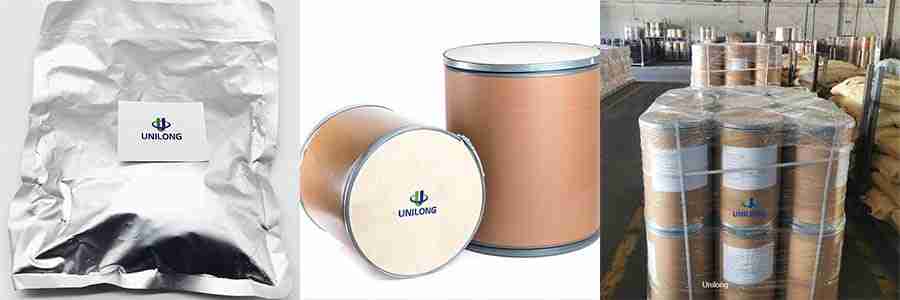
Antioxidant 1024 acts as an effective extraction stabilizer in finished colloids (synthetic or natural rubber latex pellets), especially in hoses of NBR fuel and gasoline. Antioxidant 1024 can be used alone or with other antioxidants, has a good synergistic effect. Suitable for polypropylene, polyethylene and other resins. It is mainly used in the processing and use of polyolefin insulated wires and cables.
Butylated Hydroxytoluene CAS 128-37-0
Butylated Hydroxytoluene CAS 128-37-0
CAS:128-37-0
Molecular Formula:C15H24O
Molecular Weight:220.35
EINECS:204-881-4
Synonyms:BHT (BAGS); BHT FCC/NF; BHT,GRANULAR,FCC; BHT,GRANULAR,TECHNICAL; BUTYLATEDHYDROXYTOLUENE,GRANULAR,NF; (Z)-retro-α retro-Methyl-α Butylated hydroxytoluene Manufacturer; Butylated Hydroxytoluene 2,6-Di-tert-butyl-4-methylphenol; food additives Butylated Hydroxytoluene; 2,6-Di-tert-butyl-p-cresol(BHT); Thymol Impurity 17;2,6-di-tert-butyl-p-creso; 2,6-Di-tert-butyl-p-cresol, food grade; 2,6-Di-tert-butyl-p-methylphenol; 2,6-tert-Butyl-4-methylphenol; 2,6-tert-butyl-4-methylphenol[qr]; 4-Hydroxy-3,5-di-tert-butyltoluene; 4-Methyl-2,6-bis(1,1-dimethylethyl)phenol
What is Butylated Hydroxytoluene CAS 128-37-0?
Butylated Hydroxytoluene CAS 128-37-0 is an excellent general phenolic antioxidant, non-toxic, non-flammable, non-corrosive, good storage stability, can inhibit or delay the oxidative degradation of plastics or rubber and extend the service life. The appearance of antioxidant 264 is white or light yellow crystalline powder, soluble in benzene, toluene, methanol, ethanol, acetone, carbon tetrachloride, acetic acid, grease, ethyl ester and gasoline and other solvents, insoluble in water and dilute caustic soda solution.
Specification
| Item | Specification |
| Melting point | 69-73 °C(lit.) |
| Boiling point | 265 °C(lit.) |
| Density | 1.048 |
| Refractive index | 1.4859 |
| LogP | 5.2 |
| Acidity coefficient (pKa) | pKa 14(H2O t = 25 c = 0.002 to 0.01) |
Application
Butylated Hydroxytoluene (BHT) is one of the most widely used low-molecular-weight phenolic antioxidants in industrial and consumer applications. Due to its strong free radical scavenging ability and cost-effective stabilization performance, BHT is widely applied in food, cosmetics, fuels, plastics, rubber, and lubricant formulations.
1. Food & Feed Preservation
BHT is extensively used as a food antioxidant to prevent oxidation of fats and oils in processed foods, edible oils, snacks, cereals, and animal feed additives. It helps extend shelf life by reducing rancidity and oxidative degradation during storage.
Typical applications include:
- edible oils
- instant noodles
- bakery products
- chewing gum
- feed premixes
2. Cosmetic & Personal Care Products
In cosmetic formulations, BHT helps stabilize fragrances, emulsions, lipsticks, creams, lotions, and sunscreen products by preventing oxidation of oils and active ingredients. It is commonly used in low concentrations to improve product storage stability.
3. Rubber & Elastomer Industry
BHT is used in synthetic rubber, latex, and elastomer processing to reduce oxidative cracking and thermal degradation during storage and processing. It performs well in rubber adhesives, sealants, and industrial elastomer compounds.
For enhanced long-term thermal aging resistance in elastomer systems, BHT can also be combined with sulfur-containing stabilizers such as Dilauryl Thiodipropionate (DLTDP).
4. Fuel & Lubricant Stabilization
The product is widely used in gasoline, biodiesel, aviation fuel, lubricants, transformer oil, and hydraulic fluids to suppress oxidation and gum formation during storage.
5. Plastics & Packaging Materials
BHT is also used in polyethylene, polypropylene, styrene resins, and packaging materials as a cost-effective antioxidant during polymer processing and storage. It helps reduce yellowing and thermal degradation in short-life polymer applications.
In polyolefin processing systems, BHT may be used alongside processing stabilizers such as Antioxidant 168 to improve thermal stability during extrusion.
Learn more about industrial antioxidants and polymer stabilization technologies from Unisunchem.
Key Advantages of Butylated Hydroxytoluene
- Highly effective free radical scavenger antioxidant
- Cost-effective stabilization solution for multiple industries
- Good compatibility with oils, fats, fuels, polymers, and rubber systems
- Helps extend shelf life in food and cosmetic formulations
- Reduces oxidation, discoloration, and rancidity in organic materials
- Effective in fuel storage and lubricant stabilization applications
- Easy processing and broad formulation compatibility
- Suitable for plastics, elastomers, adhesives, and packaging materials
- Widely recognized and industrially established antioxidant additive
- Stable global supply from Unisunchem
Packaging
25kg/drum or according to customer requirements.
The appearance of Butylated Hydroxytoluene CAS 128-37-0 is white or light yellow crystalline powder, soluble in benzene, toluene, methanol, ethanol, acetone, carbon tetrachloride, acetic acid, grease, ethyl ester and gasoline and other solvents, insoluble in water and dilute caustic soda solution. Antioxidant 264 is an excellent general phenolic antioxidant, non-toxic, non-flammable, non-corrosive, good storage stability, can inhibit or delay the oxidative degradation of plastics or rubber and extend the service life.
| Item | Specification |
| Melting point | 69-73 °C(lit.) |
| Boiling point | 265 °C(lit.) |
| Density | 1.048 |
| Refractive index | 1.4859 |
| LogP | 5.2 |
| Acidity coefficient (pKa) | pKa 14(H2O t = 25 c = 0.002 to 0.01) |
25kg/drum or according to customer requirements.
Butylated Hydroxytoluene can be used as an antioxidant and stabilizer for food grade plastics and polymer materials for packaged food, as well as white or light-colored products of natural rubber and synthetic rubber. Butylated Hydroxytoluene, as a food additive, can effectively delay the rancidity of food; In the petroleum industry, it is an excellent antioxidant for various lubricants, secondary processing gasoline, paraffin and some other mineral oils.
Antioxidant 245 CAS 36443-68-2
Antioxidant 245 CAS 36443-68-2
CAS:36443-68-2
Molecular Formula:C34H50O8
Molecular Weight:586.77
EINECS:253-039-2
Synonyms:Ethylenbis(oxyethylen)bis[3-(5-tert.-butyl-4-hydroxy-m-tolyl)propionat]; triethylene glycol bis-3-(3-t-butyl-4-hydroxy-5-methylphenyl) propionate;
3-tert-Butyl-4-hydroxy-5-methylphenylpropionic acid triethyleneglycol ester;Irganox 245(Ciba SC); Ciba Irganox 245; antioxyidant 245; Primanox245;
XH-245; Ethylenebis(oxyethylene)bis[β-(3-tert-butyl-4-hydroxy-5-Methylphenyl)propionate]; Ethylene bis(oxyethylene)bis[b-(3-tert-butyl-4-hydroxy-5-methylphenyl]propionate]; Water-soluble Antioxidant 245DWBenzenepropanoicacid,3-(1,1-dimethylethyl)-4-hydroxy-5-methyl-,1,2-ethanediylbis(oxy-2,1-ethane; Triethylene glycol bis(3-tert-butyl-4-hydroxy-5-methylphenyl)propiote; Igranox-245; Antioxidant XH-245; ANTIOXIDANT 245DW; antioxidant AN 245; ANTIOXIDANT TRUELICHT AN245; AN245DW
What is Antioxidant 245 CAS 36443-68-2?
Antioxidant 245 CAS 36443-68-2 is a highly efficient asymmetric hindered phenol antioxidant, which is characterized by high antioxidant efficiency, low volatility, good oxidation resistance and coloration, and significant synergistic effect with auxiliary antioxidants (such as thioester or phosphite ester), and can be used with light stabilizer to give products excellent weather resistance.
Specification
| Item | Specification |
| Melting point | 79-81℃ |
| Boiling point | 602.88°C (rough estimate) |
| Density | 1.0397 (rough estimate) |
| Acidity coefficient (pKa) | 11.44±0.25(Predicted) |
| Refractive index | 1.6000 (estimate) |
| Flash point | >150 °C |
| LogP | 4.7 at 23℃ |
Application
Antioxidant 245 is an asymmetric hindered phenolic antioxidant designed for high-performance thermoplastics and elastomer systems. It is particularly valued for its excellent color retention, low odor, extraction resistance, and long-term thermo-oxidative stability during polymer processing and end use.
1. ABS, HIPS & Styrenic Polymers
Antioxidant 245 is widely used in ABS, HIPS, MBS, SBS, and styrene copolymer systems where color stability and heat aging resistance are critical. It helps reduce polymer degradation during extrusion and injection molding while maintaining gloss and impact strength.
It is especially suitable for:
- appliance housings
- office equipment plastics
- TV frames
- consumer electronics
- modified styrenic compounds
For enhanced melt-processing stabilization in styrenic resins, it can be formulated together with Antioxidant 168.
2. TPU & Polyurethane Elastomers
Antioxidant 245 performs very well in TPU, polyurethane adhesives, RIM systems, and spandex elastomers because of its low volatility and excellent extraction resistance. It helps reduce yellowing and improves long-term thermal stability in flexible polyurethane materials.
3. POM & Engineering Thermoplastics
The product is commonly used in POM copolymers, polyamide, thermoplastic polyester, and engineering plastics exposed to repeated thermal processing conditions. It helps minimize molecular chain scission and maintains mechanical properties under heat aging environments.
In high-temperature engineering resin systems, Antioxidant 245 can also work synergistically with Antioxidant 1098 for enhanced long-term stabilization.
4. PVC Polymerization & Processing
Antioxidant 245 is effective as a chain terminator during PVC polymerization and can improve processing stability in rigid and flexible PVC compounds. It helps suppress thermal oxidation during high-temperature manufacturing.
5. Weather-Resistant Polymer Systems
When used together with light stabilizers and phosphite antioxidants, Antioxidant 245 can improve weather resistance and outdoor durability in polymer applications exposed to heat and oxygen.
Explore polymer stabilization solutions for engineering thermoplastics, TPU systems, and modified styrenic resins at Unisunchem.
Key Advantages of Antioxidant 245
- High-efficiency asymmetric hindered phenolic antioxidant
- Excellent color retention during high-temperature processing
- Low volatility and low odor properties
- Outstanding extraction resistance in polyurethane and elastomer systems
- Effective long-term thermo-oxidative stabilization
- Particularly suitable for ABS, HIPS, TPU, POM, and PVC applications
- Helps maintain polymer impact strength and gloss retention
- Strong synergistic effect with phosphites and thioester antioxidants
- Good compatibility with engineering thermoplastics and elastomers
- Stable industrial supply from Unisunchem
Packaging
25kg/drum or according to customer requirements.
Antioxidant 245 is a hindered phenolic antioxidant that prevents thermal oxygen degradation of materials during synthesis, processing and final use. Antioxidant 245 is odorless, low volatility, and has good color stability and extraction resistance. Antioxidant 245 is a highly effective asymmetric hindered phenol antioxidant, which is characterized by high antioxidant efficiency, low volatility and good oxidation resistance.
| Item | Specification |
| Melting point | 79-81℃ |
| Boiling point | 602.88°C (rough estimate) |
| Density | 1.0397 (rough estimate) |
| Acidity coefficient (pKa) | 11.44±0.25(Predicted) |
| Refractive index | 1.6000 (estimate) |
| Flash point | >150 °C |
| LogP | 4.7 at 23℃ |
25kg/drum or according to customer requirements.
Antioxidant 245 can be used as a chain terminator in PVC polymerization. In the field of polyurethane materials, it can be used in RIM, TPU, spandex, polyurethane adhesive, sealant and other products. It can be combined with auxiliary stabilizer, light stabilizer and its functional stabilizer. Antioxidant 245 has good compatibility with polymers and high thermal oxygen resistance. It is suitable for high impact polystyrene, ABS resin, AS resin, MBS resin, polyvinyl chloride, polyformaldehyde, polyamide, polyurethane, hydroxylated styrene butadiene rubber and styrene butadiene latex.
Antioxidant3114 CAS 27676-62-6
Antioxidant3114 CAS 27676-62-6
CAS:27676-62-6
Molecular Formula:C48H69N3O6
Molecular Weight:784.08
EINECS:248-597-9
Synonyms:Antioxidant3114; 1,3,5-Tris(3,5-di-tert-butyl-4-hydroxybenzyl)isocyanuric acidAgeRite GT; Mark AO-20; 1,3,5-Tris(3′,5′-di-t-butyl-4-hydroxybenzyl)isocyanuric acid; ANTIOXIDANT TRUELICHT AN3114;Antioxidant Sunoxy 3114; Antioxidant RIANOX 3114; tris(3,5-di-tert-butyl-4-hydroxybenzyl)isocyanur; TTIC; TRIS-(3,5-DI-T-BUTYL-4-HYDROXYBENZYL) ISOCYANURATE; TRIS(3,5-DI-TERT-BUTYL-4-HYDROXYBENZYL) ISOCYANURATE; VANOX GT; IRGANOX 3114;RALOX 3114; Tris (3,5-di-tert-butyl-4-hydroxybenzyl) isocyanurate Refs:Irganox-3114(CIBA); 1,3,5-Tris(3,5-di-tert-butyl-4-hydroxybenzyl) isocyanurate; 1,3,5-Tris(3,5-di-tert-butyl-4-hydroxybenzyl)-1,3,5-triazinane-2,4,6-trione; Antioxidant 3114 / Irganox 3114; HRao-3114; Plastic additive 6; antioxidant AN 3114; AN 3114; AN B3127; AN B3126
What is Antioxidant3114 CAS 27676-62-6?
Antioxidant3114 CAS 27676-62-6 is a hindered phenolic antioxidant with three functional groups, which is non-polluting and non-colored. Due to the high molecular weight and melting point, the volatility is very small, the migration is small, and the water extraction resistance is good, which can give the plastic excellent heat oxidation and light oxidation resistance.
Specification
| Item | Specification |
| Melting point | 218-220 °C(lit.) |
| Boiling point | 757.9±60.0 °C(Predicted) |
| Density | 1.03g/cm3 |
| Vapor pressure | 0Pa at 25℃ |
| Flash point | 289°C |
| LogP | 15.18 |
Application
Antioxidant 3114 is a sterically hindered phenolic antioxidant featuring extremely low volatility, excellent extraction resistance, and outstanding thermal oxidation stability. Due to its high molecular weight and strong permanence, it is especially suitable for demanding polyolefin and engineering polymer applications requiring long-term heat and light stability.
1. Polypropylene & Polyethylene Processing
Antioxidant 3114 is widely used in polypropylene (PP), polyethylene (PE), propylene copolymers, and polyolefin compounds to protect polymers from thermo-oxidative degradation during extrusion, pelletizing, and long-term service exposure. It is particularly effective in:
- BOPP film
- injection molded PP parts
- raffia yarn
- rotational molding
- pipe compounds
Its low volatility makes it highly suitable for high-temperature polyolefin processing systems.
For enhanced melt-processing stabilization, Antioxidant 3114 is often formulated together with Antioxidant 168 in advanced polyolefin stabilization packages.
2. Food Packaging Polyolefins
Because of its low migration and strong extraction resistance, Antioxidant 3114 is commonly applied in food-contact polyolefin packaging materials and non-fatty food packaging films. It helps maintain polymer integrity and appearance during long-term storage.
3. ABS, PVC & Engineering Thermoplastics
The product is suitable for ABS, PS, PVC, polyester, nylon, polyurethane, and styrenic copolymers exposed to repeated thermal processing conditions. It improves color stability and reduces molecular degradation during molding operations.
In engineering resin systems requiring high-temperature durability, Antioxidant 3114 can also be combined with Antioxidant 1098 for improved long-term heat aging resistance.
4. Synthetic Rubber & Elastomers
Antioxidant 3114 performs well in SBS, EPR, EPDM, synthetic rubber, and elastomer compounds where thermal aging and oxidation resistance are critical. Its low extraction properties help improve long-term durability in dynamic rubber applications.
5. Adhesives, Tackifier Resins & Waxes
The antioxidant is also widely used in hot melt adhesives, synthetic tackifier resins, and industrial wax systems. It minimizes oxidation during prolonged heating and improves storage stability in adhesive manufacturing processes.
Explore more phenolic antioxidants and polymer stabilization materials in the Antioxidant Product Category or browse the complete Polymer Additive Product Collection.
Key Advantages of Antioxidant 3114
- High molecular weight hindered phenolic antioxidant with excellent permanence
- Extremely low volatility during high-temperature polymer processing
- Outstanding resistance to water extraction and additive migration
- Excellent long-term thermo-oxidative stabilization performance
- Effective heat and light stabilization in polyolefins
- Suitable for food-contact polyolefin applications
- Strong compatibility with PP, PE, ABS, PVC, elastomers, and adhesives
- Synergistic effect with phosphites and UV stabilizers
- Excellent color retention and low-discoloration properties
- Reliable industrial supply from Unisunchem
Antioxidant3114 CAS 27676-62-6 is a white crystalline powder slightly soluble in water, soluble in acetone, benzene, chloroform, N, n-dimethylformamide, ethanol, methanol. Antioxidant 3114 is a hindered phenolic antioxidant with three functional groups, which is non-polluting and non-colored. Due to the high molecular weight and melting point, the volatility is very small, the migration is small, and the water extraction resistance is good, which can give the plastic excellent heat oxidation and light oxidation resistance.
| Item | Specification |
| Melting point | 218-220 °C(lit.) |
| Boiling point | 757.9±60.0 °C(Predicted) |
| Density | 1.03g/cm3 |
| Vapor pressure | 0Pa at 25℃ |
| Flash point | 289°C |
| LogP | 15.18 |
25kg/drum or according to customer requirements.
Antioxidant3114 CAS 27676-62-6 is mainly used as an antioxidant for polypropylene, polyethylene, etc., with heat and light stabilization. It has synergistic effect with light stabilizer and auxiliary antioxidant when used. The product has low toxicity. Can be used in contact with food polyolefin products, the amount does not exceed 15% of the main material. Antioxidant 3114 can prevent the polymer from aging due to heat and oxidation, and also has anti-light properties.
Antioxidant 618 CAS 3806-34-6
CAS:3806-34-6
Molecular Formula:C41H82O6P2
Molecular Weight:733.03
EINECS:223-276-6
Synonyms: 3,9-Bis(octadecyloxy); Distearyl Pentaerythrityl Diphsophite; Weston 618; 2,4,8,10-Tetraoxa-3,9-diphosphaspiro5.5undecane, 3,9-bis(octadecyloxy)-; CYCLICNEOPENTANETETRAYLBIS(OCTADECYLPHOSPHITE); AO-118; 3,9-dioctadecoxy-2,4,8,10-tetraoxa-3,9-diphosphaspiro[5.5]undecane; 3,9-distearyloxy-2,4,8,10-tetraoxa-3,9-diphosphaspiro[5.5]undecane; 3,9-BIS(OCTADECYLOXY)-2,4,8,10-TETRAOXA-3,9-; DIPHOSPHASPIRO[5.5]UNDECANE; Antioxidant 618; Distearylpentaerythrityldiphosphite; antioxidant 3019; Plastic additive 14 CRS
What is Antioxidant 618 CAS 3806-34-6?
Antioxidant 618 CAS 3806-34-6 has a white waxy solid form. Antioxidant 618 has a melting point of 54 to 56 ° C, a relative density of 0.940 to 0.960 and an refractive index of 1.4610 to 1.4660. The solubility was 14.7 for benzene, 0.3 for hexane, 45.0 for chloroform, 0.3 for acetone and 0.3 for methanol. Antioxidant 618 is insoluble in water.
Specification
| Item | Specification |
| Melting point | 44-47 °C(lit.) |
| Boiling point | 692.2±55.0 °C(Predicted) |
| Density | 1.05[at 20℃] |
| Vapor pressure | 0Pa at 25℃ |
| Flash point | >230 °F |
| LogP | 16.4 at 25℃ |
Application
Antioxidant 618 is a high-efficiency phosphite antioxidant designed to improve polymer processing stability, color retention, and hydroperoxide decomposition during high-temperature manufacturing. Compared with conventional phosphite stabilizers, it offers excellent transparency, low volatility, and strong anti-yellowing performance in demanding resin systems.
1. Polypropylene & Polyethylene Extrusion
Antioxidant 618 is widely used in PP, PE, HDPE, and LLDPE extrusion systems where melt stability and initial color control are critical. It effectively decomposes hydroperoxides generated during extrusion, helping reduce polymer chain degradation and improving long-term thermal stability.
Typical applications include:
- BOPP film
- injection molding
- raffia yarn
- blow molding
- recycled polyolefin compounds
In high-output extrusion lines, Antioxidant 618 is frequently combined with hindered phenolic antioxidants such as Antioxidant 1076 to achieve balanced processing and long-term stabilization.
2. ABS & Styrenic Resin Compounds
Antioxidant 618 performs especially well in ABS, HIPS, and styrenic resin modification systems where processing discoloration and gas fading are common challenges. It improves resin brightness and helps maintain stable melt viscosity during repeated thermal processing.
The product is widely used in:
- appliance housings
- electronic components
- office equipment plastics
- modified ABS compounds
3. EVA & Hot Melt Adhesives
In EVA copolymers and hot melt adhesive formulations, Antioxidant 618 enhances processing stability and reduces oxidation caused by prolonged heating in adhesive tanks and coating systems. Its low-color characteristic makes it suitable for transparent adhesive applications.
For adhesive systems requiring low migration performance, it can also work synergistically with IRGANOX 3052.
4. Engineering Plastics & Transparent Resins
Antioxidant 618 is suitable for PC, polyester, PBT, PVC, and engineering thermoplastics requiring high transparency and stable processing behavior. It helps suppress thermal oxidation while minimizing resin yellowing during molding.
5. Food Packaging & Light-Colored Polymer Systems
Because of its low toxicity and excellent transparency retention, Antioxidant 618 is widely applied in food packaging materials and light-colored polymer products. In some formulations, it can partially replace conventional stabilizers such as BHT and thioester antioxidants.
Explore more phosphite antioxidants and polymer processing stabilizers in the Antioxidant Product Category or browse additional industrial additives in the Product Collection.
Key Advantages of Antioxidant 618
- High-efficiency phosphorus-based secondary antioxidant
- Excellent hydroperoxide decomposition capability during polymer processing
- Outstanding initial color improvement and anti-yellowing performance
- Good transparency retention in light-colored and transparent polymers
- Strong processing stabilization for PP, PE, ABS, EVA, and PVC systems
- Excellent compatibility with phenolic antioxidants and HALS stabilizers
- Low volatility and stable performance under high-temperature extrusion
- Effective gas fading resistance in styrenic polymers
- Suitable for food packaging and low-odor polymer applications
- Reliable industrial supply from Unisunchem
FAQ
Q1: What is the difference between Antioxidant 618 and Antioxidant 168?
Both are phosphite processing stabilizers, but Antioxidant 618 is often preferred in applications requiring better initial color, transparency, and gas fading resistance, especially in ABS and light-colored polymers. Antioxidant 168 is more commonly used in general-purpose polyolefin extrusion.
Q2: Why is Antioxidant 618 widely used in ABS resin?
ABS processing can easily lead to discoloration and molecular degradation during repeated heating cycles. Antioxidant 618 improves color stability, reduces gas fading, and helps maintain resin processing consistency.
Q3: Can Antioxidant 618 improve transparency in plastics?
Yes. Antioxidant 618 is known for its excellent transparency retention and low-color characteristics, making it suitable for transparent films, packaging materials, and light-colored polymer products.
Q4: Is Antioxidant 618 suitable for food packaging applications?
Yes. Antioxidant 618 has been approved for certain food-contact polymer applications and is commonly used in food packaging materials because of its low toxicity and good extraction resistance.
Q5: Can Antioxidant 618 be used with hindered phenolic antioxidants?
Yes. Antioxidant 618 is frequently combined with phenolic antioxidants such as Antioxidant 1076 to create synergistic stabilization systems for polyolefins and engineering plastics.
Packaging
25kg/drum or according to customer requirements.
Antioxidant 618 is insoluble in water. Antioxidant 618 has a white waxy solid form. Antioxidant 618 has a melting point of 54 to 56 ° C, a relative density of 0.940 to 0.960 and an refractive index of 1.4610 to 1.4660. The solubility was 14.7 for benzene, 0.3 for hexane, 45.0 for chloroform, 0.3 for acetone and 0.3 for methanol.
| Item | Specification |
| Melting point | 44-47 °C(lit.) |
| Boiling point | 692.2±55.0 °C(Predicted) |
| Density | 1.05[at 20℃] |
| Vapor pressure | 0Pa at 25℃ |
| Flash point | >230 °F |
| LogP | 16.4 at 25℃ |
25kg/drum or according to customer requirements.
Antioxidant 618 CAS 3806-34-6 is widely used as a process stabilizer and thermal oxygen stabilizer for polyolefin, polystyrene, ABS resin, polycarbonate, polyester. Antioxidant 618 is an auxiliary antioxidant suitable for polyethylene, polypropylene, polyvinyl chloride and polyester. The product has good transparency, no pollution, and has a synergistic effect with ultraviolet absorption of past combat heroes.
Antioxidant 1330 CAS 1709-70-2
Antioxidant 1330 CAS 1709-70-2
CAS:1709-70-2
Molecular Formula:C54H78O3
Molecular Weight:775.2
EINECS:216-971-0
Synonyms:1,3,5-trimethyl-2,4,6-tris(3,5-di-t-butyl-4-hydroxybenzyl)-benzen; 1,3,5-trimethyl-2,4,6-tris(3,5-di-tert-butyl-4-hy; 2,4,6-TRIS(3′,5′-DI-TERT-BUTYL-4′-HYDROXYBENZYL)MESITYLENE; santoquinemulsion; santoquinmixture6;1,3,5-TRIMETHYL-2,4,6-TRIS(3′,5′-DI-T-BUTYL-4′-; HYDROXYBENZYL)BENZENE; 1,3,5-TRIMETHYL-2,4,6-TRIS(3,5-DI-T-; BUTYL-4-HYDROXYBENZYL)BENZENE; 1,3,5-TRIMETHYL-2,4,6-TRIS(3,5-DI-TERT-BUTYL-4-HYDROXYBENZYL)BENZENE; Evernox 1330;IRGANOX 1330; antioxidant 330; 1,3,5-trimethyl-2,4,6-tri(3,5-di-tert-butyl-4-hydroxybenzyl)benzene; 2,2,2,6,6,6-hexa-tert-butyl-alpha,alpha,alpha-(mesitylene-2,4,6-triyl)tri-p-cresol; Plastic additive 3; 1,3,5-Trimethyl-2,4,6-tris; Antioxidant THP-24; tris-BHT mesitylene
What is Antioxidant 1330 CAS 1709-70-2?
Antioxidant 1330 CAS 1709-70-2 is a white crystalline powder, melting point above 244℃, insoluble in water, at 18℃ in some solutions solubility (g/100g solvent) is: benzene 20, dichloromethane 31.9, methyl cyclohexane 1.7, methanol 0.2, isopropyl alcohol 0.1. Hindered phenol antioxidant 330 has stable processing property at high temperature, good heat resistance, no pollution, no discoloration, and low toxicity.
Specification
| Item | Specification |
| Melting point | 248-250 °C(lit.) |
| Boiling point | 739.54°C |
| Density | 0.8883 |
| Refractive index | 1.5800 |
| Flash point | 321℃ |
| LogP | 17.17 |
| Acidity coefficient (pKa) | 11.91±0.40 |
Application
Antioxidant 1330 is a high molecular weight sterically hindered phenolic antioxidant developed for polymer systems requiring exceptional thermal stability, low volatility, and minimal discoloration under severe processing conditions. It is particularly suitable for high-temperature extrusion and long-life industrial polymer applications.
1. Polypropylene Raffia & Tape Extrusion
Antioxidant 1330 is extensively used in polypropylene raffia yarn, woven bags, tape extrusion, and monofilament production. Its excellent water extraction resistance helps reduce additive loss during processing and improves long-term thermal stability in outdoor PP applications.
In high-speed PP extrusion lines, it is often formulated together with Antioxidant 618 to improve melt-processing stability and suppress oxidative chain degradation.
2. Wire & Cable Insulation Materials
Because of its strong dielectric properties and low volatility, Antioxidant 1330 performs very well in wire & cable insulation compounds, dielectric films, and electrical polymer systems. It helps maintain insulation stability during prolonged heat exposure and high-temperature extrusion.
Typical applications include:
- XLPE cable compounds
- communication cables
- dielectric PP films
- electrical molded components
3. Engineering Plastics for High-Heat Processing
The product is suitable for PET, PBT, PA, styrenic copolymers, and polyurethane systems exposed to repeated thermal processing. Its exceptionally low volatility makes it highly effective in engineering plastics processed at elevated temperatures.
For nylon and reinforced engineering compounds, Antioxidant 1330 can also work synergistically with Antioxidant 1098 to improve long-term heat aging performance.
4. Hot Melt Adhesives & Tackifier Resins
Antioxidant 1330 is widely used in hot melt adhesives, tackifier resin synthesis, and wax formulations where long-term oxidation resistance and low odor are critical. It helps reduce gel formation and viscosity instability during prolonged heating operations.
5. Polyolefin Pipe & Rotomolding Applications
In PE pipe compounds, rotomolding materials, and outdoor polyolefin products, Antioxidant 1330 helps improve long-term thermo-oxidative durability and reduces premature polymer embrittlement under harsh environmental conditions.
Explore more high-performance phenolic antioxidants in the Antioxidant Product Category or browse additional polymer processing additives in the Product Collection.
Key Advantages of Antioxidant 1330
- High molecular weight hindered phenolic antioxidant with excellent permanence
- Extremely low volatility during high-temperature polymer processing
- Outstanding resistance to water extraction and additive migration
- Excellent color stability and low-discoloration performance
- Strong dielectric properties for wire & cable applications
- Suitable for PP, PE, PET, PBT, PA, polyurethane, and elastomers
- Highly effective in polypropylene tape extrusion and raffia processing
- Excellent compatibility with phosphites, thioesters, and light stabilizers
- FDA-approved for specific food-contact polymer applications in certain formulations
- Stable global supply from Unisunchem
FAQ
Q1: Why is Antioxidant 1330 widely used in polypropylene raffia yarn production?
Polypropylene raffia and tape extrusion involve high processing temperatures and repeated stretching operations. Antioxidant 1330 provides excellent thermal stability and low water carry-over, helping maintain yarn strength and processing consistency.
Q2: What makes Antioxidant 1330 suitable for high-temperature engineering plastics?
Its very high molecular weight and low volatility allow Antioxidant 1330 to remain stable during high-temperature processing of PET, PBT, PA, and polyurethane systems without significant evaporation loss.
Q3: Is Antioxidant 1330 suitable for food-contact polyolefins?
Yes. Antioxidant 1330 has FDA approvals for specific food-contact polymer applications under defined concentration limits, making it suitable for certain packaging and food-contact polyolefin systems.
Q4: What is the difference between Antioxidant 1330 and Antioxidant 3114?
Antioxidant 3114 is mainly known for excellent extraction resistance and long-term stabilization in polyolefins, while Antioxidant 1330 offers stronger performance in high-temperature processing environments and electrical insulation applications.
Q5: Can Antioxidant 1330 be used together with phosphite antioxidants?
Yes. Antioxidant 1330 is frequently combined with phosphite stabilizers such as Antioxidant 168 or Antioxidant 618 to create synergistic stabilization systems for demanding polymer extrusion processes.
Packaging
25kg/drum or according to customer requirements.
Hindered phenol antioxidant 330 has stable processing property at high temperature, good heat resistance, no pollution, no discoloration, and low toxicity. Hindered phenol antioxidant 330 is a white crystalline powder, melting point above 244℃, insoluble in water, at 18℃ in some solutions solubility (g/100g solvent) is: benzene 20, dichloromethane 31.9, methyl cyclohexane 1.7, methanol 0.2, isopropyl alcohol 0.1.
| Item | Specification |
| Melting point | 248-250 °C(lit.) |
| Boiling point | 739.54°C |
| Density | 0.8883 |
| Refractive index | 1.5800 |
| Flash point | 321℃ |
| LogP | 17.17 |
| Acidity coefficient (pKa) | 11.91±0.40 |
25kg/drum or according to customer requirements.
Antioxidant 1330 CAS 1709-70-2 is especially suitable for the processing of high-temperature processed polyolefin (such as PP, PE, etc.) pipes, injection molded products, wire and cable products. Antioxidant 330 is a high molecular weight hindered phenolic antioxidant, suitable for polyolefin, PET, PBT and other thermoplastic polyester, polyamide, styrene resins and polyurethane, natural rubber and other elastomer materials, with good compatibility with resin, extraction resistance, low volatility, high antioxidant efficiency and good electrical insulation characteristics.
Distearyl thiodipropionate CAS 693-36-7
Distearyl thiodipropionate CAS 693-36-7
CAS:693-36-7
Molecular Formula:C42H82O4S
Molecular Weight:683.16
EINECS:211-750-5
Synonyms:3,3-Thiodipropionic Acid Di-N-Octadecy; 3-[(3-keto-3-stearyloxy-propyl)thio]propionic acid stearyl ester; octadecyl 3-(3-octadecoxy-3-oxopropyl)sulfanylpropanoate; octadecyl 3-(3-octadecoxy-3-oxo-propyl)sulfanylpropanoate; Distearyl thiodiprop; 3,3′-Thiobis(propionic acid octadecyl); 3,3′-Thiobis(propionic acid octadecyl) ester; Di-n-octadecyl 3,3′-Thiodipropionate; Dioctadecyl 3,3′-thiobis[propionate]; Distearyl 3,3′-Thiodipropionate 3,3′-Thiodipropionic Acid Dioctadecyl Ester; dioctadecyl 3,3′-thiodipropanoate; Antioxidant 802; Antioxidant DSTDP(802); Thiodipropioic Acid Distearyl Ester; HRao-DSTDP; Distearyl thiodipropiote;
Antioxidant DSTDP; 3,3’-thiobis-propanoicacidioctadecylester; 3,3’-thiodi-propionicacidioctadecyleste
What is Distearyl thiodipropionate CAS 693-36-7?
The antioxidant Distearyl thiodipropionate CAS 693-36-7 can give the material excellent long-term thermal stability and is often used in combination with phenolic antioxidants. White crystalline powder. The melting point of antioxidant DSTP is 63-69 ° C. The antioxidant DSTP is soluble in benzene, chloroform, carbon disulfide and carbon tetrachloride, insoluble in dimethylformamide and toluene and insoluble in acetone, ethanol and water.
Specification
| Item | Specification |
| Melting point | 65-67°C |
| Boiling point | 664.53°C |
| Density | 0.8994 |
| Maximum wavelength (λmax) | 410nm(H2O)(lit.) |
| Refractive index | 1.5220 |
| LogP | 17.7 at 25℃ |
Application
Distearyl Thiodipropionate (DSTDP) is a sulfur-containing auxiliary antioxidant widely used in polymer stabilization systems. As a thioester antioxidant, DSTDP works synergistically with hindered phenolic antioxidants to improve long-term thermal aging resistance, especially in polyolefin and elastomer applications exposed to prolonged heat conditions.
1. Polypropylene & Polyethylene Stabilization
DSTDP is extensively used in polypropylene, polyethylene, HDPE pipe compounds, and recycled polyolefin materials where long-term thermal stability is required. It effectively decomposes peroxide radicals formed during polymer aging and helps reduce embrittlement caused by oxidative degradation.
Typical applications include:
- PP injection molding
- PE pipe compounds
- BOPP film
- rotational molding materials
- recycled plastic pellets
For optimized stabilization performance, DSTDP is commonly formulated with primary antioxidants such as Antioxidant 1010 or Antioxidant 1076.
2. Wire & Cable Insulation Systems
The product is highly suitable for wire & cable compounds requiring excellent long-term heat aging resistance. In PE and EVA insulation materials, DSTDP helps maintain flexibility and reduces oxidative cracking under continuous thermal exposure.
- XLPE cable insulation
- communication cable sheathing
- automotive wire compounds
- low-smoke halogen-free cable materials
3. Rubber & Elastomer Applications
DSTDP performs well in synthetic rubber, nitrile rubber, EPDM, SBS, and thermoplastic elastomer systems. It improves resistance to thermal oxidation and extends the service life of elastomer products operating under elevated temperatures.
Typical rubber applications include:
- automotive seals
- conveyor belts
- industrial hoses
- footwear compounds
- rubber sheets
4. EVA & Hot Melt Adhesives
In EVA-based hot melt adhesives and pressure-sensitive adhesive systems, DSTDP helps suppress viscosity increase and oxidation caused by long-term heating in adhesive tanks. It also improves storage stability in tackifier resin formulations.
For adhesive formulations requiring low volatility and enhanced thermal resistance, DSTDP can be used alongside IRGANOX 3052.
5. ABS & Engineering Resin Compounds
DSTDP is also suitable for ABS, HIPS, styrenic copolymers, and engineering plastic systems where long-term thermal stabilization and reduced discoloration are important.
Explore more sulfur antioxidants and polymer stabilization additives in the Antioxidant Product Category or browse additional polymer processing materials in the Product Collection.
Key Advantages of Distearyl Thiodipropionate (DSTDP)
- High-efficiency sulfur-containing secondary antioxidant
- Excellent long-term thermal aging resistance in polyolefins
- Strong synergistic effect with hindered phenolic antioxidants
- Effective peroxide decomposition capability during polymer aging
- Low volatility and excellent extraction resistance
- Improves flexibility retention in wire & cable insulation systems
- Suitable for PP, PE, EVA, ABS, rubber, and elastomers
- Helps reduce thermal cracking and oxidative embrittlement
- Good processing stability under high-temperature conditions
- Reliable industrial supply from Unisunchem
FAQ
Q1: What is the difference between DSTDP and DLTDP?
DSTDP (Distearyl Thiodipropionate) has longer alkyl chains and lower volatility than DLTDP, making it more suitable for high-temperature polymer applications and long-term thermal aging resistance.
Q2: Why is DSTDP used together with phenolic antioxidants?
DSTDP is a secondary sulfur antioxidant that works synergistically with primary phenolic antioxidants such as Antioxidant 1010. The combination provides both processing stabilization and long-term oxidation resistance in polymers.
Q3: Is DSTDP suitable for wire & cable applications?
Yes. DSTDP is widely used in wire & cable insulation compounds because it improves long-term heat aging performance and helps maintain flexibility under continuous thermal exposure.
Q4: Why is DSTDP preferred in polypropylene stabilization systems?
Polypropylene is highly sensitive to thermal oxidation during long-term use. DSTDP helps decompose hydroperoxides generated during aging and significantly improves long-term heat resistance in PP applications.
Q5: Can DSTDP be used in recycled plastics?
Yes. DSTDP is commonly used in recycled PE and PP compounds to improve thermal stability and compensate for antioxidant loss caused by multiple processing cycles.
Packaging
25kg/drum or according to customer requirements.
The melting point of antioxidant DSTP is 63-69 ° C. The antioxidant DSTP is soluble in benzene, chloroform, carbon disulfide and carbon tetrachloride, insoluble in dimethylformamide and toluene and insoluble in acetone, ethanol and water. The antioxidant DSTP can give the material excellent long-term thermal stability and is often used in combination with phenolic antioxidants. White crystalline powder.
| Item | Specification |
| Melting point | 65-67°C |
| Boiling point | 664.53°C |
| Density | 0.8994 |
| Maximum wavelength (λmax) | 410nm(H2O)(lit.) |
| Refractive index | 1.5220 |
| LogP | 17.7 at 25℃ |
25kg/drum or according to customer requirements.
Antioxidant DSTP is used as an auxiliary antioxidant and phenolic antioxidant, and its antioxidant aging yield is better than thiodipropionic acid dilauric acid. The product is not colored, no pollution, so it is suitable for white and brilliant products. Antioxidant DSTP is used as an antioxidant in rubber, soaps, oils, lubricants, greases and polyolefins.
Antioxidant 5057 CAS 68411-46-1
Antioxidant 5057 CAS 68411-46-1
CAS:68411-46-1
Molecular Formula:C20H27N
Molecular Weight:393.655
EINECS:270-128-1
Synonyms:IRGANOX 5057; Benzenamine,N-phenyl-,reactionproductswith2,4,4-trimethylpentene; Liquid octylated/butylated diphenylaMine; N-Phenylbenzenamine,reactionproductwithdiis; Antioxidant 5057,Irganox 5057, Quantox-557,Alkyl diphenylamine; N-Phenylbenzenamine reactioin products with 2,4,4-trimethylpentene; Quantox-557; octylated diphenylamines; AN 5057; antioxidant AN 5057; Antioxidant S @1000 μg/mL in Hexane;antioxygen 5057; Antioxidant 5057 ISO 9001:2015 REACH; ANTIOXIDANT TRUELICHT AN5057; Antioxidant Sunoxy 5057; Antioxidant RIANOX 5057;Diisobutylene-diphenylamine reaction product; At 5057; Einecs 270-128-1 ashless antioxidant for high teMperature; BTMT; Alkyl diphenylamine
What is Antioxidant 5057 CAS 68411-46-1?
Antioxidant 5057 CAS 68411-46-1 has low toxicity and is safe to use; Compared with phosphite esters, no ash, no phosphorus, no environmental pollution; It also has a unique liquid property, easy to measure and transport. It has the characteristics of outstanding thermal stability and high temperature oxidation resistance. At the same time, it has good compatibility with oil.
Specification
| Item | Specification |
| Water solubility | 4μg/L at 20℃ |
| Density | 0.969[at 20℃] |
| Vapor pressure | 0.002Pa at 20℃ |
| LogP | 6.7 at 23℃ |
Application
Antioxidant 5057 CAS 68411-46-1 is widely used as a high-temperature antioxidant additive in synthetic lubricants, polymer materials, and industrial formulations. Its excellent oxidation resistance and low volatility make it especially suitable for demanding thermal environments.
Typical applications include:
- Synthetic lubricants and industrial oils
- Polyurethane systems and polyether polyols
- Rubber and elastomer formulations
- Engineering plastics and polymer processing
- Automotive and industrial lubricant additives
As part of the Unisun Chemical Home product portfolio, Antioxidant 5057 can be combined with other Antioxidant Products to improve long-term thermal stability and processing performance.
For lubricant and polymer stabilization systems, it is often used together with phosphite antioxidants and light stabilizers such as UV Absorber Products for enhanced durability in outdoor and high-heat applications.
Key Advantages
- Excellent high-temperature oxidation resistance
- Low volatility for long-term thermal stability
- Liquid form for easy handling and blending
- Ashless and phosphorus-free formulation
- Good compatibility with oils and polymer systems
- Suitable for lubricants, elastomers, and polyurethane applications
- Helps extend service life of industrial materials
Antioxidant 5057 is an ideal choice within the Unisun Chemical Products range for manufacturers seeking reliable antioxidant performance in high-temperature environments.
For advanced stabilization solutions, it can also be formulated alongside HALS Light Stabilizers and related antioxidant systems.
FAQ
Q1:What is Antioxidant 5057 used for?
Antioxidant 5057 is mainly used in synthetic lubricants, polyurethane systems, rubber, and polymer materials to improve oxidation resistance and thermal stability.
Q2:Is Antioxidant 5057 suitable for high-temperature applications?
Yes. Antioxidant 5057 offers excellent high-temperature antioxidant performance and is widely used in industrial lubricant formulations.
Q3:What are the advantages of liquid antioxidants like Antioxidant 5057?
Its liquid form allows easier metering, blending, and transportation compared with solid antioxidants, making it highly efficient for industrial processing.
Q4:Can Antioxidant 5057 be used with other stabilizers?
Yes. It is commonly used together with Antioxidants, UV Absorbers, and Light Stabilizers to improve the durability of polymers and lubricants.
Q5:Where can I find more chemical additives from Unisun Chemical?
You can explore the full product catalog on the Unisun Chemical Home Page.
Packaging
Usually packed in 200kg/drum, and also can be do customized package.
Antioxidant 5057 is a highly effective, low volatile liquid product that is used in combination with phenolic antioxidants. Antioxidant 5057 has low toxicity and is safe to use; Compared with phosphite esters, no ash, no phosphorus, no environmental pollution; It also has a unique liquid property, easy to measure and transport. It has the characteristics of outstanding thermal stability and high temperature oxidation resistance. At the same time, it has good compatibility with oil.
| Item | Specification |
| Water solubility | 4μg/L at 20℃ |
| Density | 0.969[at 20℃] |
| Vapor pressure | 0.002Pa at 20℃ |
| LogP | 6.7 at 23℃ |
Usually packed in 200kg/drum, and also can be do customized package.
Antioxidant 5057 CAS 68411-46-1 is a clear amber liquid, is a liquid hindered amine high temperature antioxidant additive, in foreign countries has been widely used in the field of synthetic lubricants and polymer materials, especially its use of high temperature, can be used in high-grade lubricants. Antioxidant 5057 for: polyethers and polyurethanes, rubber and elastomers, lubricants.
TH-CPL CAS 68610-51-5
CAS:68610-51-5
Molecular Formula:C10H12.C7H8O.C4H8
Molecular Weight:296.45
EINECS:271-867-2
Synonyms:POLY(DICYCLOPENTADIENE-CO-P-CRESOL); RALOX(R) LC; Phenol,4-methyl-,reactionproductswithdicyclopentadieneandisobutylene; RaschigRaloxLC; 4-methyl-phenoreactionproductswithdicyclopentadieneandisobutylene; Butylated Reaction Product of p-Cresol and Dicyclopentadiene; p-Cresol-dicyclopentadiene-isobutylene reaction product; RALOX LC; BUTYLATEDREACTIONPRODUCTOFPARA-;CRESOLANDDICYCLOPENTA; Antioxidant AOE (CPL+DLTP); Poly(dicyclopentadiene-co-p-cresol) solid;
Rubber Antioxidant L; TH-CPL; Antioxidant CPL; JADEWIN AN 616; Winstray L; TIANFU-CHEM Poly(dicyclopentadiene-co-p-cresol); 3A,4,7,7a-tetrahydro-1H-4,7-methanoindene compound with p-cresol (1:1); Antioxidant TH-CPL;Antioxidant AN616
What is TH-CPL CAS 68610-51-5?
TH-CPL CAS 68610-51-5 is light milky powder or light yellow to brown transparent flake with a melting point above 105℃. Soluble in benzene, toluene and other organic solvents, insoluble in water.TH-CPL is a high activity, low volatility, multi – purpose, non – pollution, non – red polyphenol antioxidant.
Specification
| Item | Specification |
| Melting point | 105°C |
| Boiling point | 320℃[at 101 325 Pa] |
| Density | 1.1 g/mL at 25 °C(lit.) |
| Vapor pressure | 0Pa at 25℃ |
| LogP | 7.93 at 25℃ |
Application
TH-CPL CAS 68610-51-5 is widely used in polymer modification, industrial coatings, and specialty chemical formulations due to its excellent compatibility and processing stability.
Typical applications include:
- Polymer and resin modification
- Industrial coatings and inks
- Adhesives and sealants
- Plastic processing additives
- Specialty chemical intermediates
As part of the Unisun Chemical Home product portfolio, TH-CPL can be integrated with other Polymer Additives to improve formulation stability and material durability.
In UV-curing and plastic applications, TH-CPL is often formulated together with UV Absorber Products, Light Stabilizers, and Antioxidant Products for enhanced weather resistance and long-term protection.
Key Advantages
- Excellent thermal and processing stability
- Good compatibility with polymer systems
- Suitable for coatings, plastics, and industrial formulations
- Helps improve durability and formulation performance
- Reliable stability under industrial processing conditions
- Easy incorporation into various chemical systems
TH-CPL is suitable for manufacturers seeking reliable specialty additives from the Unisun Chemical Products range.
For advanced formulation systems, TH-CPL can also work synergistically with products such as UV Absorber BP2.
FAQ
Q1. What is TH-CPL CAS 68610-51-5 used for?
TH-CPL CAS 68610-51-5 is mainly used in polymer materials, coatings, adhesives, and industrial chemical formulations to improve processing performance and material stability.
Q2. Is TH-CPL suitable for polymer applications?
Yes. TH-CPL shows good compatibility with many polymer systems and is widely used in plastic and resin formulations.
Q3. Can TH-CPL be used together with UV stabilizers?
Yes. TH-CPL can be formulated together with UV Absorbers and Light Stabilizers to improve outdoor durability.
Q4. What industries commonly use TH-CPL?
TH-CPL is commonly used in coatings, plastics, adhesives, specialty chemicals, and industrial material manufacturing.
Q5. Where can I explore more chemical additives from Unisun Chemical?
You can visit the Unisun Chemical Home Page or browse the full Product Categories for more industrial chemical solutions.
Packaging
25kg/drum or according to customer requirements.
TH-CPL CAS 68610-51-5 is a high activity, low volatility, multi – purpose, non – pollution, non – red polyphenol antioxidant.TH-CPL is light milky powder or light yellow to brown transparent flake with a melting point above 105℃. Soluble in benzene, toluene and other organic solvents, insoluble in water.
| Item | Specification |
| Melting point | 105°C |
| Boiling point | 320℃[at 101 325 Pa] |
| Density | 1.1 g/mL at 25 °C(lit.) |
| Vapor pressure | 0Pa at 25℃ |
| LogP | 7.93 at 25℃ |
25kg/drum or according to customer requirements.
TH-CPL CAS 68610-51-5 mainly used to protect light color, colorless compounds, such as: natural rubber and latex, ABS, BR, NBR, NR, SBR and carboxylated SBR rubber, SBS, SIS, and so on derived.
Antioxidant 1135 CAS 125643-61-0
Antioxidant 1135 CAS 125643-61-0
CAS:125643-61-0
Molecular Formula:C25H42O3
Molecular Weight:390.6
EINECS:406-040-9
Synonyms:3,5-bis(1,1-dimethylethyl)-4-hydroxy-benzenepropanoicacic7_9-branchedalk;3,5-bis(1,1-dimethylethyl)-4-hydroxy-benzenepropanoicacic7_9-;branchedalkylesters; ylesters; octyl-3,5-di-tert-butyl-4-hydroxy-hydrocinnamate; IRGANOX 1135; AN-1135; Octyl-Di-Tert-Butyl-4-Hydroxy-Hydro-Cinnamate; 3-(3,5-ditert-butyl-4-hydroxyphenyl)propanoic acid 2-ethylpentyl ester; Octyl 3-(3,5-di-tert-butyl-4-hydroxyphenyl)propanoate; as Vanlube BHC; antioxidant AN 1135; AO-1135;ANTIOXIDANT TRUELICHT AN1135; Antioxidant Sunoxy 1135;Antioxidant RIANOX 1135; Manufacturer Antioxidant 1135 CAS 125643-61-0;Octyl-Di-Tert-Butyl-4-Hydroxy-Hydro-Cinnamate CAS 125643-61-0;β-(3,5-di-tert-butyl-4-Hydroxylphenyl propionate isooctanol ester; Sinanox? 1135 / Irganox 1135 / Antioxidant 1135
What is Antioxidant 1135 CAS 125643-61-0?
Antioxidant 1135 is a highly effective, low volatile liquid product that is used in combination with amine antioxidants. Antioxidant 1135 is a liquid hindered phenolic antioxidant designed for polyurethane products. It has the characteristics of good compatibility with polyurethane and has good processing stability and long-term oxidation resistance to polymers.
Specification
| Item | Specification |
| Water solubility | 30-121μg/L at 20℃ |
| Boiling point | 343-370.65℃[at 101 325 Pa] |
| Density | 0.96-0.97[at 20℃] |
| Vapor pressure | 0-0.002Pa at 20-25℃ |
| LogP | 7.18-9.2 at 0-30℃ |
Application
Antioxidant 1135 CAS 125643-61-0 is a high-performance liquid phenolic antioxidant widely used in polyurethane systems, lubricants, rubber, and elastomer applications. Its excellent compatibility and low volatility make it suitable for both processing stabilization and long-term thermal oxidation protection.
Typical applications include:
- Polyurethane foam and elastomer systems
- Synthetic lubricants and industrial oils
- Rubber and thermoplastic elastomers
- Polyether and polymer stabilization
- Industrial additive formulations
As part of the Unisun Chemical Home product portfolio, Antioxidant 1135 can be combined with other Antioxidant Products to improve thermal stability and extend product service life.
For advanced polymer protection systems, it is also commonly formulated together with Light Stabilizer Products and UV Absorber Products in outdoor and high-temperature applications.
Key Advantages
- Excellent long-term oxidation resistance
- Liquid form for easier blending and handling
- Low volatility under high-temperature processing
- Good compatibility with polyurethane systems
- Effective stabilization for lubricants and elastomers
- Improves polymer durability and thermal stability
- Suitable for industrial and specialty formulations
Antioxidant 1135 is an ideal antioxidant solution within the Unisun Chemical Products range for manufacturers requiring reliable liquid antioxidant performance.
It can also be used synergistically with products such as Antioxidant 5057 CAS 68411-46-1 for enhanced stabilization efficiency in demanding applications.
FAQ
Q1. What is Antioxidant 1135 CAS 125643-61-0 used for?
Antioxidant 1135 is mainly used in polyurethane systems, lubricants, rubber, and elastomers to improve oxidation resistance and long-term thermal stability.
Q2. Is Antioxidant 1135 a liquid antioxidant?
Yes. Antioxidant 1135 is a liquid hindered phenolic antioxidant that offers easy processing, blending, and excellent compatibility with polymer systems.
Q3. Why is Antioxidant 1135 suitable for polyurethane applications?
It provides excellent compatibility with polyurethane materials while improving processing stability and reducing oxidative degradation during long-term use.
Q4. Can Antioxidant 1135 be combined with other stabilizers?
Yes. It is commonly used together with Antioxidants, UV Absorbers, and Light Stabilizers for enhanced polymer protection.
Q5. Where can I find more polymer additives from Unisun Chemical?
You can explore more chemical additives and stabilization solutions on the Unisun Chemical Home Page.
Packaging
Usually packed in 200kg/drum, and also can be do customized package.
Antioxidant 1135 CAS 125643-61-0 is a liquid hindered phenolic antioxidant designed for polyurethane products. It has the characteristics of good compatibility with polyurethane and has good processing stability and long-term oxidation resistance to polymers. Antioxidant 1135 is a highly effective, low volatile liquid product that is used in combination with amine antioxidants.
| Item | Specification |
| Water solubility | 30-121μg/L at 20℃ |
| Boiling point | 343-370.65℃[at 101 325 Pa] |
| Density | 0.96-0.97[at 20℃] |
| Vapor pressure | 0-0.002Pa at 20-25℃ |
| LogP | 7.18-9.2 at 0-30℃ |
Usually packed in 200kg/drum, and also can be do customized package.
Antioxidant 1135 CAS 125643-61-0 can be used as lubricant additives, metal deactivators, extreme pressure agents, bacteria and oxidation inhibitors, and can also be used as antioxidant in internal combustion engine oils for polyethers and polyurethanes, rubber and elastomers.
Lowinox 44S36 CAS 96-69-5
CAS:96-69-5
Molecular Formula:C22H30O2S
Molecular Weight:358.54
EINECS:202-525-2
Synonyms:4,4′-Thiobis(6-tert-butyl-3-methylphenol); 5-t-Butyl-4-hydroxy-2-methylphenyl sulfide; antagecrystal; antioxidantao; antioxidanttmb6; Bis(4-hydroxy-5-tert-butyl-2-methylphenyl) sulfide; bis(4-hydroxy-5-tert-butyl-2-; methylphenyl)sulfide; Disperse MB-61; dispersemb-61; Lowinox 44S36 4,4′-Thiobis(6-tert-butyl-m-cresol); 4,4′-Thiobis(2-tert-butyl-5-methylphenol) for synthesis; AN 300; 44THIOBIS6TERTBUTYLMETACRESOL; 6,6′-Di-tert-butyl-4,4′-thiodi-m-kresol; 6,6-Di-tert-butyl-4,4-thiodi-m-cresol – Total dust;6,6-Di-tert-butyl-4,4-thiodi-m-cresol -Respirable; 6,6′-di-tert-butyl-4,4′-thiodi-m-cresol; Antioxidant 300; Antioxidant AN-300; Bis(2-methyl-4-hydroxy-5-tert-butylphenyl) sulfide; 4,4′-Thiobis[3-methyl-6-(1,1-dimethylethyl)phenol]
What is Lowinox 44S36 CAS 96-69-5?
Lowinox 44S36 CAS 96-69-5 is a white or light yellow powder, also known as antioxidant 300, is a non-polluting, highly effective multi-functional sulfur-containing phenolic antioxidant. The compound is soluble in benzene, ethanol, acetone, ether, slightly soluble in petroleum ether, insoluble in water, has the characteristics of oxidation resistance, heat resistance and acid resistance, suitable for the manufacture of a variety of plastic and rubber products, especially added in the protective sleeve of crosslinked polyethylene cable has a good aging resistance, is difficult to replace other antioxidants.
Specification
| Item | Specification |
| Melting point | 160-165 °C |
| Boiling point | 460.94°C (rough estimate) |
| Density | 1.06~1.12g/cm3 |
| Vapor pressure | 0.001Pa at 20℃ |
| Refractive index | 1.5200 (estimate) |
| Flash point | 215 °C |
| LogP | 5.24 at 25℃ |
Application
Lowinox 44S36 CAS 96-69-5 is widely used as an effective antioxidant in rubber compounds, elastomers, plastics, and industrial polymer systems. It helps reduce oxidative degradation during processing and long-term use, improving the durability and stability of finished materials.
Typical applications include:
- Rubber and elastomer formulations
- Plastic and polymer processing
- Industrial resin systems
- Adhesives and sealants
- Synthetic material stabilization
As part of the Unisun Chemical Home product portfolio, Lowinox 44S36 can be used together with other Antioxidant Products to improve thermal and oxidative stability in demanding applications.
For enhanced weatherability and long-term outdoor performance, it can also be formulated with UV Absorber Products and Light Stabilizer Products.
Key Advantages
- Excellent oxidation resistance
- Improves long-term thermal stability
- Helps extend polymer service life
- Good compatibility with rubber and plastics
- Suitable for industrial processing conditions
- Reduces material degradation during heat exposure
- Effective stabilization for elastomer systems
Lowinox 44S36 is an ideal additive within the Unisun Chemical Products range for manufacturers requiring reliable antioxidant protection in polymer applications.
It can also be used together with products such as Antioxidant 1135 CAS 125643-61-0 and Antioxidant 5057 CAS 68411-46-1 for synergistic stabilization performance.
FAQ
Q1. What is Lowinox 44S36 CAS 96-69-5 used for?
Lowinox 44S36 is mainly used in rubber, plastics, elastomers, and polymer systems to improve oxidation resistance and thermal stability.
Q2. Is Lowinox 44S36 suitable for rubber applications?
Yes. It is widely used in rubber and elastomer formulations to help reduce thermal degradation and extend material lifespan.
Q3. Can Lowinox 44S36 improve polymer durability?
Yes. Lowinox 44S36 helps protect polymers against oxidative degradation caused by heat and long-term processing conditions.
Q4. Can Lowinox 44S36 be used with UV stabilizers?
Yes. It is commonly formulated together with UV Absorbers and Light Stabilizers for improved outdoor durability.
Q5. Where can I find more antioxidant additives from Unisun Chemical?
You can explore more stabilization additives and chemical solutions on the Unisun Chemical Home Page or browse the full Antioxidant Category.
Packaging
25kg/drum or according to customer requirements.
Lowinox 44S36 is soluble in benzene, ethanol, acetone, ether, slightly soluble in petroleum ether, insoluble in water, has the characteristics of oxidation resistance, heat resistance and acid resistance, suitable for manufacturing a variety of plastic and rubber products, especially added in the protective sleeve of crosslinked polyethylene cable has a good aging resistance, is difficult to replace other antioxidants. 4,4′ -thiobisol (6-tert-butyl-m-cresol) is a white or light yellow powder, also known as antioxidant 300, is a non-polluting, highly effective multi-functional sulfur-containing phenolic antioxidant.
| Item | Specification |
| Melting point | 160-165 °C |
| Boiling point | 460.94°C (rough estimate) |
| Density | 1.06~1.12g/cm3 |
| Vapor pressure | 0.001Pa at 20℃ |
| Refractive index | 1.5200 (estimate) |
| Flash point | 215 °C |
| LogP | 5.24 at 25℃ |
25kg/drum or according to customer requirements.
Antioxidant 300 is an efficient main antioxidant for rubber, polyolefin, plastic and other products, especially as an antioxidant for polyethylene cable and wire materials. Antioxidant 300, as an antioxidant, is suitable for polyolefin, polyester, polystyrene, ABS resin and polyvinyl chloride. It is also suitable for white, brilliant or transparent products.
DMTDP CAS 16545-54-3
CAS:16545-54-3
Molecular Formula:C34H66O4S
Molecular Weight:570.95
EINECS:240-613-2
Synonyms:DI-N-TETRADECYL 3,3′-THIODIPROPIONATE; DIMYRISTYL 3,3′-THIODIPROPIONATE; DIMYRISTYL THIODIPROPIONATE; DITETRADECYL 3,3′-THIODIPROPIONATE; Einecs 240-613-2;Propanoic acid, 3,3′-thiobis-, 1,1′-ditetradecyl ester; 3,3-Thiodipropionic Acid Ditetradecyl Ester, Technical; 3,3′-THIODIPROPIONIC ACID DIMYRISTYL ESTER; 3,3′-THIODIPROPIONIC ACID DI-N-TETRADECYL ESTER;3,3’-thiobis-propanoicaciditetradecylester; Propanoicacid,3,3’-thiobis-,ditetradecylester; ditetradecyl 3,3′-thiobispropionate; DITETRADECYL 3,3′-THIODIPROPIONATE, TECH; Ditetradecyl 3,3′-thiobispropanoate; THIODIPROPIONICACID,DITETRADECYLESTER;
DMTDP; 3,3′-Thiobispropanoic acid ditetradecyl ester; JADEWIN AN DMTDP; ANTIOXIDANT TRUELICHT DMTDP; JADEADD AN DMTDP
What is DMTDP CAS 16545-54-3?
The form of DMTDP is white granular powder, DMTDP molecular formula is C34H66O4S, molecular weight is 570.95,DMTDP soluble in benzene, acetone and other organic solvents, insoluble in water.
Specification
| Item | Specification |
| Melting point | 48-53 °C(lit.) |
| Boiling point | 624.1±40.0 °C(Predicted) |
| Density | 0.934±0.06 g/cm3(Predicted) |
| LogP | 13.954 (est) |
Application
DMTDP CAS 16545-54-3 (Dimyristyl Thiodipropionate) is a highly efficient secondary thioester antioxidant used in plastics, rubber, elastomers, and polymer processing systems. It effectively improves thermal oxidation stability and helps extend the service life of polymer materials.
Typical applications include:
- Polypropylene (PP) and polyethylene (PE) stabilization
- ABS, PVC, and engineering plastics
- Rubber and elastomer formulations
- Adhesives and polymer compounds
- Industrial plastic processing systems
As part of the Unisun Chemical Home product portfolio, DMTDP can be used together with other Antioxidant Products to improve long-term thermal stability in demanding industrial applications.
For enhanced polymer durability, DMTDP is often combined with related stabilizers such as Antioxidant 1135 CAS 125643-61-0, Antioxidant 5057 CAS 68411-46-1, and UV Absorber Products
Key Advantages
- Excellent secondary antioxidant performance
- Efficient hydroperoxide decomposition ability
- Improves long-term heat-aging resistance
- Good compatibility with polymer systems
- Suitable for PE, PP, ABS, PVC, and elastomers
- Helps reduce thermal degradation during processing
- Synergistic effect with phenolic antioxidants
DMTDP is an ideal stabilization additive within the Unisun Chemical Products range for manufacturers requiring reliable antioxidant protection for polymer applications.
For advanced stabilization systems, DMTDP can also be formulated with Light Stabilizer Products and related polymer additives to improve outdoor durability and weather resistance.
FAQ
Q1. What is DMTDP CAS 16545-54-3 used for?
DMTDP is mainly used as a secondary thioester antioxidant in plastics, rubber, elastomers, and polymer systems to improve oxidation resistance and thermal stability.
Q2. Is DMTDP suitable for polypropylene and polyethylene?
Yes. DMTDP is widely used in PP and PE applications because it provides excellent heat-aging resistance and long-term processing stability.
Q3. How does DMTDP improve polymer stability?
DMTDP decomposes hydroperoxides generated during thermal oxidation, helping reduce polymer degradation during processing and long-term use.
Q4. Can DMTDP be used with phenolic antioxidants?
Yes. DMTDP is commonly used together with Antioxidant Products such as phenolic antioxidants for synergistic stabilization performance.
Q5. Can DMTDP be combined with UV stabilizers?
Yes. DMTDP can be formulated together with UV Absorbers and Light Stabilizers to improve outdoor durability and weather resistance.
Q6. Where can I find more polymer additives from Unisun Chemical?
You can explore more antioxidant and polymer stabilization products on the Unisun Chemical Home Page.
Packaging
25kg/drum or according to customer requirements.
DMTDP soluble in benzene, acetone and other organic solvents, insoluble in water. DMTDP is a white granular powder with a molecular formula of C34H66O4S and a molecular weight of 570.95.
| Item | Specification |
| Melting point | 48-53 °C(lit.) |
| Boiling point | 624.1±40.0 °C(Predicted) |
| Density | 0.934±0.06 g/cm3(Predicted) |
| LogP | 13.954 (est) |
25kg/drum or according to customer requirements.
DMTDP has good compatibility with resin and excellent resistance, similar to DLTDP and DSTDP which belong to the same thioester class. DMTDP is an organic auxiliary antioxidant, suitable for PP, PE, ABS,PVC and fiber plastics.
4EO-NPA CAS 50974-47-5
CAS:50974-47-5
Molecular Formula:(C2H4O)nC18H26O2
Molecular Weight:450
EINECS:213-426-9
Synonyms:Poly(oxy-1,2-ethanediyl), .alpha.-(1-oxo-2-propenyl)-.omega.-(nonylphenoxy)-; alpha-(1-oxo-2-propenyl)- omega -(nonylphenoxy)-poly(oxy-2-ethanediyl); Polyethylene glycol mono-nonylphenyl ester acrylate; (4) ethoxylated nonylphenol acrylate; Polyethyleneglycol nonylphenyl ether acrylate; ACRYLATE ETHYLENEOXIDE MODIFIED NONYLPHENOL;2-[2-[2-[2-(4-nonylphenoxy)ethoxy]ethoxy]ethoxy]ethyl prop-2-enoate; 50974-47-5 Poly(oxy-1,2-ethanediyl), .alpha.-(1-oxo-2-propenyl)-.omega.-(nonylphenoxy)-; 4EO-NPA
What is 4EO-NPA CAS 50974-47-5?
4EO-NPA is a colorless liquid, molecular weight is 450, refractive index is 1.495, 4EO-NPA has good flexibility, good adhesion, good leveling, good compatibility and other excellent characteristics.
Specification
| Item | Specification |
| Color (APHA) | ≤100 |
| Acid value (mgkOH/g) | ≤1.0 |
| Viscosity (cps@25℃) | 100 |
| Moisture % | ≤0.2 |
| Inhibitor (ppm) | 300 |
| Refractive index | 1.495 |
| Surface tension Dynes/cm,20℃ | 34.3 |
| Glass transition temperature Tg,℃ | -28 |
Application
UV Coatings
4EO-NPA is widely used in UV-curable coatings to improve flexibility, adhesion, and curing performance. It can effectively reduce system viscosity while maintaining excellent film properties. As one of the high-performance materials supplied by Unisunchem, it is suitable for wood coatings, plastic coatings, and industrial coatings.
UV Inks
Due to its excellent dilution capability and low shrinkage, 4EO-NPA is commonly used in screen printing inks, inkjet inks, and electronic inks. It can also be formulated together with Photoinitiator TPO for faster curing efficiency.
Adhesives & UV-Curing Systems
4EO-NPA shows excellent compatibility with various oligomers and monomers in UV-curable adhesive systems. It is often used together with TMPTA Monomer and other acrylate monomers to improve crosslinking density and adhesion performance.
Electronics & 3D Printing
This product is suitable for electronic coatings, photoresists, and 3D printing resins requiring low viscosity and high curing speed. It provides good flexibility and mechanical properties after curing.
Key Advantages
Low Viscosity
4EO-NPA can effectively reduce formulation viscosity and improve processing efficiency in UV-curing systems.
Excellent Flexibility
Compared with traditional multifunctional monomers, 4EO-NPA provides improved flexibility and lower brittleness after curing.
Fast UV Curing Speed
The product shows excellent reactivity in radiation-curing formulations and works efficiently with Photoinitiator 819 and Photoinitiator TPO.
Good Compatibility
4EO-NPA has good compatibility with acrylic oligomers, polyurethane acrylates, and other functional monomers used in coatings and adhesives.
Broad Industrial Applications
It is widely used in coatings, inks, adhesives, electronics, and 3D printing industries. More UV raw materials can be found on the All Products page.
FAQ
Q1:What is 4EO-NPA used for?
4EO-NPA is mainly used as a reactive diluent and functional monomer in UV coatings, UV inks, UV adhesives, and radiation-curing systems.
Q2:Is 4EO-NPA suitable for UV-curable coatings?
Yes. 4EO-NPA provides excellent flexibility, low viscosity, and fast curing performance for UV-curable coating formulations.
Q3:Can 4EO-NPA be used with photoinitiators?
Yes. It is commonly formulated with Photoinitiator TPO and Photoinitiator 819 to achieve fast UV curing and high-performance coating properties.
Q4:What are the advantages of 4EO-NPA in UV inks?
4EO-NPA helps reduce viscosity, improve adhesion, and enhance flexibility in UV ink formulations, making it suitable for high-speed printing applications.
Q5:Why choose Unisun Chem UV monomers?
Unisunchem supplies high-quality UV monomers and photoinitiators with stable quality, technical support, and customized solutions for global UV-curing industries.
Packaging
Usually packed in 200kg/drum, and also can be do customized package.
4EO-NPA CAS 50974-47-5 has good flexibility, good adhesion, good leveling, good compatibility and other excellent characteristics. 4EO-NPA is a colorless liquid with a molecular weight of 450 and a refractive index of 1.495.
| Item | Specification |
| Color (APHA) | ≤100 |
| Acid value (mgkOH/g) | ≤1.0 |
| Viscosity (cps@25℃) | 100 |
| Moisture % | ≤0.2 |
| Inhibitor (ppm) | 300 |
| Refractive index | 1.495 |
| Surface tension Dynes/cm,20℃ | 34.3 |
| Glass transition temperature Tg,℃ | -28 |
Usually packed in 200kg/drum, and also can be do customized package.
4EO-NPA CAS 50974-47-5 is mainly used in PVC coatings, plastic coatings, metal coatings and other fields.
BPA20EODA CAS 64401-02-1
CAS:64401-02-1
Molecular Formula:C25H28O6
Molecular Weight:512
EINECS:200-001-8
Synonyms:BisphenolA,ethoxylated,acrylate; 2,2-BIS[4-(2-ACRYLOXYETHOXY)PHENYL]PROPANE; BISPHENOL A ETHOXYLATE DIACRYLATE; ETHOXYLATED (10) BISPHENOL A DIACRYLATE; ETHOXYLATED (2) BISPHENOL A DIACRYLATE; ETHOXYLATED (30) BISPHENOL A DIACRYLATE; ETHOXYLATED (4) BISPHENOL A DIACRYLATE; ETHOXYLATED BISPHENOL A DIACRYLATE; BPA2EODA;BPA20EODA; BPA30EODA; Ethoxylated, Approx 2) bisphenol A diacrylate;BPA(EO)10DA; BPA(EO)4DA; 2-[4-[2-[4-(2-prop-2-enoyloxyethoxy)phenyl]propan-2-yl]phenoxy]ethyl prop-2-enoate
What is BPA20EODA CAS 64401-02-1?
BPA20EODA CAS 64401-02-1 is a colorless transparent liquid with a molecular formula of C25H28O6, a molecular weight of 512 and a viscosity of 800-1000. BPA20EODA has the advantages of low viscosity, low volatilization and fast curing.
Specification
| Item | Specification |
| APHA | ≤150 |
| Acid value (mgkOH/g) | ≤1.0 |
| Density | 1.15 g/mL at 25 °C |
| Viscosity (cps@25℃) | 800-1000 |
| Refractive index | n20/D 1.545 |
| Flash point | >230 °F |
Application
UV Coatings
BPA20EODA is widely used in UV-curable wood coatings, plastic coatings, PVC coatings, and metal coatings due to its low viscosity and fast curing performance. As one of the high-performance UV materials from Unisunchem, it helps improve coating flexibility, adhesion, and gloss retention.
Printing Inks
This product is suitable for offset printing ink, flexographic printing, screen printing, and gloss varnish applications. BPA20EODA provides excellent reactivity and improves curing speed in UV ink systems.
UV Adhesives
BPA20EODA has good compatibility with oligomers and reactive diluents in UV adhesive formulations. It can be formulated together with 2PO-NPGDA and other acrylate monomers to optimize flexibility and crosslinking performance.
Electronics & Industrial Materials
The product is also used in electronic coatings, industrial varnishes, and UV-curing materials requiring excellent mechanical strength and weather resistance.
Key Advantages
Low Viscosity
BPA20EODA has low viscosity, which helps improve formulation processability and reduces the need for additional solvents.
Fast UV Curing
The product provides excellent curing speed in UV-curable coatings, inks, and adhesives when used together with Photoinitiator 819 or Photoinitiator TPO.
Excellent Flexibility
Compared with traditional rigid acrylates, BPA20EODA offers better flexibility and impact resistance after curing.
Good Adhesion Performance
It provides excellent adhesion to wood, plastics, PVC, and metal substrates, making it suitable for industrial coating applications.
Wide Industrial Applications
BPA20EODA is widely used in coatings, inks, adhesives, varnishes, and printing industries. More UV-curing materials are available on the All Products page.
Packaging
Usually packed in 200kg/drum, and also can be do customized package.
FAQ
Q1:What is BPA20EODA used for?
BPA20EODA is mainly used in UV-curable coatings, UV inks, adhesives, varnishes, and printing applications requiring fast curing and good flexibility.
Q2:Is BPA20EODA suitable for UV coatings?
Yes. BPA20EODA is widely used in wood coatings, plastic coatings, PVC coatings, and metal coatings because of its low viscosity and high reactivity.
Q3:Can BPA20EODA be used with photoinitiators?
Yes. BPA20EODA performs well with Photoinitiator TPO and Photoinitiator 819 in UV-curing systems to improve curing speed and coating performance.
Q4:What are the advantages of BPA20EODA?
The product offers low viscosity, low volatility, fast curing speed, excellent adhesion, and good flexibility in UV-curable formulations.
Q5:Why choose Unisun Chem UV monomers?
Unisunchem provides stable-quality UV monomers, photoinitiators, and UV additives with professional technical support and customized solutions for global UV-curing industries.
BPA20EODA CAS 64401-02-1 has the advantages of low viscosity, low volatilization and fast curing.BPA20EODA is a colorless transparent liquid with a molecular formula of C25H28O6, a molecular weight of 512 and a viscosity of 800-1000.
| Item | Specification |
| APHA | ≤150 |
| Acid value (mgkOH/g) | ≤1.0 |
| Density | 1.15 g/mL at 25 °C |
| Viscosity (cps@25℃) | 800-1000 |
| Refractive index | n20/D 1.545 |
| Flash point | >230 °F |
Usually packed in 200kg/drum, and also can be do customized package.
BPA20EODA CAS 64401-02-1 is mainly used in wood paint, PVC paint, plastic paint, metal paint, offset printing ink, flexographic printing, screen printing, gloss varnish and other fields.
1. Basic Information
- Product Name: Propoxylated Neopentyl Glycol Diacrylate
- CAS No.: 84170-74-1
- Molecular Formula: C₁₇H₂₈O₆
- Molecular Weight: 328.4 g/mol
- Appearance: Clear, colorless to slightly yellow liquid
- Viscosity: ~16 cps (25°C)
- Density: ~1.00 g/cm³
- Synonyms: NPG Propoxylate Diacrylate, PO-NPGDA, SR9003
2. Description
Propoxylated neopentyl glycol diacrylate is a low-viscosity, difunctional acrylate monomer widely used in UV curing and EB curing systems.. It polymerises quickly via free-radical reaction to produce a cross-linked polymer.
Because of its low viscosity and high reactivity, it’s commonly blended with:
Photoinitiator
- Photoinitiator 819
- TPO
- Benzophenone
Amine synergists
These additives work in concert to deliver fast cure, surface dry and conversion rates.
Moreover, this monomer has superior flexibility and adhesion, and is a high-performing UV-curable formulation.
3. Specification
| Item | Specification |
|---|---|
| Appearance | Clear liquid |
| Color (APHA) | ≤100 |
| Viscosity (25°C) | 10–20 cps |
| Density (25°C) | ~1.00 g/cm³ |
| Functionality | Difunctional |
| Refractive Index | ~1.446 |
| Flash Point | >230°F |
4. Application
Propoxylated neopentyl glycol diacrylate is used for:
- UV Coatings
- Wood coatings
- Plastic coatings
- UV Inks
- Offset printing
- Screen printing
- UV Adhesives
- Electronics bonding
- Optical adhesives
- Used together with:
- Photoinitiators → Trigger Reaction
- EDB → Improve curing efficiency
- UV monomers(Other Monomers)→ Adjust Performance
5. Key Advantages
- Low Viscosity → Helps Product Flow
- Fast Drying in UV Curing Systems
- Good Flexibility and Toughness
- Excellent Adhesion to a Variety of Substrates
- Excellent Reactivity in Free-Radical Systems
- Compatible with the following components:
6. Packing
- Packed in 200kg/drum, can also be do customized package.
7. FAQ
Q1: What is the function of this product in UV-curable products?
A: It’s a reactive monomer which, after being initiated by the photoinitiator, polymerises via a cross-linked network.
Q2: With which products should the monomer be combined?
A: It is commonly used with the following products:
- Photoinitiators (e.g., 819, TPO, Benzophenone)
- Amine Synergists (e.g., EDB)
- Light Stabilizer
Q3: Do I need a photoinitiator?
A: Yes. If you don’t use a photoinitiator, the monomers will not polymerise under UV exposure.
Q4: What are the main benefits of using this monomer?
A: It has the following properties:
- Low viscosity
- Good flexibility
- Fast curing speed
Q5: How can polymerization during storage be avoided?
A: Inhibitors are usually added to Polymerization Inhibitor from occurring in storage.
Propoxylated neopentyl glycol diacrylate is a low-viscosity, difunctional acrylate monomer widely used in UV curing and EB curing systems.. It polymerises quickly via free-radical reaction to produce a cross-linked polymer.
Because of its low viscosity and high reactivity, it’s commonly blended with:
Photoinitiator
- Photoinitiator 819
- TPO
- Benzophenone
Amine synergists
These additives work in concert to deliver fast cure, surface dry and conversion rates.
Moreover, this monomer has superior flexibility and adhesion, and is a high-performing UV-curable formulation.
| Item | Specification |
|---|---|
| Appearance | Clear liquid |
| Color (APHA) | ≤100 |
| Viscosity (25°C) | 10–20 cps |
| Density (25°C) | ~1.00 g/cm³ |
| Functionality | Difunctional |
| Refractive Index | ~1.446 |
| Flash Point | >230°F |
Packed in 200kg/drum, can also be do customized package.
2PO-NPGDA CAS 84170-74-1 is widely used in PVC paint, plastic paint, metal paint, offset printing ink, flexographic printing, screen printing, gloss varnish and other fields, with good prospects for development.
Neopentyl glycol diacrylate CAS 2223-82-7
Neopentyl glycol diacrylate CAS 2223-82-7
CAS:2223-82-7
Molecular Formula:C11H16O4
Molecular Weight:212.24
EINECS:218-741-5
Synonyms:2,2-Dimethylpropane-1,3-diyl diacrylate; 2,2-dimethylpropane-1,3-dioldiacrylate; 2,2-Dimethylpropanediacrylate; 2,2-dimethyltrimethyleneacrylate; 2-Propenoicacid,2,2-dimethyl-1,3-propanediylester; 2-Propenoic acid, 1,1′-(2,2-dimethyl-1,3-propanediyl) ester;NEOPENTYL GLYCOL DIACRYLATE; 1,3-BIS(ACRYLOYLOXY)-2,2-DIMETHYLPROPANE; 2,2-DIMETHYL-1,3-PROPANEDIOL DIACRYLATE;2,2-DIMETHYLPROPANEDIOL DIACRYLATE; 2,2-dimethyltrimethylene diacrylate; 2,2-dimethyl-1,3-propanediyl diacrylate; Neopentylene glycol diacrylate; NPGDA; NEOPENTGLYCOL DIACRYLATE; neoprene diacrylate;PO2-NPGDA
What is Neopentyl glycol diacrylate CAS 2223-82-7?
Neopentyl glycol diacrylate CAS 2223-82-7 is a colorless transparent liquid with a molecular formula of C11H16O4 and a molecular weight of 212, which has excellent characteristics such as low viscosity, low volatilization and fast curing.
Specification
| Item | Specification |
| Melting point | 6°C(lit.) |
| Boiling point | 96°C/0.8mmHg(lit.) |
| Density | 1.031 g/mL at 25 °C (lit.) |
| Water solubility | Practically insoluble in water |
| Refractive index | n20/D 1.453(lit.) |
| Flash point | >230 °F |
Application
Radiation-Cured Coatings
Neopentyl Glycol Diacrylate (NPGDA) is widely used as an active diluent in UV-curable coatings for wood, plastic, paper, and metal substrates. It helps improve hardness, abrasion resistance, and curing efficiency in radiation-curing systems.
As one of the core UV raw materials from Unisunchem, NPGDA is suitable for industrial coatings requiring high surface durability.
UV Printing & Varnishes
NPGDA provides excellent gloss and scratch resistance in offset printing inks, screen inks, and UV varnishes. Due to its strong dilution ability, it helps optimize formulation viscosity while maintaining high curing speed.
It is commonly formulated together with Photoinitiator 184 or Photoinitiator TPO in UV printing applications.
UV Adhesives & Sealants
As a difunctional acrylate monomer, NPGDA improves crosslink density and enhances mechanical properties in UV adhesives and sealants.
Photosensitive Resin & 3D Printing
NPGDA is suitable for photoresist materials, photosensitive resin plates, and 3D printing resins due to its rapid curing performance and excellent hardness after polymerization.
Key Advantages
Fast UV Curing Performance
NPGDA has high reactivity in UV-curable systems, helping shorten curing time and improve production efficiency.
Excellent Wear Resistance
The cured film formed by NPGDA exhibits excellent abrasion resistance and scratch resistance, making it suitable for industrial coating applications.
Strong Dilution Ability
NPGDA effectively reduces formulation viscosity while maintaining strong mechanical properties and curing performance.
Good Compatibility with UV Oligomers
The product has excellent compatibility with acrylic prepolymers, polyurethane acrylates, and epoxy acrylates used in radiation-curing systems.
It can also be combined with 2PO-NPGDA for balanced flexibility and hardness.
Wide Industrial Usage
NPGDA is widely used in UV coatings, UV inks, adhesives, electronics, and photosensitive resin industries.
Packaging
Usually packed in 200kg/drum, and also can be do customized package.
Neopentyl glycol diacrylate has excellent properties such as low viscosity, low volatilization and fast curing. Neopentyl glycol diacrylate is a colorless transparent liquid with a molecular formula C11H16O4 and a molecular weight of 212.
| Item | Specification |
| Melting point | 6°C(lit.) |
| Boiling point | 96°C/0.8mmHg(lit.) |
| Density | 1.031 g/mL at 25 °C (lit.) |
| Water solubility | Practically insoluble in water |
| Refractive index | n20/D 1.453(lit.) |
| Flash point | >230 °F |
Usually packed in 200kg/drum, and also can be do customized package.
Neopentyl glycol diacrylate CAS 2223-82-7 is a difunctional monomer, which can be used as an active diluent for radiation-cured coatings, inks, adhesives and photosensitive resin plates. It has good phase depth property with acrylic prepolymers, and has the characteristics of strong dilution, good wear resistance and marking resistance.
DIETHYLHEXYL BUTAMIDO TRIAZONE HEB CAS 154702-15-5
DIETHYLHEXYL BUTAMIDO TRIAZONE HEB CAS 154702-15-5
CAS:154702-15-5
Synonyms: DIETHYLHEXYL BUTAMIDO TRIAZONE; HEB; 4,6-Bis[4-(2-ethylhexyloxycarbonyl)anilino]-2-[4-(tert-butylaminocarbonyl)anilino]-1,3,5-triazine; DIETHYLHEXYL BUTAMIDO TRIAZONE (INCI); UV HEB; Diethylhexyl Butamido Triazone/Uvasorb HEB; triazine-2,4-diyl)bis(azanediyl))dibenzoate; Human astroglial normal cells; UV ABSORBER TRUELIGHT HEB; 154702-15-5 DIETHYLHEXYL BUTAMIDO TRIAZONE; Diethylhexyl Butamido Triazone (DHBT) / Iscotrizinol; Graphdiyne; UV ABSORBER HEB; Diethylhexyl Butamido Triazone(DHBT); Diethylhexyl butylamidotriazinone; Diethylhexylbutylamine trisone; Dsunpro Heb; Diethylhexyl butamido triazone(HEB); Diethylhexyl Butamido Triazone (Sarasorb DHBT)
UV HEB;UV ABSORBER TRUELIGHT HEB; UV ABSORBER HEB
Molecular Formula:C44H59N7O5
Molecular Weight:765.98
Appearance:White to Off-White Solid
EINECS:421-450-8
What Is DIETHYLHEXYL BUTAMIDO TRIAZONE?
HEB CAS 154702-15-5 is a sunscreen chemical that acts as a UV filter and absorber.It is a triazine based organic compound that readily absorbs UVA and UVB radiation,commonly found in sunscreen and other sun care products.
Specification of DIETHYLHEXYL BUTAMIDO TRIAZONE
| ITEM | STANDARD |
| Appearance | Off-white to beige powder |
| Extinction value(1 0 ppm solution at 314nm in Ethanol) |
1470Min |
| Dry loss | 0.5% Max |
| Melting Point:c | 92.0- 102.0 ℃ |
| Purity by HPLC w/w% | 97.00%Min |
| Toluene ppm | 890Max |
| Ethylhexanol ppm | 200Max |
| Cyclohexane ppm | 3880Max |
Application of DIETHYLHEXYL BUTAMIDO TRIAZONE
HEB CAS 154702-15-5 has a wide range of biological activities and not only has significant therapeutic effects in anti-cancer, anti-ulcer, anti-inflammatory, and other aspects
HEB CAS 154702-15-5 has shown good activity in agricultural fields such as pest control, weeding, plant growth regulation, and improving crop yield.
Production.Package And Storage Of DIETHYLHEXYL BUTAMIDO TRIAZONE
25kg/bag or requirement of clients. Keep it in cool space.
DIETHYLHEXYL BUTAMIDO TRIAZONE HEB CAS 154702-15-5 is a sunscreen chemical that acts as a UV filter and absorber.It is a triazine based organic compound that readily absorbs UVA and UVB radiation,commonly found in sunscreen and other sun care products.
| ITEM | STANDARD |
| Appearance | Off-white to beige powder |
| Extinction value(1 0 ppm solution at 314nm in Ethanol) |
1470Min |
| Dry loss | 0.5% Max |
| Melting Point:c | 92.0- 102.0 ℃ |
| Purity by HPLC w/w% | 97.00%Min |
| Toluene ppm | 890Max |
| Ethylhexanol ppm | 200Max |
| Cyclohexane ppm | 3880Max |
25kg/bag or requirement of clients. Keep it in cool space.
HEB has a wide range of biological activities and not only has significant therapeutic effects in anti-cancer, anti-ulcer, anti-inflammatory, and other aspects
Has shown good activity in agricultural fields such as pest control, weeding, plant growth regulation, and improving crop yield.
Ethylhexyl Triazone EHT CAS 88122-99-0
Ethylhexyl Triazone EHT CAS 88122-99-0
CAS:88122-99-0
Synonyms: LOTSORB UVT-150; Ethyl Hexyl Triazone/Octyl Triazone; Ethylhexy Triazone; LGB-T150; Octyl lriazone; Uvinul T 150; 2,4,6-Trianilino(p-carbo-2-ethylhexyloxy)-1,3,5-triazine; Ethylhexyl Triazone (200 mg); UV Absorber 150; KOPTRIZON; UVINUL150; OCTYLTRIAZONE; 2-ethylhexyl 4-[[4,6-bis[[4-(2-ethylhexoxycarbonyl)phenyl]amino]-1,3,5-triazin-2-yl]amino]benzoate; UVT-150; ETHYLHEXYL TRIAZONE; UV Absorber T150; Ethylhexy1 Triazone; Dsunpro Eht; Ethylhexyl Triazone (200 mg) ;(DISCONTINUED); 2-ethylhexyl4-[[4,6-bis[[4-(2-ethylhex; EHT
Molecular Formula:C48H66N6O6
Molecular Weight:823.07
Appearance:White to Light yellow Powder
EINECS:402-070-1
Product Categories:Health care&household care UV
What Is Ethylhexyl Triazone?
Ethylhexyl Triazone (UV absorber UVT-150) is the most oil soluble absorbent for UV-B absorption, with strong photostability, water resistance, and good affinity for keratin in the skin. Ethylhexyl Triazone is a new type of ultraviolet absorber developed in recent years. It has a large molecular structure and high ultraviolet absorption efficiency, and has a broad-spectrum sunscreen effect. It not only protects against UVB and UVA ultraviolet rays, but also can be used as an additive in sunscreen products.
Specification of Ethylhexyl Triazone
| ITEM | STANDARD |
| Appearance | White to off-white powder |
| IR | Conforms to Std |
| Extinction value(10ppm solution at 314nm in Ethanol) |
1500Min |
| Water by KF w/w% | 0.50Max |
| Color(Gardner,100g/l in acetone) | 2.0Max |
Application of Ethylhexyl Triazone
1.Ethylhexyl Triazone EHT CAS 88122-99-0 is an efficient UVB filter with extremely high absorption rate
2.Among the currently available UVB absorbents, Ethylhexyl Triazone has the highest photostable absorbance and optimal efficiency even at the lowest concentration. It can achieve excellent purity through unique production processes, odorless, colorless, suitable for flavorless formulas, soluble in polar cosmetic oils, and has extremely low skin permeability
Production.Package And Storage Of Ethylhexyl Triazone
25kg/bag or requirement of clients. Keep it in cool space.
Ethylhexyl Triazone (UV absorber UVT-150) is the most oil soluble absorbent for UV-B absorption, with strong photostability, water resistance, and good affinity for keratin in the skin. Ethylhexyl Triazone is a new type of ultraviolet absorber developed in recent years. It has a large molecular structure and high ultraviolet absorption efficiency, and has a broad-spectrum sunscreen effect. It not only protects against UVB and UVA ultraviolet rays, but also can be used as an additive in sunscreen products.
| ITEM | STANDARD |
| Appearance | White to off-white powder |
| IR | Conforms to Std |
| Extinction value(10ppm solution at 314nm in Ethanol) |
1500Min |
| Water by KF w/w% | 0.50Max |
| Color(Gardner,100g/l in acetone) | 2.0Max |
25kg/bag or requirement of clients. Keep it in cool space.
1.Ethylhexyl Triazone EHT CAS 88122-99-0 is an efficient UVB filter with extremely high absorption rate
2.Among the currently available UVB absorbents, Ethylhexyl Triazone EHT CAS 88122-99-0 has the highest photostable absorbance and optimal efficiency even at the lowest concentration. It can achieve excellent purity through unique production processes, odorless, colorless, suitable for flavorless formulas, soluble in polar cosmetic oils, and has extremely low skin permeability
Benzophenone-4 CAS 4065-45-6
CAS:4065-45-6
Synonyms: Uvistat 1121; UV ABSORBER HMBS; 5-BENZOYL-4-HYDROXY-2-METHOXYBENZENESULFONIC ACID; TIMTEC-BB SBB002961; SULISOBENZONE; spectra-sorb uv 284; 2-HYDROXY-4-METHOXYBENZOPHENONE-5-SULPHONIC ACID; Uv absorber BP-4(UV-284); 2-HYDROXY-4-METHOXYBENZOPHENONE-5-SULFONIC ACID; 2-HYDROXY-4-METHOXYBENZOPHENONE-5-SULFONIC ACID HYDRATE;2-HYDROXY-4-METHOXY-5-SULFOBENZOPHENONE; 2-HYDROXY-4-METHOXY-5-SULFONYLBENZOPHENONE; 2-Benzoyl-5-methoxy-1-phenol-4-sulfonic acid; HMBS; BP-4; BENZOPHENONE-4; 2-Hydroxy-4-Methoxy-5-Sulffonylbenzophenone(BP-4); 2-Hydroxy-4-Methoxy-5-Sulfo-UV absorber UV BP-4;
Molecular Formula:C14H12O6S
Molecular Weight:308.31
Appearance:Off-White Powder
EINECS:223-772-2
Product Categories:Health care&household care UV
What Is Uv absorber BP-4?
UV absorber BP-4 belongs to the benzophenone class of compounds. It is white or light yellow powder at room temperature, which can effectively absorb 285~325Im of ultraviolet light. It is a kind of broad spectrum ultraviolet absorber with high absorption rate, non-toxic, no photosensitization, no teratogenicity, and good light and heat stability.
Benzophenone-4, also known as 2-hydroxy-4-methoxybenzophenone-5-sulfonic acid or UV-284, is a highly effective water-soluble UV absorber widely used in sunscreens, personal care products, and various polymer applications. It absorbs both UV-A and UV-B radiation, protecting formulations from light-induced degradation and providing reliable UV protection for skin and materials.
As a trusted benzophenone 4 manufacturer, we offer consistent quality, excellent solubility, and customized technical support for your formulations.
Specification
| ITEM 分析项目 | STANDARD 技术指标 |
| Appearance | Off-White Powder |
| Purity(HPLC) | 99.50%min |
| Melting Point Deg.C | 160.0℃min |
| Dry loss | 2.0%max |
| PH,1%Aqueous Solution@25C | 1.20-2.20 |
| Gardner colour(10% | 4.0max |
| 16.0NTU max | |
| UV absorbance E1%cm,in water at max.285nm | 460min |
| UV absorbance E1%cm,in water at max.325nm | 290min |
| K-Value@285nm, L/g-cm | 46.0-50.0 |
| Heavy metals as Pb | 20ppm max |
Applications of Benzophenone-4 (UV-284)
1. Benzophenone 4 in Skin Care & Sunscreen Products
Benzophenone-4, also known as UV-284 or UV absorber BP-4, is widely used as a UV filter in personal care and cosmetic formulations. It effectively absorbs harmful UV-A and UV-B rays, protecting the skin and maintaining product stability.
It is commonly added to:
- Sunscreens, sun creams, and daily protective lotions
- Moisturizers, serums, and anti-aging creams
- Hair care products such as shampoos and conditioners
Thanks to its water solubility and photo-stability, it prevents degradation of other UV filters and maintains SPF performance. This makes it a popular choice in broad-spectrum sunscreen systems and daily skincare formulations.
2. Textile Finishing and Fabric Protection
As a UV-resistant finishing agent, Benzophenone-4 provides excellent anti-aging and softening effects for cotton, polyester, and blended fabrics. It protects textiles from color fading and fiber degradation caused by long-term UV exposure, significantly extending fabric lifespan.
It is often used in:
- Outdoor and sportswear finishing
- Curtains, upholstery, and decorative textiles
- Industrial and protective fabrics
This UV finishing treatment not only enhances color retention but also improves softness and texture, offering a premium touch and extended durability.
3. Industrial Applications: Inks, Coatings, and Water-Based Systems
Benzophenone-4 is also used as a UV absorber in a variety of industrial formulations, especially where water solubility is important.
It helps prevent yellowing, discoloration, and degradation in:
- Water-based inks and coatings
- Acrylic emulsions and polymer dispersions
- Cleaning and detergent formulations exposed to sunlight
By effectively blocking UV radiation, it ensures long-term color stability and surface protection in transparent or light-colored materials.
Production.Package And Storage
25kg/bag or requirement of clients. Keep it in cool space.
UV absorber BP-4 belongs to the benzophenone class of compounds. It is white or light yellow powder at room temperature, which can effectively absorb 285~325Im of ultraviolet light. It is a kind of broad spectrum ultraviolet absorber with high absorption rate, non-toxic, no photosensitization, no teratogenicity, and good light and heat stability.
Benzophenone-4, also known as 2-hydroxy-4-methoxybenzophenone-5-sulfonic acid or UV-284, is a highly effective water-soluble UV absorber widely used in sunscreens, personal care products, and various polymer applications. It absorbs both UV-A and UV-B radiation, protecting formulations from light-induced degradation and providing reliable UV protection for skin and materials.
As a trusted benzophenone 4 manufacturer, we offer consistent quality, excellent solubility, and customized technical support for your formulations.
| ITEM | STANDARD |
| Appearance | Off-White Powder |
| Purity(HPLC) | 99.50%min |
| Melting Point Deg.C | 160.0℃min |
| Dry loss | 2.0%max |
| PH,1%Aqueous Solution@25C | 1.20-2.20 |
| Gardner colour(10% | 4.0max |
| 16.0NTU max | |
| UV absorbance E1%cm,in water at max.285nm | 460min |
| UV absorbance E1%cm,in water at max.325nm | 290min |
| K-Value@285nm, L/g-cm | 46.0-50.0 |
| Heavy metals as Pb | 20ppm max |
Recommended Dosage
Cosmetics & Skin Care: 0.1–5%
Textiles & Industrial Formulations: 0.2–1%
The optimal dosage depends on formulation type and desired UV protection level.
25kg/bag or requirement of clients. Keep it in cool space.
1. Benzophenone 4 in Skin Care & Sunscreen Products
Benzophenone-4, also known as UV-284 or UV absorber BP-4, is widely used as a UV filter in personal care and cosmetic formulations. It effectively absorbs harmful UV-A and UV-B rays, protecting the skin and maintaining product stability.
It is commonly added to:
- Sunscreens, sun creams, and daily protective lotions
- Moisturizers, serums, and anti-aging creams
- Hair care products such as shampoos and conditioners
Thanks to its water solubility and photo-stability, it prevents degradation of other UV filters and maintains SPF performance. This makes it a popular choice in broad-spectrum sunscreen systems and daily skincare formulations.
2. Textile Finishing and Fabric Protection
As a UV-resistant finishing agent, Benzophenone-4 provides excellent anti-aging and softening effects for cotton, polyester, and blended fabrics. It protects textiles from color fading and fiber degradation caused by long-term UV exposure, significantly extending fabric lifespan.
It is often used in:
- Outdoor and sportswear finishing
- Curtains, upholstery, and decorative textiles
- Industrial and protective fabrics
This UV finishing treatment not only enhances color retention but also improves softness and texture, offering a premium touch and extended durability.
3. Industrial Applications: Inks, Coatings, and Water-Based Systems
Benzophenone-4 is also used as a UV absorber in a variety of industrial formulations, especially where water solubility is important.
It helps prevent yellowing, discoloration, and degradation in:
- Water-based inks and coatings
- Acrylic emulsions and polymer dispersions
- Cleaning and detergent formulations exposed to sunlight
By effectively blocking UV radiation, it ensures long-term color stability and surface protection in transparent or light-colored materials.
Photoinitiator 819 CAS 162881-26-7
Photoinitiator 819 is a high-performance bis-acylphosphine oxide (BAPO) type UV photoinitiator, specifically designed for state-of-the-art UV and LED curing systems.
Unisunchem is a specialized supplier of UV curing materials, offering a product range that includes photoinitiators, monomers, crosslinkers, and more.
We invite you to visit our homepage to explore additional UV/LED curing solutions:
1. Basic Information
- Product Name: Photoinitiator 819
- Chemical Name: Phenylbis(2,4,6-trimethylbenzoyl)phosphine oxide
- CAS No.: 162881-26-7
- Molecular Formula: C₂₆H₂₇O₃P
- Molecular Weight: 418.47 g/mol
- EINECS No.: 423-340-5
- Synonyms: BAPO, Irgacure 819, Omnirad 819, UV-819
2. Product Description
Photoinitiator 819 actively functions as a high-performance bis-acylphosphine oxide (BAPO) type UV photoinitiator specifically designed for use in state-of-the-art UV and LED curing systems. It has high absorption characteristics both in the UV and visible light spectrums (365420 nm), and as a result, it is capable of achieving very rapid curing speed as well as having a very high deep-curing performance.
The PI 819 in comparison to traditional photoinitiators produces highly reactive free radicals upon exposure to light and therefore achieves high curing efficiency, low propensity to yellowing and good stability.
3. Key Features and Benefits
- Performs well in deep-curing work, especially when it involves thick coatings.
- Has good absorption properties in the presence of UV and LED lamps.
- Characteristic of low yellowing and is therefore applicable to white and light-colored systems.
- Has a high efficiency in free radical generation which allows quick curing.
- demonstrates great compatibility with acrylate resins and oligomers.
Photoinitiator 819 is commonly used in combination with other photoinitiators like:
4. Applications
Photoinitiator 819 is a well-known photoinitiator in high-performance UV-curable systems, such as:
Applied in plastic coatings, wood coatings, and industrial protective coatings requiring deep curing and high hardness.
The UV coating system can also benefit from multifunctional monomers like TAIC, which can be added to enhance crosslinking density and improve overall performance.
- UV Inks
The ink is suitable when it needs to be screen printed, offset printed, or digital printed using inks that require a high curing speed.
Applied in structural adhesive and optical bonding systems that need high bond strength and durability.
Highly suitable for high-performance photopolymer systems requiring deep curing and dimensional stability.
A high level resin systems can also employ crosslinking agents like TAIC, TAC to add mechanical strength and heat resistance.
5. Synergistic Formulation Recommendation
Photoinitiator 819 would be generally used in conjunction with other UV-curable raw materials to maximize the curing performance.
- TPO → Increases the efficiency of surface curing.
- TAIC → Enhances the density and pliability of crosslinks.
- TAC → Increases heat resistance and mechanical strength.
6. Recommended Usage
- Dosage: 0.5% -3.0% (depending on the formulation)
- Commonly combined with other photoinitiators to attain balanced curing behaviour.
- UV and LED curing systems are compatible.
7. Packaging & Storage
25kgs/drum,9tons/20’container.
25kgs/bag,20tons/20’container.
8. FAQ
Q1: What are the applications of Photoinitiator 819?
Photoinitiator 819 is found in UV-curable coating, ink, adhesive, and 3D printing resin applications where the product needed to be deeply cured.
Q2: Is it possible to use Photoinitiator 819 together with TAIC or TAC?
Yes. TAIC and TAC are often employed as crosslinking agents in advanced UV-curable systems to increase the curing density, heat resistance, and mechanical strength.
Q3: What are the benefits of employing TAIC in UV systems?
TAIC increases the efficiency of crosslinking and enhances the flexibility and durability of materials cured by UV.
Q4: What are some applications of TAC in polymer systems?
TAC is applied to improve heat resistance, rigidity and mechanical strength of polymers and UV-curable systems.
Q5: Where can I find more UV curing materials?
You can explore more high-quality UV curing raw materials, including photoinitiators, monomers, and crosslinkers, directly from our company homepage.
Photoinitiator 819 actively functions as a high-performance bis-acylphosphine oxide (BAPO) type UV photoinitiator specifically designed for use in state-of-the-art UV and LED curing systems. It has high absorption characteristics both in the UV and visible light spectrums (365420 nm), and as a result, it is capable of achieving very rapid curing speed as well as having a very high deep-curing performance.
The PI 819 in comparison to traditional photoinitiators produces highly reactive free radicals upon exposure to light and therefore achieves high curing efficiency, low propensity to yellowing and good stability.
- Dosage: 0.5% -3.0% (depending on the formulation)
- Commonly combined with other photoinitiators to attain balanced curing behaviour.
- UV and LED curing systems are compatible.
25kgs/drum,9tons/20’container.
25kgs/bag,20tons/20’container.
1. Photoinitiator 819 is a key component of UV curing materials, which plays a decisive role in the UV curing speed of UV curing materials.
2. Photoinitiator 819 CAS 162881-26-7 can be used in colored UV curing plastic coatings. UV coatings have been widely used in plastic shells of various electronic and household appliances products because of their excellent performance and efficient production.
Why Choose Us as Your Irgacure 819 Supplier
As a reliable Irgacure 819 supplier, we provide consistent quality and competitive Irgacure 819 price to meet global customers’ needs.
Our advantages include:
Stable and large-scale production capability
Strict quality control under ISO standards
Fast delivery and professional export service
Technical support for customized photoinitiator formulations
If you are looking to buy Irgacure 819 photoinitiator or need the price of Irgacure 819, contact us today for detailed quotations and samples.
UV Absorber UV-3638 CAS 18600-59-4
UV Absorber UV-3638 CAS 18600-59-4
CAS:18600-59-4
Molecular Formula:C22H12N2O4
Molecular Weight:368.34
EINECS:418-280-1
Synonyms: Samsorb UV-3638,UV Absorber 3638,Light Stablizer UV-3638,CAS 18600-59-4
What is UV Absorber UV-3638 CAS 18600-59-4?
UV-3638 (CAS 18600-59-4) is a highly efficient UV absorber belonging to the benzotriazole class. It provides strong protection against UV-induced degradation, discoloration, and loss of mechanical properties. With excellent thermal stability and broad UV absorption characteristics, UV-3638 is widely used in high-performance coatings, engineering plastics, and UV-sensitive industrial applications.
This additive is especially suitable for systems requiring low volatility, high transparency, and long-term durability under intense UV exposure.
UV Absorber UV 3638 CAS 18600-59-4 is a new generation of environmentally friendly and efficient ultraviolet absorber. For UVB,UVC has high efficiency absorption. Light stabilizer 3638 is of high molecular weight, low volatility and colorless stain. Especially suitable for high transmittance color requirements of the optical industry. Light stabilizer 3638 has a high thermal stabilizer with a TGA(10%) greater than 371 degrees Celsius.
Specification
| Item | Specification |
| Melting point | 315-317 °C |
| Boiling point | 522.8±20.0 °C(Predicted) |
| Density | 1.41±0.1 g/cm3(Predicted) |
| Vapor pressure | 0-0Pa at 20-25℃ |
| Water solubility | 112μg/L at 20℃ |
| Acidity coefficient (pKa) | 1.98±0.20(Predicted) |
| LogP | 4.7 at 22℃ |
Application
1. Automotive & Industrial Coatings
UV-3638 is widely used in high-durability coating systems such as automotive clear coats, industrial metal coatings, and outdoor equipment coatings. It helps prevent chalking, loss of gloss, and color fading caused by prolonged UV exposure, ensuring long-lasting surface protection.
2. Engineering Plastics
Suitable for plastics processed at high temperatures—including PC, PET, PMMA, PA, and PBT—UV-3638 maintains stability without significant volatilization. It enhances the service life of plastic components used in electronics, automotive interiors, construction materials, and optical-grade products.
3. UV-Curable Coatings & Inks
UV-3638 protects printed surfaces and UV-cured films from degradation, discoloration, or microcracking. It is commonly used in wood coatings, 3C product coatings, plastic coatings, and specialty inks, improving durability and appearance stability.
4. Adhesives & Sealants
In UV-sensitive adhesive formulations, UV 3638 improves resistance to yellowing and structural deterioration. It helps maintain bonding strength, clarity, and long-term performance under sunlight exposure.
5. Optical Materials
Its high transparency and efficient UV shielding make UV 3638 ideal for optical lenses, films, LED components, and screens, preventing haze and maintaining optical clarity.
Packaging
25kg/drum or according to customer requirements.
UV-3638 (CAS 18600-59-4) is a highly efficient UV absorber belonging to the benzotriazole class. It provides strong protection against UV-induced degradation, discoloration, and loss of mechanical properties. With excellent thermal stability and broad UV absorption characteristics, UV 3638 is widely used in high-performance coatings, engineering plastics, and UV-sensitive industrial applications.
This additive is especially suitable for systems requiring low volatility, high transparency, and long-term durability under intense UV exposure.
UV Absorber UV 3638 CAS 18600-59-4 is a new generation of environmentally friendly and efficient ultraviolet absorber. For UVB,UVC has high efficiency absorption. UV-3638 is of high molecular weight, low volatility and colorless stain. Especially suitable for high transmittance color requirements of the optical industry. UV 3638 has a high thermal stabilizer with a TGA(10%) greater than 371 degrees Celsius.
| Item | Specification |
| Melting point | 315-317 °C |
| Boiling point | 522.8±20.0 °C(Predicted) |
| Density | 1.41±0.1 g/cm3(Predicted) |
| Vapor pressure | 0-0Pa at 20-25℃ |
| Water solubility | 112μg/L at 20℃ |
| Acidity coefficient (pKa) | 1.98±0.20(Predicted) |
| LogP | 4.7 at 22℃ |
25kg/drum or according to customer requirements.
1. Automotive & Industrial Coatings
UV-3638 is widely used in high-durability coating systems such as automotive clear coats, industrial metal coatings, and outdoor equipment coatings. It helps prevent chalking, loss of gloss, and color fading caused by prolonged UV exposure, ensuring long-lasting surface protection.
2. Engineering Plastics
Suitable for plastics processed at high temperatures—including PC, PET, PMMA, PA, and PBT—UV 3638 maintains stability without significant volatilization. It enhances the service life of plastic components used in electronics, automotive interiors, construction materials, and optical-grade products.
3. UV-Curable Coatings & Inks
UV-3638 protects printed surfaces and UV-cured films from degradation, discoloration, or microcracking. It is commonly used in wood coatings, 3C product coatings, plastic coatings, and specialty inks, improving durability and appearance stability.
4. Adhesives & Sealants
In UV-sensitive adhesive formulations, UV 3638 improves resistance to yellowing and structural deterioration. It helps maintain bonding strength, clarity, and long-term performance under sunlight exposure.
5. Optical Materials
Its high transparency and efficient UV shielding make UV 3638 ideal for optical lenses, films, LED components, and screens, preventing haze and maintaining optical clarity.
UV absorber UV-1 CAS 57834-33-0
UV absorber UV-1 CAS 57834-33-0
CAS:57834-33-0
Molecular Formula:C17H18N2O2
Molecular Weight:282.34
EINECS:260-976-0
Synonyms:N-(Ethoxycarbonylphenyl)-N’-methyl-N’-phenyl formamidine; 4-[[(METHYLPHENYLAMINO)METHYLENE]AMINO]-BENZOIC ACID; ethyl 4-[[(methylphenylamino)methylene]amino]benzoate; 4-[[(methylphenylamino)methylene]amino]-benzoicaciethylester; Benzoicacid,4-[[(methylphenylamino)methylene]amino]-,ethylester; N-(Ethoxycabonylphenyl)-N’-methyl-N’-phenyl formamidine; 4-[[(METHYLPHENYLAMINO)MEHTYLENE]AMINO]-BENZOIC ACID; UV Stabilizer UV-1; 4-[(N-methylanilino)methylideneamino]benzoic acid; milestab 1; LOTSORB UV 1; UV-1 Ethyl 4-[[(methylphenylamino)methylene]amino]benzoate; UV absorber UV-1; Ethyl-4-[[(methylphenylamino)methylen]amino]benzoat; Ultraviolet absorbent UV-1;
4-[[(Methylphenylamino)methylene]amino]benzoic acid ethyl ester; Ethyl 4-[[(methylphe; Runsorb UV-1; 4-[[(MethylphenylaMino)Methylene]aMino]benzoate; N-(P-Ethoxycarbonylphenyl)-N’-Methyl-N’-phenyl for
Appearance:
UV absorber UV-1,Ethyl-4-[[(methylphenylamino)methylen]amino]benzoat,Ultraviolet absorbent UV-1,CAS 57834-33-0
What is UV absorber UV-1 CAS 57834-33-0?
UV absorber UV-1 CAS 57834-33-0 is of light yellow liquid with molecular formula C17H18N2O2, molecular weight 282.3, moisture ≤1.0%, boiling point of 188 ~ 190℃/13Pa, relative density: 1.127, viscosity (20℃) of about 4752mPa·s, refractive index of 1.64. Solubility: >50 in ethanol, >50 in isopropyl alcohol, >50 in butyl acetate, and zero in water. In terms of PU,UV-1 is better than other anti-ultraviolet agents, and is used in foaming materials, coatings, leather and plates.
Specification
| Item | Specification |
| Acidity coefficient (pKa) | 6.94±0.50(Predicted) |
| Boiling point | 188 °C |
| Density | 1.05±0.1 g/cm3(Predicted) |
| Vapor pressure | 78Pa at 25℃ |
| Water solubility | 34.7mg/L at 20℃ |
| LogP | 4.46 at 25℃ |
Application
UV absorber UV-1 CAS 57834-33-0 is a highly effective anti-ultraviolet additive. UV stabilizer UV-1 is widely used in polyurethanes, adhesives and foams. Its anti-UV effect is 1.1 to 1.4 times that of benzophenone or benzotriazole. Uv-1 used in polymer system has good anti-ultraviolet effect, good compatibility with resin, excellent yellowing resistance, and has a wide spectrum of UV absorption bands.
Packaging
Usually packed in 200kg/drum, and also can be do customized package.
UV absorber UV-1 CAS 57834-33-0 is of light yellow liquid with molecular formula C17H18N2O2, molecular weight 282.3, moisture ≤1.0%, boiling point of 188 ~ 190℃/13Pa, relative density: 1.127, viscosity (20℃) of about 4752mPa·s, refractive index of 1.64. Solubility: >50 in ethanol, >50 in isopropyl alcohol, >50 in butyl acetate, and zero in water. In terms of PU,UV-1 is better than other anti-ultraviolet agents, and is used in foaming materials, coatings, leather and plates.
| Item | Specification |
| Acidity coefficient (pKa) | 6.94±0.50(Predicted) |
| Boiling point | 188 °C |
| Density | 1.05±0.1 g/cm3(Predicted) |
| Vapor pressure | 78Pa at 25℃ |
| Water solubility | 34.7mg/L at 20℃ |
| LogP | 4.46 at 25℃ |
Usually packed in 200kg/drum, and also can be do customized package.


UV absorber UV-1 CAS 57834-33-0 is a highly effective anti-ultraviolet additive. UV stabilizer UV-1 is widely used in polyurethanes, adhesives and foams. Its anti-UV effect is 1.1 to 1.4 times that of benzophenone or benzotriazole. Uv-1 used in polymer system has good anti-ultraviolet effect, good compatibility with resin, excellent yellowing resistance, and has a wide spectrum of UV absorption bands.
UV absorber UV BP-6 CAS 131-54-4
UV absorber UV BP-6 CAS 131-54-4
CAS:131-54-4
Molecular Formula:C15H14O5
Molecular Weight:274.27
EINECS:205-027-3
Synonyms:bis(2-hydroxy-4-methoxyphenyl)-methanon; Cyasorb UV 12;2,2-DIHDROXY-4,4-DIMETHOXYBENZOPHENONE; UV-6,BP-6; UV absorber UV BP-6; BENZOPHENONE-6; DIMETHOXYBENZOPHENONE); BIS-(2-HYDROXY-4-METHOXY-PHENYL)-METHANONE; LABOTEST-BB LT00159524; 2,2-DIHYDROXY-4,4′-DIMETHOXY BENZOPHENONE; 2,2′-DIHYDROXY-4,4′-DIMETHOXYBENZOPHENONE; Uvinul D49; UVINUL(R) D49; 2,2’-dihydroxy-4,4’-dimethoxy-benzophenon; 4,4′-Dimethoxy-2,2′-dihydroxybenzophenone; UV Absorber BP-6; LOTSORB UV BP-6; cyasorbuv12; Dihydroxy-Dimethoxy-Benzophenone; 4,4′-di-methoxy,2,2′-di-ol-benzophenone; 2,2′-DIBROMO-9,9′-SPIROBIFLUOROENE
What is UV absorber UV BP-6 CAS 131-54-4?
UV absorber UV BP-6 CAS 131-54-4 is a light yellow crystal. The melting point of UV absorber UV-BP-6 is 139-140 ° C. UV absorber UV BP-6 is soluble in ethyl acetate, methyl ethyl ketone and toluene, and insoluble in water. UV absorber UV-BP-6 is flammable and stimulates smoke by thermal decomposition.
Specification
| Item | Specification |
| Melting point | 133-136 °C(lit.) |
| Boiling point | 377.26°C (rough estimate) |
| Density | 1.2662 (rough estimate) |
| Acidity coefficient (pKa) | 6.81±0.35(Predicted) |
| Refractive index | 1.5000 |
| LogP | 3.9-4.1 |
Application
UV absorber UV BP-6 CAS 131-54-4 is a benzophenone ultraviolet absorber. Uv absorber is the most common light stabilizer used as ultraviolet absorber, widely used in paints and plastics. UV absorber UV-BP-6 is also suitable for polyvinyl chloride, acrylic resin, epoxy resin, phenolic resin, cellulose nitrate and polyurethane.
Packaging
25kg/drum or according to customer requirements.
UV absorber UV BP-6 CAS 131-54-4 is a light yellow crystal. The melting point of UV absorber UV-BP-6 is 139-140 ° C. UV absorber UV BP-6 is soluble in ethyl acetate, methyl ethyl ketone and toluene, and insoluble in water. UV absorber UV-BP-6 is flammable and stimulates smoke by thermal decomposition.
| Item | Specification |
| Melting point | 133-136 °C(lit.) |
| Boiling point | 377.26°C (rough estimate) |
| Density | 1.2662 (rough estimate) |
| Acidity coefficient (pKa) | 6.81±0.35(Predicted) |
| Refractive index | 1.5000 |
| LogP | 3.9-4.1 |
25kg/drum or according to customer requirements.
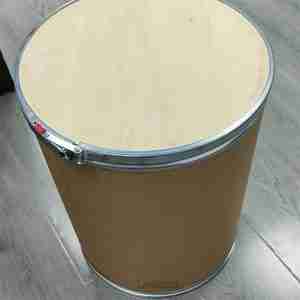
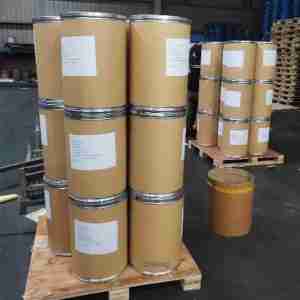
UV absorber UV BP-6 CAS 131-54-4 is a benzophenone ultraviolet absorber. Uv absorber is the most common light stabilizer used as ultraviolet absorber, widely used in paints and plastics. UV absorber UV-BP-6 is also suitable for polyvinyl chloride, acrylic resin, epoxy resin, phenolic resin, cellulose nitrate and polyurethane.
UV-1577 CAS 147315-50-2
CAS:147315-50-2
Molecular Formula:C27H27N3O2
Molecular Weight:425.52
EINECS:411-380-6
Synonyms:TINUVIN 1577; UV-1577; 2-(4,6-Diphenyl-1,3,5-triazin-2-yl)-5-[(hexyl)oxy]-phenol UV-1577; 2-(4,6-Diphenyl-1,3,5-triazin-2-yl)-5- hexploxy-phenol; Ultraviolet Absorbent UV-1577; UV Absorber UV-1577; 2-(4,6-Diphenyl-1,3,5-triazine-2-yl)-5-[(hexyl)oxy]phenol; UV Absorber 1577; Absorber UV-1577;
6-(4,6-diphenyl-1,3,5-triazin-2-yl)-6-hexoxy-1-cyclohexa-2,4-dienol; 2-(4,6-Diphenyl-1,3,5-triazin-2-yl)-5-[(hexyl)oxy]-phenol ISO 9001:2015 REACH;
DXSORB 1577; UV ABSORBER TRUELICHT UV 1577; Light Stabilizer UV-Absorber RIASORB UV1577; 2-(2-Hydroxy-4-hexyloxyphenyl)-4,6-Bis(phenyl)-1,3,5-triazine (Appolo-1577)
What is UV-1577 CAS 147315-50-2?
UV-1577 CAS 147315-50-2 is a triazine UV absorber with good compatibility with polymers and other additives. It is especially suitable for engineering plastics, polycarbonate, laminated film and other materials to improve the durable light stability of products.
Specification
| Item | Specification |
| Melting point | 147-151 °C(lit.) |
| Boiling point | 645.6±65.0 °C(Predicted) |
| Density | 1.150±0.06 g/cm3(Predicted) |
| Acidity coefficient (pKa) | 8.48±0.40(Predicted) |
| LogP | 6.24 at 25℃ |
Application
UV-1577 CAS 147315-50-2 is a very low volatile UV absorber and stabilizer. Polycarbonate and polyester can achieve better weather resistance than traditional benzotriazole UV absorbers. The low chelation tendency allows it to be used in polymer formulations containing residual catalysts.
Packaging
25kg/drum or according to customer requirements.
UV-1577 CAS 147315-50-2 is a triazine UV absorber with good compatibility with polymers and other additives. It is especially suitable for engineering plastics, polycarbonate, laminated film and other materials to improve the durable light stability of products.
| Item | Specification |
| Melting point | 147-151 °C(lit.) |
| Boiling point | 645.6±65.0 °C(Predicted) |
| Density | 1.150±0.06 g/cm3(Predicted) |
| Acidity coefficient (pKa) | 8.48±0.40(Predicted) |
| LogP | 6.24 at 25℃ |
25kg/drum or 25kg/bag or according to customer requirements.
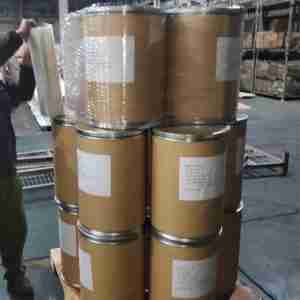
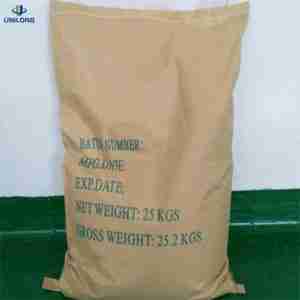
UV-1577 CAS 147315-50-2 is a very low volatile UV absorber and stabilizer. Polycarbonate and polyester can achieve better weather resistance than traditional benzotriazole UV absorbers. The low chelation tendency allows it to be used in polymer formulations containing residual catalysts.
UV 538 CAS 2985-59-3
CAS:2985-59-3
Molecular Formula:C25H34O3
Molecular Weight:382.54
EINECS:221-049-6
Synonyms:UV 538; 4-(DODECYLOXY)-2-HYDROXY BENZOPHENONE; [4-(dodecyloxy)-2-hydroxyphenyl]phenyl-methanon; [4-(dodecyloxy)-2-hydroxyphenyl]phenyl-Methanone; 2-Hydroxy-4-(dodecyloxy)benzophenone; 2-Hydroxy-4-Dodecoxy Benzophenone; 2-Hydroxy-4-dodecyclobenzophenone; 2-Benzoyl-5-(dodecyloxy)phenol; (2-hydroxy-4-lauryloxy-phenyl)-phenyl-methanone; (4-dodecoxy-2-hydroxy-phenyl)-phenyl-methanone; (4-dodecoxy-2-hydroxyphenyl)-phenylmethanone; 4-Dodecyloxy-2-hydroxybenzophenone ISO 9001:2015 REACH
What is UV 538 CAS 2985-59-3?
The molecular formula of UV 538 CAS 2985-59-3 is C25H34O,UV absorber UV-1200 is the replacement of UV-531 and UV-9. The product is non-toxic, non-flammable, non-explosive, non-corrosive, good storage stability, can absorb 270-340nm ultraviolet light, prevent photoaging, cracking and brittleness of polymer materials, and greatly extend the service life of materials.
Specification
| Item | Specification |
| Melting point | 49-50 °C |
| Boiling point | 506.3±35.0 °C(Predicted) |
| Density | 1.029±0.06 g/cm3(Predicted) |
| Acidity coefficient (pKa) | 7.58±0.35(Predicted) |
Application
UV 538 CAS 2985-59-3 is a replacement of UV-531 and UV-9. The product is non-toxic, non-flammable, non-explosive, non-corrosive, good storage stability, can absorb 270-340nm ultraviolet light, prevent photoaging, cracking and brittleness of polymer materials, and greatly extend the service life of materials. Because of its excellent performance, it is widely used in polyethylene, polypropylene, acrylic, various high-grade coatings and automotive paints abroad.
Packaging
25kg/drum or according to customer requirements.
The molecular formula of UV 538 is C25H34O,UV absorber UV-1200 is the replacement of UV-531 and UV-9. The product is non-toxic, non-flammable, non-explosive, non-corrosive, good storage stability, can absorb 270-340nm ultraviolet light, prevent photoaging, cracking and brittleness of polymer materials, and greatly extend the service life of materials.
| Item | Specification |
| Melting point | 49-50 °C |
| Boiling point | 506.3±35.0 °C(Predicted) |
| Density | 1.029±0.06 g/cm3(Predicted) |
| Acidity coefficient (pKa) | 7.58±0.35(Predicted) |
25kg/drum or according to customer requirements.
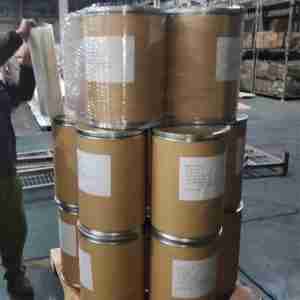
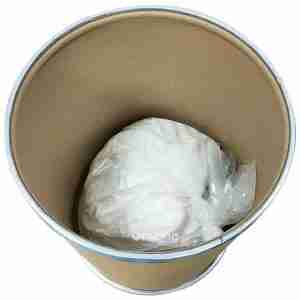
Uv-538 is a replacement of UV-531 and UV-9. The product is non-toxic, non-flammable, non-explosive, non-corrosive, good storage stability, can absorb 270-340nm ultraviolet light, prevent photoaging, cracking and brittleness of polymer materials, and greatly extend the service life of materials. Because of its excellent performance, it is widely used in polyethylene, polypropylene, acrylic, various high-grade coatings and automotive paints abroad.
Octabenzone UV-531 CAS 1843-05-6
Octabenzone UV-531 CAS 1843-05-6
CAS:1843-05-6
Molecular Formula:C21H26O3
Molecular Weight:326.43
EINECS:217-421-2
Synonyms:[2-Hhydroxy-4-(octyloxy)phenyl]phenylmethanone; 2-HYDROXY-4-N-OCTOXYBENZOPHENONE; 2-HYDROXY-4-N-OCTYLOXYBENZOPHENONE; 2-HYDROXY-4-(OCTYLOXY)BENZOPHENONE; 2-HYDROXY-4-(OCTYLOXYL)-BENZOPHENONE; CHIMASSORB 81; BENZOPHENONE-12; Octabenzone UV-531; (2-hydroxy-4-(octyloxy)phenyl)phenyl-methanon; aduvex248; advastab46; anti-uvp; Benzon OO; benzonoo; Benzophenone, 2-hydroxy-4-(octyloxy)-; biosorb130; carstab700; Cyasorb UV 531; cyasorbuv531; Hostavin ARO 8
What is Octabenzone UV-531 CAS 1843-05-6?
Octabenzone UV-531 CAS 1843-05-6 is a benzophenone ultraviolet absorber, light yellow needle crystalline powder at room temperature, is a high efficiency anti-aging additives with excellent performance, can strongly absorb 270 ~ 340nm ultraviolet light, with light color, non-toxic, good compatibility, small migration, easy to process and other characteristics.
Specification
| Item | Specification |
| Melting point | 47-49 °C(lit.) |
| Boiling point | 424.46°C (rough estimate) |
| Density | 1.160g/cm3 |
| Acidity coefficient (pKa) | 7.59±0.35(Predicted) |
| Refractive index | 1.6000 (estimate) |
| Flash point | 102℃ |
| LogP | 7.360 (est) |
Application
Octabenzone UV-531 CAS 1843-05-6 is widely used in PE, PVC, PP, PS, PC, polycarbonate, plexiglass, polypropylene fiber and vinyl acetate. And for dry phenolic and alkyd varnishes, polyurethanes, acrylics, epoxies and other air drying products and automotive finishing paints, powder coatings, rubber and other products, to provide them with a good light stabilization effect. Dosage 0.1-0.5%.
Packaging
25kg/drum or according to customer requirements.
Octabenzone UV-531 CAS 1843-05-6 is a benzophenone ultraviolet absorber, light yellow needle crystalline powder at room temperature, is a high efficiency anti-aging additives with excellent performance, can strongly absorb 270 ~ 340nm ultraviolet light, with light color, non-toxic, good compatibility, small migration, easy to process and other characteristics.
| Item | Specification |
| Melting point | 47-49 °C(lit.) |
| Boiling point | 424.46°C (rough estimate) |
| Density | 1.160g/cm3 |
| Acidity coefficient (pKa) | 7.59±0.35(Predicted) |
| Refractive index | 1.6000 (estimate) |
| Flash point | 102℃ |
| LogP | 7.360 (est) |
25kg/drum or according to customer requirements.


Octabenzone UV-531 CAS 1843-05-6 is widely used in PE, PVC, PP, PS, PC, polycarbonate, plexiglass, polypropylene fiber and vinyl acetate. And for dry phenolic and alkyd varnishes, polyurethanes, acrylics, epoxies and other air drying products and automotive finishing paints, powder coatings, rubber and other products, to provide them with a good light stabilization effect. Dosage 0.1-0.5%.
UV-329 CAS 3147-75-9
CAS:3147-75-9
Molecular Formula:C20H25N3O
Molecular Weight:323.43
EINECS:221-573-5
Synonyms:LABOTEST-BB LT00053579; EUSORB 323; 2-(2′-HYDROXY-5′-TERT-OCTYLLPHENYL)BENZOTRIAZOLE; 2-(2′-HYDROXY-5′-TERT-OCTYL PHENYL) BENZOTRIAZOLE; 2-(2-HYDROXY-5-TERT-OCTYLPHENYL)BENZOTRIAZOLE; 2-(2H-BENZOTRIAZOL-2-YL)-4-(1,1,3,3-TETRAMETHYLBUTYL)PHENOL; TINUVIN 329; OCTRIZOLE; 2-(2h-benzotriazol-2-yl)-4-(1,1,3,3-tetramethylbu; 2-(2′-Hydroxy-5′-octylphenyl)benzotriazole; Uv-329(5411); 2-(2’-hydroxy-5’-(1-1-3-3-tetramethylbutyl)phenyl)benzotriazole; Tinuvin 329 Ciba,Cytec Cyasorb; 5411,Aceto Eusorb 323; UV Absorber UV-329; Ultraviolet absorbent UV-329 2-(2H-Benzotriazole-2-yl)-4-tert-octylphenol; 2-[2-Hydroxy-5-(1,1,3,3-tetramethylbutyl)phenyl]-2H-benzotriazole; Cyasorb UV 5411; 2-(2H-BENZO[D][1,2,3]TRIAZOL-2-YL)-4-OCTYLPHENOL; 2-(2-Hydroxy-5-t-octylphenyl)benzotriazole; Benzotriazole UV 329; ThasorbUv329; UV ABSORBER 329; 2-benzotriazol-2-yl-4-(1,1,3,3-tetramethylbutyl)phenol; UV-329
What is UV-329 CAS 3147-75-9?
UV-329 CAS 3147-75-9, is a highly effective anti-aging agent with excellent properties, soluble in benzene, styrene, dichloromethane and cyclohexane, slightly soluble in alcohol substances, insoluble in water; Can effectively absorb 270-380 nm ultraviolet light; Non-flammable, non-explosive, non-toxic, safe and harmless to use.
Specification
| Item | Specification |
| Melting point | 106-108 °C(lit.) |
| Boiling point | 471.8±55.0 °C(Predicted) |
| Density | 1.10±0.1 g/cm3(Predicted) |
| Vapor pressure | 0Pa at 20℃ |
| Acidity coefficient (pKa) | 8.07±0.45(Predicted) |
| Water solubility | 2μg/L at 20℃ |
| LogP | 7.290 (est) |
Application
UV absorber UV-329 CAS 3147-75-9 is widely used in PE, PVC, PP, PS, PC, polypropylene fiber, ABS resin, epoxy resin, resin fiber and ethylene vinyl acetate and other surface, and can be used in plastic containers and food packaging materials, providing them with good light stabilization effect. Almost does not absorb visible light, especially suitable for colorless transparent and light-colored products.
Packaging
25kg/drum or according to customer requirements.
Ultraviolet absorber UV-329, i.e. 2-(2′ -hydroxy-5 ‘-teroctyl phenyl) benzotriazole, is a highly effective anti-aging agent with excellent properties, soluble in benzene, styrene, dichloromethane and cyclohexane, slightly soluble in alcohol substances, insoluble in water; Can effectively absorb 270-380 nm ultraviolet light; Non-flammable, non-explosive, non-toxic, safe and harmless to use.
| Item | Specification |
| Melting point | 106-108 °C(lit.) |
| Boiling point | 471.8±55.0 °C(Predicted) |
| Density | 1.10±0.1 g/cm3(Predicted) |
| Vapor pressure | 0Pa at 20℃ |
| Acidity coefficient (pKa) | 8.07±0.45(Predicted) |
| Water solubility | 2μg/L at 20℃ |
| LogP | 7.290 (est) |
25kg/drum or according to customer requirements.


UV absorber UV-329 CAS 3147-75-9 is widely used in PE, PVC, PP, PS, PC, polypropylene fiber, ABS resin, epoxy resin, resin fiber and ethylene vinyl acetate and other surface, and can be used in plastic containers and food packaging materials, providing them with good light stabilization effect. Almost does not absorb visible light, especially suitable for colorless transparent and light-colored products.
UV-327 CAS 3864-99-1
CAS:3864-99-1
Molecular Formula:C20H24ClN3O
Molecular Weight:357.88
EINECS:223-383-8
Synonyms:2-(3,5-DI-TERT-BUTYL-2-HYDROXYPHENYL)-5-CHLORO-2H-BENZOTRIAZOLE; 2-(3′,5′-DI-TERT-BUTYL-2′-HYDROXYPHENYL)-5-CHLOROBENZOTRIAZOLE; 2-(3,5-DI-TERT-BUTYL-2-HYDROXYPHENYL)-5-CHLOROBENZOTRIAZOLE; 2-(5-Chloro-2H-benzotriazol-2-yl)-4,6-bis(1,1-dimethylethyl)-phenol; 2,4-DI-T-BUTYL-6-(5-CHLORO-2 H-BENZOTRIAZOL-2-YL)PHENOL; 2,4-DI-TERT-BUTYL-6-(5-CHLORO-2H-BENZOTRIAZOL-2-YL)PHENOL; 2,4-DI-TERT-BUTYL-6-(5-CHLOROBENZOTRIAZOL-2-YL) PHENOL; 2-(2’HYDROXY-3′,5′-DI-TERT-BUTYLPHENYL)-5-CHLOROBENZOTRIAZOLE; 2-(2’-hydroxy-3’,5’-ditertbutylphenyl)-5-chloro-benzotrizole; 5-CHLORO-2-(3,5-DI-TERT-BUTYL-2-HYDROXYPHENYL)BENZOTRIAZOLE; ULTRAVIOLET ABSORBENT UV-327; TINUVIN 327; 2,4-di-tert-butyl-6-(5-chloro-2H-benzo-triazol-2-Dibutylhydroxyphenylchlorobenzotriazole; UV-327; UV ABSORBER UV-327ThasorbUv327; 4,6-Di-tert-butyl-2-(5-chloro-2H-benzotriazol-2-yl; UV ABSORBER 327
Appearance:
Dibutylhydroxyphenylchlorobenzotriazole,UV-327,UV ABSORBER UV-327,ThasorbUv327
What is UV-327 CAS 3864-99-1?
UV-327 CAS 3864-99-1 is an excellent benzotriazole UV absorber, usually light yellow or white powder, soluble in styrene, benzene, toluene and other solvents. The absorption wavelength range is greater than the ultraviolet absorber UV-P, can strongly absorb 300-400 mm of ultraviolet light, the highest absorption peak is 353 nm, and the chemical stability is good, small volatility.
Specification
| Item | Specification |
| Melting point | 150-153 °C(lit.) |
| Boiling point | 469.2±55.0 °C(Predicted) |
| Density | 1,26 g/cm3 |
| Acidity coefficient (pKa) | 9.23±0.48(Predicted) |
| Flash point | 234°C |
Application
UV absorber UV-327 CAS 3864-99-1 is an excellent light stabilizer and has good synergistic effect with antioxidant. The product has low volatility, good compatibility with resin, suitable for polypropylene, polyethylene, polyformaldehyde and polymethyl methacrylate, etc., especially suitable for polypropylene fiber.
Packaging
25kg/drum or according to customer requirements.
UV absorber UV-327 CAS 3864-99-1 is an excellent benzotriazole UV absorber, usually light yellow or white powder, soluble in styrene, benzene, toluene and other solvents. The absorption wavelength range is greater than the ultraviolet absorber UV-P, can strongly absorb 300-400 mm of ultraviolet light, the highest absorption peak is 353 nm, and the chemical stability is good, small volatility.
| Item | Specification |
| Melting point | 150-153 °C(lit.) |
| Boiling point | 469.2±55.0 °C(Predicted) |
| Density | 1,26 g/cm3 |
| Acidity coefficient (pKa) | 9.23±0.48(Predicted) |
| Flash point | 234°C |
25kg/drum or according to customer requirements.
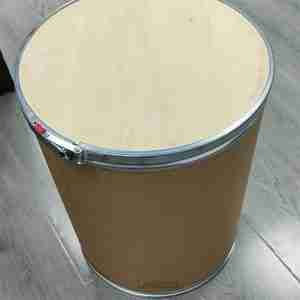
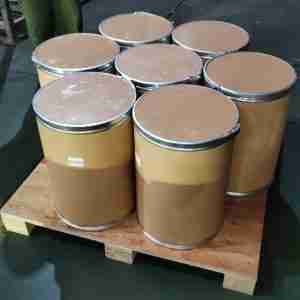
UV absorber UV-327 CAS 3864-99-1 is an excellent light stabilizer and has good synergistic effect with antioxidant. The product has low volatility, good compatibility with resin, suitable for polypropylene, polyethylene, polyformaldehyde and polymethyl methacrylate, etc., especially suitable for polypropylene fiber.
UV Absorber 326 CAS 3896-11-5
CAS:3896-11-5
Molecular Formula:C17H18ClN3O
Molecular Weight:315.8
EINECS:223-445-4
Synonyms:2-T-BUTYL-6-(5-CHLORO-2 H-BENZOTRIAZOL-2-YL)-4-METHYLPHENOL;BUMETRIZOLE; LABOTEST-BB LT00138024; TINUVIN 326; ULTRA-VIOLET ABSORBER UV-326; ULTRAVIOLET ABSORBENT UV-326; 2-(5-chloro-2h-benzotriazol-2-yl)-6-(1,1-dimethylethyl)-4-methyl-pheno;Phenol, 2-(5-chloro-2H-benzotriazol-2-yl)-6-(1,1-dimethylethyl)-4-methyl-ACETOSTAB 326; 2-(5-CHLORO-2-BENZOTRIAZOLYL)-6-TERT-BUTYL-PARA-CRESOL; 2-(5-Chlor-2H-benzotriazol-2-yl)-6-(1,1-dimethylethyl)-4-methyl-phenol; Tinuvin 326 Ciba; 2-(5-Chloro-2H-benzotriazole-2-yl)-4-methyl-6-(tert-butyl)phenol; 5-Chloro-2-[3-(tert-butyl)-2-hydroxy-5-methylphenyl]-2H-benzotriazole; UV ABSORBER 326; 2-(3-tert-butyl-2-hydroxy-5-methylphenyl)-5-chlorobenzotriazole; 6-tert-butyl-2-(5-chlorobenzotriazol-2-yl)-p-cresol; UV-326; 2-(5-Chloro-2h-Benzotriazole-2-Yl)-6-(1,1-Dimethylethyl)-4-Methyl-Phenol; 2-(Hydroxy-3-tert-butyl-5-methylphenyl)-5-chlorobenzotriazole; UV ABSORBER UV-326
Appearance:
BUMETRIZOLE,LABOTEST-BB LT00138024,TINUVIN 326,ULTRA-VIOLET ABSORBER UV-326,ULTRAVIOLET ABSORBENT UV-326
What is UV Absorber 326 CAS 3896-11-5?
UV Absorber 326 CAS 3896-11-5 is a light yellow crystalline powder with a melting point of 137-141℃. It is soluble in solvents such as styrene, benzene and toluene, and can effectively absorb ultraviolet light of 270-380nm. UV Absorber 326 has low volatile and good compatibility with resins.
Specification
| Item | Specification |
| Melting point | 144-147 °C(lit.) |
| Boiling point | 460.4±55.0 °C(Predicted) |
| Density | 1.26±0.1 g/cm3(Predicted) |
| Vapor pressure | 0Pa at 20℃ |
| Acidity coefficient (pKa) | 9.31±0.48(Predicted) |
| Water solubility | 4μg/L at 20℃ |
| LogP | 6.580 (est) |
Application
The Absorber is stable and non-toxic. The absorber is mainly used in polyolfins, polyvinyl chloride, unsaturated polyester, polyamide, polyurethane, epoxy resin, ABS resin and cellulose resin, and is suitable for natural rubber and synthetic rubber.
Packaging
25kg/drum or according to customer requirements.
UV Absorber 326 CAS 3896-11-5 is a light yellow crystalline powder with a melting point of 137-141℃. It is soluble in solvents such as styrene, benzene and toluene, and can effectively absorb ultraviolet light of 270-380nm. UV Absorber 326 has low volatile and good compatibility with resins.
| Item | Specification |
| Melting point | 144-147 °C(lit.) |
| Boiling point | 460.4±55.0 °C(Predicted) |
| Density | 1.26±0.1 g/cm3(Predicted) |
| Vapor pressure | 0Pa at 20℃ |
| Acidity coefficient (pKa) | 9.31±0.48(Predicted) |
| Water solubility | 4μg/L at 20℃ |
| LogP | 6.580 (est) |
25kg/drum or according to customer requirements.
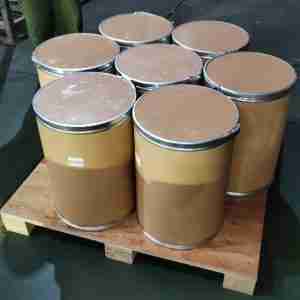
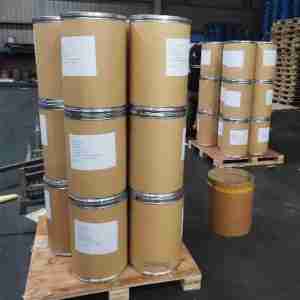
The Absorber is stable and non-toxic. The absorber is mainly used in polyolfins, polyvinyl chloride, unsaturated polyester, polyamide, polyurethane, epoxy resin, ABS resin and cellulose resin, and is suitable for natural rubber and synthetic rubber.
UV Absorber UV-320 CAS 3846-71-7
UV Absorber UV-320 CAS 3846-71-7
CAS:3846-71-7
Molecular Formula:C20H25N3O
Molecular Weight:323.43
EINECS:223-346-6
Synonyms:4,6-Di-tert-butyl-2-(2H-benzotriazole-2-yl)phenol; HDBB; 2-Benzotriazole-2-yl-4; 6-di-tert-butylphenol; 3,5-Dibutylhy-2-droxyphenylbenzotriazole; 2-(3,5-Di-t-butyl-2-hydroxyphenyl)benzotriazole; 2-(2H-Benzo[d][1,2,3]triazol-2-yl)-4,6-di-tert-butylphenol; uv absorber uv-320; 2-(2′-Hydroxy-3′,5′-di-t-butylphenyl)benzotriazole; UV Absorber 320; TINUVIN 320; ULTRAVIOLET ABSORBER UV-320; UV-320; 2-(2h-benzotriazol-2-yl)-4,6-bis(1,1-dimethylethyl)-pheno; 2-(2H-benzotriazol-2-yl)-4,6-bis(1,1-dimethylethyl)-Phenol; benzotriazolelightabsorber; 2-BENZOTRIAZOLE-2-YL-4,6-DI-TERT-BUTYLPHENOL; 2-(2′-HYDROXY-3′,5′-DI-TERT-BUTYLPHENYL)BENZOTRIAZOLE; 2-(2-HYDROXY-3,5-DI-TERT-BUTYLPHENYL)BENZOTRIAZOLE; 2-(2H-BENZOTRIAZOL-2-YL)-4,6-DI-T-BUTYLPHENOL
Appearance:
UV Absorber 320,TINUVIN 320,ULTRAVIOLET ABSORBER UV-320,UV-320
What is UV Absorber UV-320 CAS 3846-71-7?
UV Absorber UV-320 CAS 3846-71-7 is a light yellow crystalline powder with a high efficiency light stabilizer. UV-320 molecular formula is C20H25N3O, molecular weight is 323.43, soluble in chloroform, methanol, UV-320 general storage conditions of 2-8°C.
Specification
| Item | Specification |
| Melting point | 152-154°C |
| Boiling point | 444.0±55.0 °C(Predicted) |
| Density | 1.10±0.1 g/cm3(Predicted) |
| Acidity coefficient (pKa) | 9.41±0.48(Predicted) |
| Flash point | 215°C |
Application
UV Absorber UV-320 CAS 3846-71-7 is a highly efficient light stabilizer, widely used in plastics and other organic matter, including unsaturated polyester, PVC, PVC plastic, etc., in polyurethane, polyamide, synthetic fibers, especially in the application of polyester, epoxy resin.
Packaging
25kg/drum or according to customer requirements.
UV Absorber UV-320 CAS 3846-71-7 is a light yellow crystalline powder with a high efficiency light stabilizer. UV-320 molecular formula is C20H25N3O, molecular weight is 323.43, soluble in chloroform, methanol, UV-320 general storage conditions of 2-8°C.
| Item | Specification |
| Melting point | 152-154°C |
| Boiling point | 444.0±55.0 °C(Predicted) |
| Density | 1.10±0.1 g/cm3(Predicted) |
| Acidity coefficient (pKa) | 9.41±0.48(Predicted) |
| Flash point | 215°C |
25kg/drum or according to customer requirements.
UV Absorber UV-320 CAS 3846-71-7 is a highly efficient light stabilizer, widely used in plastics and other organic matter, including unsaturated polyester, PVC, PVC plastic, etc., in polyurethane, polyamide, synthetic fibers, especially in the application of polyester, epoxy resin.
Bemotrizinol CAS 187393-00-6
CAS:187393-00-6
Molecular Formula:C38H49N3O5
Molecular Weight:627.81
EINECS:425-950-7
Synonyms:2,2′-[6-(4-Methoxyphenyl)- 1,3,5-triazine-2,4-diyl] bis{5-[(2-ethylhexyl)oxy]phenol}; CGF 1607; FAT 70’884; Tinosorb S Aqua 6,6′-(6-(4-Methoxyphenyl)-1,3,5-triazine-2,4-diyl)bis(3-(2-ethylhexyloxy)phenol); BIS-ETHYLHEXYLOXYPHENOL METHOXYPHENYL TRIAZINE; 2,4-Bis[4-(2-ethylhexyloxy)-2-hydroxyphenyl]-6-(4-methoxyphenyl)-1,3,5-triazine; BISETHYLHEXYLOXYPHENOLMETHOXYPHENOLTRIAZINE Bemotrizinol (200 mg); LGB-TS; Bemotrizinol/Bis Ethyl Hexyl Oxyphenolmethoxyphenyl Triazine; 2,4-bis-{[4-(2-ethyl-hexyloxy)-2-hydrody]-phenyl}-6-(4-methoxyphenyl)-(1,3,5)-triazine; Tinosorb S Bemotrizinol; uv absorber UV-S; IS-ETHYLHEXYLOXYPHENOL METHOXYPHENYL TRIAZINE; Diethyl hexoxyphenol methoxyphenyl triazine; Bis-ethylhexyloxyphenol methoxyphenyl triazine Solution in Methanol/THF/Water, 1000μg/mL; UV ABSORBER TRUELICHT UV S; Bis-ethylhexyloxyphenol methoxyphenyl triazine(BEMT)
What is Bemotrizinol CAS 187393-00-6?
Diethylhexoxyphenol methoxyphenyl triazine is an oil-soluble organic compound that is added to sunscreen to absorb UV rays. It is a wide area (broadband) purple external line absorber, extremely light stability, can absorb UVB to UVA, its absorption peak has two, respectively located at the wavelength 310 and 340 nm.
Specification
| Item | Specification |
| Melting point | 83-85°; mp 80° (Mongiat) |
| Boiling point | 782.0±70.0 °C(Predicted) |
| Density | 1.109±0.06 g/cm3(Predicted) |
| Acidity coefficient (pKa) | 8.08±0.40(Predicted) |
| LogP | 7.647 (est) |
Application
Bemotrizinol CAS 187393-00-6 is a broad spectrum UV absorber that absorbs both UVA and UVB rays and is added to a variety of sunscreen products to absorb UV rays.
Packaging
25kg/drum or according to customer requirements.
Bemotrizinol CAS 187393-00-6, also known as Bemotrizinol, referred to as BTZ, is an oil-soluble organic compound, added to the sunscreen to absorb ultraviolet rays, BTZ is a wide area (broadband) ultraviolet absorber, can absorb UVB and UVA, its absorption peak has two, respectively, located at the wavelength 310 and 340nm. Its light stability is very high, even if 50MEDs(minimum red dose) of UV rays, still can retain 98.4% of the amount is not broken down, and other sunscreens such as Avobenzone can also inhibit their photodecomposition reaction.
| Item | Specification |
| Melting point | 83-85°; mp 80° (Mongiat) |
| Boiling point | 782.0±70.0 °C(Predicted) |
| Density | 1.109±0.06 g/cm3(Predicted) |
| Acidity coefficient (pKa) | 8.08±0.40(Predicted) |
| LogP | 7.647 (est) |
25kg/drum or according to customer requirements.
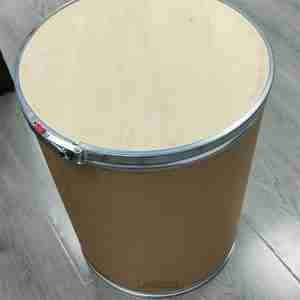
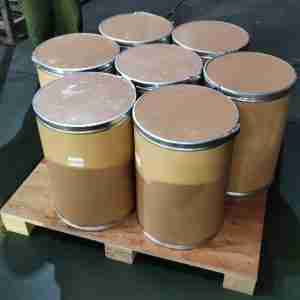
Bemotrizinol CAS 187393-00-6 is a broad spectrum UV absorber that absorbs both UVA and UVB rays and is added to a variety of sunscreen products to absorb UV rays.
Quick Procurement Information
Product Name UV Absorber BP-1 Chemical Name 2,4-Dihydroxybenzophenone Common Names Benzophenone-1, BP-1, UV-0 CAS Number 131-56-6 EC Number 205-029-4 Molecular Formula C13H10O3 Molecular Weight 214.22 g/mol Product Type Benzophenone-type UV absorber Reference Appearance Colorless to yellowish crystalline material Application Scope Polyester, chlorinated polyester, acetate materials, PVC, polystyrene, PMMA and polyacrylonitrile Water Solubility Very low; compatibility should be checked in the intended carrier or resin Standard Packaging 25 kg/drum Current Document Product TDS available for technical review MOQ and Lead Time Confirmed with the current quotation
Product Overview
UV Absorber BP-1 is a benzophenone-type UV absorber used in polymer systems where ultraviolet exposure may cause discoloration or changes in material appearance. Chemically, it is 2,4-Dihydroxybenzophenone, CAS 131-56-6.
BP-1 absorbs part of the ultraviolet energy entering a material before that energy reaches light-sensitive polymer chains, colorants and other formulation components. Its contribution depends on resin compatibility, concentration, product thickness, processing conditions and the complete additive system.
The current product scope focuses on industrial resin applications. Finished-material testing is required to confirm compatibility, optical properties and stabilization performance in the intended formulation.
Reference Physical and Chemical Properties
Property Reference Value Data Type Melting Point 144.5–147°C Literature value in the current TDS Boiling Point 194°C at 1 mmHg Reference value Density 1.32 g/cm³ Reference value Vapor Pressure 0 Pa at 25°C Reference value Refractive Index 1.5090 Estimated value Flash Point 125°C Reference value LogP 2.964 at 25°C Reference value pKa 7.72 ± 0.35 Predicted value
These values support product identification and initial technical review. They are not complete batch specifications or lot-specific test results. If a project requires a defined assay, appearance, color, volatile content, identification test or other acceptance limit, include the required value and test method with the enquiry.Applications of UV Absorber BP-1
Polyester and Chlorinated Polyester
BP-1 can be evaluated in polyester and chlorinated polyester systems where UV exposure may contribute to discoloration or deterioration in surface appearance.
Check resin compatibility, processing temperature, initial color and appearance after the required UV or weathering exposure.
PVC and Polystyrene
UV Absorber BP-1 can be considered in PVC and polystyrene formulations requiring additional control of UV-related color or surface changes.
Plasticizers, pigments and fillers may affect BP-1 dispersion and final performance. Evaluate additive distribution, color contribution and finished-product stability under the intended processing conditions.
PMMA and Transparent Acrylic Materials
The current product scope includes plexiglass and related PMMA materials. These applications often have strict requirements for transparency, haze and initial color.
Compare treated and untreated samples for clarity, visible particles, yellowing and appearance after UV exposure. Product thickness should be included in the evaluation.
Acetate Materials and Polyacrylonitrile
BP-1 may also be assessed in acetate materials and polyacrylonitrile systems.
Confirm compatibility with the intended carrier and processing method. Review uniform distribution, color and finished-material appearance before production approval.
Formulation Considerations
Solubility and Incorporation
BP-1 has very low water solubility. It is more suited to compatible organic or resin phases than direct addition to an aqueous system.
Test the actual resin, solvent or carrier before scale-up. Check for incomplete dissolution, precipitation, visible particles, haze and color change.
Establishing the Use Level
There is no single BP-1 addition level suitable for every formulation. The appropriate starting level depends on the resin, product thickness, UV exposure, color requirements and expected service conditions.
Establish the final concentration through formulation and performance testing. Confirm the current technical information before setting a production level.
Optical and Processing Checks
The current TDS describes BP-1 as showing better stabilization performance in transparent products than in colored products. Test transparent and colored formulations separately.
Laboratory trials should reproduce the intended heat history, mixing method and residence time. Final approval should be based on the processed material.
Quality and Product Documentation
The current BP-1 TDS identifies the product, CAS number, molecular weight, reference physicochemical properties, application scope and standard packaging.
A shared CAS number confirms chemical identity, but it does not define assay, appearance, color, impurities or test methods. Buyers with specific acceptance requirements should state the required test item, limit and method before quotation.
Document or Requirement Availability and Review Product TDS Available for technical review Lot-Specific COA Include the requirement in the enquiry; current availability is confirmed before order SDS State the destination and required language so the applicable version can be confirmed Additional Test Requirements Submit the required item, limit and test method for technical review
Packaging and Order Information
Standard Packaging
UV Absorber BP-1 is supplied in 25 kg drums. Alternative packaging can be discussed according to the order quantity, labeling requirements and shipping conditions.
Commercial Terms
MOQ, lead time, sample availability and shipping terms are confirmed with the current quotation. Storage and handling should follow the applicable product and safety documentation.
Information Required for a BP-1 Quotation
- Required specification or target test items
- Estimated order quantity
- Intended resin and application
- Destination country and preferred delivery terms
- Packaging and labeling requirements
- Required TDS, SDS or lot-specific COA
Frequently Asked Questions
Request BP-1 Product Information
Send your required specification, resin system, estimated quantity, destination and document requirements. Our team will confirm the current BP-1 product information, packaging and quotation applicable to your enquiry.
Quick Procurement Information
| Product Name | UV Absorber BP-1 |
|---|---|
| Chemical Name | 2,4-Dihydroxybenzophenone |
| Common Names | Benzophenone-1, BP-1, UV-0 |
| CAS Number | 131-56-6 |
| EC Number | 205-029-4 |
| Molecular Formula | C13H10O3 |
| Molecular Weight | 214.22 g/mol |
| Product Type | Benzophenone-type UV absorber |
| Reference Appearance | Colorless to yellowish crystalline material |
| Application Scope | Polyester, chlorinated polyester, acetate materials, PVC, polystyrene, PMMA and polyacrylonitrile |
| Water Solubility | Very low; compatibility should be checked in the intended carrier or resin |
| Standard Packaging | 25 kg/drum |
| Current Document | Product TDS available for technical review |
| MOQ and Lead Time | Confirmed with the current quotation |
Product Overview
UV Absorber BP-1 is a benzophenone-type UV absorber used in polymer systems where ultraviolet exposure may cause discoloration or changes in material appearance. Chemically, it is 2,4-Dihydroxybenzophenone, CAS 131-56-6.
BP-1 absorbs part of the ultraviolet energy entering a material before that energy reaches light-sensitive polymer chains, colorants and other formulation components. Its contribution depends on resin compatibility, concentration, product thickness, processing conditions and the complete additive system.
The current product scope focuses on industrial resin applications. Finished-material testing is required to confirm compatibility, optical properties and stabilization performance in the intended formulation.
Reference Physical and Chemical Properties
| Property | Reference Value | Data Type |
|---|---|---|
| Melting Point | 144.5–147°C | Literature value in the current TDS |
| Boiling Point | 194°C at 1 mmHg | Reference value |
| Density | 1.32 g/cm³ | Reference value |
| Vapor Pressure | 0 Pa at 25°C | Reference value |
| Refractive Index | 1.5090 | Estimated value |
| Flash Point | 125°C | Reference value |
| LogP | 2.964 at 25°C | Reference value |
| pKa | 7.72 ± 0.35 | Predicted value |
Applications of UV Absorber BP-1
Polyester and Chlorinated Polyester
BP-1 can be evaluated in polyester and chlorinated polyester systems where UV exposure may contribute to discoloration or deterioration in surface appearance.
Check resin compatibility, processing temperature, initial color and appearance after the required UV or weathering exposure.
PVC and Polystyrene
UV Absorber BP-1 can be considered in PVC and polystyrene formulations requiring additional control of UV-related color or surface changes.
Plasticizers, pigments and fillers may affect BP-1 dispersion and final performance. Evaluate additive distribution, color contribution and finished-product stability under the intended processing conditions.
PMMA and Transparent Acrylic Materials
The current product scope includes plexiglass and related PMMA materials. These applications often have strict requirements for transparency, haze and initial color.
Compare treated and untreated samples for clarity, visible particles, yellowing and appearance after UV exposure. Product thickness should be included in the evaluation.
Acetate Materials and Polyacrylonitrile
BP-1 may also be assessed in acetate materials and polyacrylonitrile systems.
Confirm compatibility with the intended carrier and processing method. Review uniform distribution, color and finished-material appearance before production approval.
Formulation Considerations
Solubility and Incorporation
BP-1 has very low water solubility. It is more suited to compatible organic or resin phases than direct addition to an aqueous system.
Test the actual resin, solvent or carrier before scale-up. Check for incomplete dissolution, precipitation, visible particles, haze and color change.
Establishing the Use Level
There is no single BP-1 addition level suitable for every formulation. The appropriate starting level depends on the resin, product thickness, UV exposure, color requirements and expected service conditions.
Establish the final concentration through formulation and performance testing. Confirm the current technical information before setting a production level.
Optical and Processing Checks
The current TDS describes BP-1 as showing better stabilization performance in transparent products than in colored products. Test transparent and colored formulations separately.
Laboratory trials should reproduce the intended heat history, mixing method and residence time. Final approval should be based on the processed material.
Quality and Product Documentation
The current BP-1 TDS identifies the product, CAS number, molecular weight, reference physicochemical properties, application scope and standard packaging.
A shared CAS number confirms chemical identity, but it does not define assay, appearance, color, impurities or test methods. Buyers with specific acceptance requirements should state the required test item, limit and method before quotation.
| Document or Requirement | Availability and Review |
|---|---|
| Product TDS | Available for technical review |
| Lot-Specific COA | Include the requirement in the enquiry; current availability is confirmed before order |
| SDS | State the destination and required language so the applicable version can be confirmed |
| Additional Test Requirements | Submit the required item, limit and test method for technical review |
Packaging and Order Information
Standard Packaging
UV Absorber BP-1 is supplied in 25 kg drums. Alternative packaging can be discussed according to the order quantity, labeling requirements and shipping conditions.
Commercial Terms
MOQ, lead time, sample availability and shipping terms are confirmed with the current quotation. Storage and handling should follow the applicable product and safety documentation.
Information Required for a BP-1 Quotation
- Required specification or target test items
- Estimated order quantity
- Intended resin and application
- Destination country and preferred delivery terms
- Packaging and labeling requirements
- Required TDS, SDS or lot-specific COA
Frequently Asked Questions
Request BP-1 Product Information
Send your required specification, resin system, estimated quantity, destination and document requirements. Our team will confirm the current BP-1 product information, packaging and quotation applicable to your enquiry.
UV absorber BP-1 is mainly used in polyester, chlorinated polyester, acetate, polyvinyl chloride, polystyrene, plexiglass, polyacrylonitrile and other resins. The stability in transparent products is better than in colored products. The amount in the product is 0.% ~ 0.5%.
Quick Procurement Information
| Product Name | UV Absorber BP-8 |
|---|---|
| Chemical Name | 2,2′-Dihydroxy-4-methoxybenzophenone |
| Common Names | Benzophenone-8, Dioxybenzone, UV-24 |
| CAS Number | 131-53-3 |
| EC Number | 205-026-8 |
| Molecular Formula | C14H12O4 |
| Molecular Weight | 244.24 g/mol |
| Product Type | Benzophenone-type UV absorber |
| Application Scope | Plastics, resins and coating systems |
| Reference Use Level | 0.25–3%, depending on the formulation |
| Standard Packaging | 25 kg/drum |
| Current Document | Product TDS available for technical review |
| MOQ and Lead Time | Confirmed with the current quotation |
Product Overview
UV Absorber BP-8 is an organic UV-absorbing compound used in industrial material systems. It is also known as Benzophenone-8, Dioxybenzone and UV-24. These names refer to 2,2′-Dihydroxy-4-methoxybenzophenone, CAS 131-53-3.
Its benzophenone structure allows it to absorb part of the incident ultraviolet energy before that energy reaches light-sensitive components in a polymer or coating. BP-8 can be considered in PVC, ABS, acrylic resin, polyurethane, melamine resin and cellulose resin systems. It is also used in selected coatings and paints where UV exposure may affect color, gloss or surface appearance.
BP-8 is not a complete stabilization system by itself. Its contribution depends on the resin, concentration, pigment loading, film thickness, processing conditions and exposure environment. Compatibility, color contribution and finished-material performance should therefore be established in the intended formulation.
Reference Physical and Chemical Properties
| Property | Reference Value | Data Type |
|---|---|---|
| Melting Point | 73–75°C | Literature value |
| Boiling Point | 170–175°C at 1 mm Hg | Literature value |
| Density | 1.2379 | Rough estimate |
| Refractive Index | 1.5389 | Estimated value |
| pKa | 7.11 ± 0.35 | Predicted value |
| LogP | 2.33 at 23.5°C | Reference value |
These values support initial technical identification. They are not lot-specific test results or complete batch acceptance criteria. If a project requires a defined assay, appearance, color, volatile limit, identification test or other acceptance item, include the required value and method with the enquiry.
How BP-8 Works in UV Protection Systems
BP-8 absorbs part of the ultraviolet energy entering a material. The absorbed energy is dissipated through molecular relaxation rather than continuing directly to vulnerable polymer chains, pigments or other light-sensitive components.
This mechanism can help reduce UV-related changes in appearance and material performance. The result is influenced by the complete formulation. Resin chemistry, absorber concentration, dispersion, stabilizer package, sample thickness and exposure conditions all affect the final outcome.
Laboratory testing should reproduce the intended processing method and end-use environment. For outdoor products, accelerated weathering can support initial screening, but final approval should reflect the actual substrate, color, thickness and exposure conditions.
Applications of UV Absorber BP-8
PVC and ABS Materials
BP-8 can be evaluated in PVC and ABS systems where UV exposure may contribute to discoloration, gloss loss or surface deterioration. It may be considered for molded components, sheets, profiles and other polymer articles requiring improved light stability.
Assess dispersion, resin compatibility, processing temperature and color contribution. Pigments, fillers, plasticizers and other additives may change both UV transmission and final appearance.
Acrylic Resin Systems
Acrylic materials are often selected for appearance, clarity or outdoor exposure. BP-8 can be considered where the formulation requires additional control of UV-related color or surface change.
Check solution or melt compatibility, transparency, haze, color and weathering performance. The final level should reflect the resin type, product thickness and optical requirements.
Polyurethane Formulations
BP-8 can be assessed in selected polyurethane resin and coating systems. Suitability depends on the polyol, isocyanate, catalyst, pigment and other stabilizers used in the formulation.
Review solubility or dispersion, color, cure response, surface appearance and mechanical properties after UV exposure before scale-up.
Melamine and Cellulose Resins
The current application scope includes melamine and cellulose resin systems. BP-8 may be considered when ultraviolet exposure can affect the color or appearance of the finished article.
Check compatibility where solvents, plasticizers, crosslinkers or colorants are present. Review clarity, precipitation, color contribution and finished-material stability.
Coatings and Industrial Paints
BP-8 can be evaluated in industrial coatings, wood finishes and other paint systems exposed to ultraviolet light. It may help reduce the UV energy reaching binders, pigments and other light-sensitive components.
Test solution clarity, pigment interaction, film color, gloss, adhesion and weathering performance. Film thickness and substrate color can substantially change the result.
UV-Curable Coatings
Using a UV absorber in a UV-curable formulation requires careful spectral balance. The absorber and photoinitiator may compete for incident light, so increasing the absorber level can change surface cure, through-cure or production speed.
Test the actual lamp spectrum, photoinitiator package, coating thickness, line speed and required weathering performance before production.
Dosage and Formulation Considerations
The current product TDS provides a general BP-8 reference range of 0.25–3%. This is a formulation starting range rather than a universal use level.
Select the Starting Level by Application
A transparent, thin polymer article may require a different concentration from a pigmented coating or thick molded component. Consider the resin, thickness, exposure level, color target and expected service environment when establishing a trial concentration.
Achieve Uniform Distribution
Uneven distribution can reduce UV-screening consistency and create localized color or surface defects. Select a mixing or pre-dispersion method suitable for the resin and process. Check the finished material for visible particles, haze, streaks and color variation.
Evaluate Processing Conditions
Melting-point data should not be treated as a processing-temperature limit. Examine BP-8 under the actual heat history, residence time and shear conditions used during production. Review appearance and performance after processing rather than relying only on raw-material data.
Check Optical and Color Requirements
Benzophenone-type UV absorbers may influence the color or optical properties of some formulations. For transparent, white or lightly colored products, compare treated and untreated samples under consistent conditions.
Review the Complete Stabilizer Package
BP-8 may be assessed together with other stabilizers, antioxidants or additives, but the combination should be selected for the specific resin and exposure conditions. Check additive compatibility, migration, blooming, color and final weathering performance.
Technical Selection Points
| Selection Factor | Why It Matters |
|---|---|
| Resin Compatibility | Determines whether BP-8 can remain uniformly distributed. |
| Product Color | Helps identify unacceptable yellowing or color contribution. |
| Optical Clarity | Important for transparent and light-colored materials. |
| Processing Conditions | Heat history and shear may affect appearance and performance. |
| Film or Article Thickness | Changes the amount of UV energy reaching the material. |
| Pigments and Fillers | Can alter UV transmission and additive behavior. |
| Exposure Environment | Indoor, outdoor and accelerated tests may produce different results. |
| UV-Curing Conditions | Absorber and photoinitiator balance can affect cure response. |
Quality and Product Documentation
The current BP-8 TDS is available for technical review. It identifies the product, CAS number, molecular weight, reference physicochemical data, industrial application scope and standard packaging.
Reference physicochemical values should not be treated as a substitute for an agreed commercial specification. State any required test item, limit and method with the enquiry so the applicable product and document scope can be reviewed.
| Document | Availability |
|---|---|
| Product TDS | Available for technical review. |
| Lot-Specific COA | Include the requirement in the enquiry; current availability is confirmed before order. |
| SDS | State the destination and required language so the current version can be confirmed. |
| Destination-Market Documents | Availability depends on the country, product scope and requested document. |
| Additional Test Requirements | Submit the test item, limit and method for technical review. |
Packaging and Order Information
Standard Packaging
UV Absorber BP-8 is supplied in 25 kg drums. Alternative packaging can be discussed according to the order quantity, labeling requirements and shipping conditions.
Commercial Terms
MOQ, sample availability, lead time and shipping terms are confirmed with the current quotation. Storage and handling should follow the current product and safety documentation supplied for the applicable order.
Information Required for an Accurate Quotation
- Required specification or target test items
- Estimated order quantity
- Intended resin or coating system
- Destination country and preferred delivery terms
- Packaging and labeling requirements
- Required technical or destination-market documents
BP-8 Procurement Support
Unilong supports BP-8 enquiries from initial document review through quotation and order coordination. State the product name, CAS number and application clearly to avoid confusion with BP-1, BP-2, BP-6 and other benzophenone UV absorbers.
For application evaluation, provide the resin type, processing method, product color, exposure environment and performance target. This information helps identify the relevant product documents and technical questions before sampling or purchasing.
Packaging, labeling, shipping terms and document requirements are reviewed before the order is confirmed. Commercial conditions remain subject to the current quantity, destination and availability.
Frequently Asked Questions
Request BP-8 Product Information
Send your required specification, application, estimated quantity, destination and document requirements. Unilong will confirm the current BP-8 product information, packaging and quotation applicable to the enquiry.
UV Absorber BP-8 CAS 131-53-3 is a UV absorber suitable for many plastics such as polyvinyl chloride, ABS resin, acrylic resin, polyurethane, melamine resin, cellulose resin, etc. Enzophenone-8 has good compatibility with the resin, the general dosage is 0.25-3%, and has good light stabilization effect in the paint.
UV Absorber BP-2 (CAS 131-55-5) is a substituted benzophenone UV absorber. It is also identified as Benzophenone-2 and 2,2′,4,4′-tetrahydroxybenzophenone. The product absorbs ultraviolet radiation across the 320–400 nm range.
BP-2 is used in plastics, resins, coatings, synthetic rubber, photosensitive materials and selected textile applications. It helps reduce the UV energy reaching colorants, polymer chains and other light-sensitive components. Final performance depends on the material, addition level, processing conditions and exposure environment.
Why Source BP-2 from Unilong
- Specification-Based Response
Send the required specification with your enquiry. The team will review the request against the current BP-2 product information before confirming an offer. - Application-Focused Communication
Share the material system, target performance and processing conditions with your enquiry. This helps the team respond with relevant product information. - Export Order Coordination
Packaging, labeling, destination and shipping-document requirements can be reviewed before the order is confirmed.
| Item | Specification |
| Melting point | 198-200 °C(lit.) |
| Boiling point | 349.21°C (rough estimate) |
| Density | 1.216 |
| Acidity coefficient (pKa) | 6.98±0.35(Predicted) |
| Refractive index | 1.4825 (estimate) |
| LogP | 3.091 (est) |
| Item | Information |
| Standard Packaging | 25 kg/drum |
| Alternative Packaging | Available according to customer requirements |
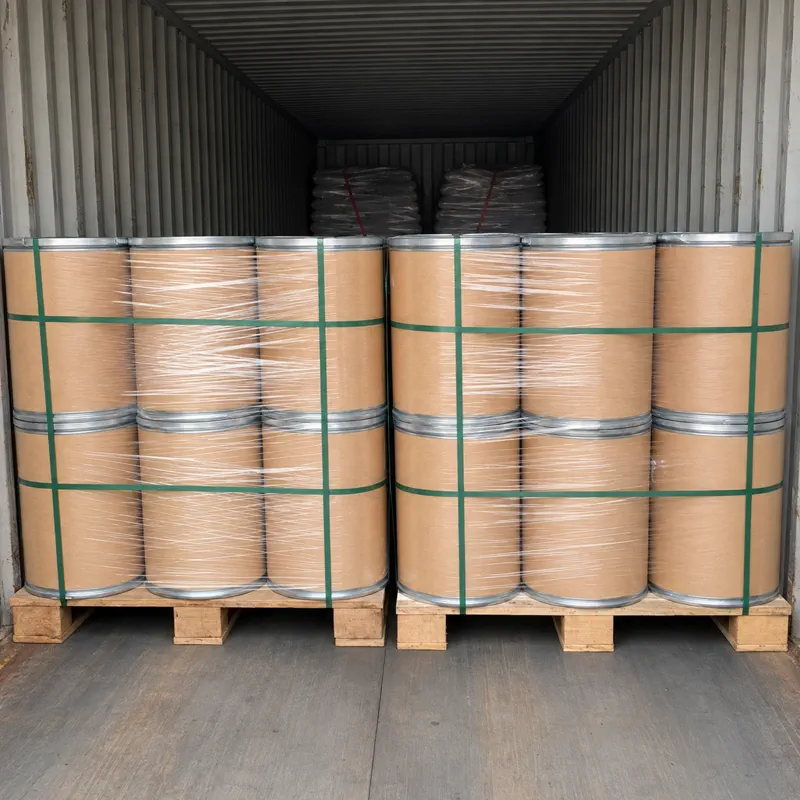
UV Absorber BP2 CAS 131-55-5 is used as pharmaceutical intermediates, photosensitive materials, anti-ultraviolet additives for cosmetics, etc. UV Absorber BP2 CAS 131-55-5 is also widely used in plastics, resins, coatings, synthetic rubber and other fields. In recent years, its application in fabrics has been paid more and more attention in the textile industry.
2,2′,4,4′,6,6′-Hexamethylbenzophenone
HMBP CAS 5623-45-0
CAS 5623-45-0
CAS No.:5623-45-0
MF:C19H22O
EINECS No.:227-052-9
OtherNames:2,2′,4,4′,6,6′-hexamethylbenzophenone; Bis(2,4,6-trimethylphenyl)ketone; Dimesitylketone; bis(2,4,6-trimethylphenyl)methanone; 2,2′,4,4′,6,6′-hexamethylbenzophenon; Methanone,bis(2,4,6-trimethylphenyl)-; 2,2′,4,4′,6,6′-Hexamethylbenzophenone
What is 2,2′,4,4′,6,6′-Hexamethylbenzophenone?
2,2′,4,4′,6,6′-Hexamethylbenzophenone is low volatility, low odor, environmentally friendly product.It can be used for pharmaceutical and food packaging, with the characteristics of low volatility and low odor.
What is HMBP CAS 5623-45-0?
HMBP CAS 5623-45-0 is low volatility, low odor, environmentally friendly product.It can be used for pharmaceutical and food packaging, with the characteristics of low volatility and low odor.
| ITEM | STANDARD LIMITS |
| Product Name | 2,2′,4,4′,6,6′-Hexamethylbenzophenone |
| CAS | 5623-45-0 |
| Appearance | White powder |
| Purity | 98% |
| absorption peak | 207nm;267nm |
25kgs/drum, 16tons/20’container

2,2′,4,4′,6,6′-hexamethylbenzophenonecan be used for pharmaceutical and food packaging, with the characteristics of low volatility and low odor.