
UV refers to ultraviolet radiation, which is the invisible part of the solar spectrum, with a wavelength range of 10-400nm. Ultraviolet rays have strong energy and can damage the structure of plastic materials, making them brittle, discolored, and even decomposed.Adding UV to plastic raw materials can effectively block the exposure of UV rays, thereby extending the service life of plastic products. There are two main types of UV additives:

Absorption type and scattering type.
Absorbing UV additives can absorb the energy of ultraviolet radiation and release it in the form of thermal energy, thereby reducing the impact of ultraviolet radiation on plastic materials. Common absorption type UV additives include titanium dioxide, carbon black, phthalocyanine, etc.
Scattering type UV additives can scatter ultraviolet rays, preventing them from directly shining on plastic materials. Common scattering type UV additives include titanium dioxide, milky white pigments, etc.
- Adding UV to plastic raw materials mainly has the following functions:
- Improve the weather resistance of plastic products and extend their service life.
- Prevent plastic products from discoloring, becoming brittle, and even decomposing.
- Improve the appearance of plastic products to make them more aesthetically pleasing.
- The common applications of adding UV in plastic products include:
- Outdoor products: such as plastic furniture, plastic toys, plastic signs, etc.
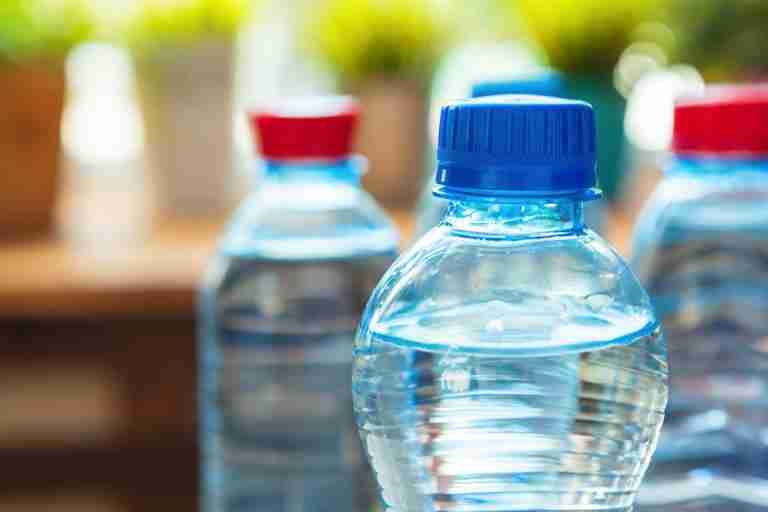
- Packaging materials: such as plastic bags, plastic bottles, plastic buckets, etc.
- Electrical casing: such as plastic TV casing, plastic phone casing, etc.
Conclusion
When selecting UV additives, it is necessary to choose according to the usage environment and requirements of plastic products. For example, for products used outdoors, it is necessary to choose UV additives with high weather resistance; In packaging food products, it is necessary to choose UV additives with lower mobility.