
Products

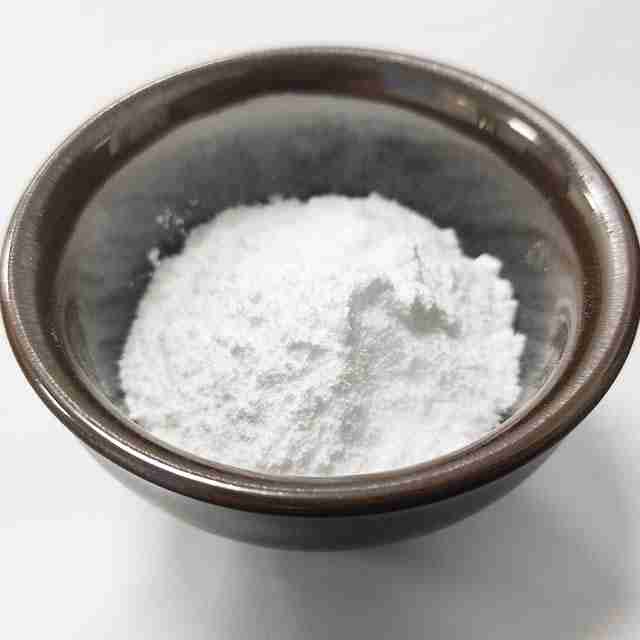
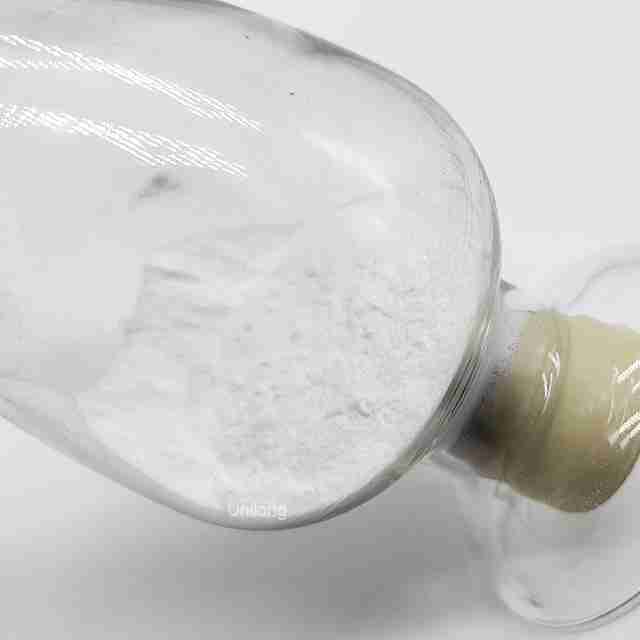
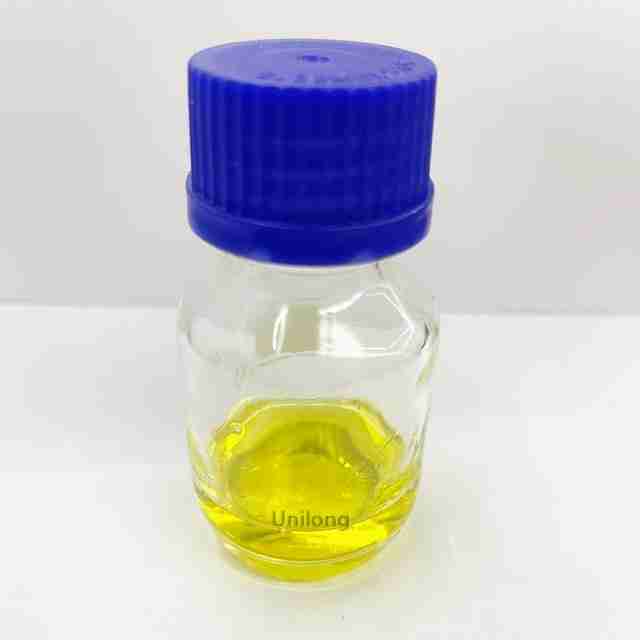
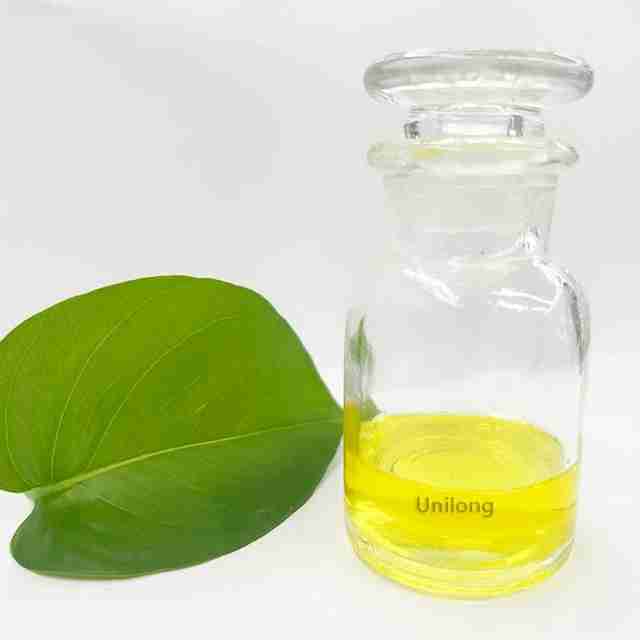
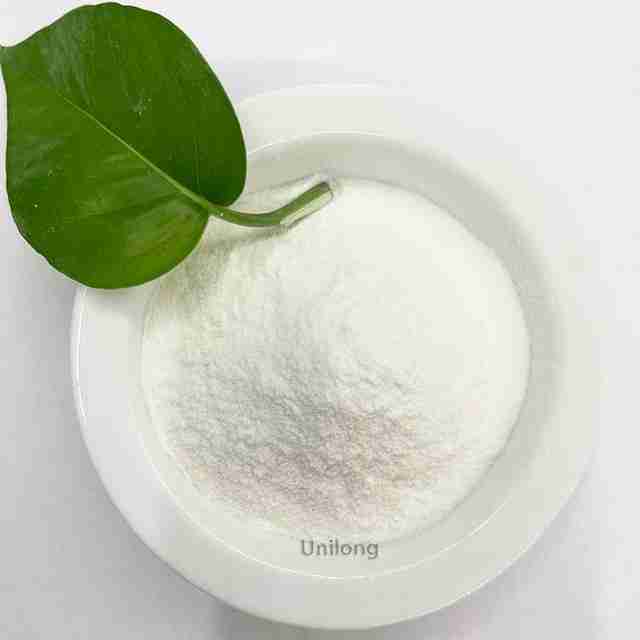
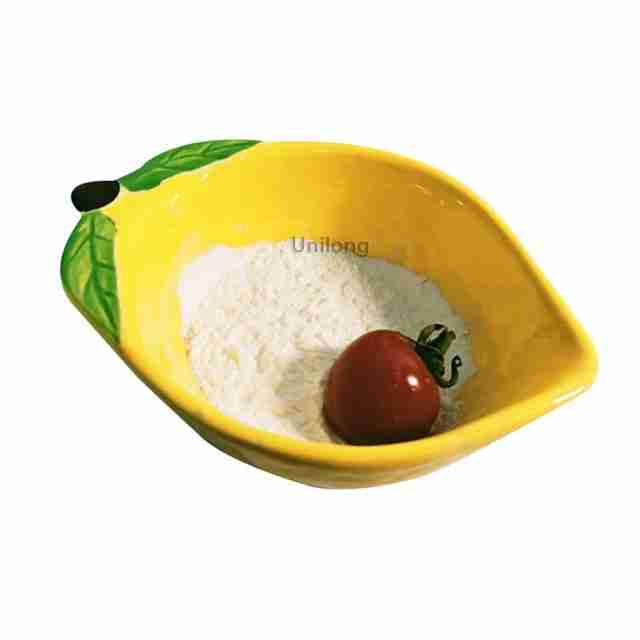
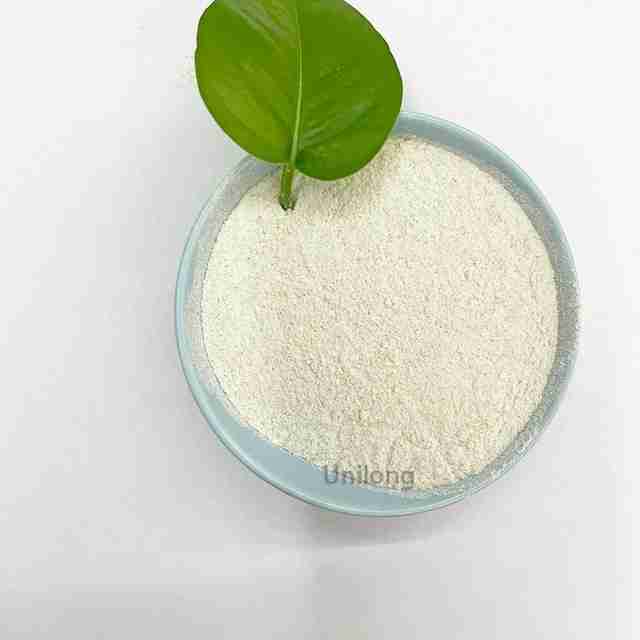
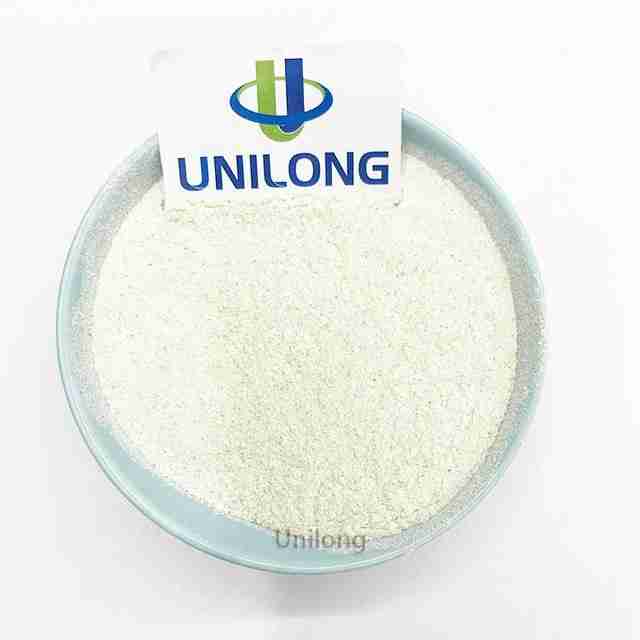
Photoinitiator 819 CAS 162881-26-7

    Get a Quote Now!

    We are happy to provide a quotation for your reference at the earliest possible time. You're also welcome to use the live chat on our website for a quick response.

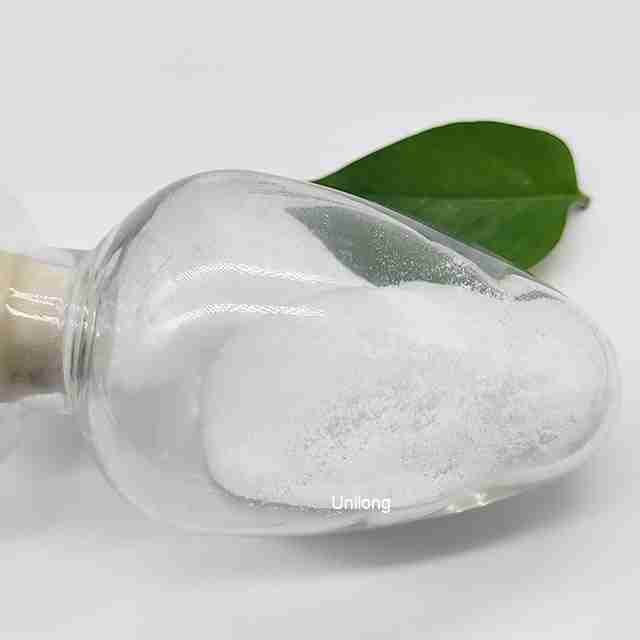
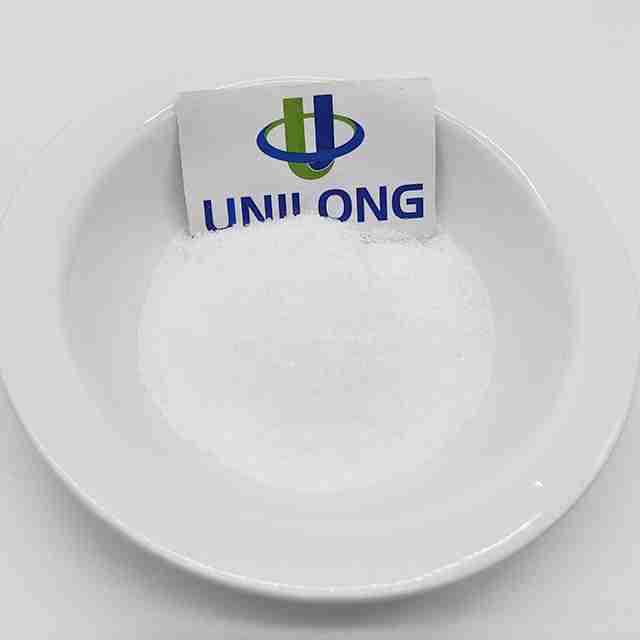
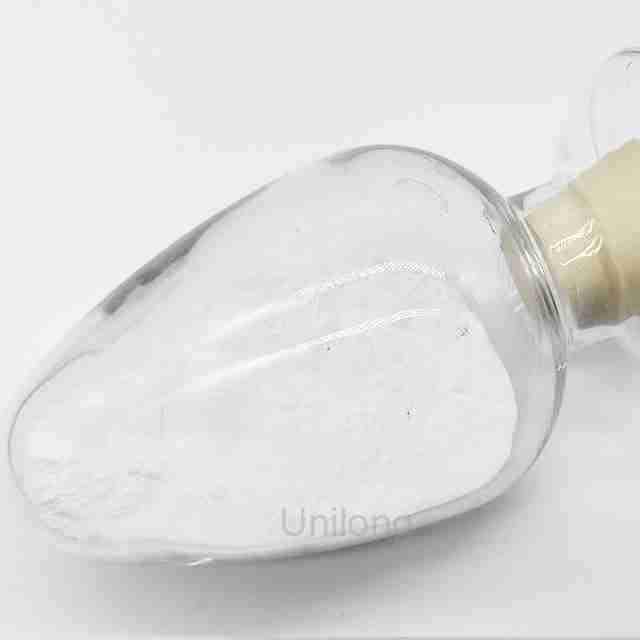
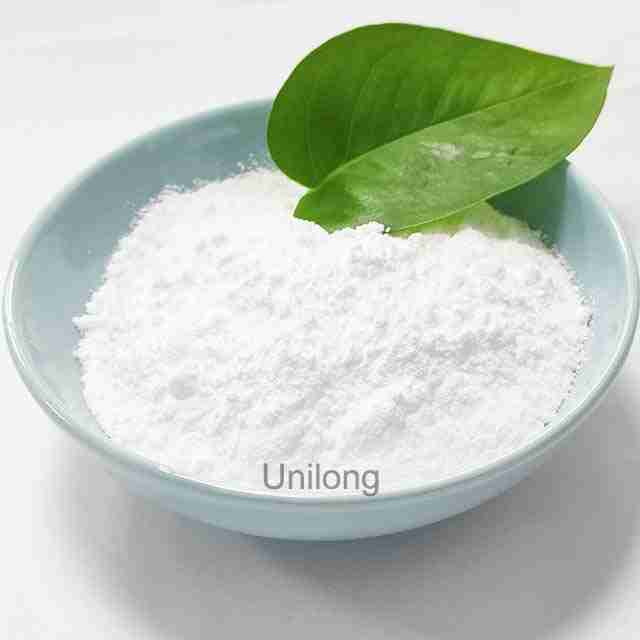
    Photoinitiator 819 is a high-performance bis-acylphosphine oxide (BAPO) type UV photoinitiator, specifically designed for state-of-the-art UV and LED curing systems.

    Unisunchem is a specialized supplier of UV curing materials, offering a product range that includes photoinitiators, monomers, crosslinkers, and more.

    We invite you to visit our homepage to explore additional UV/LED curing solutions:

    • Product Name: Photoinitiator 819
    • Chemical Name: Phenylbis(2,4,6-trimethylbenzoyl)phosphine oxide
    • CAS No.: 162881-26-7
    • Molecular Formula: C₂₆H₂₇O₃P
    • Molecular Weight: 418.47 g/mol
    • EINECS No.: 423-340-5
    • Synonyms: BAPO, Irgacure 819, Omnirad 819, UV-819
    Photoinitiator 819 actively functions as a high-performance bis-acylphosphine oxide (BAPO) type UV photoinitiator specifically designed for use in state-of-the-art UV and LED curing systems. It has high absorption characteristics both in the UV and visible light spectrums (365420 nm), and as a result, it is capable of achieving very rapid curing speed as well as having a very high deep-curing performance.

    The PI 819 in comparison to traditional photoinitiators produces highly reactive free radicals upon exposure to light and therefore achieves high curing efficiency, low propensity to yellowing and good stability.

    • Dosage: 0.5% -3.0% (depending on the formulation)
    • Commonly combined with other photoinitiators to attain balanced curing behaviour.
    • UV and LED curing systems are compatible.

    Photoinitiator 819 is a well-known photoinitiator in high-performance UV-curable systems, such as:

    Applied in plastic coatings, wood coatings, and industrial protective coatings requiring deep curing and high hardness.

    The UV coating system can also benefit from multifunctional monomers like TAIC, which can be added to enhance crosslinking density and improve overall performance.

    • UV Inks

    The ink is suitable when it needs to be screen printed, offset printed, or digital printed using inks that require a high curing speed.

    Applied in structural adhesive and optical bonding systems that need high bond strength and durability.

    Highly suitable for high-performance photopolymer systems requiring deep curing and dimensional stability.

    A high level resin systems can also employ crosslinking agents like TAIC, TAC to add mechanical strength and heat resistance.

    • Performs well in deep-curing work, especially when it involves thick coatings.
    • Has good absorption properties in the presence of UV and LED lamps.
    • Characteristic of low yellowing and is therefore applicable to white and light-colored systems.
    • Has a high efficiency in free radical generation which allows quick curing.
    • demonstrates great compatibility with acrylate resins and oligomers.

    Photoinitiator 819 is commonly used in combination with other photoinitiators like:

    Synergistic Formulation Recommendation

    Photoinitiator 819 would be generally used in conjunction with other UV-curable raw materials to maximize the curing performance.

    • TPO → Increases the efficiency of surface curing.
    • TAIC → Enhances the density and pliability of crosslinks.
    • TAC → Increases heat resistance and mechanical strength.

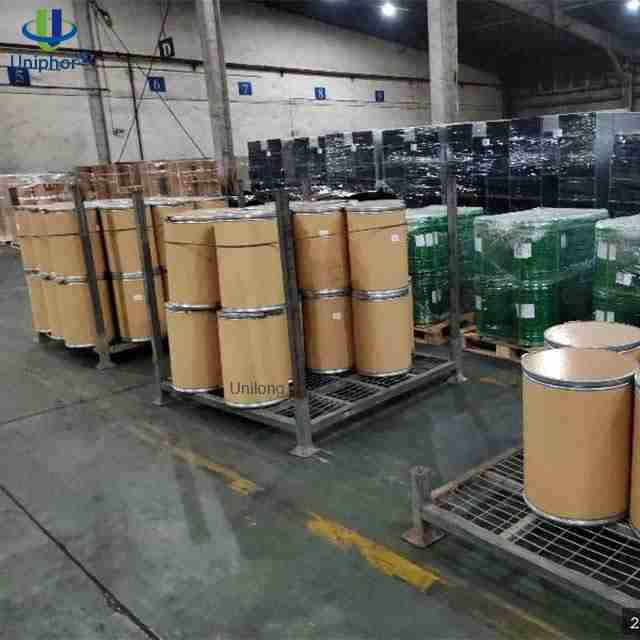
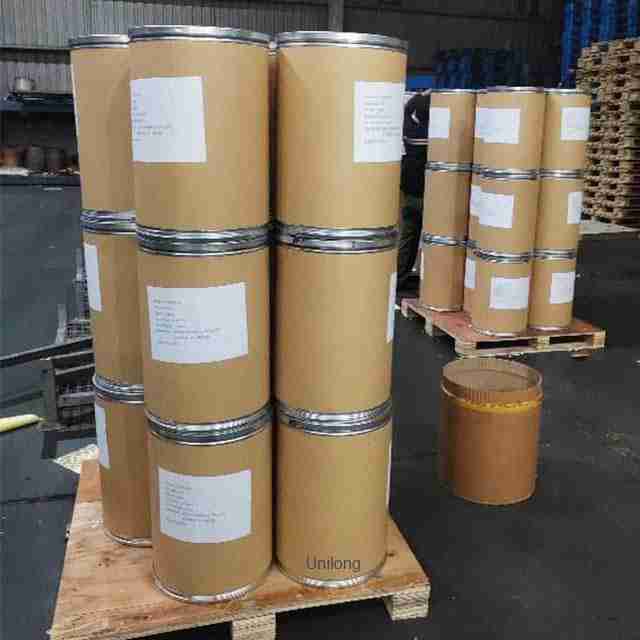
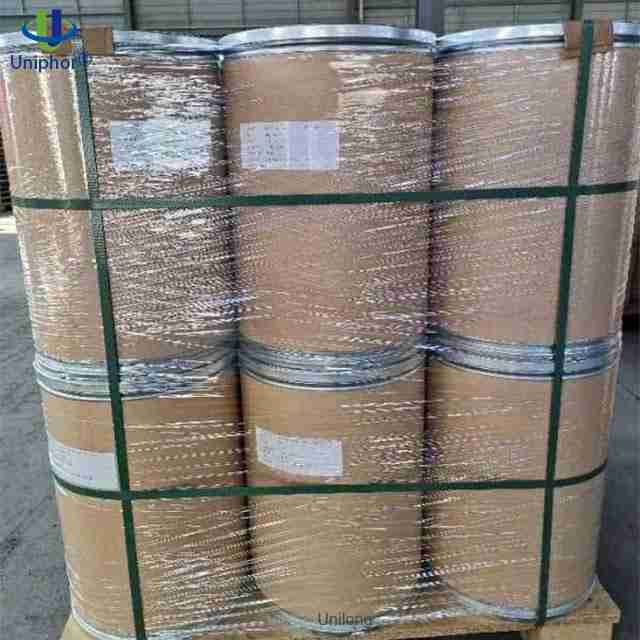
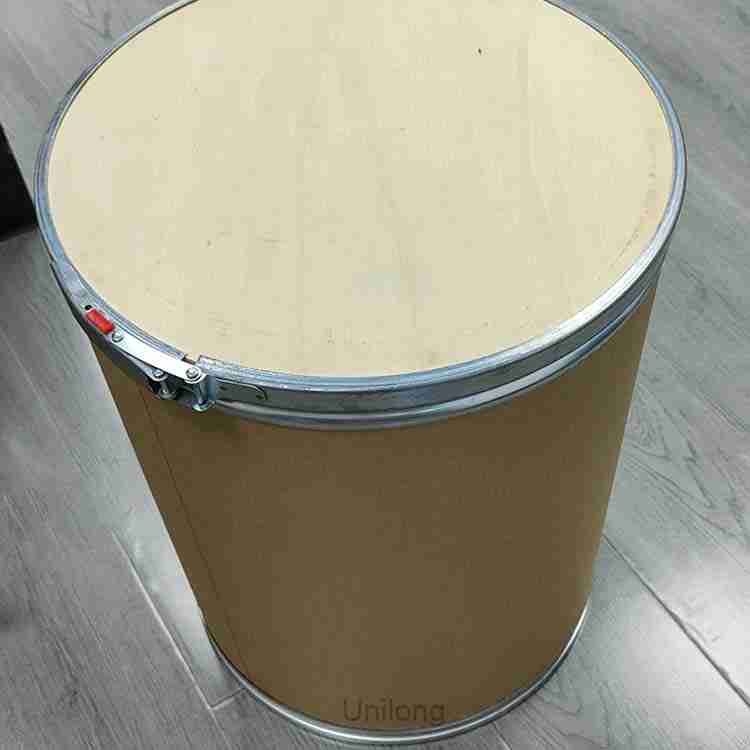
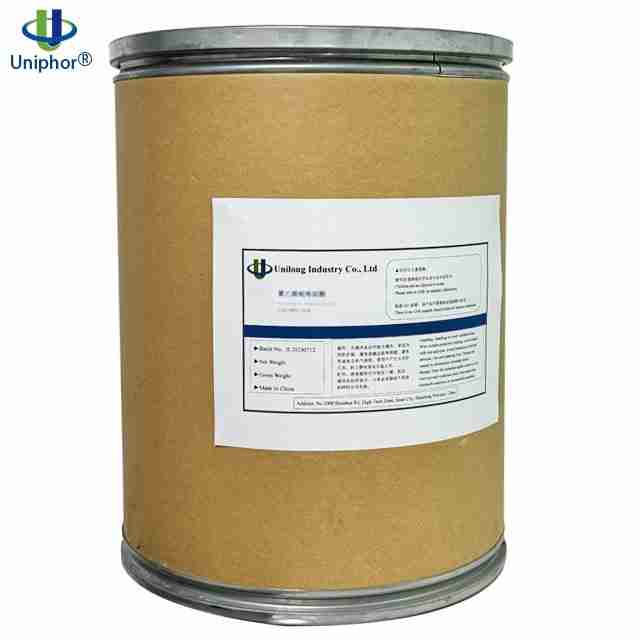
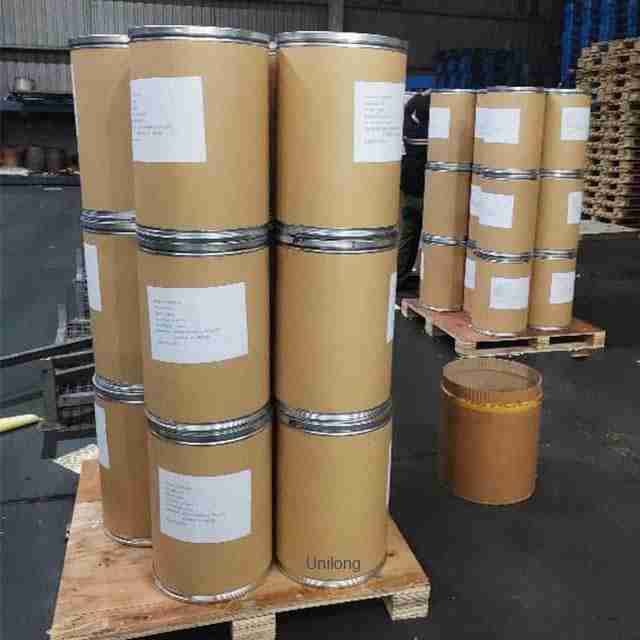
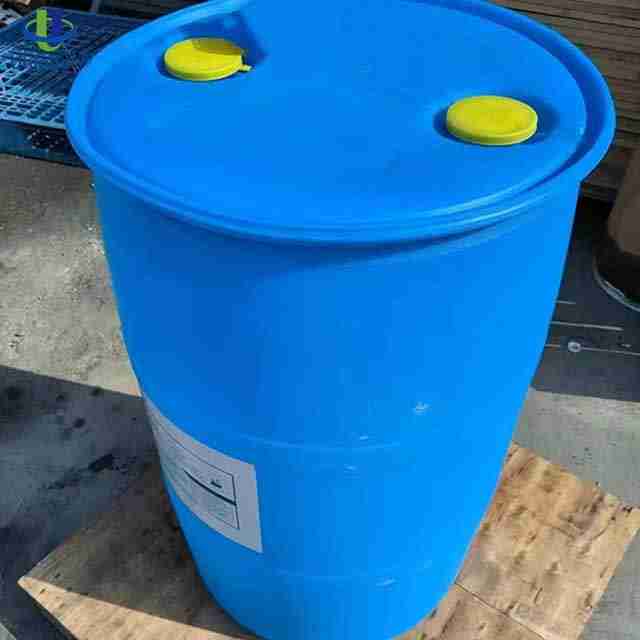
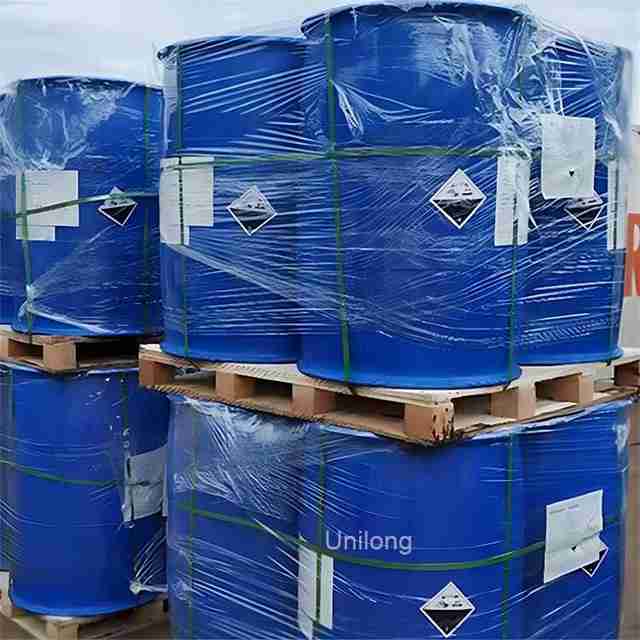
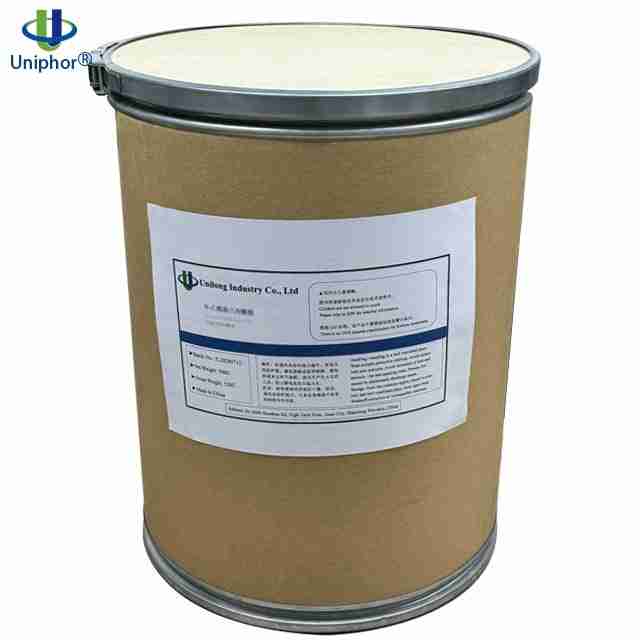
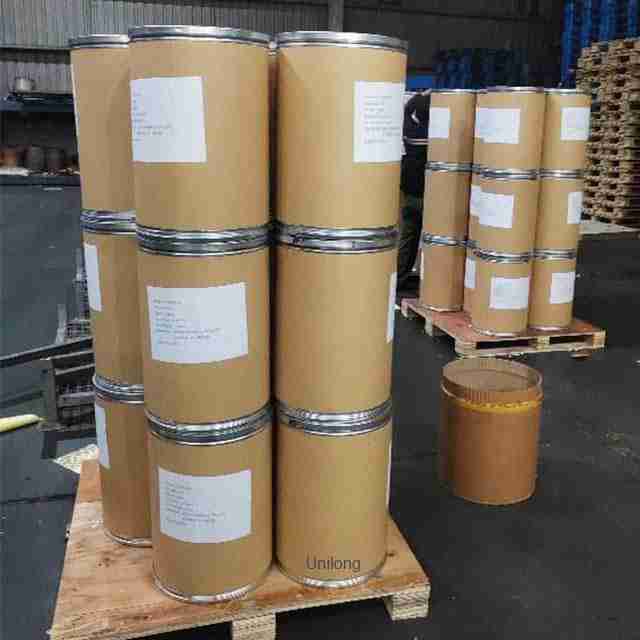
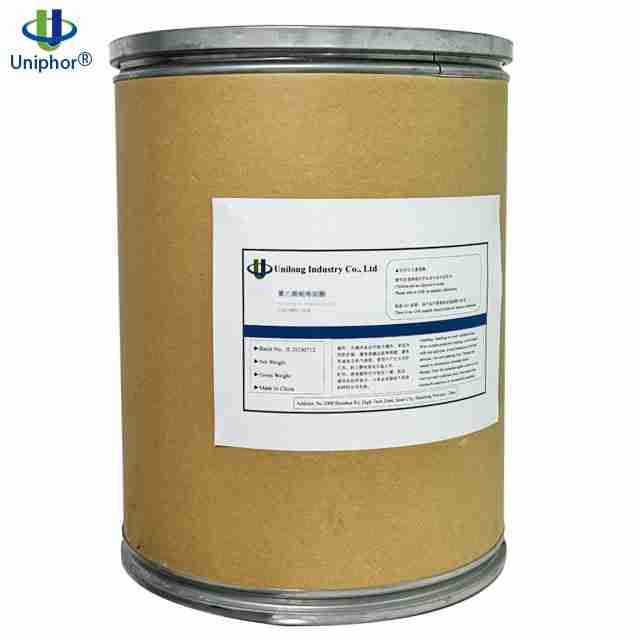
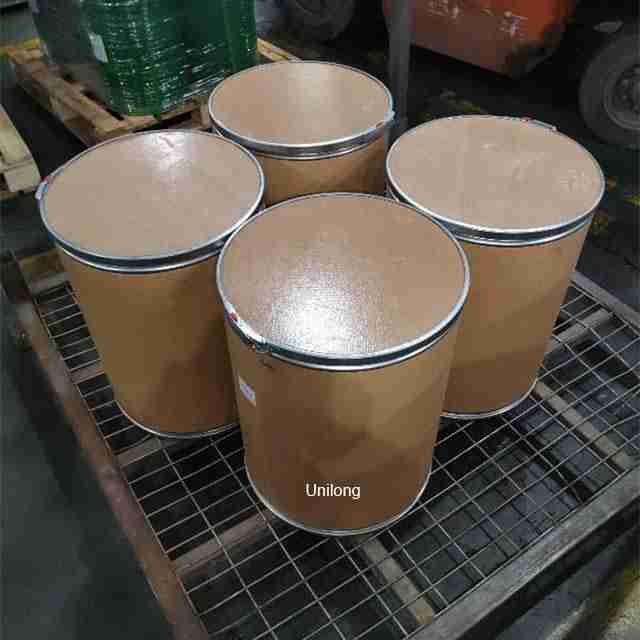
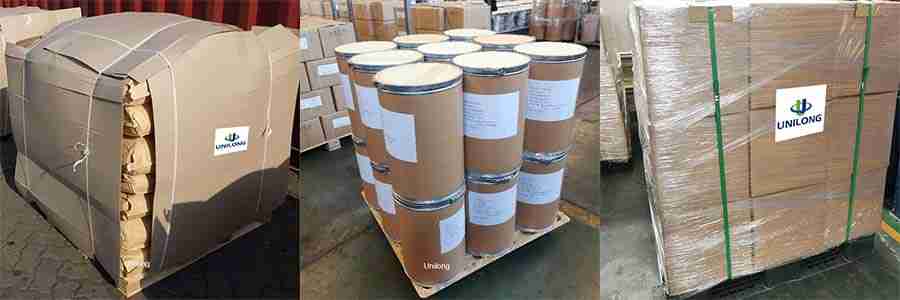
    25kgs/drum,9tons/20’container.

    25kgs/bag,20tons/20’container.

    Photoinitiator 819 CAS 162881-26-7-package


    8. FAQ

    Q1: What are the applications of Photoinitiator 819?

    Photoinitiator 819 is found in UV-curable coating, ink, adhesive, and 3D printing resin applications where the product needed to be deeply cured.

    Q2: Is it possible to use Photoinitiator 819 together with TAIC or TAC?

    Yes. TAIC and TAC are often employed as crosslinking agents in advanced UV-curable systems to increase the curing density, heat resistance, and mechanical strength.

    Q3: What are the benefits of employing TAIC in UV systems?

    TAIC increases the efficiency of crosslinking and enhances the flexibility and durability of materials cured by UV.

    Q4: What are some applications of TAC in polymer systems?

    TAC is applied to improve heat resistance, rigidity and mechanical strength of polymers and UV-curable systems.

    Q5: Where can I find more UV curing materials?

    You can explore more high-quality UV curing raw materials, including photoinitiators, monomers, and crosslinkers, directly from our company homepage.

      Get a Quote Now!

      We are happy to provide a quotation for your reference at the earliest possible time. You're also welcome to use the live chat on our website for a quick response.

      you may like