
In the plastics industry, UV degradation is a major concern for manufacturers who want their products to maintain durability, appearance, and mechanical properties over time. Light Stabilizer 944, also known as Chimassorb 944 (CAS 71878-19-8), is a high-performance hindered amine light stabilizer (HALS) that offers reliable protection against ultraviolet (UV) radiation. This guide will help you understand how to choose the right Light Stabilizer 944 for your plastic products, including practical formulation examples, testing methods, and tips for maximizing performance.
I. Understanding Light Stabilizer 944
Light Stabilizer 944 is designed to prevent UV-induced polymer degradation, which can manifest as:
- Discoloration or yellowing
- Surface cracking and chalking
- Loss of tensile strength and flexibility
The stabilizer works by scavenging free radicals formed during UV exposure, effectively halting the chain reactions that cause polymer breakdown. It is compatible with a wide range of plastics, including polyethylene (PE), polypropylene (PP), polyvinyl chloride (PVC), and engineering plastics such as polycarbonate and ABS.
Key Advantages of Light Stabilizer 944:
- High thermal stability, allowing processing at elevated temperatures
- Low volatility for long-term protection
- Excellent compatibility with pigments and other additives
- Maintains transparency in clear plastics and color stability in colored formulations
II. Why Choosing the Right Light Stabilizer 944 Matters
Using the correct Light Stabilizer 944 is essential to achieving optimal performance. Incorrect selection or improper dosage can lead to premature yellowing, loss of mechanical properties, surface cracking, or reduced service life of your products. Key factors to consider include:
Polymer Type: Different polymers have varying sensitivities to UV radiation. For example, PVC may require lower HALS loading than PP.
Processing Conditions: High-temperature processing requires stabilizers with good thermal stability. UV 944 has excellent thermal resistance, making it ideal for extrusion and injection molding.
End-Use Environment: Products exposed to intense sunlight, such as outdoor furniture or automotive parts, require higher stabilization levels.
Compatibility with Additives: Ensure that the Chimassorb 944 does not react with pigments, fillers, or other additives in your formulation.
III. Factors to Consider When Choosing Light Stabilizer 944
Selecting the right stabilizer requires careful consideration of several factors:
1. Polymer Type
Different polymers react differently to UV exposure:
Polyethylene (PE): Susceptible to oxidation and cracking; requires moderate HALS dosage.
Polypropylene (PP): More sensitive to UV degradation; often requires higher stabilizer loading.
PVC: Can yellow due to both UV exposure and heat; compatibility with plasticizers is essential.
Engineering Plastics: Polycarbonate, ABS, and other engineering plastics often require combination stabilization (HALS + UV absorber).
2. Processing Conditions
High-temperature processes such as extrusion, injection molding, or blow molding can degrade stabilizers. UV 944 has excellent thermal stability, making it suitable for most polymer processing methods.
3. End-Use Environment
Outdoor applications: Higher UV intensity exposure (e.g., automotive, construction) requires higher HALS content.
Indoor applications: Moderate UV exposure (e.g., consumer products) requires lower loading but still benefits from long-term stability.
4. Additive Compatibility
Ensure Chimassorb 944 is compatible with:
- Pigments and dyes
- Plasticizers (for PVC)
- Flame retardants and fillers
Compatibility testing helps avoid issues like additive migration, streaking, or uneven color.
IV. Applications of Light Stabilizer 944
Light Stabilizer 944 is widely used across industries to enhance product durability:
Plastic Films: Prevents color fading and brittleness in packaging films and agricultural films.
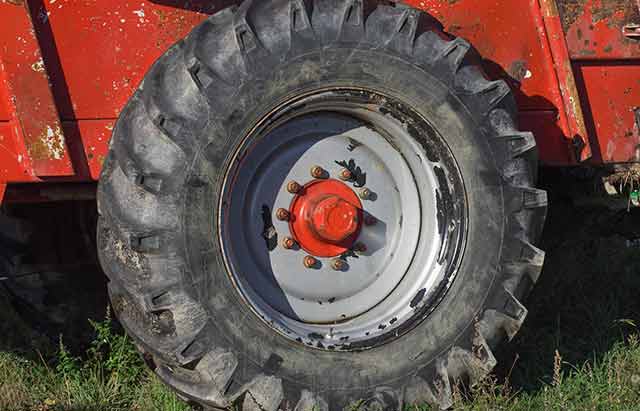
Automotive Components: Protects bumpers, dashboards, and exterior trims from UV-induced cracking and discoloration.
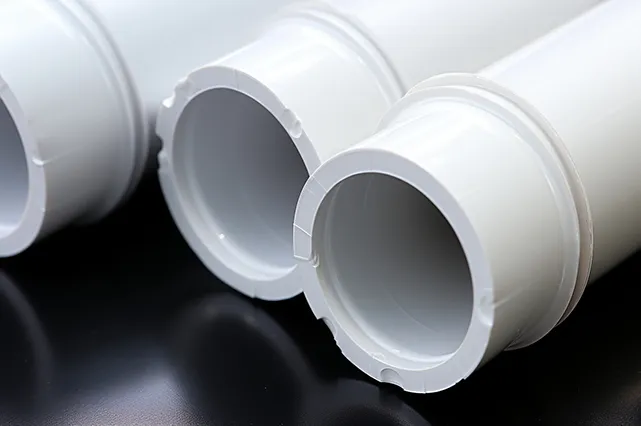
Construction Materials: Stabilizes PVC pipes, window profiles, and outdoor panels.
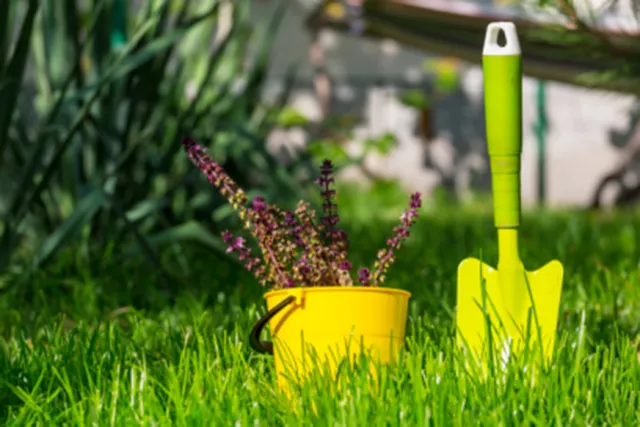
Consumer Goods: Maintains appearance and strength in outdoor furniture, toys, and appliances.
Engineering Plastics: Extends service life of nylon, polycarbonate, and ABS components exposed to sunlight.
V. Recommended Dosage Guidelines
Dosage depends on polymer type, processing, and UV exposure intensity. Typical ranges:
| Polymer Type | Recommended Loading | Notes |
| Polyethylene (PE) | 0.2–0.5% | Films, pipes, and packaging |
| Polypropylene (PP) | 0.1–0.4% | Outdoor applications need higher dosage |
| PVC | 0.3–0.8% | Ensure plasticizer compatibility |
| Engineering plastics | 0.2–0.5% | Consider high-temperature processing |
Tip: Always run small-scale trials to optimize dosage for your specific formulation.
VI. Testing Methods to Ensure Effectiveness
Before full-scale production, evaluate the stabilizer performance using:
1. Accelerated UV Aging Tests
Expose samples to UV lamps simulating sunlight.
Measure changes in color (ΔE), gloss, and tensile strength.
2. Weathering Tests
Outdoor exposure for 3–6 months to observe real-world degradation.
Compare products with and without Light Stabilizer 944.
3. Thermal Stability Tests
Heat samples at processing temperatures (e.g., 200–250°C).
Confirm no yellowing, migration, or loss of mechanical strength.
VII. Conclusion
Choosing the right Light Stabilizer 944 is crucial for extending the lifespan, maintaining appearance, and enhancing the performance of your plastic products. By understanding polymer compatibility, processing conditions, and environmental exposure, manufacturers can make informed decisions and ensure optimal UV protection.
As a trusted supplier of Light Stabilizer 944 (Chimassorb 944, CAS 71878-19-8, UV 944), we are committed to providing high-quality, reliable additives for a wide range of plastic applications. Our products are carefully tested to ensure optimal UV protection, thermal stability, and long-lasting performance.
Whether you are producing outdoor furniture, automotive components, construction materials, or engineering plastics, we can supply the right Light Stabilizer 944 tailored to your formulation needs.