


CAS:84434-11-7
Molecular Formula:C18H21O3P
Molecular Weight:316.33
EINECS:282-810-6
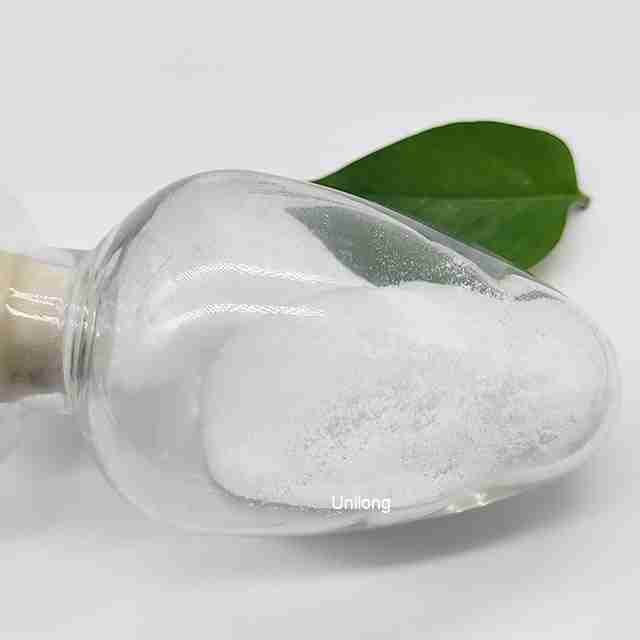
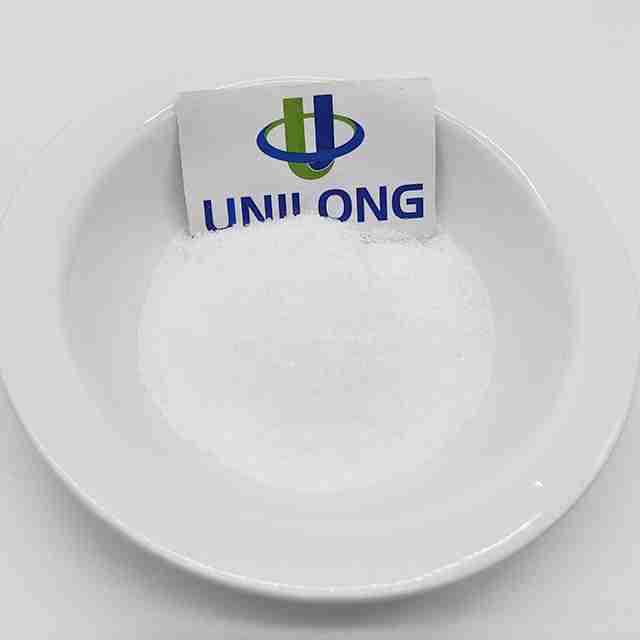
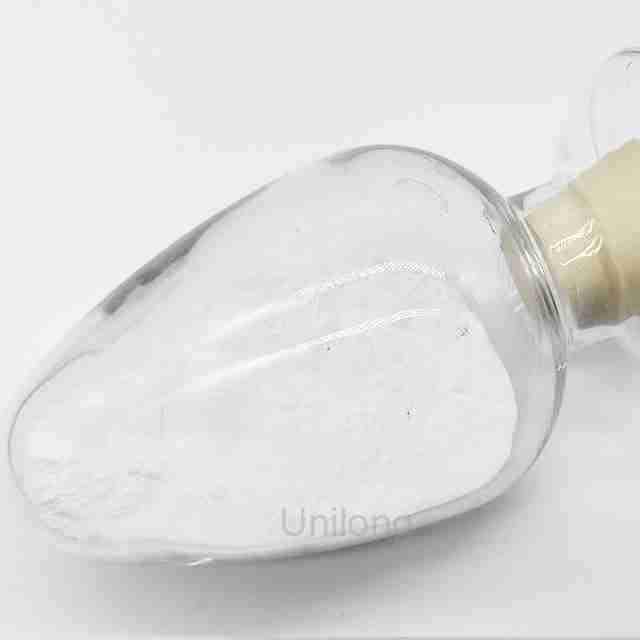
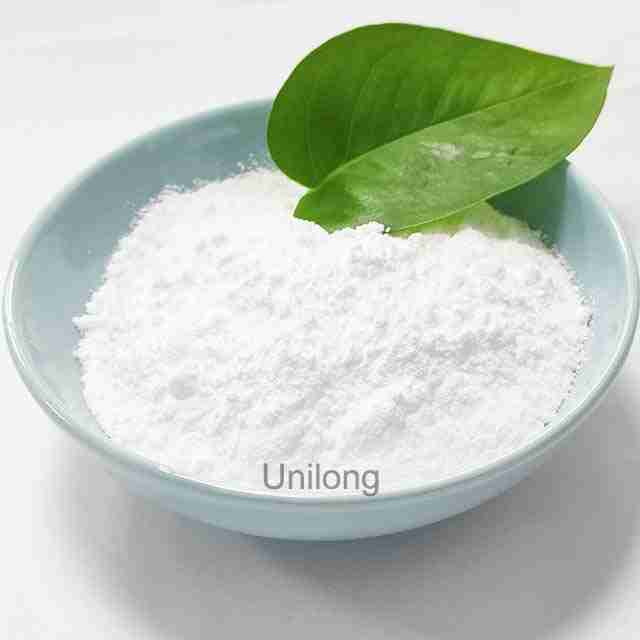
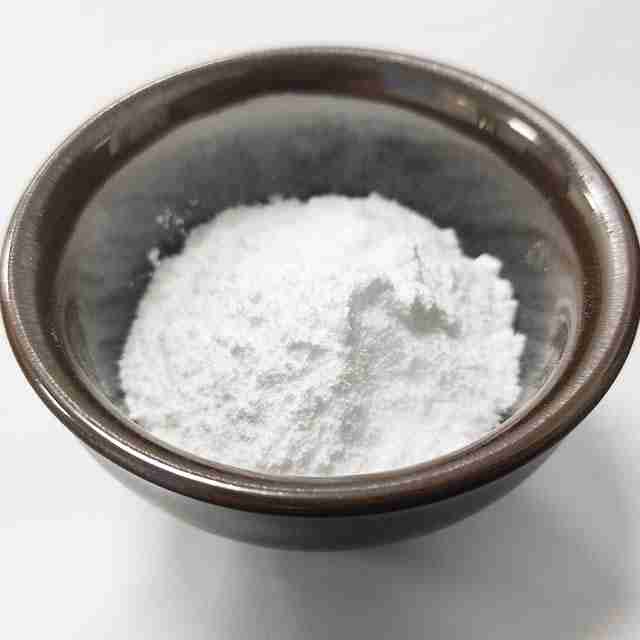
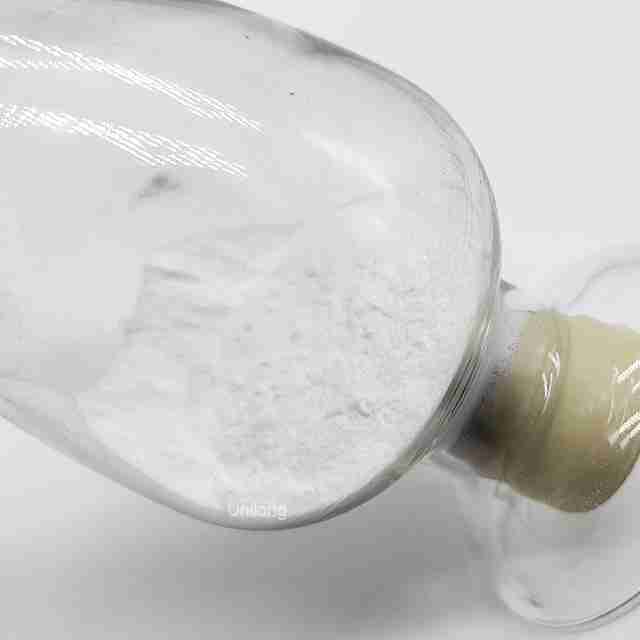
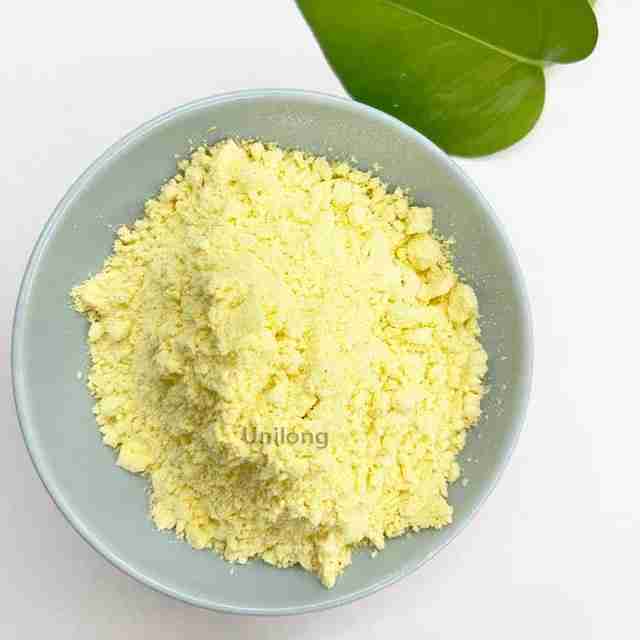
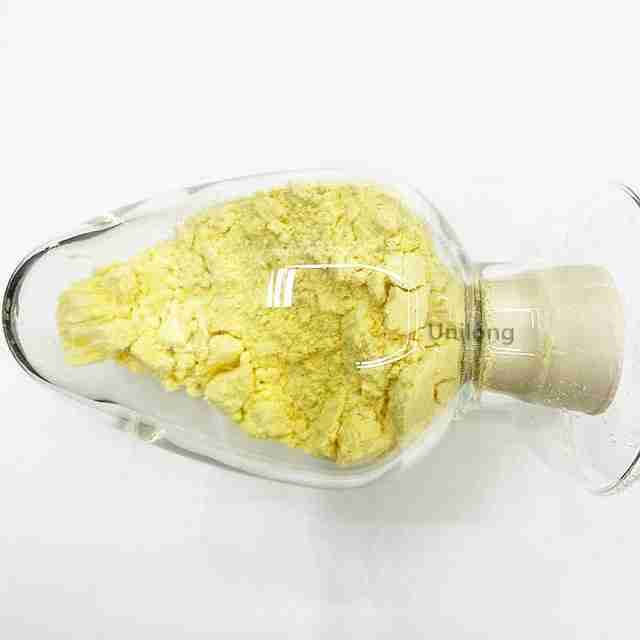
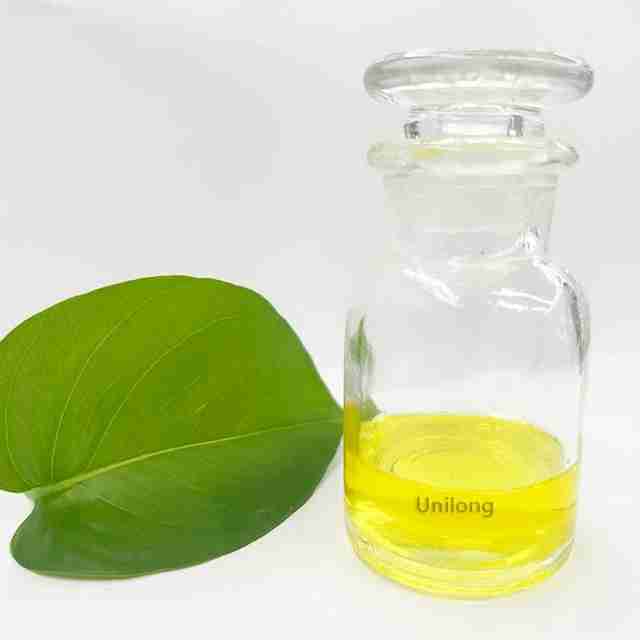
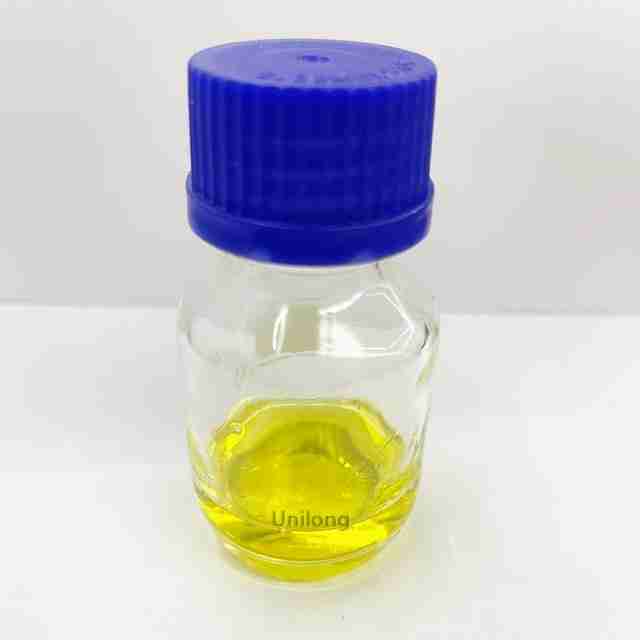
2,4, 6-trimethylbenzoylphenylphosphonate ethyl ester, yellow oily to heavy oily liquid at room temperature and pressure, slightly soluble in water but easily soluble in organic solvents such as dimethyl sulfoxide. 2,4, 6-trimethylbenzoylphenylphosphonate ethyl ester is a phosphonate compound and a common UV initiator, which is suitable for low yellowing and low odor ink formulation systems. In addition, because the substance has a relatively wide absorption range, it can also be used in the industrial production of UV white coatings.
| Item | Specification |
| Melting point | 144.5-147 °C |
| Boiling point | 456.0±55.0 °C |
| Density | 1.14 |
| Vapor pressure | 0Pa at 20℃ |
| LogP | 2.91 at 25℃ |
Ethyl (2,4,6-trimethylbenzoyl) phenylphosphinate, also known as TPO-L photoinitiator, is widely used in screen printing inks, flexographic inks, and lithographic inks due to its excellent low-yellowing properties and deep curing ability. It performs especially well in white and pigmented UV systems.
The product can also be formulated with Photoinitiator 819 to improve curing depth and curing efficiency in high-speed printing applications.
TPO-L is suitable for UV wood coatings, plastic coatings, paper varnishes, and white UV coatings requiring excellent color stability and reduced yellowing after curing.
As one of the advanced UV-curing materials supplied by Unisunchem, this product is widely used in industrial photocuring formulations.
Due to its strong absorption in the long-wave UV region, the product is suitable for UV adhesives, optical bonding materials, and electronic encapsulation systems requiring deep curing and low odor.
It is commonly used together with Photoinitiator TPO in optical and transparent UV formulations.
Ethyl (2,4,6-trimethylbenzoyl) phenylphosphinate is also suitable for 3D printing resin, photoresists, and electronic materials because of its excellent curing depth and low volatility characteristics.
TPO-L provides outstanding low-yellowing properties, making it highly suitable for white coatings, clear coatings, and light-colored UV systems.
The product absorbs efficiently in the 350–420 nm wavelength range, enabling excellent through-cure performance even in thick film systems.
Compared with powder photoinitiators, TPO-L has lower volatility and lower odor, helping improve formulation processing and application comfort.
The product exhibits high photoinitiation efficiency and can rapidly initiate polymerization reactions in UV inks, coatings, and adhesives.
It can also be combined with Photoinitiator 819 for enhanced curing performance in pigmented systems.
TPO-L is widely used in printing inks, UV coatings, adhesives, electronics, and 3D printing industries. You can explore more related products in our Photoinitiator Products collection.
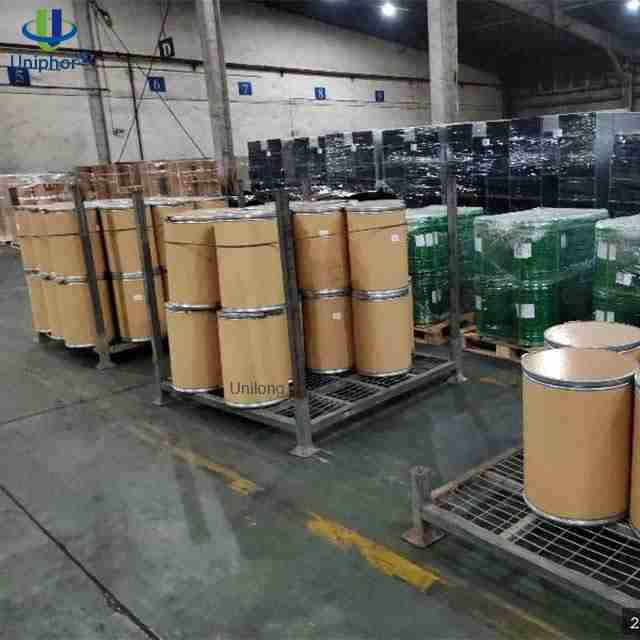
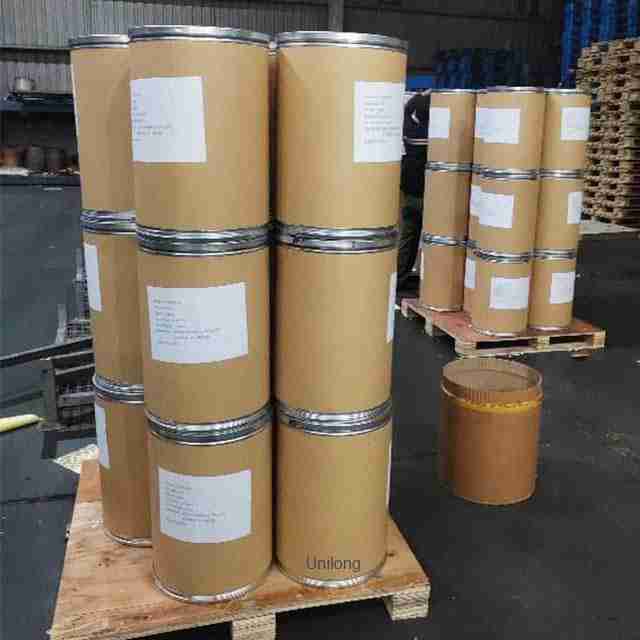
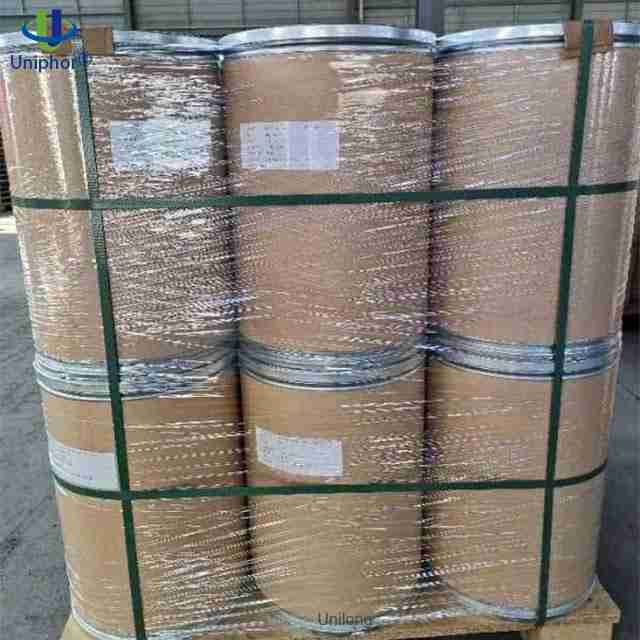
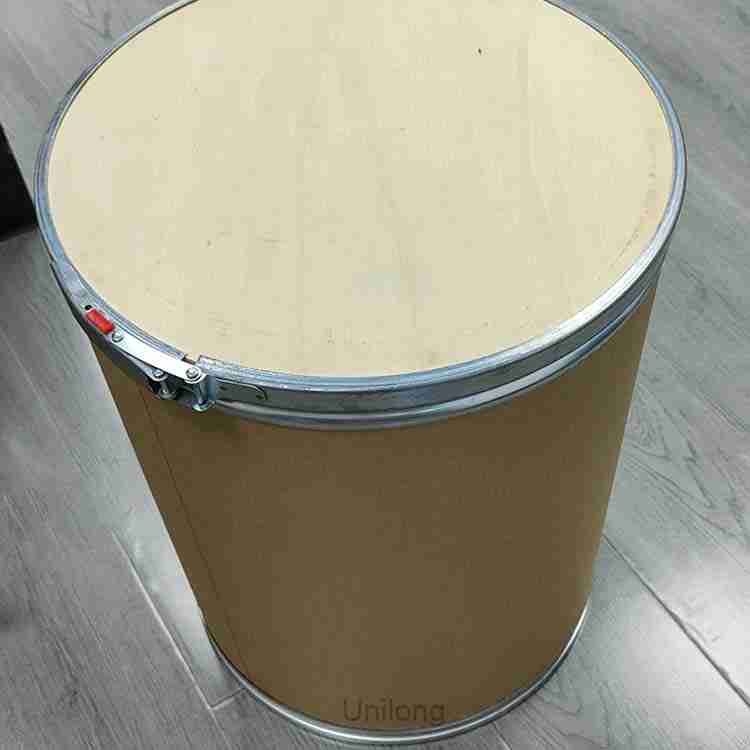
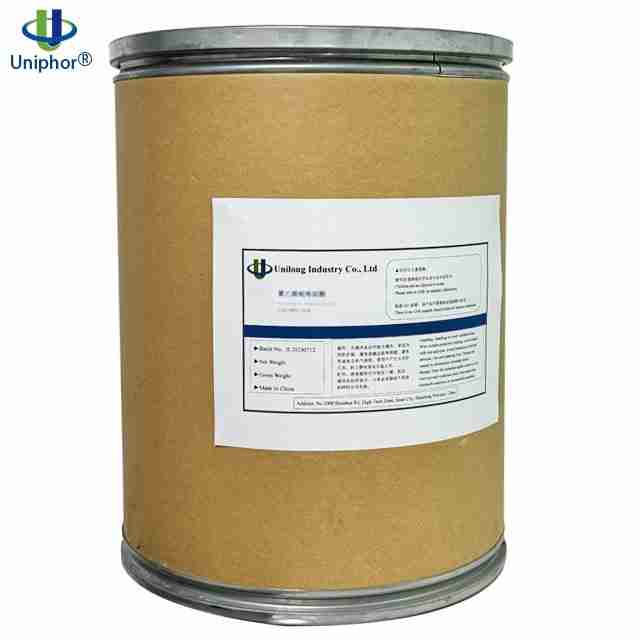
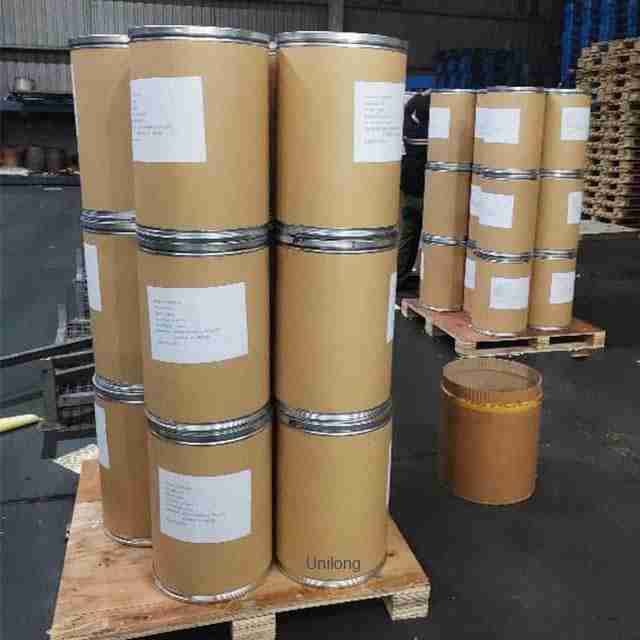
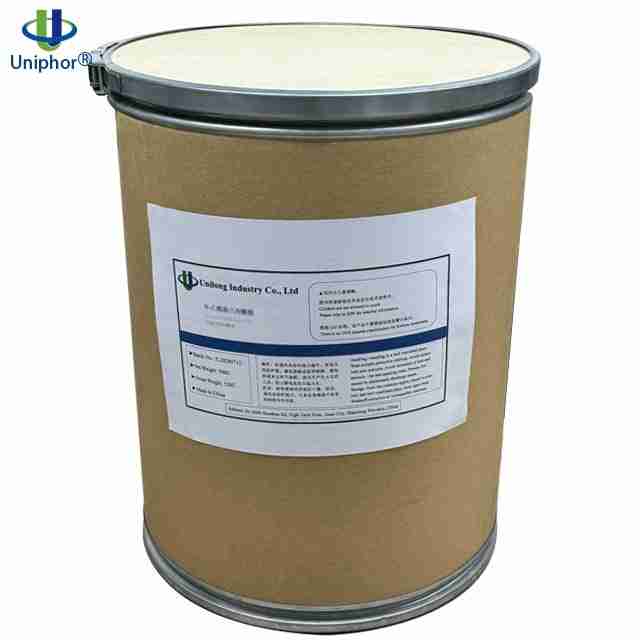
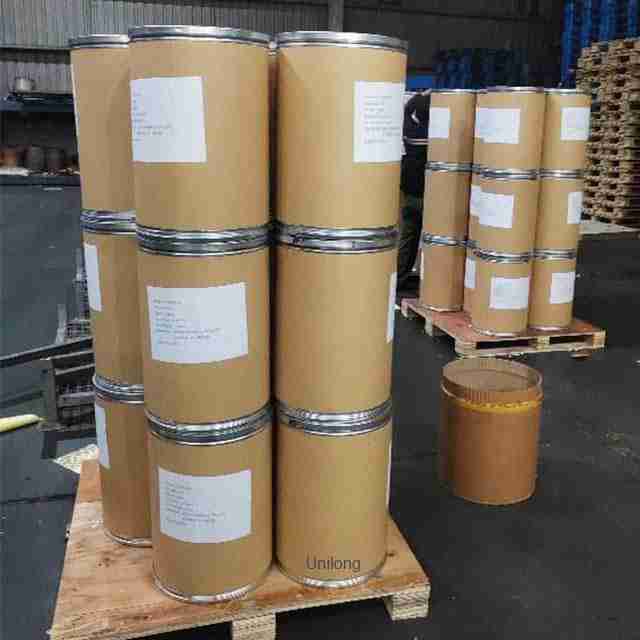
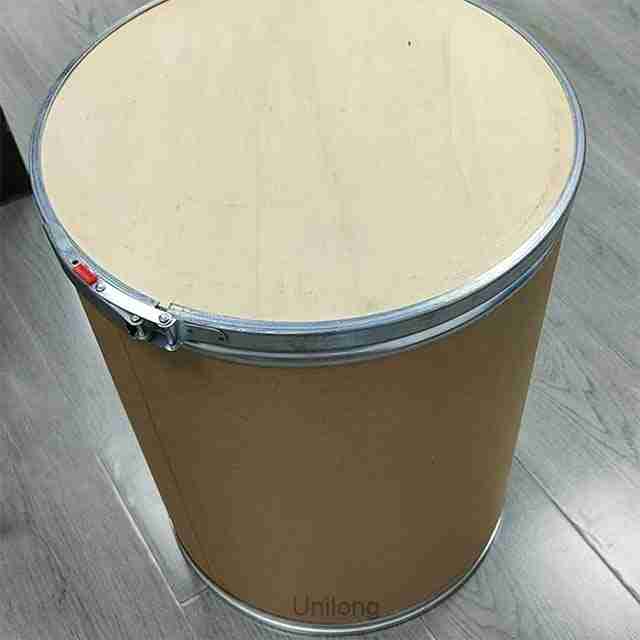
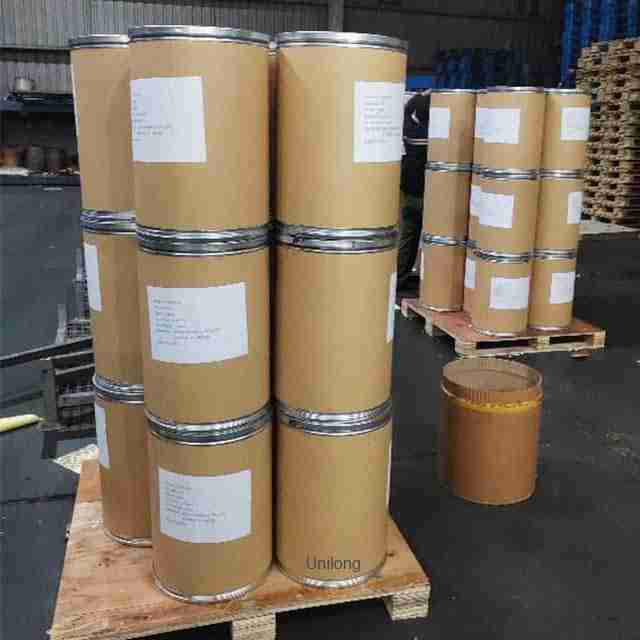
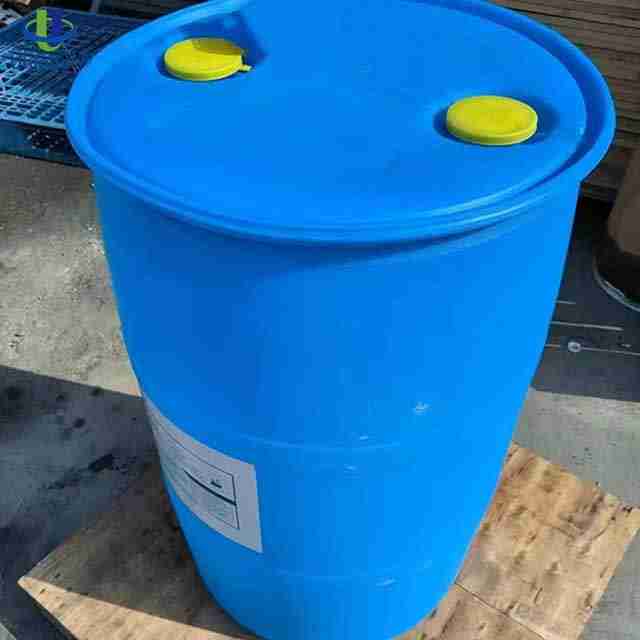
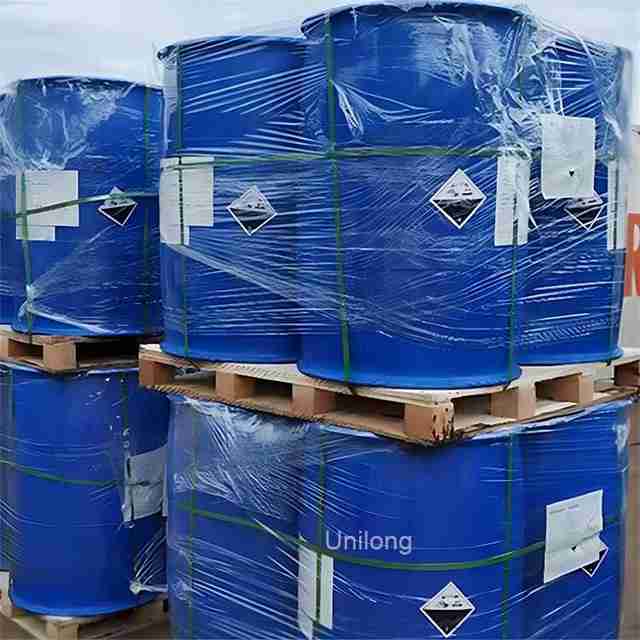
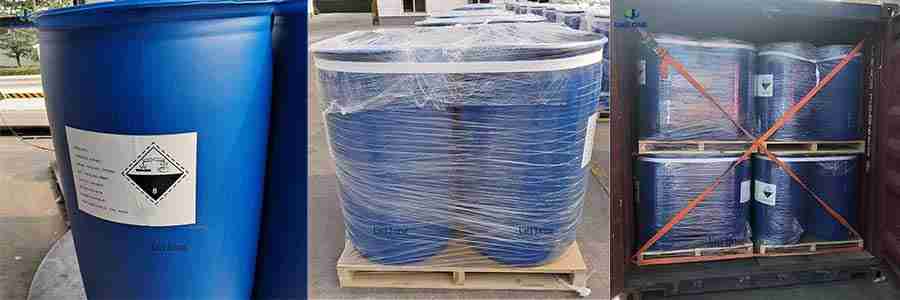
Usually packed in 200kg/drum, and also can be do customized package.
It is mainly used as a liquid photoinitiator in UV inks, UV coatings, UV adhesives, white coatings, and 3D printing resin systems.
Because it has excellent low-yellowing properties and deep curing capability, making it highly suitable for pigmented and white coating systems.
Yes. It is commonly formulated with Photoinitiator TPO and Photoinitiator 819 to optimize surface curing, deep curing, and curing speed.
Liquid photoinitiators generally provide easier formulation processing, lower dust generation, lower volatility, and improved compatibility in UV-curing systems.
Unisunchem supplies high-quality UV photoinitiators with stable quality, professional technical support, and customized solutions for coatings, inks, adhesives, and electronics industries.