


CAS:128-37-0
Molecular Formula:C15H24O
Molecular Weight:220.35
EINECS:204-881-4
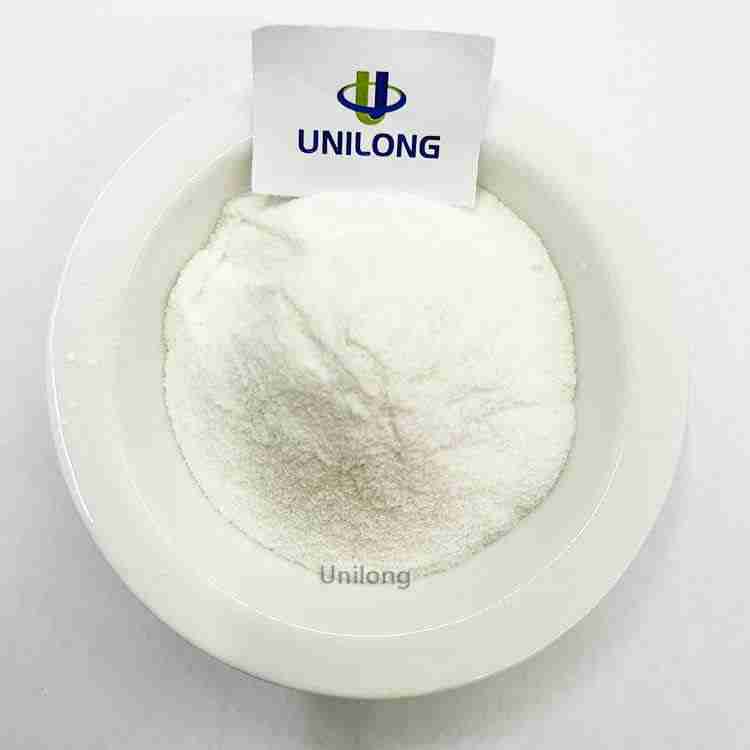
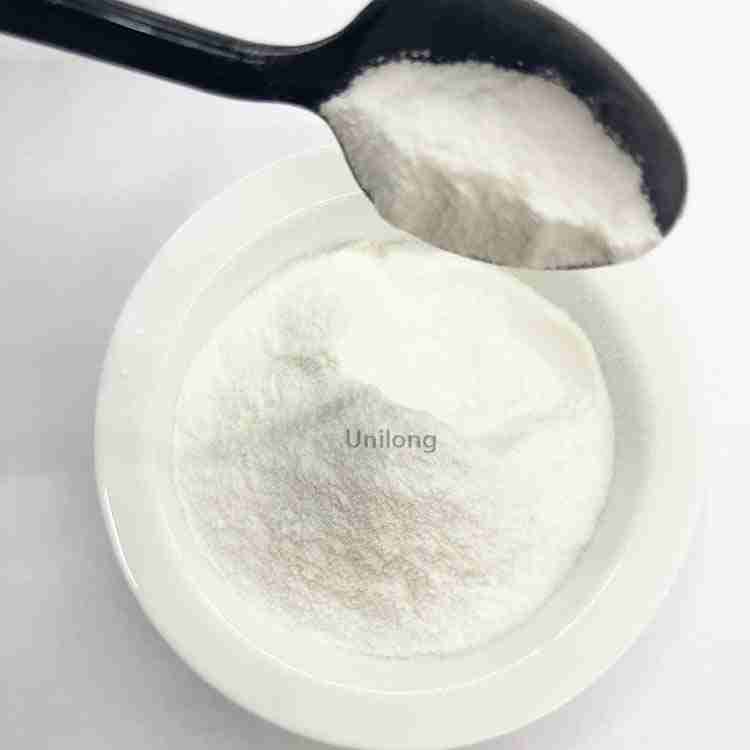
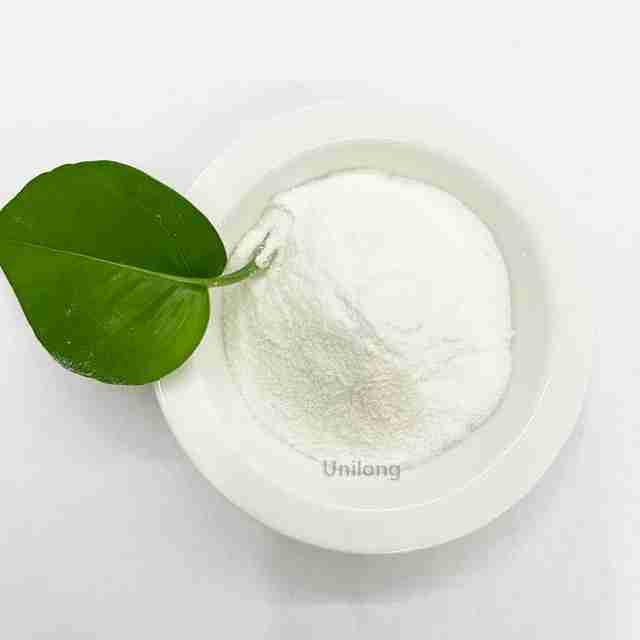
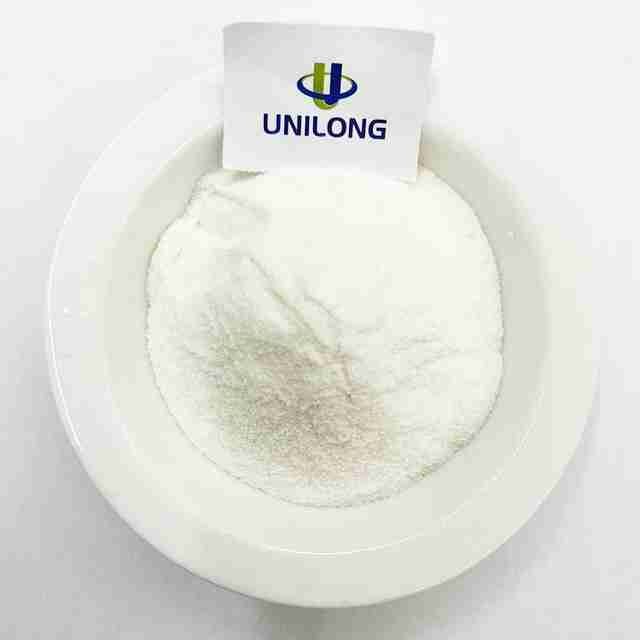
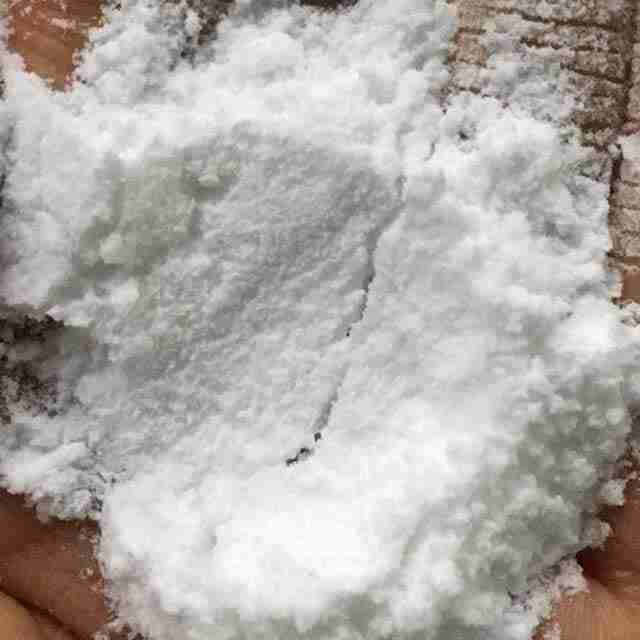
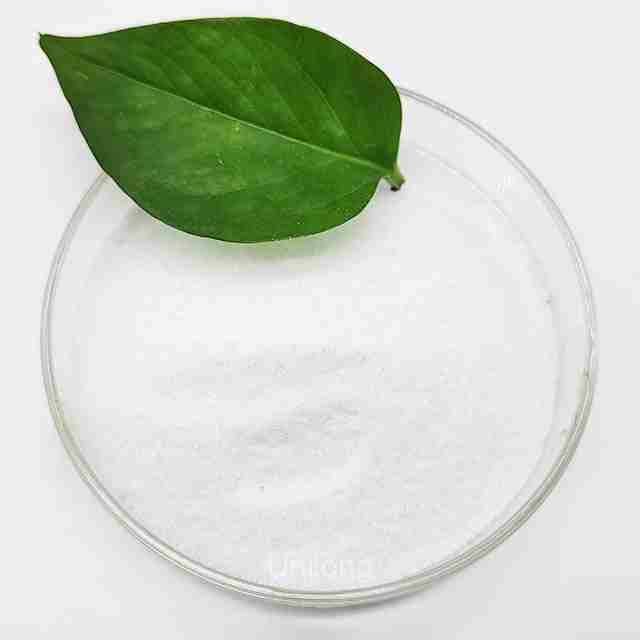
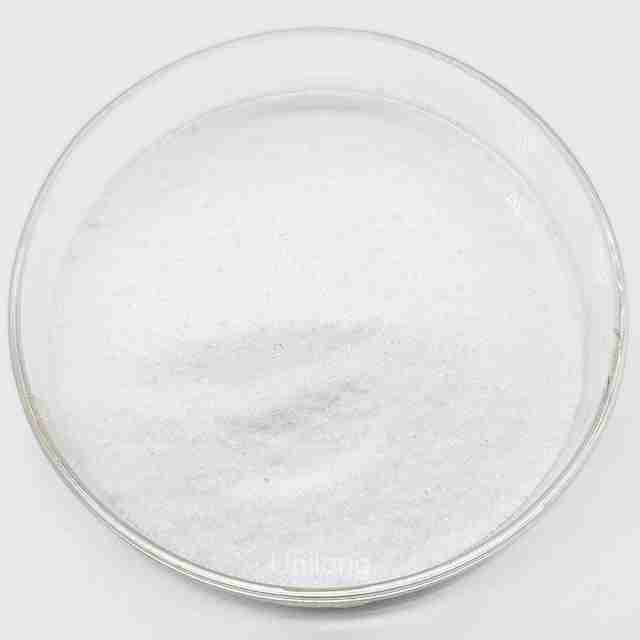
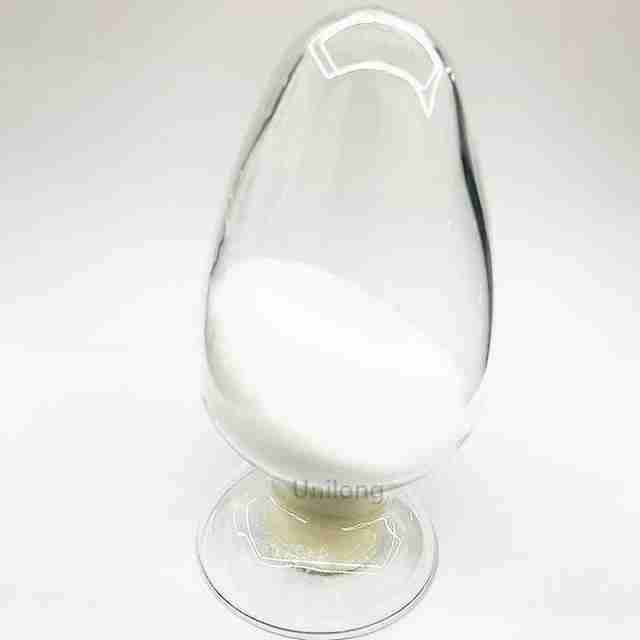
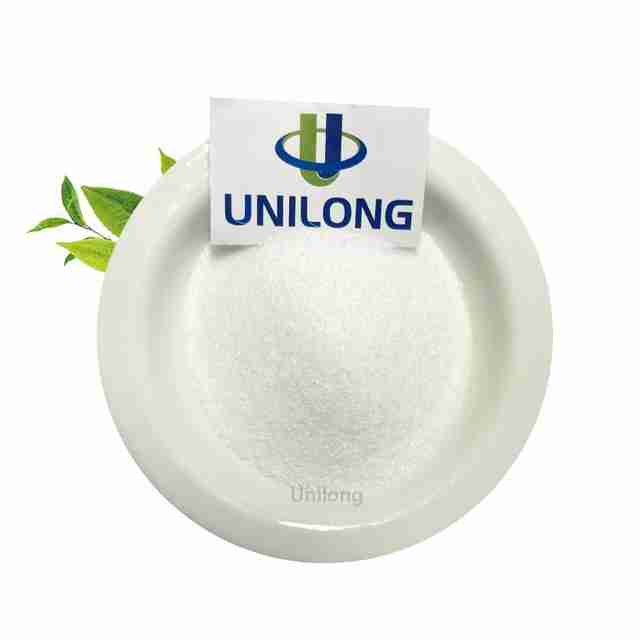
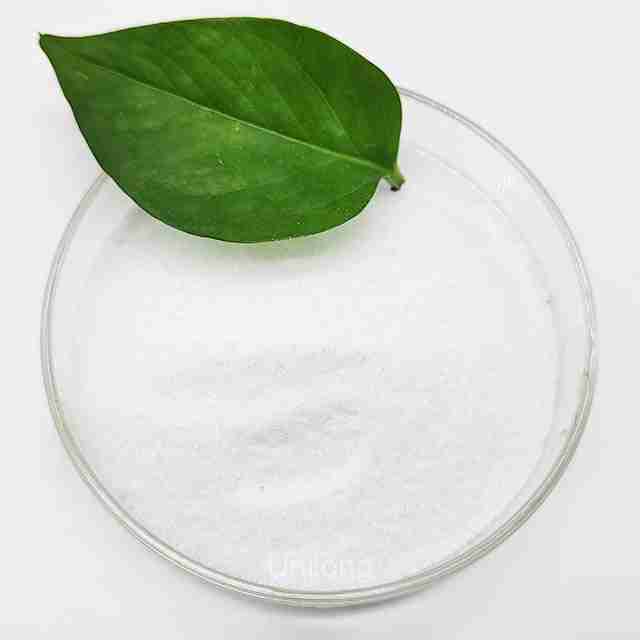
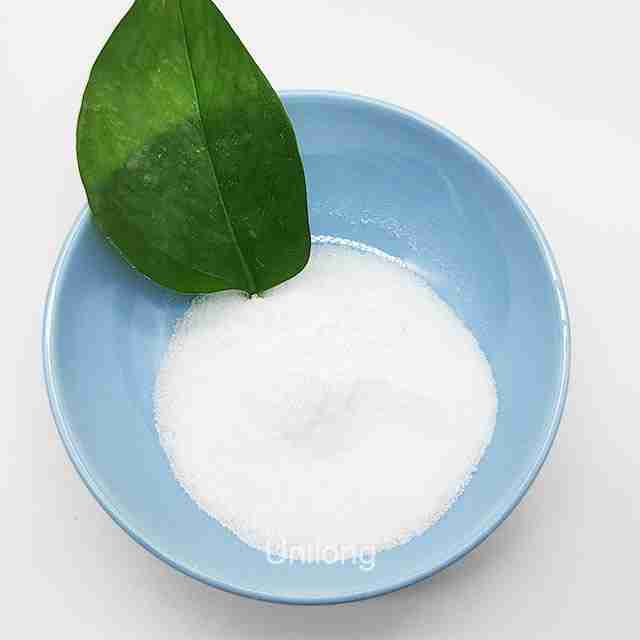
The appearance of Butylated Hydroxytoluene CAS 128-37-0 is white or light yellow crystalline powder, soluble in benzene, toluene, methanol, ethanol, acetone, carbon tetrachloride, acetic acid, grease, ethyl ester and gasoline and other solvents, insoluble in water and dilute caustic soda solution. Antioxidant 264 is an excellent general phenolic antioxidant, non-toxic, non-flammable, non-corrosive, good storage stability, can inhibit or delay the oxidative degradation of plastics or rubber and extend the service life.
| Item | Specification |
| Melting point | 69-73 °C(lit.) |
| Boiling point | 265 °C(lit.) |
| Density | 1.048 |
| Refractive index | 1.4859 |
| LogP | 5.2 |
| Acidity coefficient (pKa) | pKa 14(H2O t = 25 c = 0.002 to 0.01) |
Butylated Hydroxytoluene (BHT) is one of the most widely used low-molecular-weight phenolic antioxidants in industrial and consumer applications. Due to its strong free radical scavenging ability and cost-effective stabilization performance, BHT is widely applied in food, cosmetics, fuels, plastics, rubber, and lubricant formulations.
BHT is extensively used as a food antioxidant to prevent oxidation of fats and oils in processed foods, edible oils, snacks, cereals, and animal feed additives. It helps extend shelf life by reducing rancidity and oxidative degradation during storage.
Typical applications include:
In cosmetic formulations, BHT helps stabilize fragrances, emulsions, lipsticks, creams, lotions, and sunscreen products by preventing oxidation of oils and active ingredients. It is commonly used in low concentrations to improve product storage stability.
BHT is used in synthetic rubber, latex, and elastomer processing to reduce oxidative cracking and thermal degradation during storage and processing. It performs well in rubber adhesives, sealants, and industrial elastomer compounds.
For enhanced long-term thermal aging resistance in elastomer systems, BHT can also be combined with sulfur-containing stabilizers such as Dilauryl Thiodipropionate (DLTDP).
The product is widely used in gasoline, biodiesel, aviation fuel, lubricants, transformer oil, and hydraulic fluids to suppress oxidation and gum formation during storage.
BHT is also used in polyethylene, polypropylene, styrene resins, and packaging materials as a cost-effective antioxidant during polymer processing and storage. It helps reduce yellowing and thermal degradation in short-life polymer applications.
In polyolefin processing systems, BHT may be used alongside processing stabilizers such as Antioxidant 168 to improve thermal stability during extrusion.
Learn more about industrial antioxidants and polymer stabilization technologies from Unisunchem.
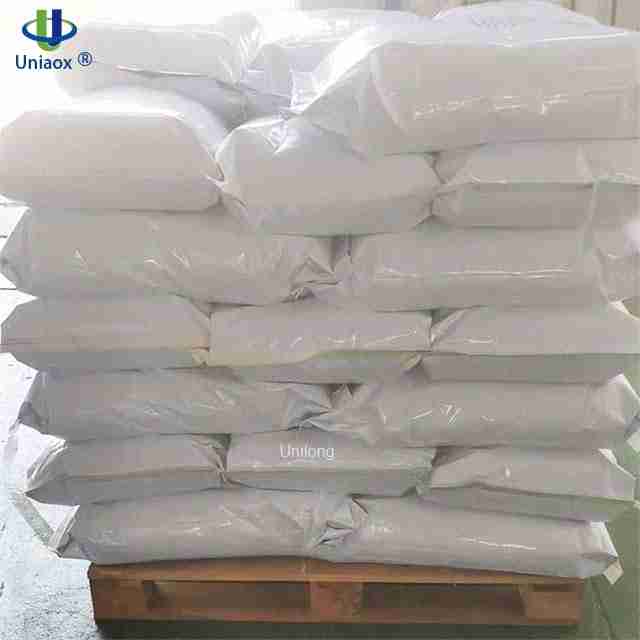
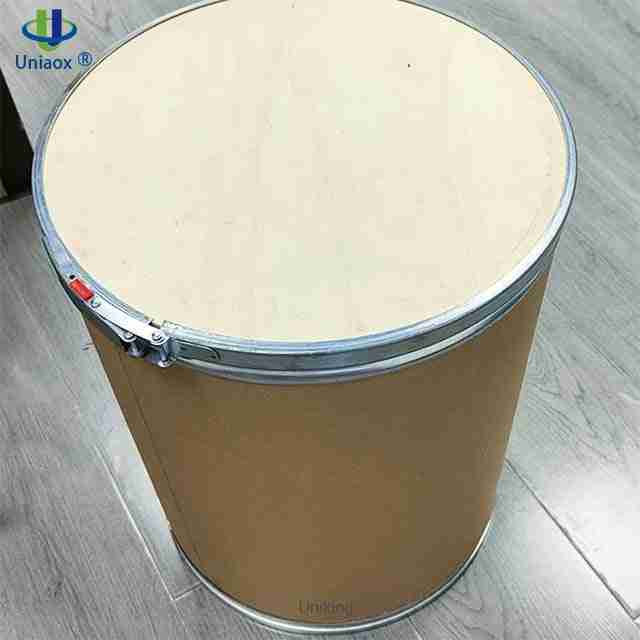
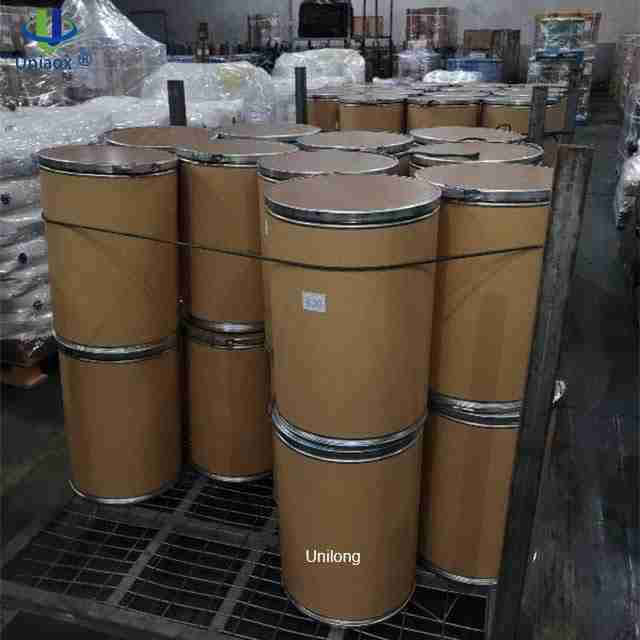
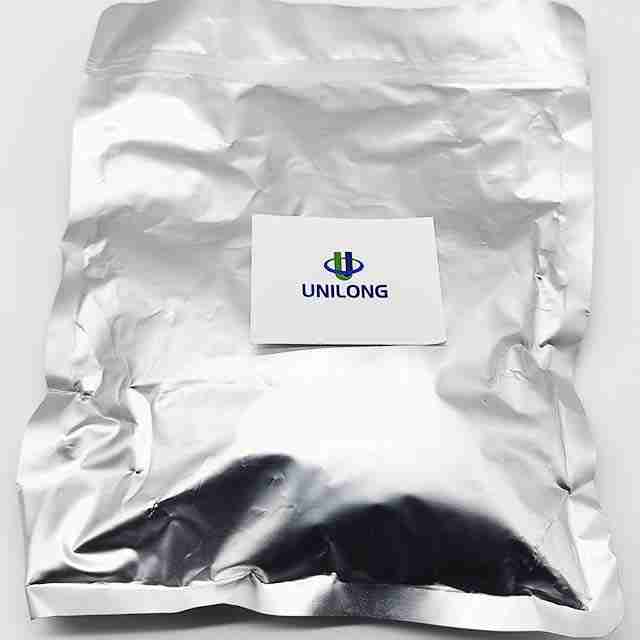
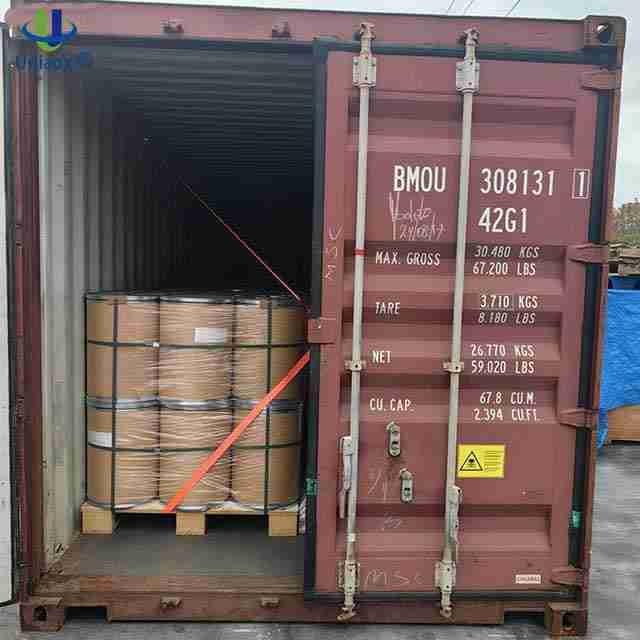
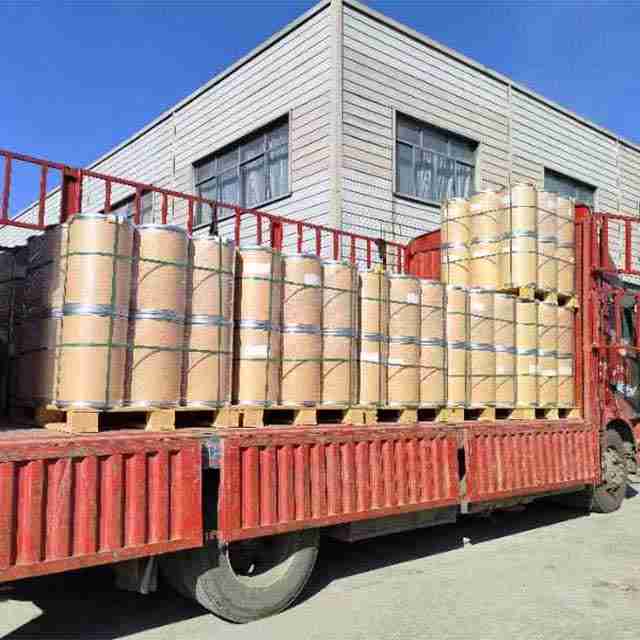
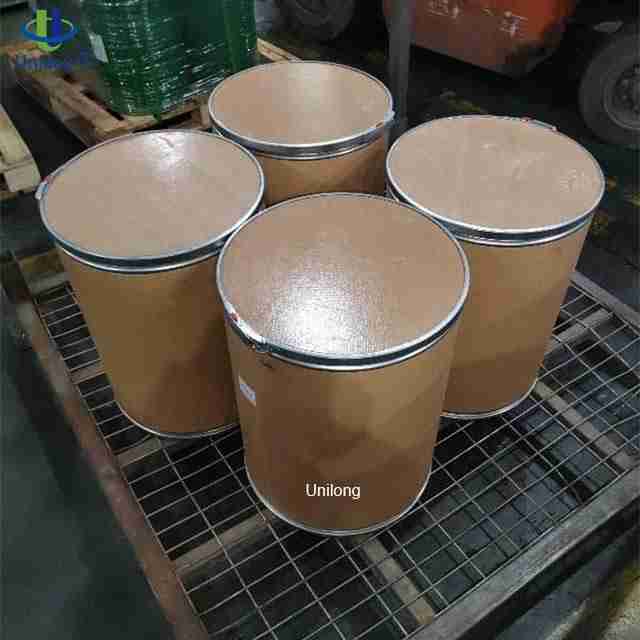
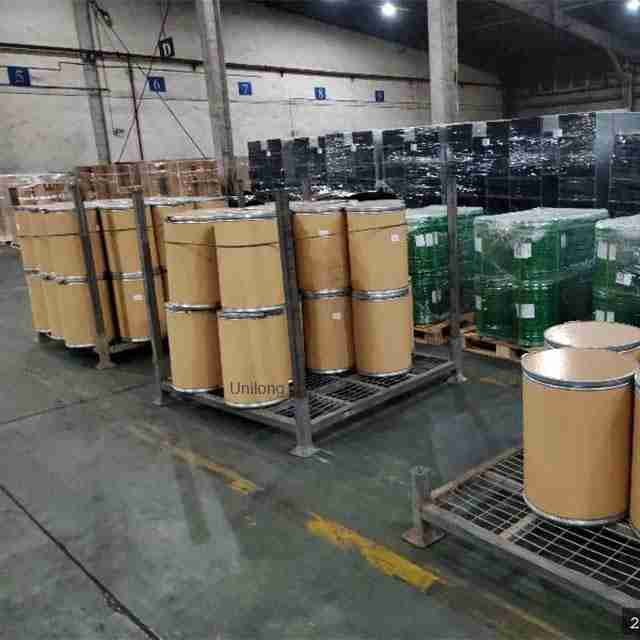
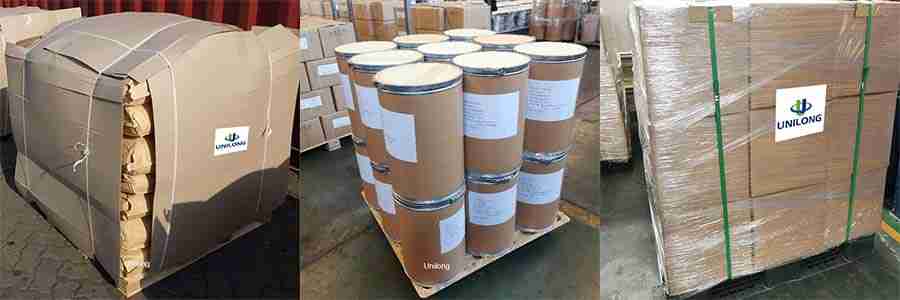
25kg/drum or according to customer requirements.
BHT (Butylated Hydroxytoluene) and BHA (Butylated Hydroxyanisole) are both phenolic antioxidants used to prevent oxidation in food, cosmetics, and industrial products. BHT generally offers better thermal stability and is more commonly used in polymer and fuel applications.
BHT helps prevent oxidation of fats and oils, which reduces rancidity and extends product shelf life. It is commonly used in snacks, cereals, edible oils, and processed foods.
Yes. BHT is widely used as a cost-effective antioxidant in polyethylene, polypropylene, styrene polymers, rubber compounds, and packaging materials to reduce oxidation and thermal degradation during processing and storage.
Fuels and lubricants can oxidize during long-term storage, causing sludge and gum formation. BHT helps stabilize these systems and improves storage life in gasoline, biodiesel, transformer oils, and hydraulic fluids.
Yes. BHT is often formulated with phosphite antioxidants, sulfur antioxidants, and hindered phenolic antioxidants to improve overall stabilization performance in polymer and elastomer systems.