


Basic Information
- Chemical Name: 2,6-Di-tert-butyl-4-(dimethylaminomethyl)phenol
- CAS No.: 88-27-7
- Molecular Formula: C₁₇H₂₉NO
- Molecular Weight: 263.42
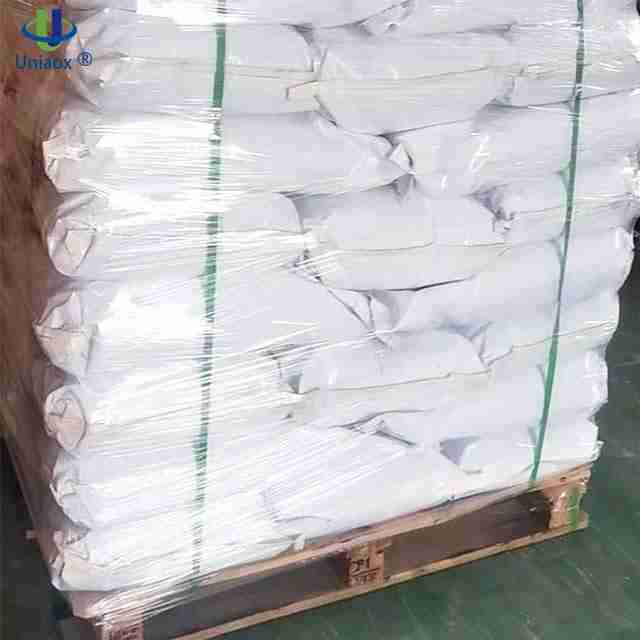
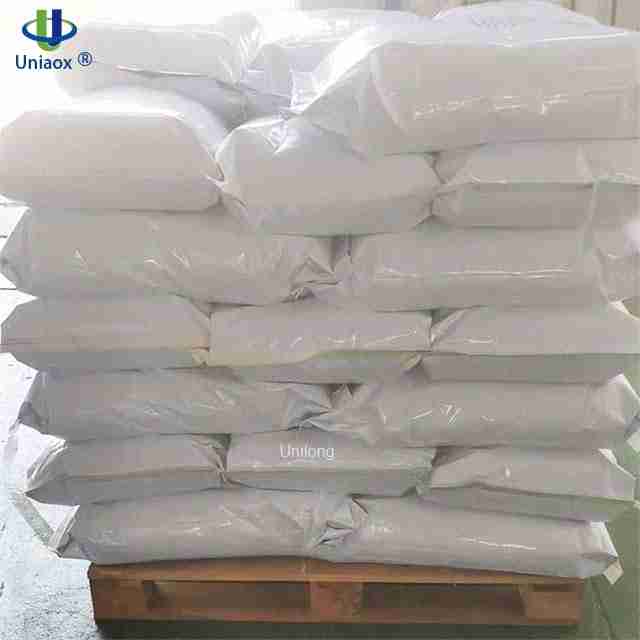
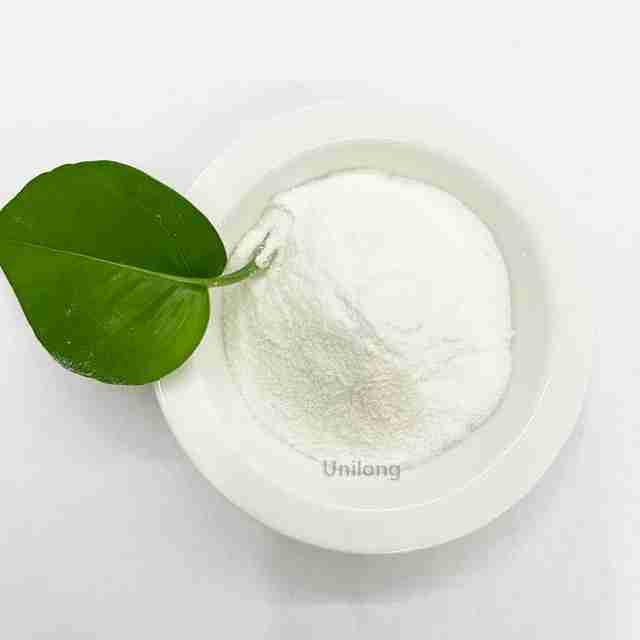
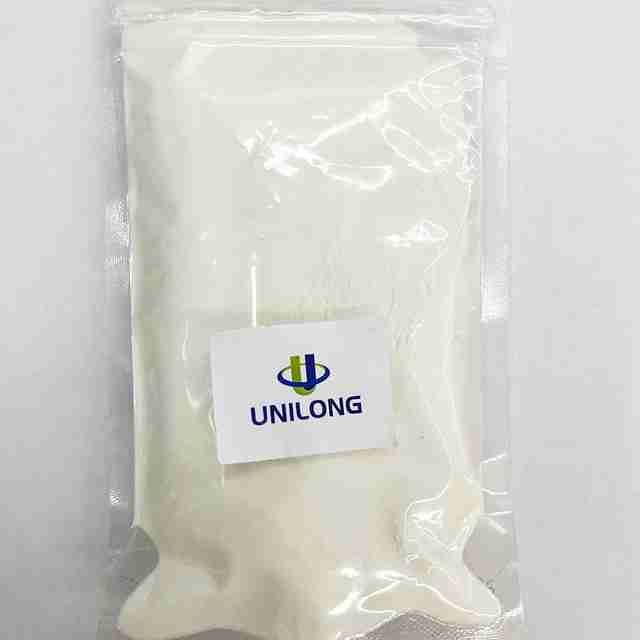
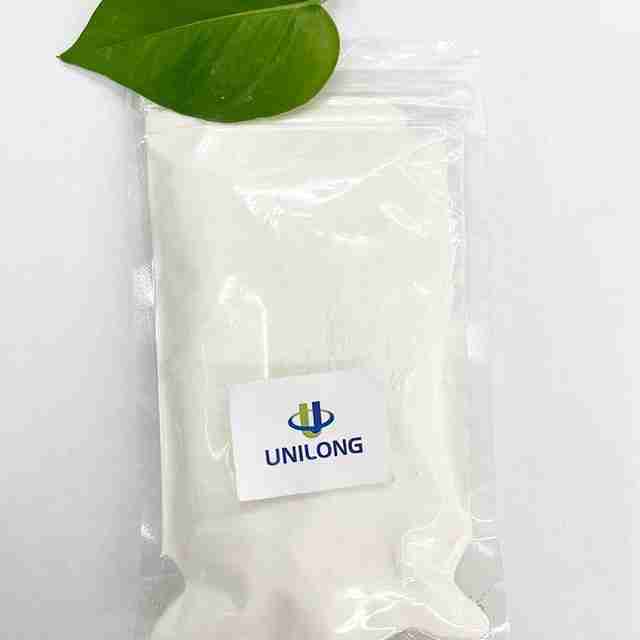
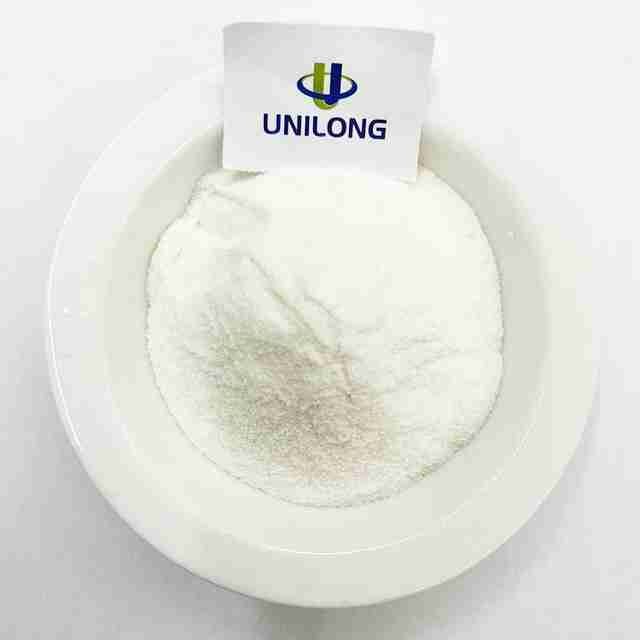
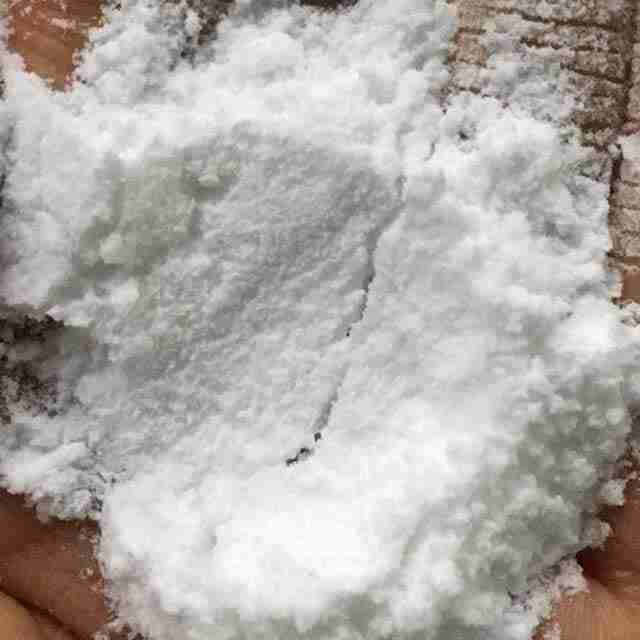
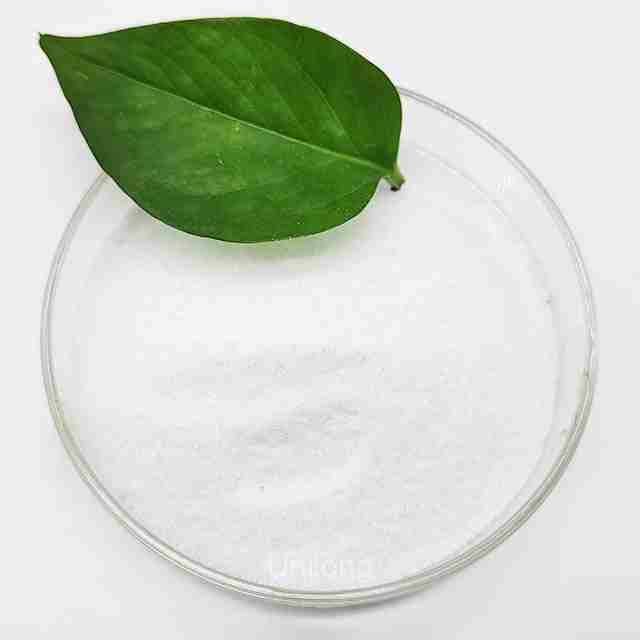
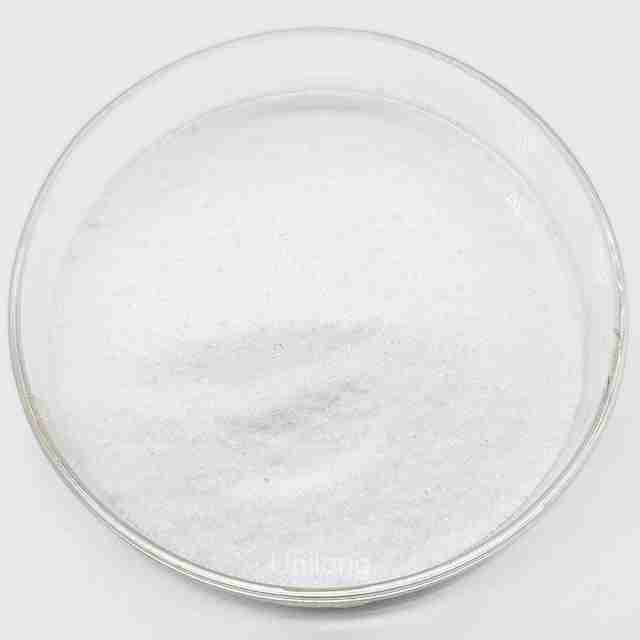
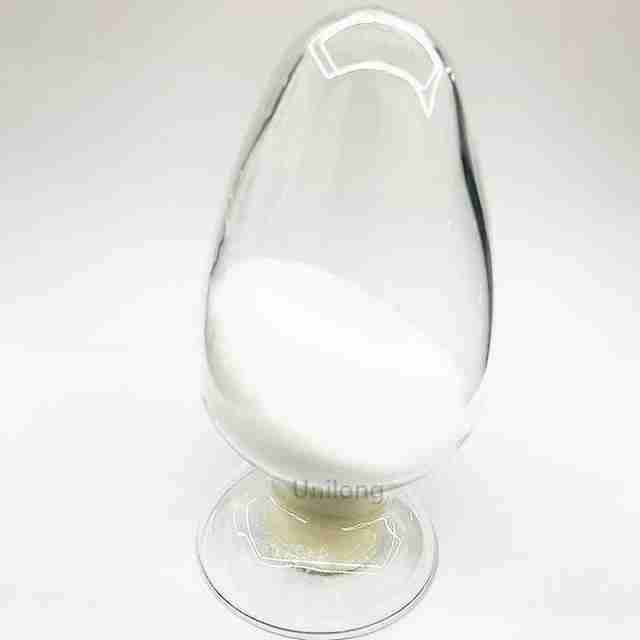
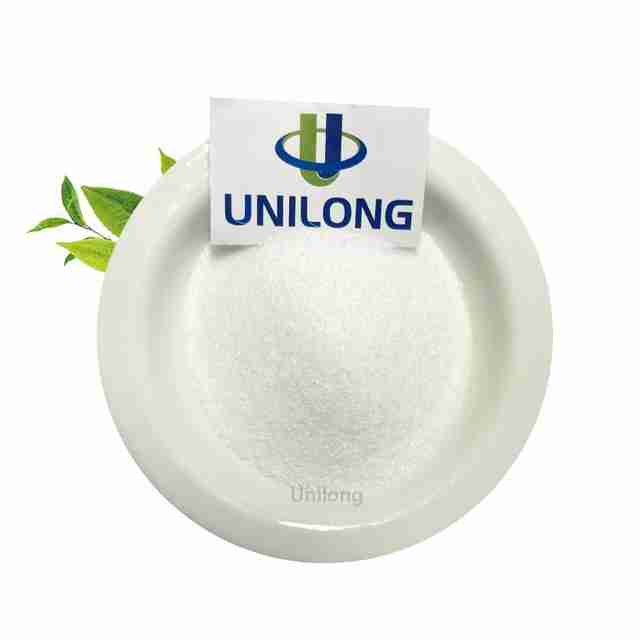
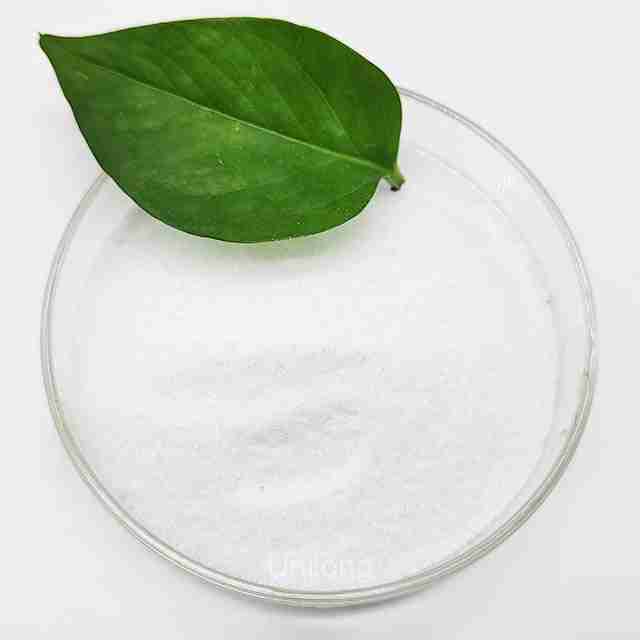
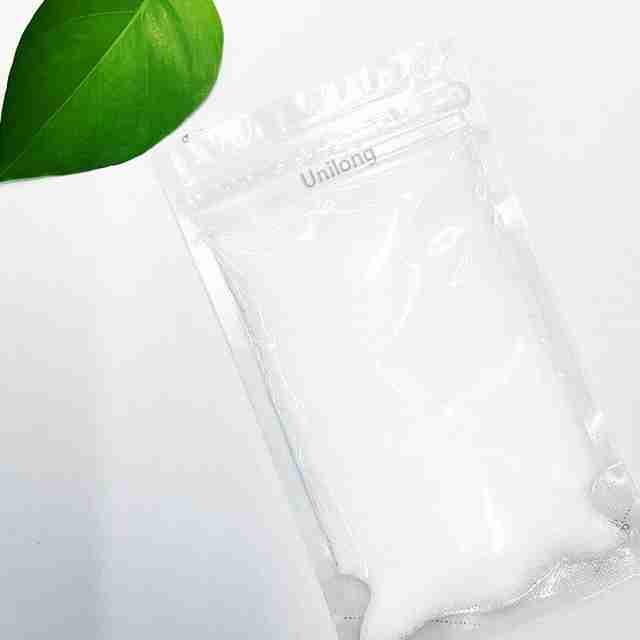
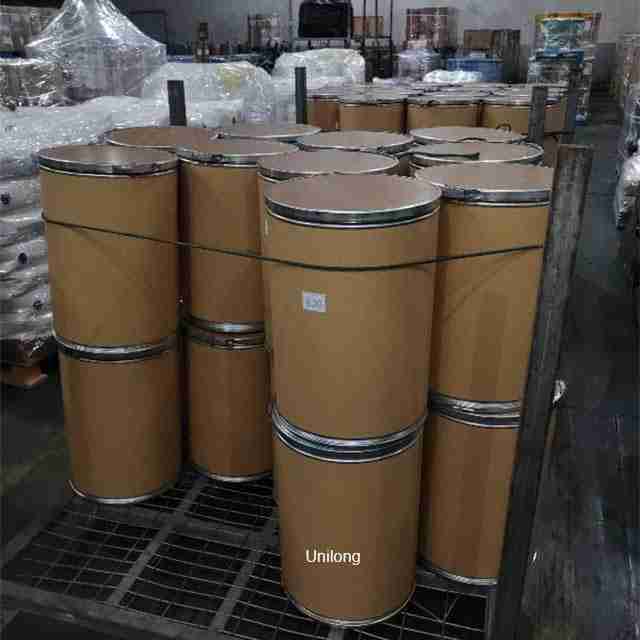
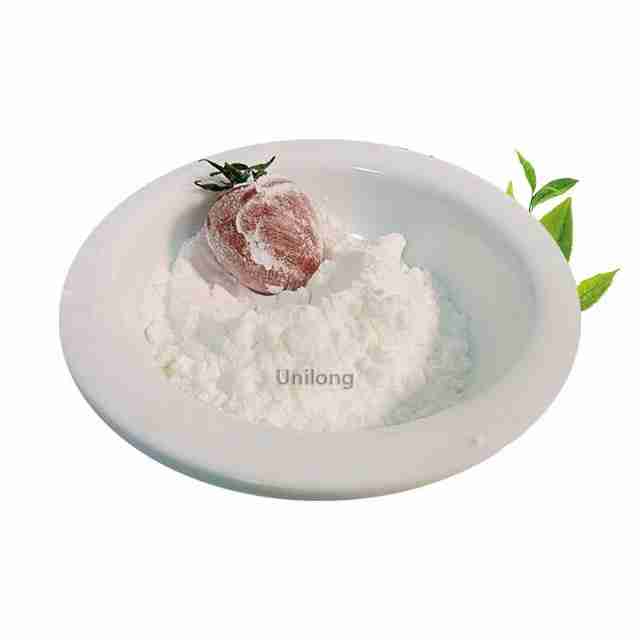
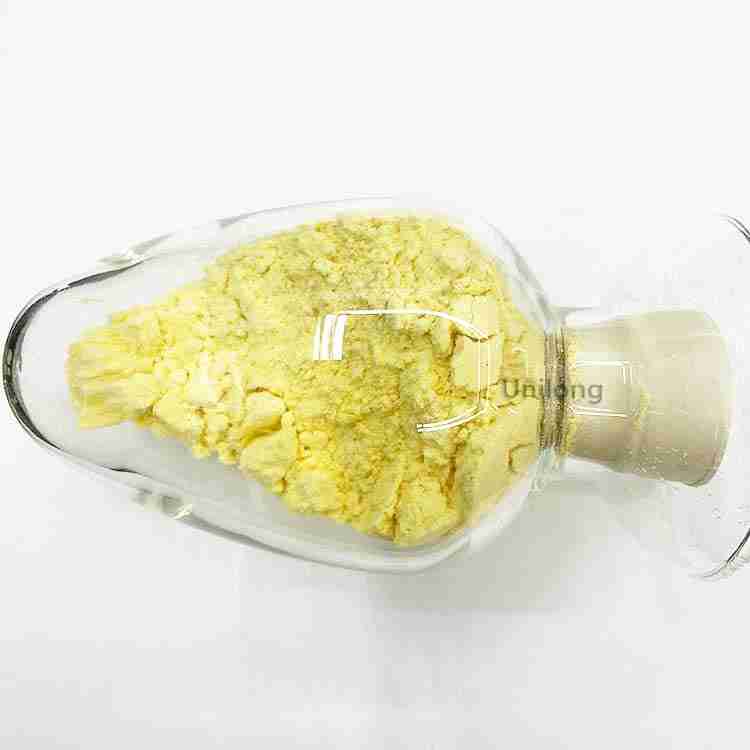
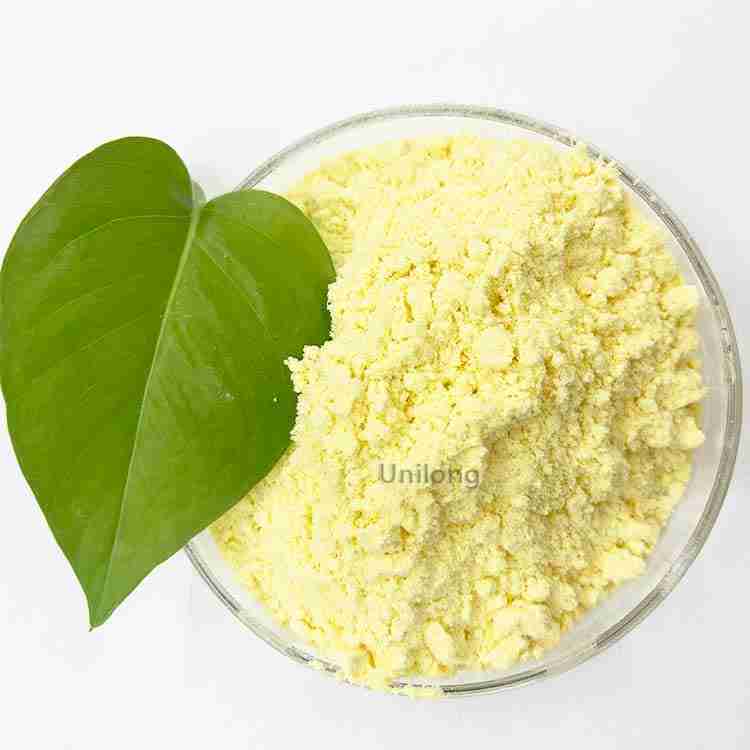
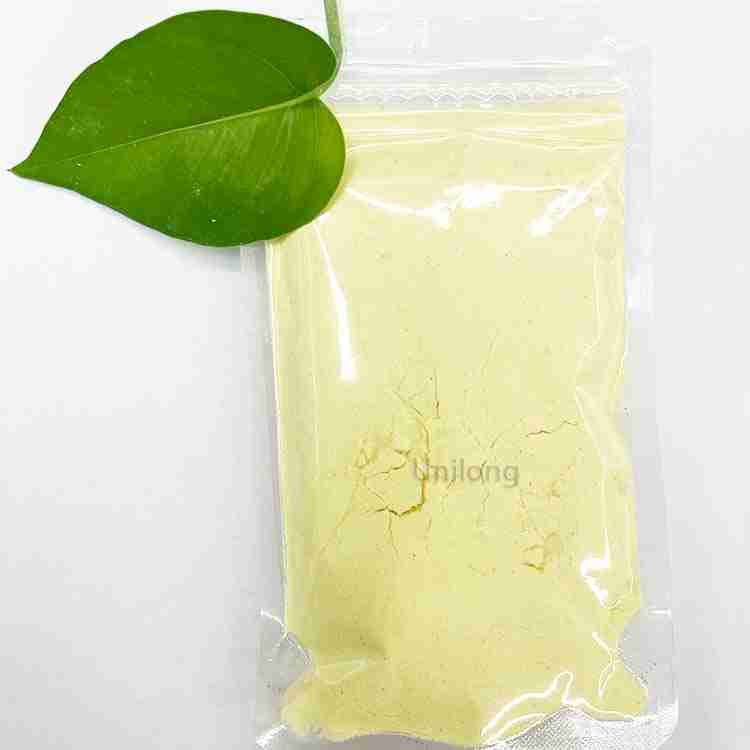
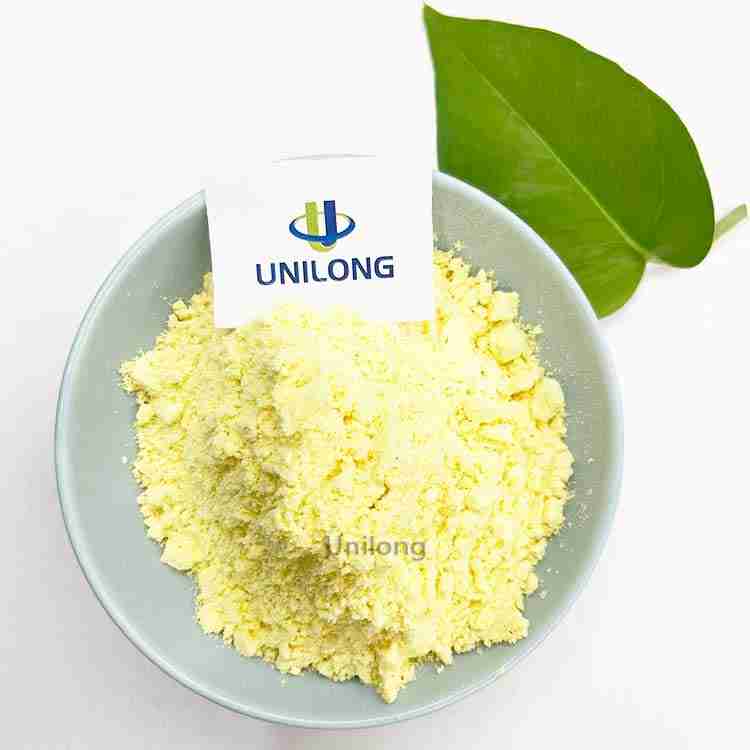
- Look: White or light yellow powder.
- Type: Phenolic antioxidant which is inhibited.
Antioxidant 703 (CAS 88-27-7) is a highly effective hindered phenolic antioxidant widely used in lubricants, polymers, and rubber. Furthermore, it demonstrates excellent resistance to thermal oxidation, thereby preventing degradation during processing and long-term use.
This product is 2,6-di-tert-butyl-4-(dimethylaminomethyl)phenol, a potent free radical scavenger with long-term stability. Developed by an experienced antioxidant manufacturer, this product is part of our extensive portfolio of industrial applications.
Normal dosage: 0.1 per cent- 0.3 per cent according to requirements of the formulation.
The compound can be used in various industries:
Lubricating Oils and Oils
Polymers and Plastics
Rubber and Latex
Excellent thermal stability
Antioxidant 703 is very resistant to thermal oxidation, and can be utilized in high temperature applications.
Non-Discoloring and Non-Polluting
In addition, it is a non-discoloring antioxidant, making it ideal for applications that require appearance stability.
Good Oil Solubility
It has a high solubility in lubricating oils and organic systems, and it disperses in a uniform manner.
Low Volatility
It is able to sustain its performance over the long run with little loss because of its molecular structure.
Q1:What is the Antioxidant 703?
The compound finds its application mostly in the lubricants, and rubber and plastics to inhibit oxidation and enhance service life of materials.
Q2:Is antioxidant 703 to work under high temperature?
Thou hast good thermal stability, and finds much application in high temperature lubricants and polymers.
Q3:How is the difference between antioxidant 703 and other antioxidants?
As a hindered phenolic compound with non-fading properties, it offers excellent free radical scavenging performance; therefore, it is a reliable choice for sensitive applications.
Q4:Is it possible to use antioxidant 703 with other stabilizers?
Yes, it is usually combined with other antioxidants, or stabilizers to provide longer protection.
Q5:Which markets do most need antioxidant 703?