


CAS:3806-34-6
Molecular Formula:C41H82O6P2
Molecular Weight:733.03
EINECS:223-276-6
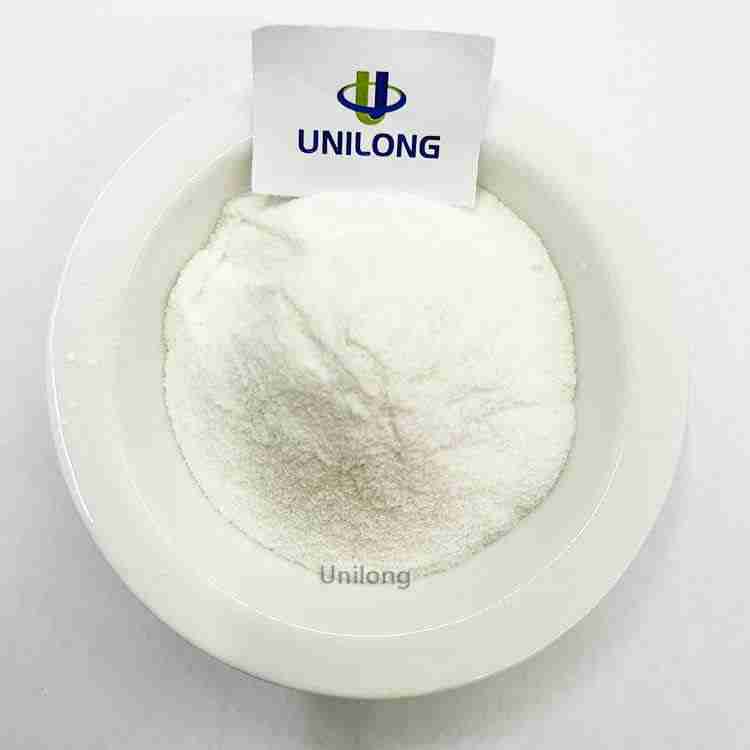
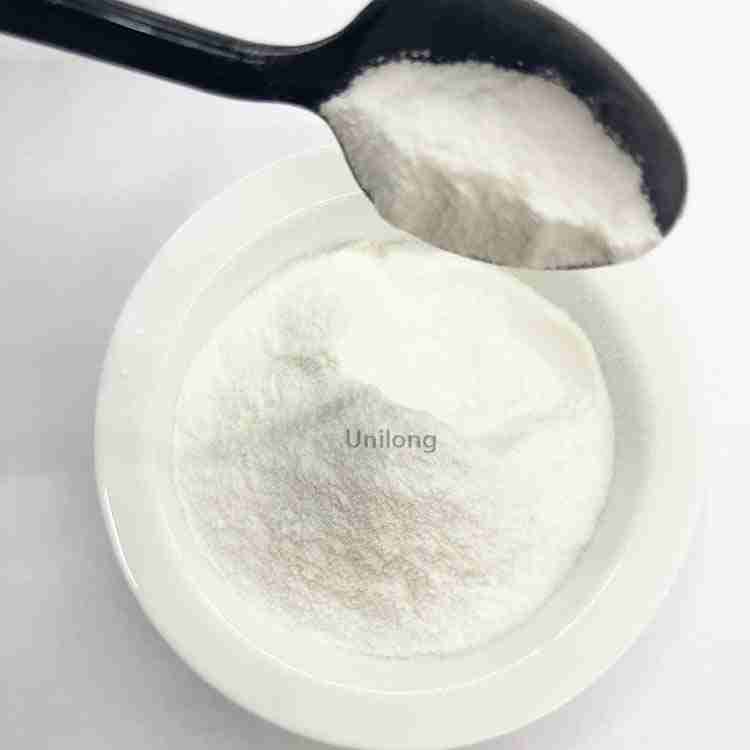
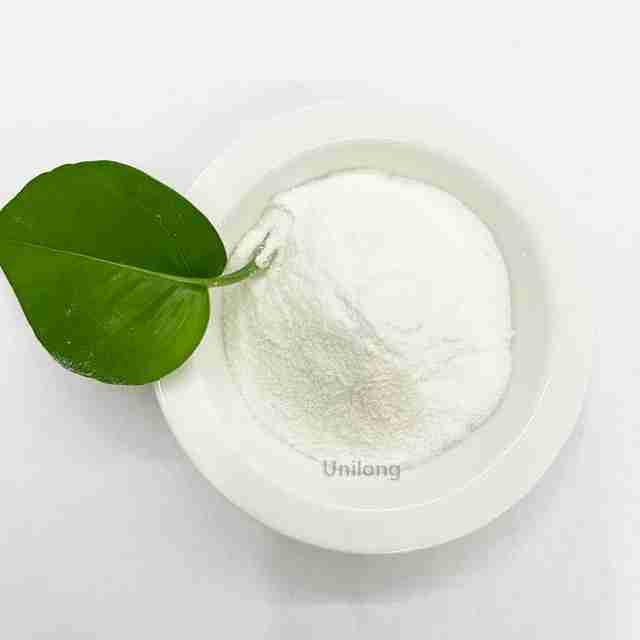
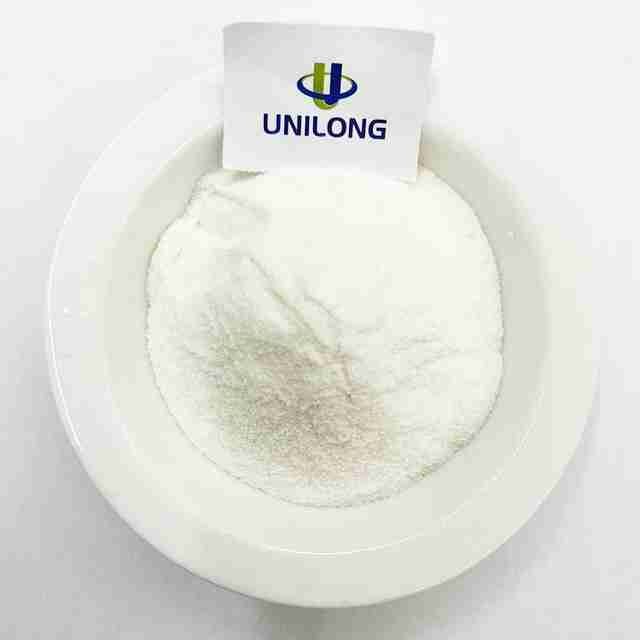
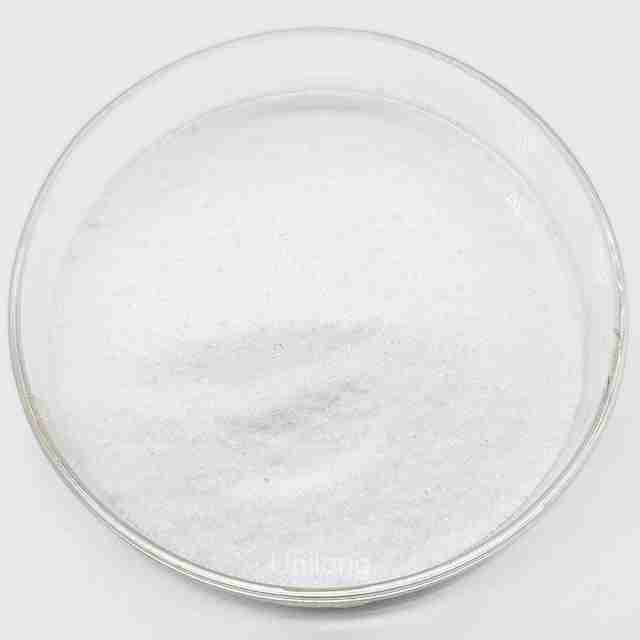
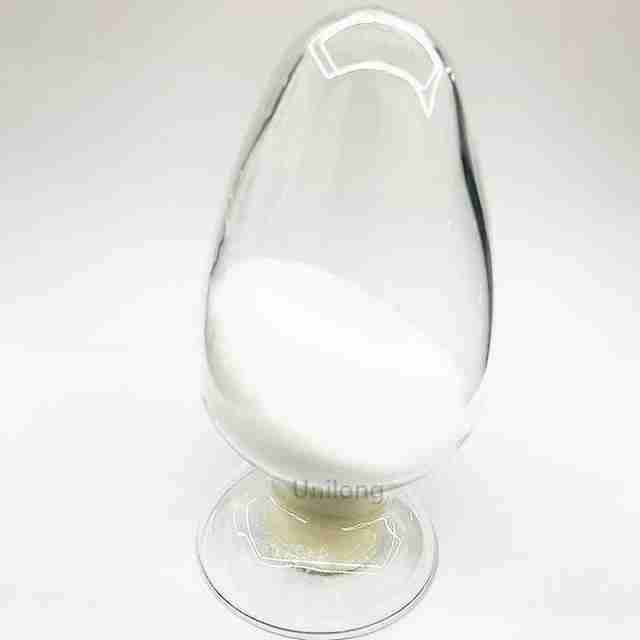
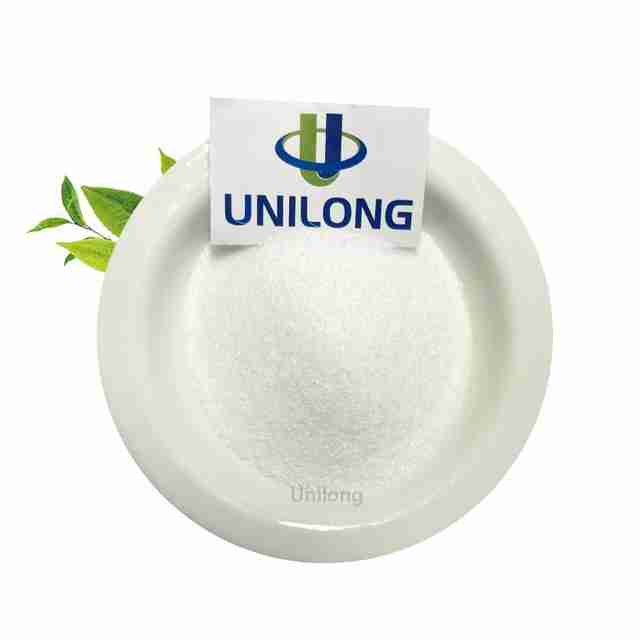
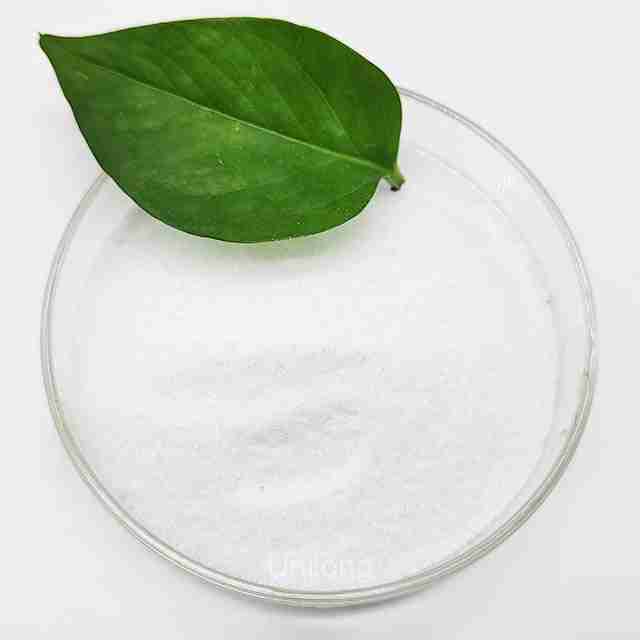
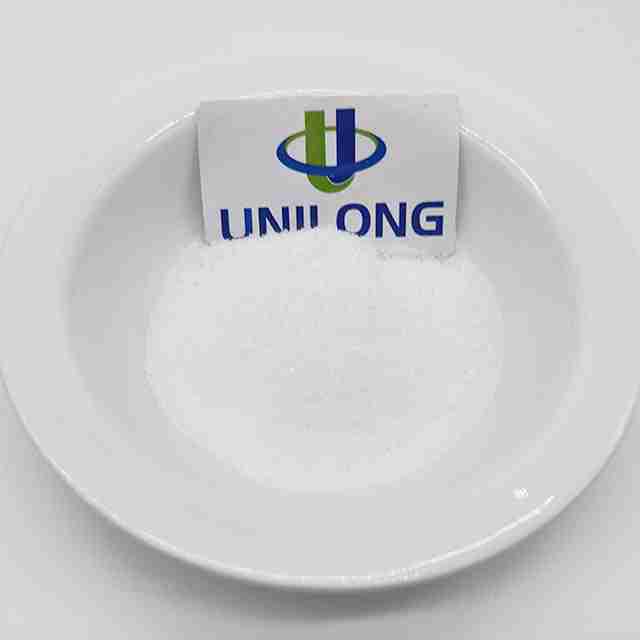
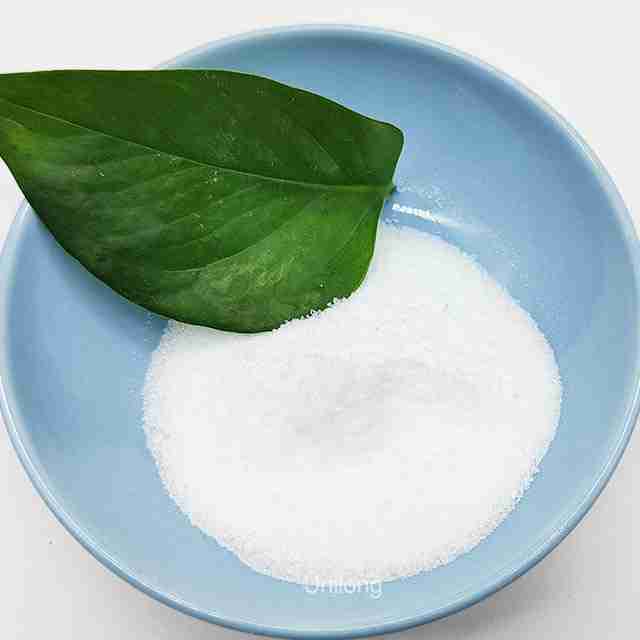
Antioxidant 618 is insoluble in water. Antioxidant 618 has a white waxy solid form. Antioxidant 618 has a melting point of 54 to 56 ° C, a relative density of 0.940 to 0.960 and an refractive index of 1.4610 to 1.4660. The solubility was 14.7 for benzene, 0.3 for hexane, 45.0 for chloroform, 0.3 for acetone and 0.3 for methanol.
| Item | Specification |
| Melting point | 44-47 °C(lit.) |
| Boiling point | 692.2±55.0 °C(Predicted) |
| Density | 1.05[at 20℃] |
| Vapor pressure | 0Pa at 25℃ |
| Flash point | >230 °F |
| LogP | 16.4 at 25℃ |
Antioxidant 618 is a high-efficiency phosphite antioxidant designed to improve polymer processing stability, color retention, and hydroperoxide decomposition during high-temperature manufacturing. Compared with conventional phosphite stabilizers, it offers excellent transparency, low volatility, and strong anti-yellowing performance in demanding resin systems.
Antioxidant 618 is widely used in PP, PE, HDPE, and LLDPE extrusion systems where melt stability and initial color control are critical. It effectively decomposes hydroperoxides generated during extrusion, helping reduce polymer chain degradation and improving long-term thermal stability.
Typical applications include:
In high-output extrusion lines, Antioxidant 618 is frequently combined with hindered phenolic antioxidants such as Antioxidant 1076 to achieve balanced processing and long-term stabilization.
Antioxidant 618 performs especially well in ABS, HIPS, and styrenic resin modification systems where processing discoloration and gas fading are common challenges. It improves resin brightness and helps maintain stable melt viscosity during repeated thermal processing.
The product is widely used in:
In EVA copolymers and hot melt adhesive formulations, Antioxidant 618 enhances processing stability and reduces oxidation caused by prolonged heating in adhesive tanks and coating systems. Its low-color characteristic makes it suitable for transparent adhesive applications.
For adhesive systems requiring low migration performance, it can also work synergistically with IRGANOX 3052.
Antioxidant 618 is suitable for PC, polyester, PBT, PVC, and engineering thermoplastics requiring high transparency and stable processing behavior. It helps suppress thermal oxidation while minimizing resin yellowing during molding.
Because of its low toxicity and excellent transparency retention, Antioxidant 618 is widely applied in food packaging materials and light-colored polymer products. In some formulations, it can partially replace conventional stabilizers such as BHT and thioester antioxidants.
Explore more phosphite antioxidants and polymer processing stabilizers in the Antioxidant Product Category or browse additional industrial additives in the Product Collection.
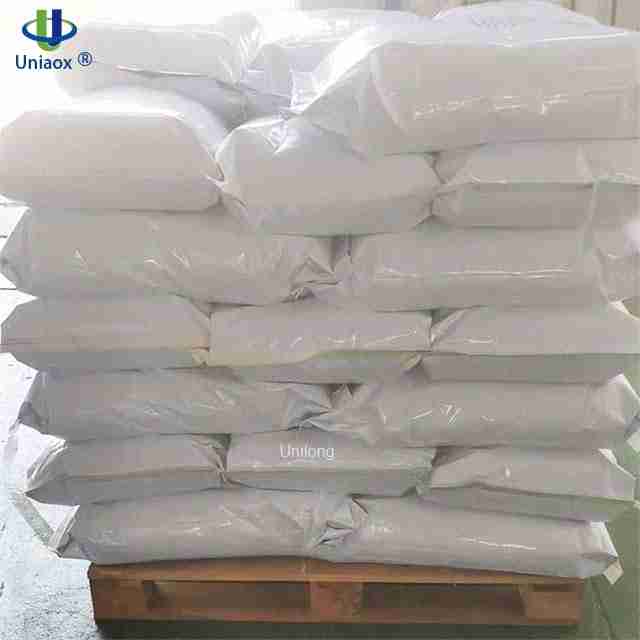
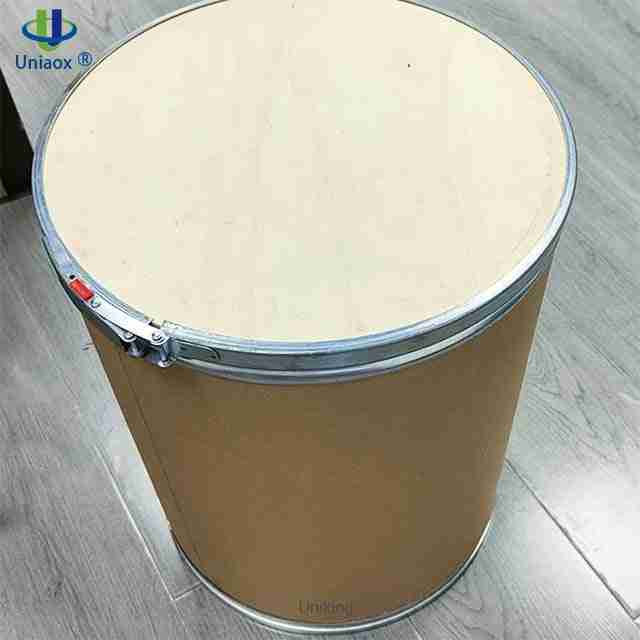
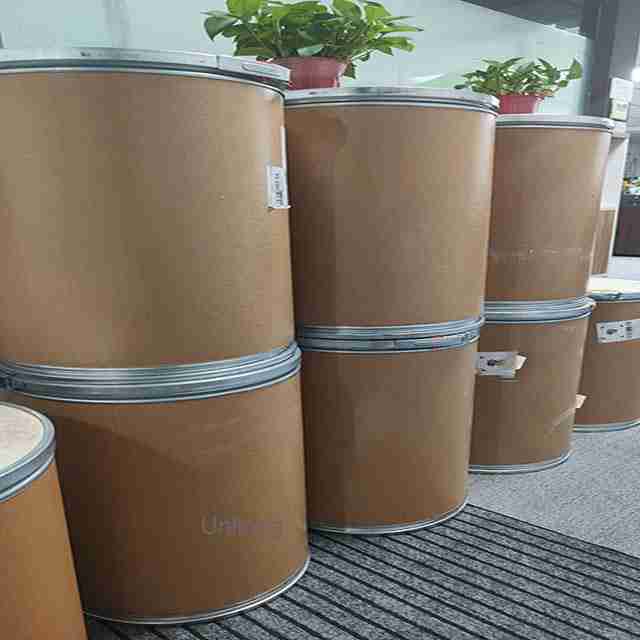
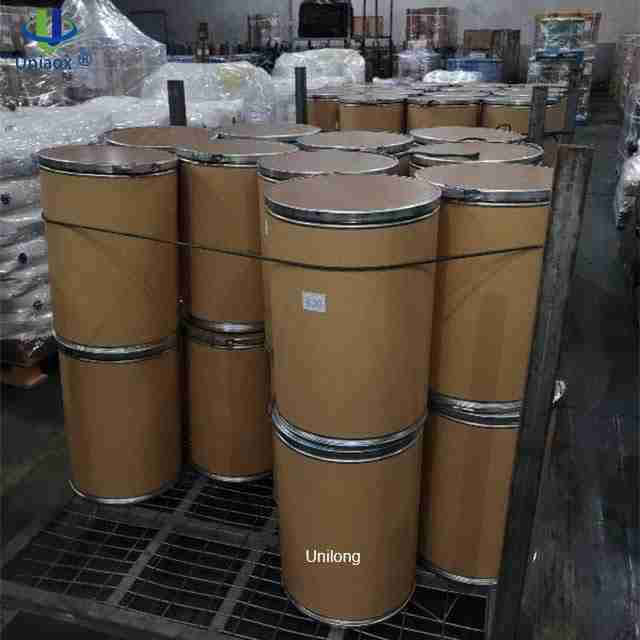
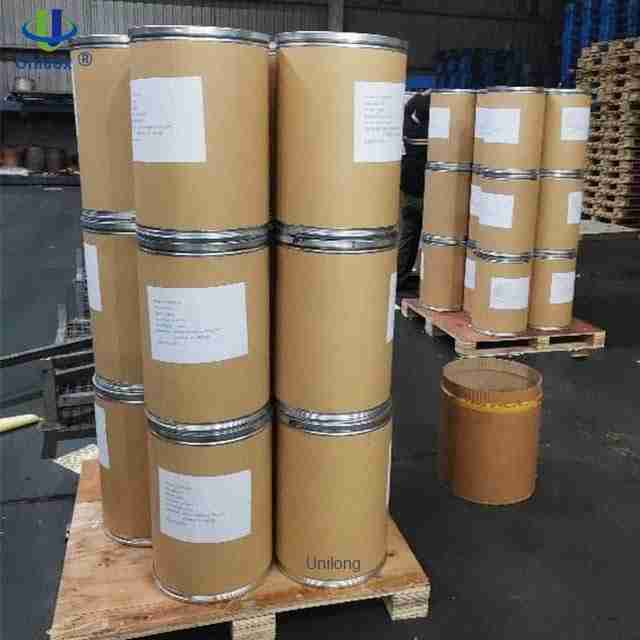
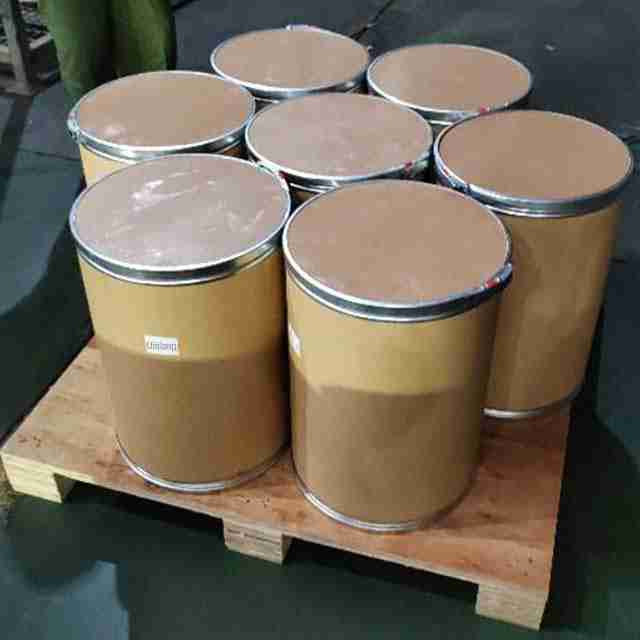
25kg/drum or according to customer requirements.

Both are phosphite processing stabilizers, but Antioxidant 618 is often preferred in applications requiring better initial color, transparency, and gas fading resistance, especially in ABS and light-colored polymers. Antioxidant 168 is more commonly used in general-purpose polyolefin extrusion.
ABS processing can easily lead to discoloration and molecular degradation during repeated heating cycles. Antioxidant 618 improves color stability, reduces gas fading, and helps maintain resin processing consistency.
Yes. Antioxidant 618 is known for its excellent transparency retention and low-color characteristics, making it suitable for transparent films, packaging materials, and light-colored polymer products.
Yes. Antioxidant 618 has been approved for certain food-contact polymer applications and is commonly used in food packaging materials because of its low toxicity and good extraction resistance.
Yes. Antioxidant 618 is frequently combined with phenolic antioxidants such as Antioxidant 1076 to create synergistic stabilization systems for polyolefins and engineering plastics.