


CAS:27676-62-6
Molecular Formula:C48H69N3O6
Molecular Weight:784.08
EINECS:248-597-9
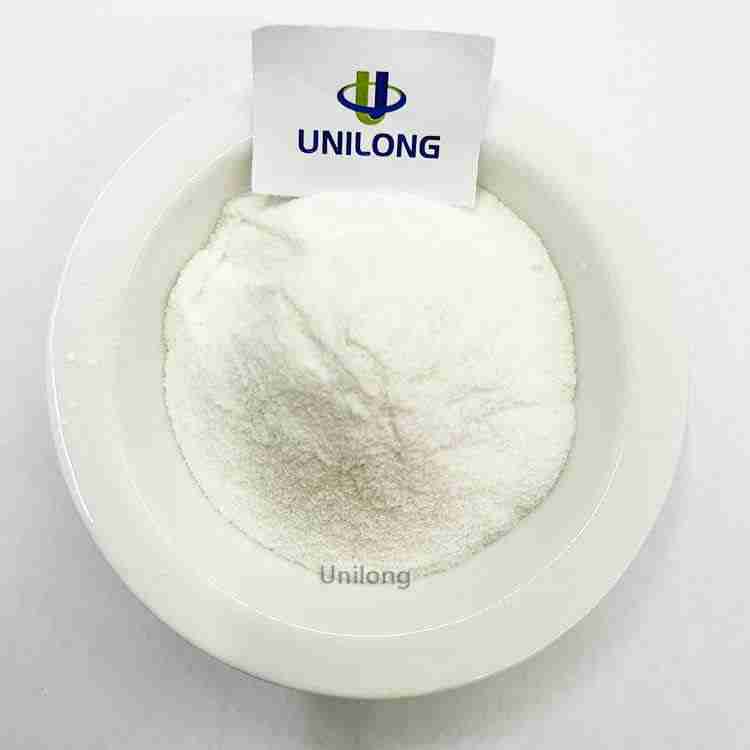
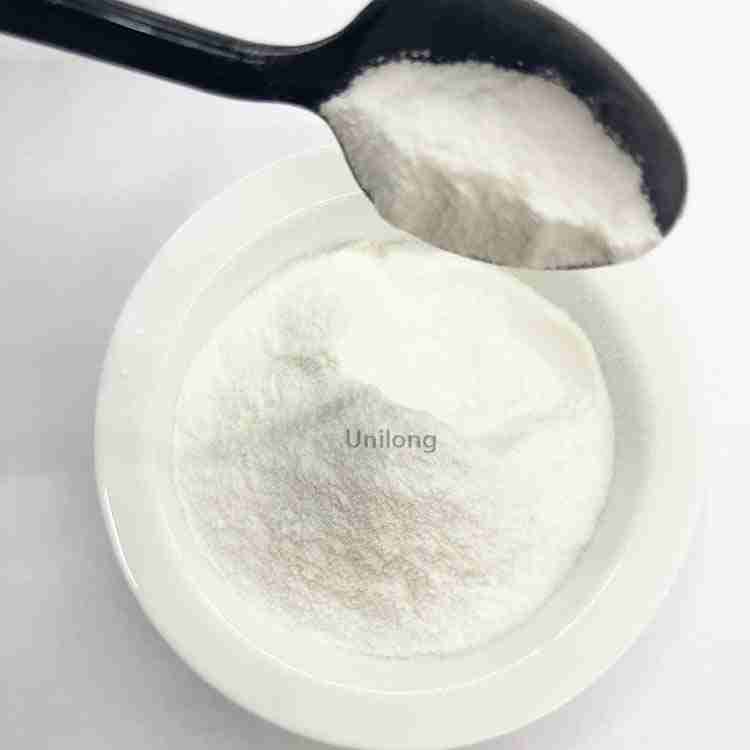
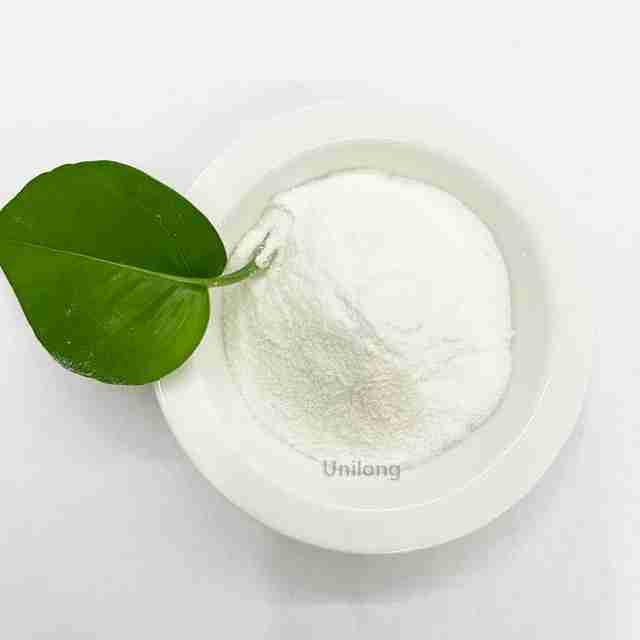
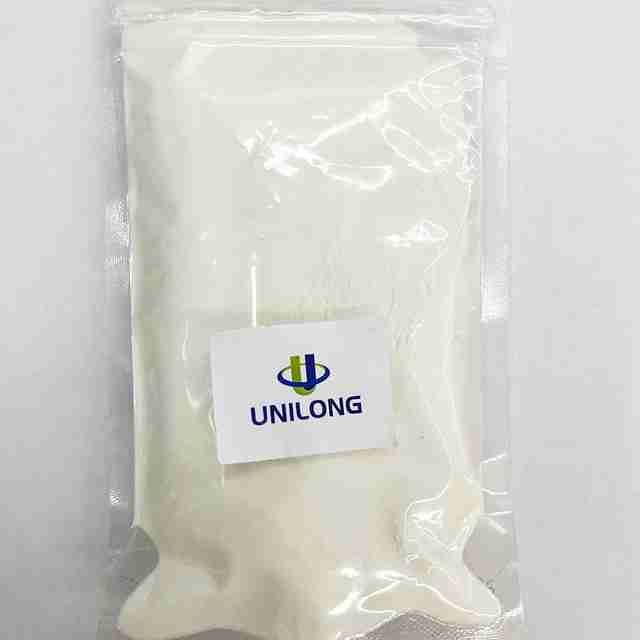
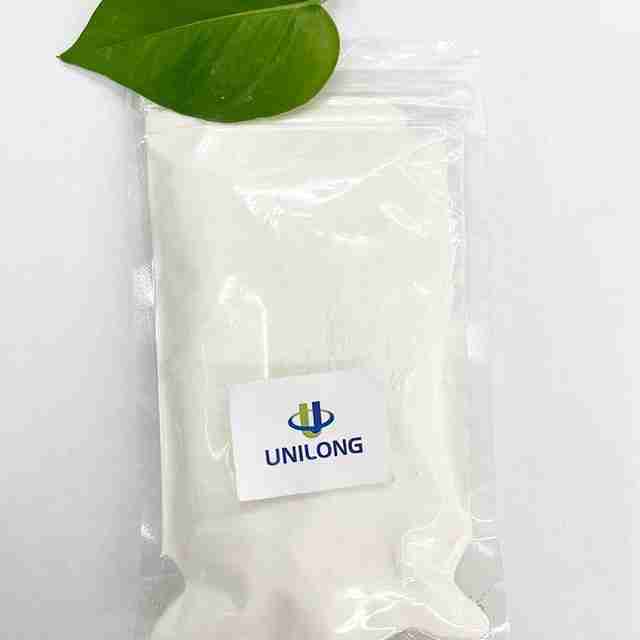
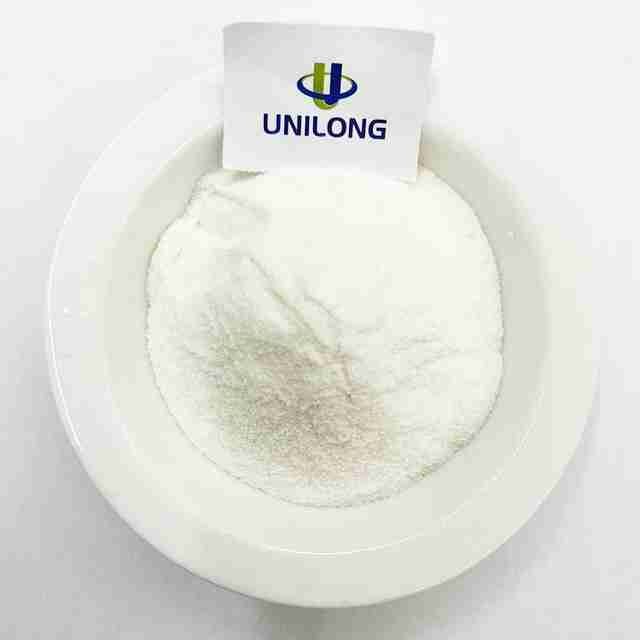
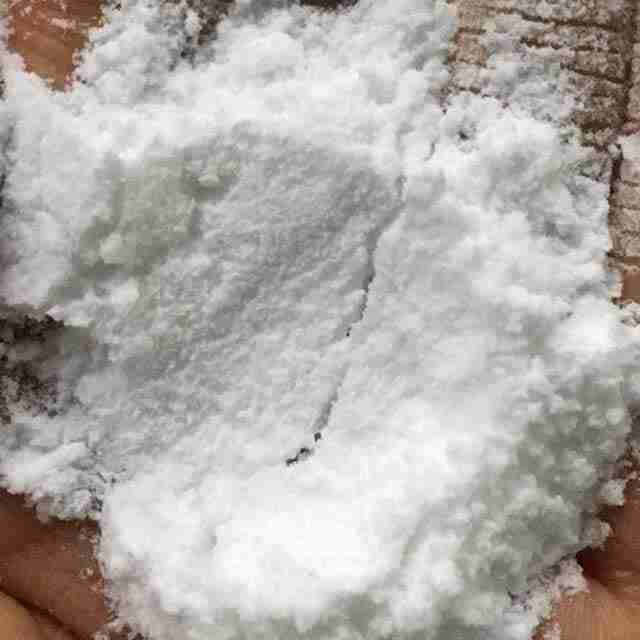
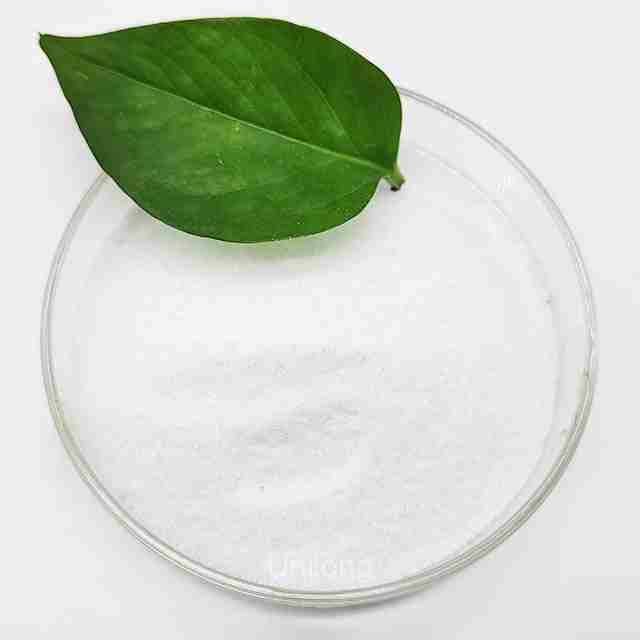
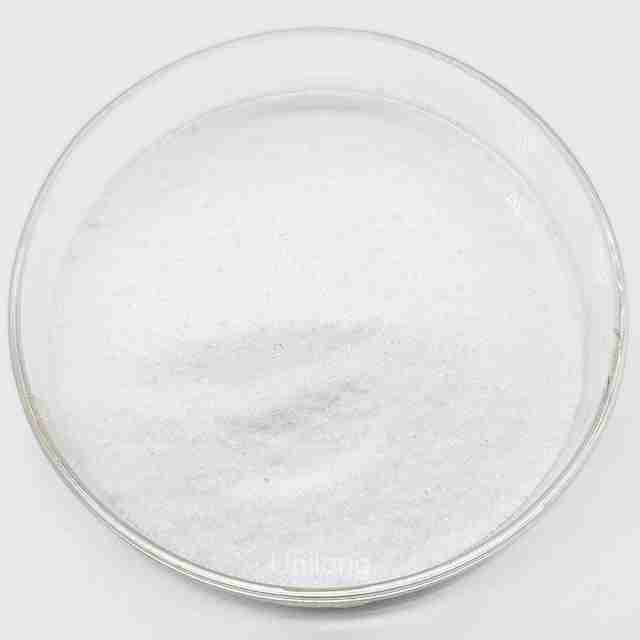
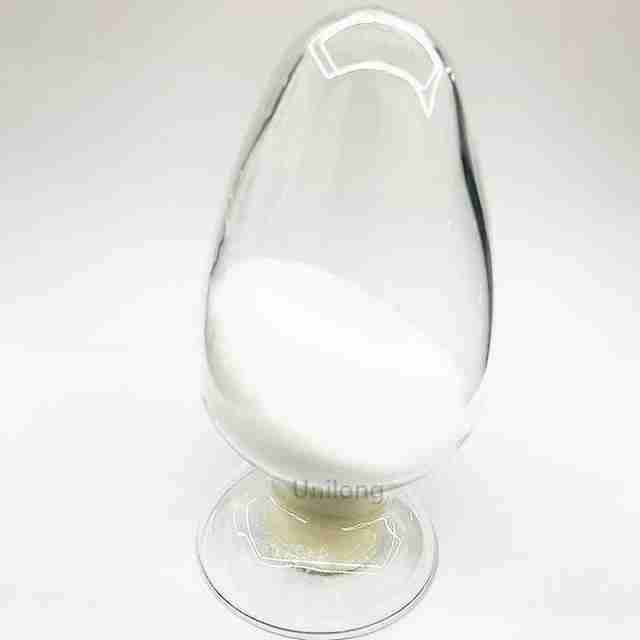
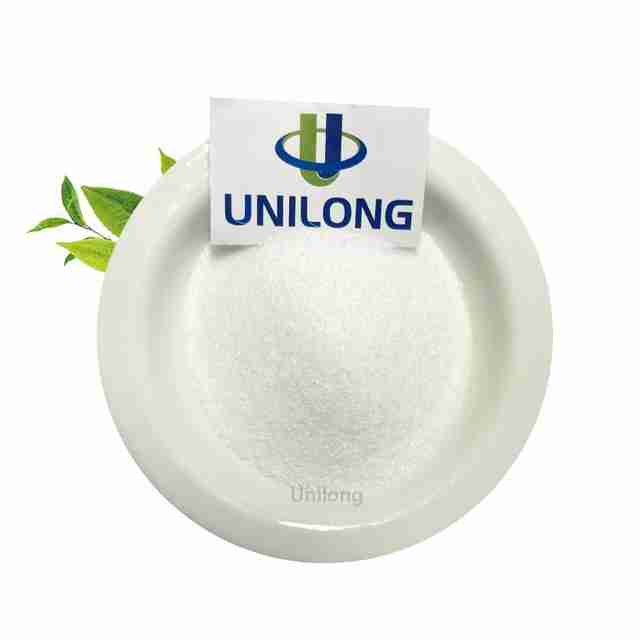
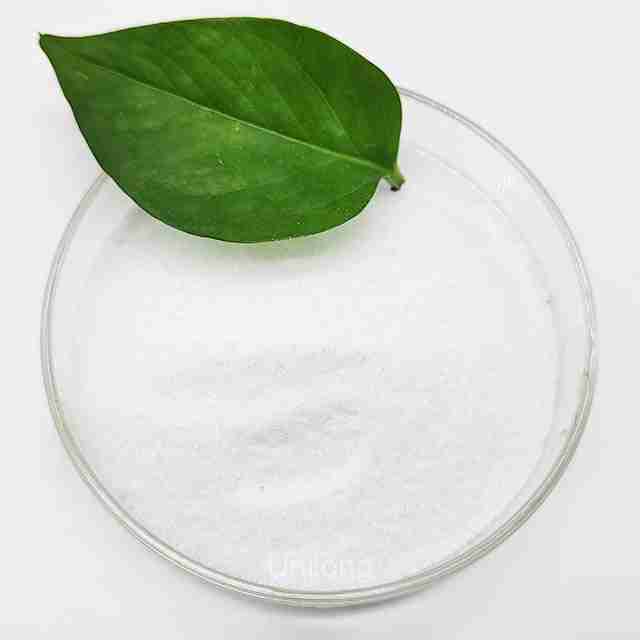
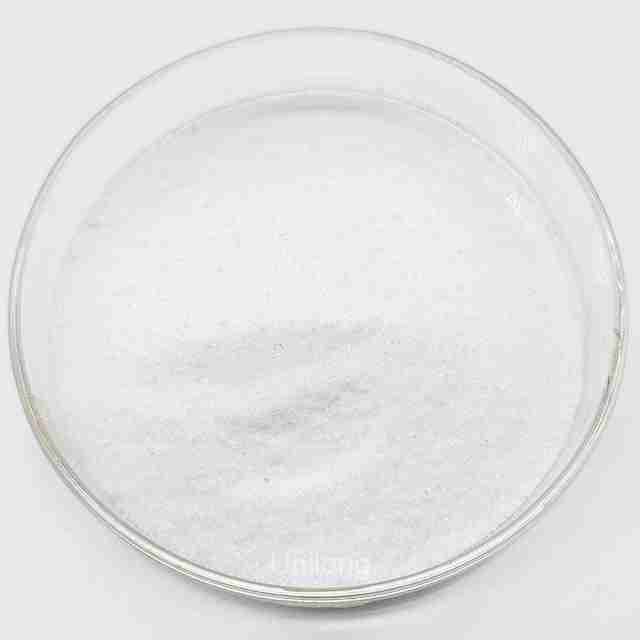
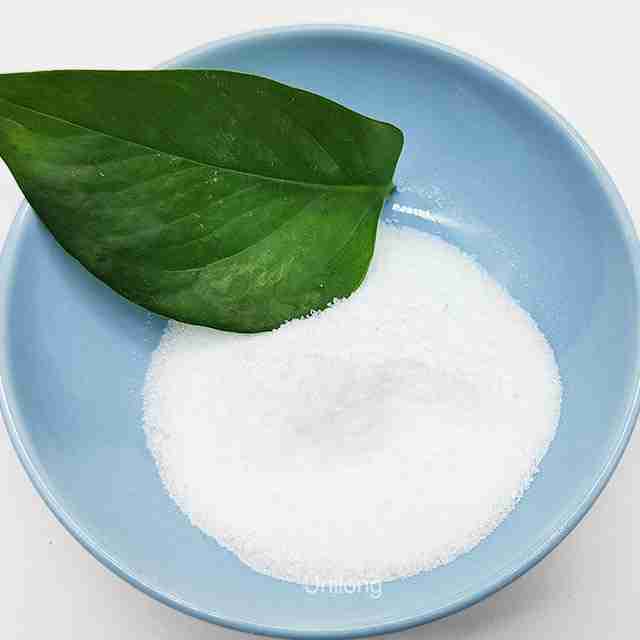
Antioxidant3114 CAS 27676-62-6 is a white crystalline powder slightly soluble in water, soluble in acetone, benzene, chloroform, N, n-dimethylformamide, ethanol, methanol. Antioxidant 3114 is a hindered phenolic antioxidant with three functional groups, which is non-polluting and non-colored. Due to the high molecular weight and melting point, the volatility is very small, the migration is small, and the water extraction resistance is good, which can give the plastic excellent heat oxidation and light oxidation resistance.
| Item | Specification |
| Melting point | 218-220 °C(lit.) |
| Boiling point | 757.9±60.0 °C(Predicted) |
| Density | 1.03g/cm3 |
| Vapor pressure | 0Pa at 25℃ |
| Flash point | 289°C |
| LogP | 15.18 |
Antioxidant 3114 is a sterically hindered phenolic antioxidant featuring extremely low volatility, excellent extraction resistance, and outstanding thermal oxidation stability. Due to its high molecular weight and strong permanence, it is especially suitable for demanding polyolefin and engineering polymer applications requiring long-term heat and light stability.
Antioxidant 3114 is widely used in polypropylene (PP), polyethylene (PE), propylene copolymers, and polyolefin compounds to protect polymers from thermo-oxidative degradation during extrusion, pelletizing, and long-term service exposure. It is particularly effective in:
Its low volatility makes it highly suitable for high-temperature polyolefin processing systems.
For enhanced melt-processing stabilization, Antioxidant 3114 is often formulated together with Antioxidant 168 in advanced polyolefin stabilization packages.
Because of its low migration and strong extraction resistance, Antioxidant 3114 is commonly applied in food-contact polyolefin packaging materials and non-fatty food packaging films. It helps maintain polymer integrity and appearance during long-term storage.
The product is suitable for ABS, PS, PVC, polyester, nylon, polyurethane, and styrenic copolymers exposed to repeated thermal processing conditions. It improves color stability and reduces molecular degradation during molding operations.
In engineering resin systems requiring high-temperature durability, Antioxidant 3114 can also be combined with Antioxidant 1098 for improved long-term heat aging resistance.
Antioxidant 3114 performs well in SBS, EPR, EPDM, synthetic rubber, and elastomer compounds where thermal aging and oxidation resistance are critical. Its low extraction properties help improve long-term durability in dynamic rubber applications.
The antioxidant is also widely used in hot melt adhesives, synthetic tackifier resins, and industrial wax systems. It minimizes oxidation during prolonged heating and improves storage stability in adhesive manufacturing processes.
Explore more phenolic antioxidants and polymer stabilization materials in the Antioxidant Product Category or browse the complete Polymer Additive Product Collection.
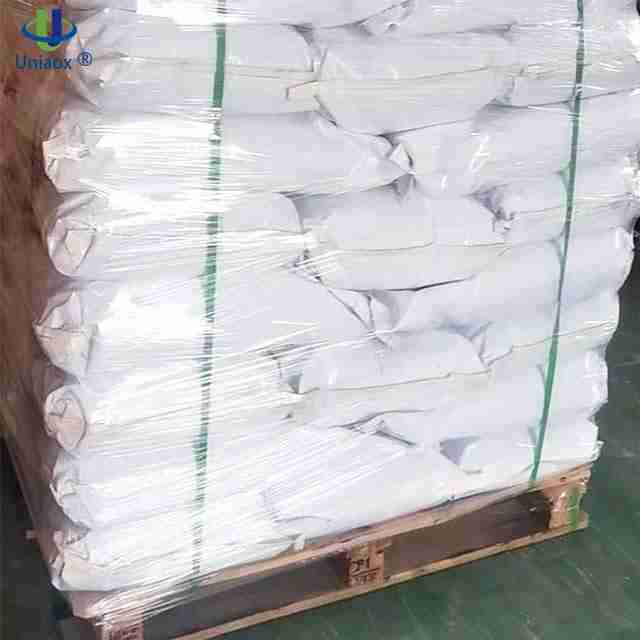
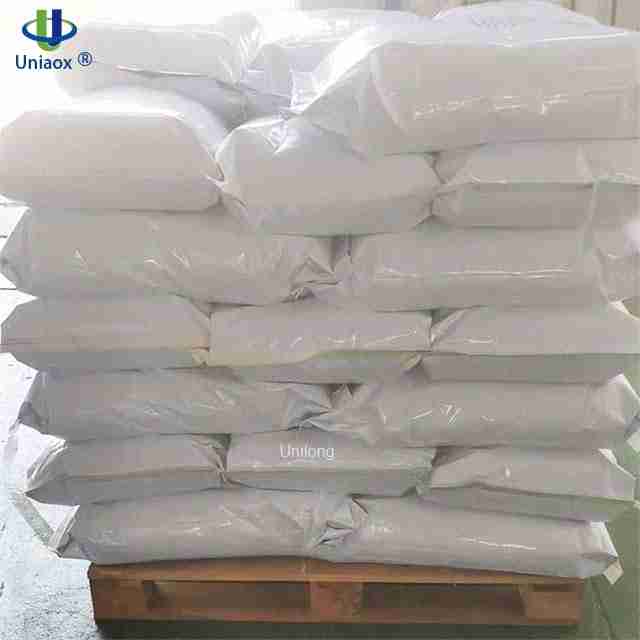
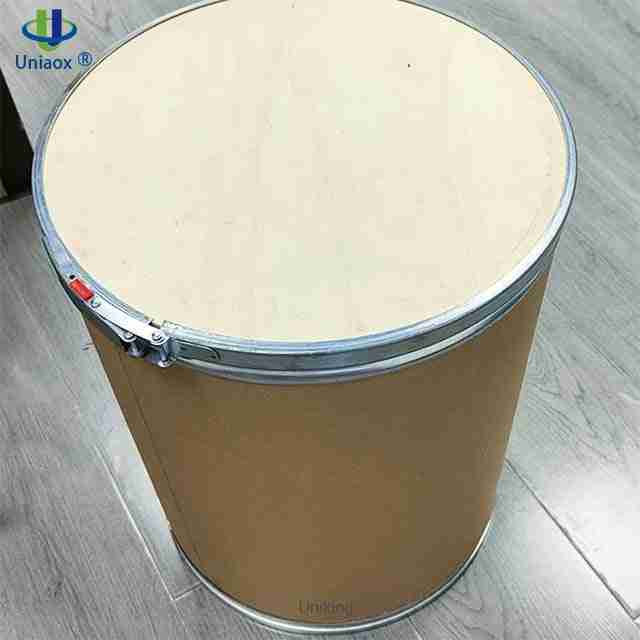
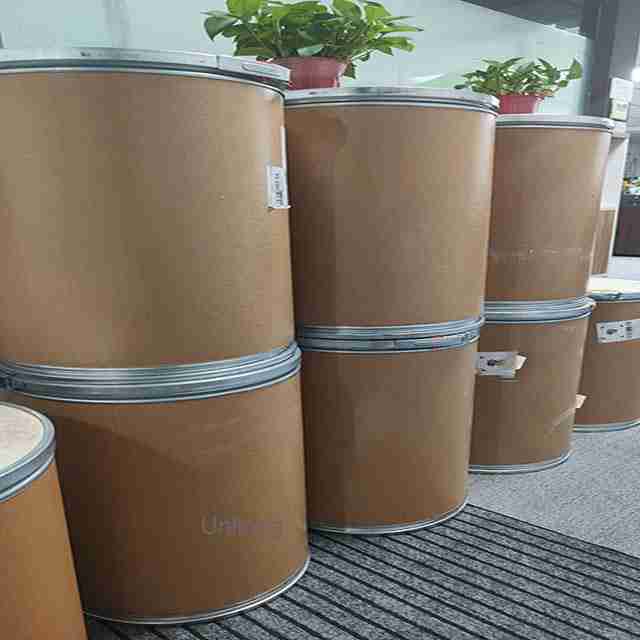
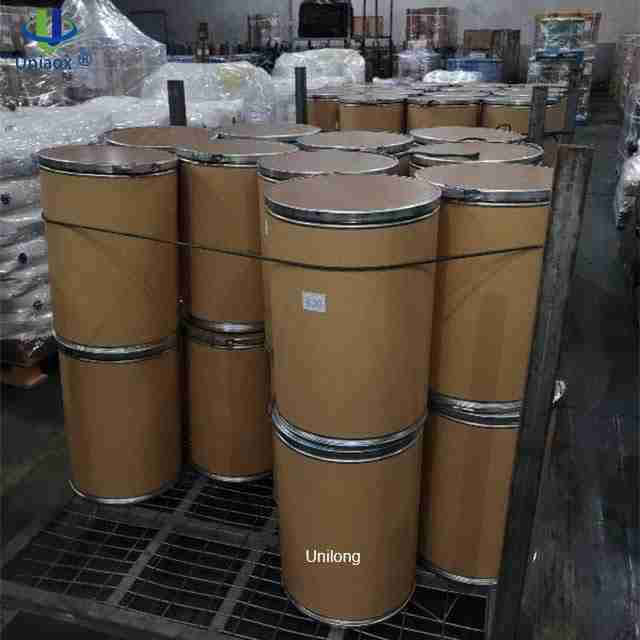
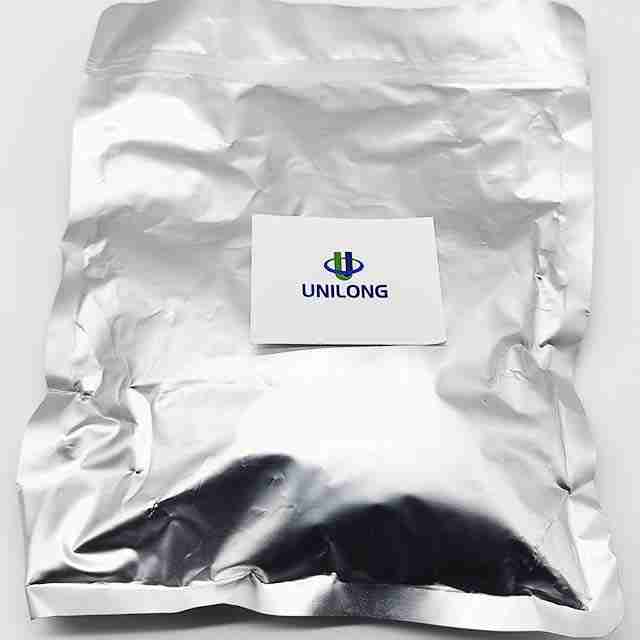
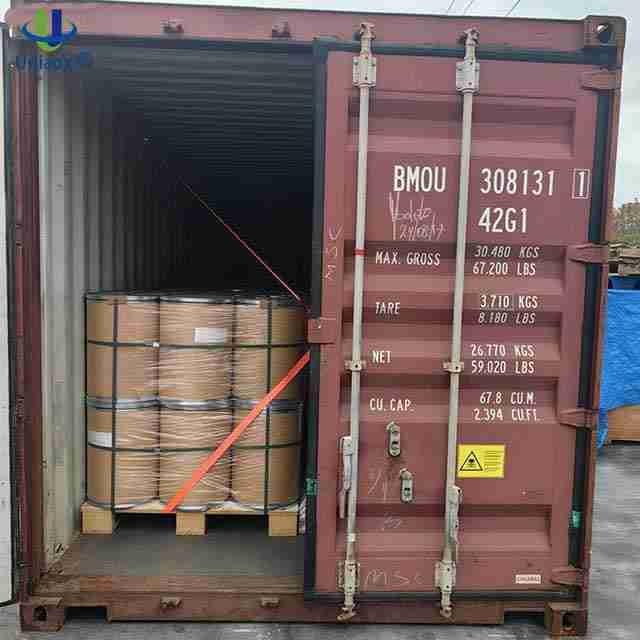
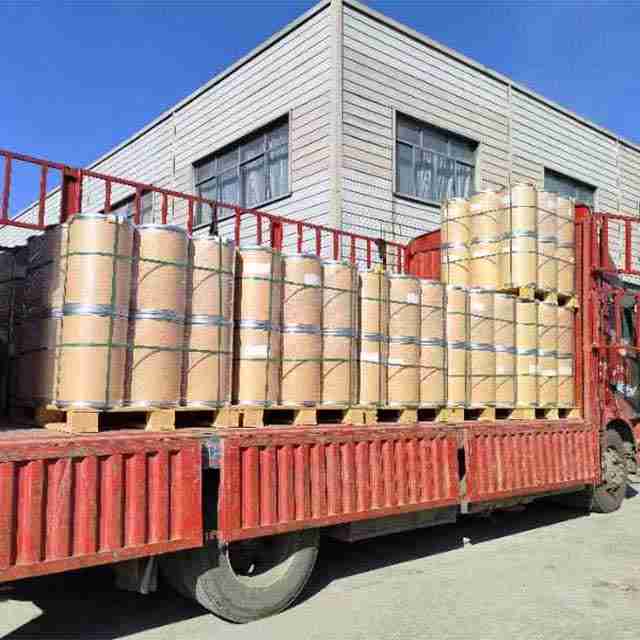
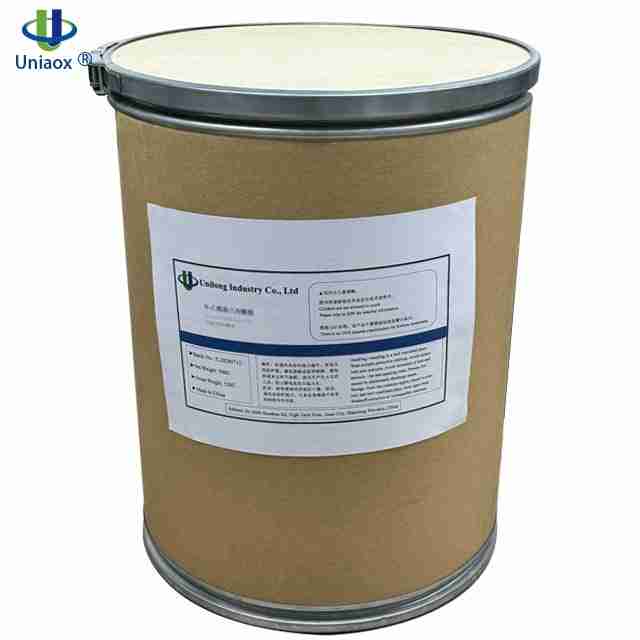
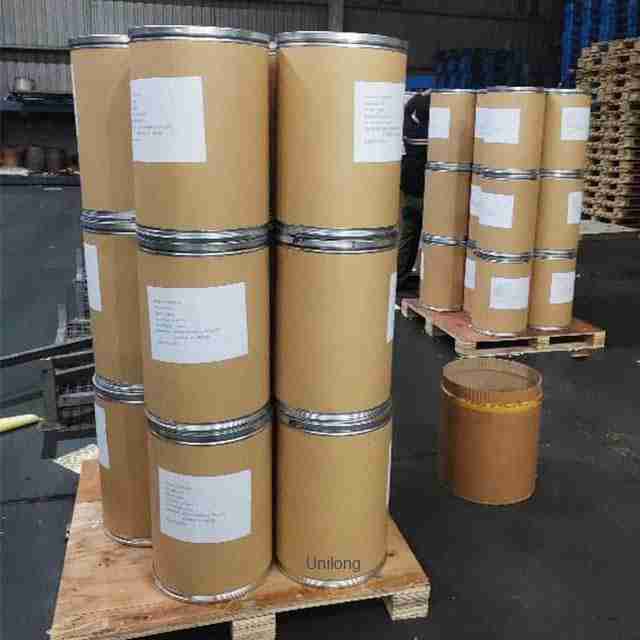
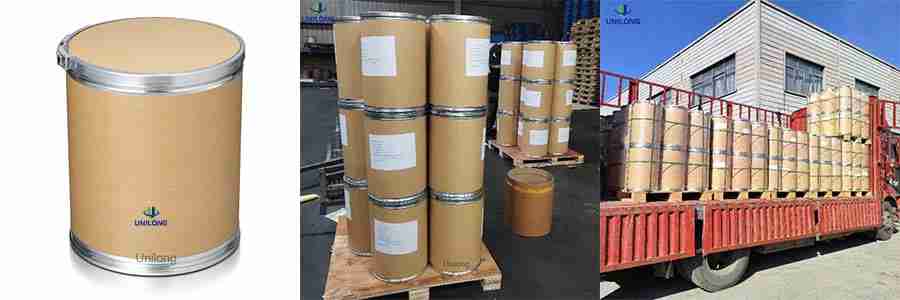
25kg/drum or according to customer requirements.
Antioxidant 3114 has a very high molecular weight and high melting point, which significantly reduce volatilization during high-temperature extrusion and polymer processing. This makes it highly suitable for demanding polyolefin applications.
Yes. Antioxidant 3114 is commonly used in food-contact polyolefin packaging films because of its low migration, excellent extraction resistance, and long-term stabilization performance.
Antioxidant 1076 is typically used in flexible polyolefin and adhesive systems requiring fast processing stabilization, while Antioxidant 3114 provides stronger permanence, lower volatility, and superior extraction resistance for long-term stabilization.
Yes. Antioxidant 3114 has both thermal and light stabilization effects. When combined with UV absorbers or light stabilizers, it can significantly improve outdoor durability and reduce polymer aging caused by heat and UV exposure.
Antioxidant 3114 is especially suitable for PP, PE, ABS, PS, PVC, polyester, polyurethane, nylon, SBS, EPDM, tackifier resins, adhesives, and synthetic rubber systems.