


CAS:1709-70-2
Molecular Formula:C54H78O3
Molecular Weight:775.2
EINECS:216-971-0
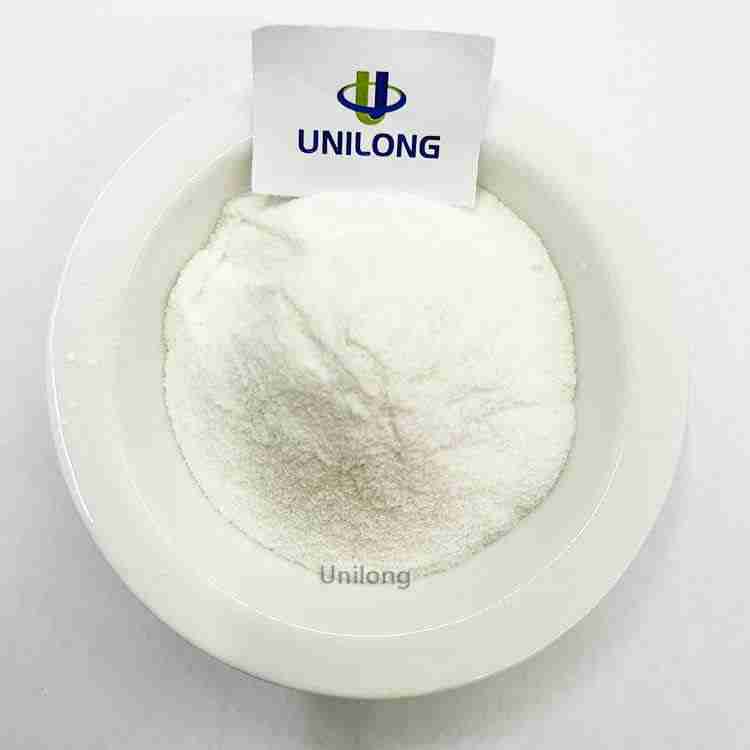
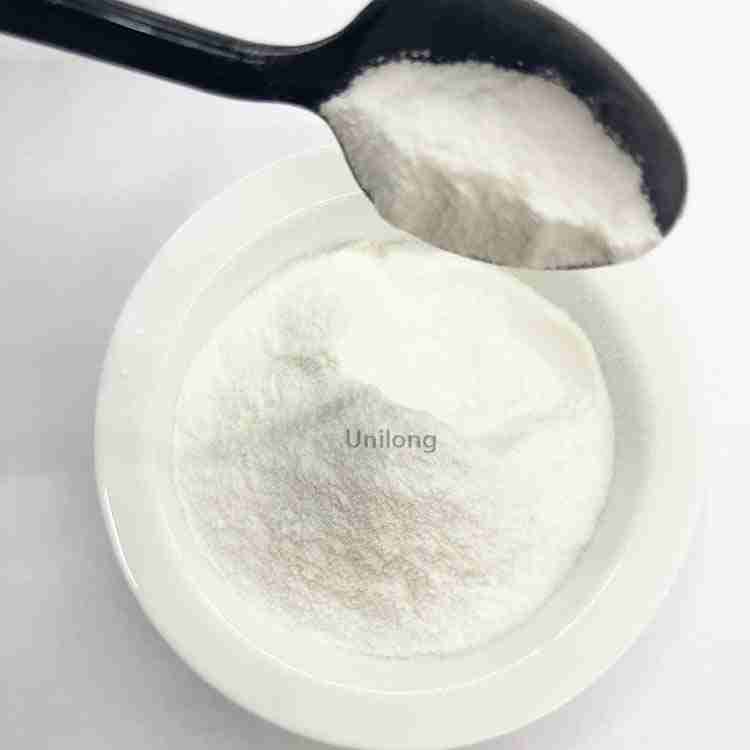
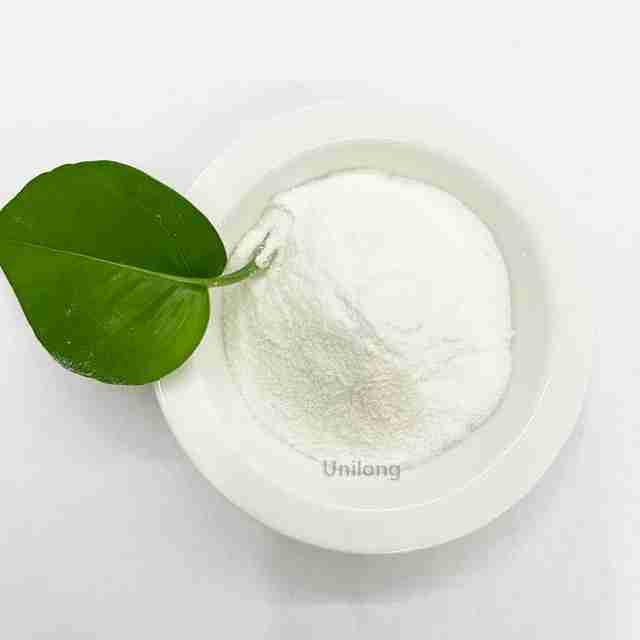
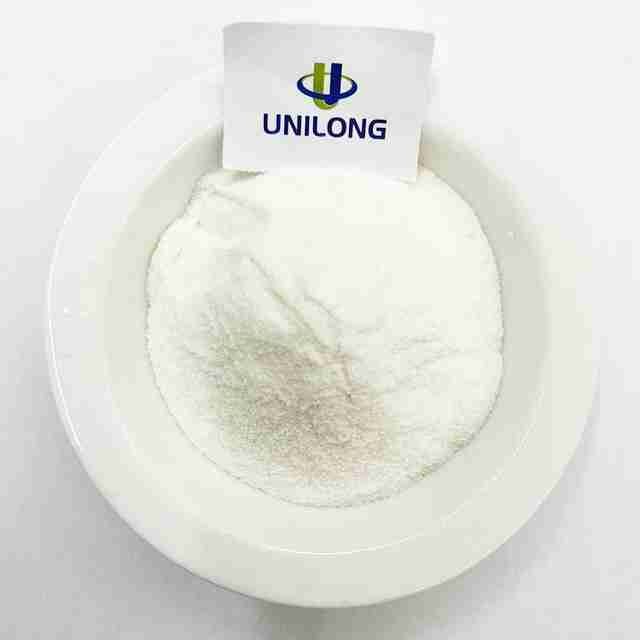
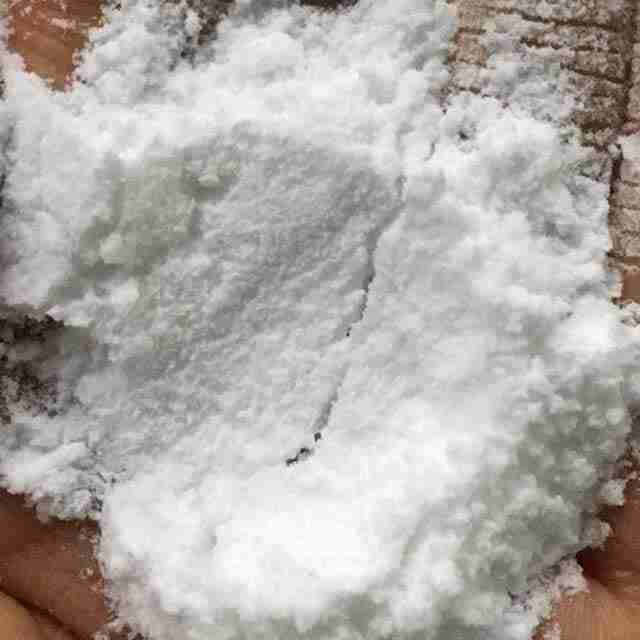
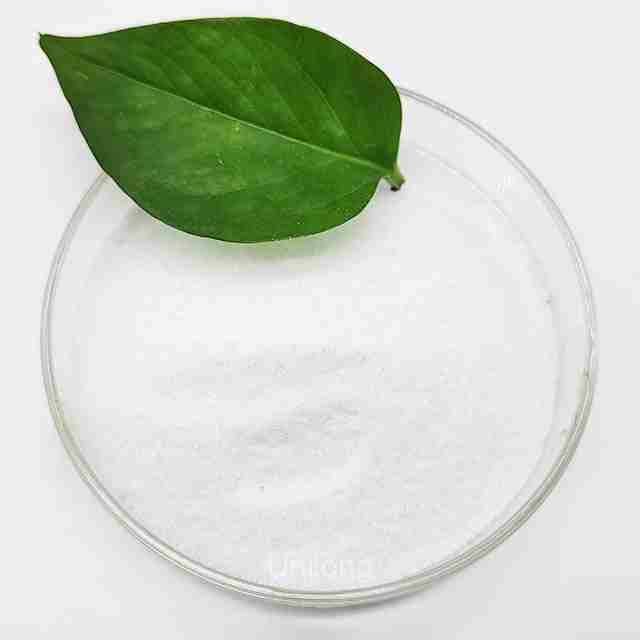
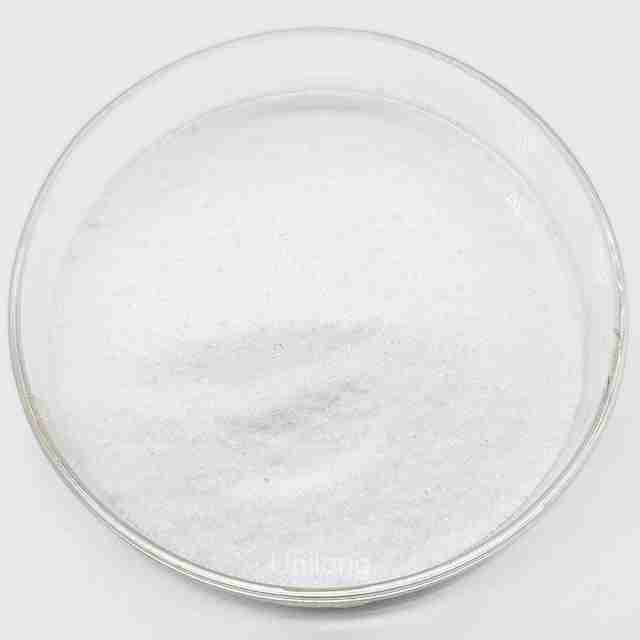
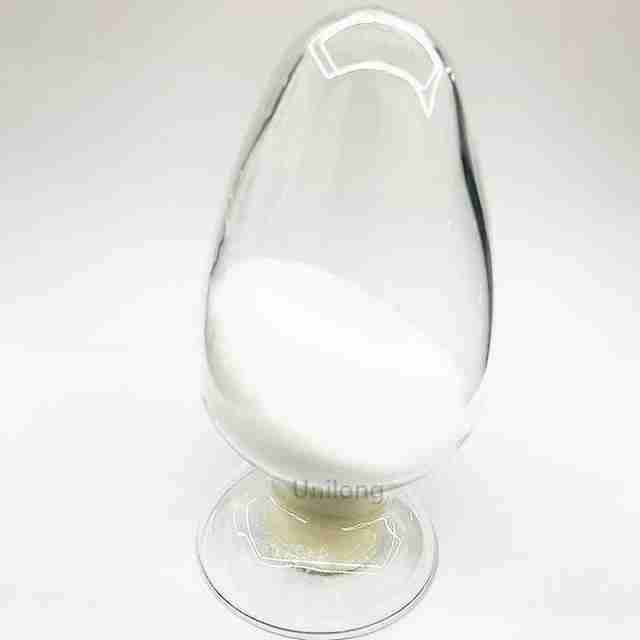
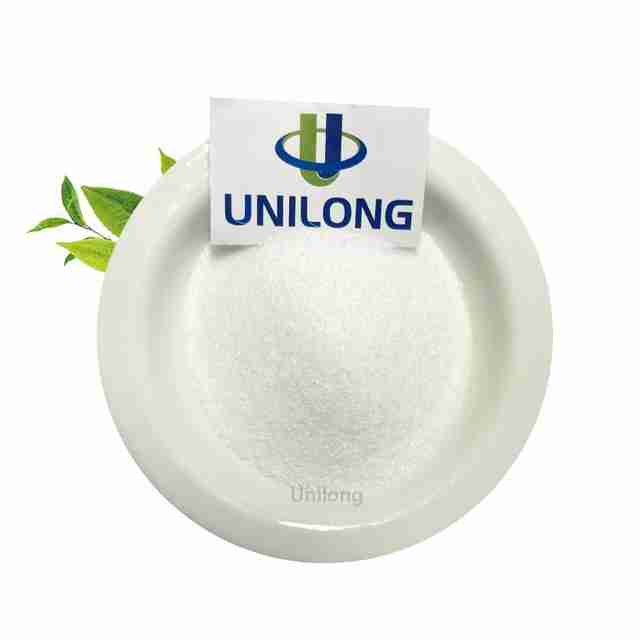
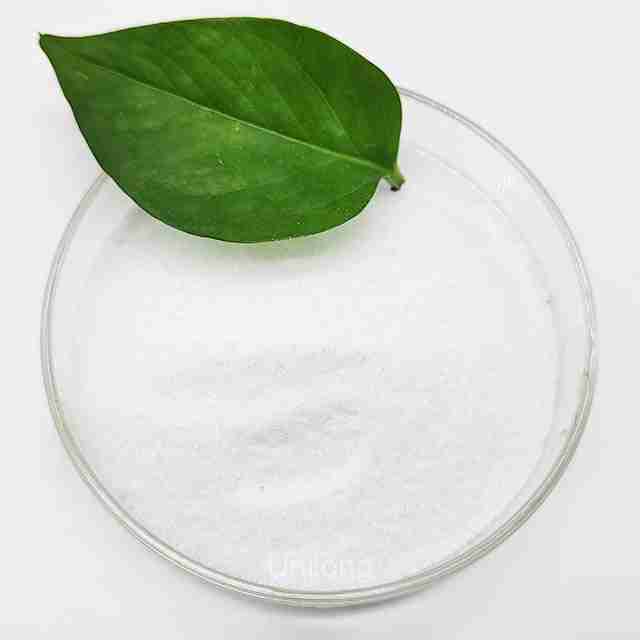
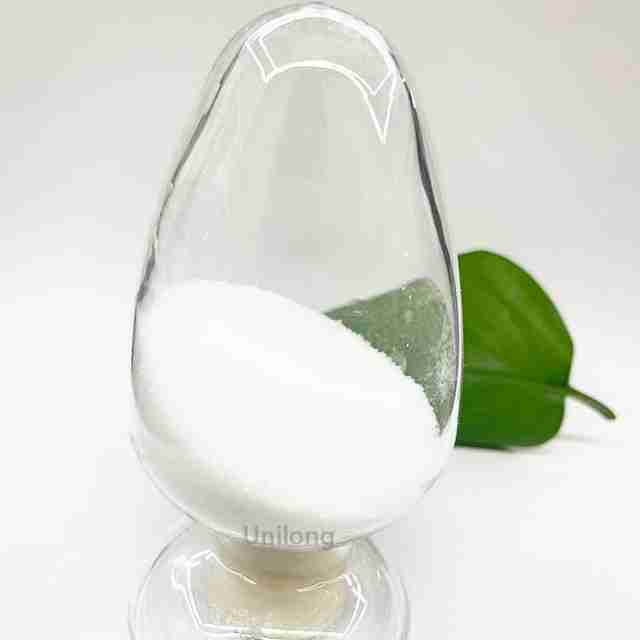
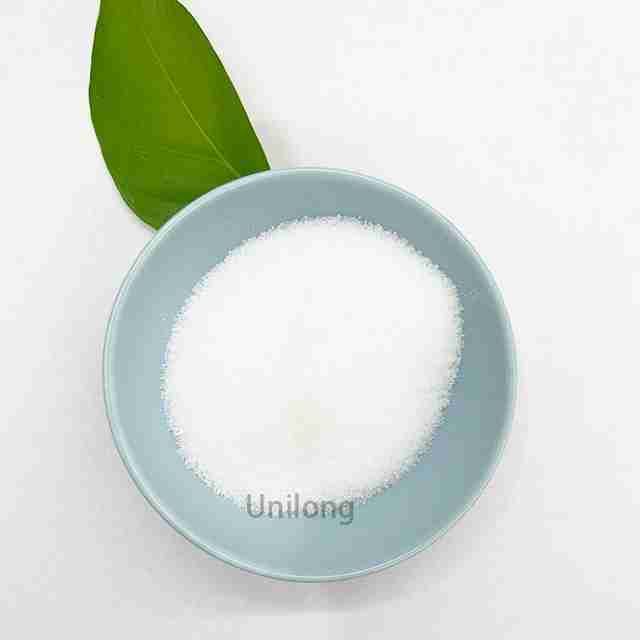
Hindered phenol antioxidant 330 has stable processing property at high temperature, good heat resistance, no pollution, no discoloration, and low toxicity. Hindered phenol antioxidant 330 is a white crystalline powder, melting point above 244℃, insoluble in water, at 18℃ in some solutions solubility (g/100g solvent) is: benzene 20, dichloromethane 31.9, methyl cyclohexane 1.7, methanol 0.2, isopropyl alcohol 0.1.
| Item | Specification |
| Melting point | 248-250 °C(lit.) |
| Boiling point | 739.54°C |
| Density | 0.8883 |
| Refractive index | 1.5800 |
| Flash point | 321℃ |
| LogP | 17.17 |
| Acidity coefficient (pKa) | 11.91±0.40 |
Antioxidant 1330 is a high molecular weight sterically hindered phenolic antioxidant developed for polymer systems requiring exceptional thermal stability, low volatility, and minimal discoloration under severe processing conditions. It is particularly suitable for high-temperature extrusion and long-life industrial polymer applications.
Antioxidant 1330 is extensively used in polypropylene raffia yarn, woven bags, tape extrusion, and monofilament production. Its excellent water extraction resistance helps reduce additive loss during processing and improves long-term thermal stability in outdoor PP applications.
In high-speed PP extrusion lines, it is often formulated together with Antioxidant 618 to improve melt-processing stability and suppress oxidative chain degradation.
Because of its strong dielectric properties and low volatility, Antioxidant 1330 performs very well in wire & cable insulation compounds, dielectric films, and electrical polymer systems. It helps maintain insulation stability during prolonged heat exposure and high-temperature extrusion.
Typical applications include:
The product is suitable for PET, PBT, PA, styrenic copolymers, and polyurethane systems exposed to repeated thermal processing. Its exceptionally low volatility makes it highly effective in engineering plastics processed at elevated temperatures.
For nylon and reinforced engineering compounds, Antioxidant 1330 can also work synergistically with Antioxidant 1098 to improve long-term heat aging performance.
Antioxidant 1330 is widely used in hot melt adhesives, tackifier resin synthesis, and wax formulations where long-term oxidation resistance and low odor are critical. It helps reduce gel formation and viscosity instability during prolonged heating operations.
In PE pipe compounds, rotomolding materials, and outdoor polyolefin products, Antioxidant 1330 helps improve long-term thermo-oxidative durability and reduces premature polymer embrittlement under harsh environmental conditions.
Explore more high-performance phenolic antioxidants in the Antioxidant Product Category or browse additional polymer processing additives in the Product Collection.
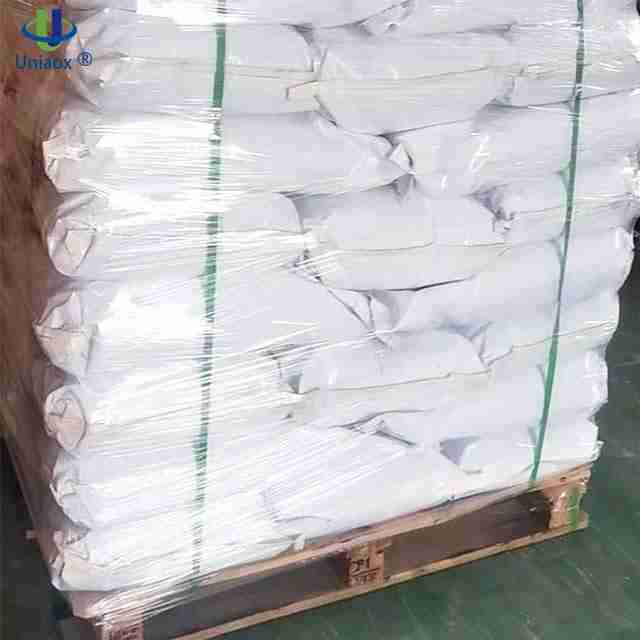
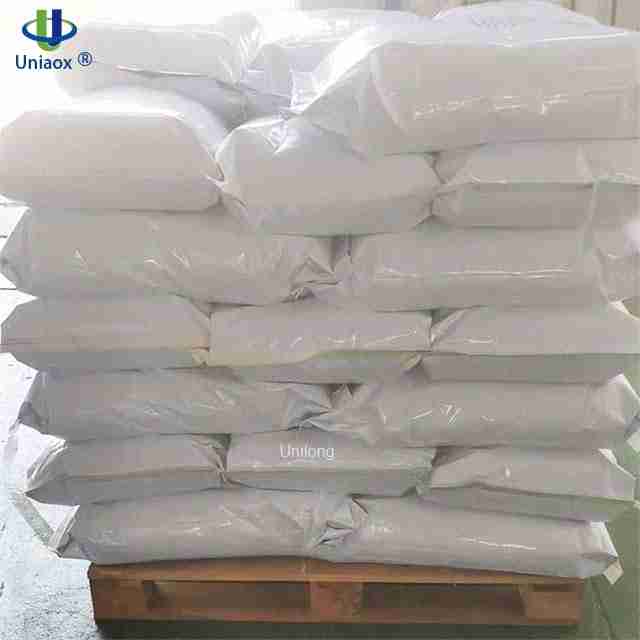
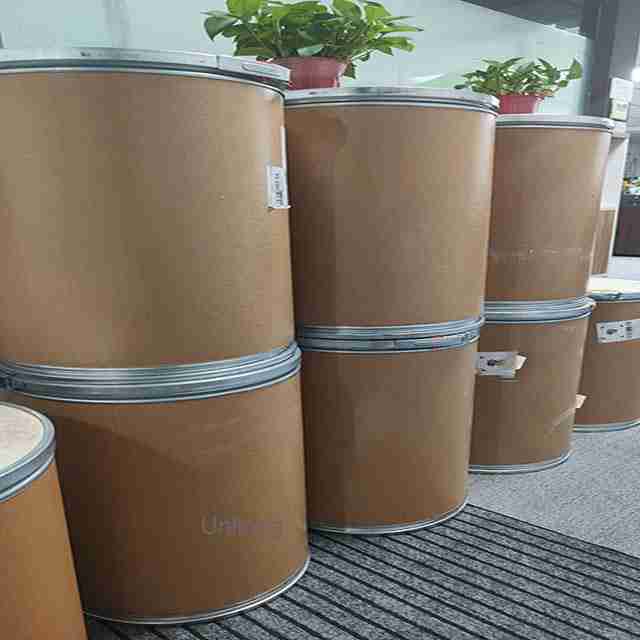
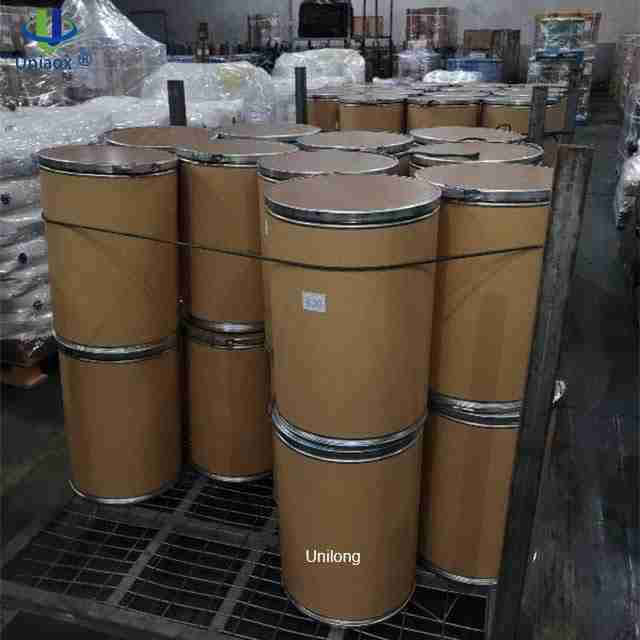
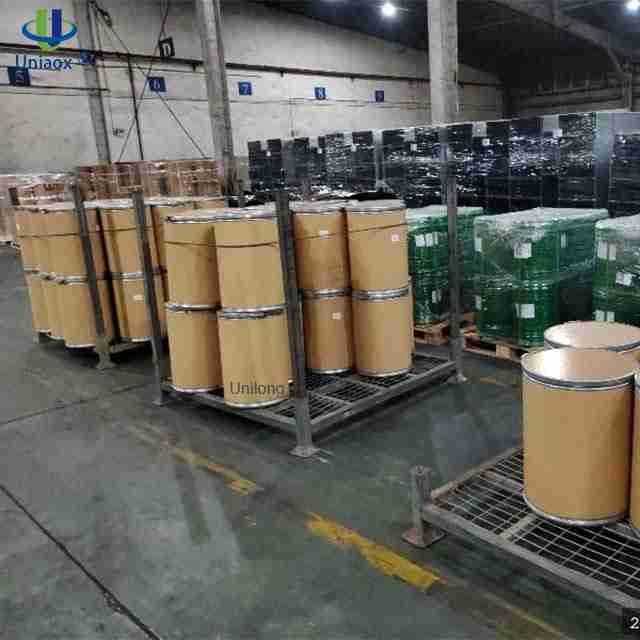
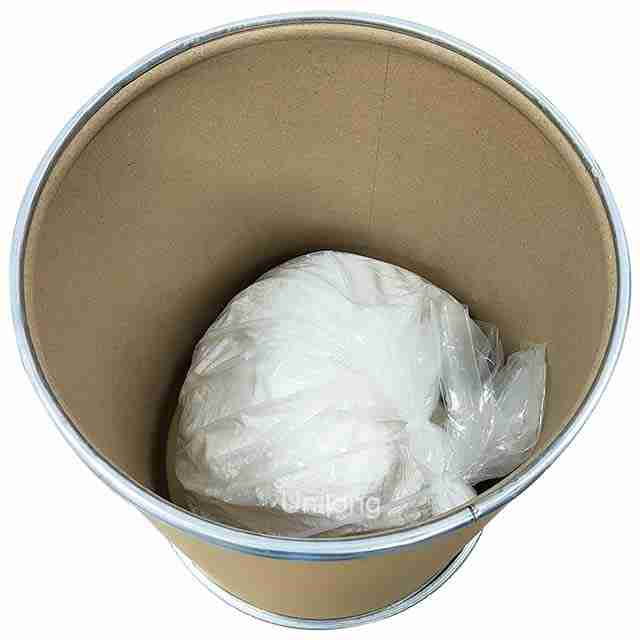
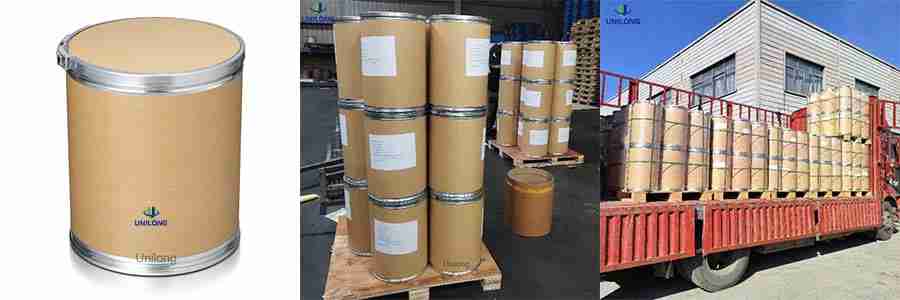
25kg/drum or according to customer requirements.
Polypropylene raffia and tape extrusion involve high processing temperatures and repeated stretching operations. Antioxidant 1330 provides excellent thermal stability and low water carry-over, helping maintain yarn strength and processing consistency.
Its very high molecular weight and low volatility allow Antioxidant 1330 to remain stable during high-temperature processing of PET, PBT, PA, and polyurethane systems without significant evaporation loss.
Yes. Antioxidant 1330 has FDA approvals for specific food-contact polymer applications under defined concentration limits, making it suitable for certain packaging and food-contact polyolefin systems.
Antioxidant 3114 is mainly known for excellent extraction resistance and long-term stabilization in polyolefins, while Antioxidant 1330 offers stronger performance in high-temperature processing environments and electrical insulation applications.
Yes. Antioxidant 1330 is frequently combined with phosphite stabilizers such as Antioxidant 168 or Antioxidant 618 to create synergistic stabilization systems for demanding polymer extrusion processes.