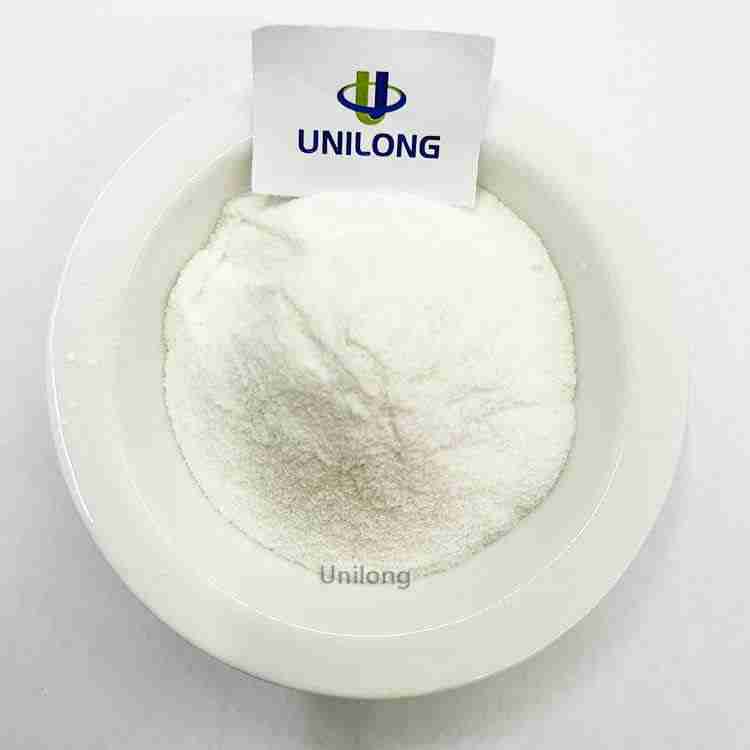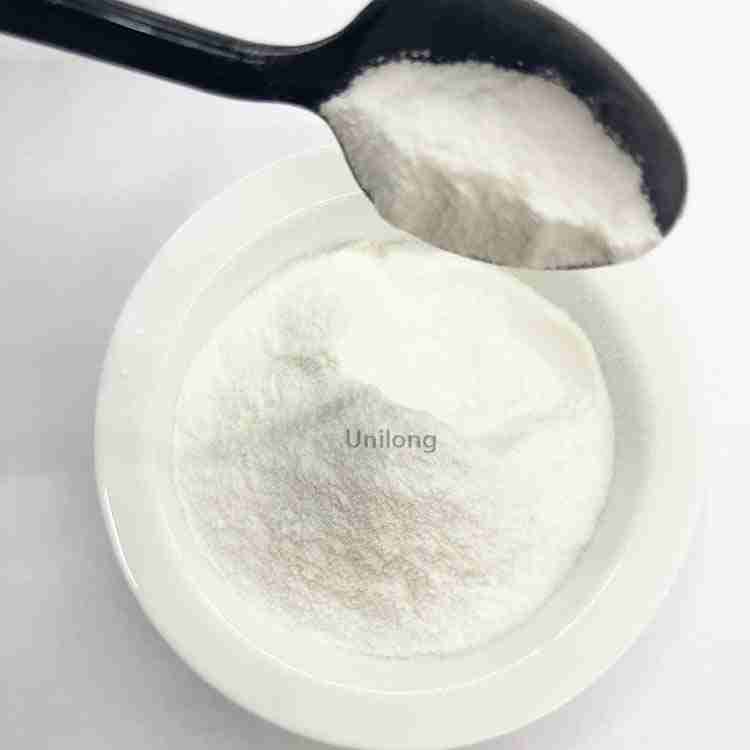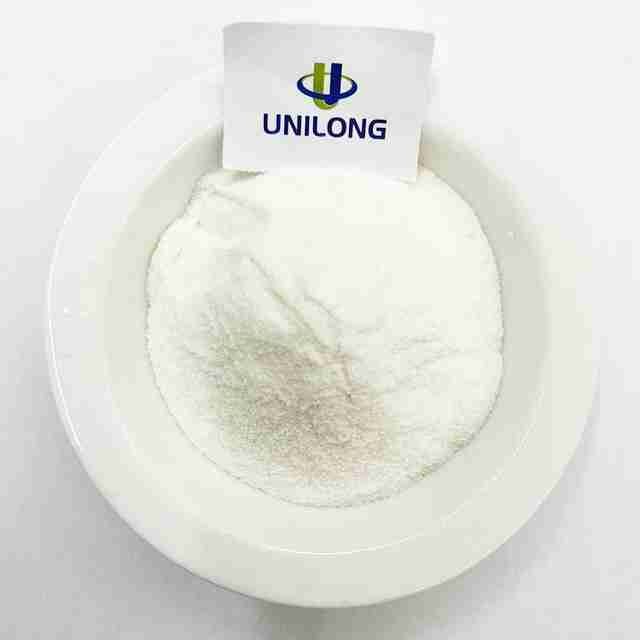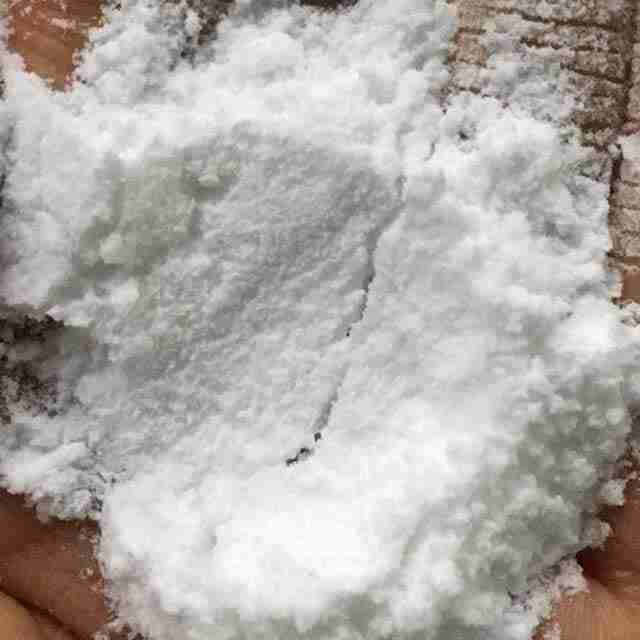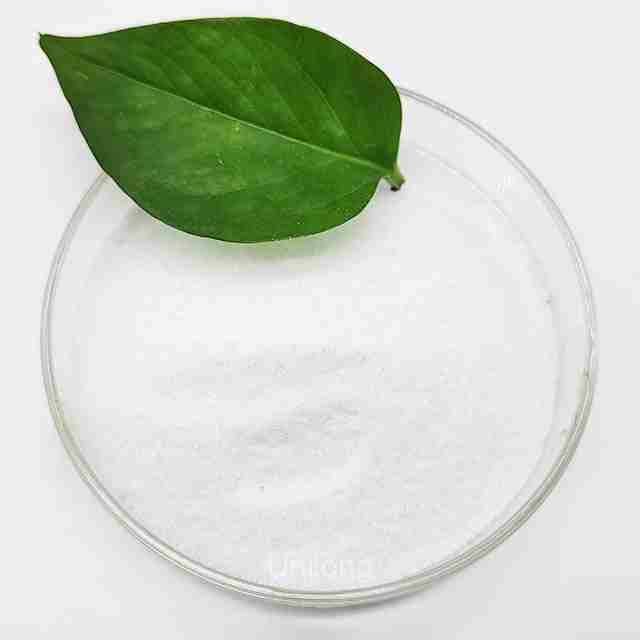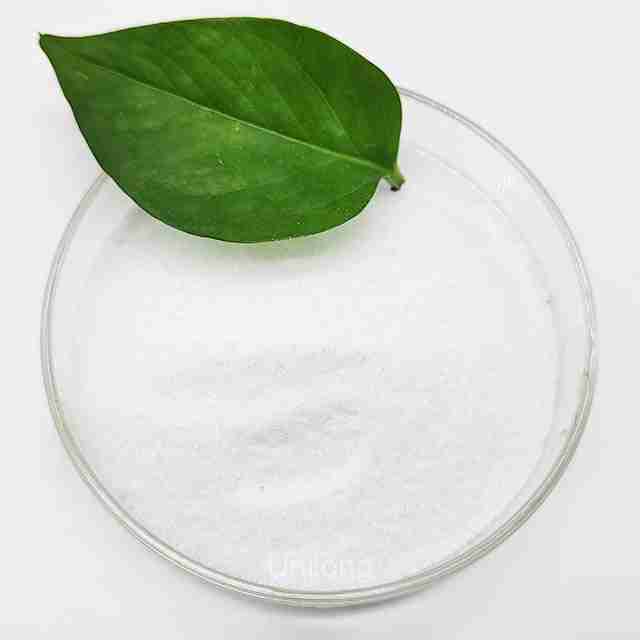



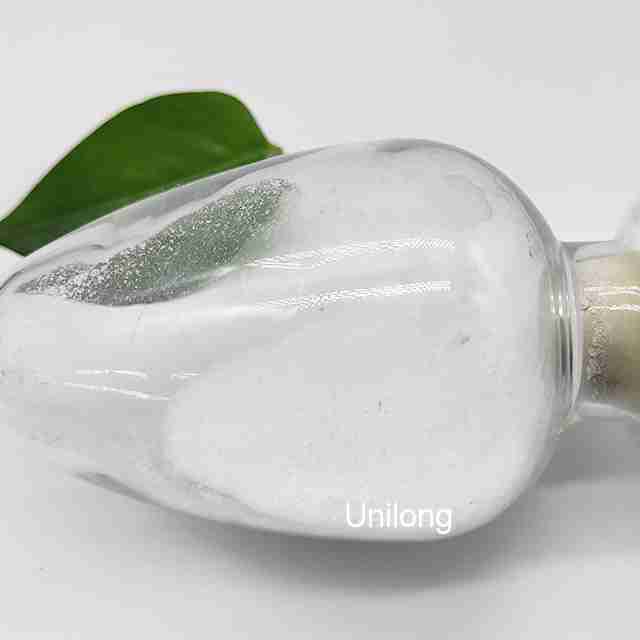
CAS:23128-74-7
Molecular Formula:C40H64N2O4
Molecular Weight:636.95
EINECS:245-442-7
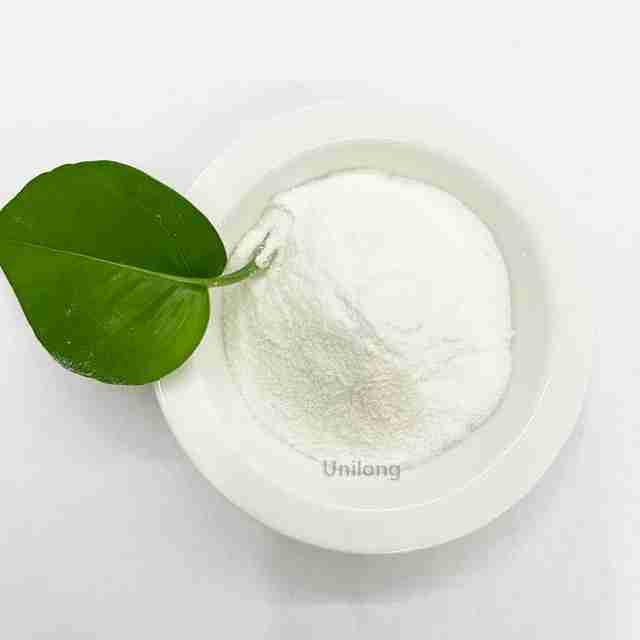
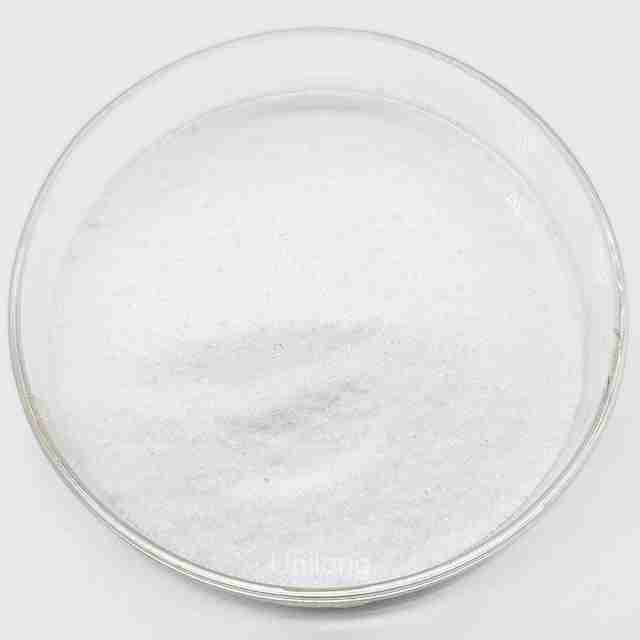
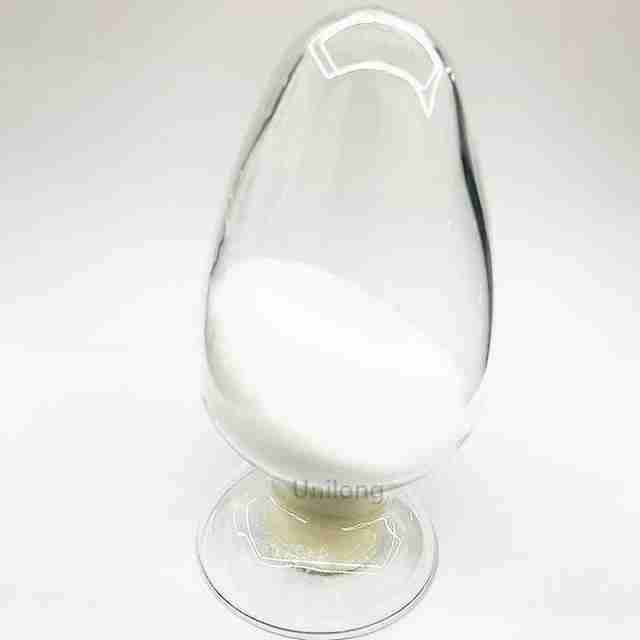
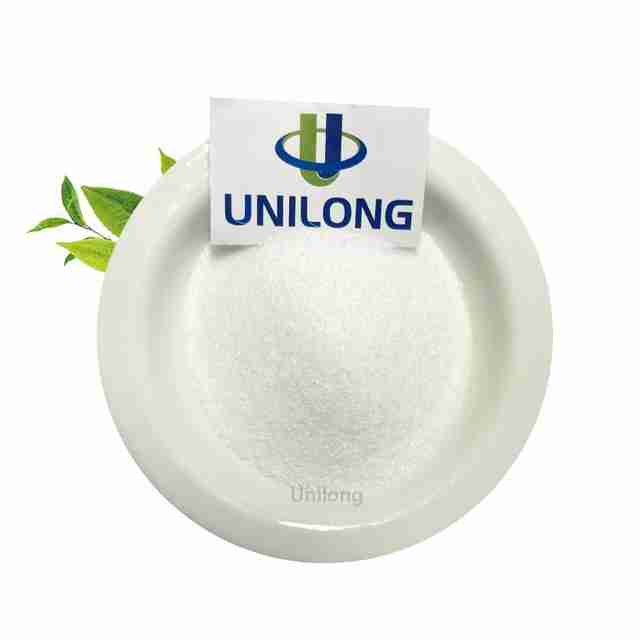
Antioxidant 1098 CAS 23128-74-7 is a hindered phenolic antioxidant, is the most widely used antioxidant, generally used as the main antioxidant, often combined with the auxiliary antioxidant, has a good processing stability and long-term thermal stability. Phosphite antioxidants are co-antioxidants, often used in combination with main antioxidants, stable and effective processing, but phosphite antioxidants are easy to hydrolysis, resulting in black spots, corrosion, acid catalytic degradation and other problems.
| Item | Specification |
| Melting point | 156-161°C |
| Boiling point | 740.1±60.0 °C(Predicted) |
| Density | 1.021±0.06 g/cm3(Predicted) |
| Acidity coefficient (pKa) | 12.08±0.40(Predicted) |
| LogP | 9.6 at 25℃ |
Antioxidant 1098 is a high-temperature resistant hindered phenolic antioxidant specifically developed for polyamide and engineering plastic systems. It offers excellent extraction resistance, low volatility, and long-term thermal stabilization performance under severe processing conditions.
Antioxidant 1098 is especially suitable for nylon resins such as PA6, PA66, reinforced polyamide, and glass-fiber-filled engineering compounds. During high-temperature extrusion and injection molding, it helps reduce molecular chain degradation and maintains tensile strength and impact resistance.
In high-heat nylon applications, it is often formulated with phosphite stabilizers such as IRGAFOS P-EPQ to improve processing stability and color retention.
Because of its excellent long-term heat aging resistance, Antioxidant 1098 is widely used in electronic connectors, switches, coil bobbins, and electrical insulation materials made from engineering plastics. It helps prevent embrittlement during continuous heat exposure.
The product is suitable for automotive nylon components exposed to elevated temperatures, including:
Its low volatility and low extraction characteristics help maintain long-term material durability in demanding automotive environments.
Antioxidant 1098 is also applied in nylon fibers, industrial yarns, carpet fibers, and engineering monofilaments where thermal oxidation during spinning and heat-setting processes must be controlled.
In specialty resin systems and high-temperature adhesives, Antioxidant 1098 improves long-term oxidation resistance while minimizing additive migration during thermal aging.
Explore more engineering plastic additives on the Unisunchem Home Page or browse the Uniaox® Antioxidant Collection.
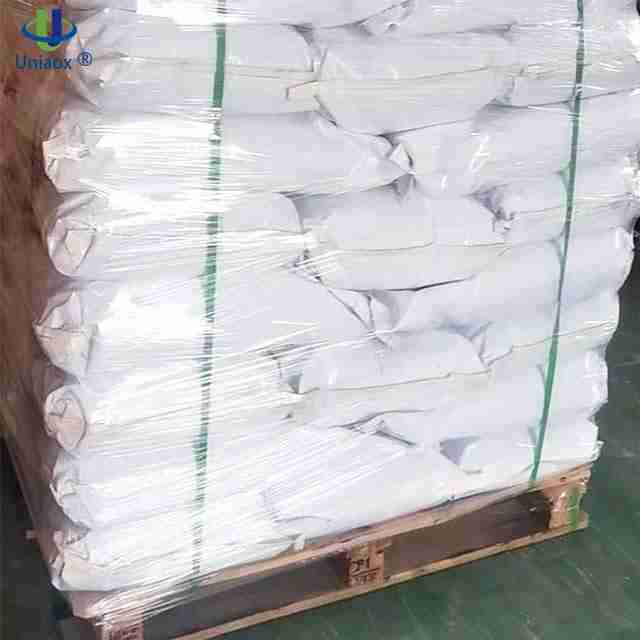
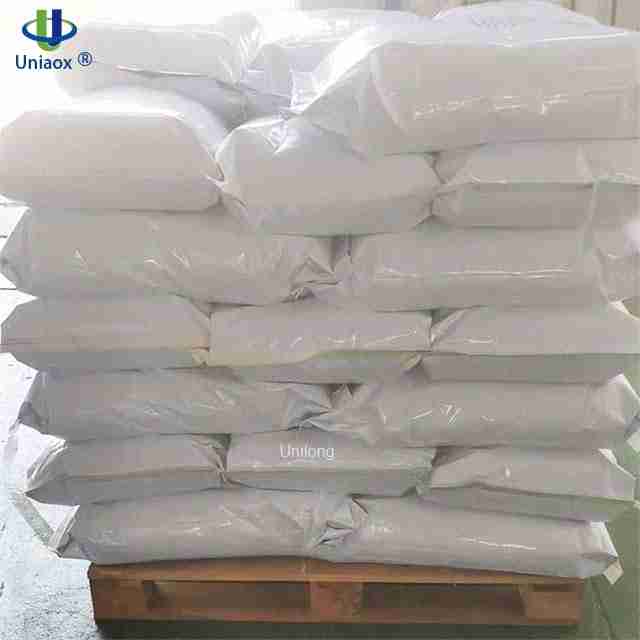
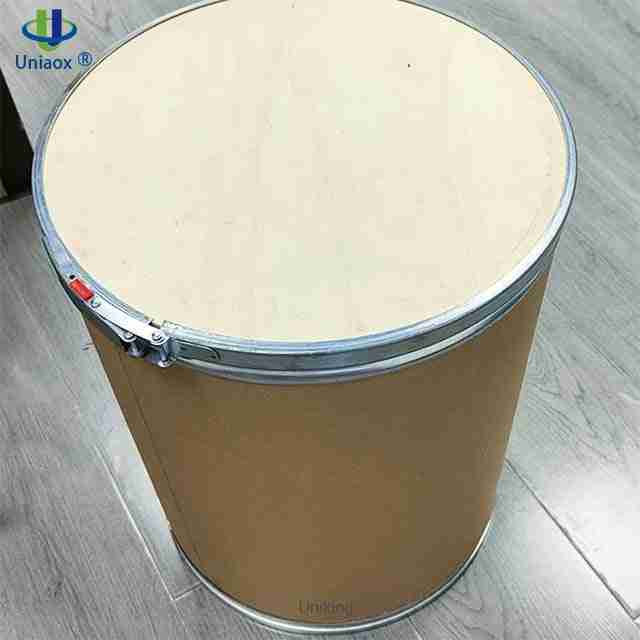
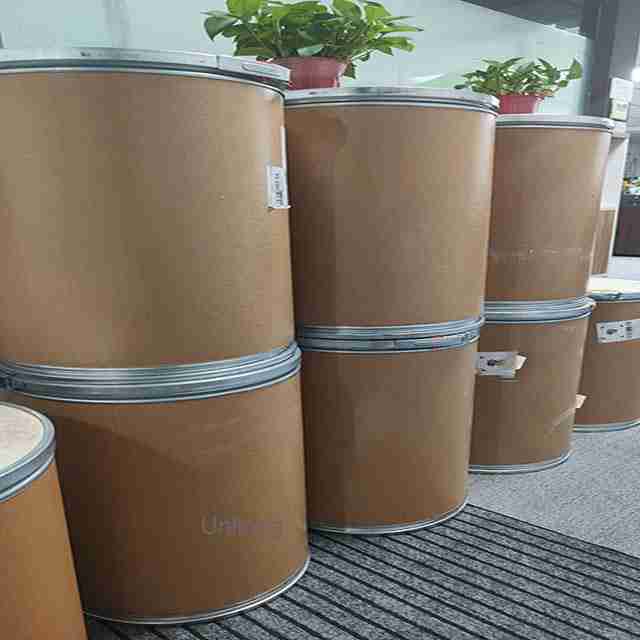
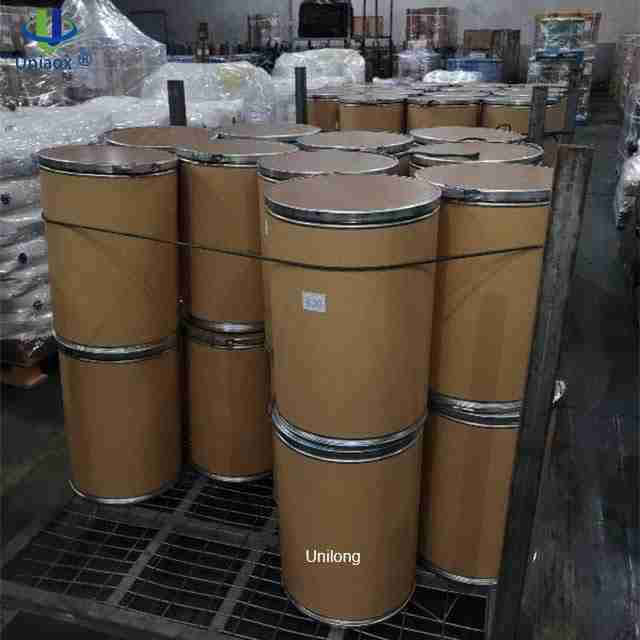
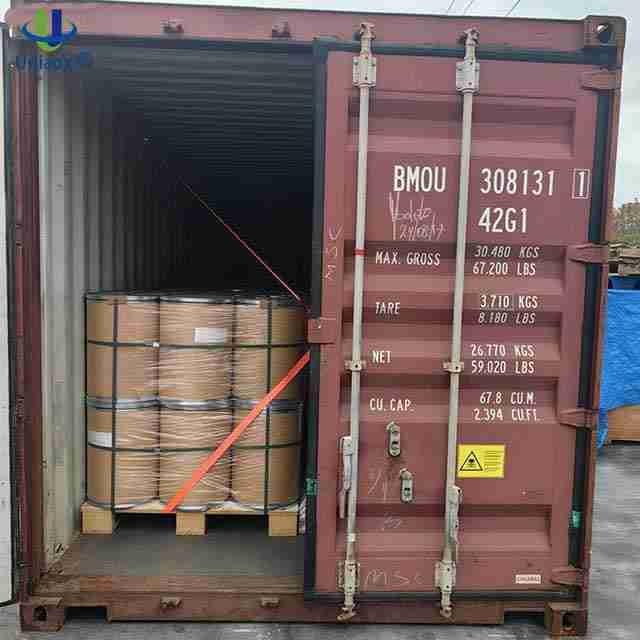
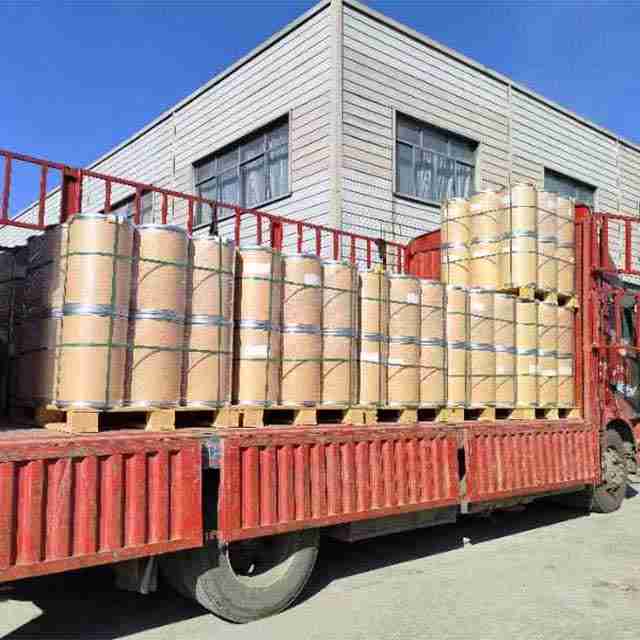
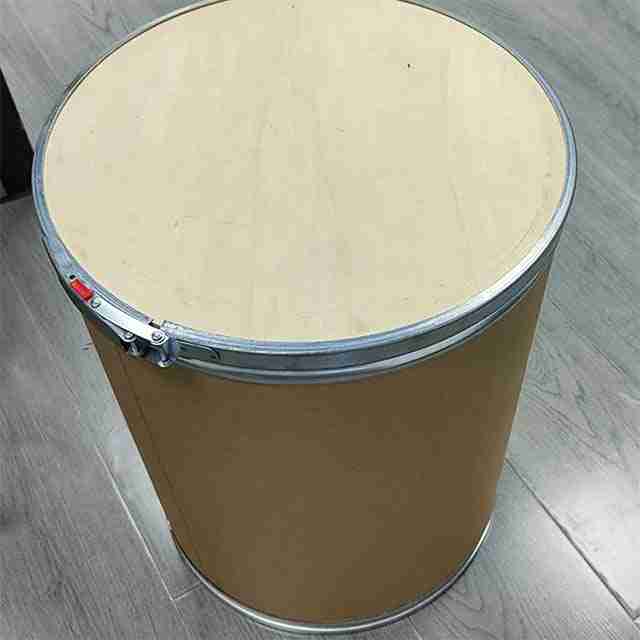
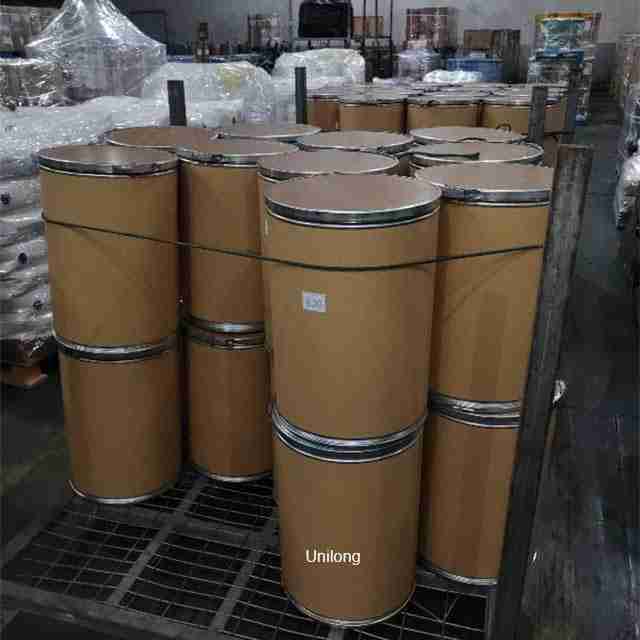
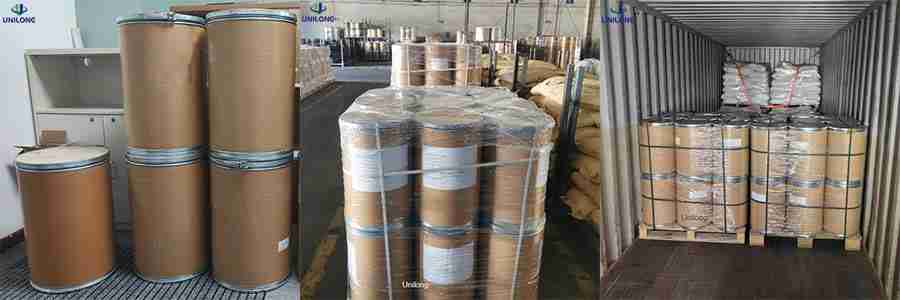
25kg/drum or according to customer requirements.
Antioxidant 1098 has excellent thermal stability and low volatility, making it highly suitable for nylon processing temperatures, which are typically much higher than standard polyolefin systems. It helps maintain mechanical strength and prevents thermal degradation during molding and long-term use.
Antioxidant 1010 is a general-purpose hindered phenolic antioxidant mainly used in polyolefins, while Antioxidant 1098 is optimized for engineering plastics and polyamide systems that require higher thermal resistance and lower volatility.
Yes. Antioxidant 1098 is commonly used in reinforced PA6 and PA66 compounds because it helps reduce polymer degradation during high-shear processing and improves long-term heat aging performance.
Automotive under-the-hood nylon components are exposed to continuous heat and oxidation. Antioxidant 1098 helps prevent embrittlement, discoloration, and mechanical property loss under these severe operating conditions.
Yes. Antioxidant 1098 is frequently used together with phosphite antioxidants such as IRGAFOS P-EPQ to improve both processing stability and long-term thermal aging resistance in engineering plastics.