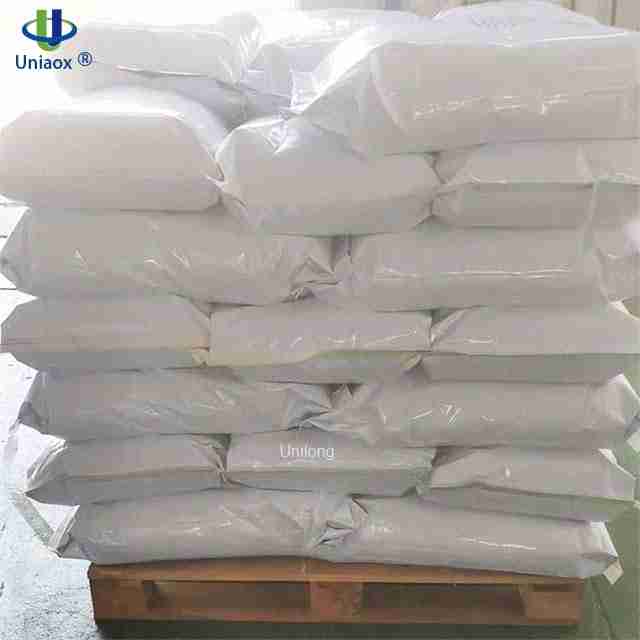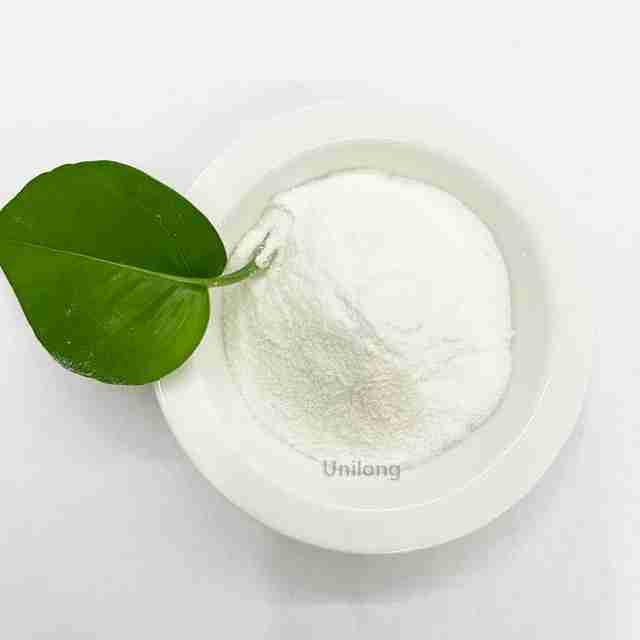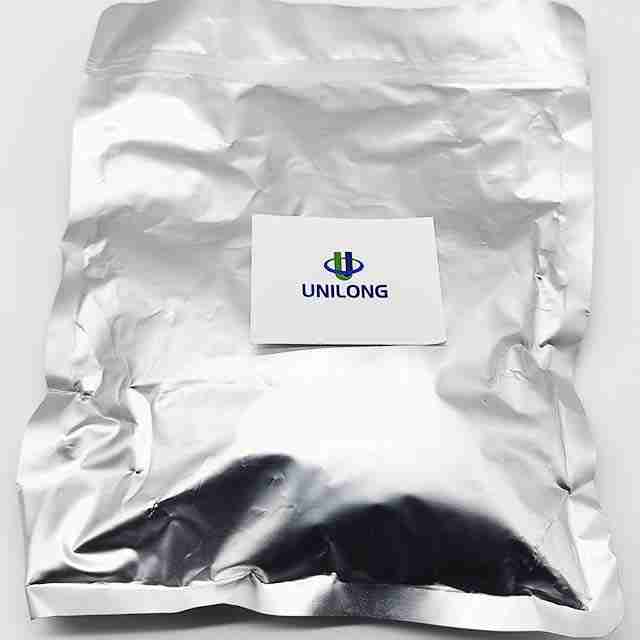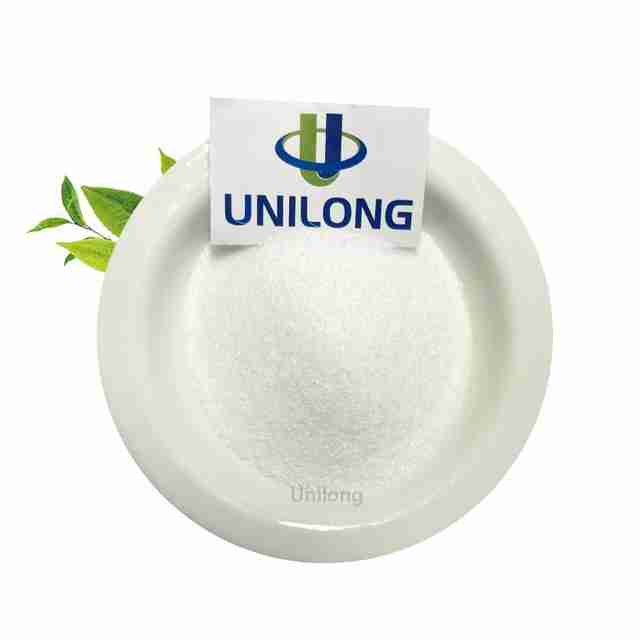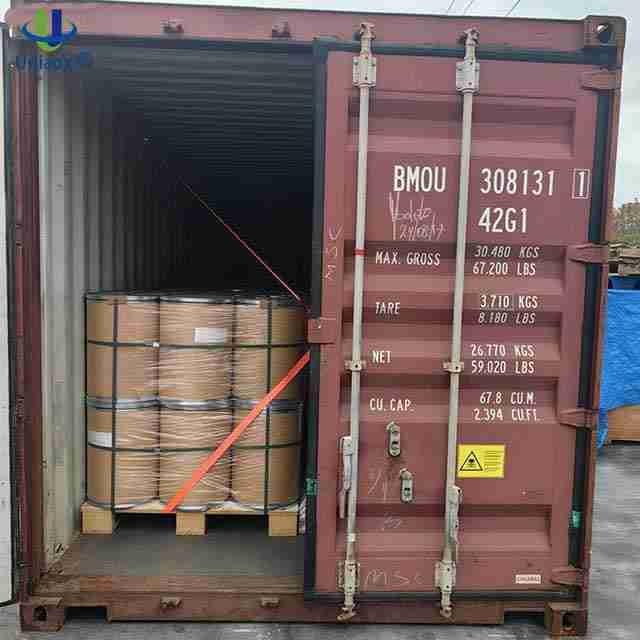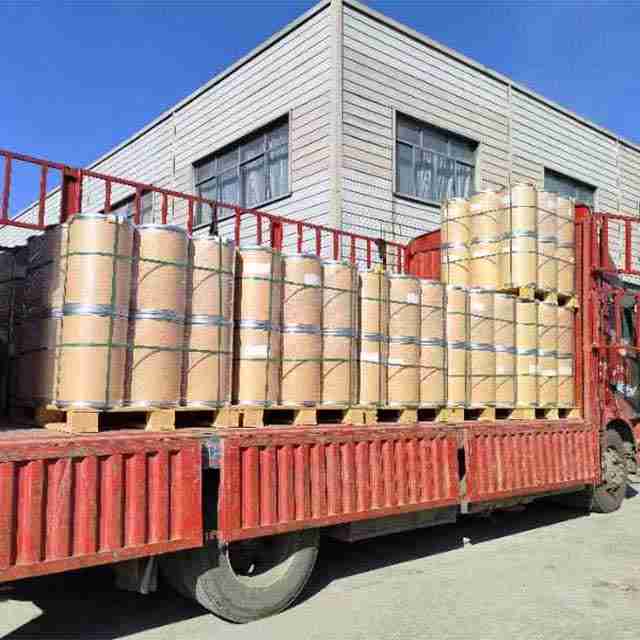



CAS:6683-19-8
Molecular Formula:C73H108O12
Molecular Weight:1177.66
EINECS:229-722-6
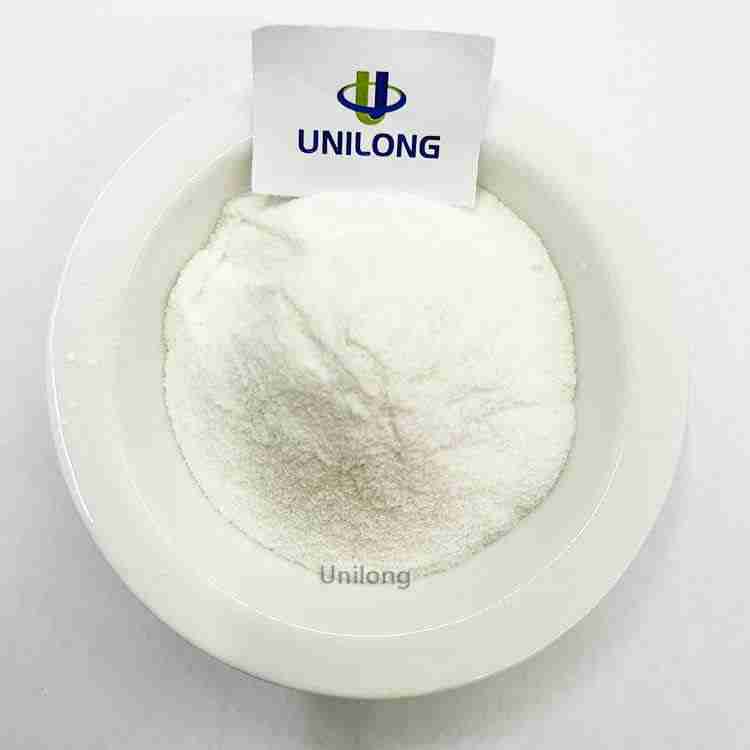
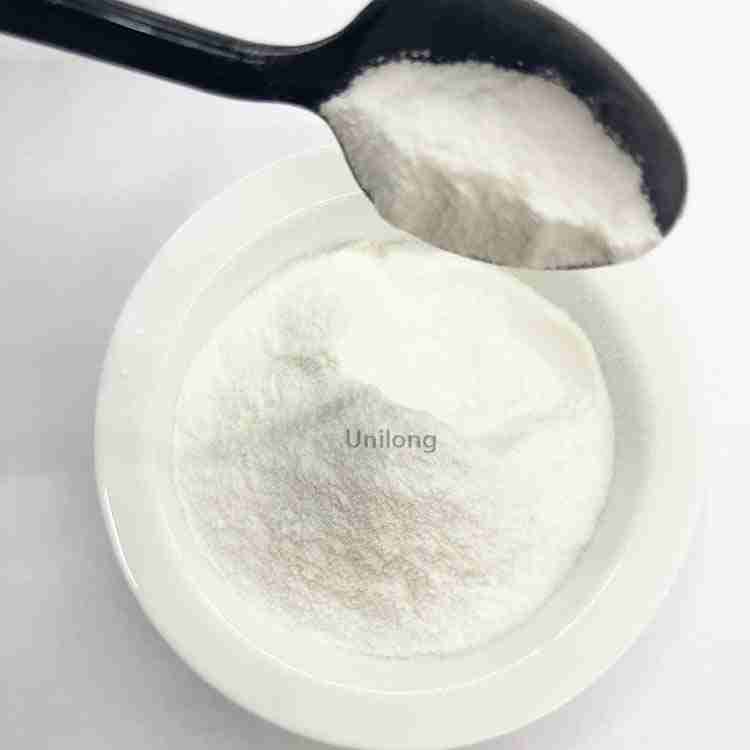
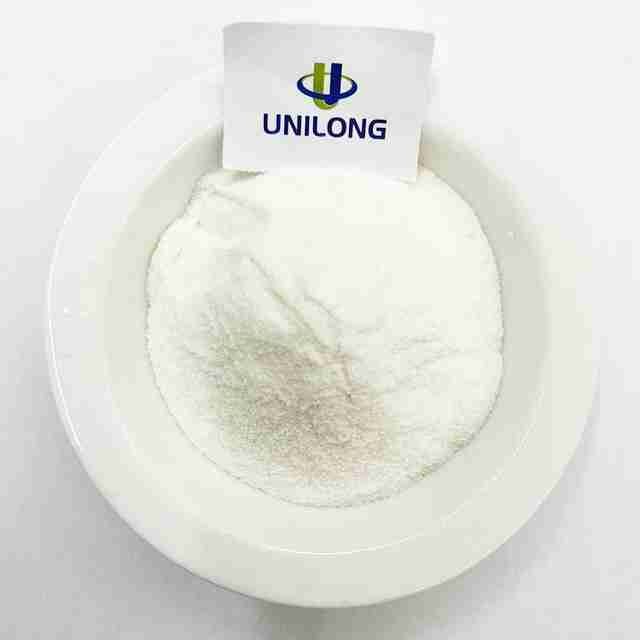
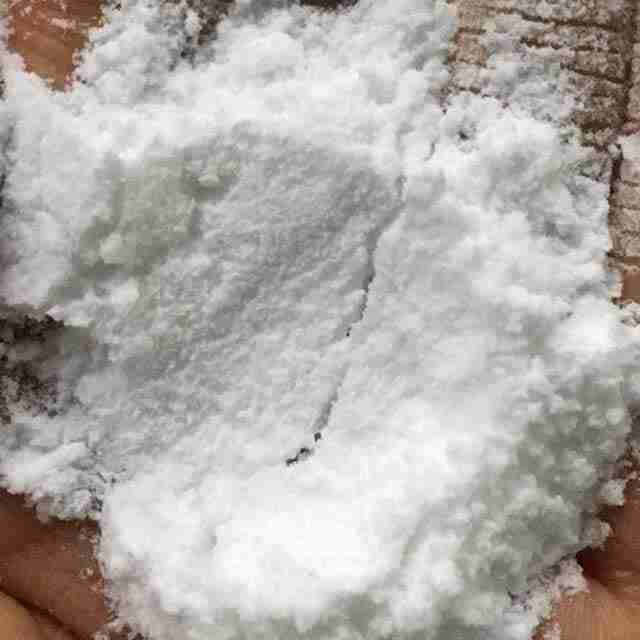
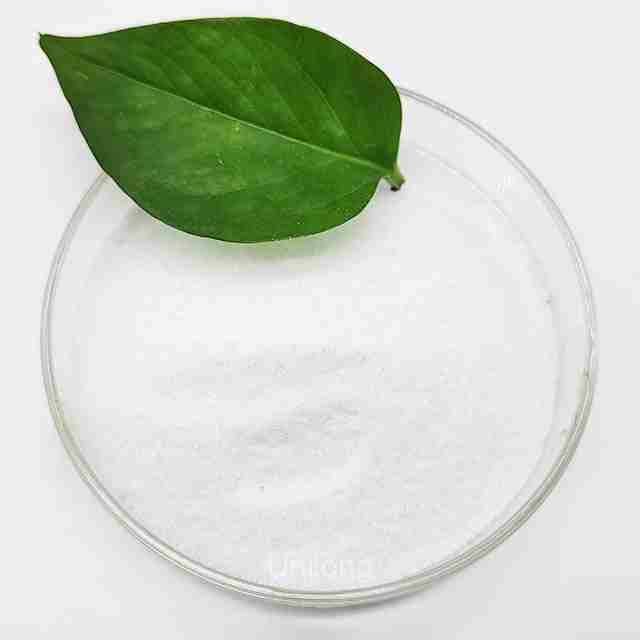
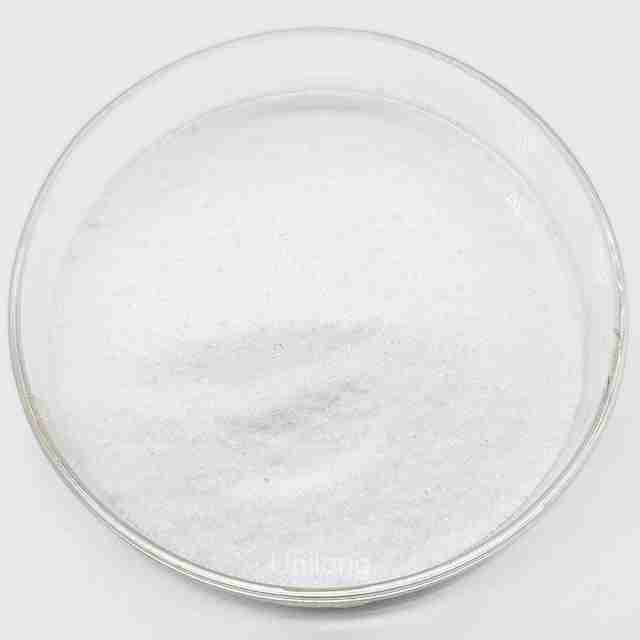
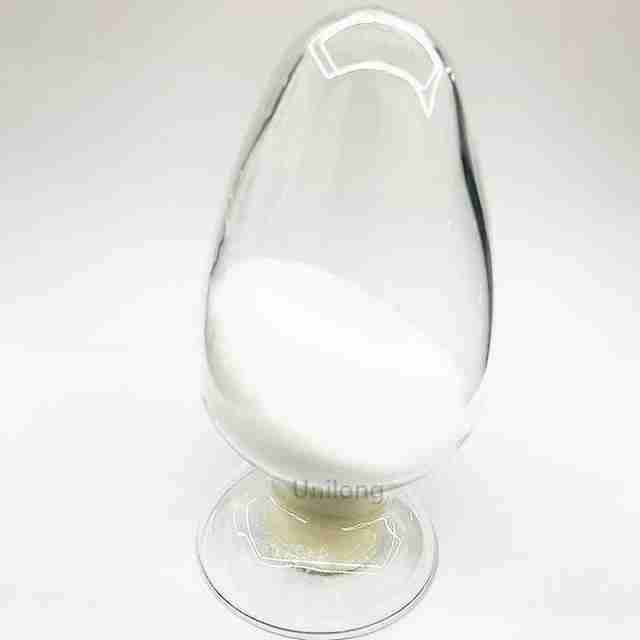
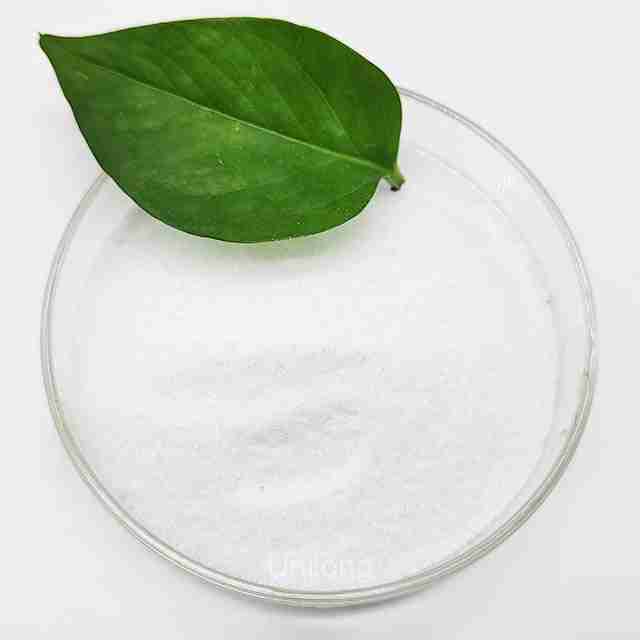
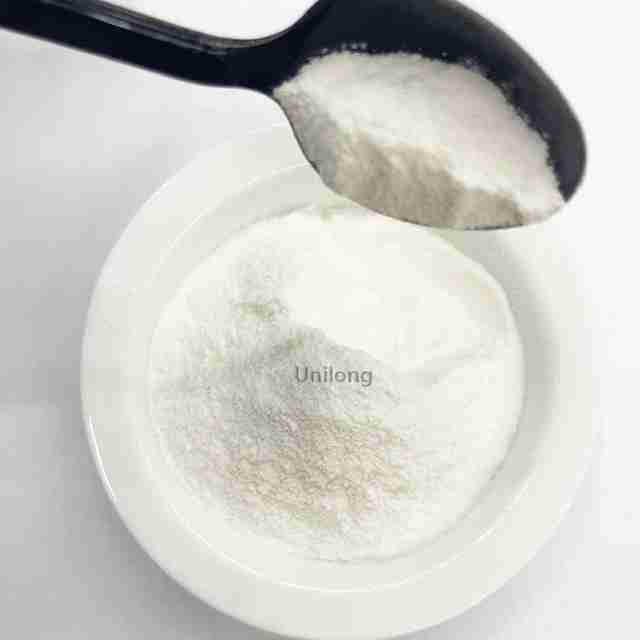
Antioxidant 1010 CAS 6683-19-8 is a macromolecular multifunctional hindered phenolic antioxidant, soluble in benzene, acetone, chloroform, insoluble in water. No pollution, no coloring, small volatility, good extraction resistance. When used in polypropylene resin with auxiliary antioxidant DLTDP and antioxidant 168, its thermal stability can be significantly improved, and it is one of the best phenolic antioxidant varieties at present. Antioxidant 1010 non-toxic, non-flammable, non-explosive, non-corrosive, good storage stability.
| Item | Specification |
| Melting point | 115-118 °C (dec.) |
| Boiling point | 779.1°C |
| Density | 0.9594 |
| Refractive index | 1.6390 |
| LogP | 18.832 (est) |
| Acidity coefficient (pKa) | 11.71±0.40 |
Antioxidant 1010 is one of the most widely used high-molecular-weight hindered phenolic antioxidants in the polymer industry. Due to its excellent extraction resistance, low volatility, and long-term thermal stabilization performance, it is suitable for a broad range of thermoplastics and elastomer systems.
Antioxidant 1010 is extensively used in polypropylene (PP), polyethylene (PE), and polyolefin copolymers to prevent thermal oxidation during extrusion, pelletizing, injection molding, and long-term service life. It helps maintain melt flow stability, tensile strength, and color consistency.
For higher processing efficiency, many manufacturers combine it with Antioxidant 168 to create a synergistic primary-secondary antioxidant system.
The product is suitable for ABS, polyamide, polycarbonate, PBT, polyester, and PS resin applications requiring long-term heat aging resistance and low migration performance.
In rubber compounds and thermoplastic elastomers, Antioxidant 1010 helps inhibit oxidative chain degradation caused by heat and oxygen exposure. It is commonly used in automotive rubber parts, sealing materials, and industrial elastomer formulations.
Antioxidant 1010 improves thermal stability in hot melt adhesives and pressure-sensitive adhesive formulations, especially in EVA and polyolefin-based systems requiring high-temperature processing.
Because of its strong long-term antioxidant performance, Antioxidant 1010 is widely used in recycled plastic applications to minimize polymer degradation during repeated extrusion cycles.
Explore more polymer stabilization additives on the Unisunchem Home Page or browse the Uniaox® Antioxidant Category.

Antioxidant 1010 provides excellent long-term thermal stability while maintaining low volatility and minimal discoloration. In PP and PE processing, it helps prevent chain scission and oxidation during high-temperature extrusion and molding.
Antioxidant 1010 is a primary hindered phenolic antioxidant mainly responsible for long-term oxidation resistance, while Antioxidant 168 is a phosphite processing stabilizer that decomposes hydroperoxides during high-temperature processing. They are frequently used together for better overall polymer protection.
Yes. Antioxidant 1010 is commonly added to recycled polyolefins and engineering plastics because it helps restore thermal stability and reduce degradation caused by repeated processing cycles.
No. Antioxidant 1010 is known for its non-discoloring properties and is widely used in white, transparent, and light-colored plastic products where appearance stability is important.
Antioxidant 1010 is compatible with PP, PE, ABS, PS, PVC, polyurethane, PBT, polyester, polyamide, synthetic rubber, adhesives, and many engineering plastics.