
In recent years, with the continuous progress and development of science and technology, 3D printing technology has gradually become a high-profile advanced manufacturing technology. In 3D printing technology, UV light curing technology is widely used, and its advantages are excellent accuracy, fast printing speed and cost effectiveness.
First of all, let’s look at the principle of UV curing technology. UV curing technology is a technology that uses violet line to irradiate the photosensitive resin and causes the resin to undergo curing reaction under the action of ultraviolet light. In 3D printing: The use of UV light curing technology can achieve fast, accurate prototype printing, and can obtain the shaped product in a short time.

Secondly, let’s discuss the specific application of UV curing technology in 3D printing. First, UV light curing technology can provide excellent printing accuracy in fine printing. Through the control of the photosensitive resin, tiny details can be printed to meet the high precision manufacturing needs. For example, in the medical industry, UV light curing technology can be used to print high-precision models of human organs for surgical simulation and medical research.
In addition, UV light curing technology can also play an important role in fast printing. Traditional 3D printing technology often takes a long time to complete the printing process, and the use of UV light curing technology can greatly shorten the printing time. UV light curing technology can achieve a rapid reaction, so that the resin curing in a short time, thus speeding up the speed of 3D printing, improve production efficiency. This is particularly important in the manufacturing sector where mass production takes place.
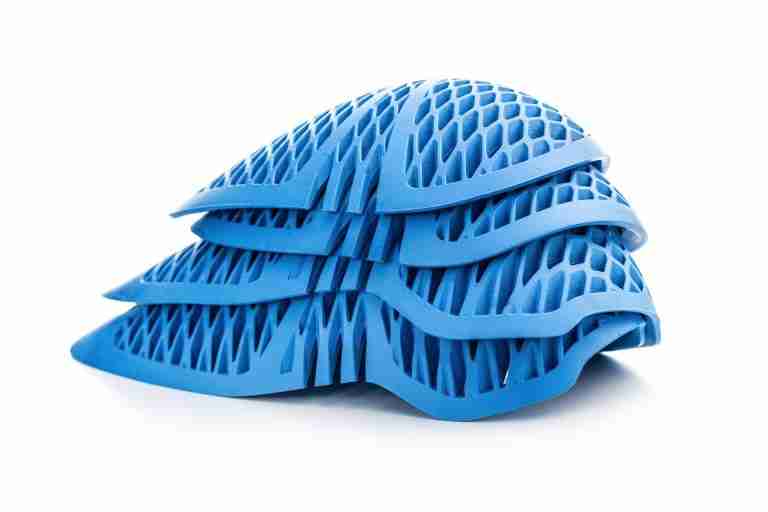
UV curing technology can also achieve the diversity of materials. UV light curing technology can use different types of photosensitive resins or liquid materials, so products with different characteristics can be printed. For example, using different colors of resin, you can print colorful products to meet different design needs. At the same time, due to the high viscosity of the photosensitive resin, complex structures can be manufactured during the printing process.
However, UV curing technology also has some challenges and limitations in 3D printing. First, the choice of materials is relatively limited. While many different types of photosensitive resins can be used, the range of options is still relatively small compared to traditional 3D printing techniques. Secondly, the size of the parts will also be limited. Because the light curing technology is cured layer by layer during the printing process, it may take longer and cost more when printing large-sized objects.
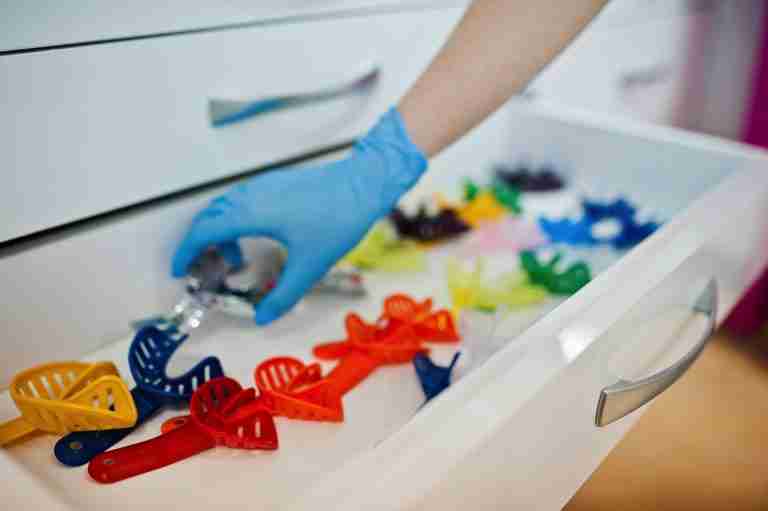
In summary, the application of UV curing technology in 3D printing has a wide range of application prospects. It can play an important role in many fields such as manufacturing, medical field, art and design field. Through continuous technological innovation and research, we believe that UV curing technology will play a more important role in the future of 3D printing, helping to achieve more efficient, accurate and diversified manufacturing processes.