



- Product Name: Propoxylated Neopentyl Glycol Diacrylate
- CAS No.: 84170-74-1
- Molecular Formula: C₁₇H₂₈O₆
- Molecular Weight: 328.4 g/mol
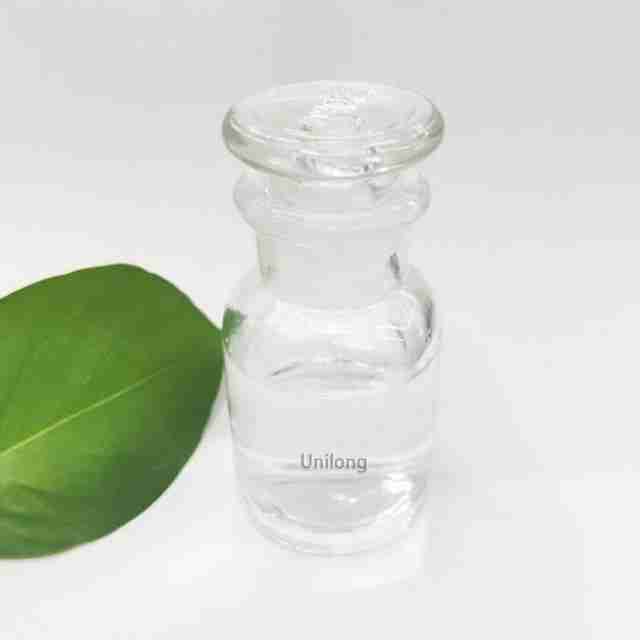
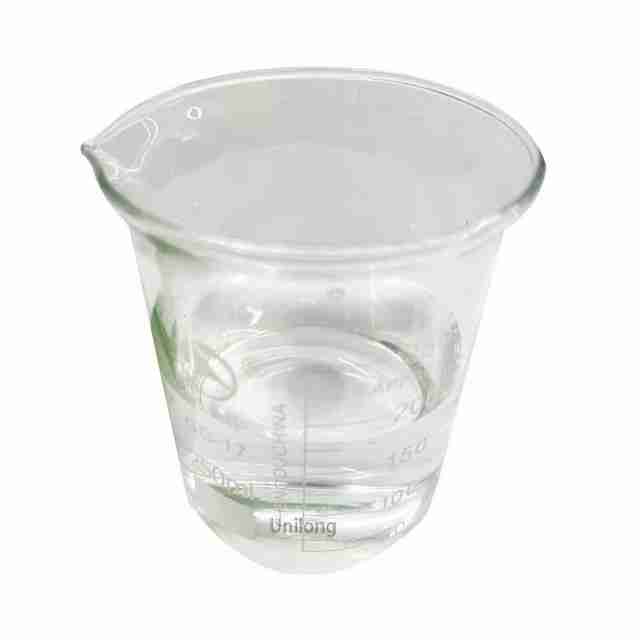
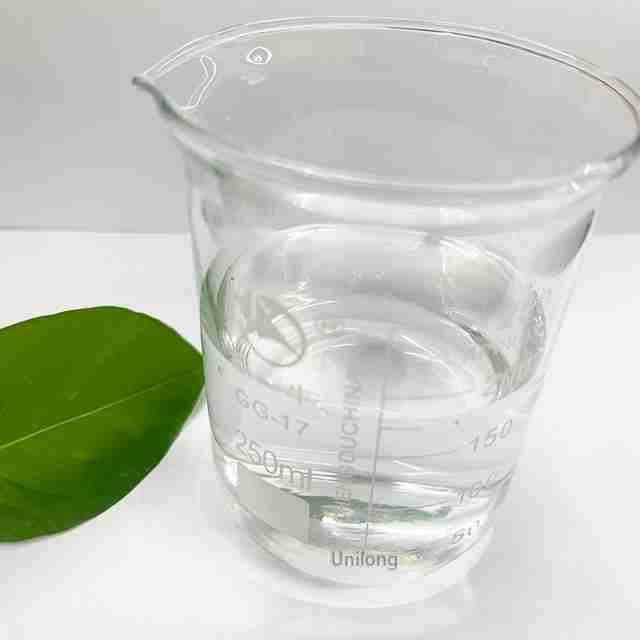
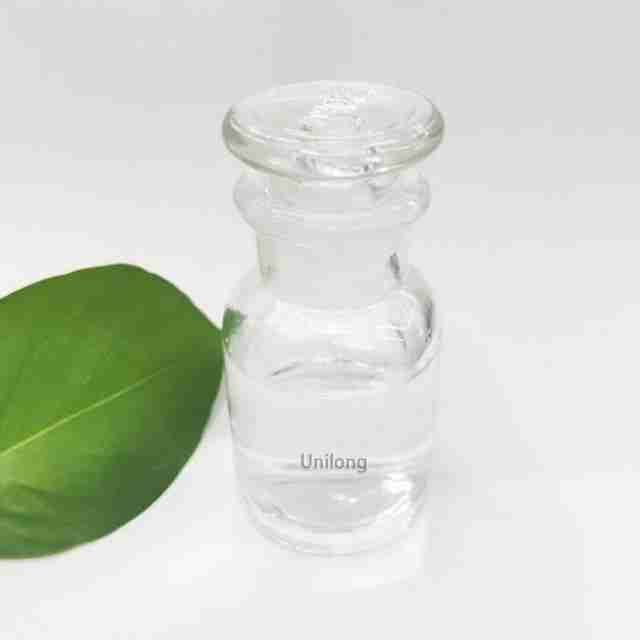
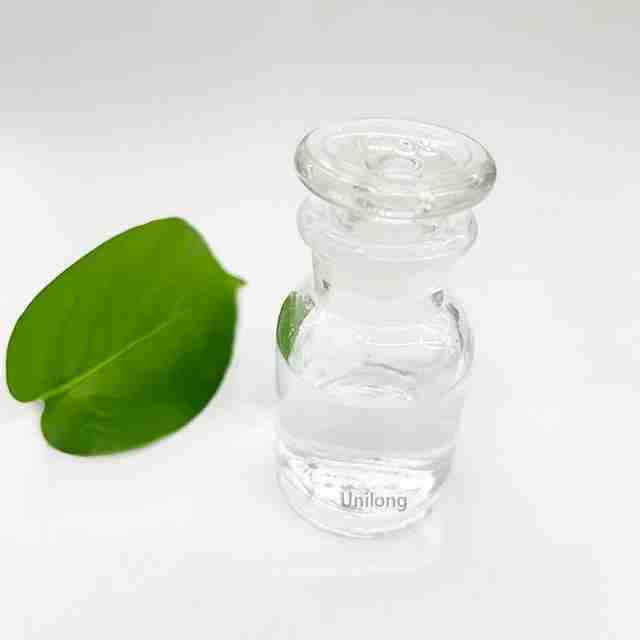
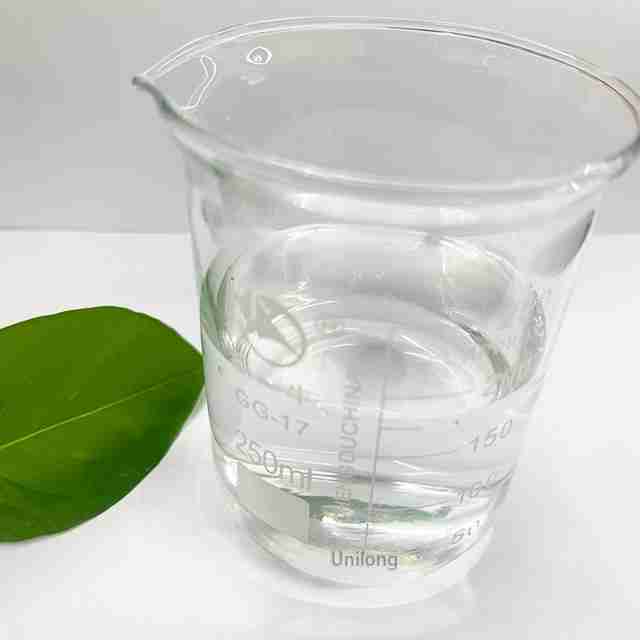
- Appearance: Clear, colorless to slightly yellow liquid
- Viscosity: ~16 cps (25°C)
- Density: ~1.00 g/cm³
- Synonyms: NPG Propoxylate Diacrylate, PO-NPGDA, SR9003
Products
2PO-NPGDA CAS 84170-74-1
Propoxylated neopentyl glycol diacrylate is a low-viscosity, difunctional acrylate monomer widely used in UV curing and EB curing systems.. It polymerises quickly via free-radical reaction to produce a cross-linked polymer.
Because of its low viscosity and high reactivity, it’s commonly blended with:
Photoinitiator
- Photoinitiator 819
- TPO
- Benzophenone
Amine synergists
These additives work in concert to deliver fast cure, surface dry and conversion rates.
Moreover, this monomer has superior flexibility and adhesion, and is a high-performing UV-curable formulation.
| Item | Specification |
|---|---|
| Appearance | Clear liquid |
| Color (APHA) | ≤100 |
| Viscosity (25°C) | 10–20 cps |
| Density (25°C) | ~1.00 g/cm³ |
| Functionality | Difunctional |
| Refractive Index | ~1.446 |
| Flash Point | >230°F |
Propoxylated neopentyl glycol diacrylate is used for:
- Wood coatings
- Plastic coatings
UV Inks
- Offset printing
- Screen printing
- Electronics bonding
- Optical adhesives
Used together with:
- Photoinitiators → Trigger Reaction
- EDB → Improve curing efficiency
- UV monomers(Other Monomers)→ Adjust Performance
- Low Viscosity → Helps Product Flow
- Fast Drying in UV Curing Systems
- Good Flexibility and Toughness
- Excellent Adhesion to a Variety of Substrates
- Excellent Reactivity in Free-Radical Systems
- Compatible with the following components:
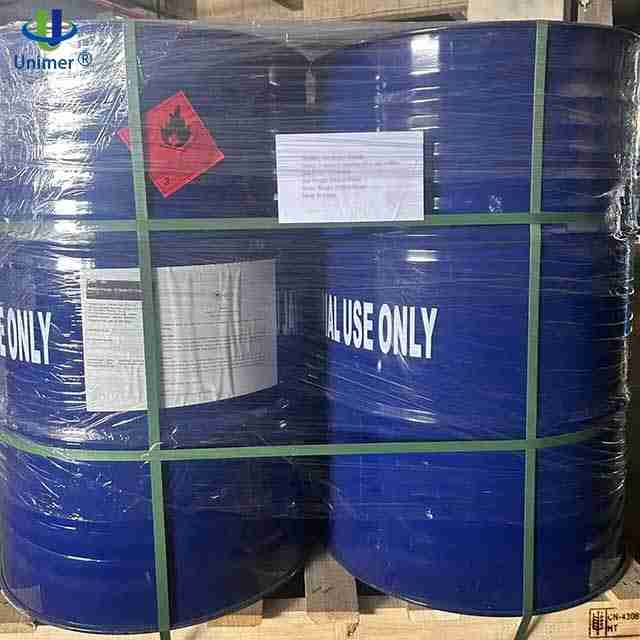
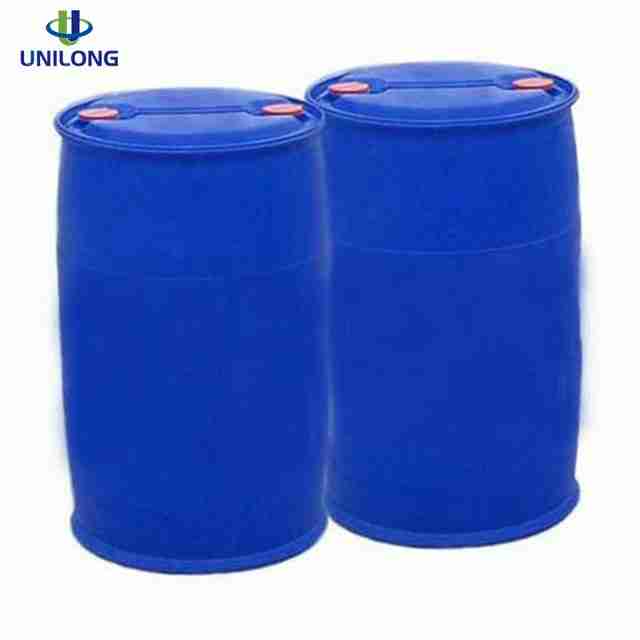
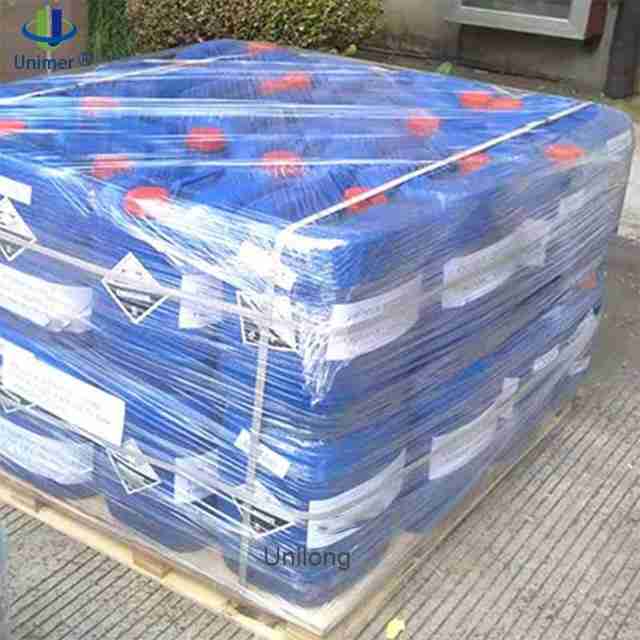
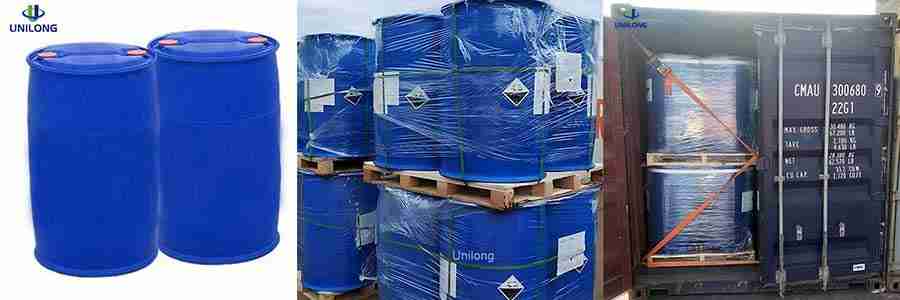
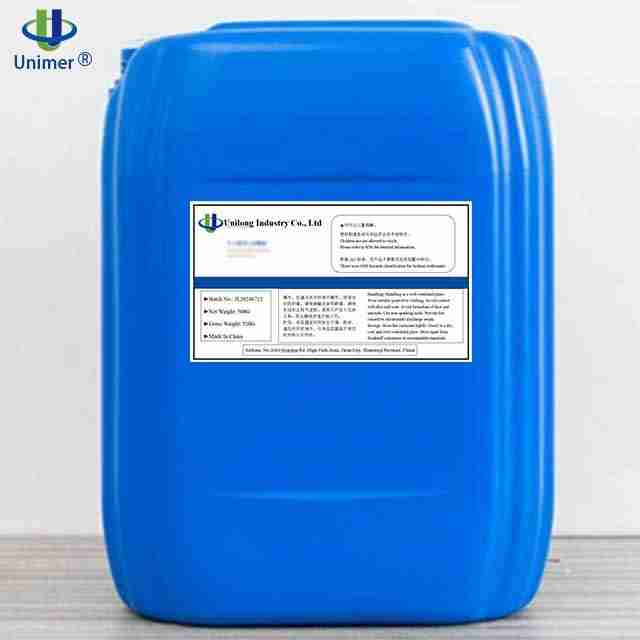
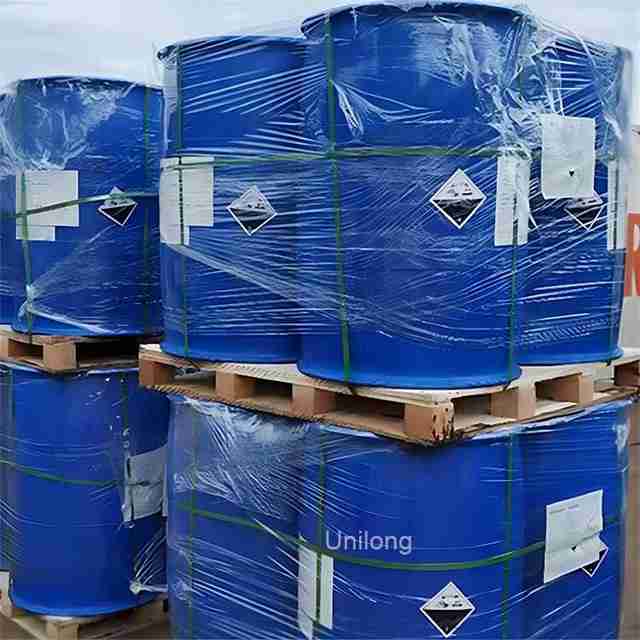
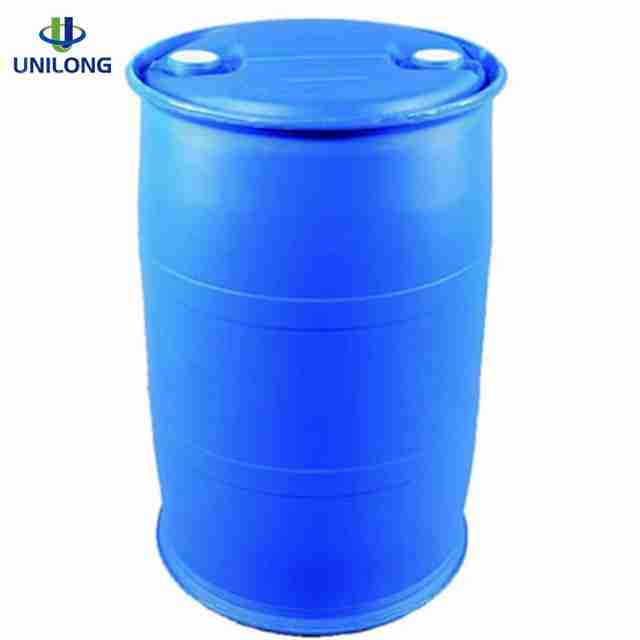
Packed in 200kg/drum, can also be do customized package.
Q1: What is the function of this product in UV-curable products?
A: It’s a reactive monomer which, after being initiated by the photoinitiator, polymerises via a cross-linked network.
Q2: With which products should the monomer be combined?
A: It is commonly used with the following products:
- Photoinitiators (e.g., 819, TPO, Benzophenone)
- Amine Synergists (e.g., EDB)
- Light Stabilizer
Q3: Do I need a photoinitiator?
A: Yes. If you don’t use a photoinitiator, the monomers will not polymerise under UV exposure.
Q4: What are the main benefits of using this monomer?
A: It has the following properties:
- Low viscosity
- Good flexibility
- Fast curing speed
Q5: How can polymerization during storage be avoided?
A: Inhibitors are usually added to Polymerization Inhibitor from occurring in storage.
you may like

4EO-NPA CAS 50974-47-5

BPA20EODA CAS 64401-02-1